




Top 20 Most Common Mushrooms in Puerto Rico
Immersed in the resonance of the Caribbean tropics, Puerto Rico boasts a unique and vibrant ecosystem conducive to a diverse range of mushroom species. Crucial factors such as its fertile soil, an array of local flora and fauna, and the lush tropical climate facilitate a spectacular richness in mushroom types. Come delve into this exploration of the 20 most common mushrooms found across Puerto Rico, each with its distinct traits and captivating functionalities.

Most Common Mushrooms
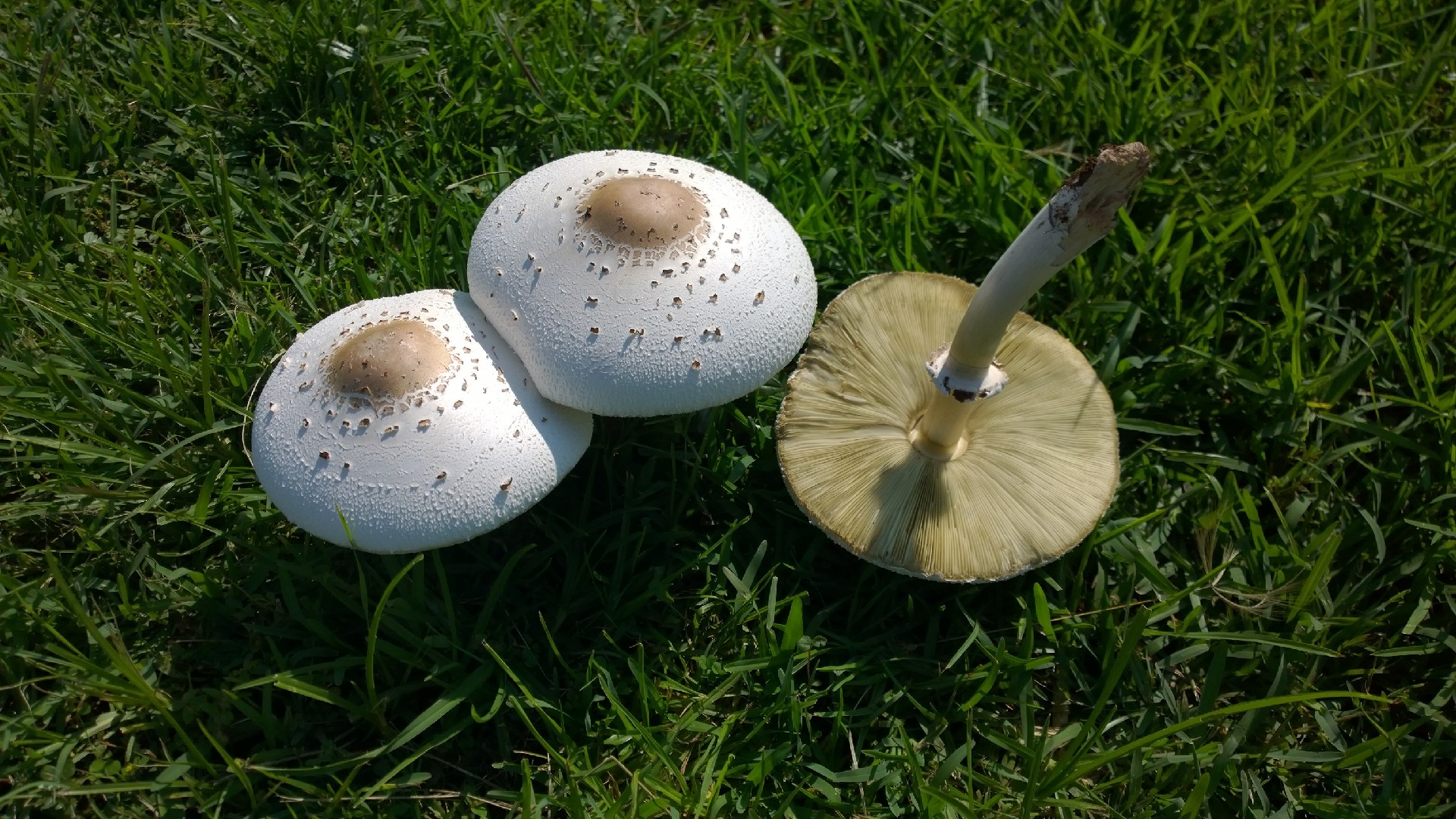
1. False parasol
Though the false parasol appears unassuming, the species is famous—or, infamous—for its toxicity. It looks unfortunately similar to Agericus campestrus, a commonly eaten mushroom, but the false parasol can be distinguished by its highly unusual green spore print. Although they are no good to eat, they can be pretty to look at. The species may grow in ring-shaped groups in meadows and on forest floors in what are sometimes called "fairy circles."
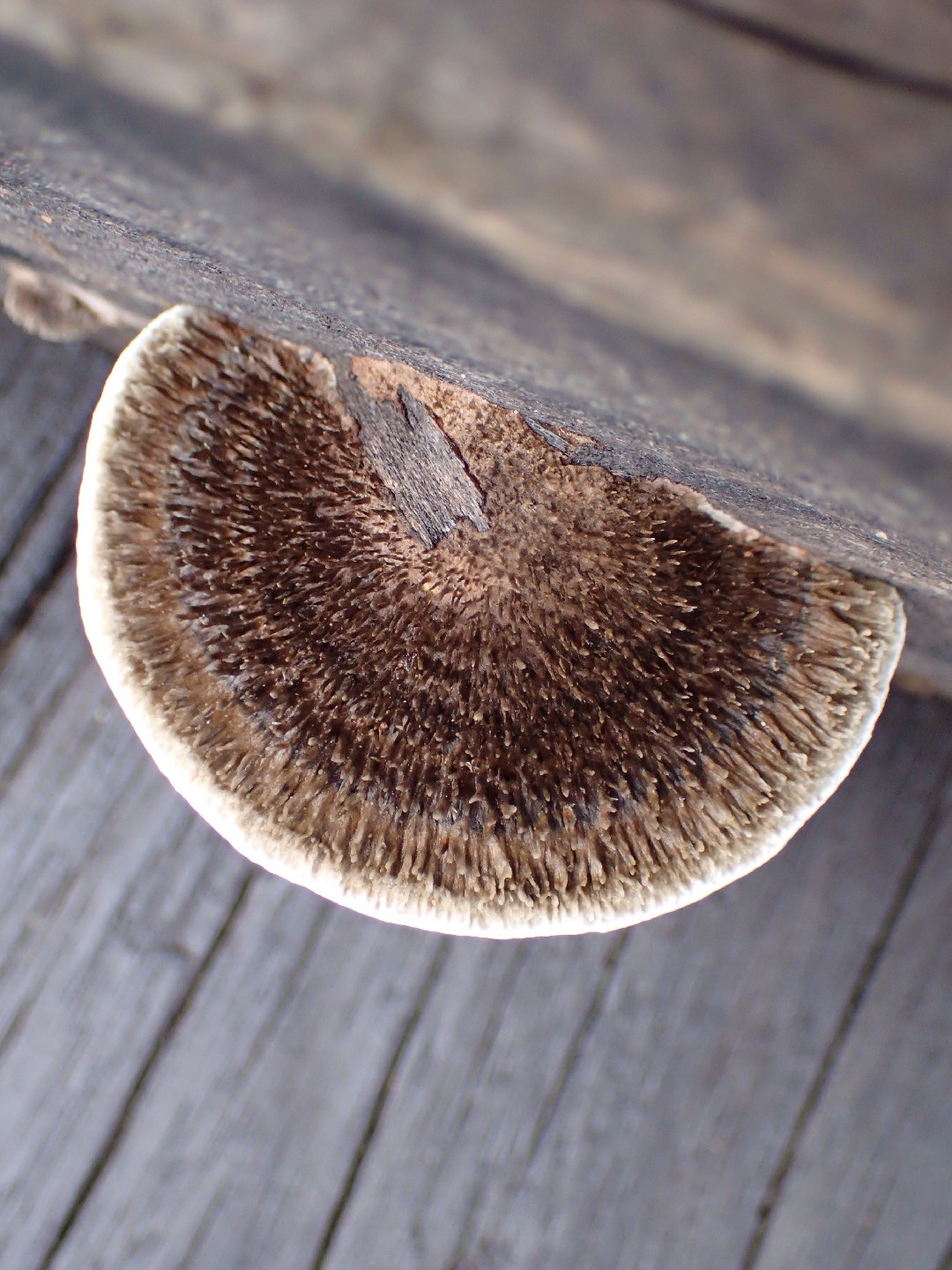
2. Hairy hexagonia
The hairy hexagonia (Hexagonia hydnoides) is not the most common mushroom you'll find, but has very distinctive qualities. Stiff, dark brown, bristle-like hairs emerge from an ochre flat cap and are found growing from a decaying tree stump or wood. The large pores on the cap's underside create an almost sponge-like appearance, and the stem is otherwise not visible.
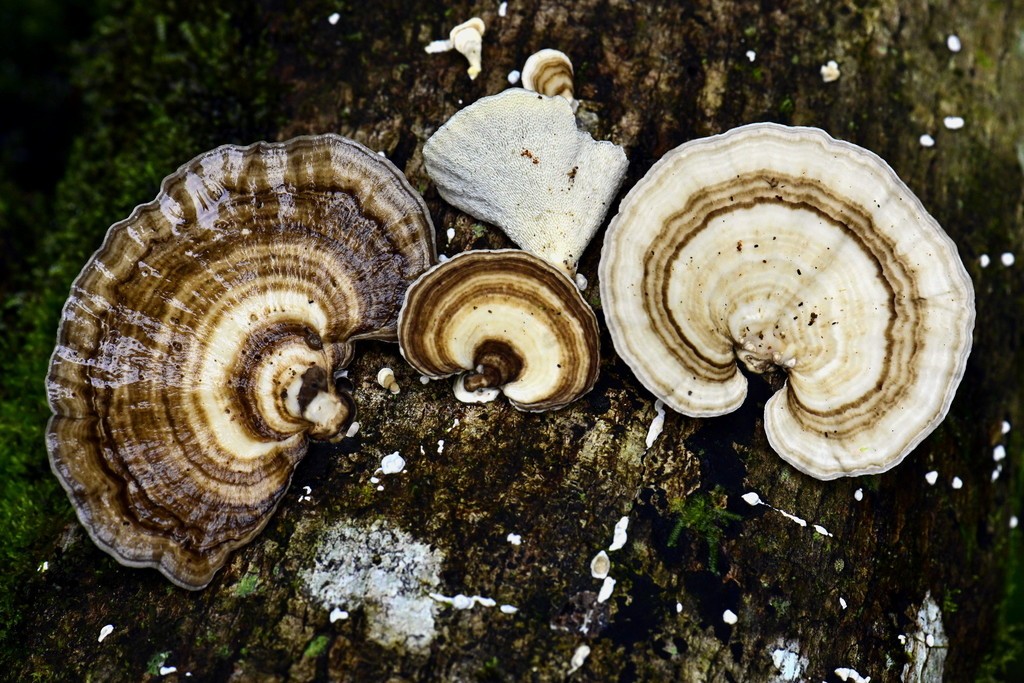
3. Leiotrametes menziesii
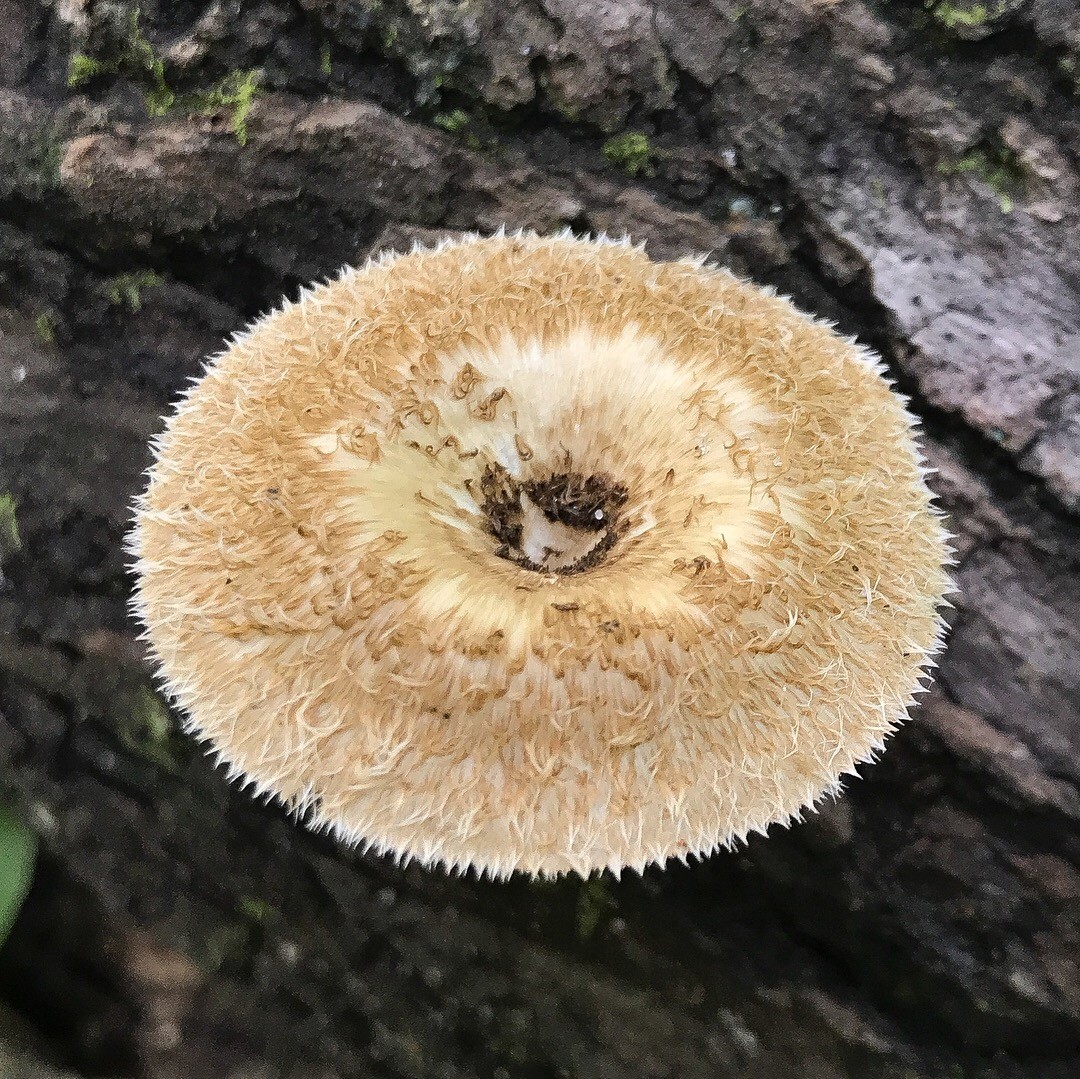
4. Fringed sawgill
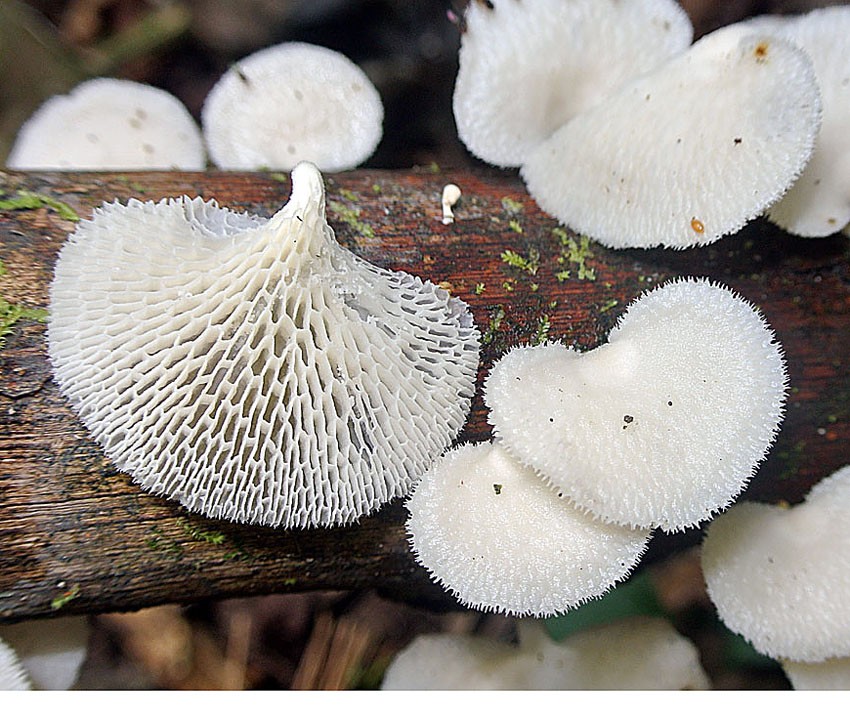
The odd shape cap of the fringed sawgill can be spotted from afar by its fuzzy, almost wig-like appearance. The cap is predominately dark tan towards the concave center but fades to a crisp white along the edges and gills. Size ranges from thumb-sized to dinner plate size.
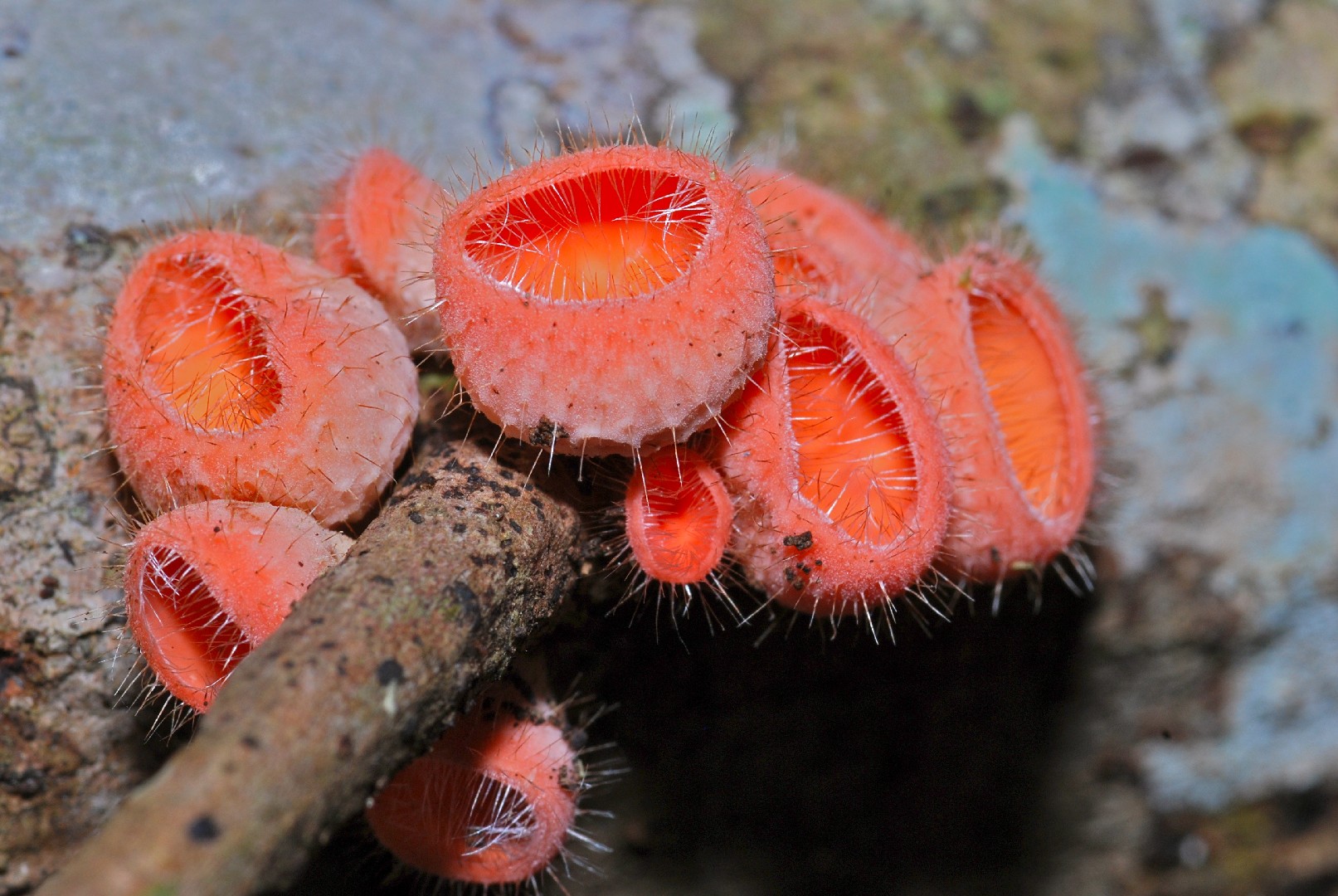
5. Cookeina tricholoma
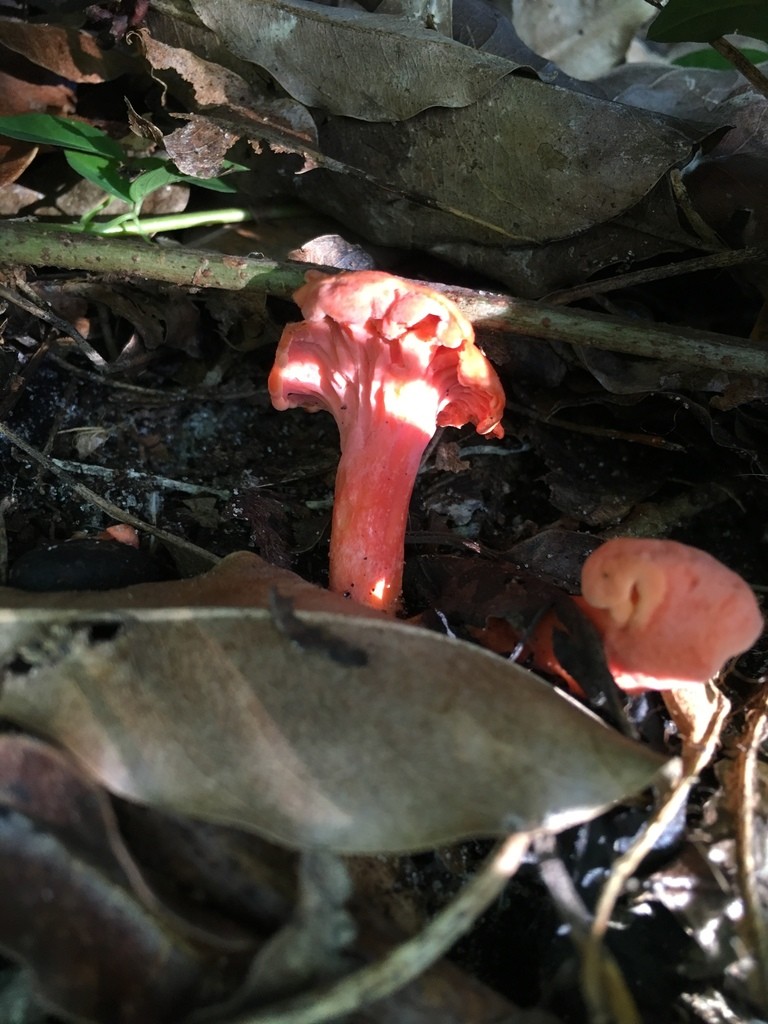
Cookeina tricholoma is a hose mushroom from the family of the Kelchbecherlingsverwandten.
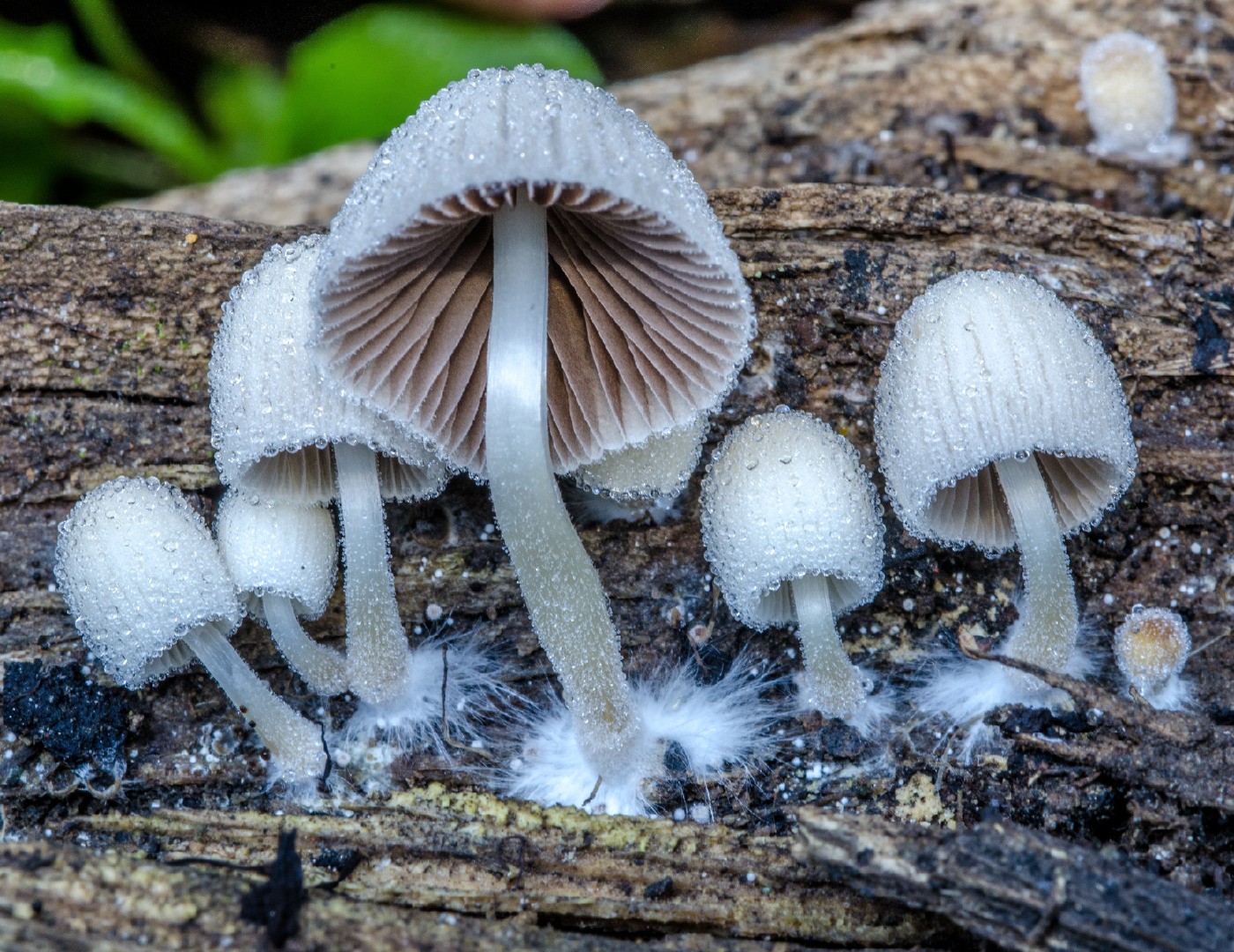
6. Fairy inkcap
The mushrooms of the fairy inkcap species have a tendency to congregate in large masses over dead tree stumps and decaying roots. They appear all around the world from early spring all the way to the first frosts, but each fruit only lasts a few days before turning black and distributing its spores.
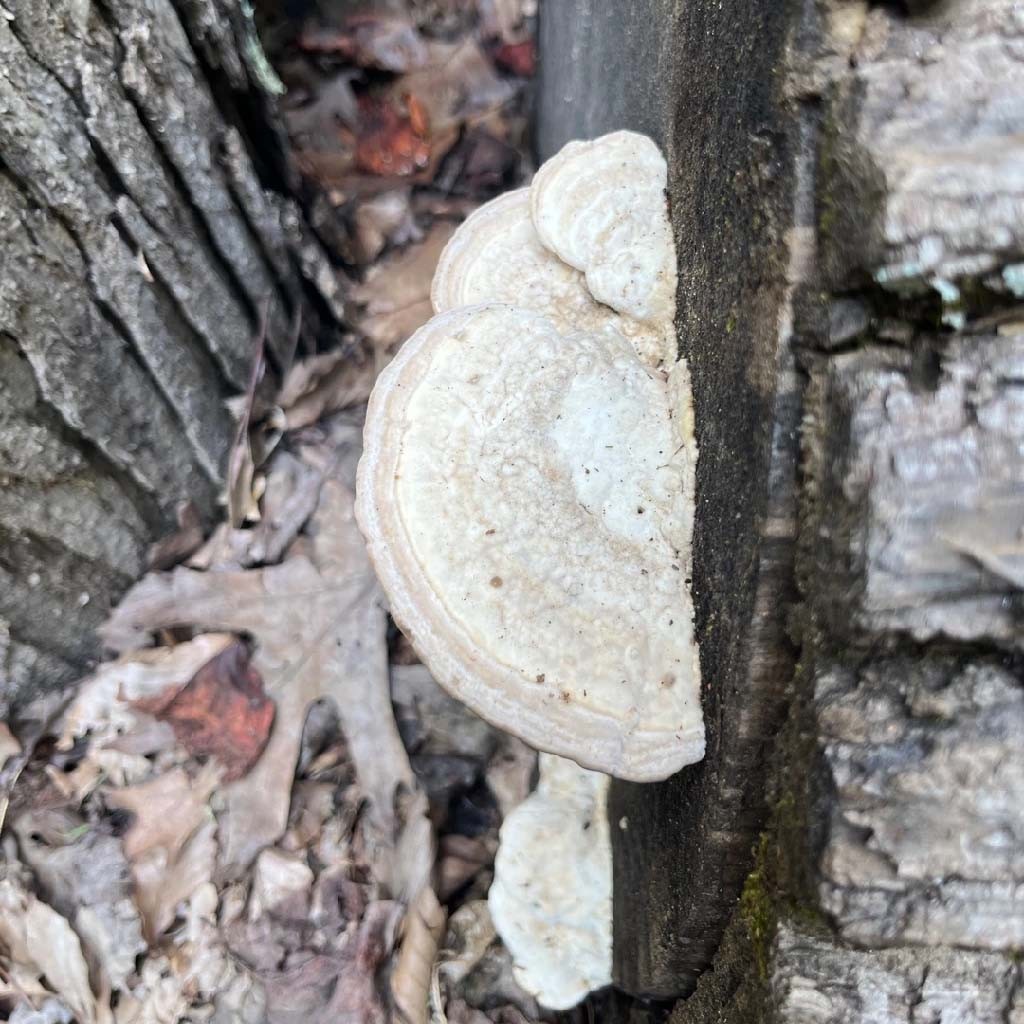
7. Leiotrametes lactinea
Leiotrametes lactinea thrives in warmer climates growing on decaying and dead trees, stumps, and branches. The white-rot fungus provides an important ecological service by aiding in the decay of dead wood by removing lignin, which is the organic material in the tree’s cell walls that prevent it from decaying.
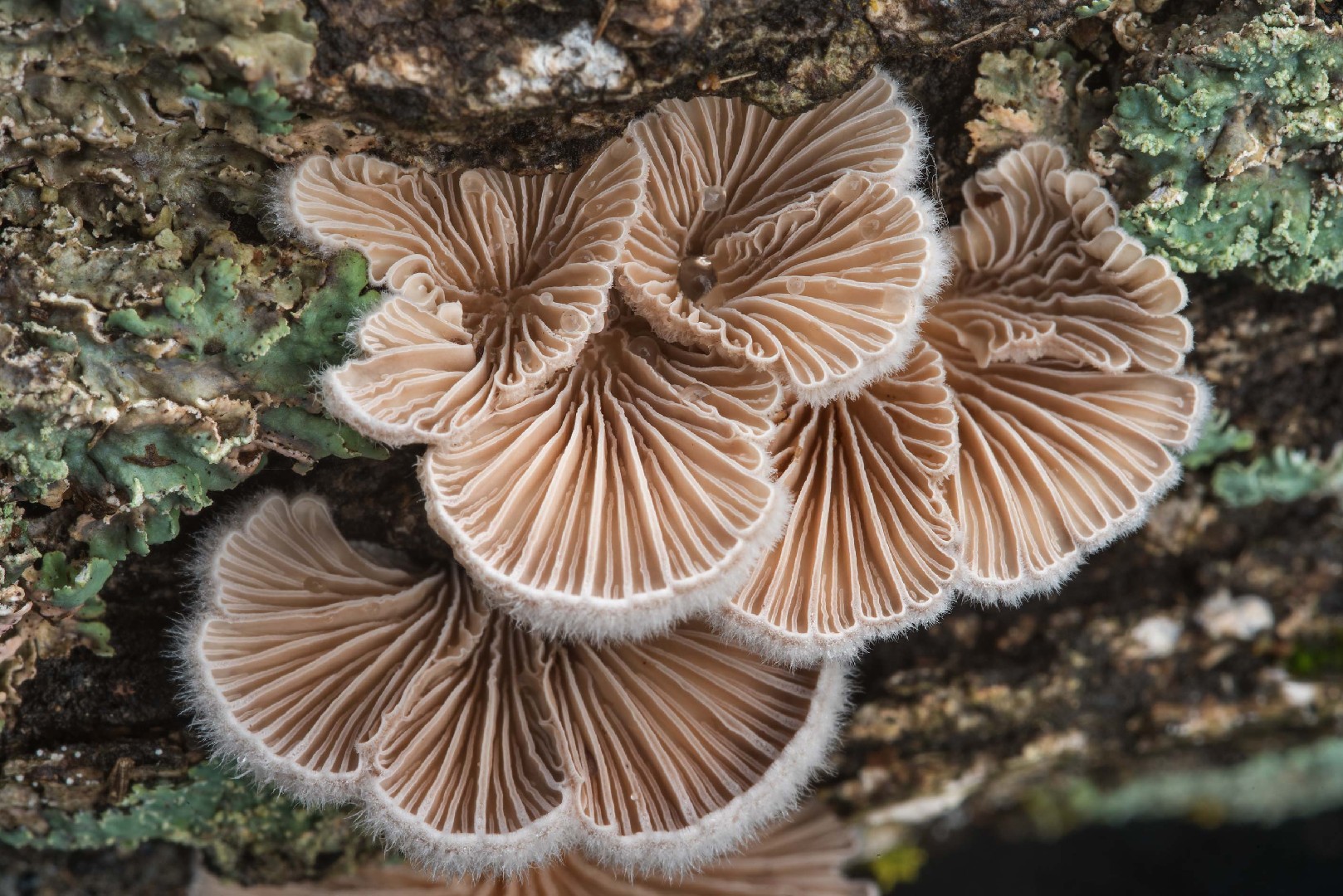
8. Split gill
Split gill(Schizophyllum commune) can be found across the globe. Uniquely, it is the only mushroom species known to display the capability to retract by movement. It is considered inedible, although not necessarily toxic. Furthermore, it is not recommended to smell this species, as the spores are capable of sprouting and growing in nasal passages.
9. Magic mushroom
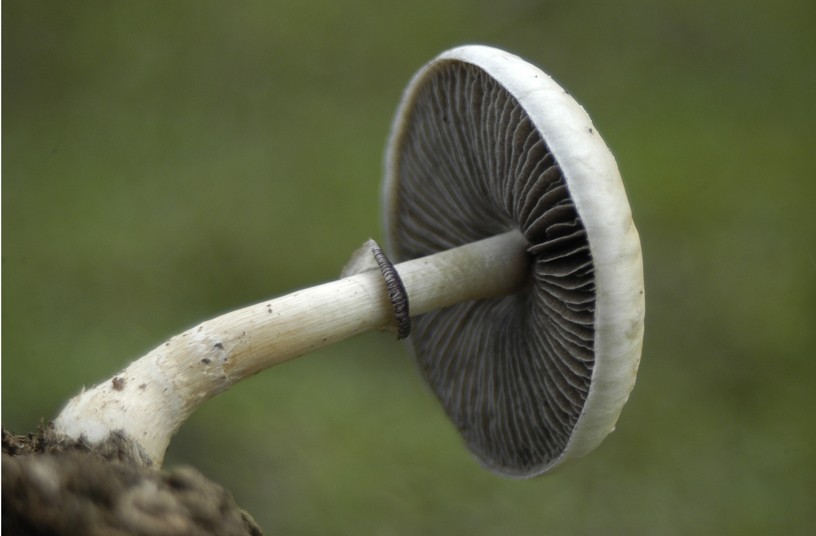
Psilocybe cubensis, known informally as magic mushroom, are a globally distributed species that can be found growing in tropical or subtropical areas across the Americas, Africa, India, Southeast Asia, and Australia. Particularly fond of growing in cattle dung, the magic mushroom may be found in larger quantities in ranching areas.
10. Earliella scabrosa
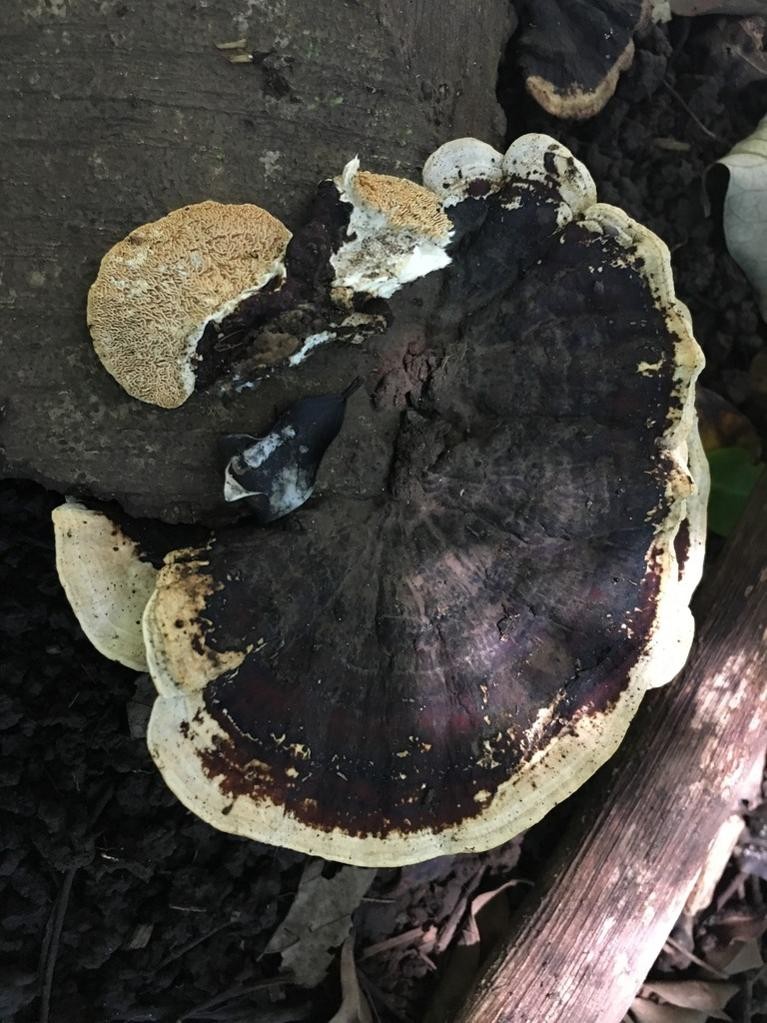
Earliella scabrosa is distinguishable by its sinuous or elongated pores that set it apart from similar species. It prefers tropical climates growing on broadleaf and decaying tree trunks and branches. On living trees, the spores enter wounds on the wood further weakening the tree.

More







