




Top 20 Most Common Mushrooms in Vila Real
Encapsulating an incredible fungal biodiversity, Vila Real hosts the most divers range of mushroom species. In the midst of its verdant landscape and favorable microclimate, 20 most commonplace mushrooms flourish, enriching gastronomic history of this region with their unique flavors and textures. Dive into the captivating world of Vila Real’s prevalent mushroom species to appreciate the alluring complexity of their existence.

Most Common Mushrooms
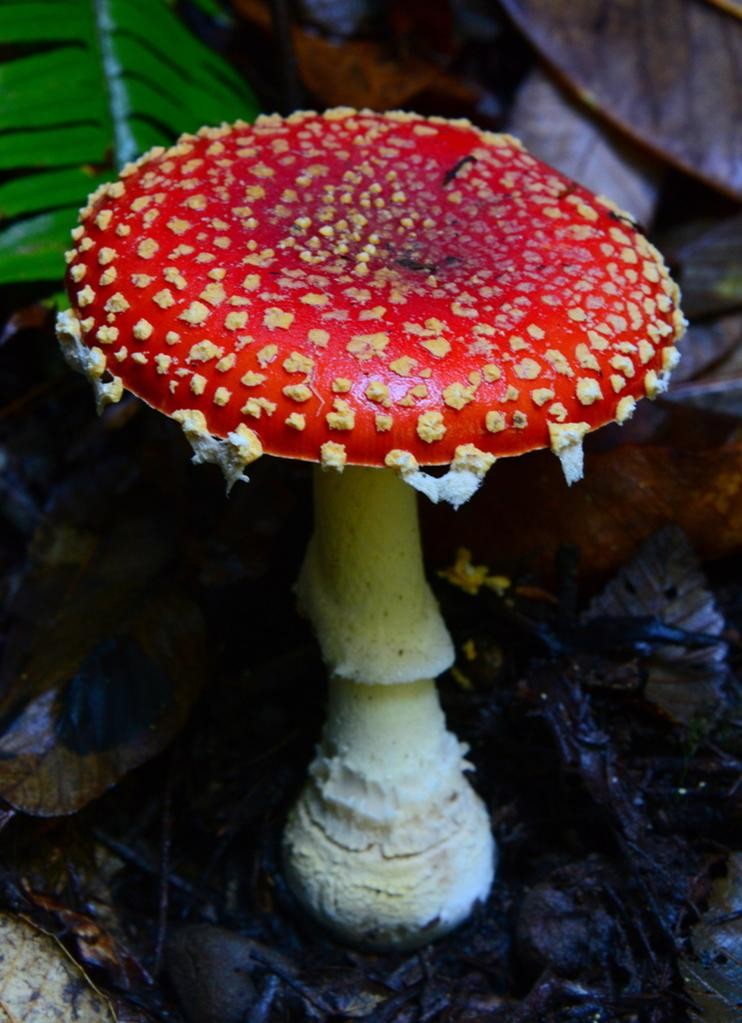
1. Fly agaric
In Northern Asia and Europe, fly agaric grows under trees near the winter solstice and is collected for ritual use tied to the season. Its characteristic shape and coloring are still ubiquitous in many European fairy tale illustrations and Christmas traditions. It is highly toxic.
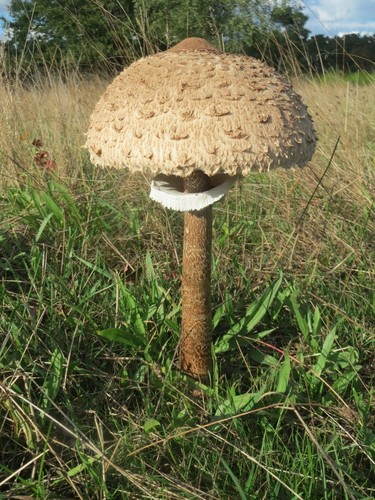
2. Parasol
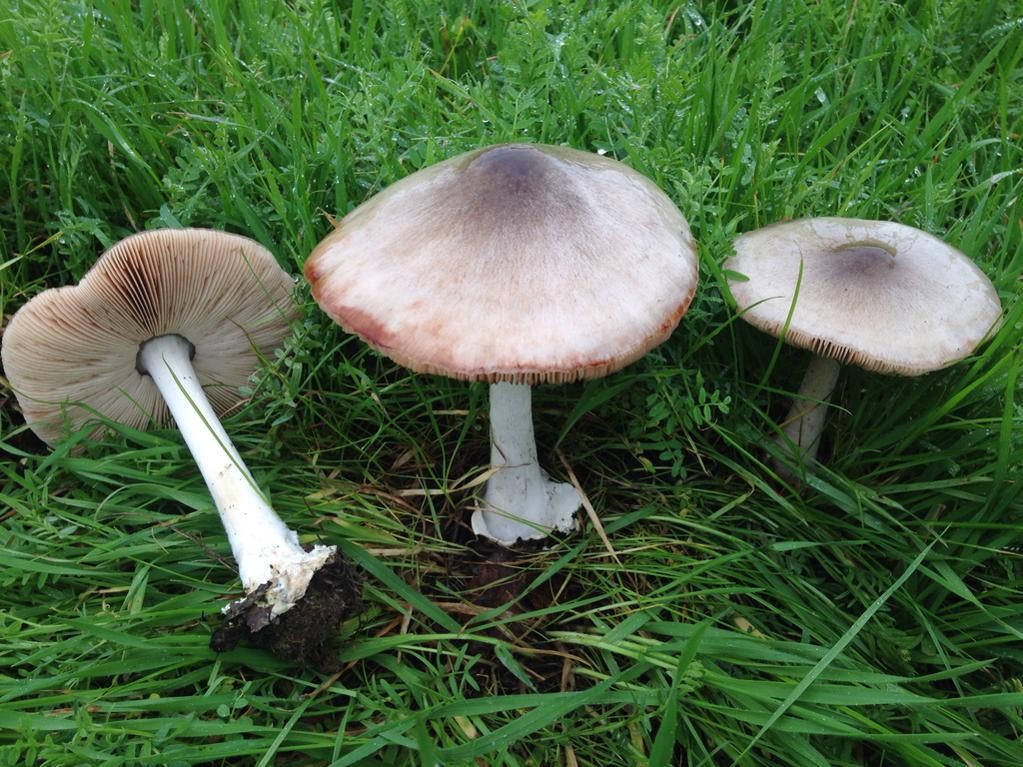
Found in clearings and grassy areas in late summer, the wild parasol mushroom has a snakeskin-patterned stem. The brown spots on its cap make it look a bit shaggy, but that name is reserved for its poisonous counterpart, the Shaggy Parasol (Chlorophyllum rhacodes). You can distinguish the two by the stems: the latter has a smooth stem and red flesh inside.
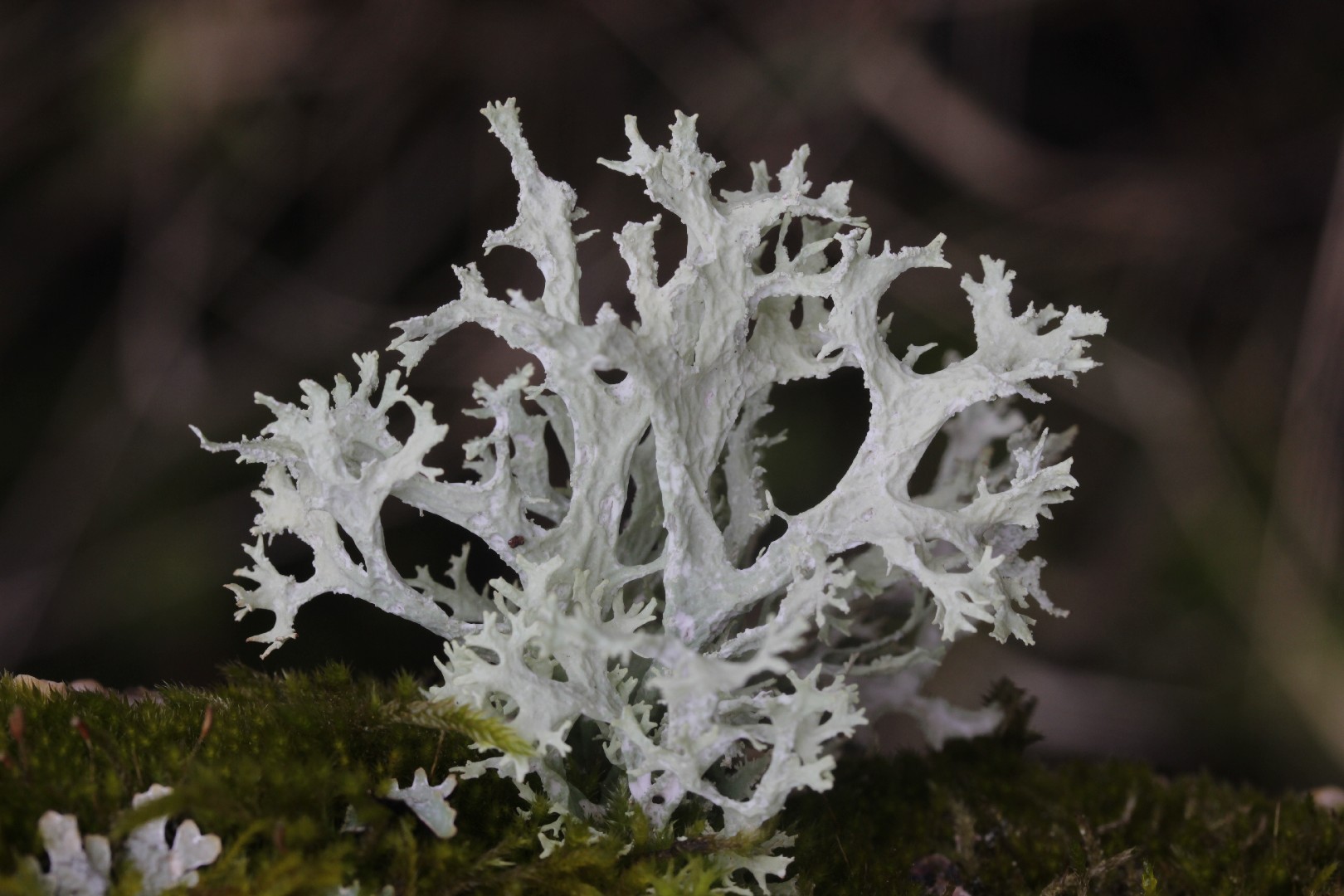
3. Oakmoss
Evernia prunastri grows shrubby on trees. The yellow-green lichen grows up to 10 cm. It consists of up to five millimeters wide shrubby branched bands with a light underside. At the edges of these open dusty (Sorale). Apothecias (with shiny brown disc) are rarely formed.
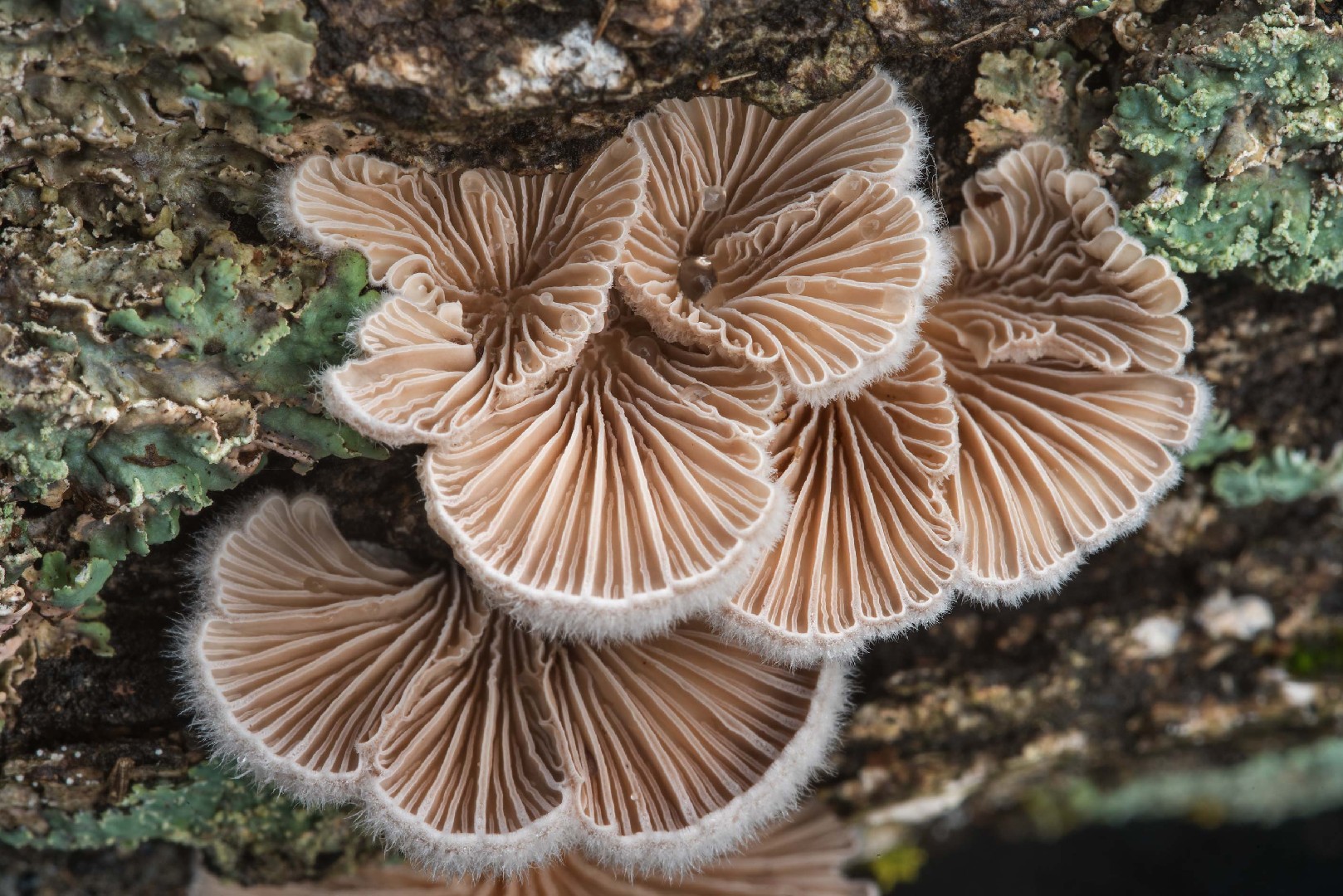
4. Split gill
Split gill(Schizophyllum commune) can be found across the globe. Uniquely, it is the only mushroom species known to display the capability to retract by movement. It is considered inedible, although not necessarily toxic. Furthermore, it is not recommended to smell this species, as the spores are capable of sprouting and growing in nasal passages.
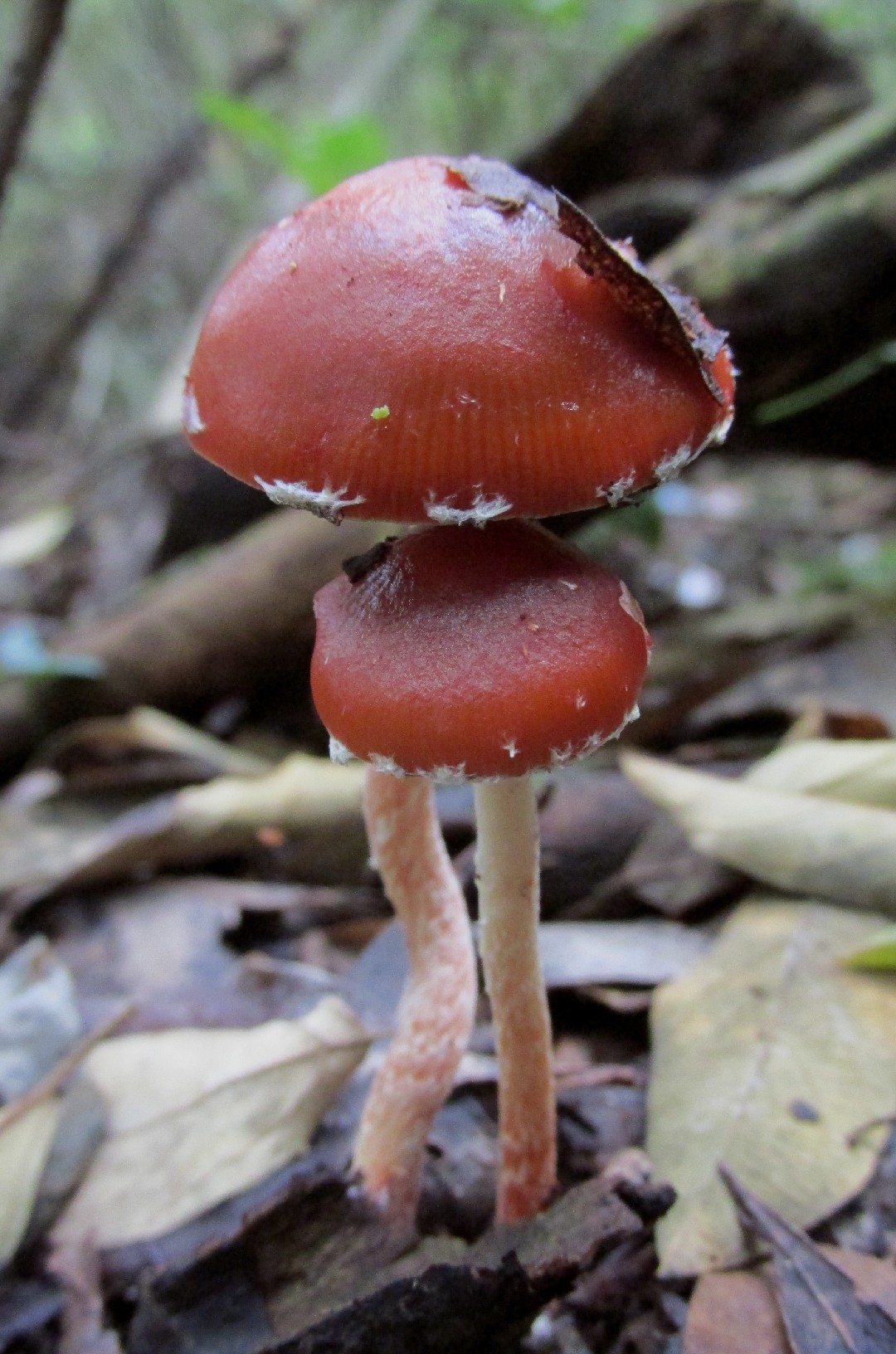
5. Redlead roundhead
This colorful mushroom grows most commonly on woodchip mulch and in sandy pine forests of coastal areas around the world. The redlead roundhead is believed to have originated in Australia. It may look pretty enough to eat, but don’t; it is bitter, toxic, non-digestible, and likely to cause an upset stomach.
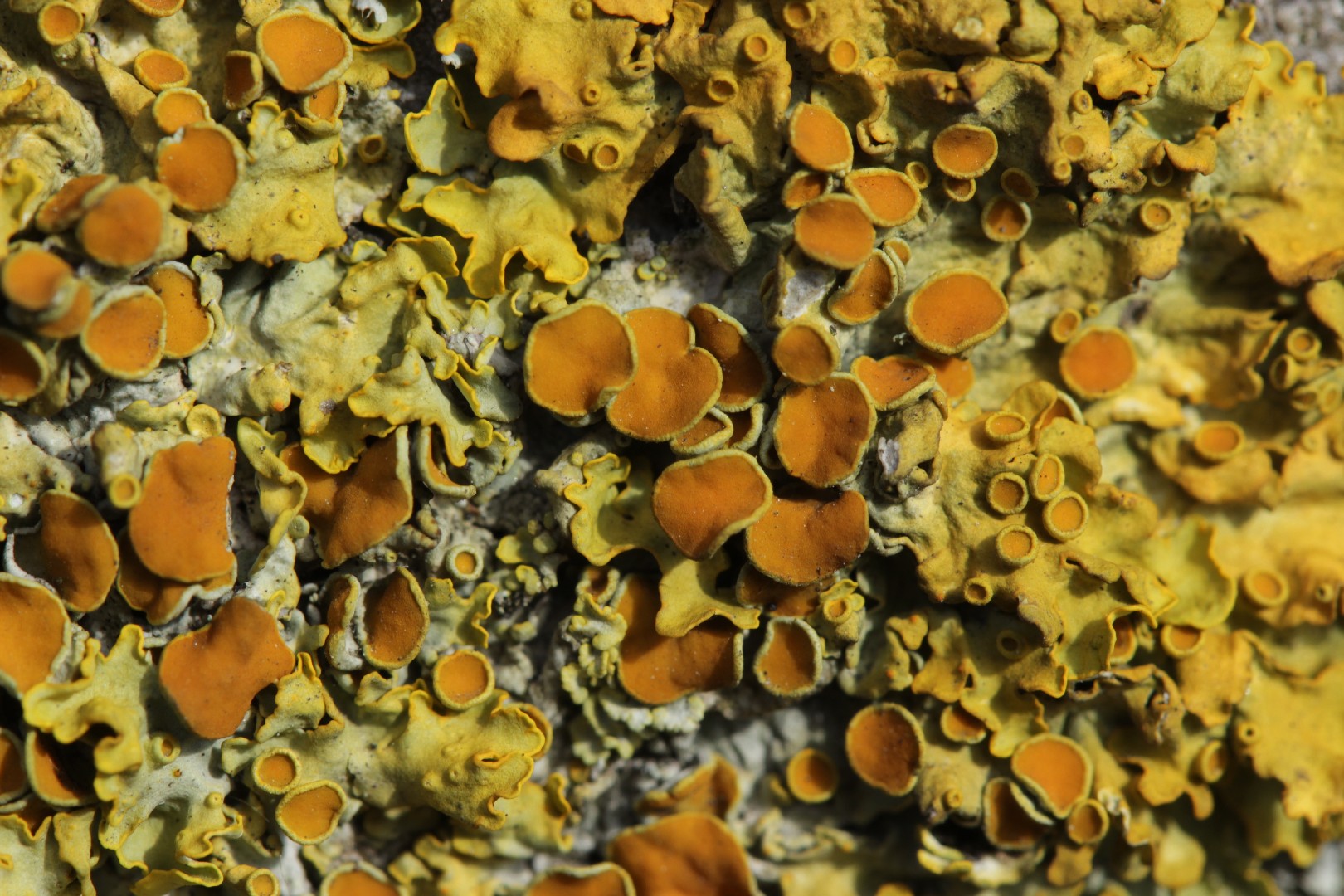
6. Common orange lichen
Common orange lichen was selected in 2006 by the United States Department of Energy as a model for genomic sequencing. Its widespread dispersal and bright yellow-orange color give the lichen its common name. It is primarily found growing on rocks, walls, and tree bark.
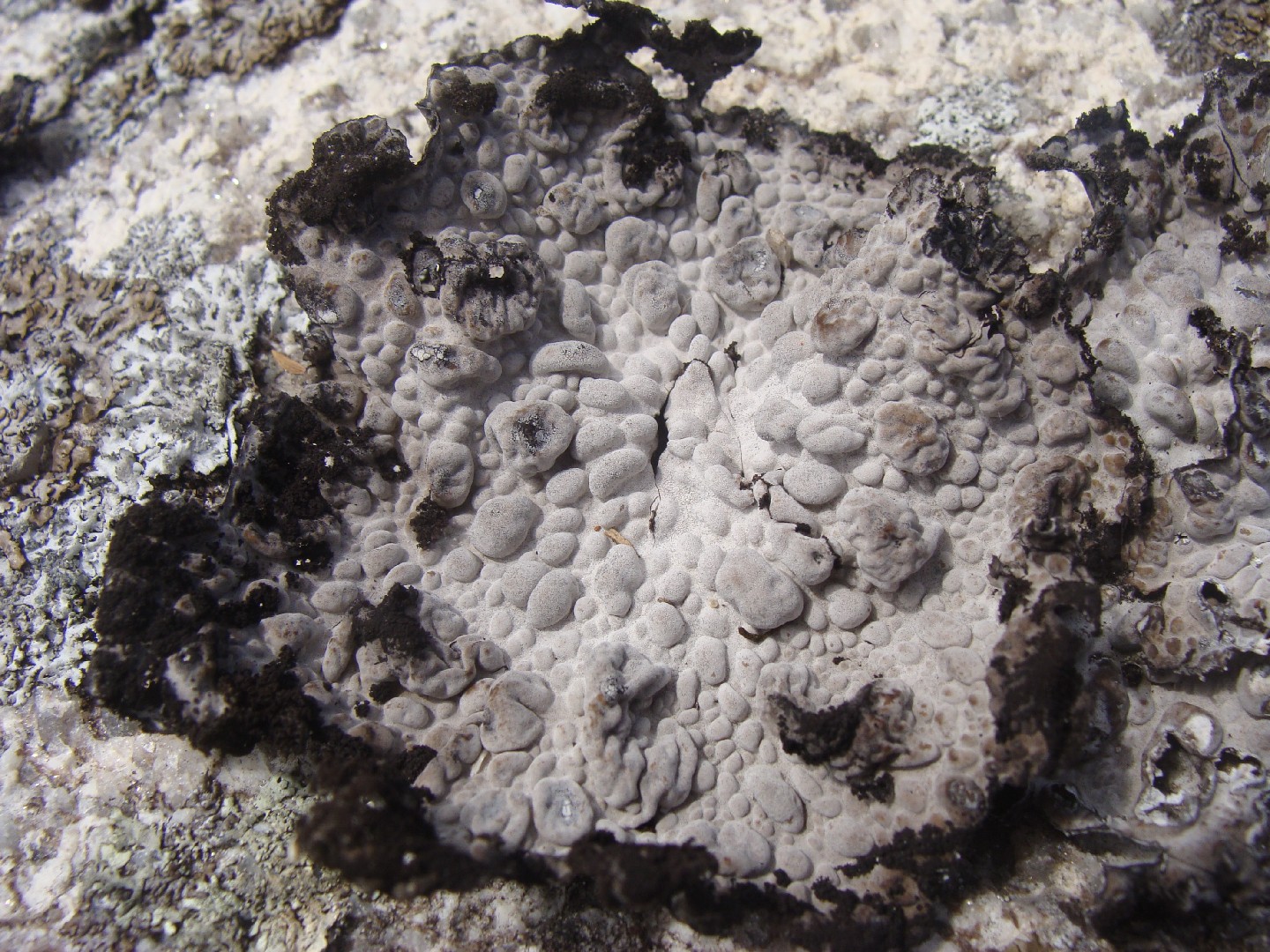
7. Blistered navel lichen
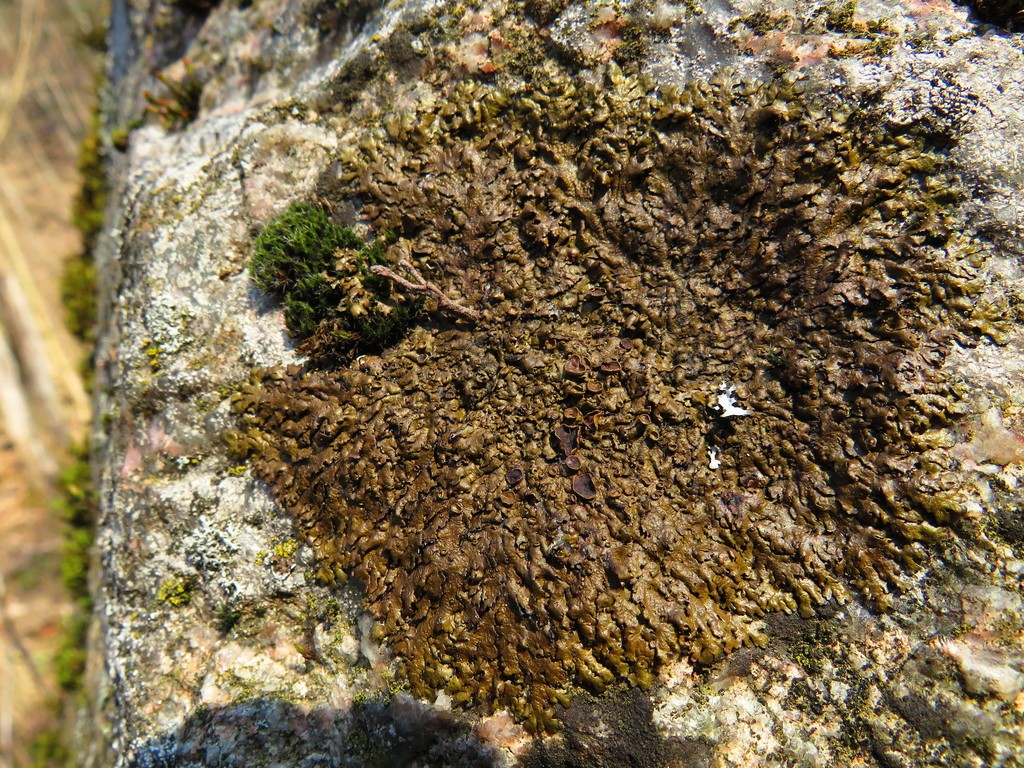
The foliose and umbilical thallus (attached by a single central crampon, the umbilicus), 3-6 (15) cm in diameter, is gray-brown to blackish-brown in dry weather, olive-green when it rained. Its upper surface is covered with convex pustules and bunches of brown-black coral isidia, the central part being covered with a white bloom. The pustules corresponding to propagules: the migration of these pustules from the center to the periphery gives rise to marginal isidies which ensure the vegetative reproduction of the thallus.
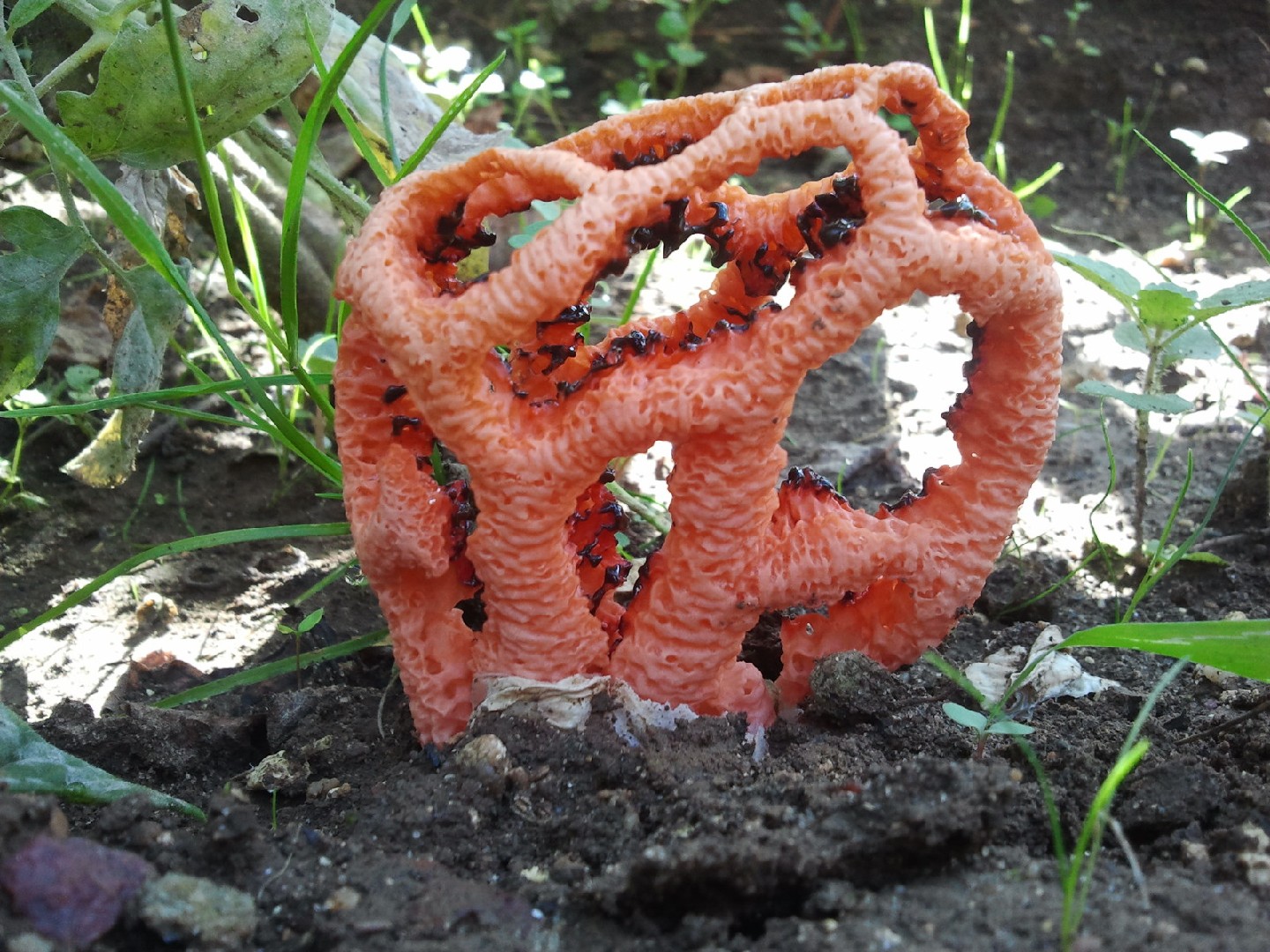
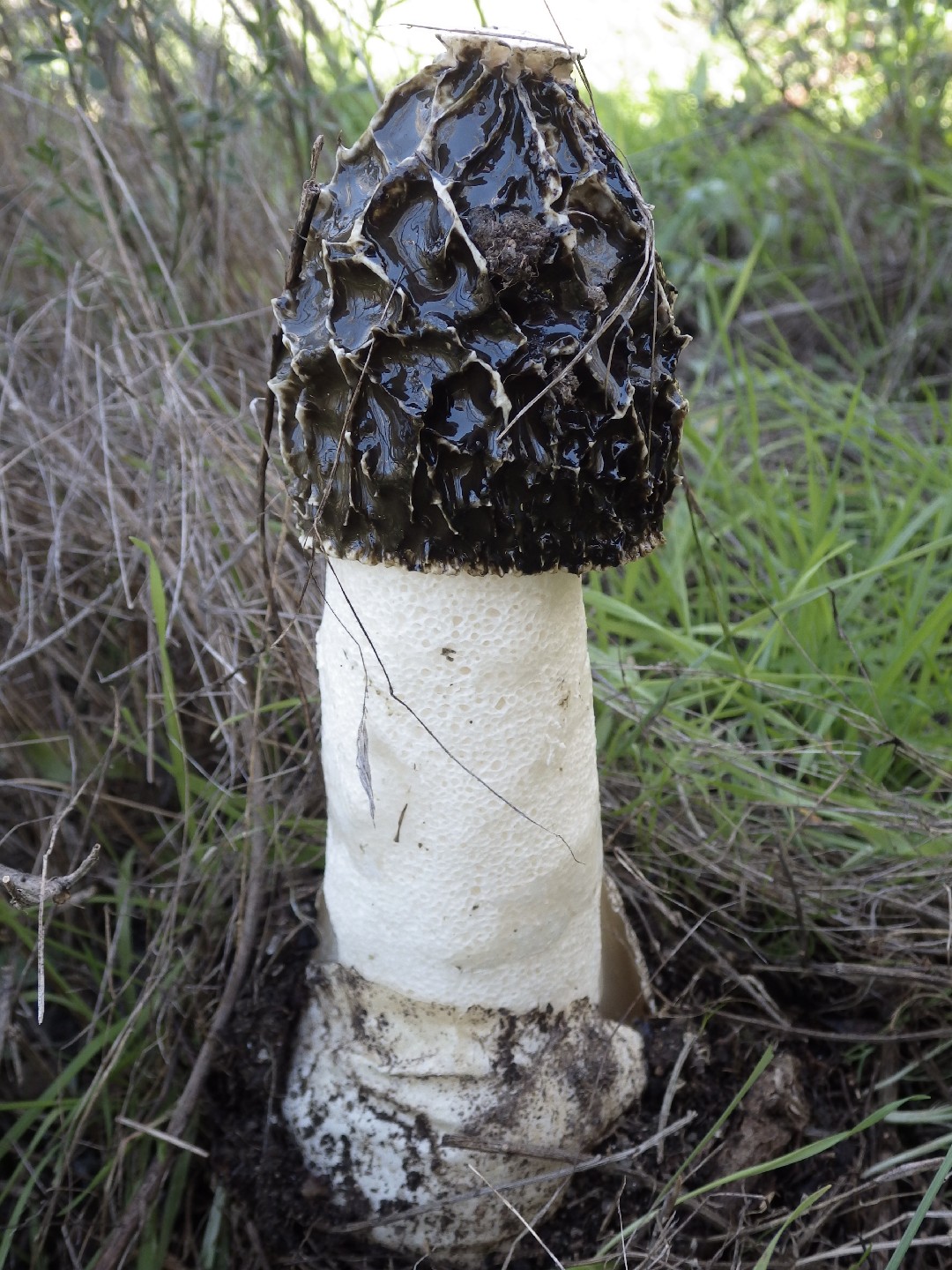
8. Red cage
The red cage is a highly distinctive mushroom with a wild shape, even for a stinkhorn. Its fruitbody grows as a hollow, latticed structure, usually red or pinkish in color, that gives it the appearance of a rubber or plastic children's toy. A true stinkhorn, this species secretes a pungent-smelling slime that attracts flies - but repels humans!
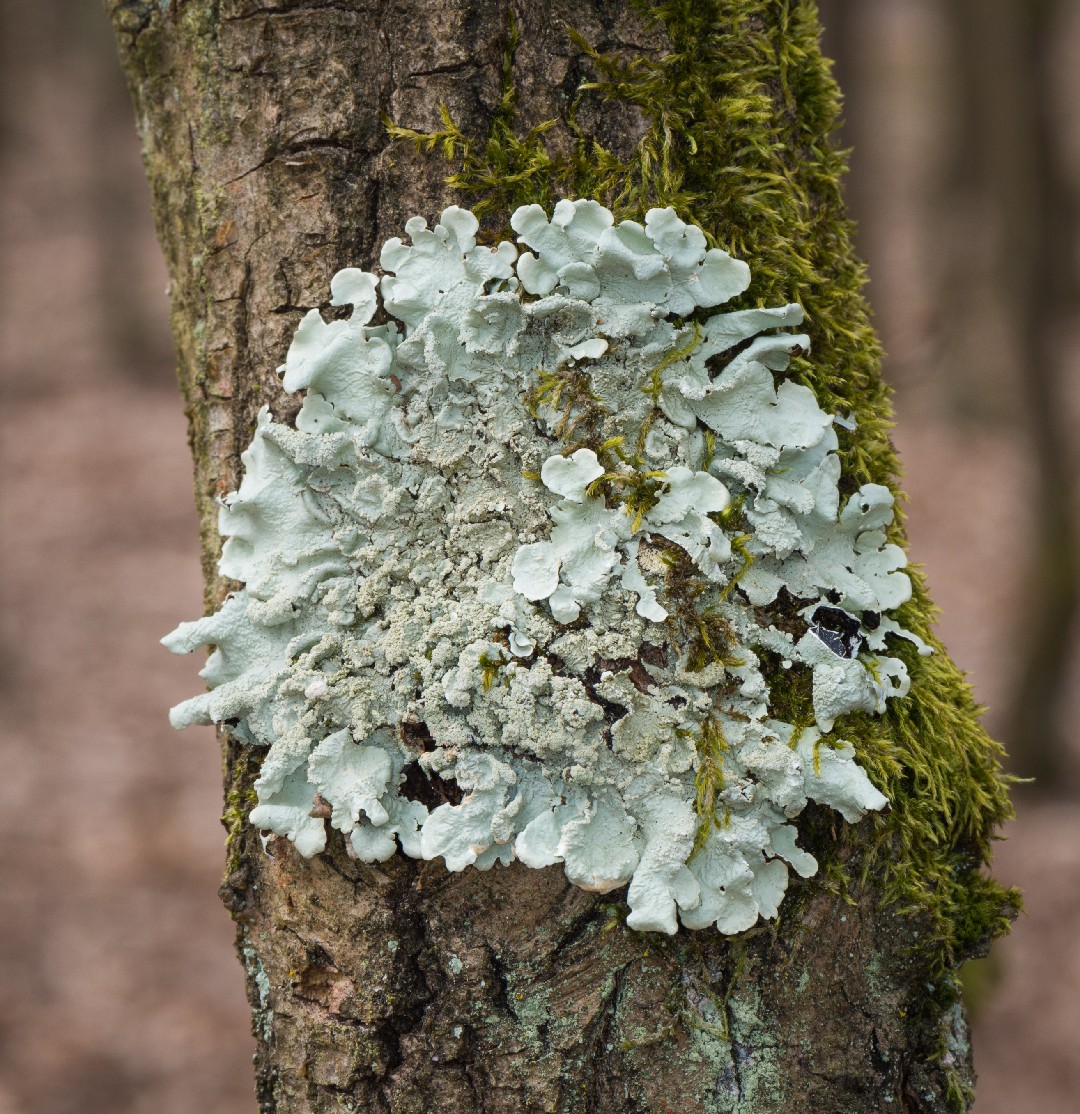
9. Common greenshield lichen
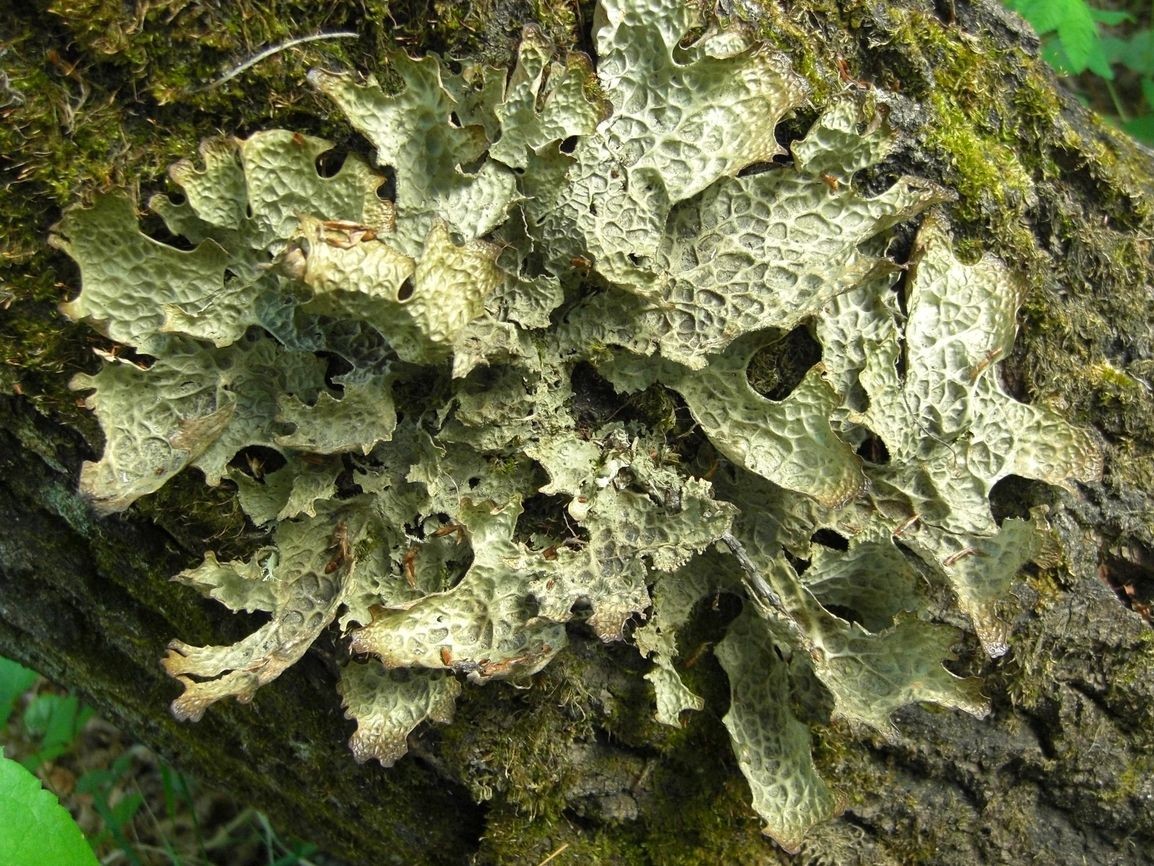
The common greenshield lichen is a familiar species in temperate forests around the world. It can be found growing on rock outcroppings and trees in a wide variety of habitats. Individuals can grow to be quite large and may be gregarious, forming large mats or sheets on suitable surfaces. Like other lichens, the common greenshield lichen will shrivel and harden when moisture is scarce.
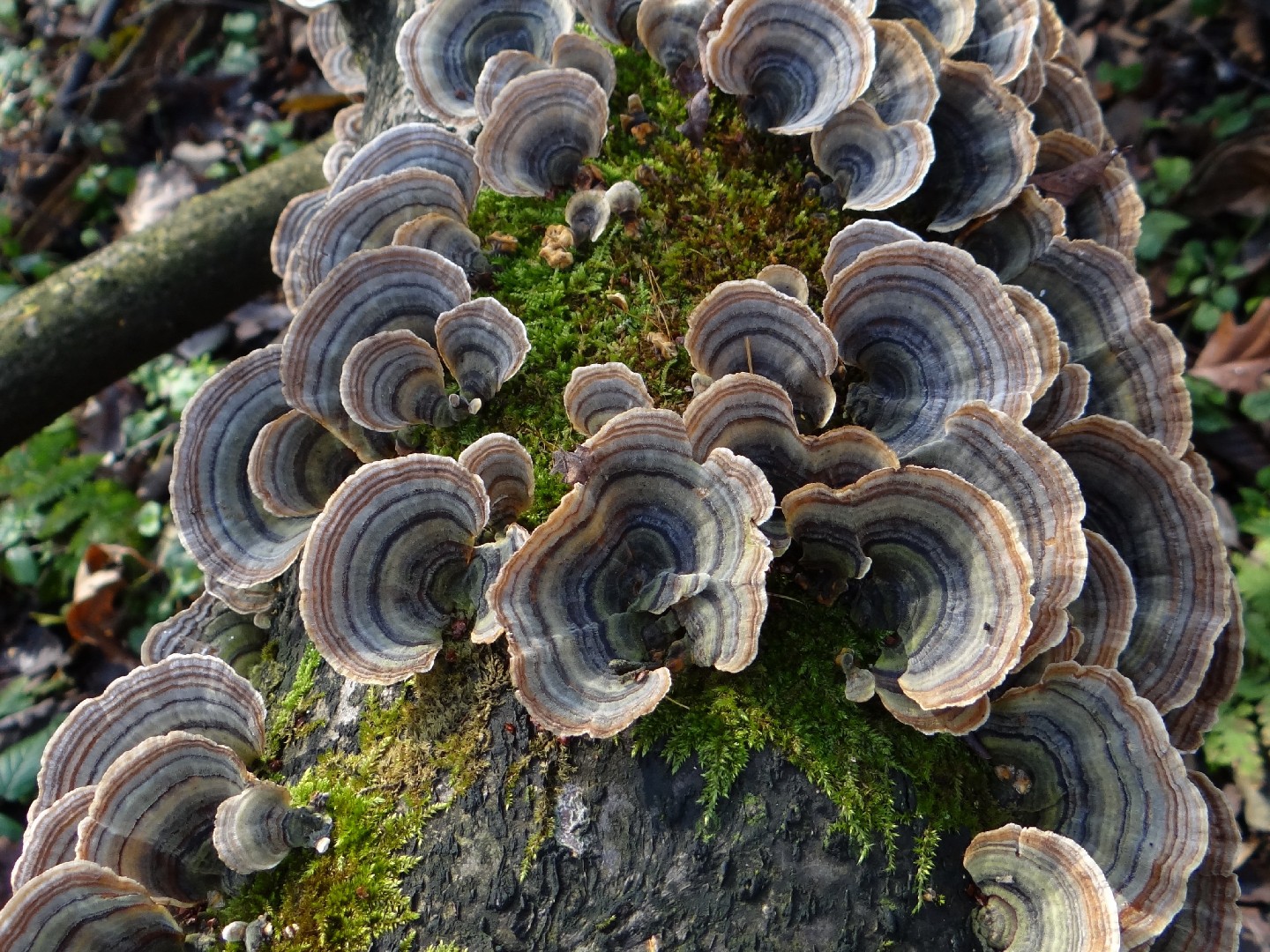
10. Turkey tail
The distinctively-striped turkey tail fungus grows on stumps and logs all over the forests of the northern hemisphere. It is, in fact, probably the most common species you will find. That doesn't mean this mushroom is plain, however; each cap is uniquely patterned. Look for bands of alternating textures as well as color.
More







