




Top 20 Most Common Mushrooms in Mirandela
Nestled in the heart of Portugal, Mirandela is a natural paradise boasting perfect conditions for fungi growth. The unique climate, combined with its rich soil, cultivates a flourishing habitat, making Mirandela the home of an immense variety of mushrooms, ranging from edible to exotic kinds. Explore the 20 most prevalent species of mushrooms in Mirandela and dive into their captivating features and culinary uses.

Most Common Mushrooms
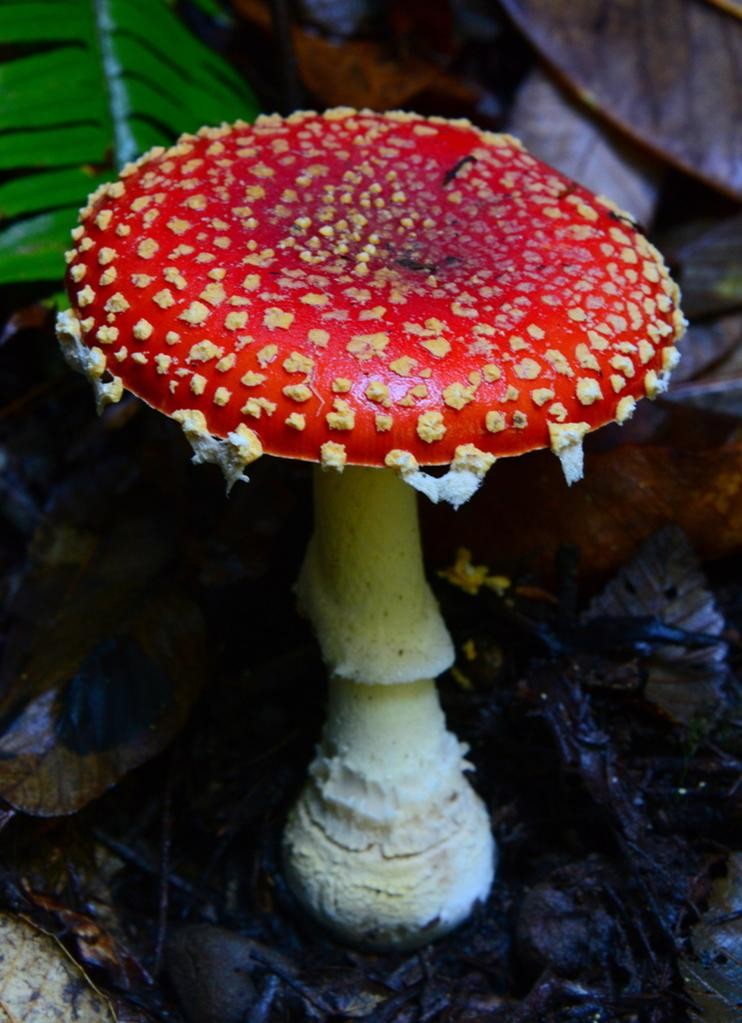
1. Fly agaric
In Northern Asia and Europe, fly agaric grows under trees near the winter solstice and is collected for ritual use tied to the season. Its characteristic shape and coloring are still ubiquitous in many European fairy tale illustrations and Christmas traditions. It is highly toxic.
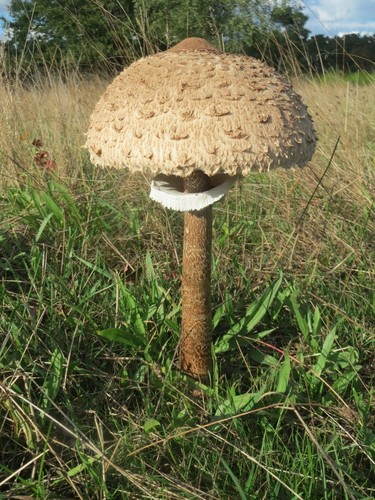
2. Parasol
Found in clearings and grassy areas in late summer, the wild parasol mushroom has a snakeskin-patterned stem. The brown spots on its cap make it look a bit shaggy, but that name is reserved for its poisonous counterpart, the Shaggy Parasol (Chlorophyllum rhacodes). You can distinguish the two by the stems: the latter has a smooth stem and red flesh inside.
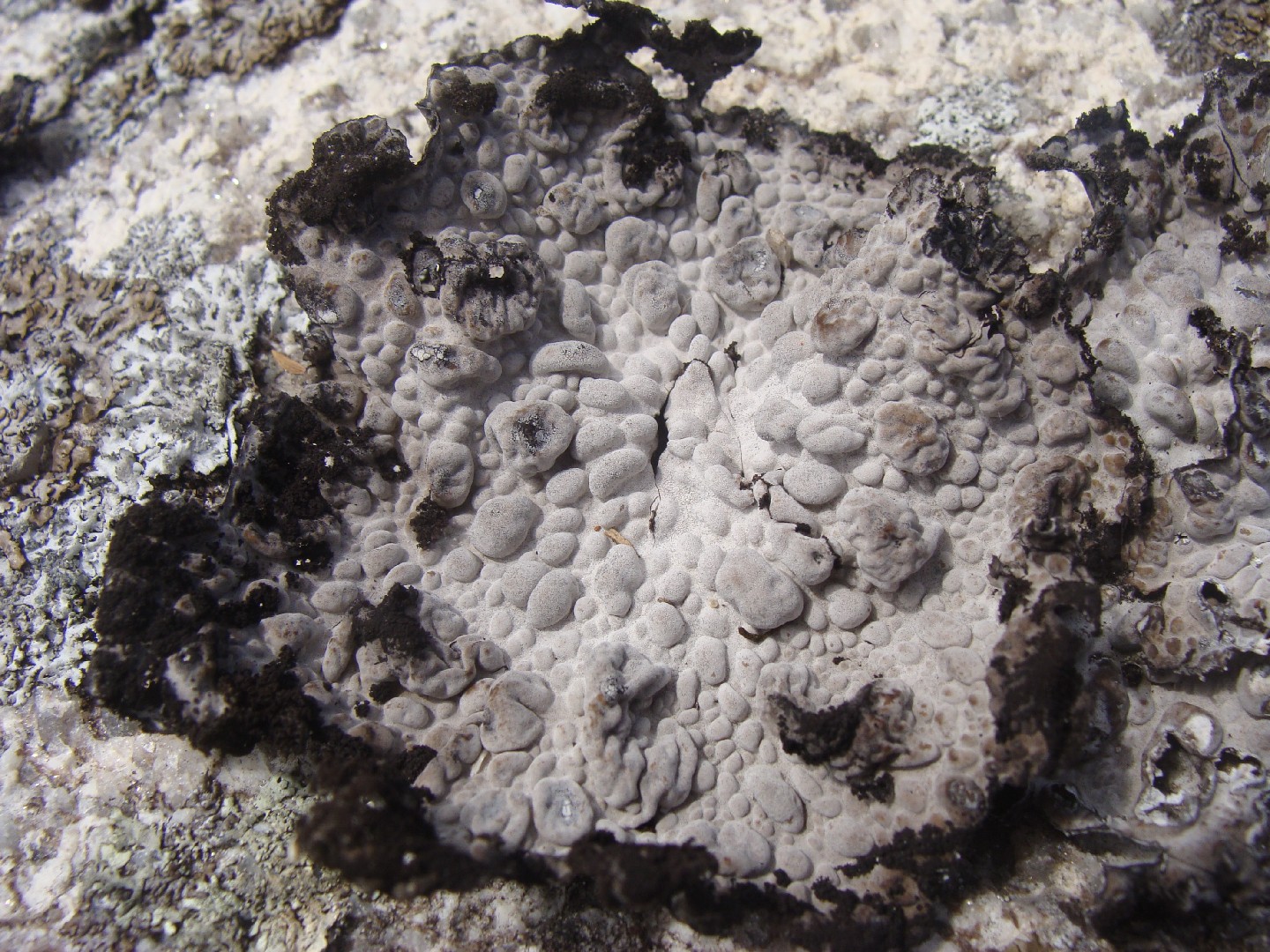
3. Blistered navel lichen
The foliose and umbilical thallus (attached by a single central crampon, the umbilicus), 3-6 (15) cm in diameter, is gray-brown to blackish-brown in dry weather, olive-green when it rained. Its upper surface is covered with convex pustules and bunches of brown-black coral isidia, the central part being covered with a white bloom. The pustules corresponding to propagules: the migration of these pustules from the center to the periphery gives rise to marginal isidies which ensure the vegetative reproduction of the thallus.
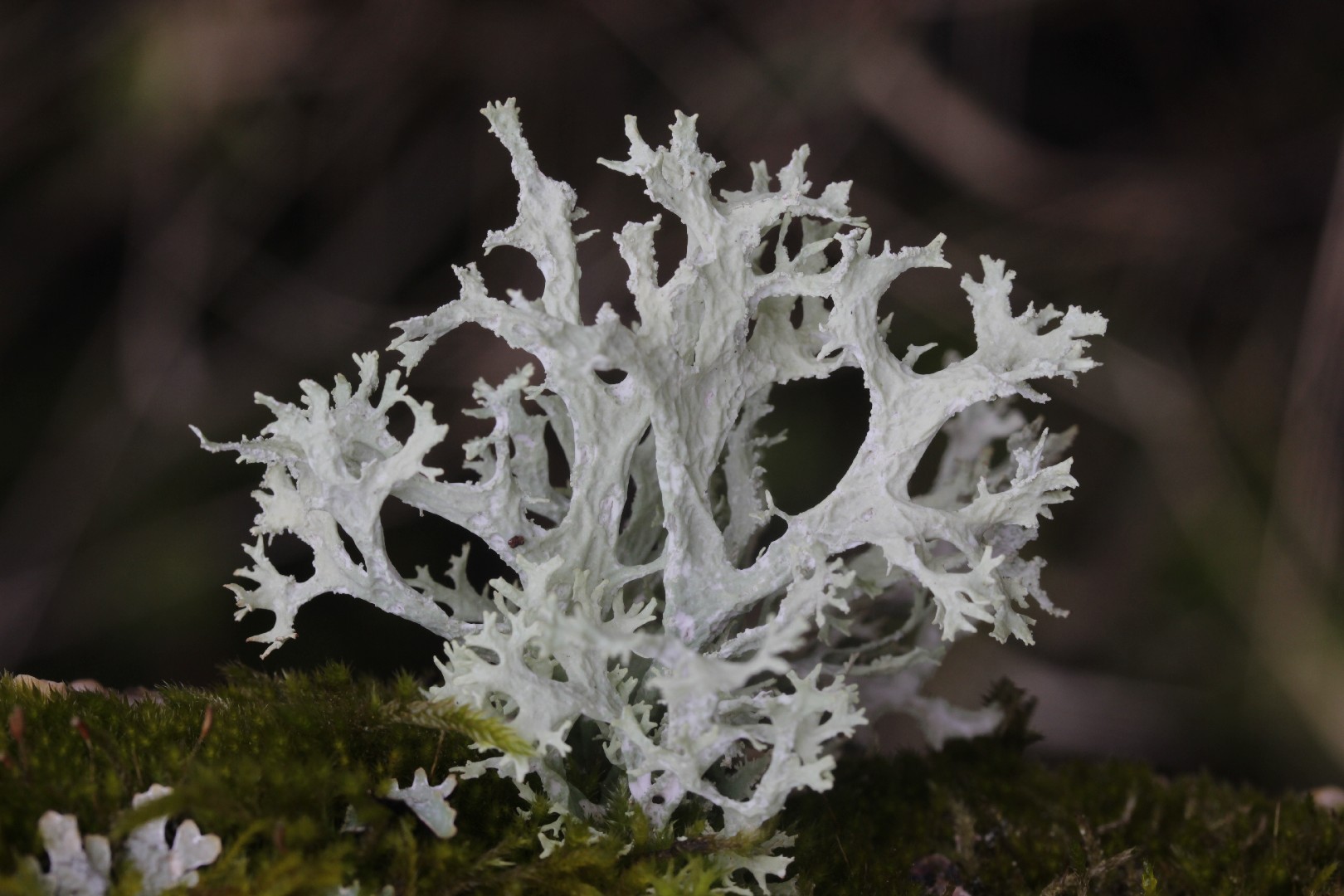
4. Oakmoss
Evernia prunastri grows shrubby on trees. The yellow-green lichen grows up to 10 cm. It consists of up to five millimeters wide shrubby branched bands with a light underside. At the edges of these open dusty (Sorale). Apothecias (with shiny brown disc) are rarely formed.
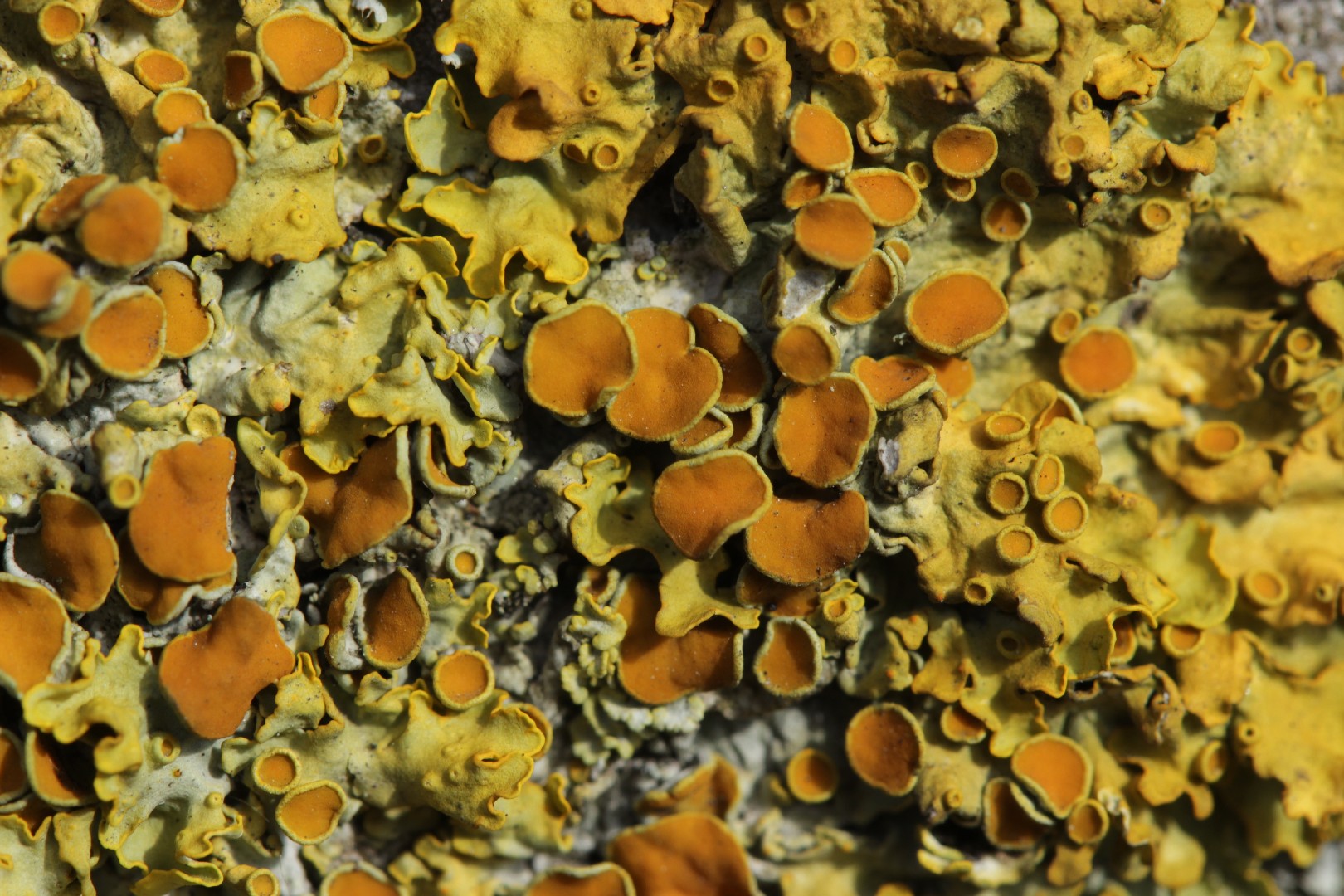
5. Common orange lichen
Common orange lichen was selected in 2006 by the United States Department of Energy as a model for genomic sequencing. Its widespread dispersal and bright yellow-orange color give the lichen its common name. It is primarily found growing on rocks, walls, and tree bark.
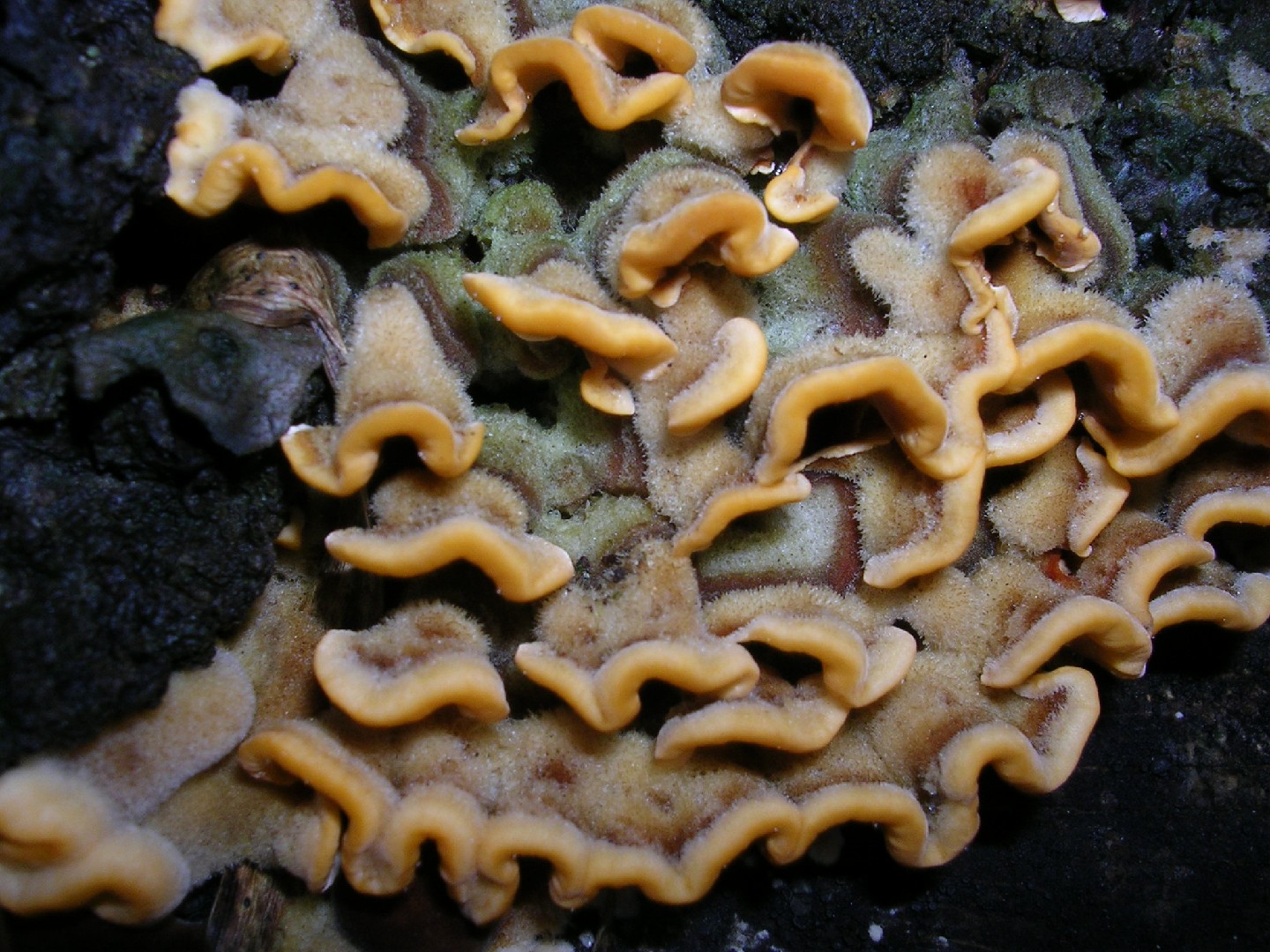
6. Hairy curtain crust
This clustered, overlapping fungus is found all over the world, and is considered native across both the northern and southern hemispheres. Both its common name, hairy curtain crust, and its scientific name, Stereum hirsutum, aptly describe its most obvious features: it is quite tough (stereum) and the younger fruitbodies are notably hairy (hirsutum).
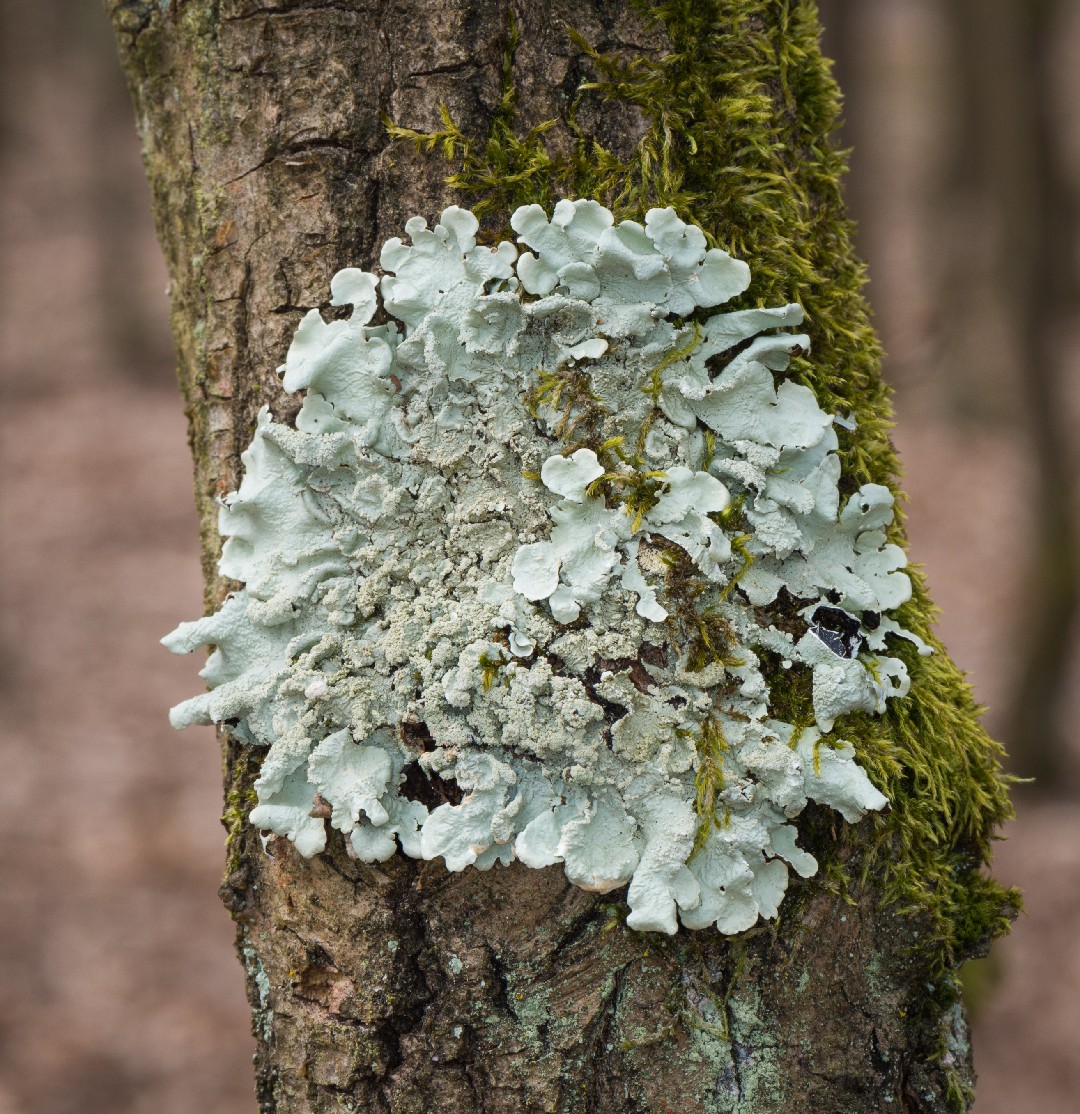
7. Common greenshield lichen
The common greenshield lichen is a familiar species in temperate forests around the world. It can be found growing on rock outcroppings and trees in a wide variety of habitats. Individuals can grow to be quite large and may be gregarious, forming large mats or sheets on suitable surfaces. Like other lichens, the common greenshield lichen will shrivel and harden when moisture is scarce.
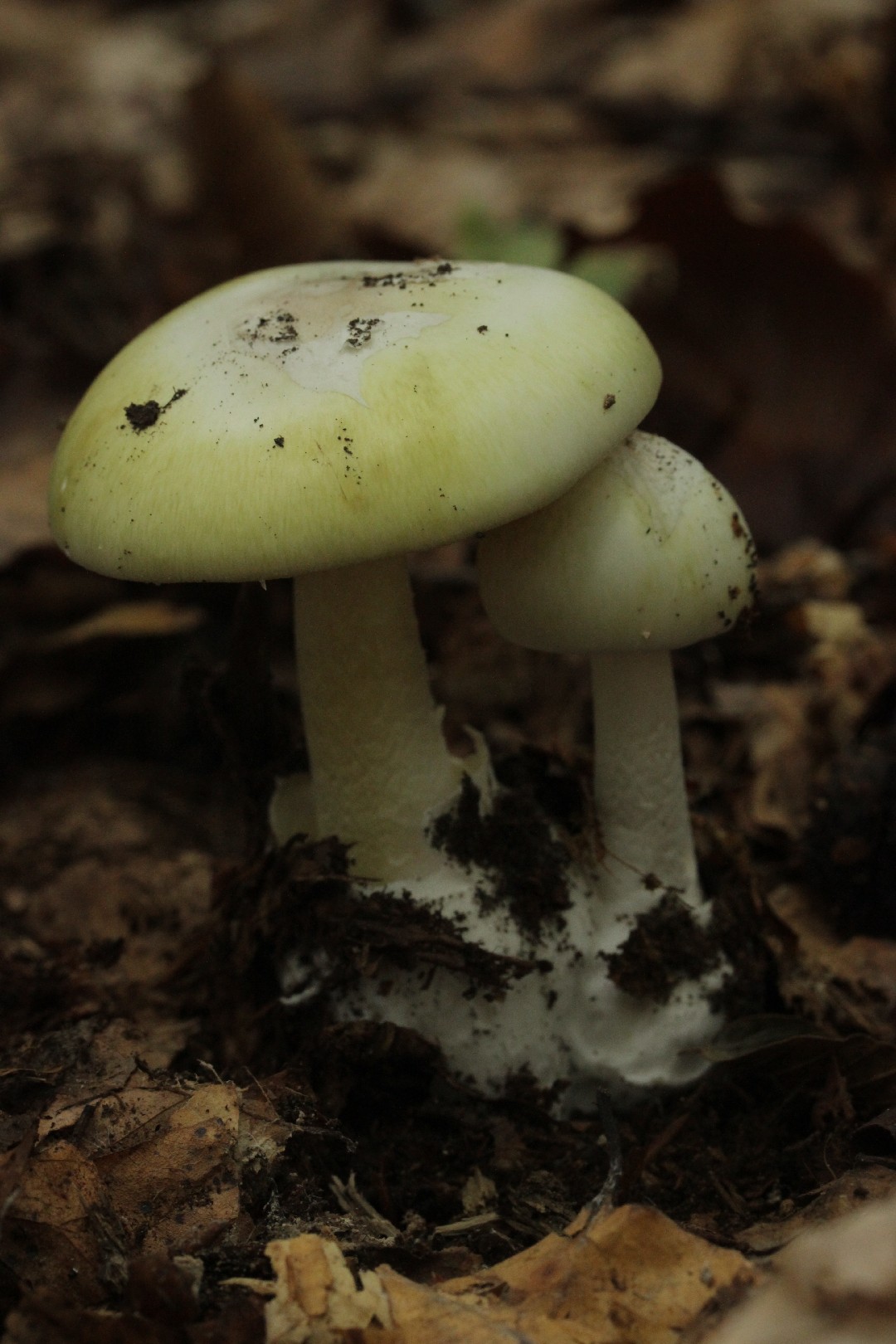
8. Death cap
The death cap is responsible for most of the mushroom-related fatalities around the world. Its toxin damages the liver and kidneys, creating symptoms that require hospitalization within hours of ingestion. It looks similar to many other mushrooms at varying stages of its development and has been used in assassinations since the days of the ancient Greeks.
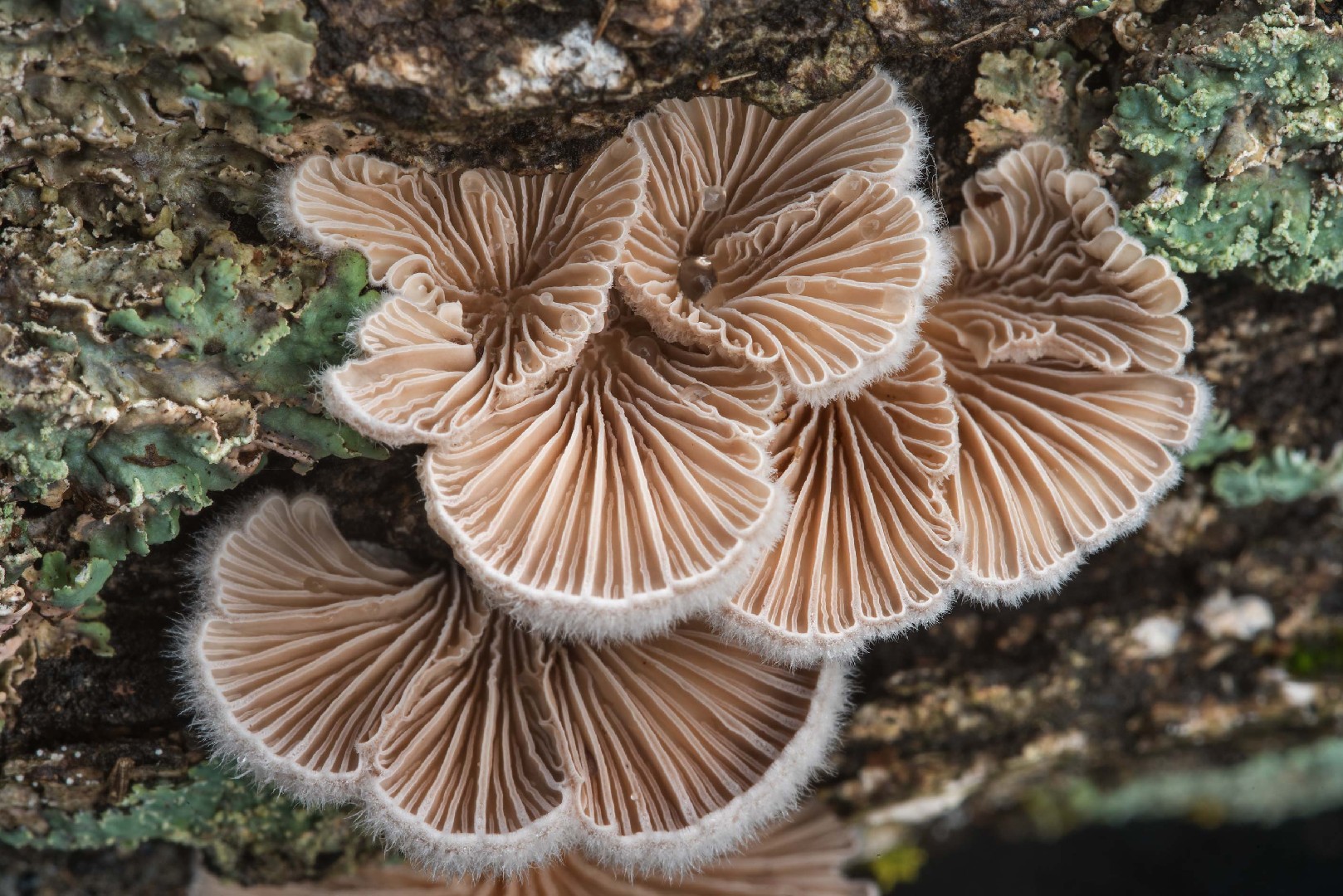
9. Split gill
Split gill(Schizophyllum commune) can be found across the globe. Uniquely, it is the only mushroom species known to display the capability to retract by movement. It is considered inedible, although not necessarily toxic. Furthermore, it is not recommended to smell this species, as the spores are capable of sprouting and growing in nasal passages.
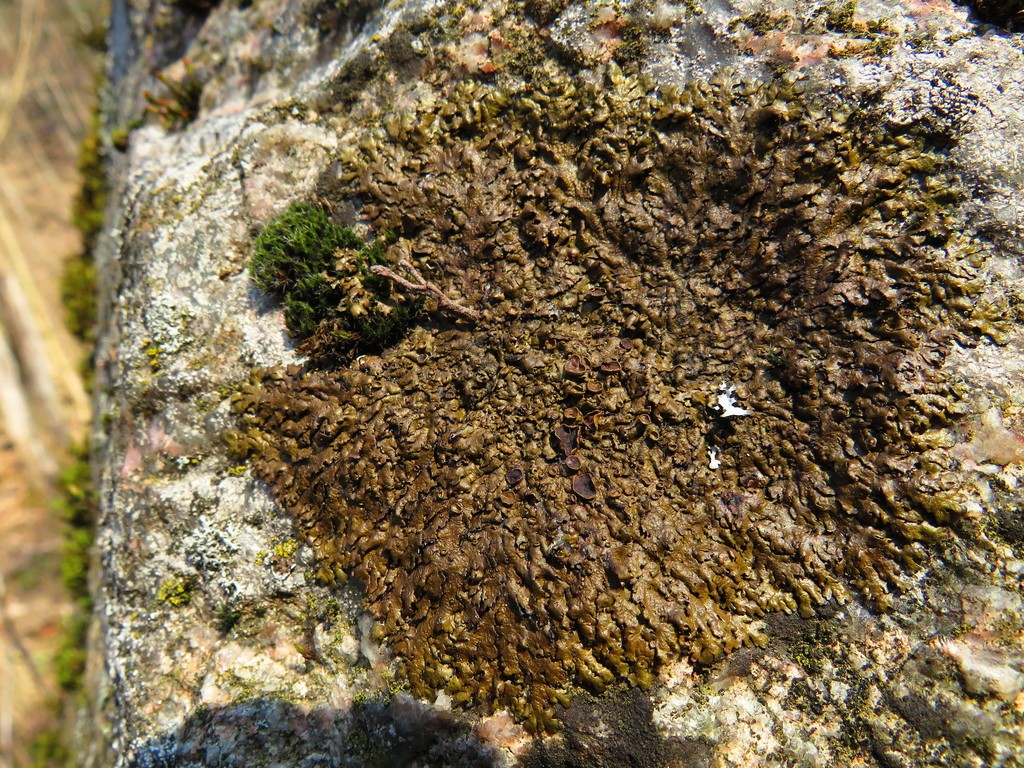
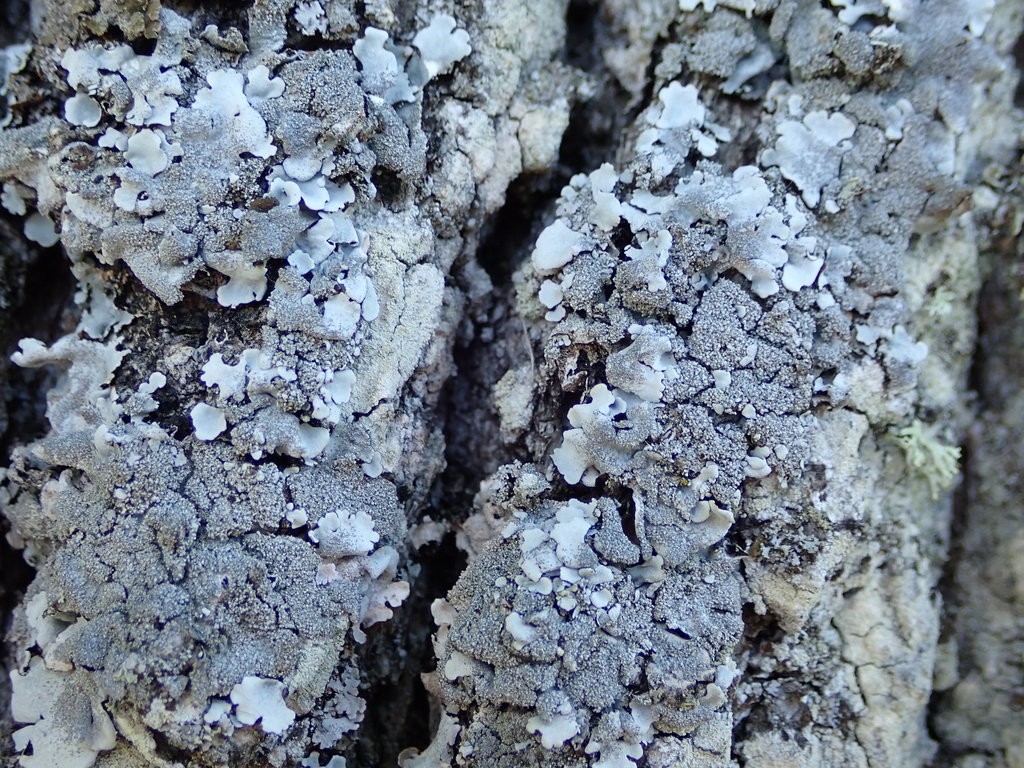
10. Xanthoparmelia pulla
More







