




Top 20 Most Common Mushrooms in Northland

Most Common Mushrooms
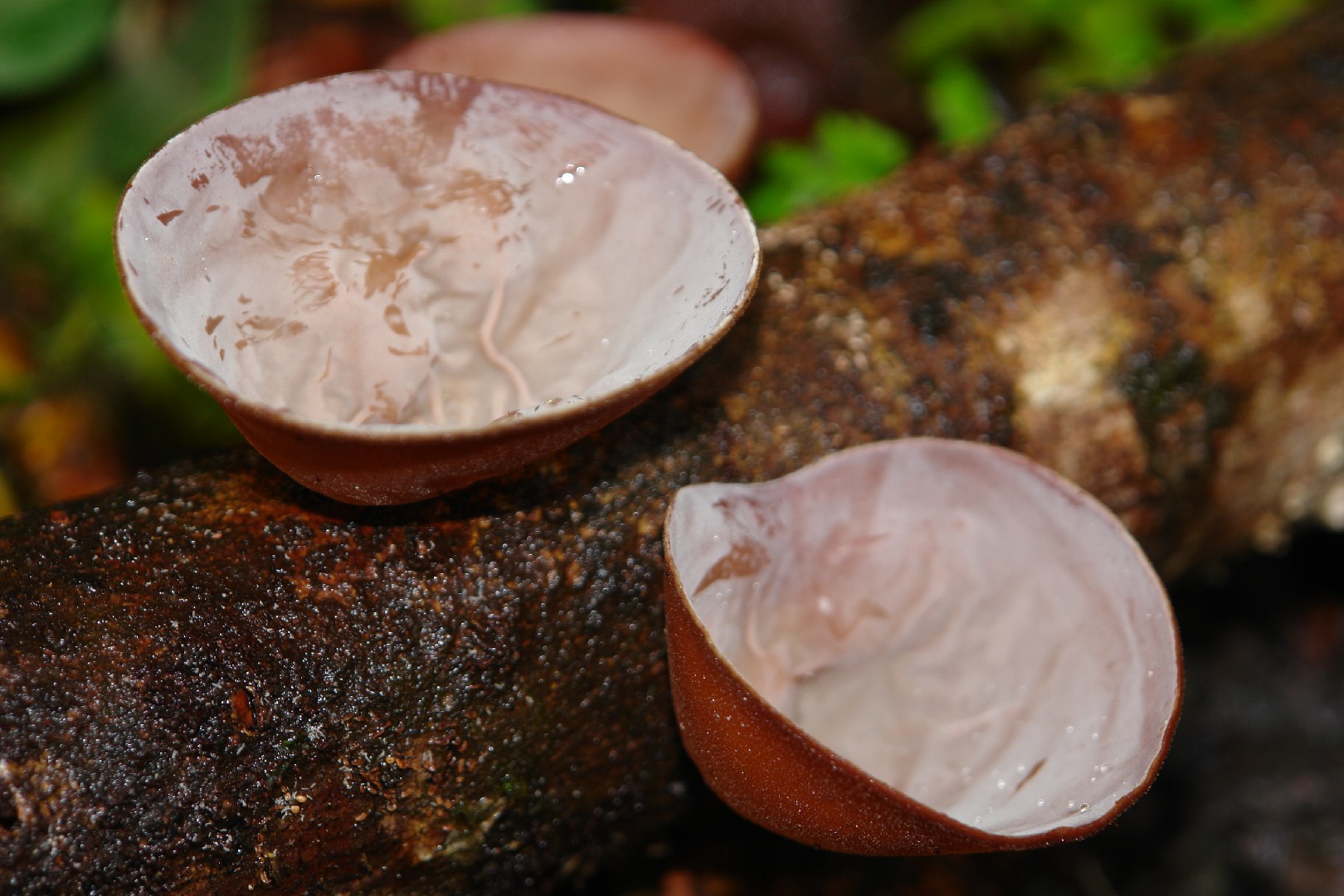
1. Wood ear
The fuzzy surface of the wood ear (Auricularia cornea) is a distinguishable characteristic of this wood-loving mushroom. The hairy, ear-shaped body transforms in color when exposed to moisture and can range from chocolate brown to dull gray.
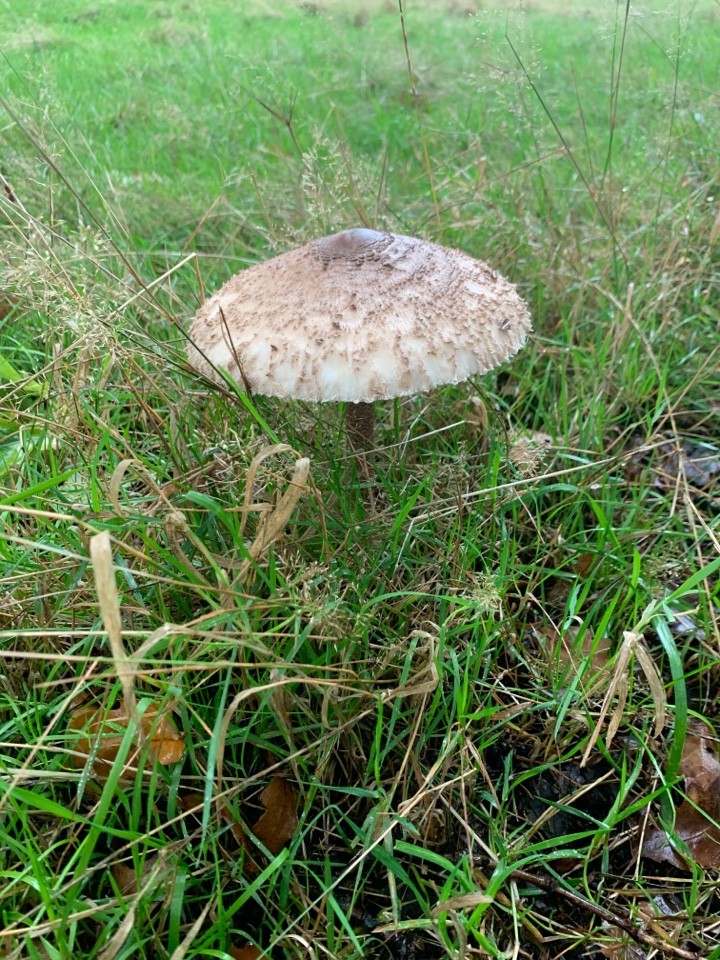
2. Graceful parasol
For many years, the graceful parasol (Macrolepiota clelandii) was mislabeled as a number of other Macrolepiota species, but the DNA analysis has finally identified it as a separate species. However, the mushroom is quite variable in its appearance. The species is found only in Australia and New Zealand. Its edibility is still unknown.
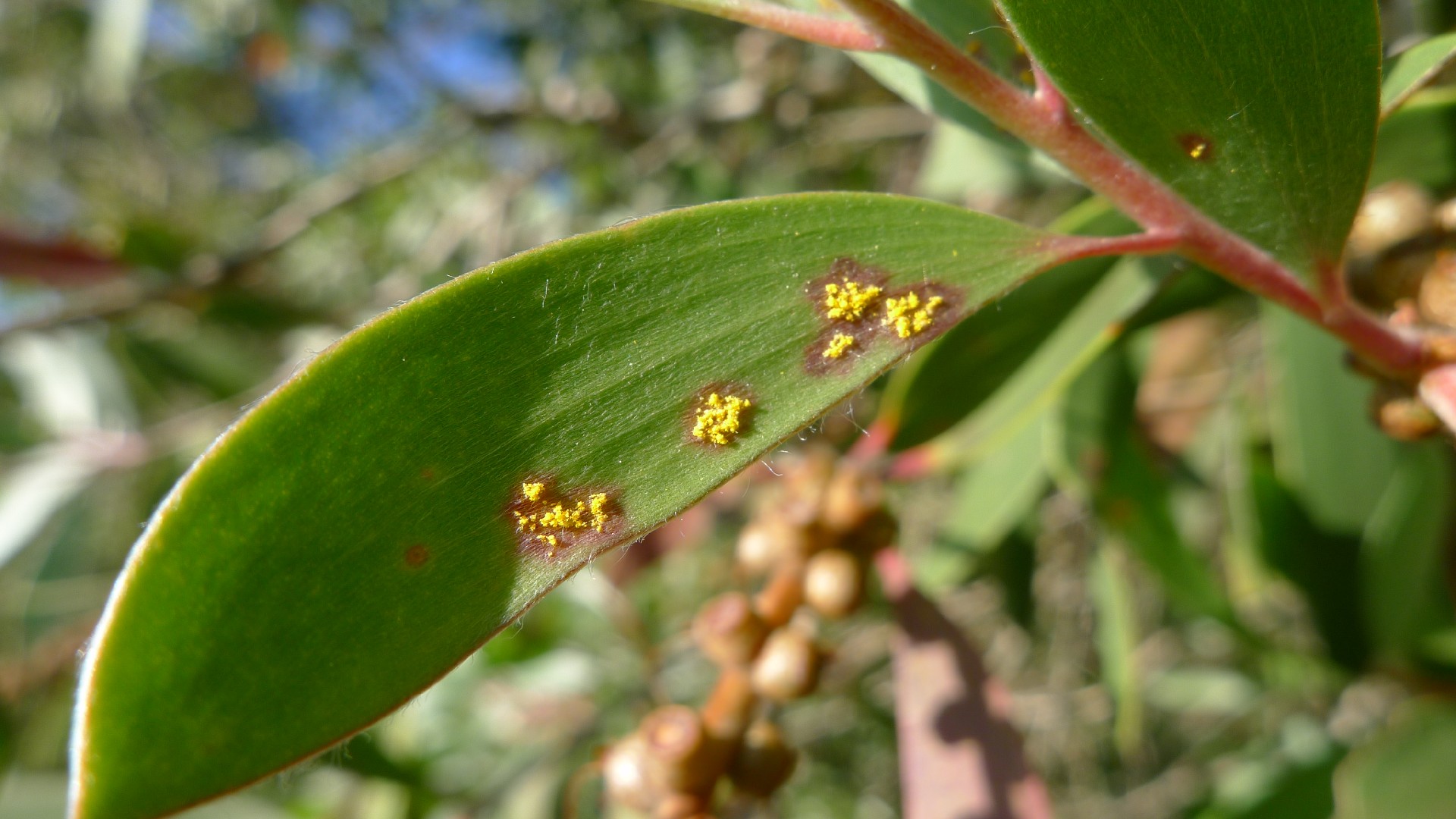
3. Myrtle rust
Myrtle rust (Austropuccinia psidii) is a fungal pathogen that attacks Myrtle trees and other plants of the family Myrtaceae. The fungus appears in humid environments and its spores are easily dispersed by wind, animals, and humans. The fungus causes deformed leaves in infected trees, leading to death if not treated in time.
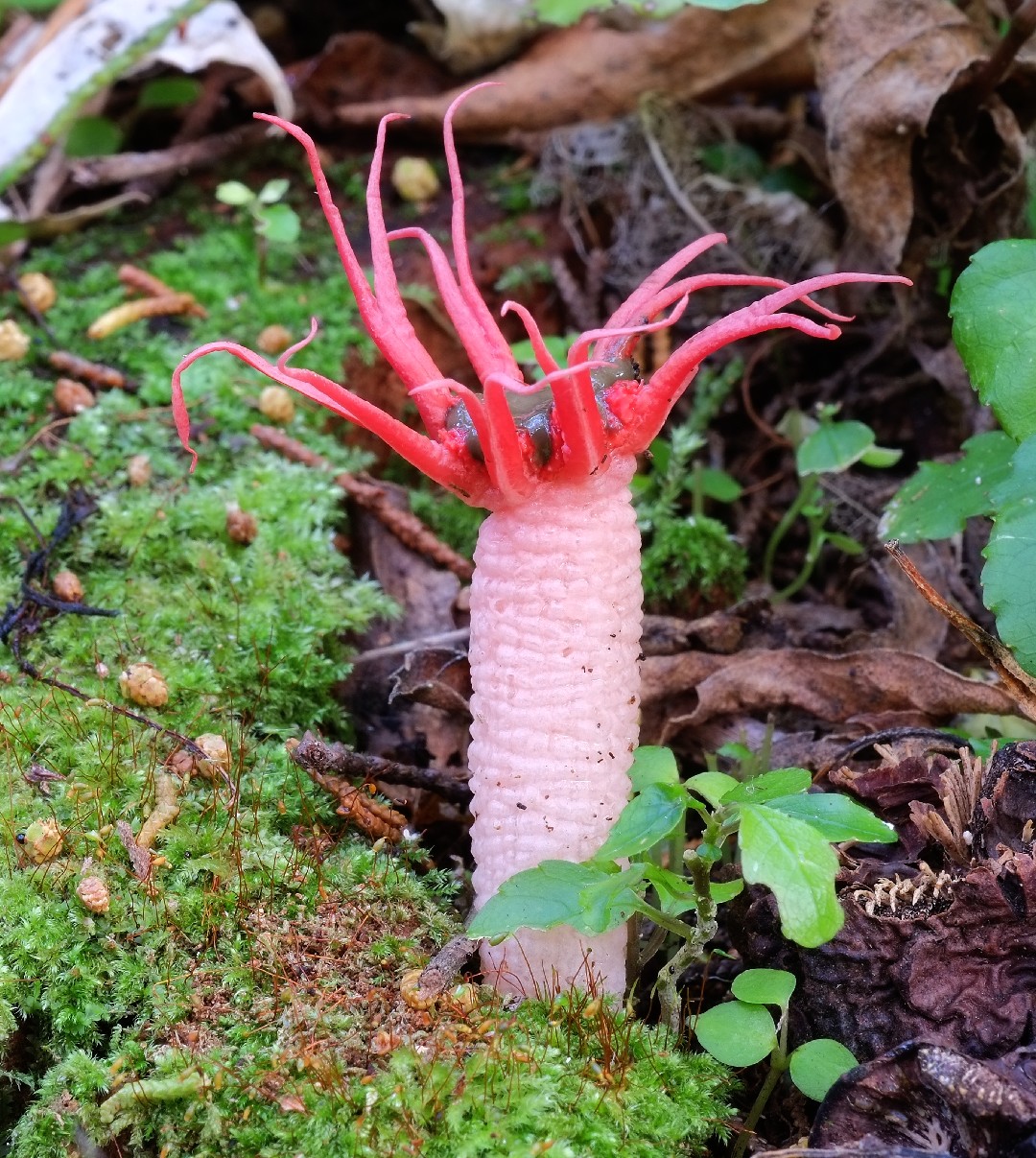
4. Anemone stinkhorn
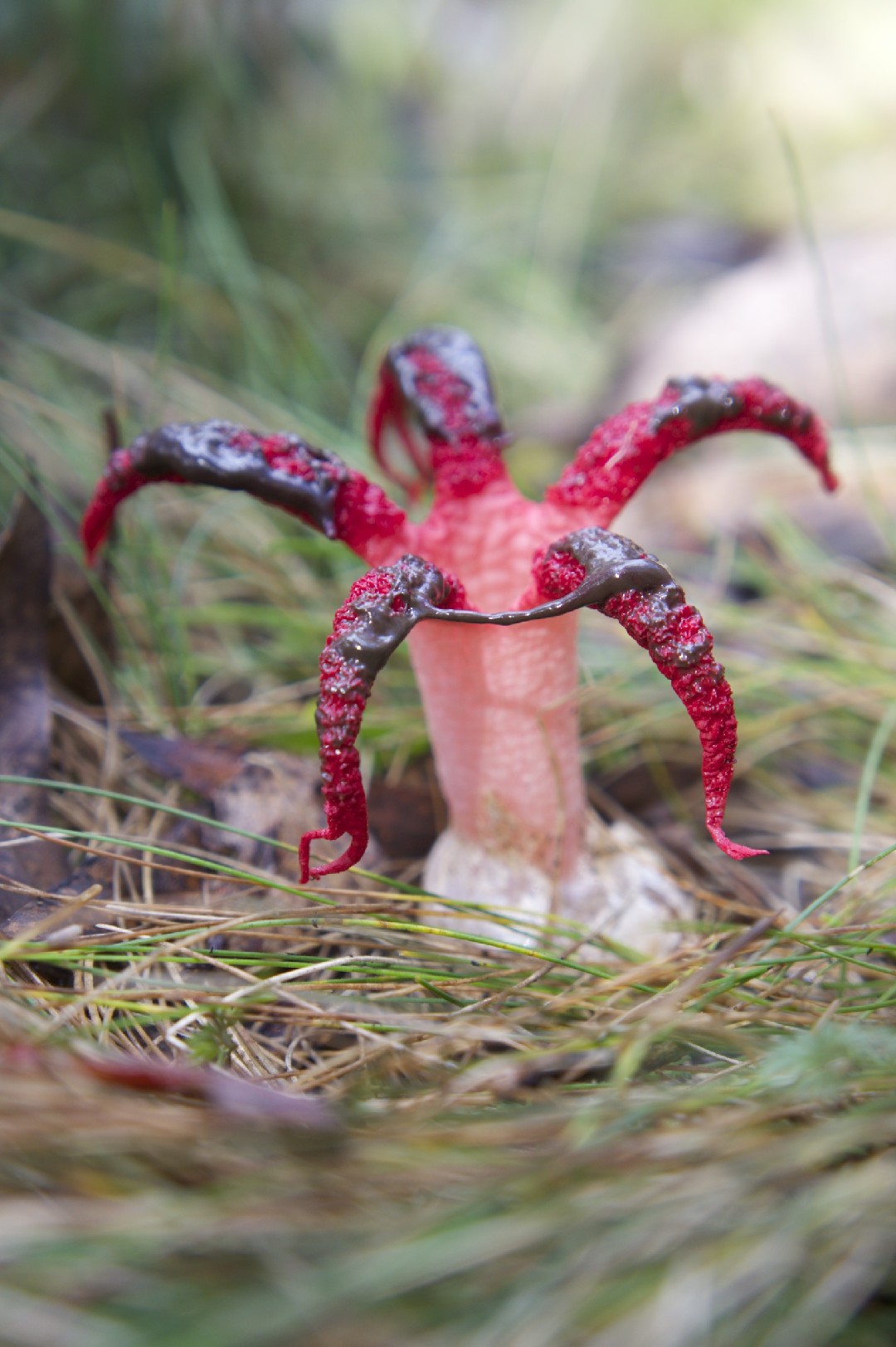
The anemone stinkhorn (Aseroe rubra) looks like a creature straight from the depths of the ocean…or perhaps a horror movie! This Australian native starts fruiting with a white, egg-like ball that breaks open to reveal bright red tentacle-like fingers that spread toward the sky with radial symmetry and the odor of rotting meat. It has spread to tropical and sub-tropical areas around the world and is potentially poisonous.
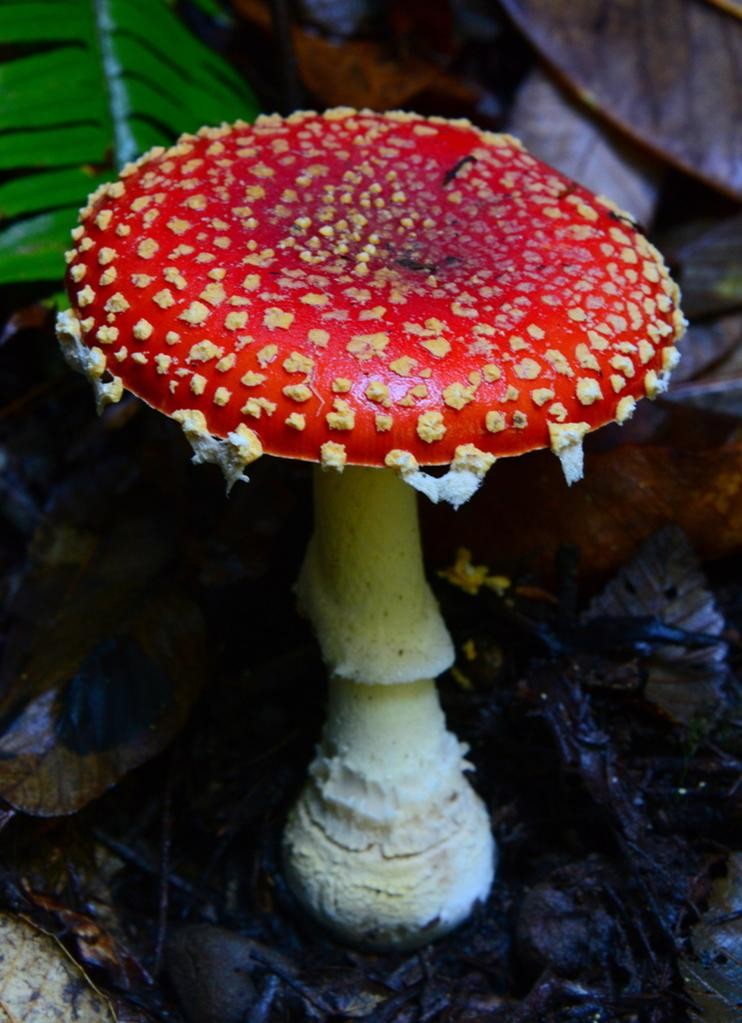
5. Fly agaric
In Northern Asia and Europe, fly agaric grows under trees near the winter solstice and is collected for ritual use tied to the season. Its characteristic shape and coloring are still ubiquitous in many European fairy tale illustrations and Christmas traditions. It is highly toxic.
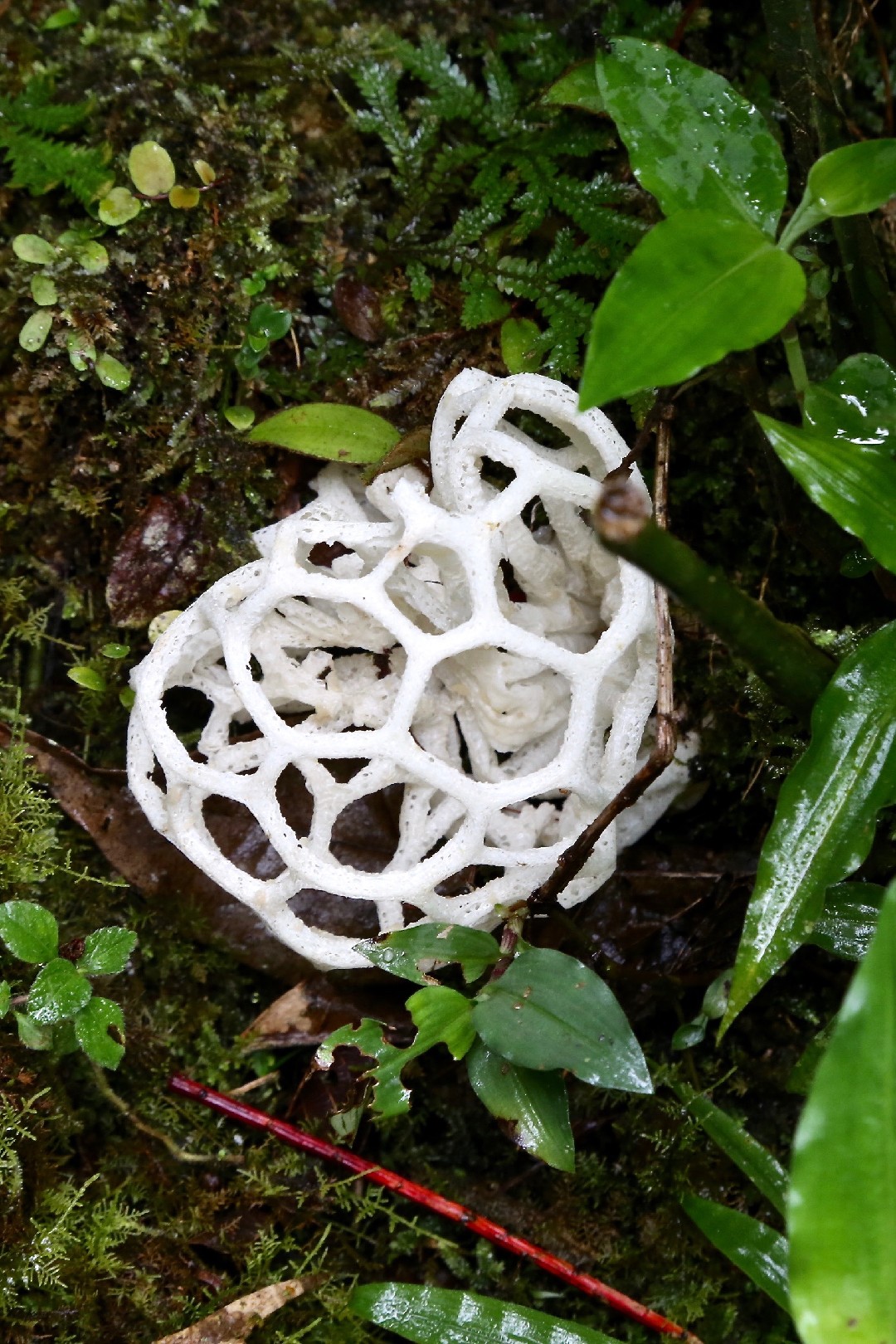
6. Basket fungus
Basket fungus(Ileodictyon cibarium) is easily recognized by its interlaced and latticed structure. The white branches emit a smelly odor that attracts flies, which then spread the spores and enable the proliferation of the species.
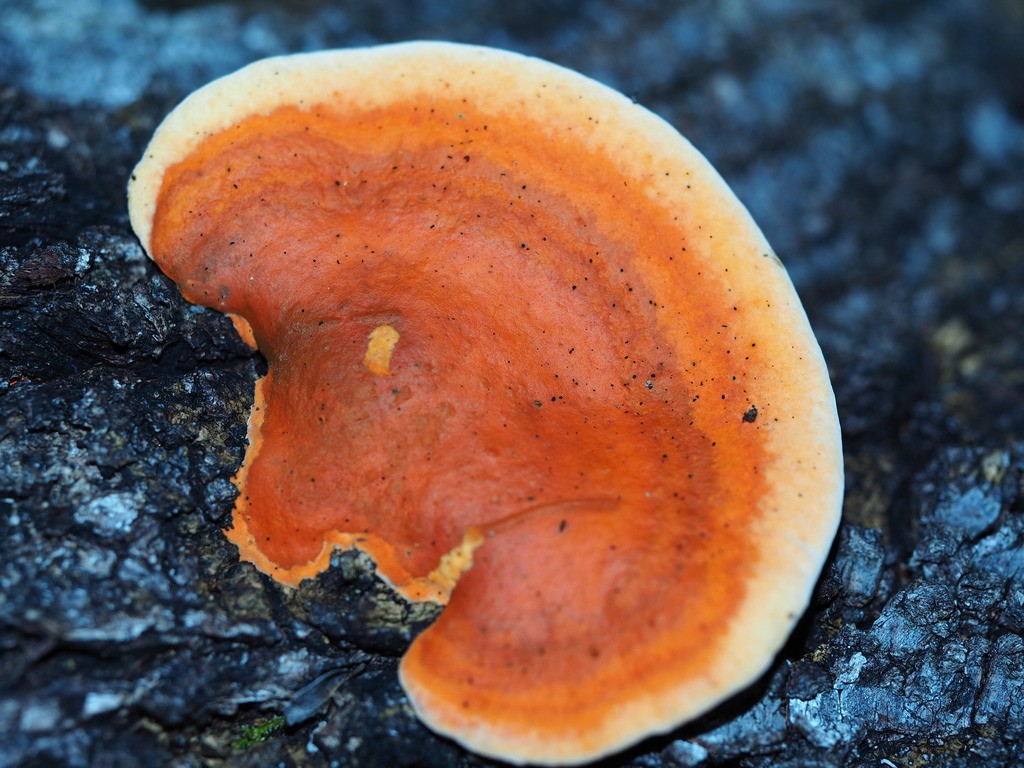
7. Southern cinnabar polypore
Southern cinnabar polypore grows in a variety of contexts, though it prefers to grow on deadwood near open water sources. This mushroom fruits from the late summer to early winter. True to its name, young southern cinnabar polypore has a bright orange color that's similar to cinnabar but may fade in older age.
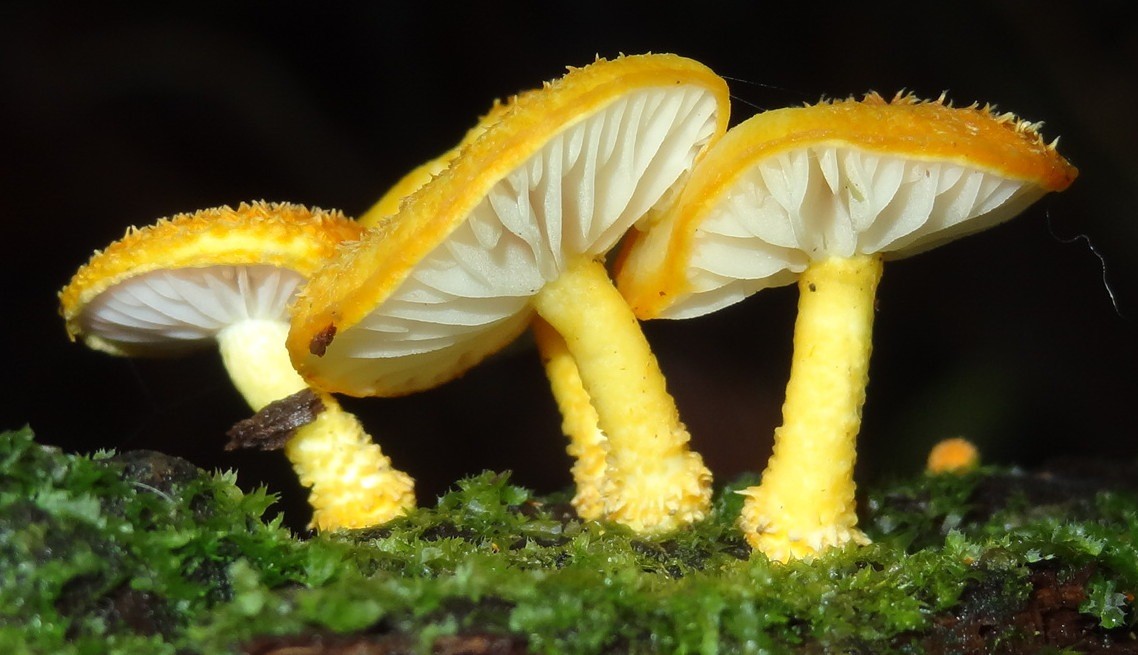
8. Golden scruffy collybia
The golden scruffy collybia (Cyptotrama asprata) produces tiny, picturesque mushrooms with caps and stems covered in even tinier bright orange spikes. The cap surface below is commonly a shade of yellow. These mushrooms smell faintly of artichokes.
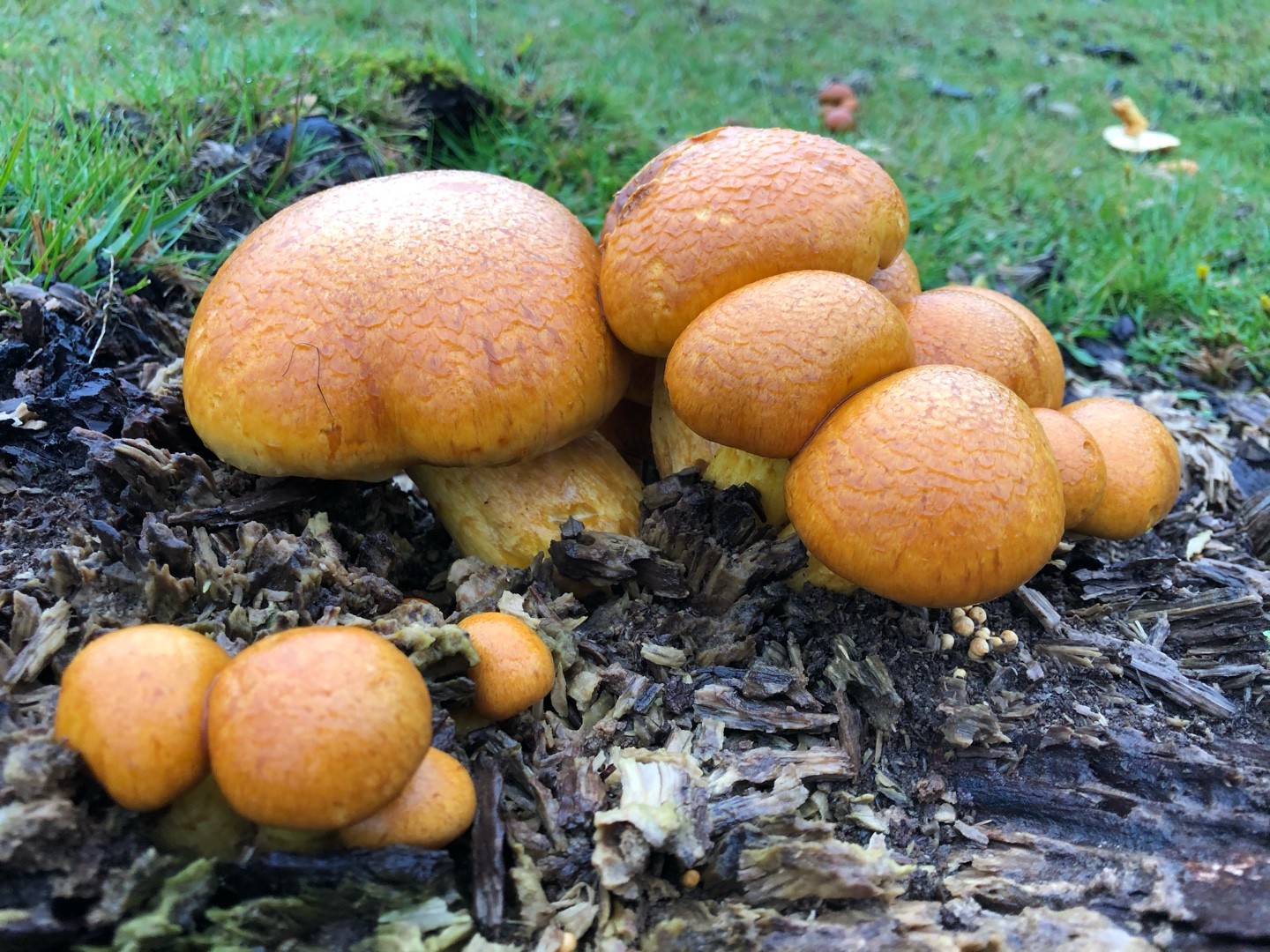
9. Laughing gym
Found in many countries around the northern hemisphere, the laughing gym grows on stumps of deciduous trees, and occasionally under conifers. This mushroom is large, firm, and colorful, and appears in small groups. Its scientific name, Gymnopilus junonius, means “naked cap sacred to Juno,” a reference to its distinctive and beautiful appearance. This mushroom is inedible and possibly toxic.
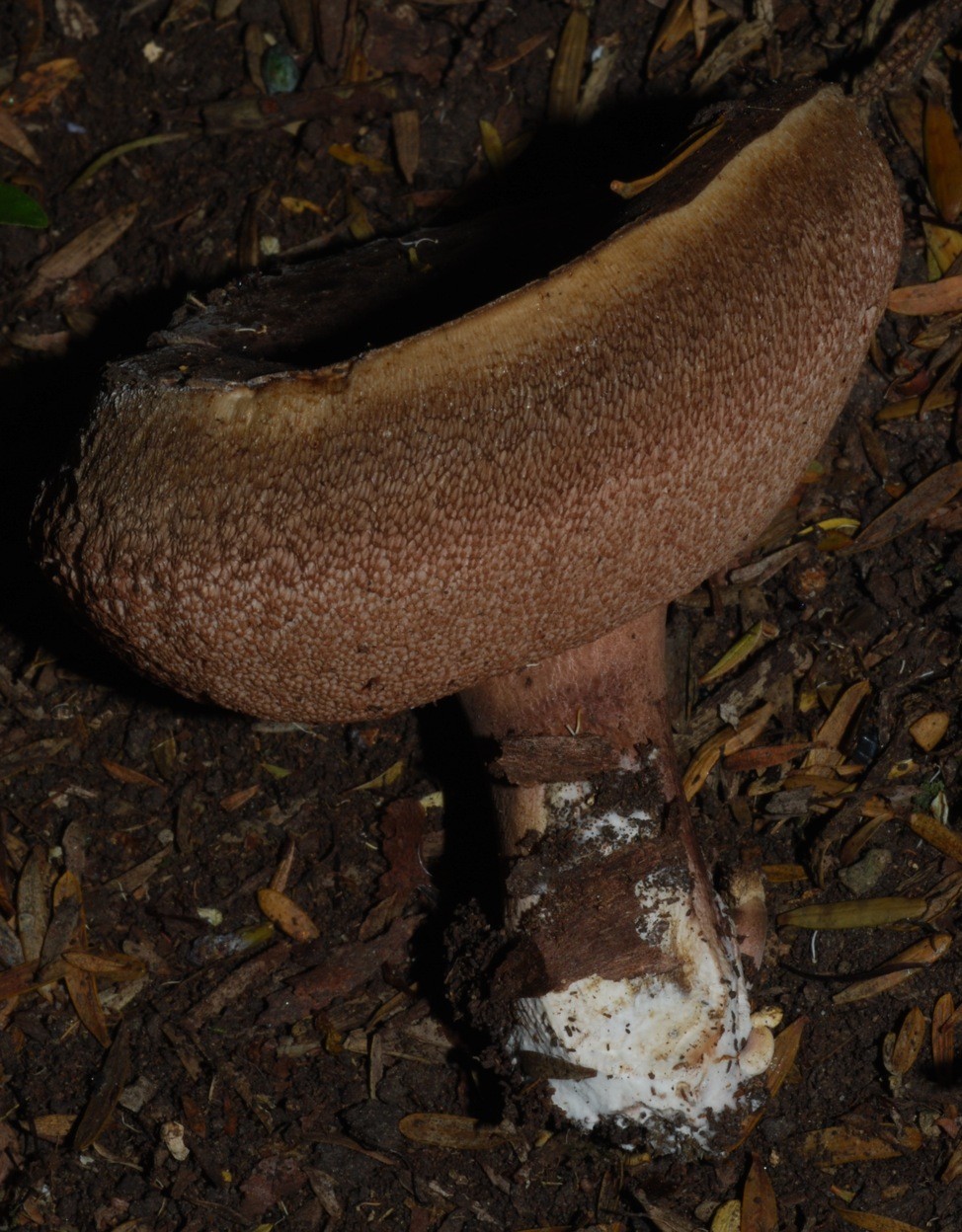
10. Dark velvet bolete
The dark velvet bolete(Porphyrellus formosus) is one of the largest boletes found on New Zealand. It was recently renamed after some extensive research that found it is a unique mushroom, not of the genus Porphyrellus at all. Its wide, chocolate-brown caps can be found flourishing on the forest floors under beech trees.
More







