




Top 20 Most Common Mushrooms in Canterbury

Most Common Mushrooms
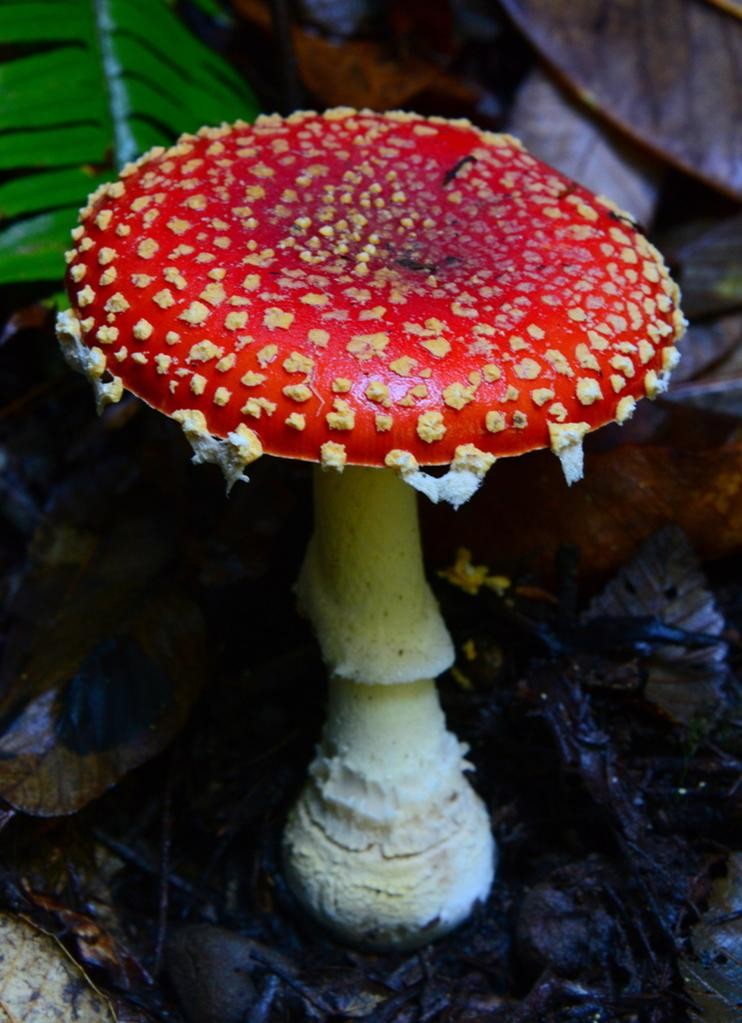
1. Fly agaric
In Northern Asia and Europe, fly agaric grows under trees near the winter solstice and is collected for ritual use tied to the season. Its characteristic shape and coloring are still ubiquitous in many European fairy tale illustrations and Christmas traditions. It is highly toxic.
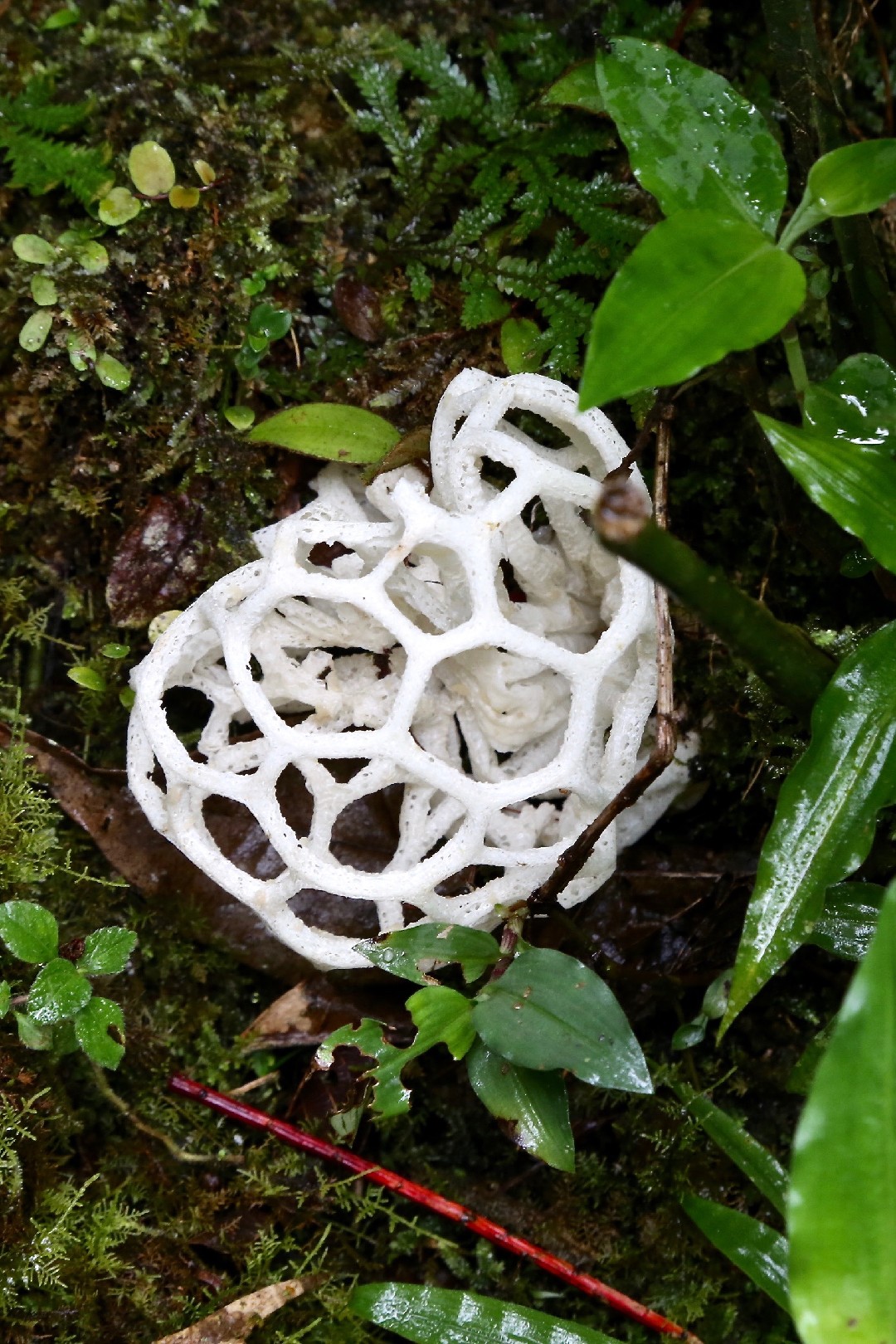
2. Basket fungus
Basket fungus(Ileodictyon cibarium) is easily recognized by its interlaced and latticed structure. The white branches emit a smelly odor that attracts flies, which then spread the spores and enable the proliferation of the species.
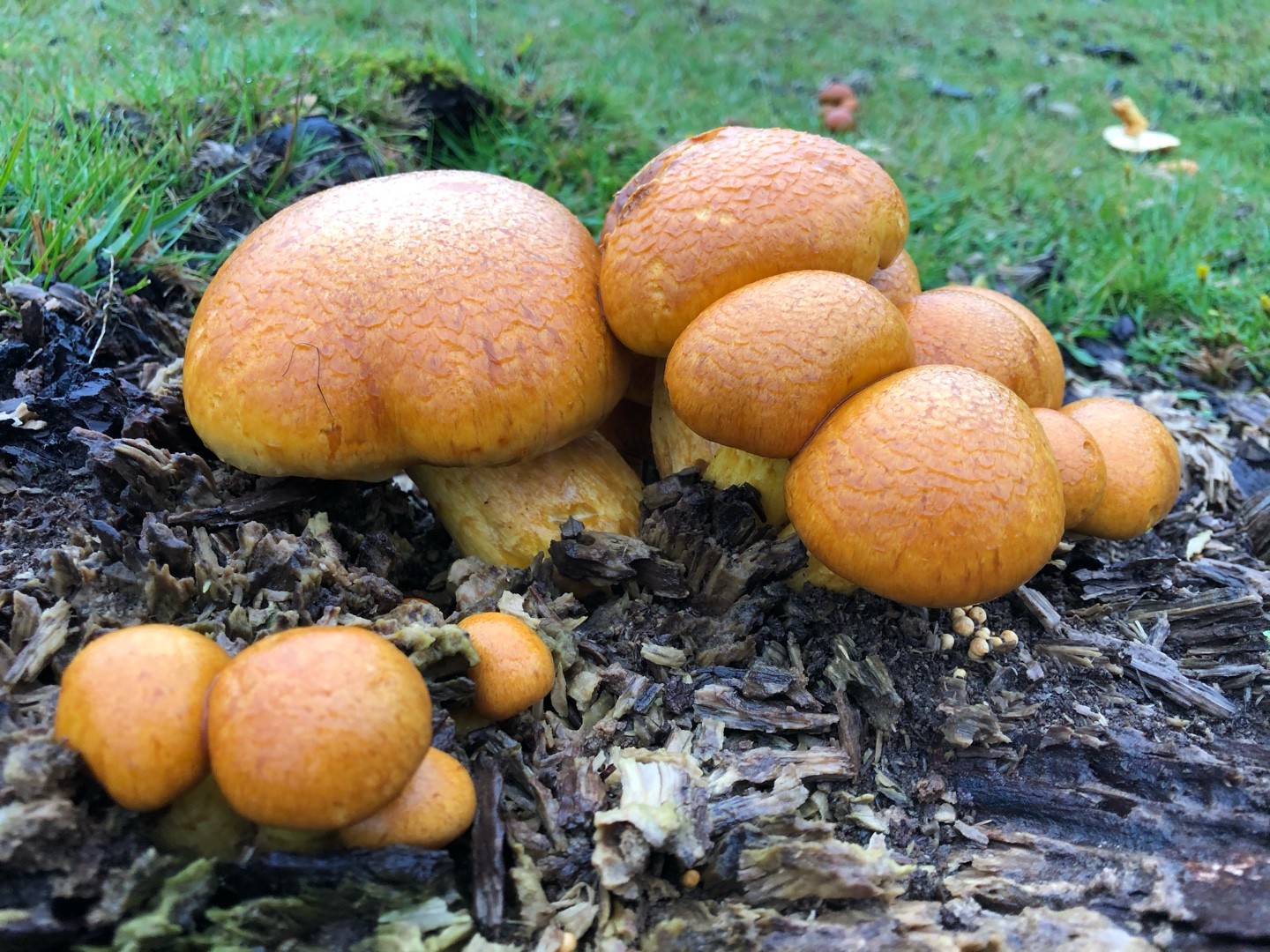
3. Laughing gym
Found in many countries around the northern hemisphere, the laughing gym grows on stumps of deciduous trees, and occasionally under conifers. This mushroom is large, firm, and colorful, and appears in small groups. Its scientific name, Gymnopilus junonius, means “naked cap sacred to Juno,” a reference to its distinctive and beautiful appearance. This mushroom is inedible and possibly toxic.
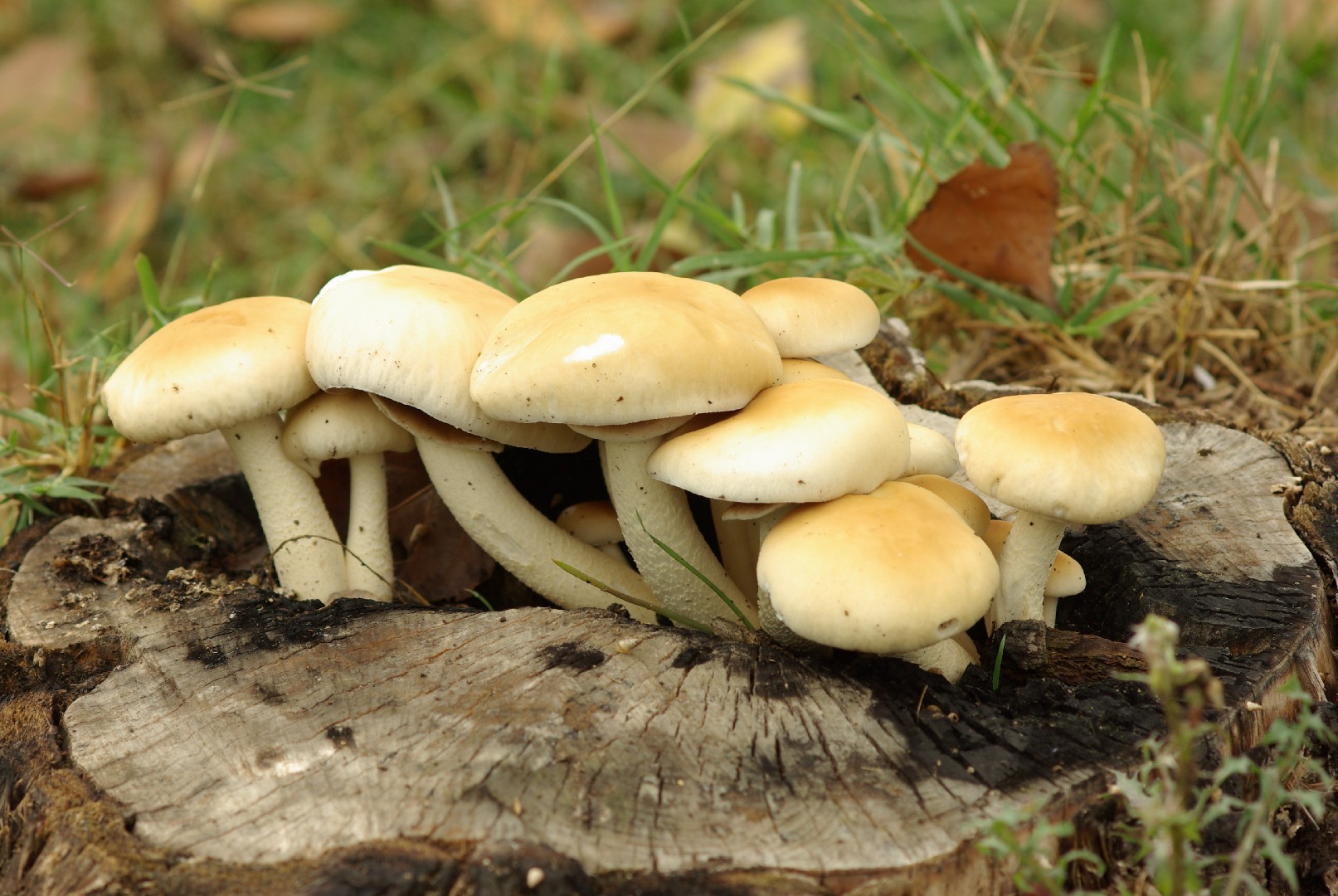
4. Poplar mushroom
The poplar mushroom (Cyclocybe parasitica) is native to New Zealand and is the primary cause of heartwood rot in hardwood trees. If you see these popping from a trunk, chances are that the health of that tree is on a rapid decline. They can grow to be quite large; caps have been known to reach 30 cm across!
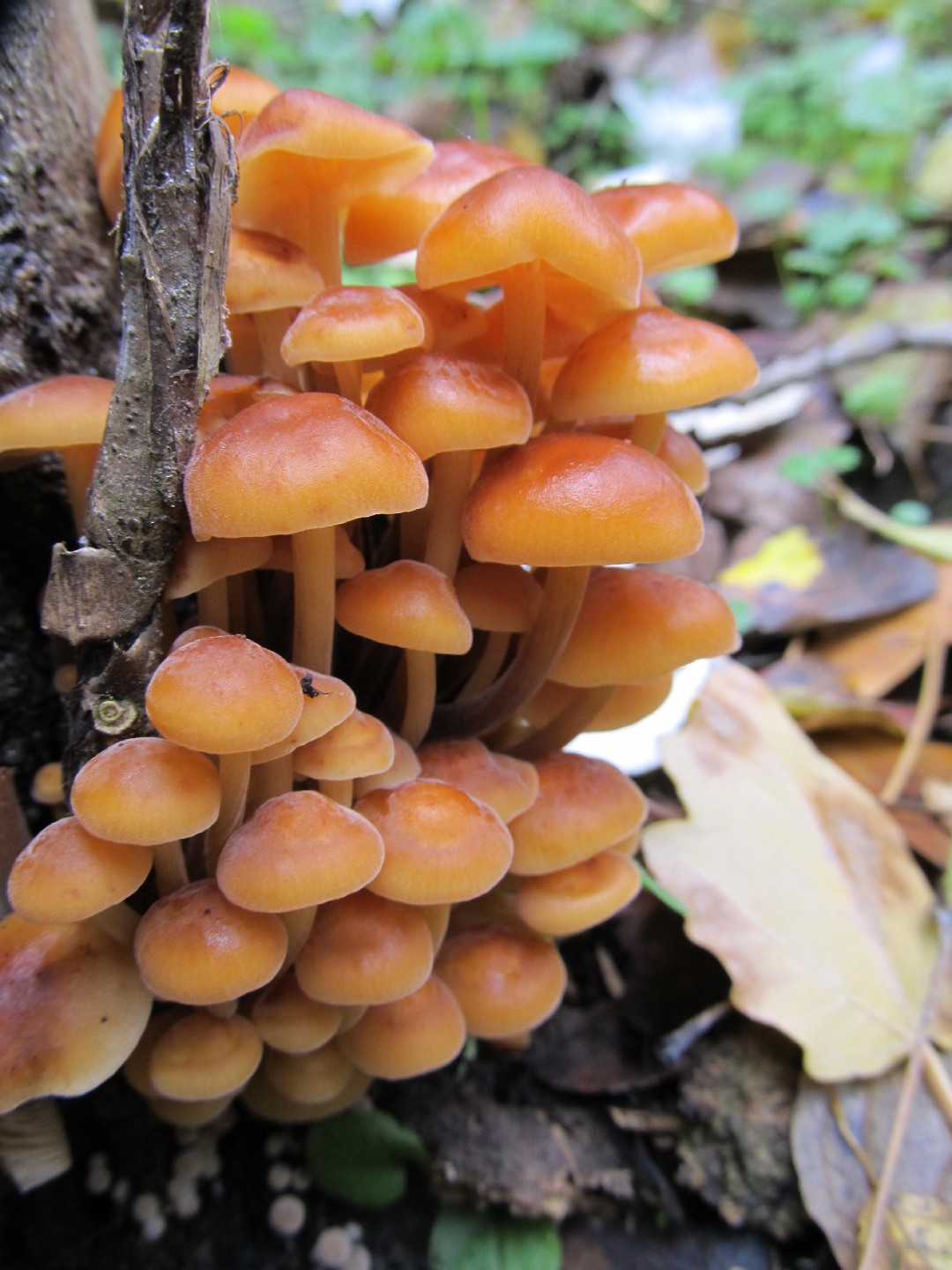
5. Enoki
The enoki grows wild on dead elm trees, and is also cultivated for human use. This flavorful species (Flammulina velutipes) has been used in dishes around the world for generations, being particularly high in nutrients. Though store-bought enoki are often plain white, wild ones can be found in a range of colors.
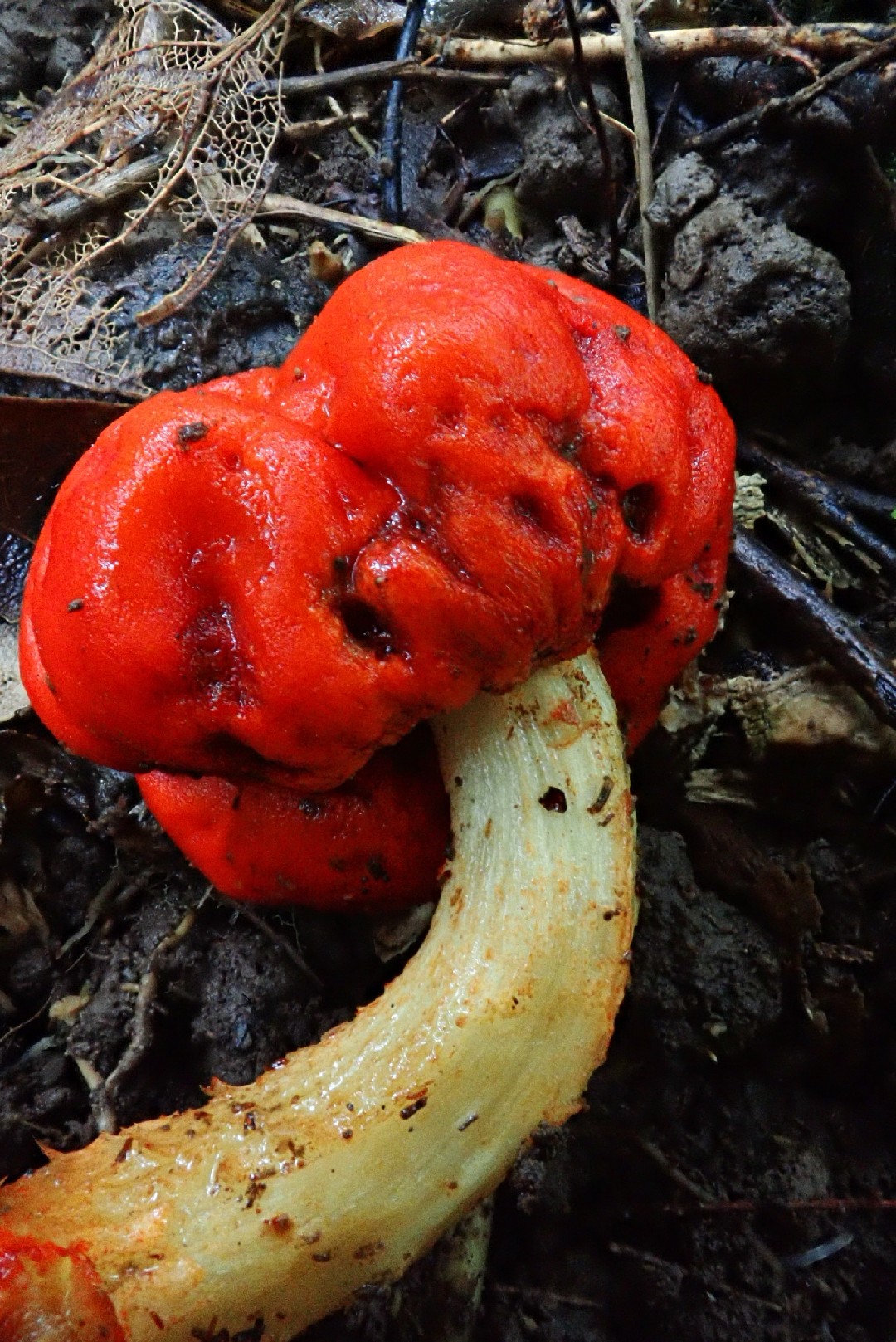
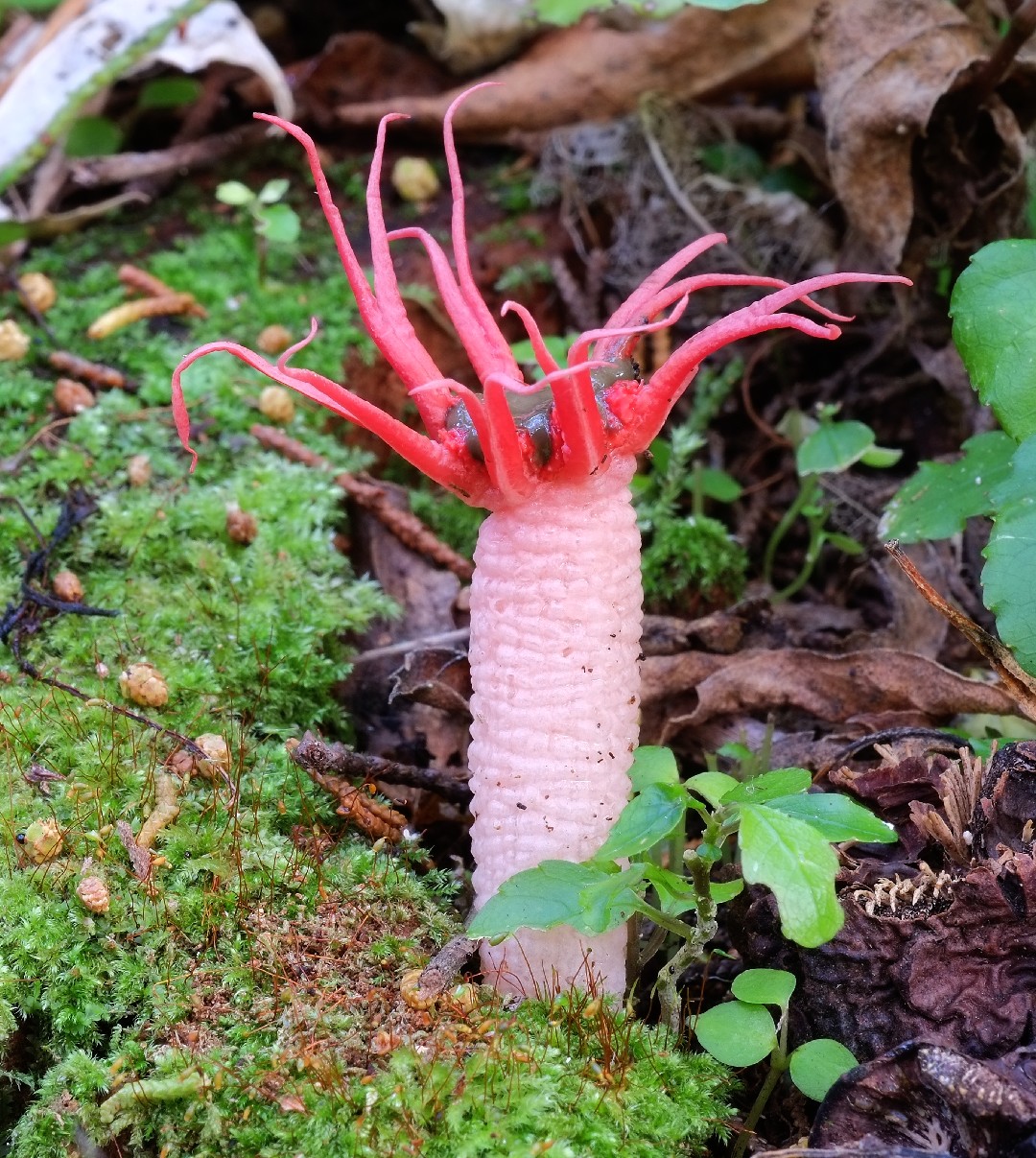
6. Red pouch fungus
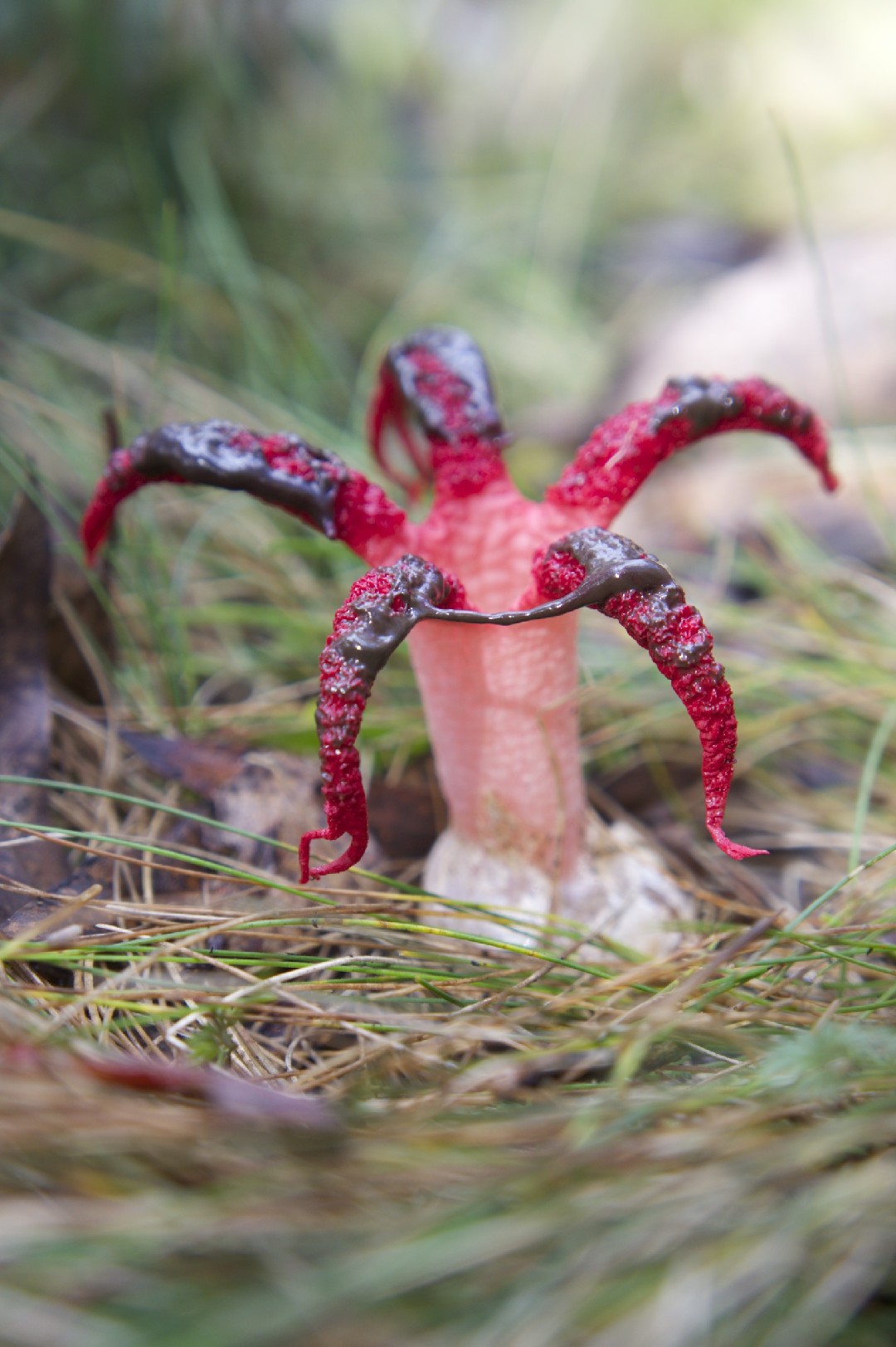
The red pouch fungus is a mushroom species endemic to New Zealand and it's said to be one of their most iconic fungi. The species is commonly found in garden beds, particularly growing on wood chips. In forests, it appears on the ground where there's a lot of woody debris.
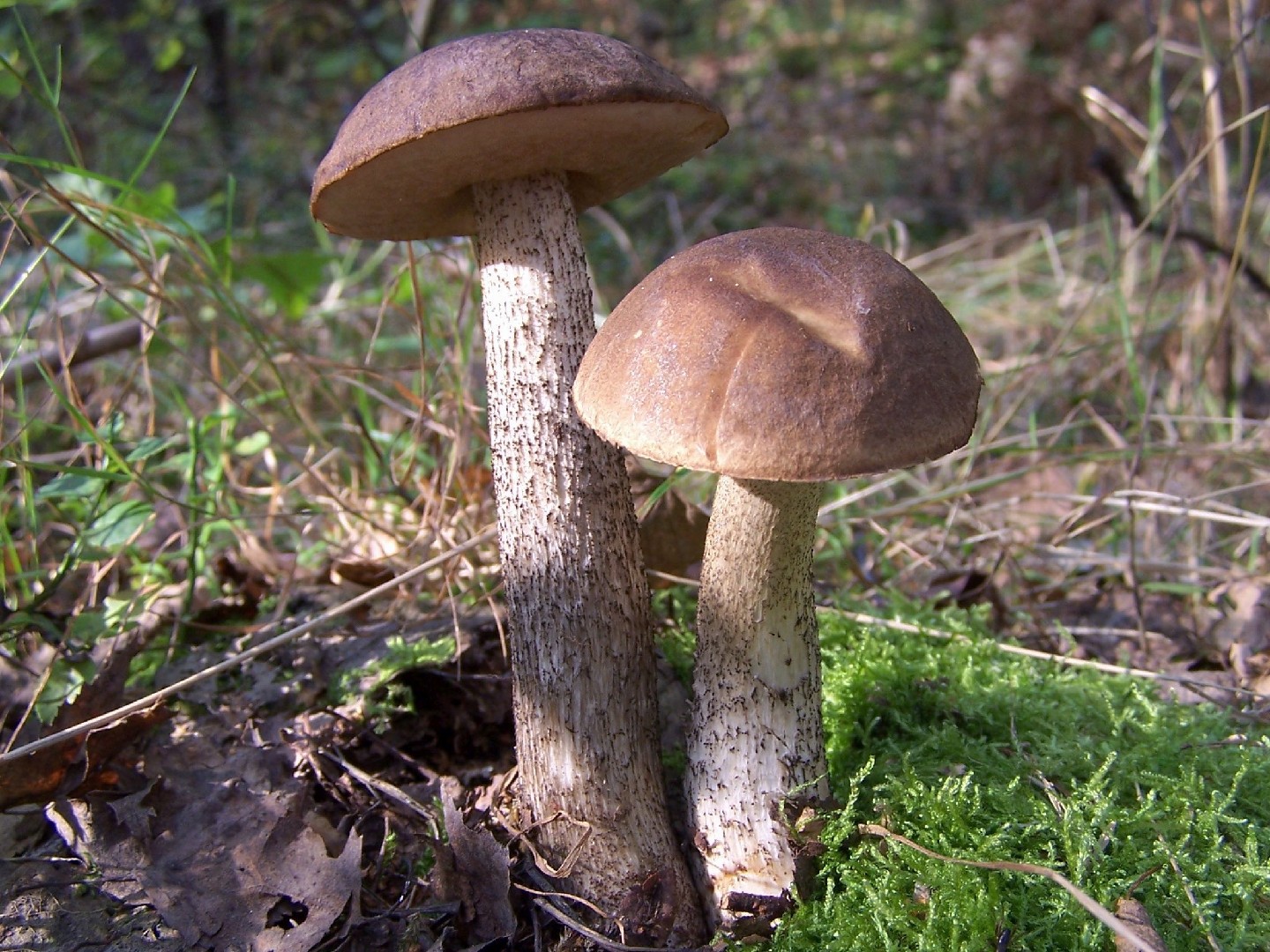
7. Brown birch-bolete
The brown birch-bolete is common around the northern hemisphere. It grows beneath birch trees and is usually easy to identify by its brown cap and scaly stem, the latter of which is referenced in its scientific name Leccinum scabrum. Occasionally, however, it can be found sporting a white cap.
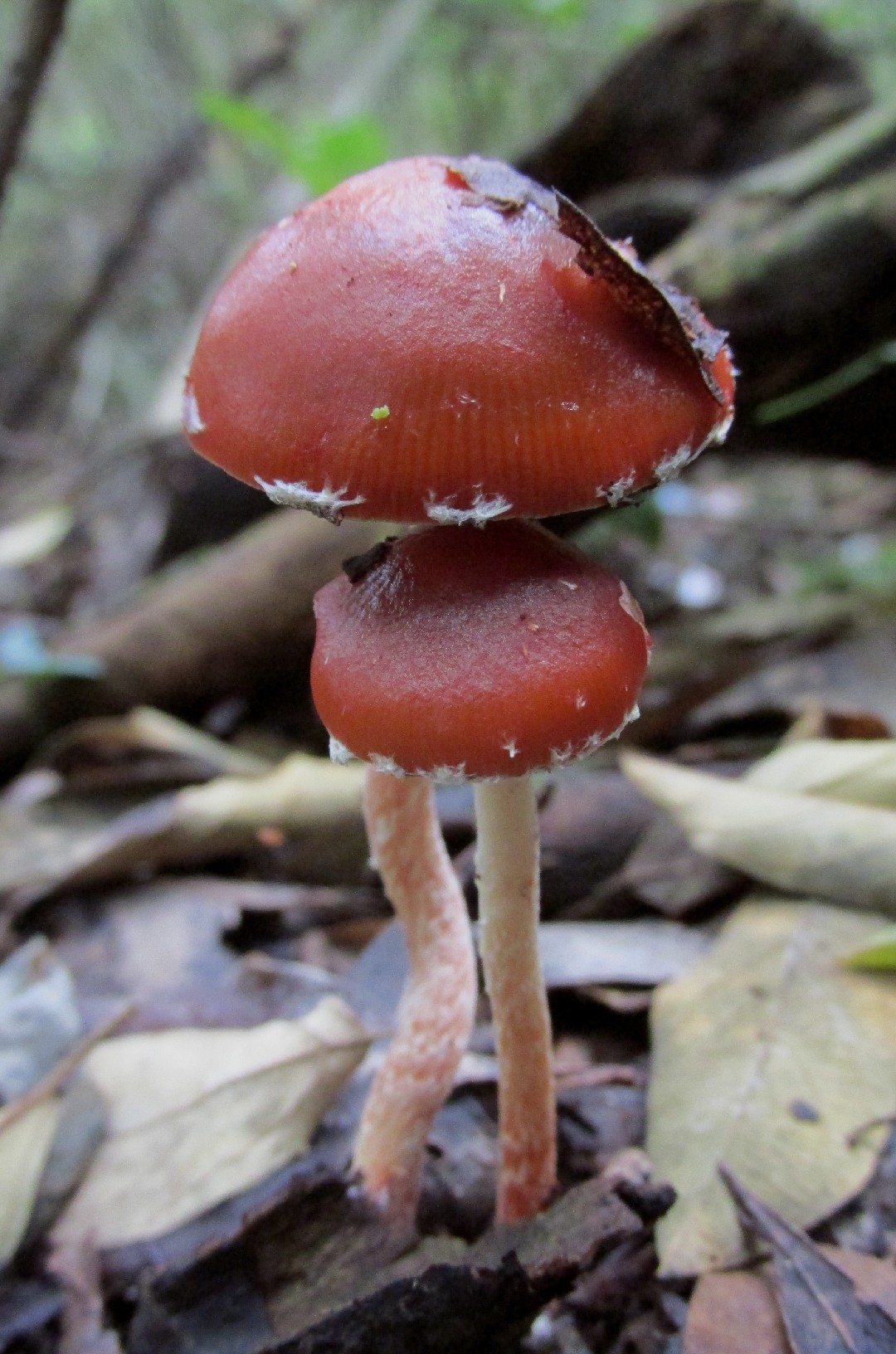
8. Redlead roundhead
This colorful mushroom grows most commonly on woodchip mulch and in sandy pine forests of coastal areas around the world. The redlead roundhead is believed to have originated in Australia. It may look pretty enough to eat, but don’t; it is bitter, toxic, non-digestible, and likely to cause an upset stomach.

9. Shaggy mane
The shaggy mane mushroom is commonly found in North American and European grasslands. Some peoples foraged for its young egg-shaped caps, but it has more recently been found to be a bioaccumulator of heavy metals, meaning it pulls toxic metals up from the soil where it grows. As a result, shaggy manes should not be eaten. The mushrooms usually appear in clusters or “fairy rings.”
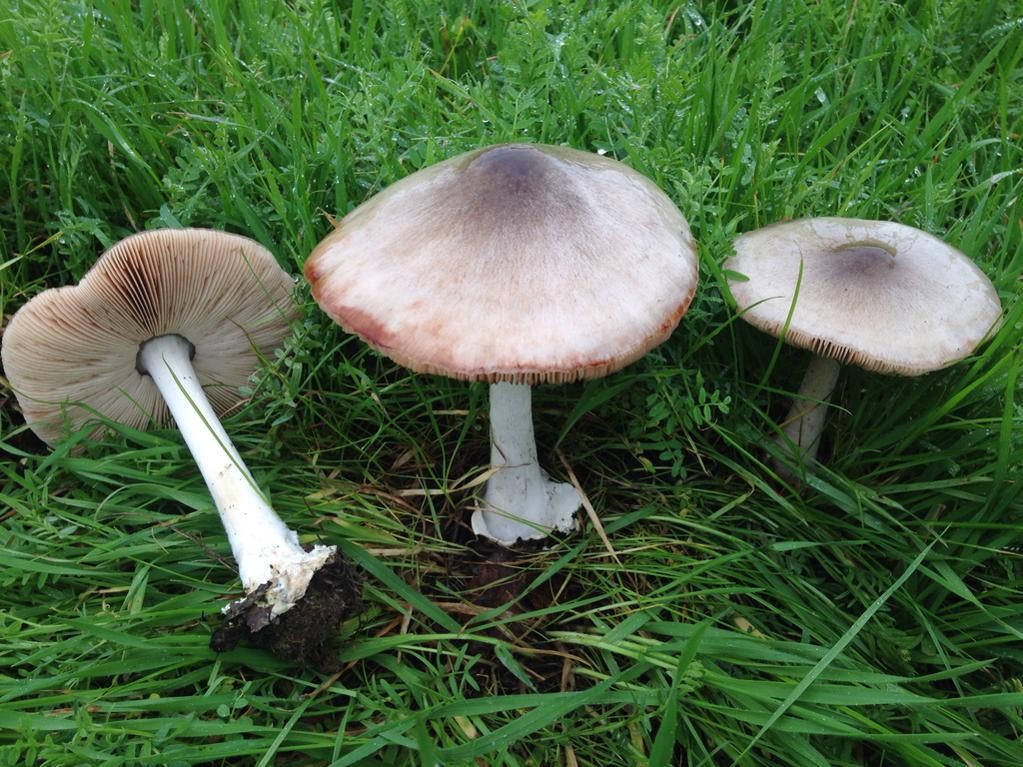
10. Big sheath mushroom
These large white mushrooms bloom all over cleared, harvested fields, as well as pastures and roadsides. The scientific species name comes from Greek words meaning “glue” (glioio) and “head” (cephalus), in reference to the sticky surface of this mushroom’s cap. The big sheath mushroom looks so similar to the poisonous Deathcap and Destroying Angel mushrooms that it should always be left alone.
More







