




Top 6 Most Common Mushrooms in Tov

Most Common Mushrooms
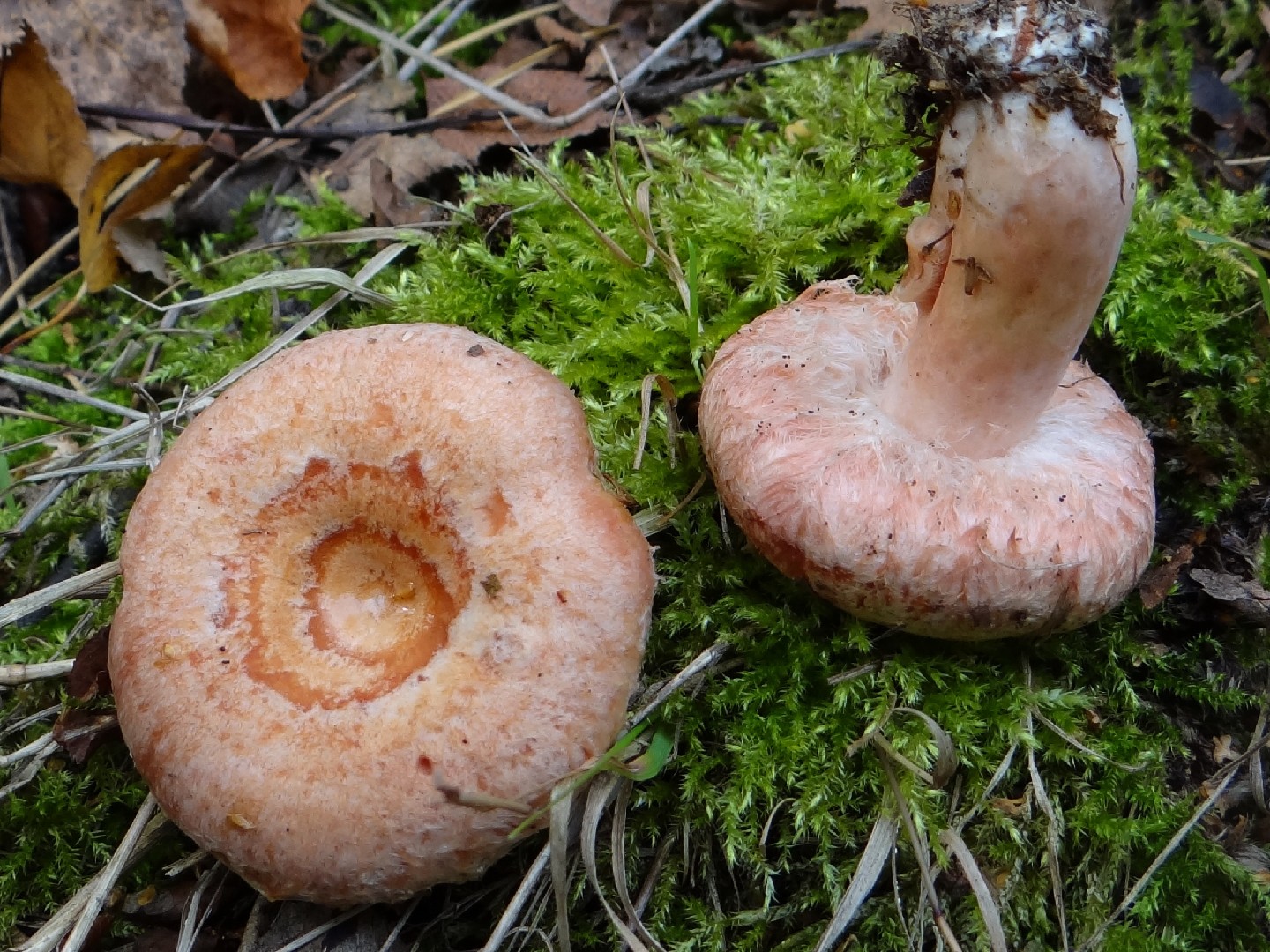
1. Woolly milkcap
The woolly milkcap (Lactarius torminosus) is named after its "woolly" cap covered in fine, white hairs that may mimic a veil. It is a poisonous species that can cause unpleasant stomach upsets when consumed. Even its Latin name suggests so - the specific epithet torminosus means "suffering from colic."
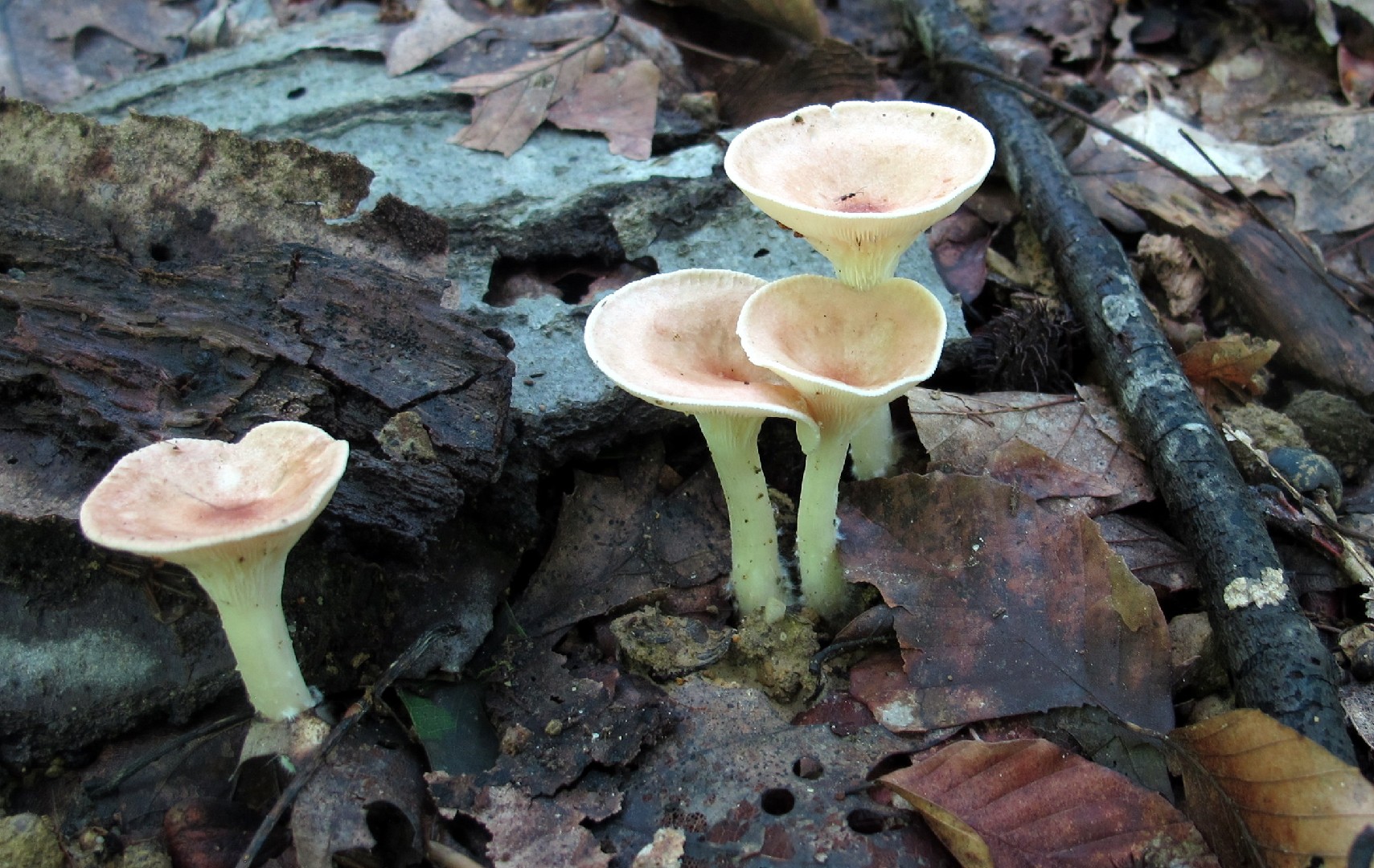
2. Common funnel
A common sight across European forests, and also seen in parts of Asia and North America, common funnel(Clitocybe gibba) is named for its delightfully evocative appearance. Preferring the company of groups, it is prone to forming fairy rings, historically thought to mark the dancing places of elves.
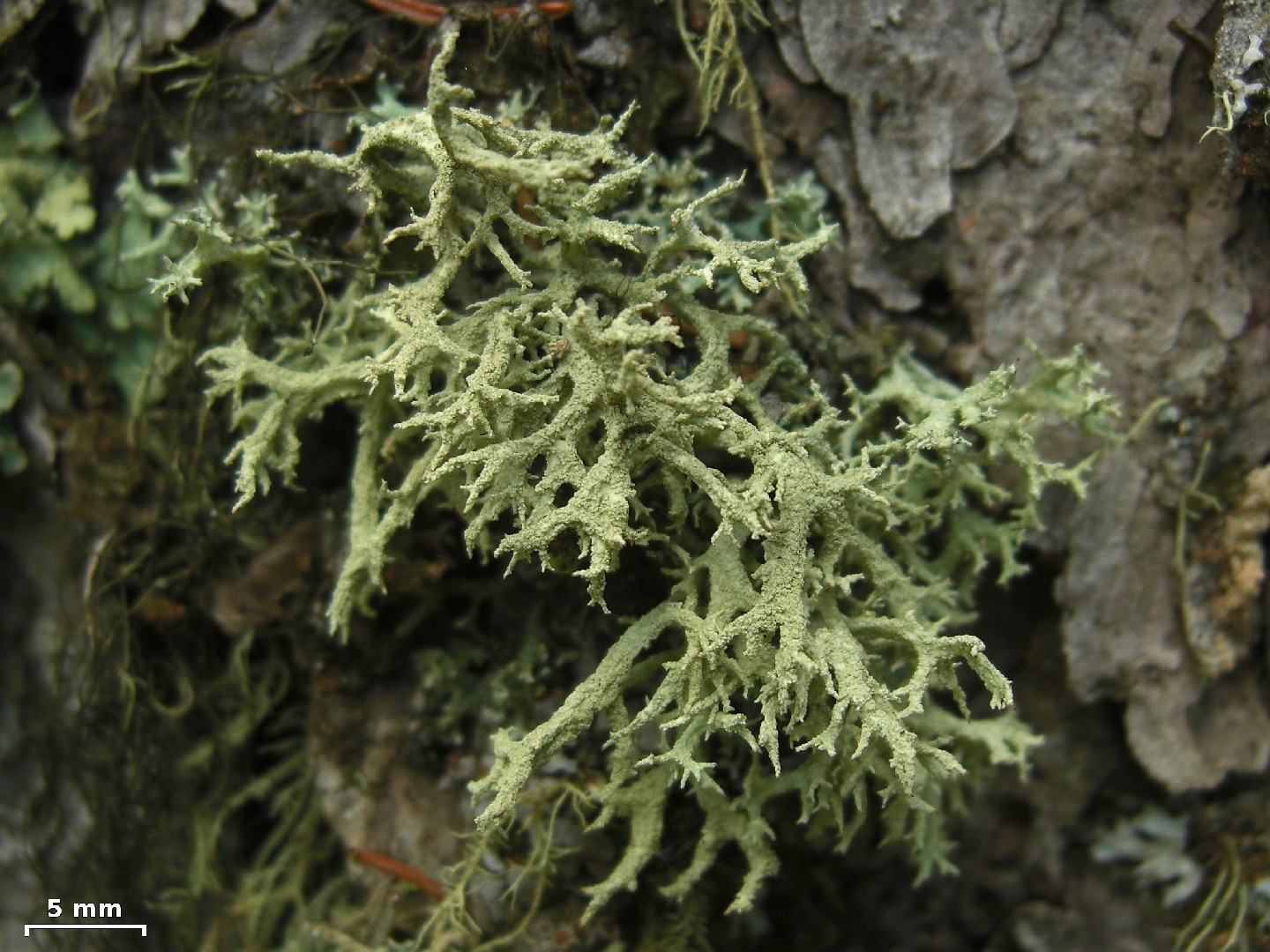
3. Boreal oakmoss
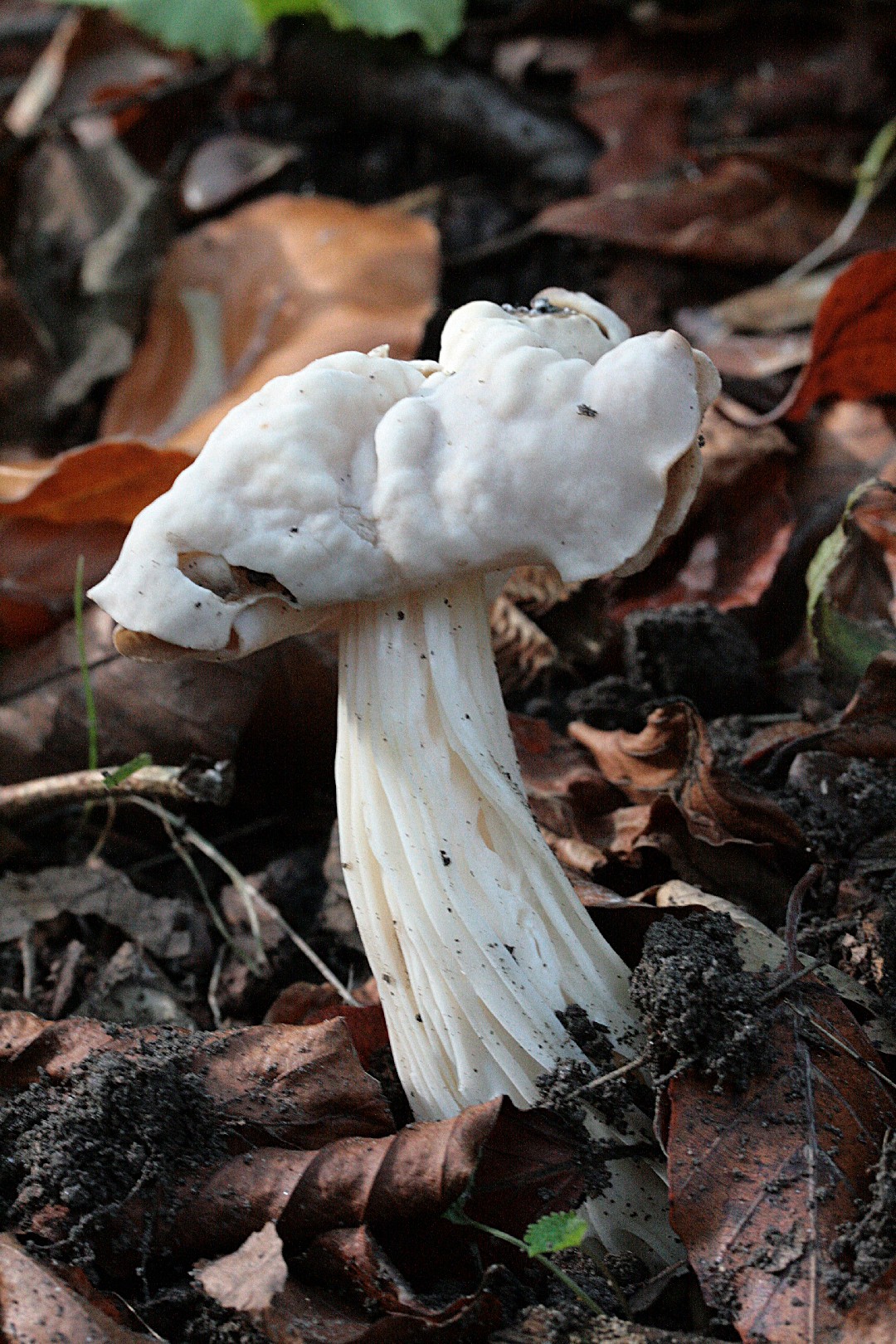
4. White saddle
The white saddle (Helvella crispa) is a highly distinctive species that can be found growing in the temperate woodlands of Europe and eastern North America. Sporting a fluted stalk that vaguely resembles a buttressed cedar trunk, as well as an irregular cap that may be brain-like or lumpy inn appearance, it'd be hard to mistake the white saddle for another species. Given conflicting reports about its edibility, it's better to visually admire - rather than eat - this strange mushroom.
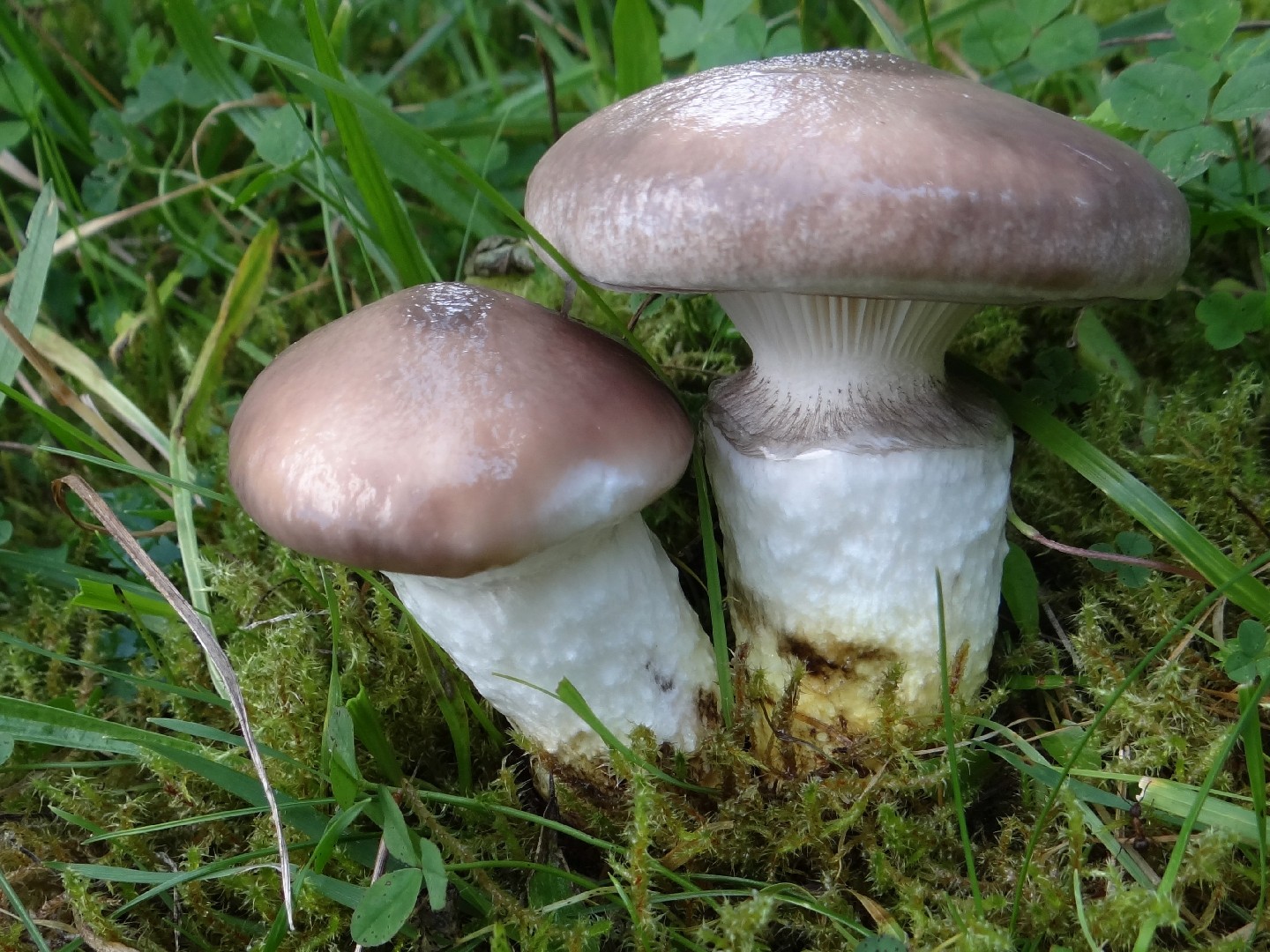
5. Slimy spike
A stocky, almost imposing mushroom, the slimy spike (Gomphidius glutinosus) has a round bulbous cap and a very thick stalk. This species is one of the more unusual members of the bolete order (Boletales) because it has gills, rather than a spongey pore surface. The "slimy" in this species' common name is well-earned - individuals are almost always coated in a shiny layer of slime.
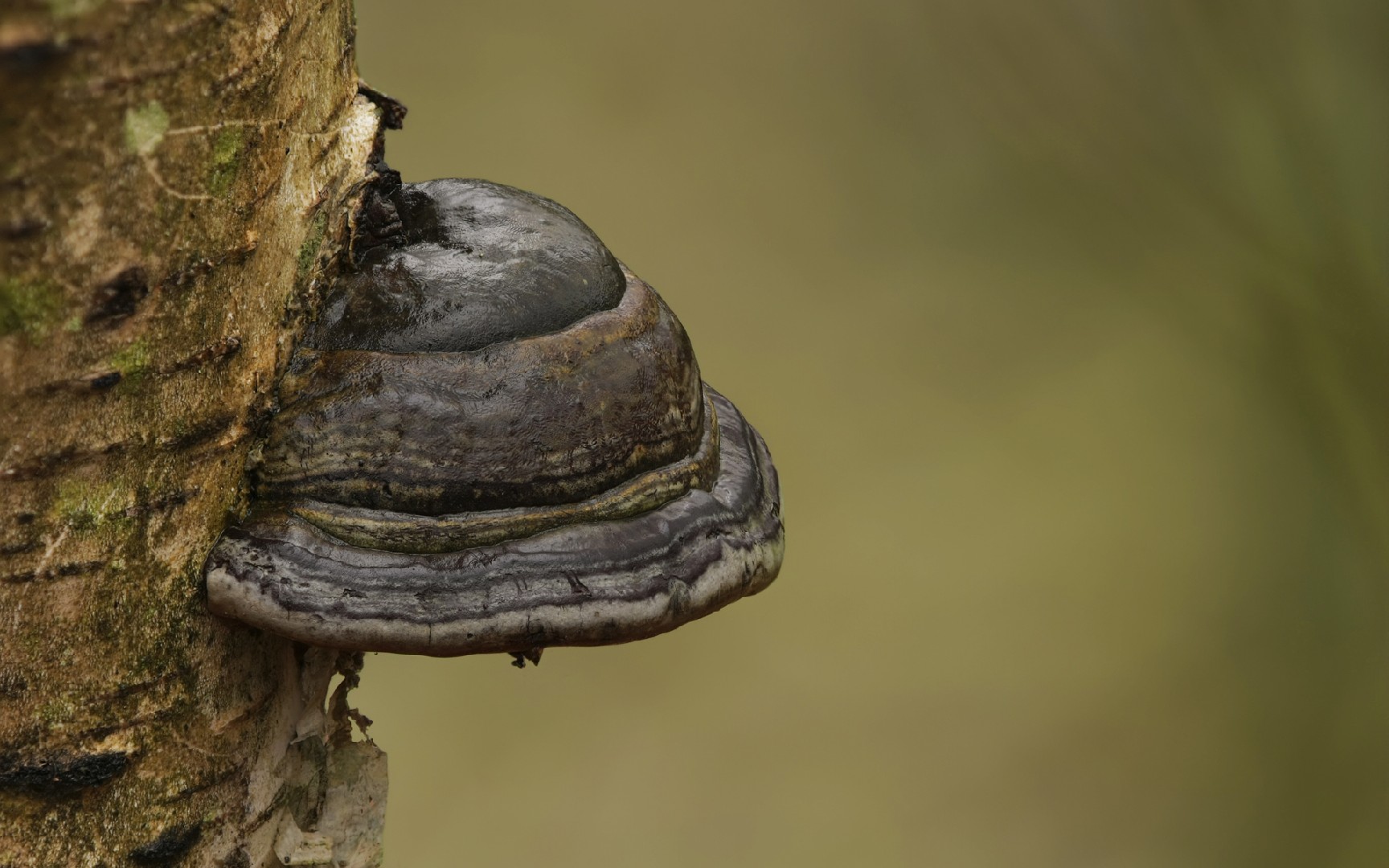
6. Tinder fungus
This large, tough shelf fungus can be found attached to birch, beech, and sycamore trees. It gets its common name, tinder fungus, from the fact that it burns quite slowly and can thus be used effectively for lighting fires. Dried pieces can also be a useful desiccant. A piece of this fungus was found in the possession of Otzi the Iceman, indicating that its usefulness has been known for millenia.







