




Top 8 Most Common Mushrooms in Mongolia
Immerse yourself in the mycological paradise of Mongolia, a land teeming with a broad array of mushroom species due to its distinctive climatic conditions and soil composition. The mushroom richness of Mongolia is truly astounding, bolstered by its unique and diverse habitats. From leafy forests to sun-drenched steppes, these landscapes serve as nurturing grounds for 8 of the most common yet intriguing mushrooms. This collection reflects Mongolia's ecological diversity, offering a fascinating glimpse into its bountiful fungal kingdom. Witness an engaging exploration of Mongolia's most prevalent mushroom species and their importance in the natural ecosystem.

Most Common Mushrooms
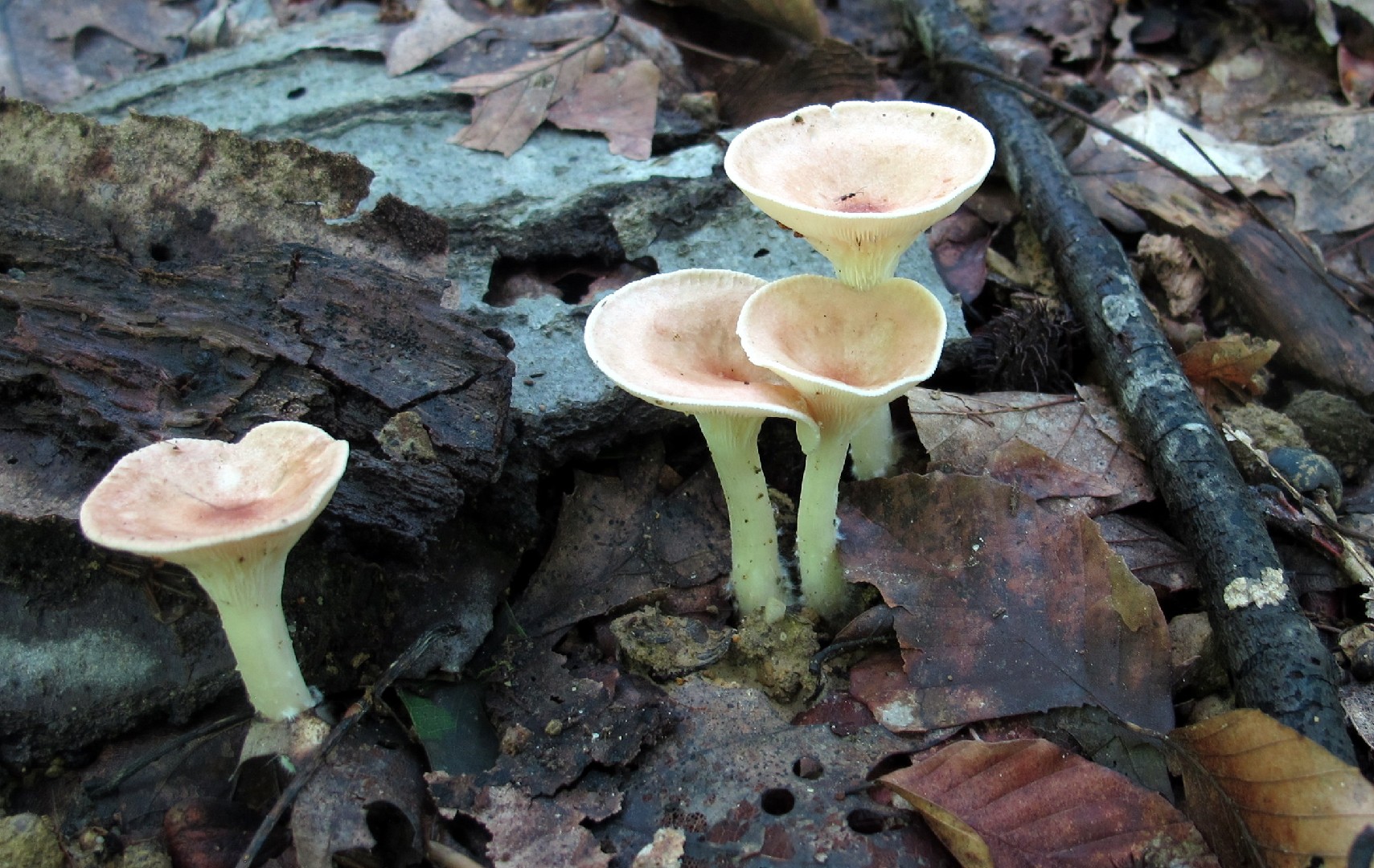
1. Common funnel
A common sight across European forests, and also seen in parts of Asia and North America, common funnel(Clitocybe gibba) is named for its delightfully evocative appearance. Preferring the company of groups, it is prone to forming fairy rings, historically thought to mark the dancing places of elves.
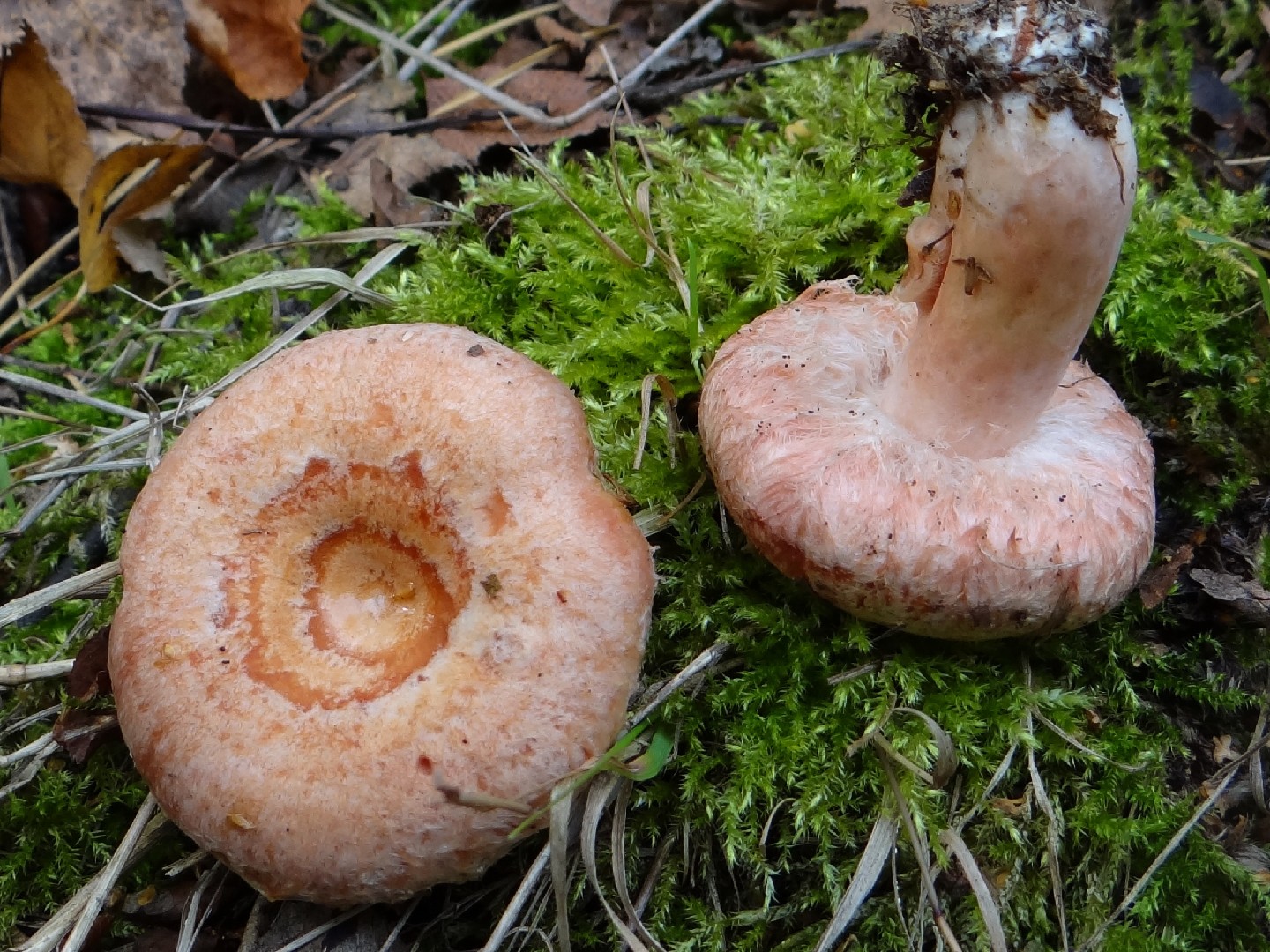
2. Woolly milkcap
The woolly milkcap (Lactarius torminosus) is named after its "woolly" cap covered in fine, white hairs that may mimic a veil. It is a poisonous species that can cause unpleasant stomach upsets when consumed. Even its Latin name suggests so - the specific epithet torminosus means "suffering from colic."
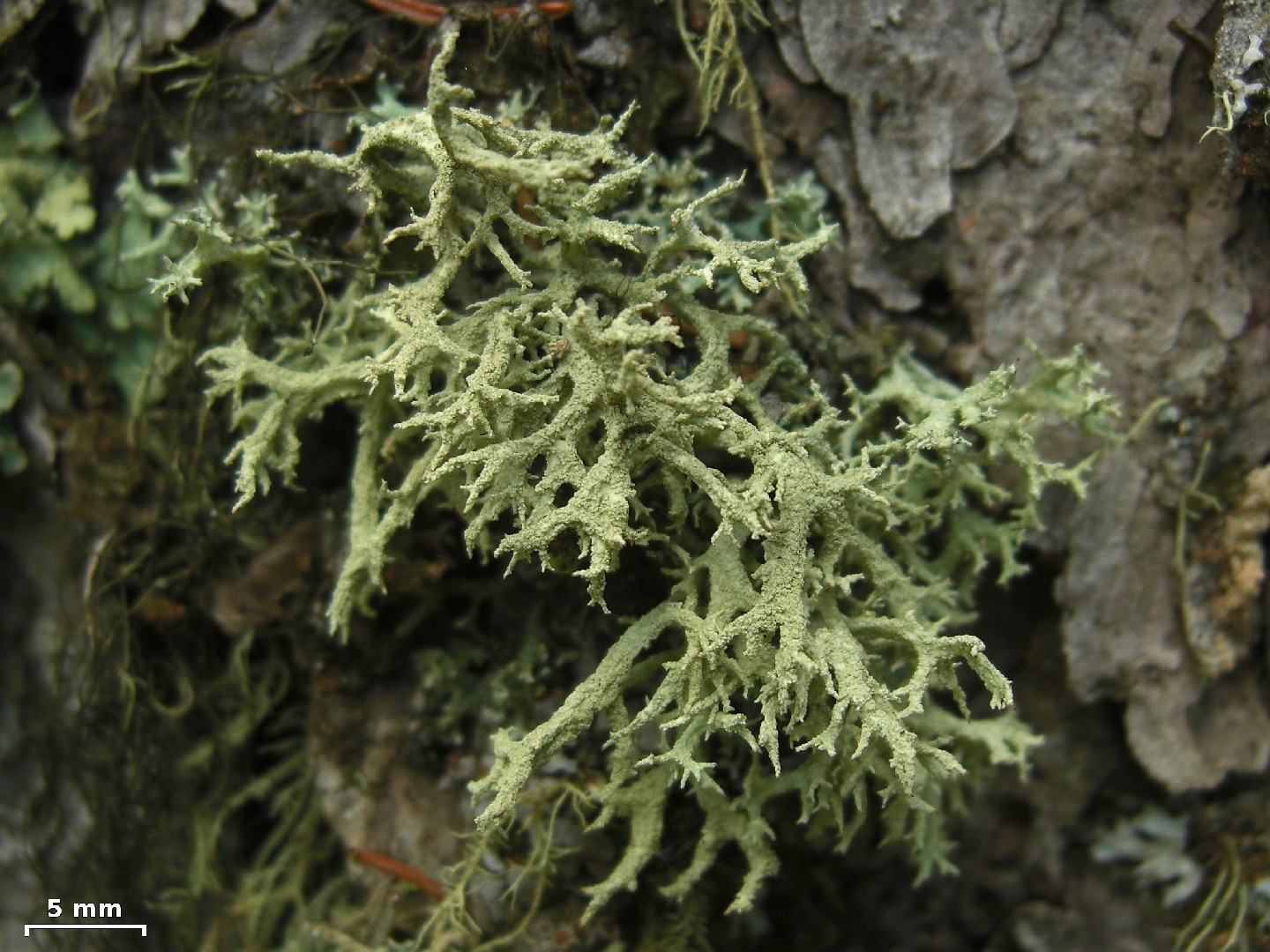
3. Boreal oakmoss
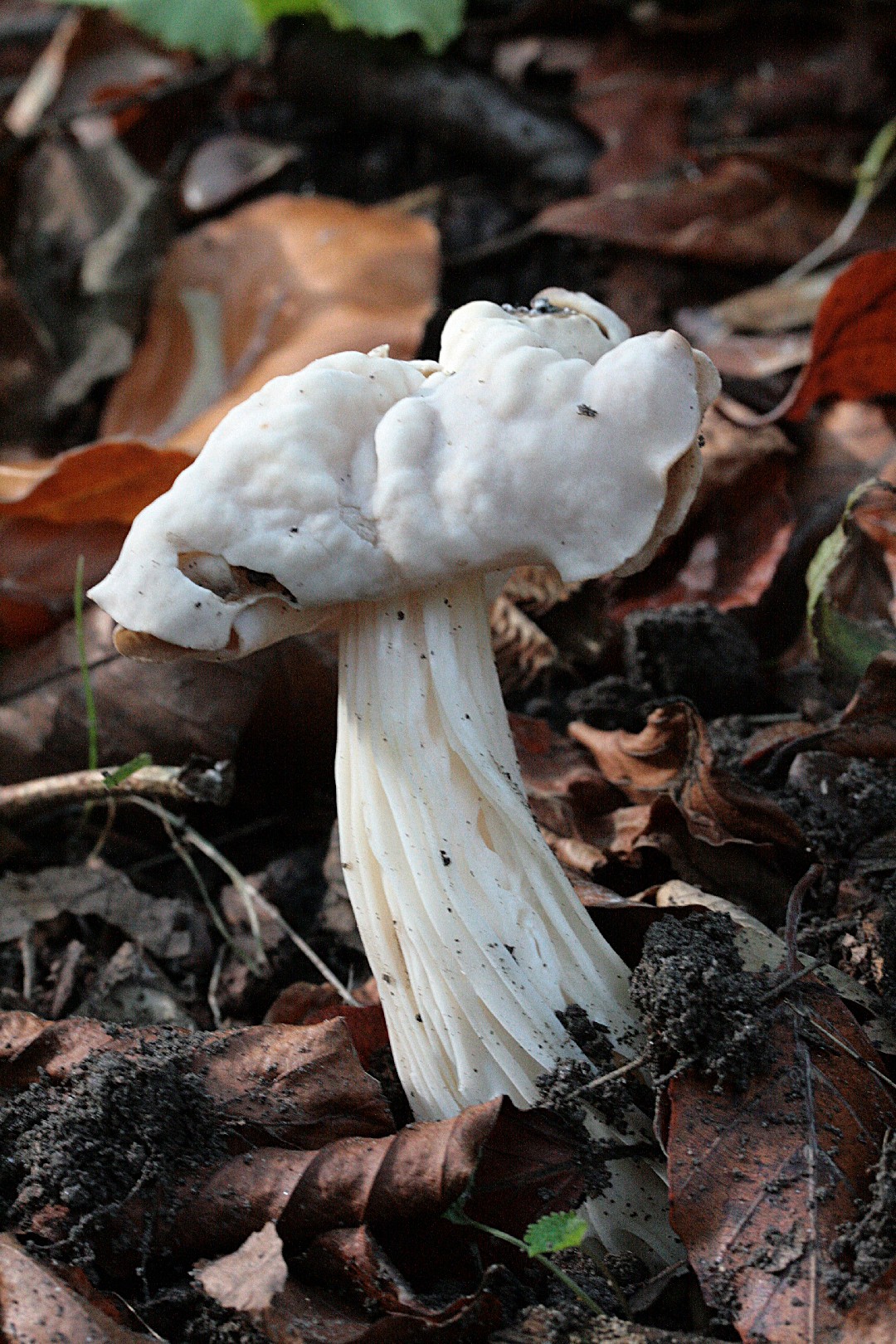
4. White saddle
The white saddle (Helvella crispa) is a highly distinctive species that can be found growing in the temperate woodlands of Europe and eastern North America. Sporting a fluted stalk that vaguely resembles a buttressed cedar trunk, as well as an irregular cap that may be brain-like or lumpy inn appearance, it'd be hard to mistake the white saddle for another species. Given conflicting reports about its edibility, it's better to visually admire - rather than eat - this strange mushroom.
5. Slimy spike
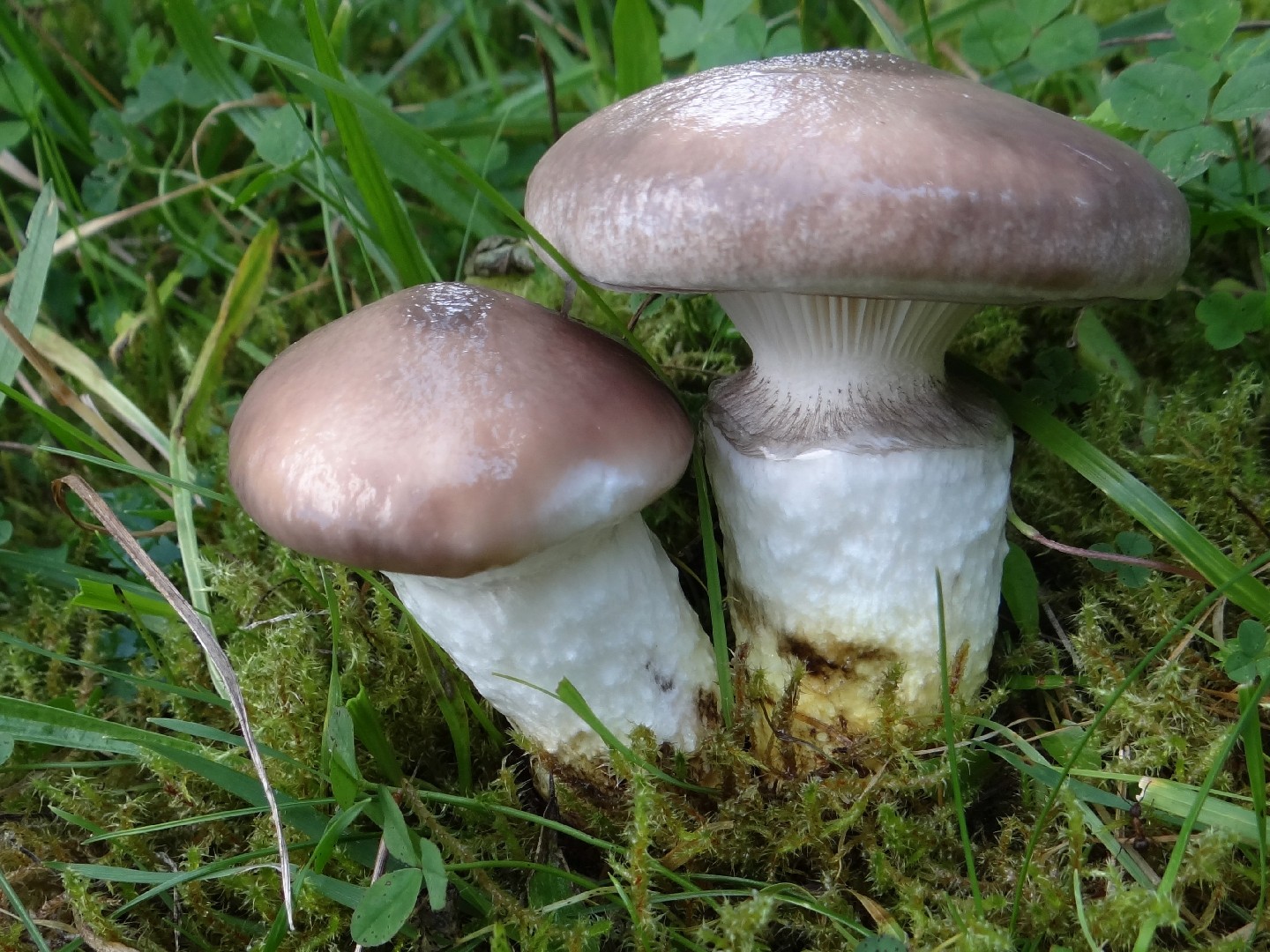
A stocky, almost imposing mushroom, the slimy spike (Gomphidius glutinosus) has a round bulbous cap and a very thick stalk. This species is one of the more unusual members of the bolete order (Boletales) because it has gills, rather than a spongey pore surface. The "slimy" in this species' common name is well-earned - individuals are almost always coated in a shiny layer of slime.
6. Tinder fungus
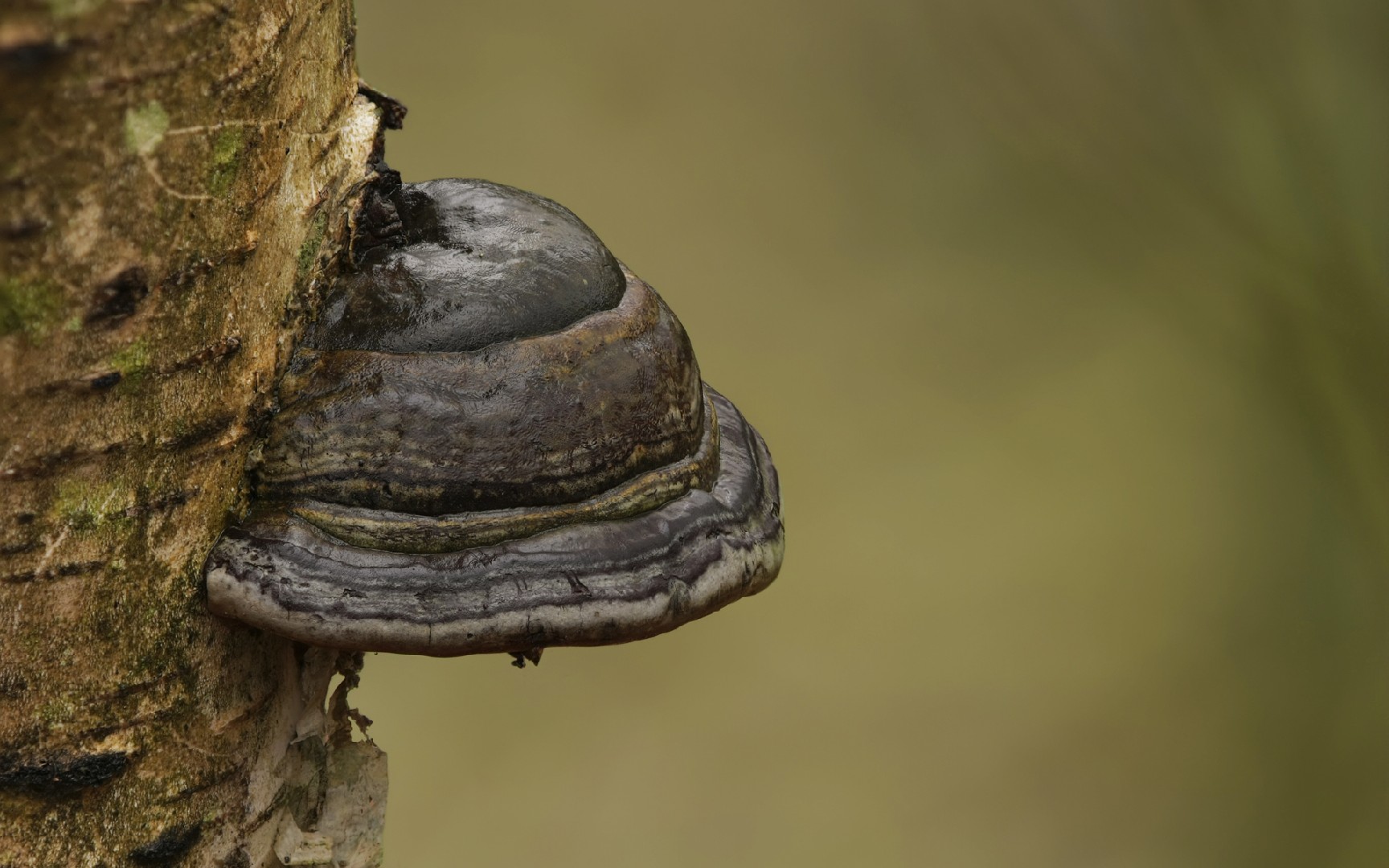
This large, tough shelf fungus can be found attached to birch, beech, and sycamore trees. It gets its common name, tinder fungus, from the fact that it burns quite slowly and can thus be used effectively for lighting fires. Dried pieces can also be a useful desiccant. A piece of this fungus was found in the possession of Otzi the Iceman, indicating that its usefulness has been known for millenia.
7. Dog lichen
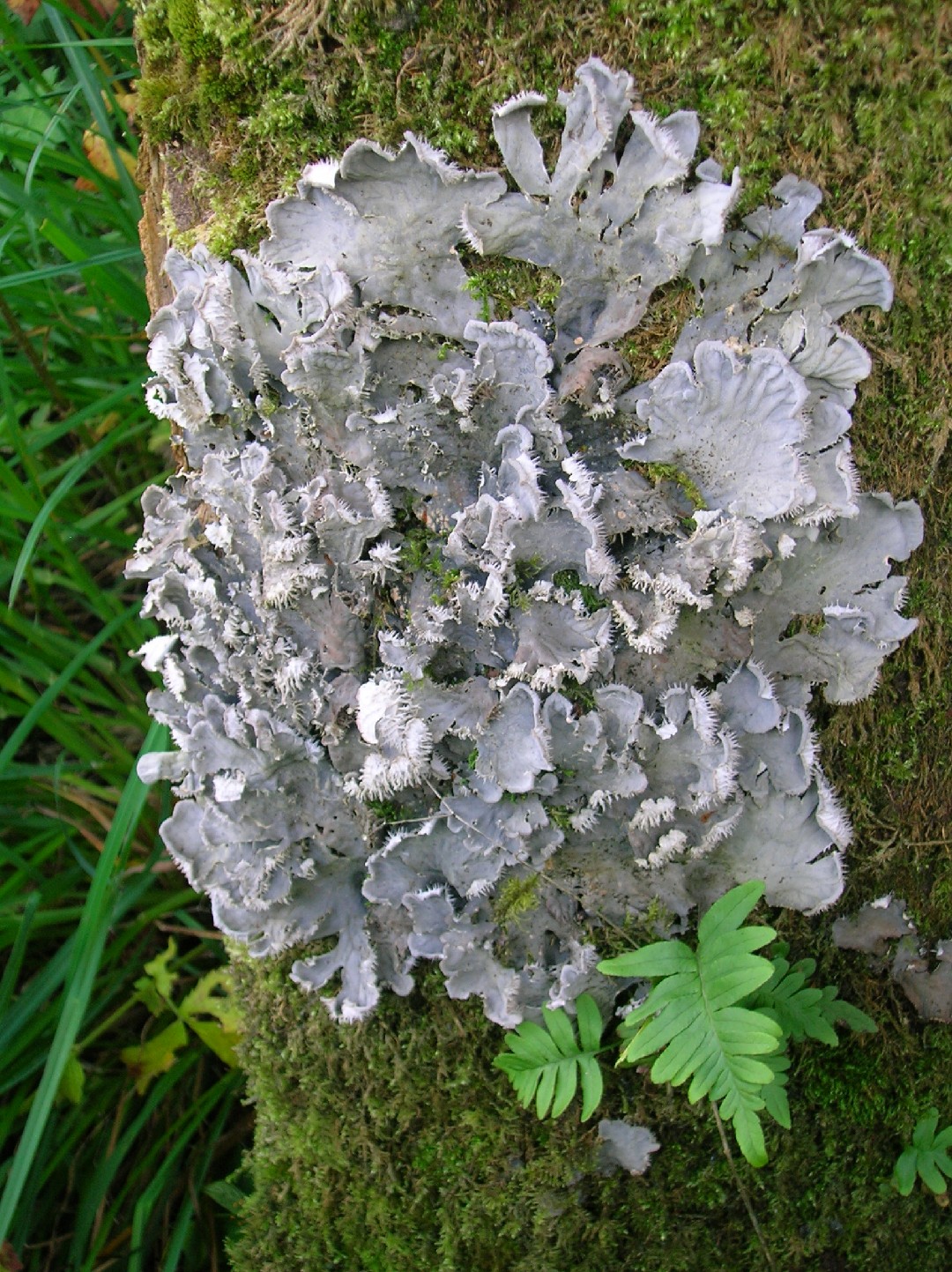
Dog lichen is a leafy lichen in appearance when growing in small patches. The fungus thrives in sandy and grassy soil, and the round lobes become papery-thin when dry. When the soil is moist, the lobes turn full and soft. The fruiting bodies resemble the teeth of a canine, giving this lichen the name "dog lichen."
8. Red ring rot
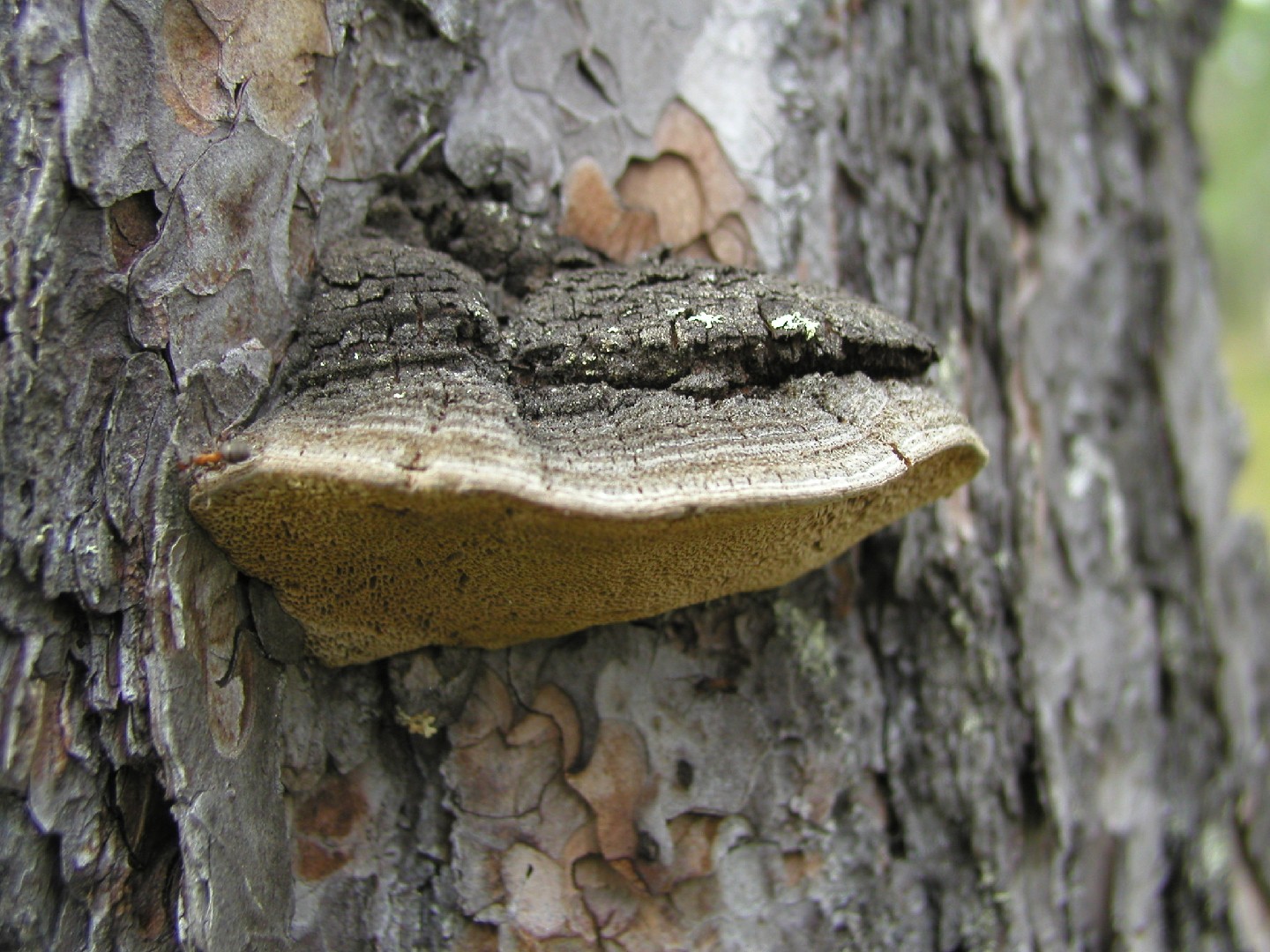
Despite its unassuming appearance, red ring rot has a sinister reputation with commercial logging operations as it is the most common cause of decay in some conifer species. It grows on both living conifers and the deadwood from conifers, often forming a reddish-brown conk. On the flip side, it produces hollowed-out trees that make for excellent nesting sites.







