




Top 20 Most Common Mushrooms in Sabah

Most Common Mushrooms
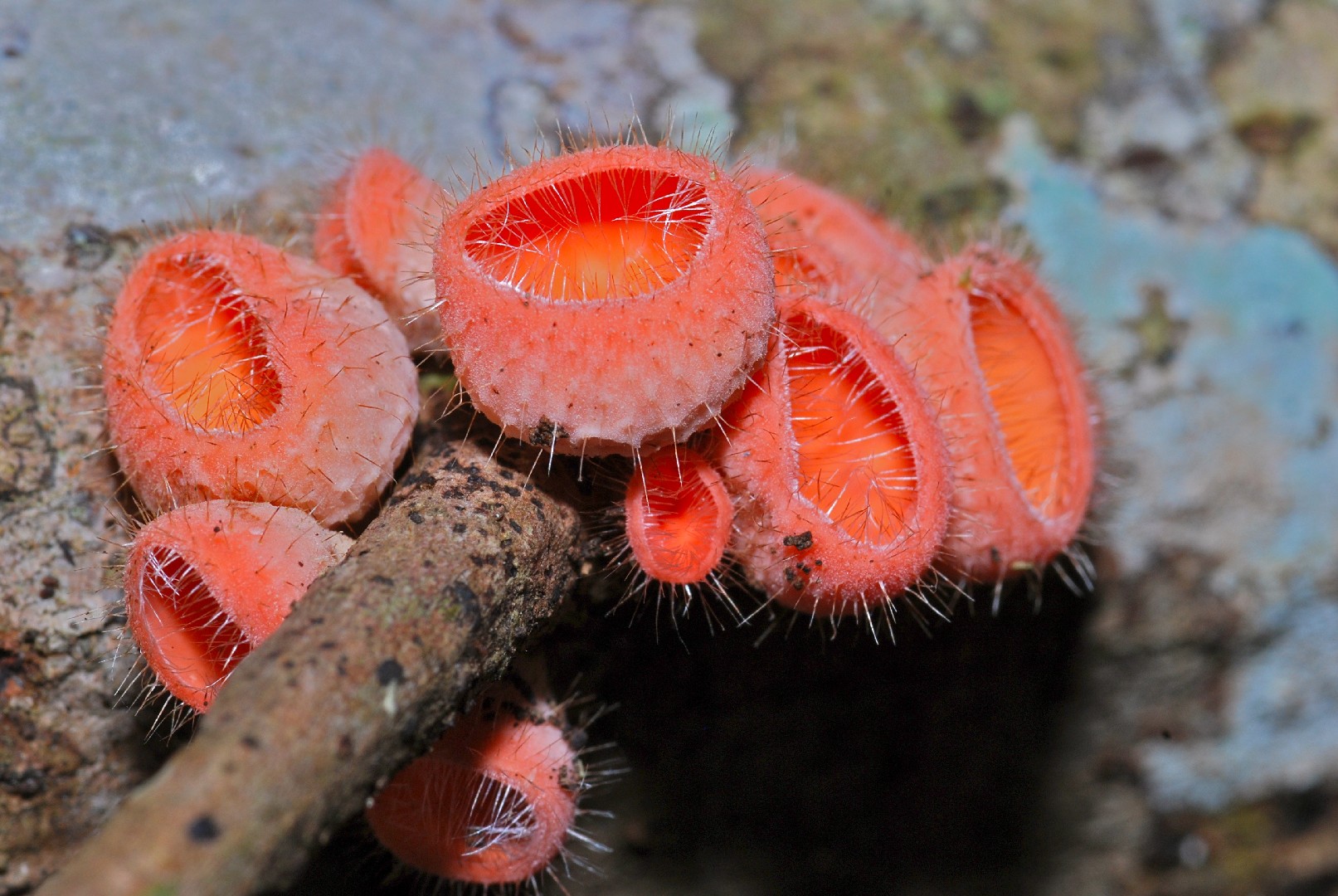
1. Cookeina tricholoma
Cookeina tricholoma is a hose mushroom from the family of the Kelchbecherlingsverwandten.
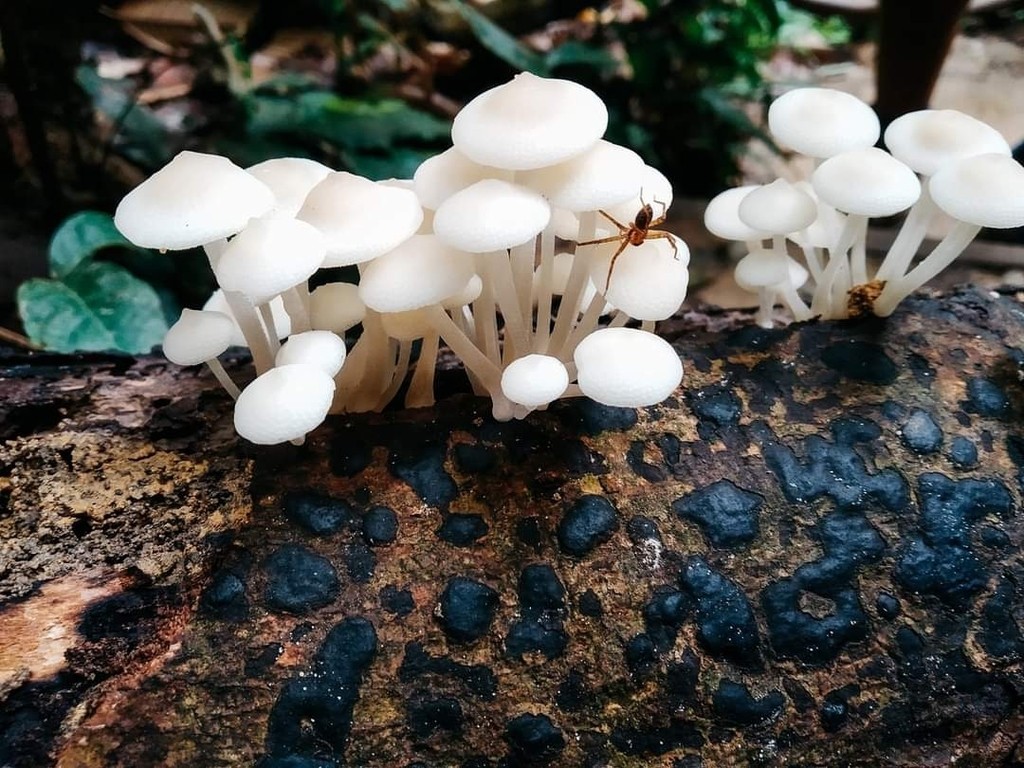
2. Favolaschia manipularis
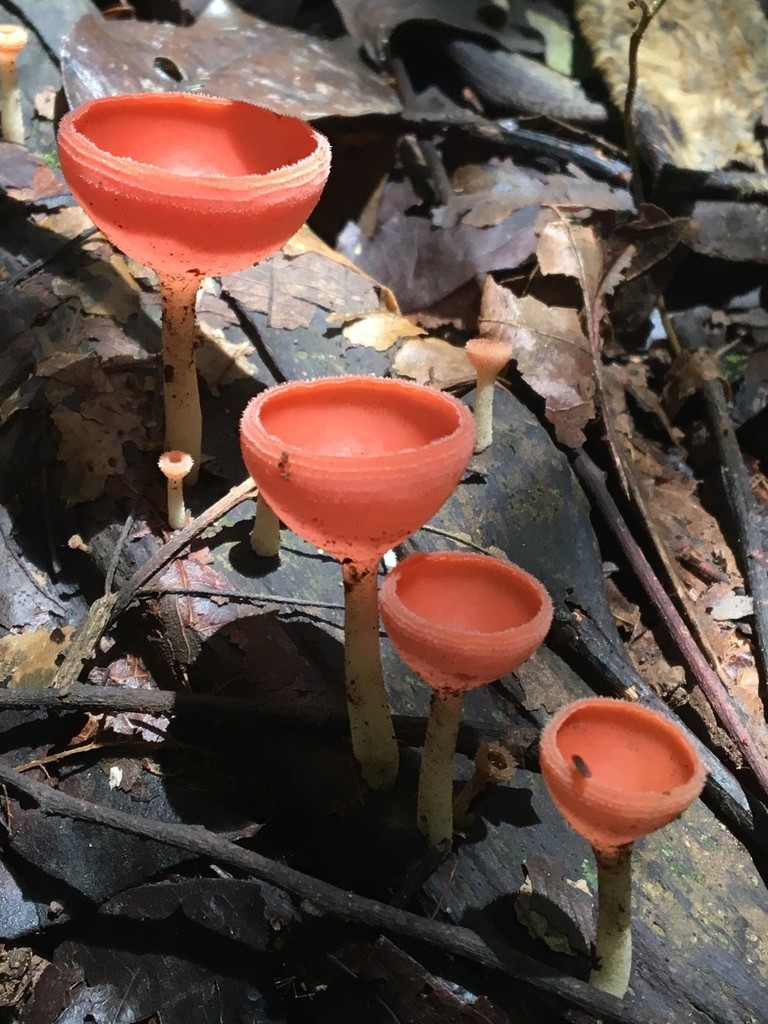
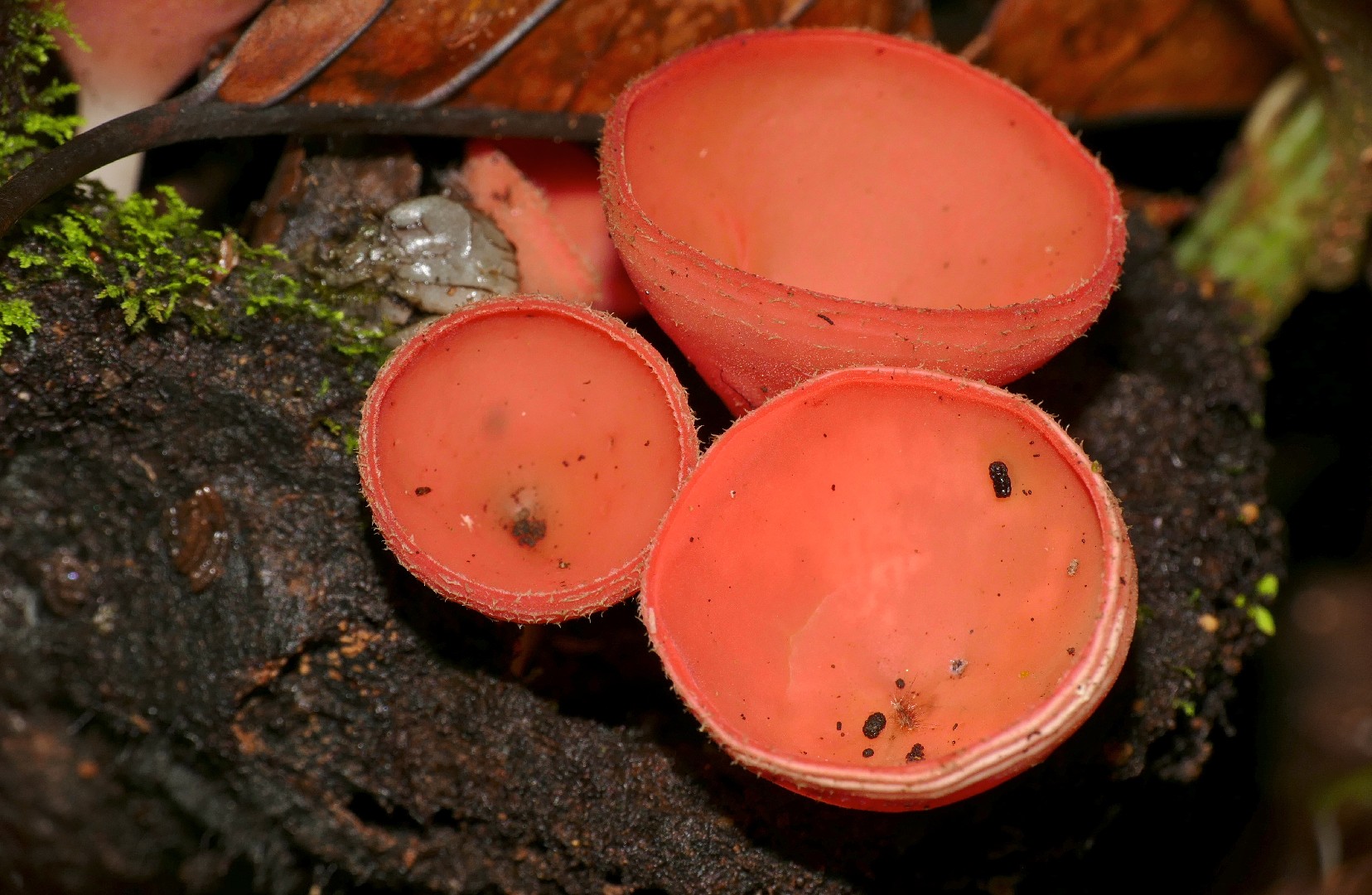
3. Cookeina speciosa
Cookeina speciosa is a hose mushroom from the family of the cupbearer relatives.
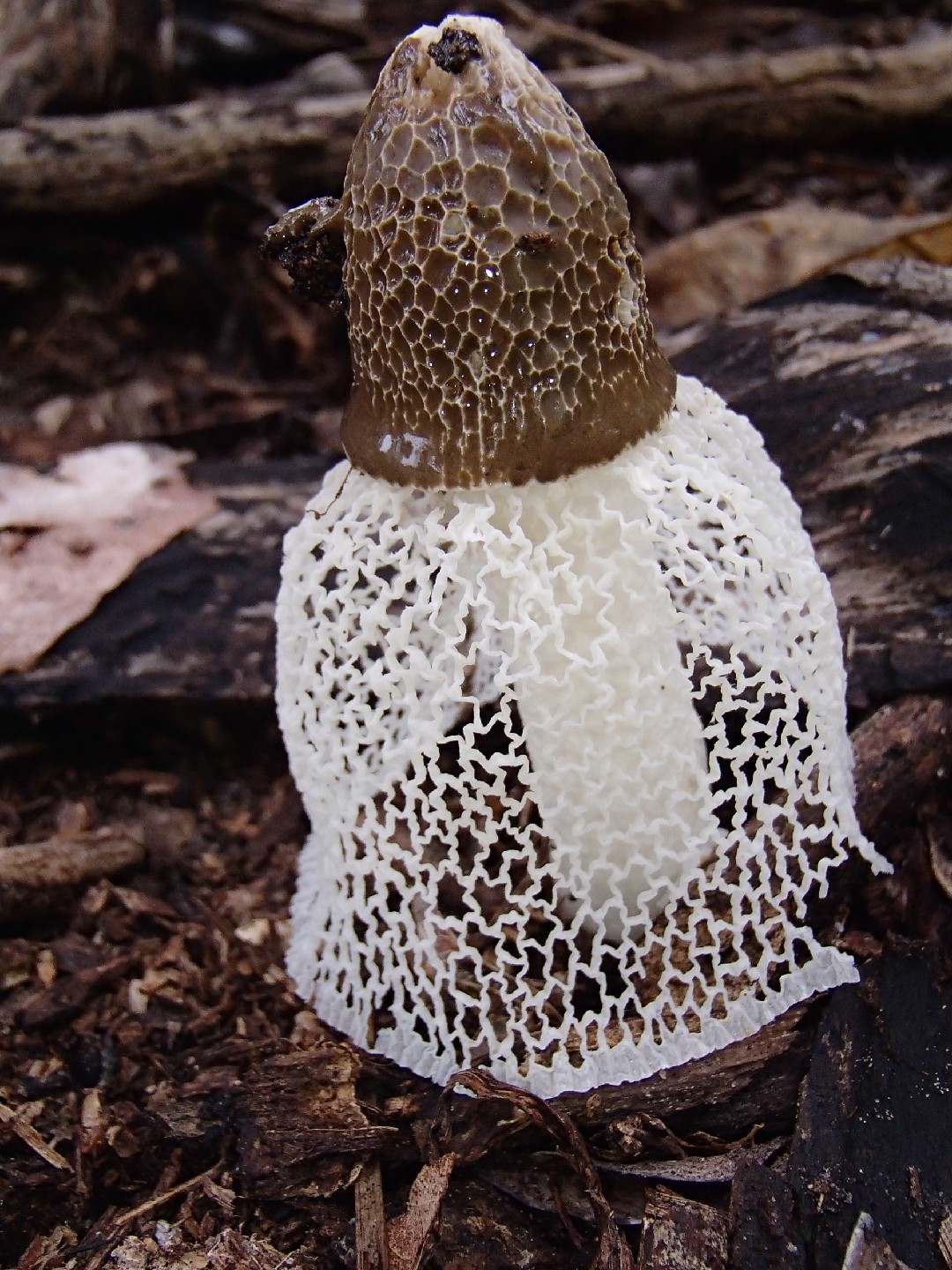
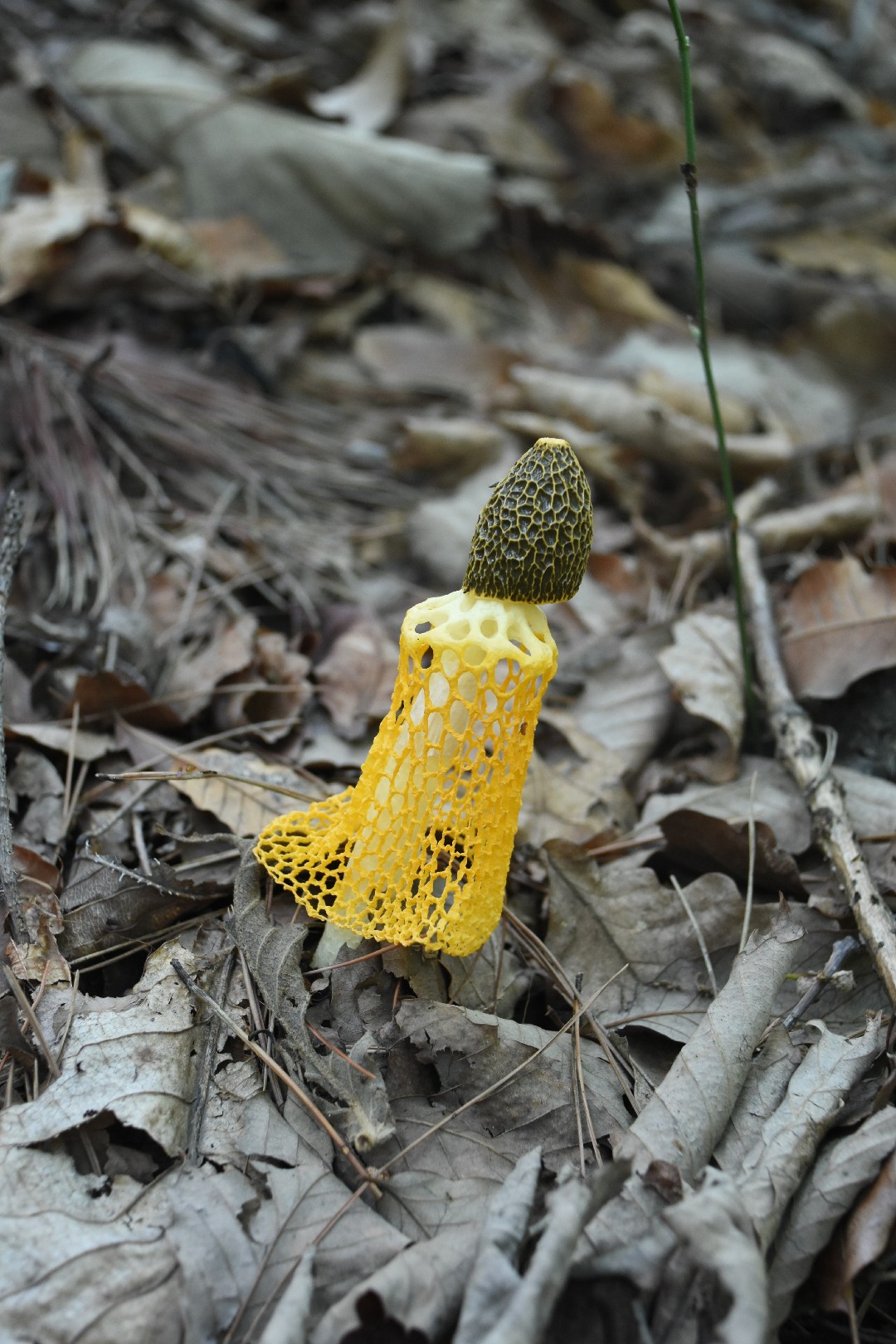
4. Bridal veil stinkhorn
Bridal veil stinkhorn (Phallus indusiatus) can be found rising up from the ground in tropical forests around the world. A distinctive netted fringe “skirt” descends from the cap along the length of the stalk. A type of “stinkhorn,” the fruitbodies of this species produce scents that vary between sickly-sweet to just plain unpleasant. The odor is meant to attract insects that usually lay their eggs in carrion.
5. Anemone stinkhorn
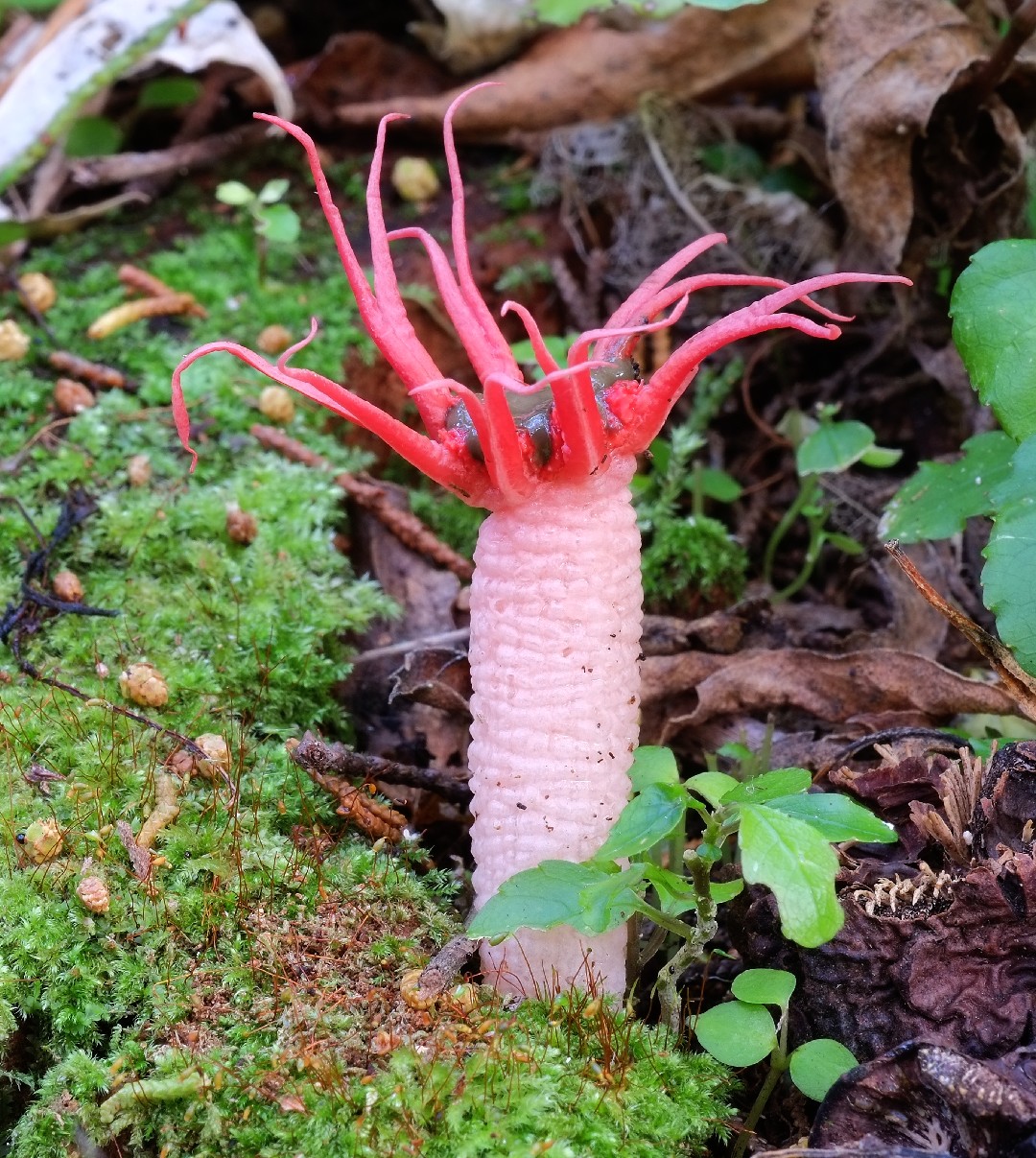
The anemone stinkhorn (Aseroe rubra) looks like a creature straight from the depths of the ocean…or perhaps a horror movie! This Australian native starts fruiting with a white, egg-like ball that breaks open to reveal bright red tentacle-like fingers that spread toward the sky with radial symmetry and the odor of rotting meat. It has spread to tropical and sub-tropical areas around the world and is potentially poisonous.
6. Goblet waxcap
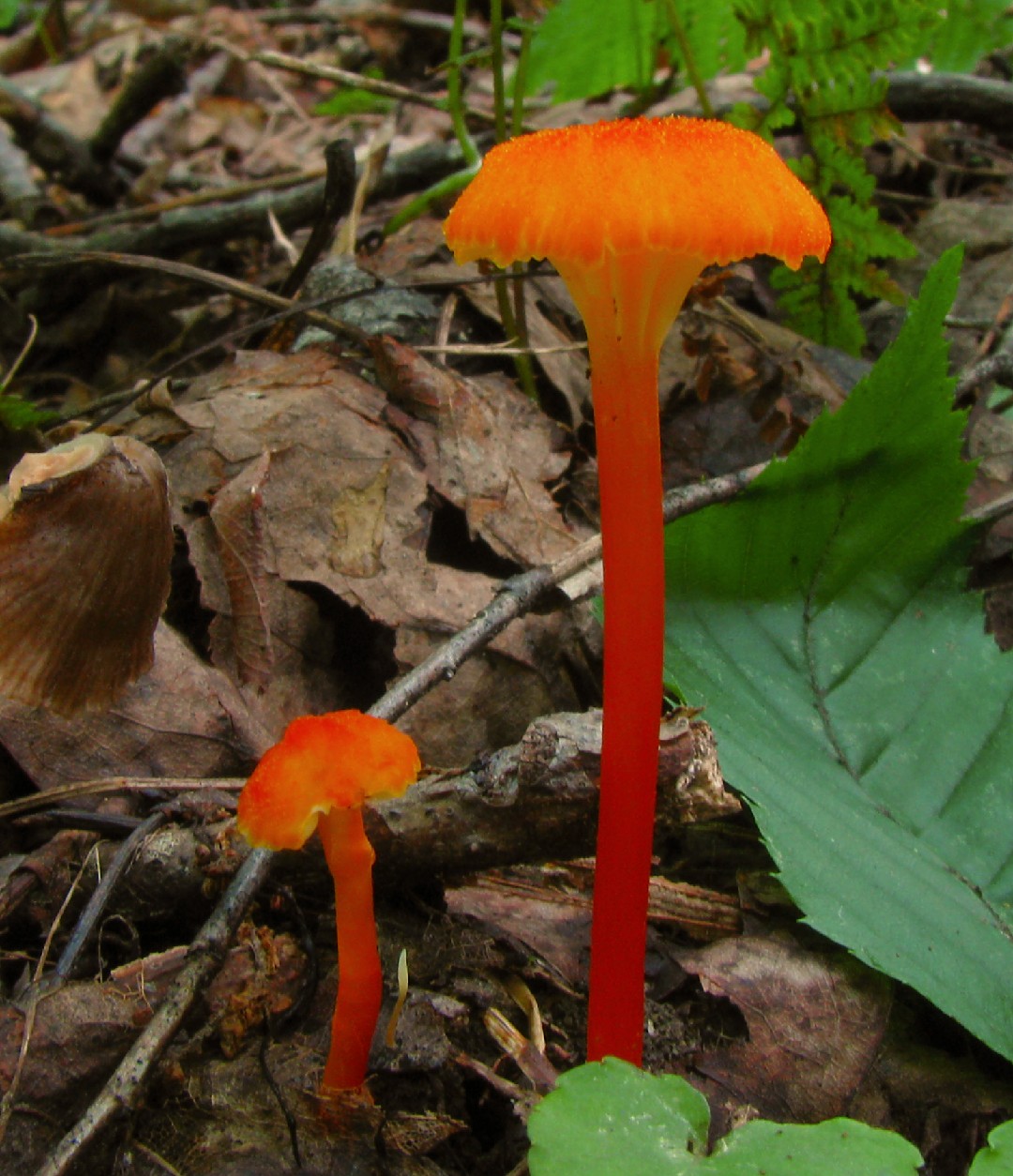
Small but brilliantly colored, the goblet waxcap (Hygrocybe cantharellus) can be found in temperate, grassy areas of Europe and temperate, forested areas of North America. The species bears a vague resemblance to the common chanterelle, being red-orange in color and sometimes taking on a vase-like shape. Goblet waxcaps typically fruit late, cropping up in autumn.
7. Fragile dapperling
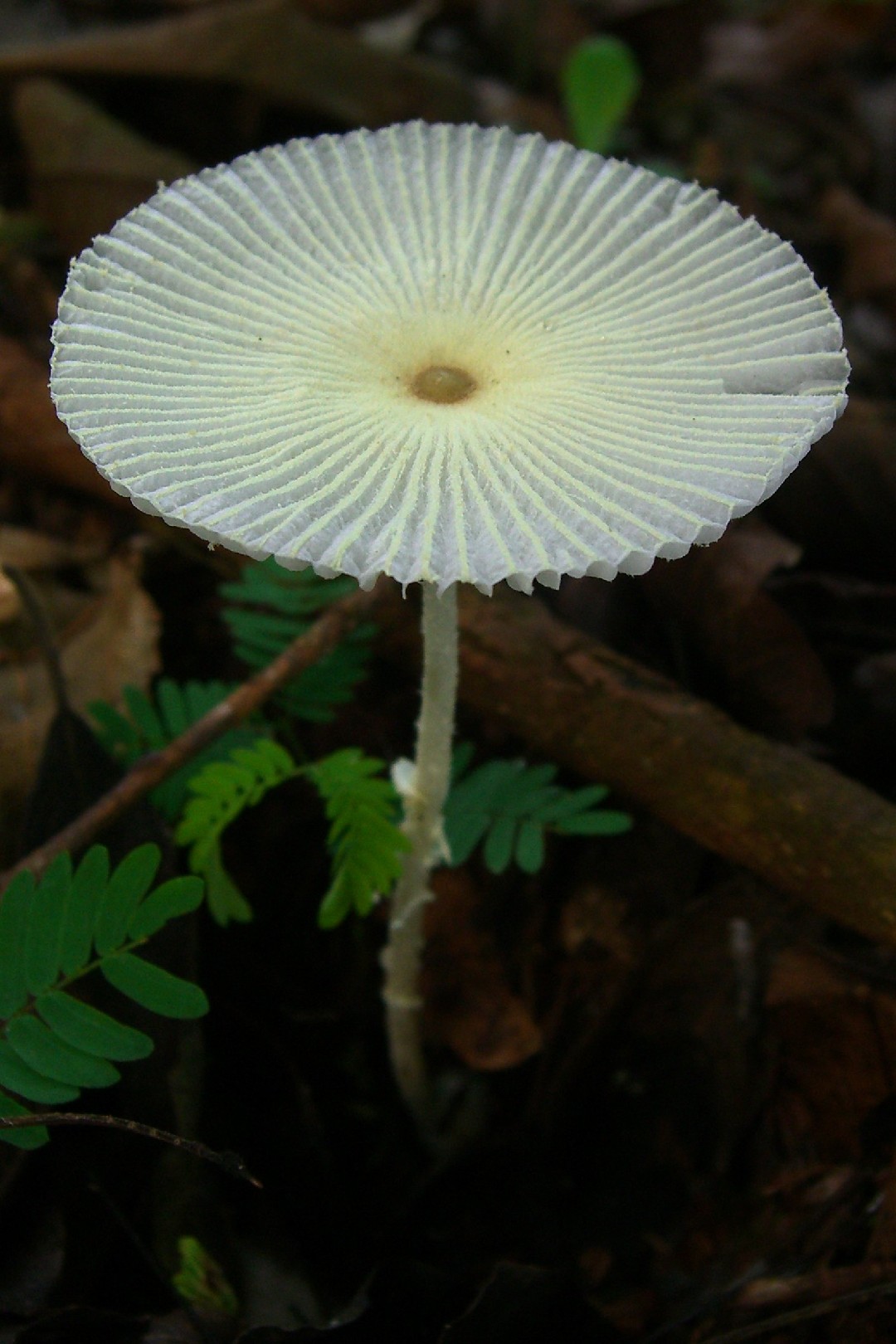
The fragile dapperling is a tropical and subtropical woodland species. As its name suggests, this mushroom is so tender and fragile that picking it becomes a real challenge. The stem is very thin and it easily snaps. The edibility of the fragile dapperling is unknown, but the mushroom is probably insufficient for any kind of meal.
8. Split gill
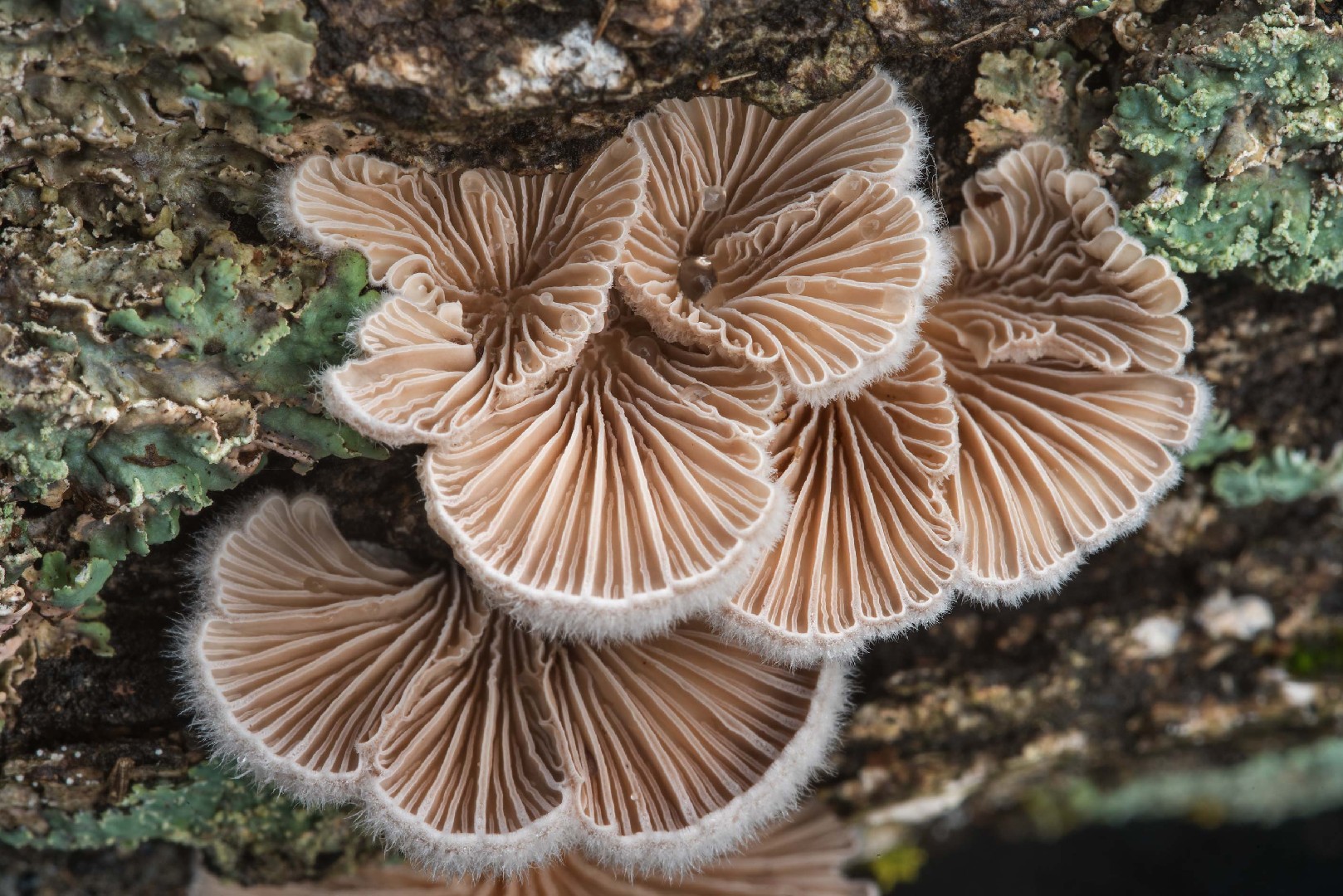
Split gill(Schizophyllum commune) can be found across the globe. Uniquely, it is the only mushroom species known to display the capability to retract by movement. It is considered inedible, although not necessarily toxic. Furthermore, it is not recommended to smell this species, as the spores are capable of sprouting and growing in nasal passages.
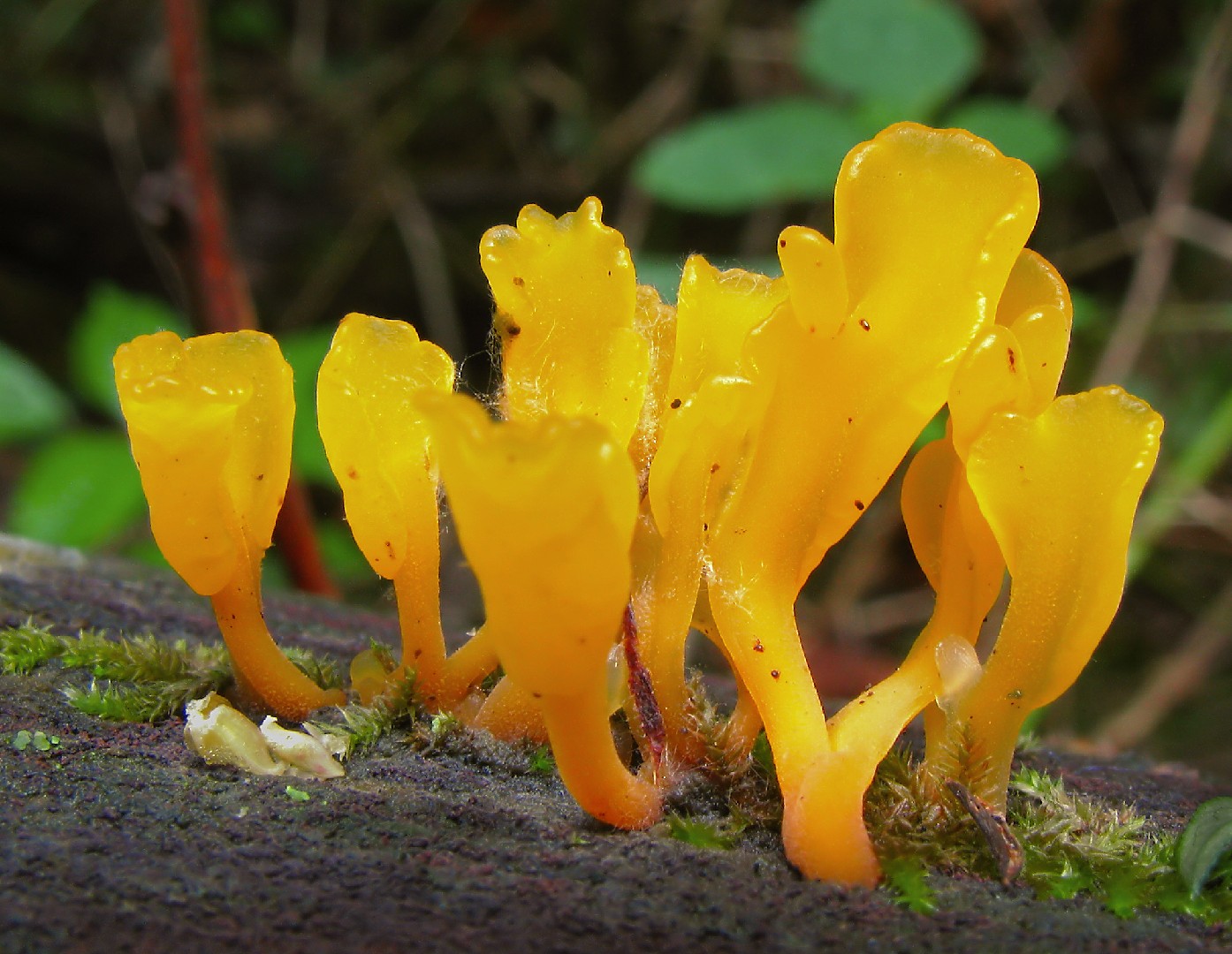
9. Fan-shaped jelly-fungus
Just as its Latin and the common English names suggest, the fan-shaped jelly-fungus (Dacryopinax spathularia) is a fan-shaped or spatula-shaped jelly-like mushroom. It commonly grows in wood cracks and it sometimes even appears in the cracks of the processed wood and lumber. Despite the word "jelly" in its name, the fan-shaped jelly-fungus is not considered edible.
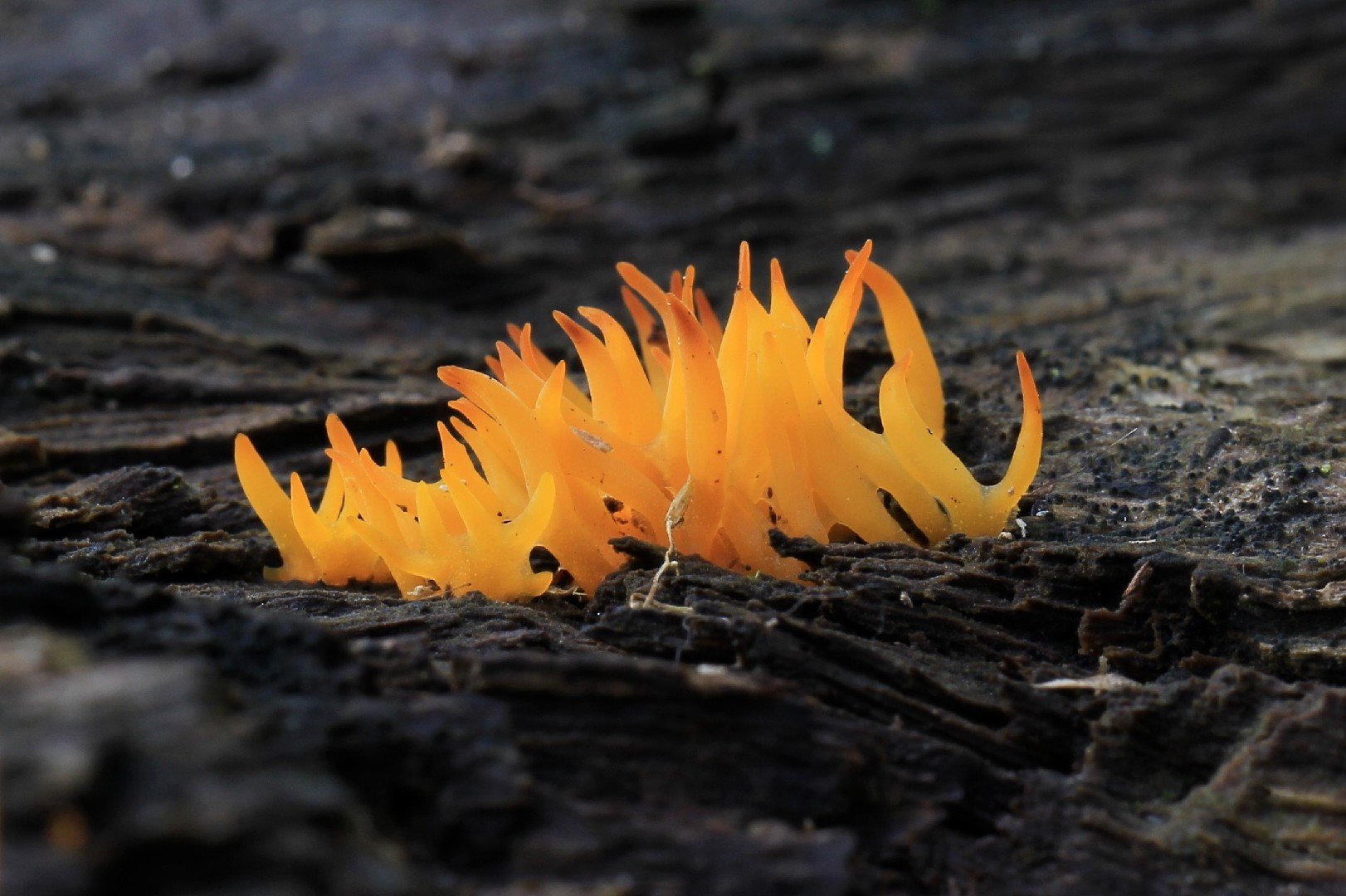
10. Small stagshorn
The small stagshorn is a jelly fungus that's easily overlooked due to its small size, although it can be seen at any time of the year. It's a moisture-loving fungus that occurs promptly after heavy rains. Even when it seems dead and dried, it will regain its shape when soaked with rain.
More







