




Top 20 Most Common Mushrooms in Borgaro Torinese
Nestled in Italy's enchanting Piemonte region, Borgaro Torinese is known for its varied landscapes, including fertile plains, lush parks, and dense forests. These remarkable ecosystems brew a delightful variety of mushrooms, offering a promising playground for mycologists and mushroom enthusiasts. In fact, an astonishing number of mushroom species find their home in Borgaro Torinese, underscoring the richness this city offers. Explore our list of the '20 Most Common Mushrooms' to find some of the most fascinating fungi within Borgaro Torinese's bountiful terrains.

Most Common Mushrooms
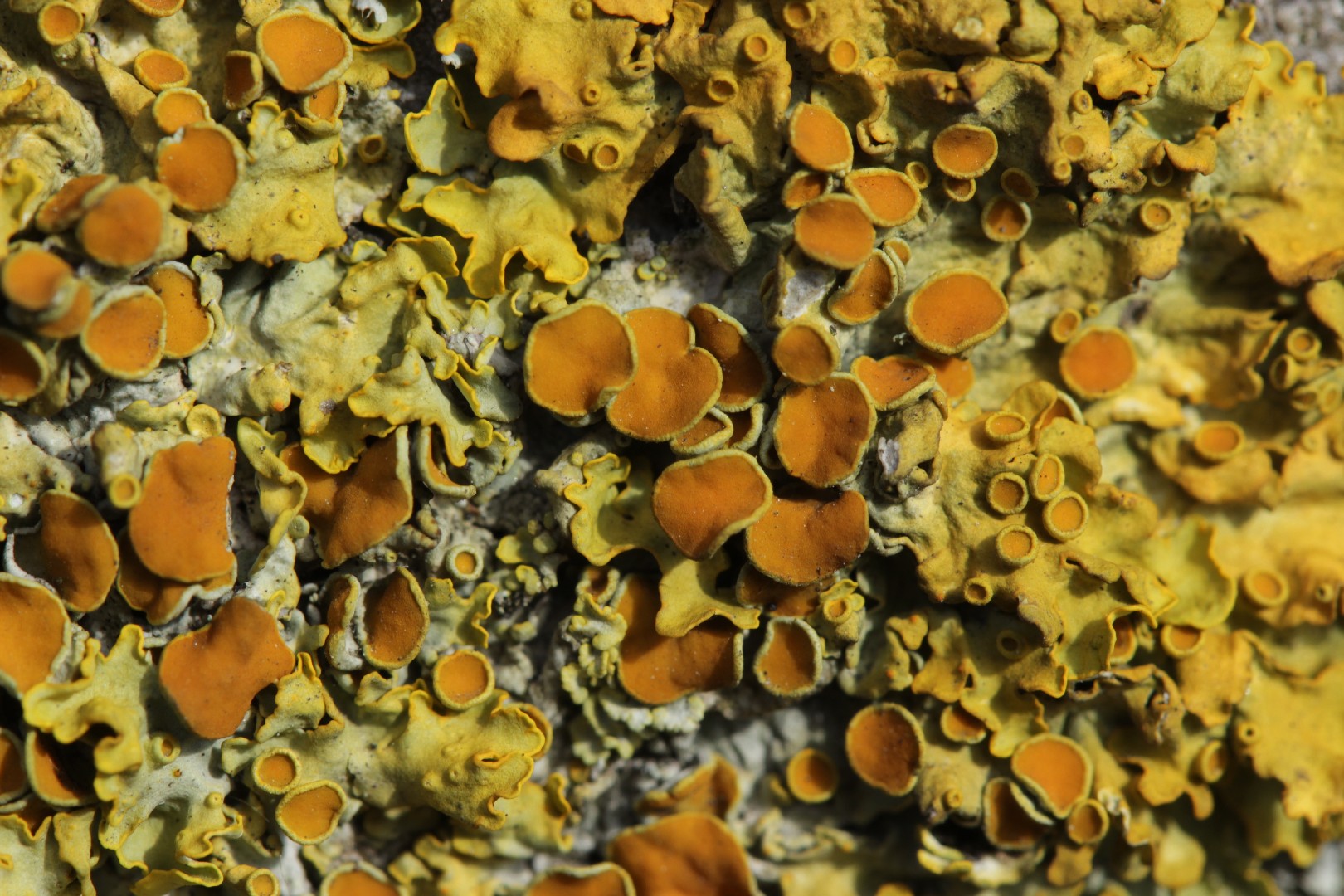
1. Common orange lichen
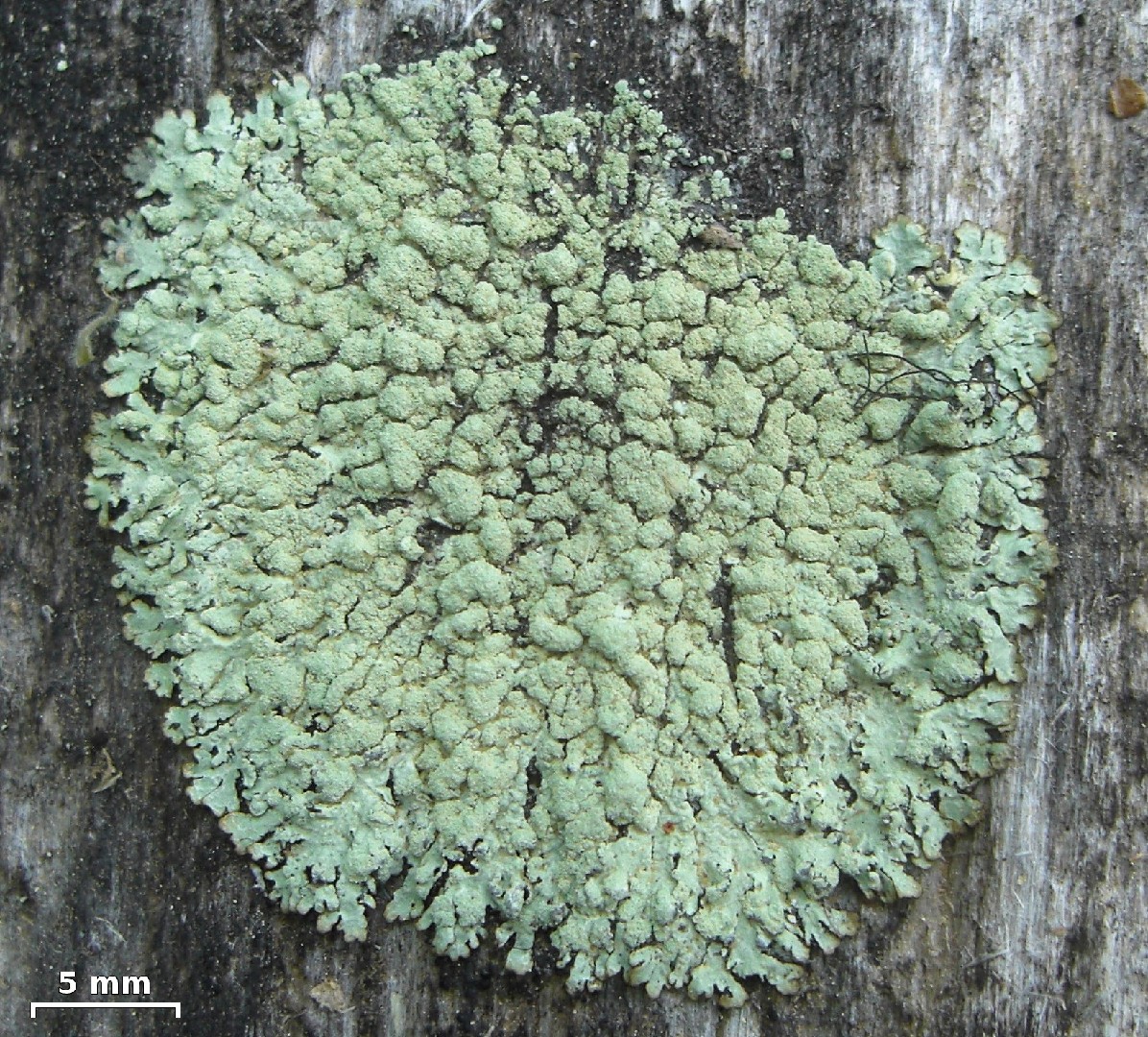
Common orange lichen was selected in 2006 by the United States Department of Energy as a model for genomic sequencing. Its widespread dispersal and bright yellow-orange color give the lichen its common name. It is primarily found growing on rocks, walls, and tree bark.
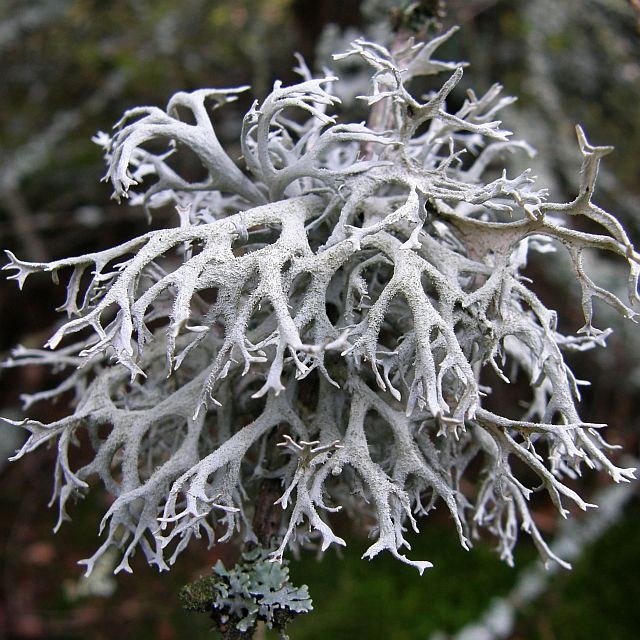
2. Tree moss
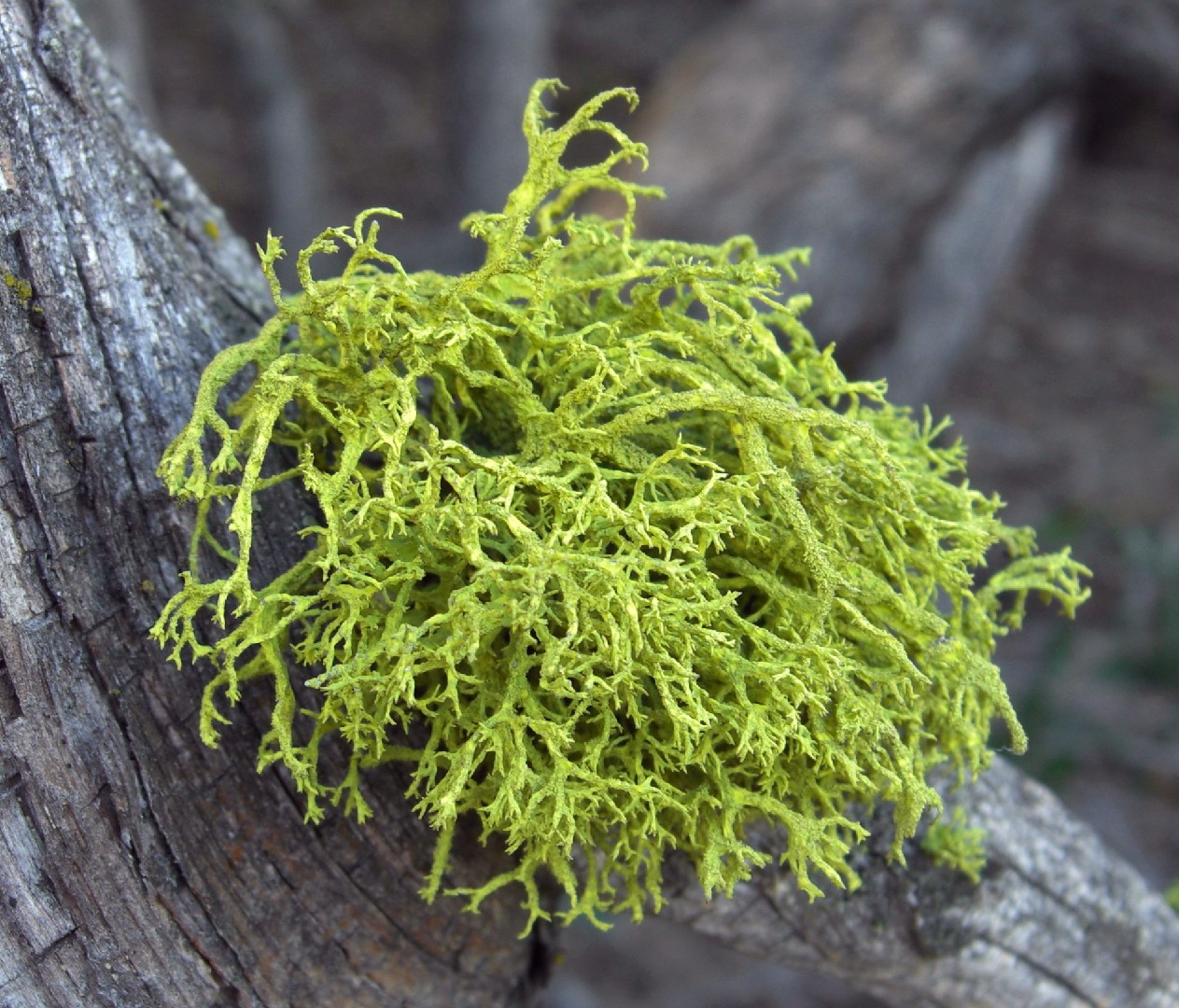
Pseudevernia furfuracea is associated with photobionts from the green algae genus Trebouxia. It reproduces asexually by isidia. The ontogeny of isidia development and its role in CO2 gas exchange in P. furfuracea has been investigated. The preferred growing surfaces for P. furfuracea are the so-called "nutrient poor" bark trees, including birch, pine and spruce. The species has two morphologically identical varieties that are distinguished by the secondary metabolites they produce: var. ceratea Zopf. produces olivetoric acid and other physodic acids, while var. furfuracea produces physodic but not olivetoric acid. Some authors (e.g., Hale 1968) have separated the chemotypes at the species level, designating the olivetoric acid-containing specimens as Pseudevernia olivetorina, but more recent literature separates them at the varietal level. 
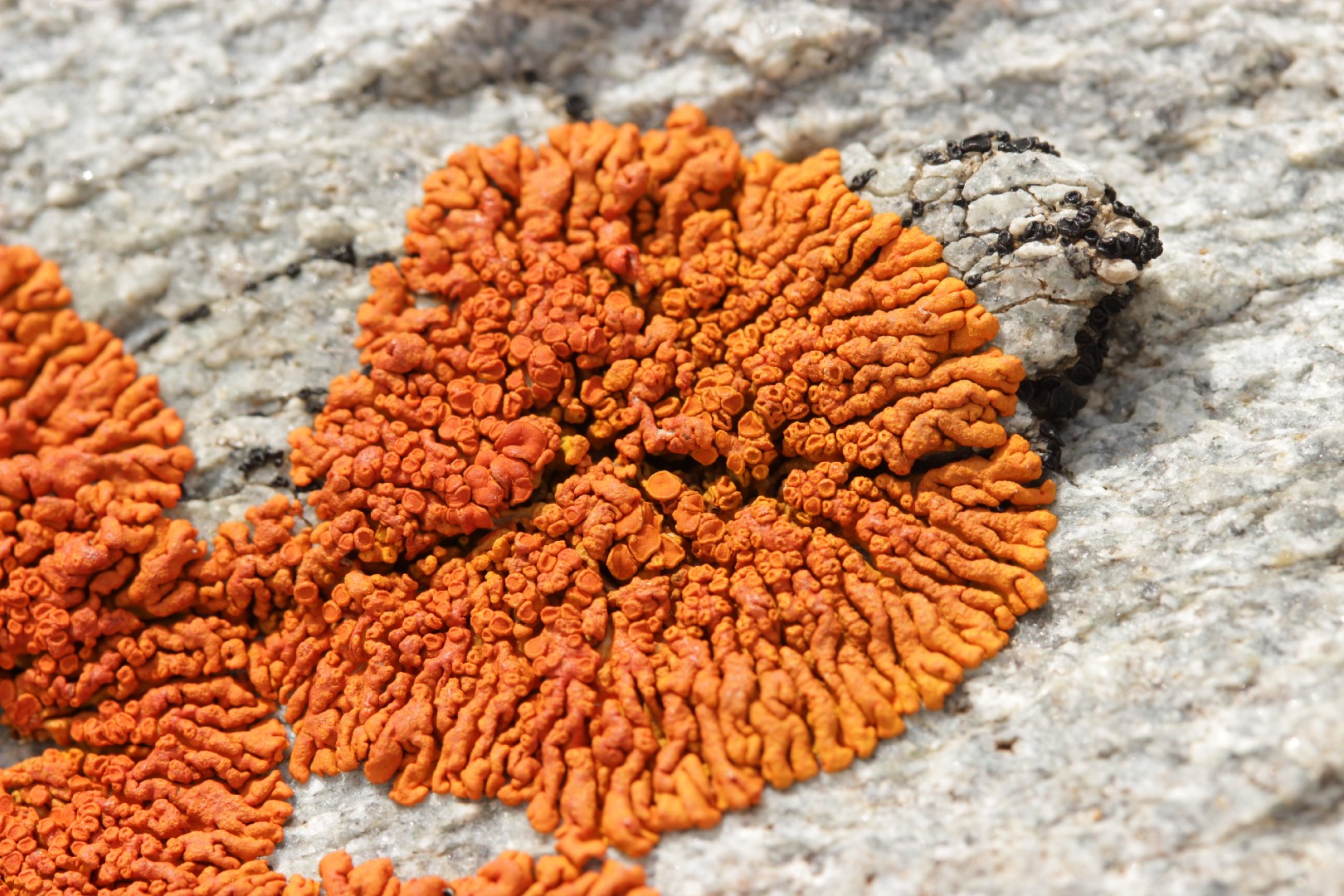
3. Elegant sunburst lichen
The thallus of this lichen is described as foliose, having the aspect of leaves, although the central portions of the thallus may appear nearly crustose. It is small, typically less than 5 cm (2 in) wide, with lobes less than 2 mm (0.08 in) broad, appressed to loosely appressed. The upper surface is some shade of orange while the lower surface is white, corticate, with short, sparse hapters (an attachment structure produced by some lichens). The vegetative propagules called soredia and isidia are absent, although apothecia are common. It has been described as possessing swollen, orange-yellow thalli (in streams), compact orange thalli (on boulders) or dark orange-red thalli on the driest rock faces. The variety X. elegans var. granulifera, characterized by having isidia-like vegetative propagules, has been reported from Greenland and Spitsbergen.
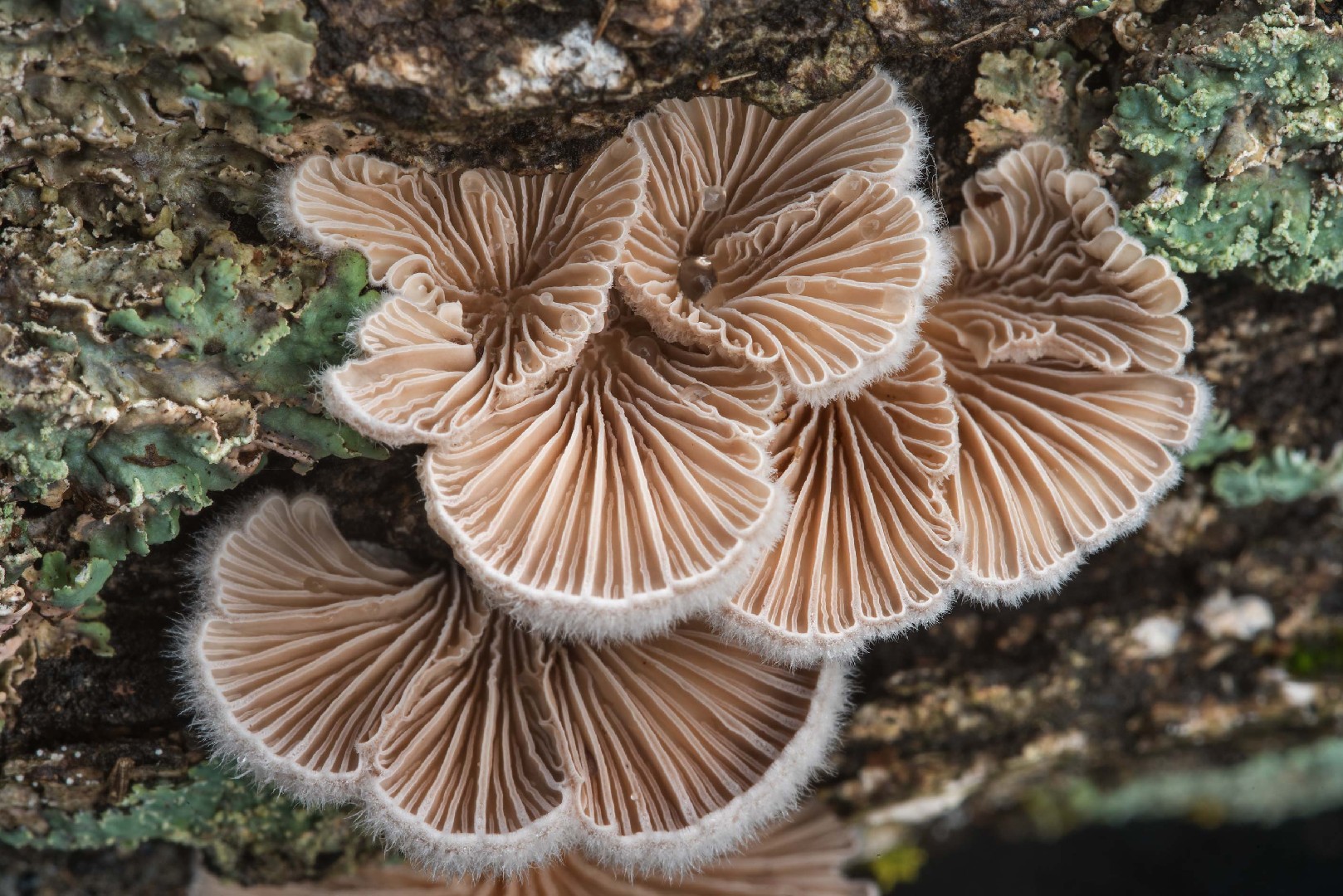
4. Split gill
Split gill(Schizophyllum commune) can be found across the globe. Uniquely, it is the only mushroom species known to display the capability to retract by movement. It is considered inedible, although not necessarily toxic. Furthermore, it is not recommended to smell this species, as the spores are capable of sprouting and growing in nasal passages.
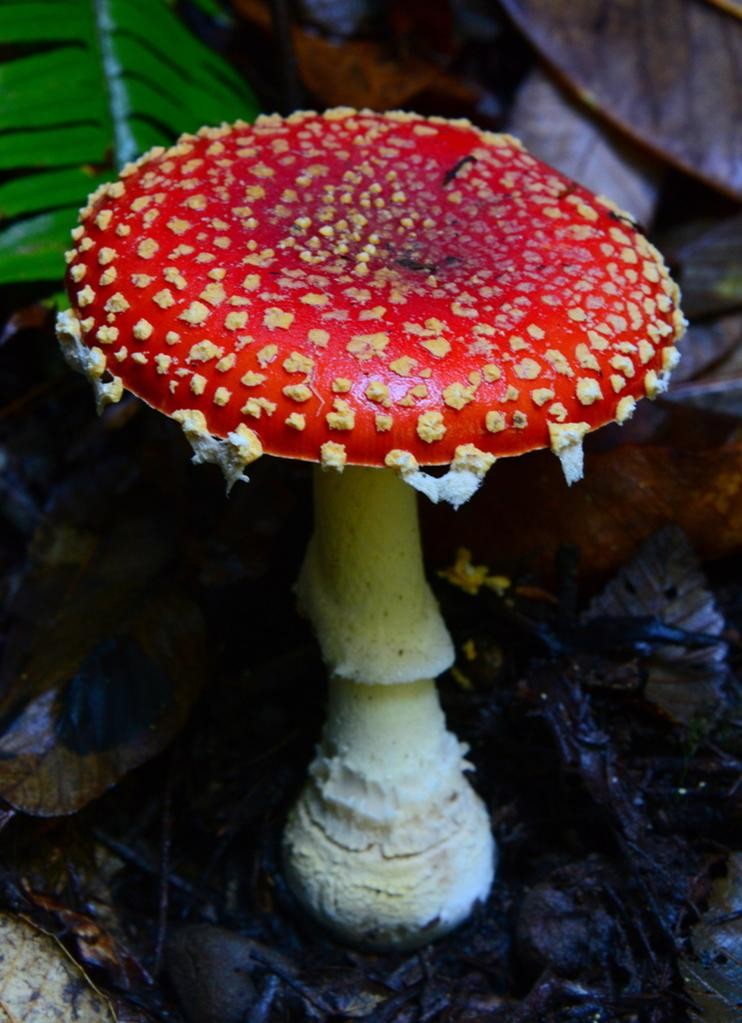
5. Fly agaric
In Northern Asia and Europe, fly agaric grows under trees near the winter solstice and is collected for ritual use tied to the season. Its characteristic shape and coloring are still ubiquitous in many European fairy tale illustrations and Christmas traditions. It is highly toxic.
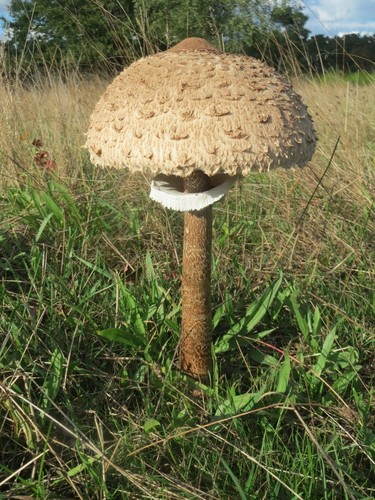
6. Parasol
Found in clearings and grassy areas in late summer, the wild parasol mushroom has a snakeskin-patterned stem. The brown spots on its cap make it look a bit shaggy, but that name is reserved for its poisonous counterpart, the Shaggy Parasol (Chlorophyllum rhacodes). You can distinguish the two by the stems: the latter has a smooth stem and red flesh inside.
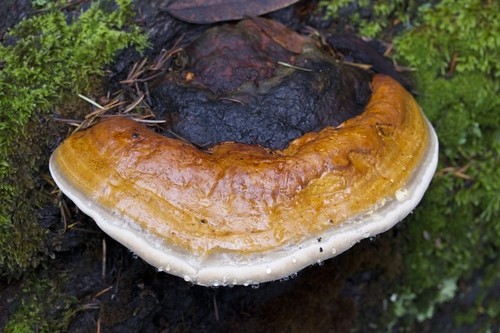
7. Red-belted conk
This bracket or shelf fungus grows for years on both living and dead conifer trees. Its annual growth creates distinctive rings or ridges, with a bright red or orange band separating the old layers from the current growth. Red-belted conk is only a danger to living trees if it colonizes a very deep cut or broken top.
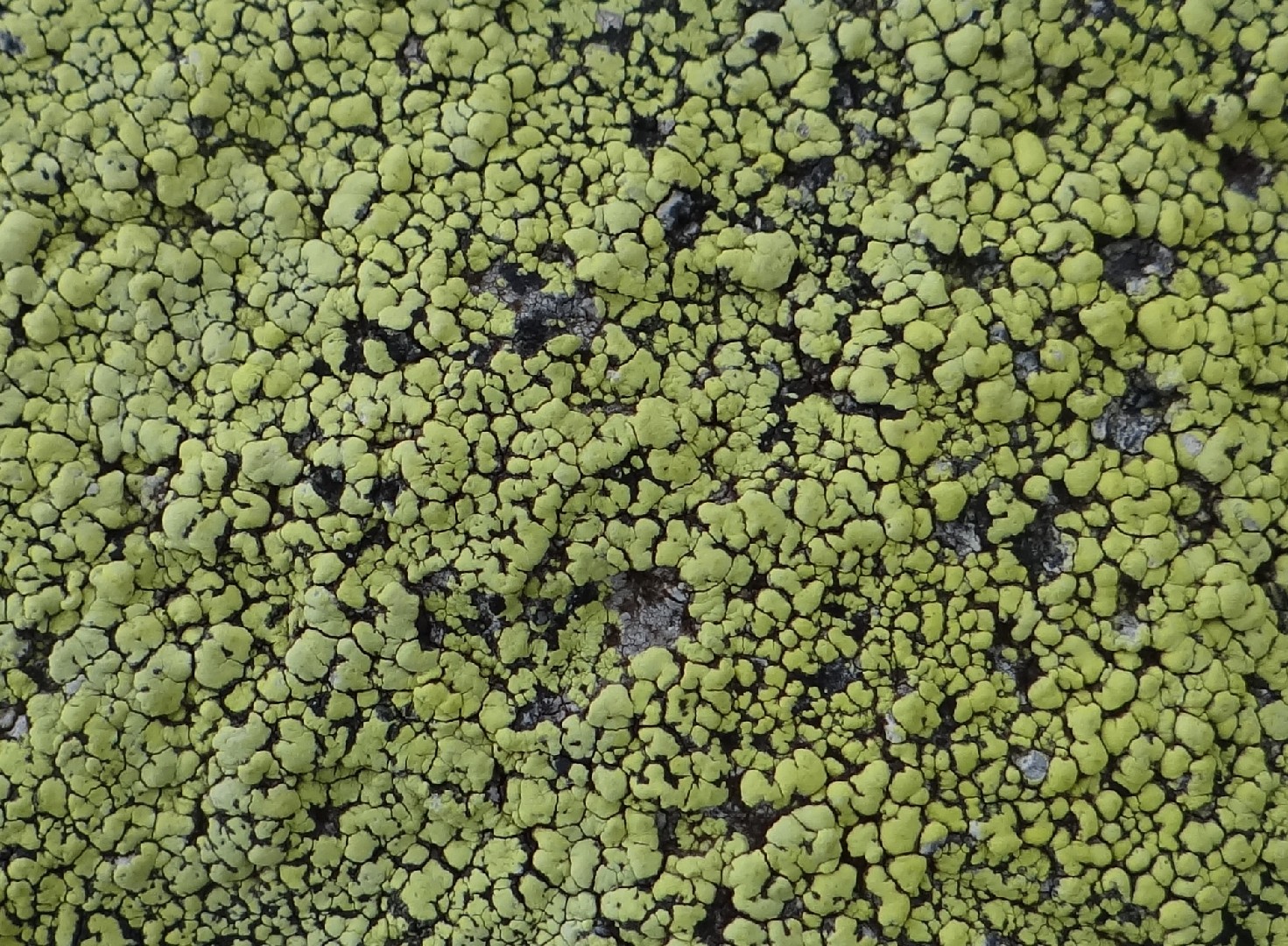
8. Map lichen
The map lichen is a crust lichen, the thallus lies close to the ground or grows through it. The species is bright yellow to olive green. It can cover large areas on stones. The lichen is divided into small angular fields, which are separated by a black border and pull through the lichen body. At the edge of the fields black edged fruiting bodies are sunk. The appearance of this structure is reminiscent of geographically separated areas on a map. Like many lichens, it has extremely slow growth. It grows depending on the location per year only 0.25-0.6 mm radially outward. It can reach an age of over 1,000 years and can be used to date the decline of glaciers. If the growth rate at a location is known, the last ice cover can be calculated from the largest specimens.
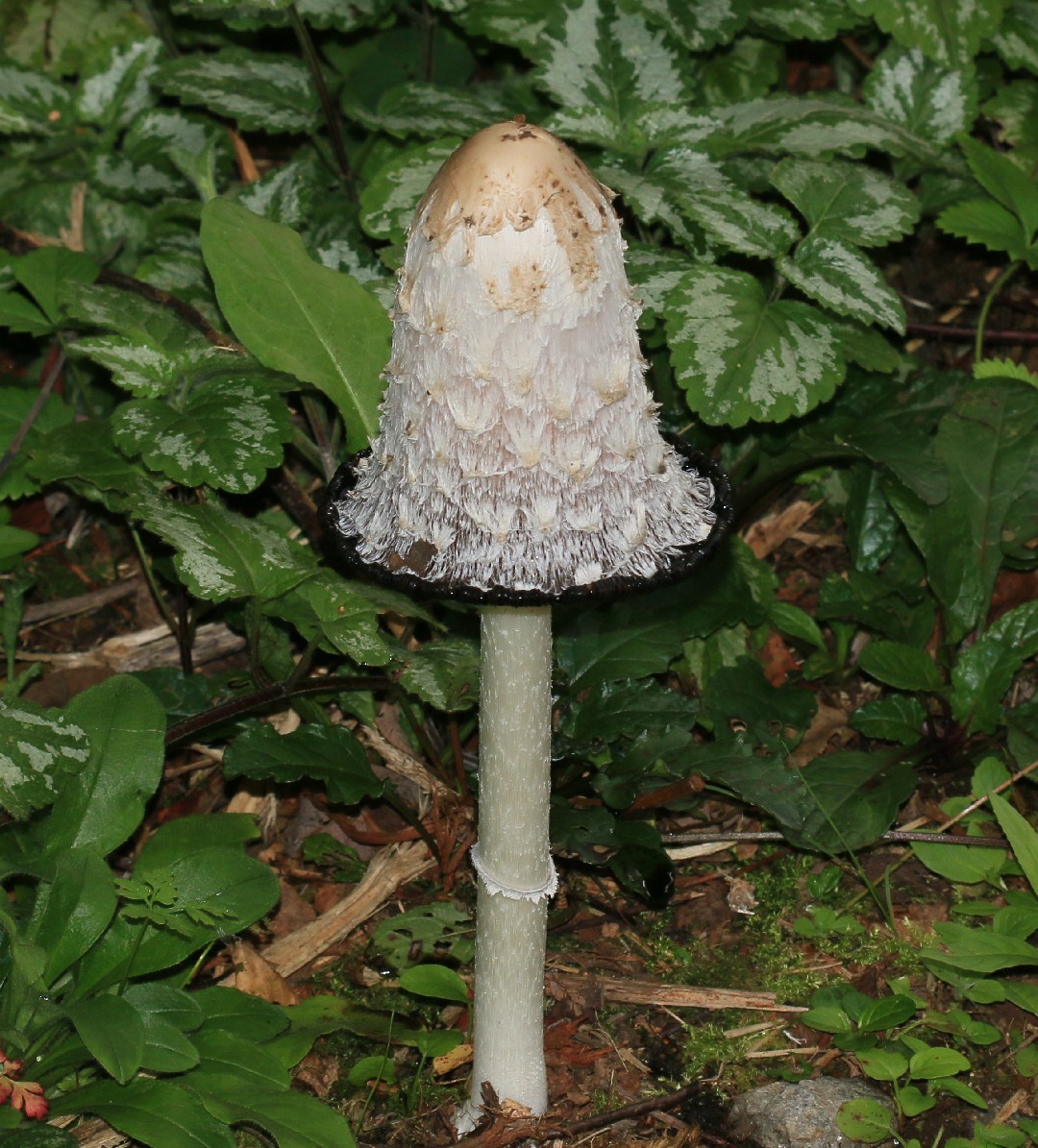
9. Shaggy mane
The shaggy mane mushroom is commonly found in North American and European grasslands. Some peoples foraged for its young egg-shaped caps, but it has more recently been found to be a bioaccumulator of heavy metals, meaning it pulls toxic metals up from the soil where it grows. As a result, shaggy manes should not be eaten. The mushrooms usually appear in clusters or “fairy rings.”
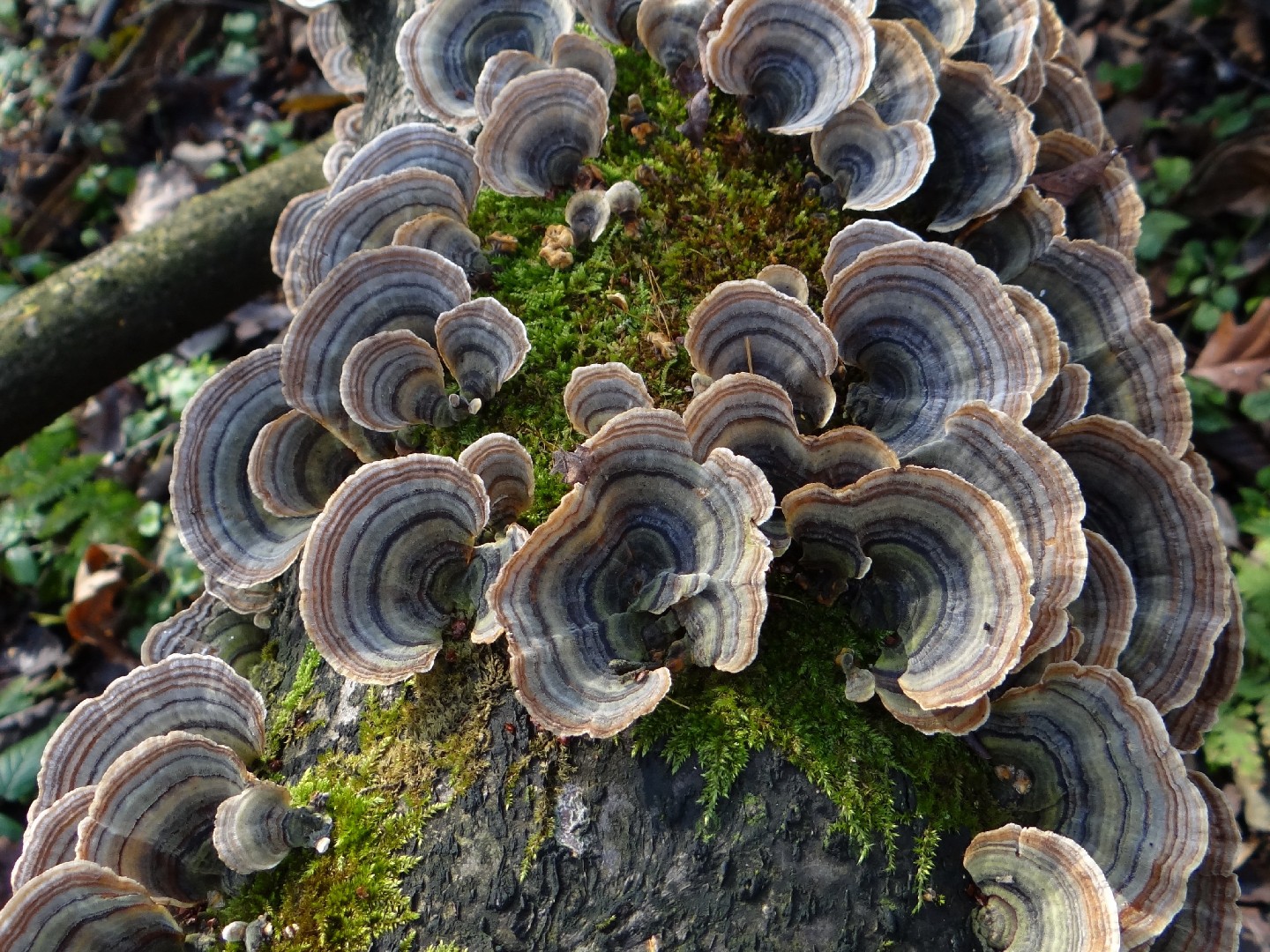
10. Turkey tail
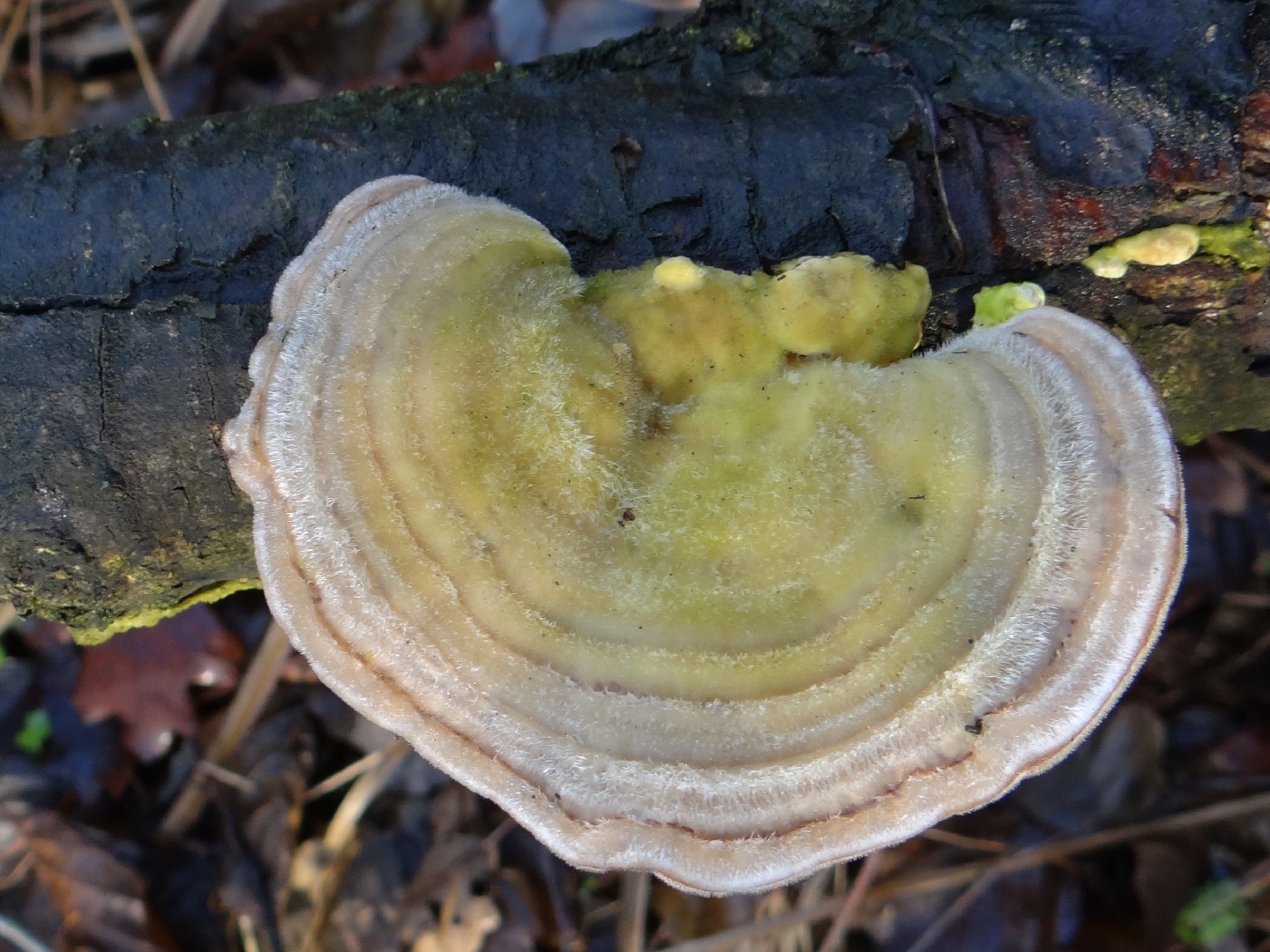
The distinctively-striped turkey tail fungus grows on stumps and logs all over the forests of the northern hemisphere. It is, in fact, probably the most common species you will find. That doesn't mean this mushroom is plain, however; each cap is uniquely patterned. Look for bands of alternating textures as well as color.
More







