




Top 18 Most Common Mushrooms in Bangalore

Most Common Mushrooms
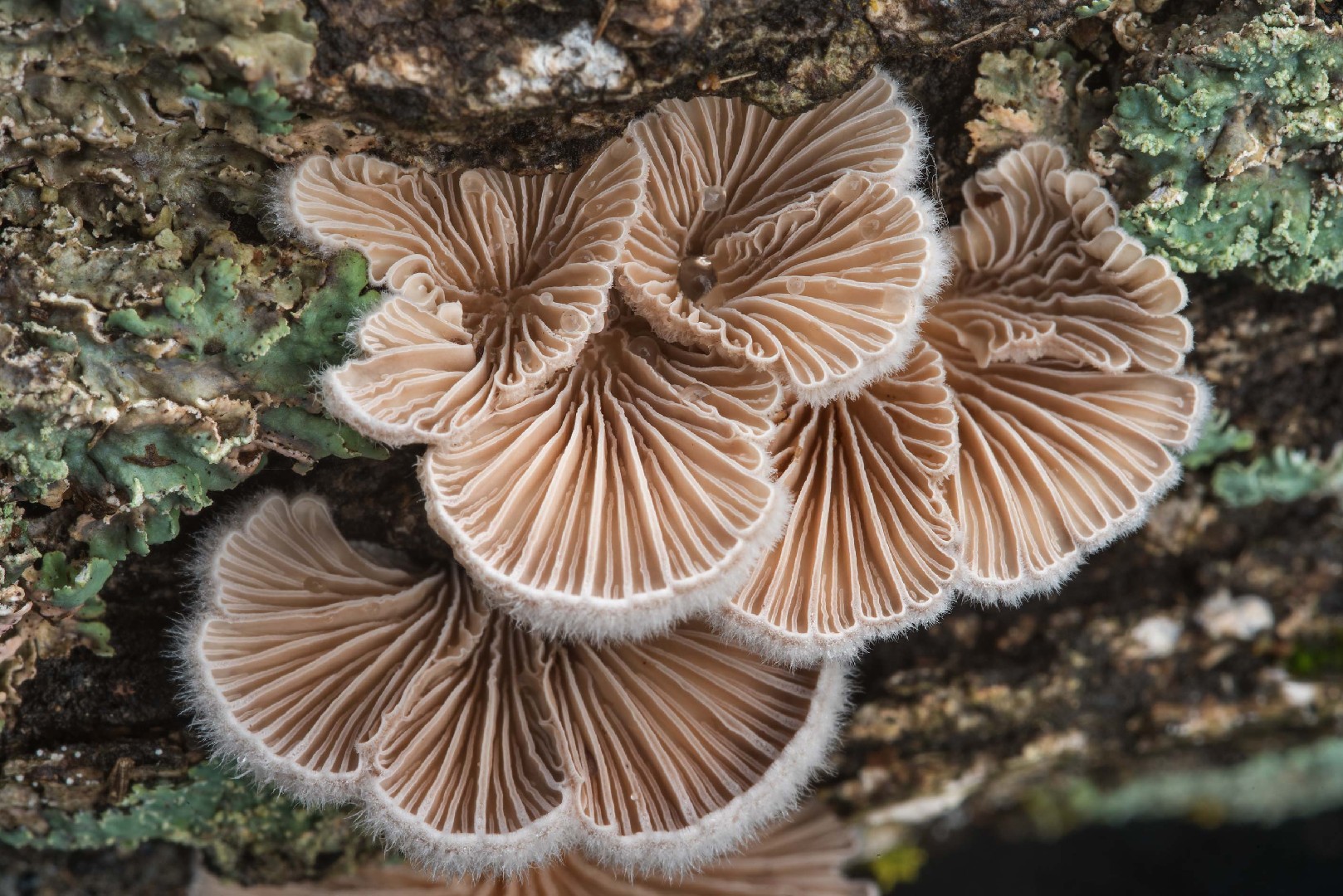
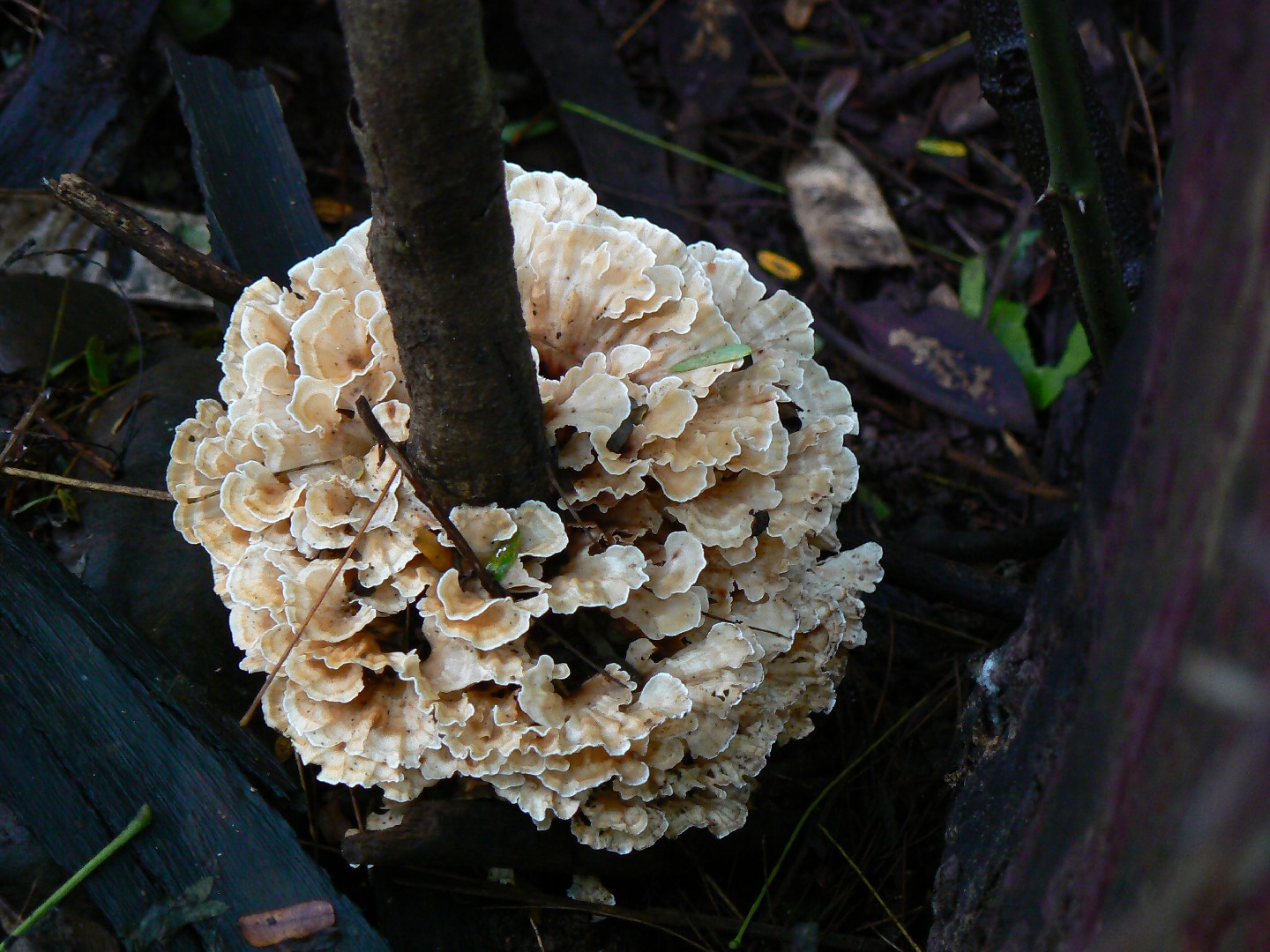
1. Split gill
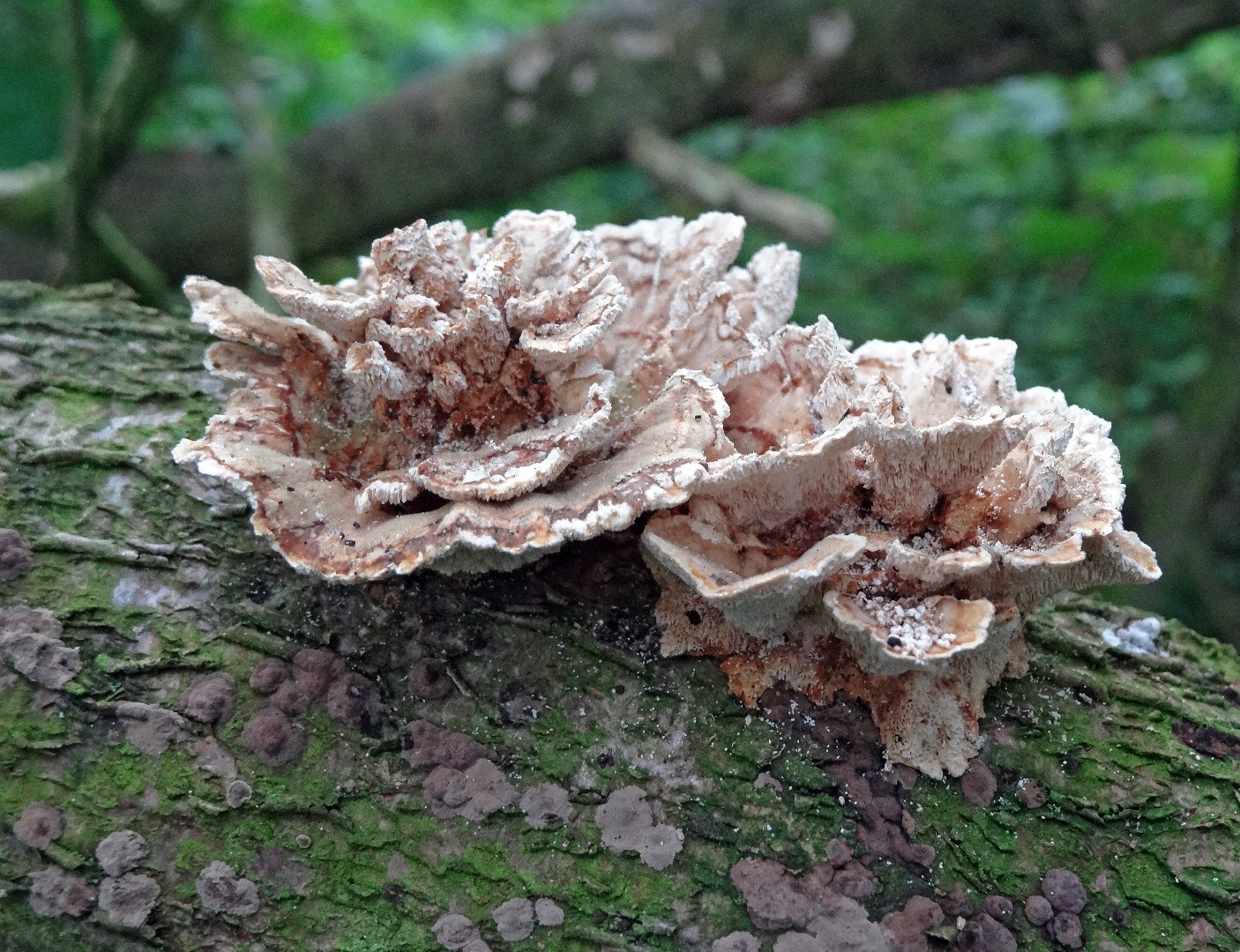
Split gill(Schizophyllum commune) can be found across the globe. Uniquely, it is the only mushroom species known to display the capability to retract by movement. It is considered inedible, although not necessarily toxic. Furthermore, it is not recommended to smell this species, as the spores are capable of sprouting and growing in nasal passages.
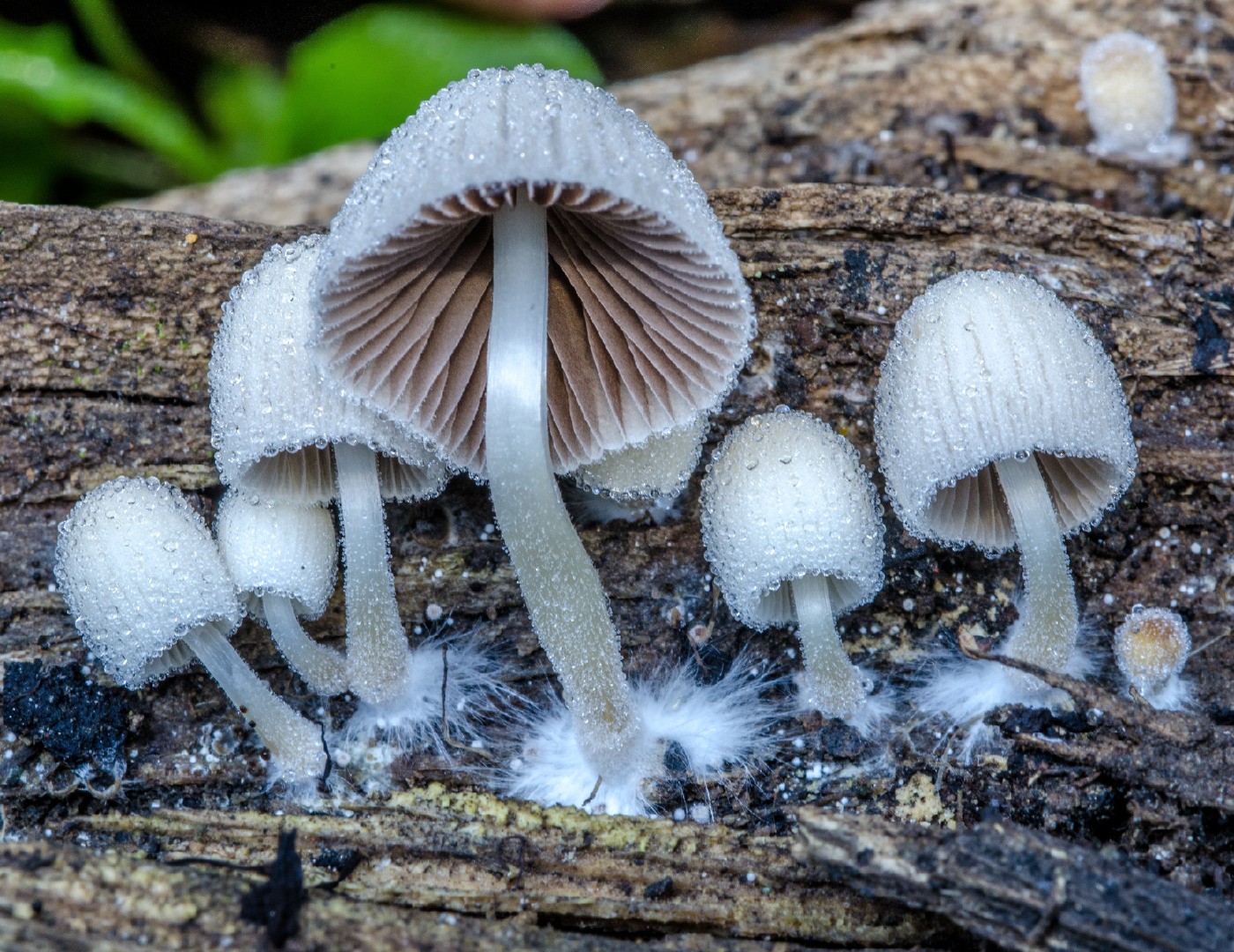
2. Fairy inkcap
The mushrooms of the fairy inkcap species have a tendency to congregate in large masses over dead tree stumps and decaying roots. They appear all around the world from early spring all the way to the first frosts, but each fruit only lasts a few days before turning black and distributing its spores.
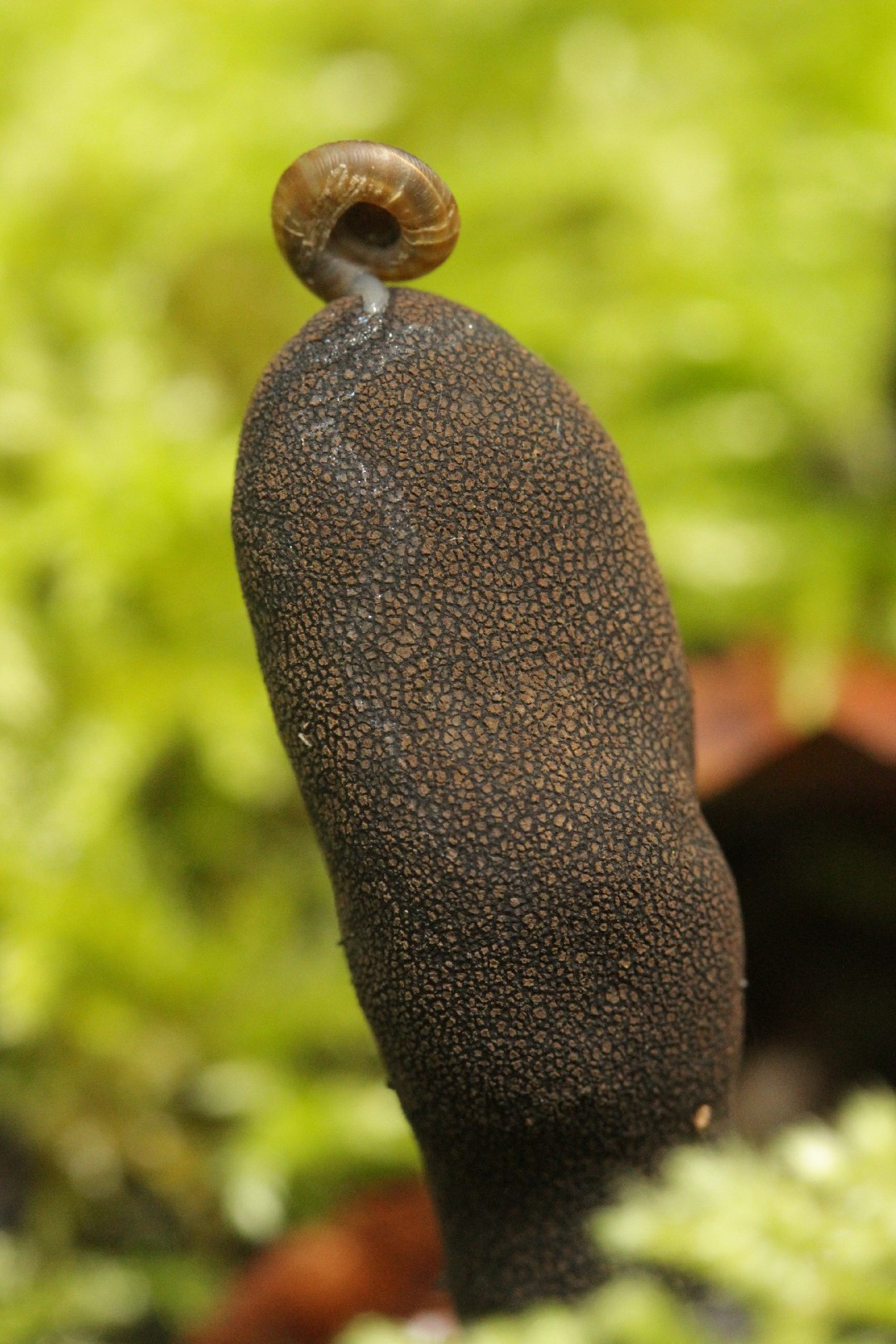
3. Dead man's fingers
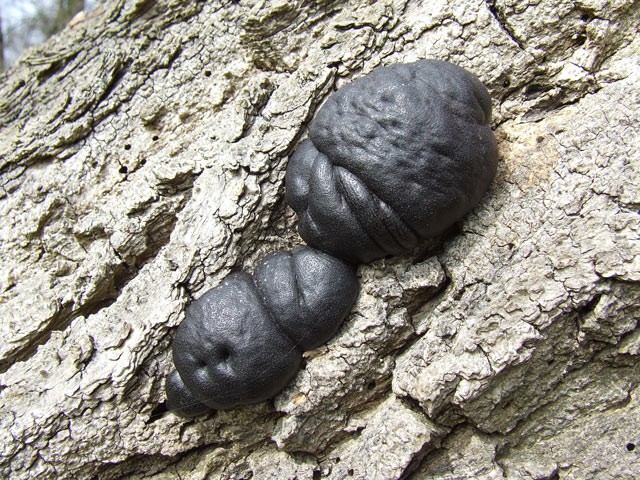
This appropriately named mushroom, the dead man's fingers (Xylaria polymorpha), has a distinctive cap that resembles blackened fingers that emerge where rotting woods comes in contact with the ground. They can mature to a hand-height tall, and transform from a dark blue hue to black as they stretch skyward. The ugly appearance and high toxicity should repel any potential forager from harvesting.
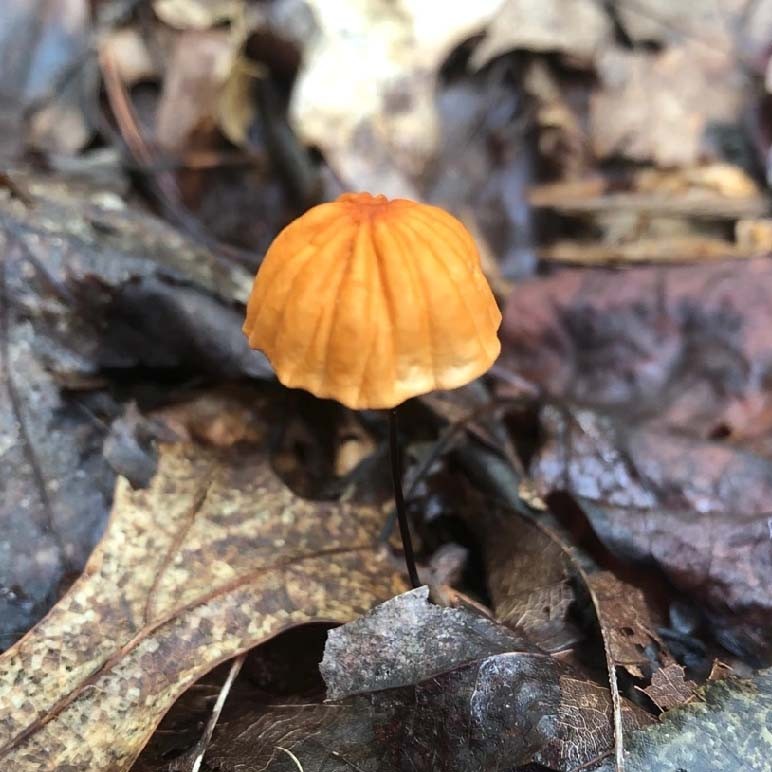
4. Orange pinwheel
Orange pinwheel is a pretty mushroom that resembles a small orange pinwheel or beach umbrella. It grows up from leaves and plant debris near hardwood trees. Its distinct gills make it easy to recognize from similar species.
5. Wine glass fungus
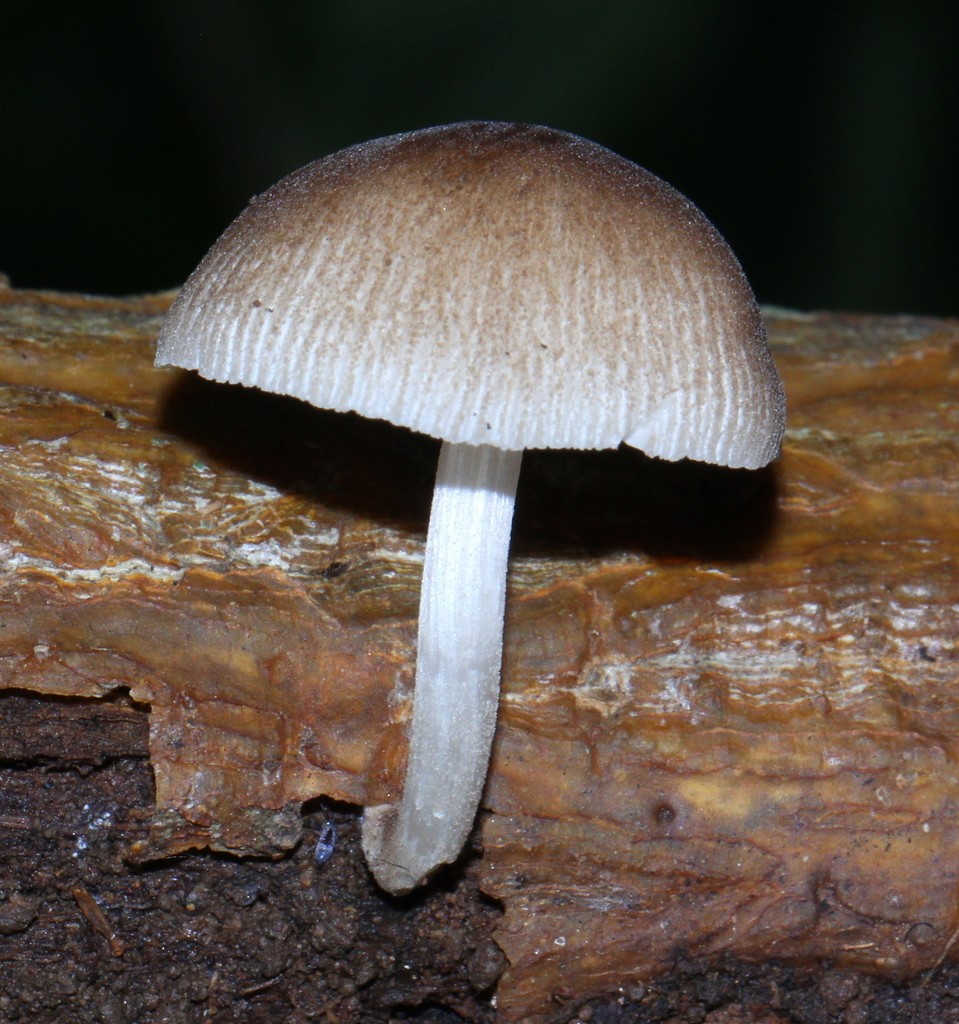
6. Pleated pluteus
A wood-loving fungus that feeds on decomposing organic material, the pleated pluteus can even occur on wet wood in a bathroom. In very hot and humid weather, the gills of this extremely fragile mushroom begin to dissolve, changing the physical appearance of the mushroom significantly and causing misidentification.
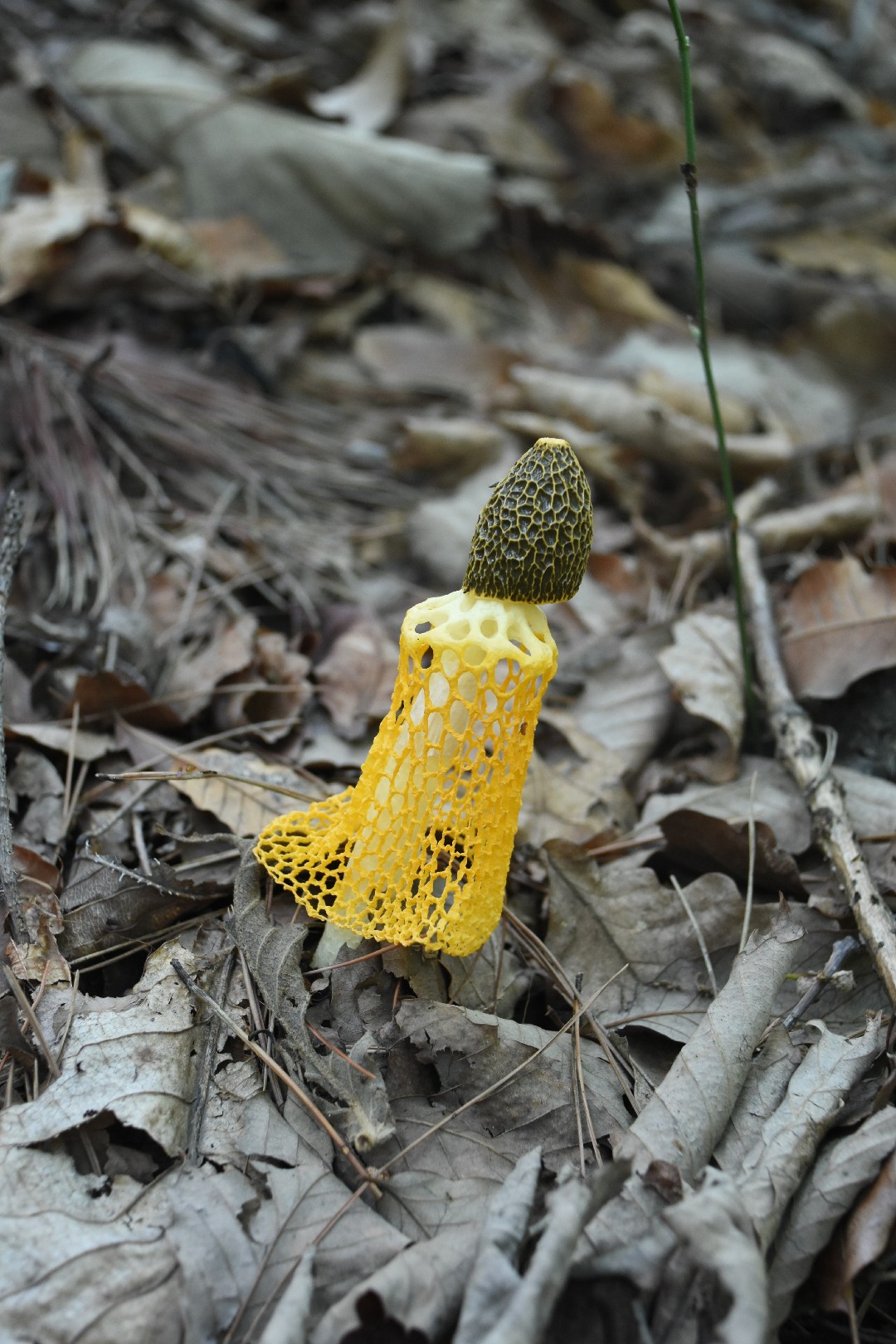
7. Phallus luteus
Phallus luteus's unique appearance makes it easy to recognize in forests. The multi-colored mushroom has yellow webbing hanging off the cap closely resembling a skirt. Like other species in the genus, phallus luteus is also recognizable by its pungent odor.
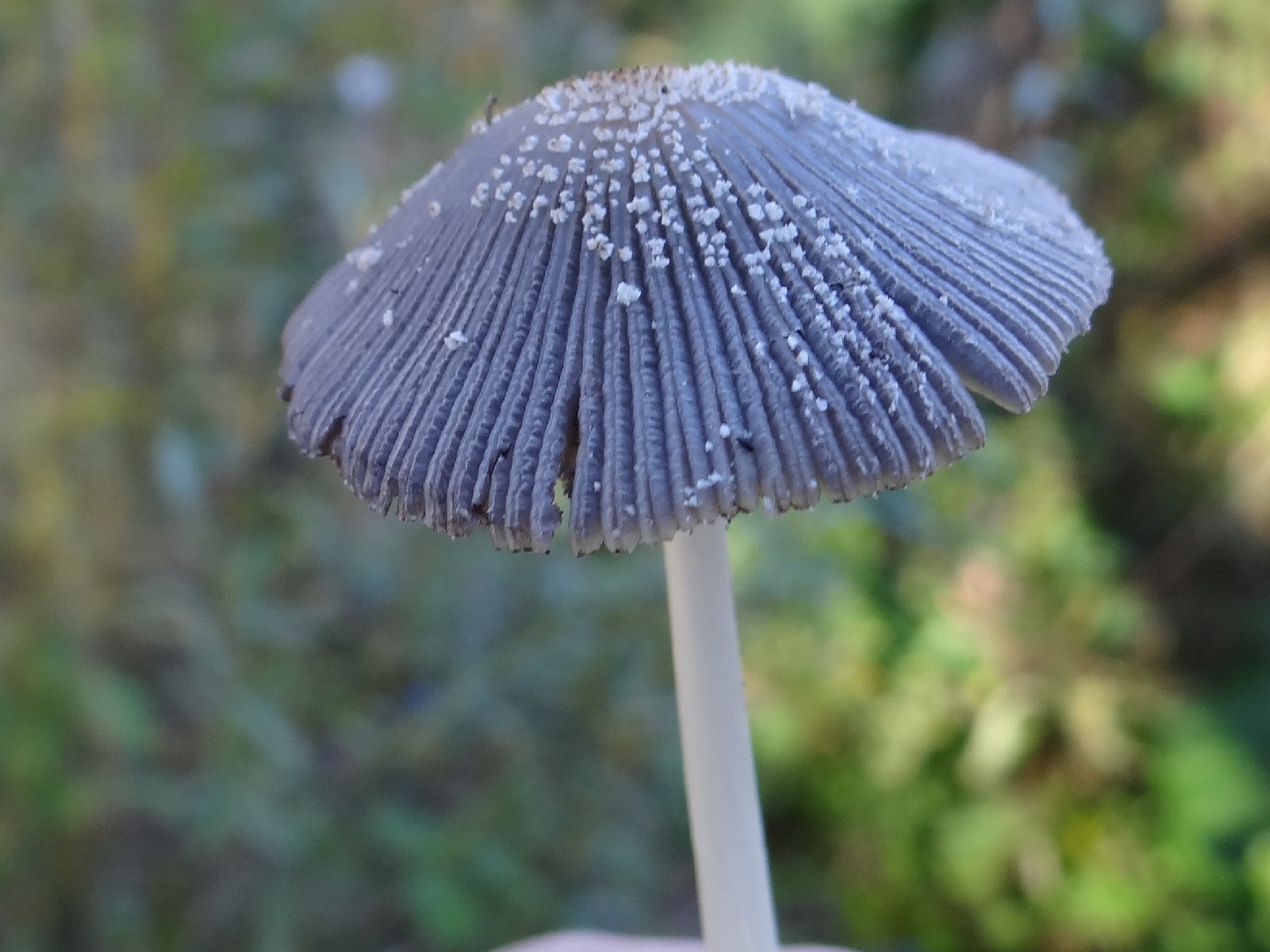
8. Hare's foot ink cap
The entire visible lifespan of the delicate hare's foot ink cap occurs within twenty-four hours. Growing in leaf litter and woodchip mulch, they spring up in hairy egg shapes before flattening out into smooth, black-ribbed bowls. Their scientific name Coprinopsis lagopus comes from Greek words meaning “hare’s foot living on dung.”
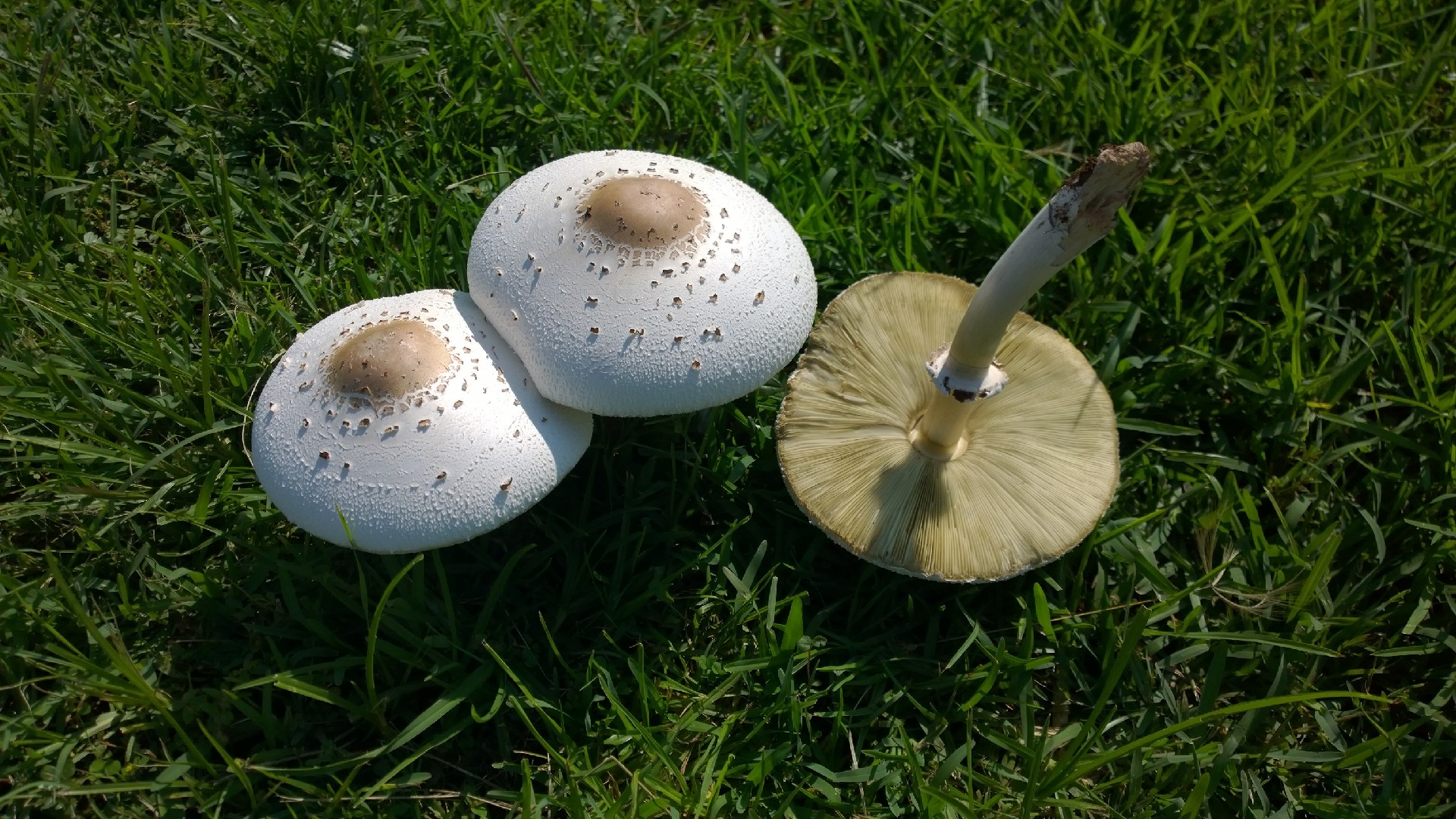
9. False parasol
Though the false parasol appears unassuming, the species is famous—or, infamous—for its toxicity. It looks unfortunately similar to Agericus campestrus, a commonly eaten mushroom, but the false parasol can be distinguished by its highly unusual green spore print. Although they are no good to eat, they can be pretty to look at. The species may grow in ring-shaped groups in meadows and on forest floors in what are sometimes called "fairy circles."
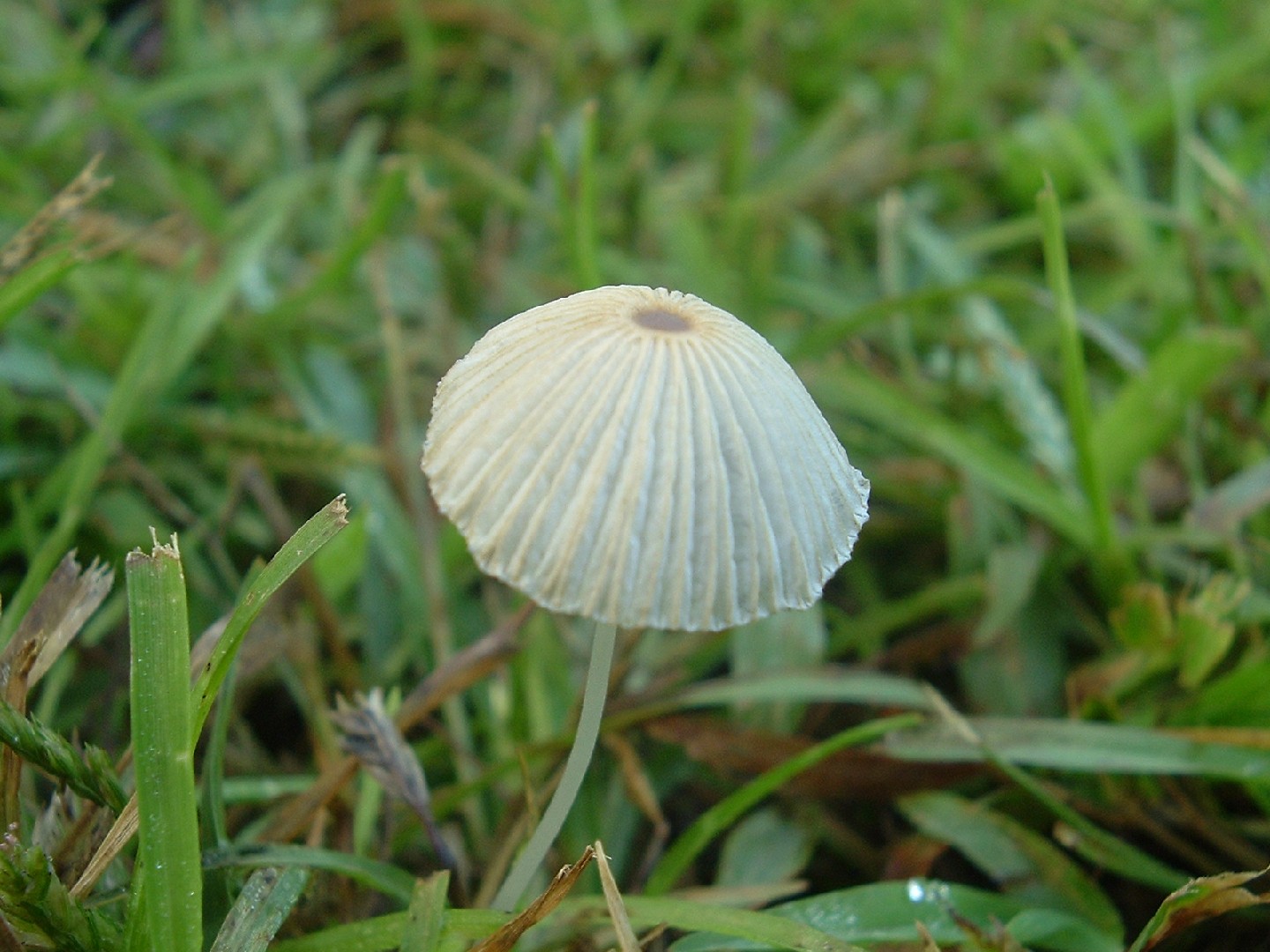
10. Pleated inkcap
This extremely delicate little mushroom appears during the night after rains, in areas of short grass or detritus. The entire pleated inkcap fruitbody rises, expands, sheds its spores, and decays within 24 hours. Its scientific name Parasola plicatilis refers to the pleated umbrella shape of the mushroom cap.
More







