




Top 20 Most Common Mushrooms in Georgia
Dive into the fungal wonderland that is Georgia, a region blessed with a climate and fertile soil that cultivates rich mushroom diversity. With distinct habitats from rolling plains to dense forests, Georgia hosts an exceptional variety of these intriguing organisms. Explore the top 20 most common mushrooms found here, each with unique characteristics resonating the heartbeats of Georgia's landscapes. A world of mycological marvels await you in Georgia, the mushroom haven.

Most Common Mushrooms
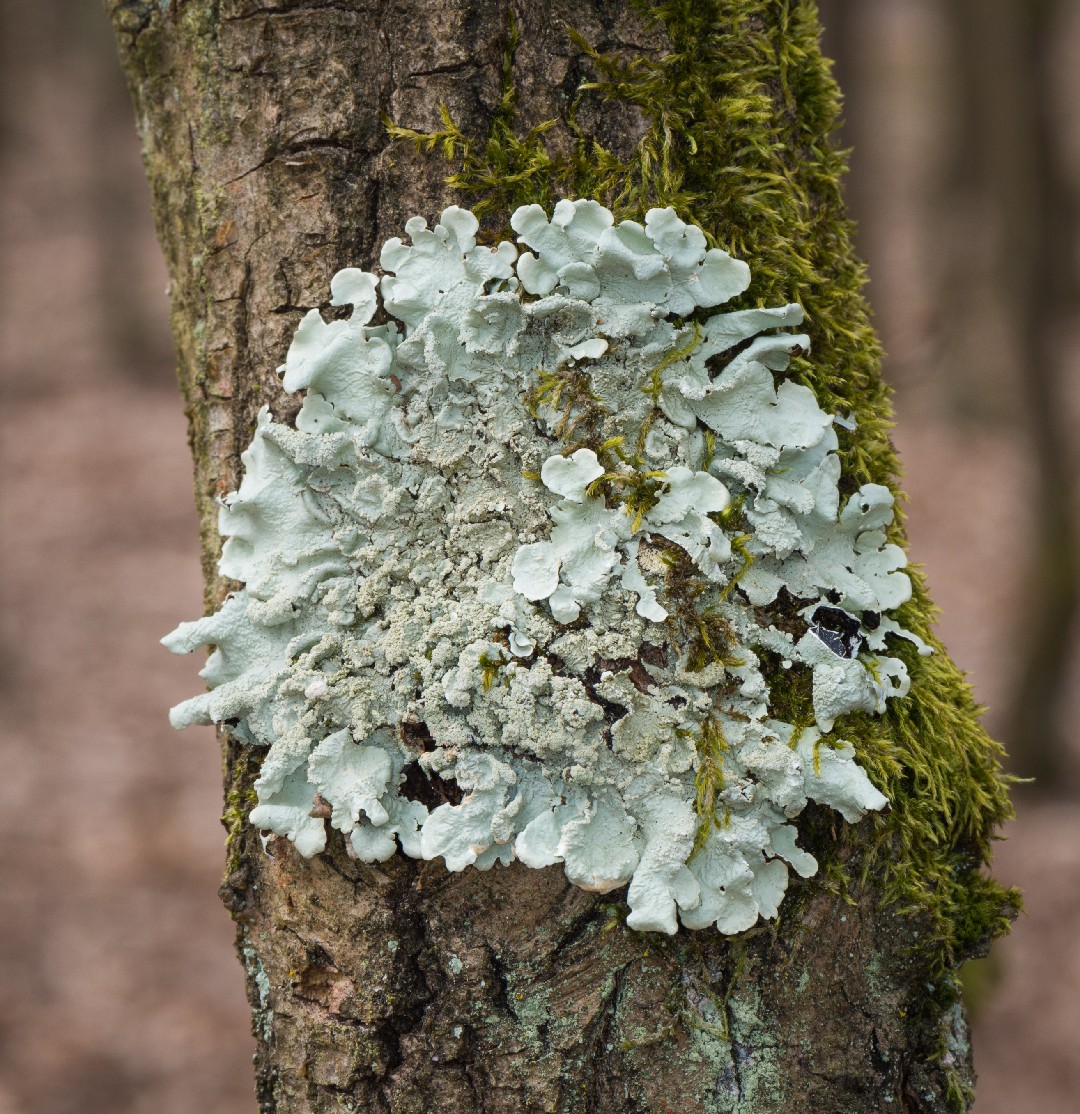
1. Common greenshield lichen
The common greenshield lichen is a familiar species in temperate forests around the world. It can be found growing on rock outcroppings and trees in a wide variety of habitats. Individuals can grow to be quite large and may be gregarious, forming large mats or sheets on suitable surfaces. Like other lichens, the common greenshield lichen will shrivel and harden when moisture is scarce.
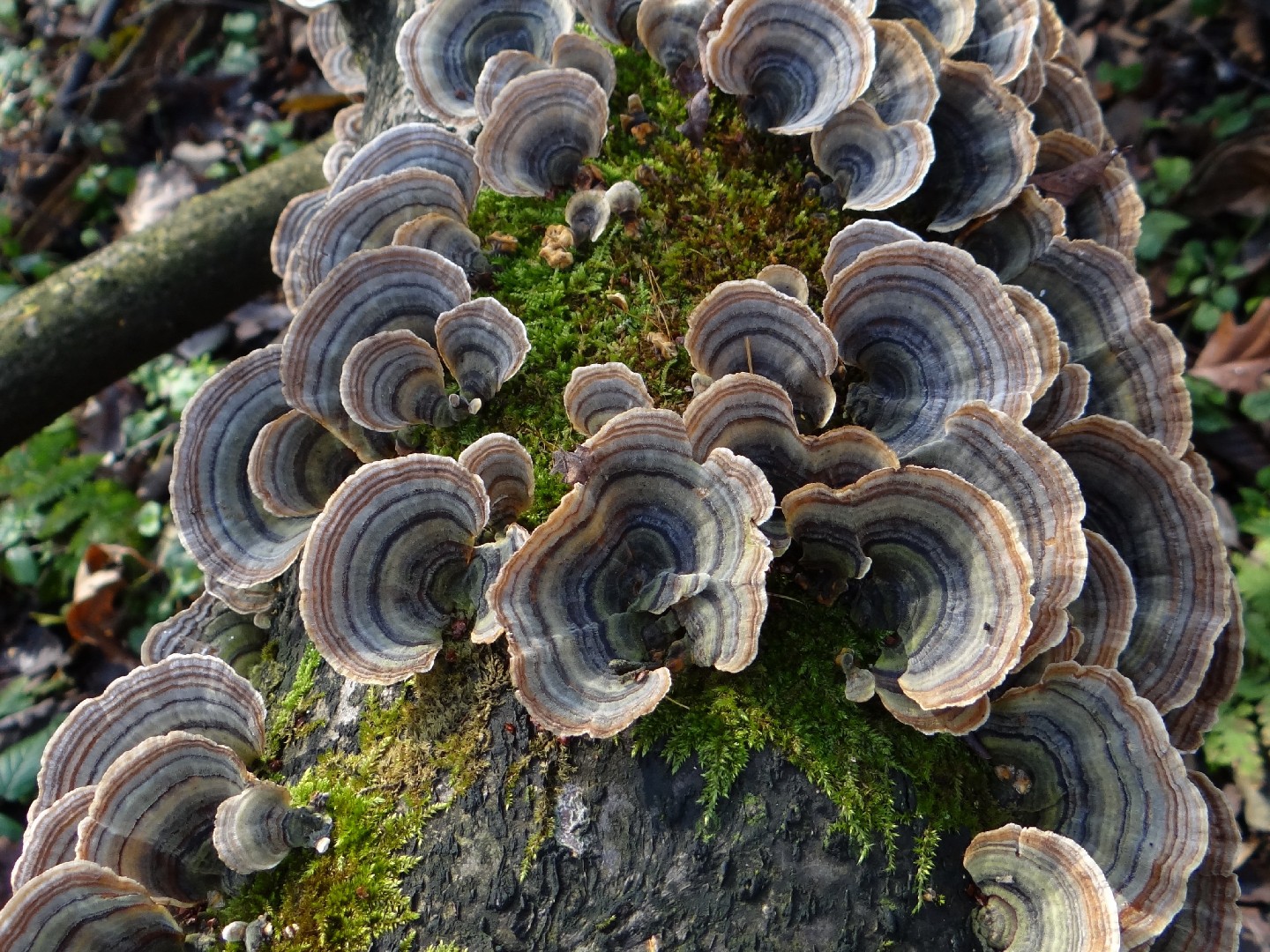
2. Turkey tail
The distinctively-striped turkey tail fungus grows on stumps and logs all over the forests of the northern hemisphere. It is, in fact, probably the most common species you will find. That doesn't mean this mushroom is plain, however; each cap is uniquely patterned. Look for bands of alternating textures as well as color.
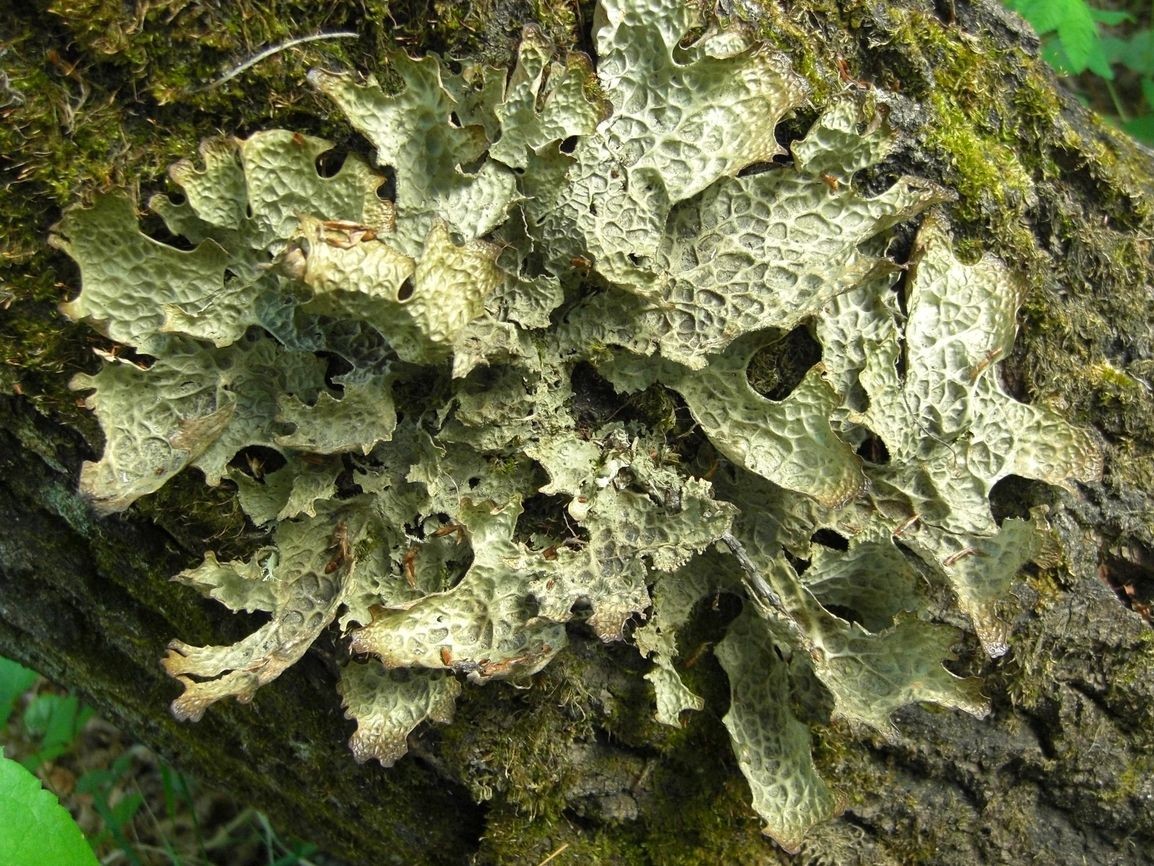
3. Tree lungwort
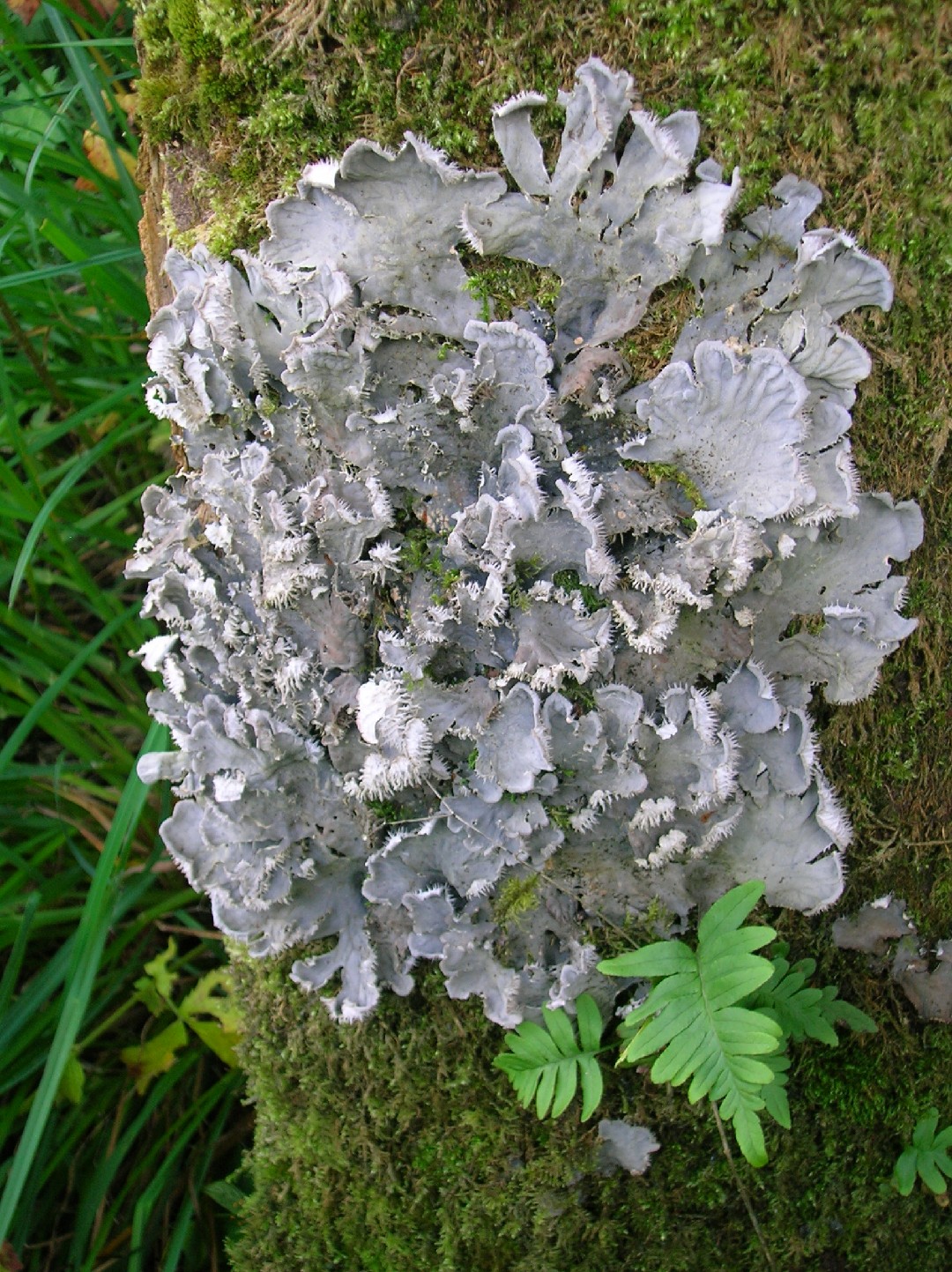
Tree lungwort is a green lichen that can be found in humid areas of North America, Europe, and Asia. It grows regularly on trees, rocks, and in urban areas rich with moss. It can be used as a dye. Animals may consume tree lungwort or use it as nesting material.

4. Shaggy mane
The shaggy mane mushroom is commonly found in North American and European grasslands. Some peoples foraged for its young egg-shaped caps, but it has more recently been found to be a bioaccumulator of heavy metals, meaning it pulls toxic metals up from the soil where it grows. As a result, shaggy manes should not be eaten. The mushrooms usually appear in clusters or “fairy rings.”
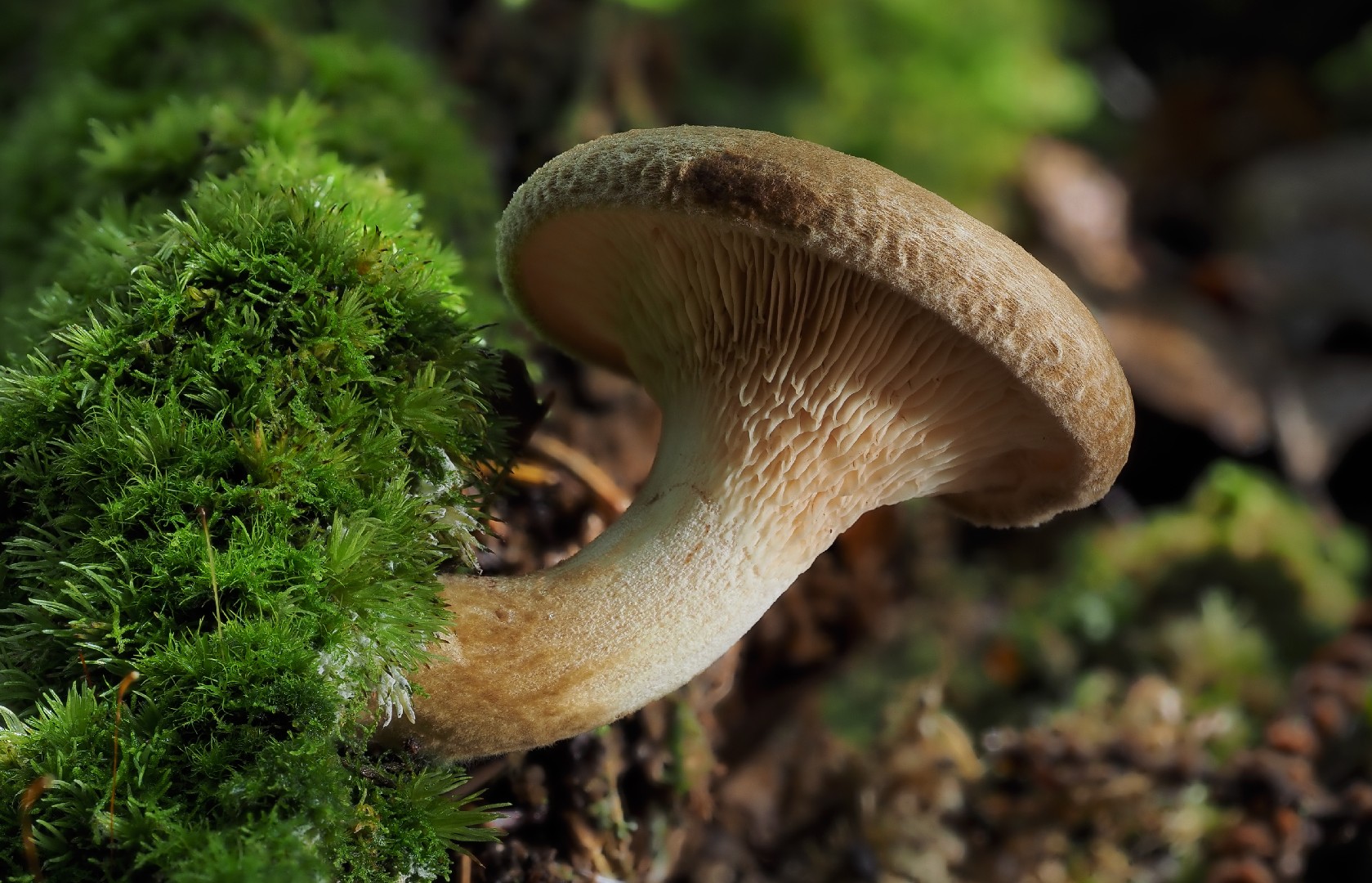
5. Brown roll-rim
This wide-capped toadstool grows all around the world in temperate zones of the northern and southern hemispheres. Brown roll-rim mushrooms are known to be poisonous when consumed, causing immediate gastric upset if eaten raw and damaging vital organs of the body even when cooked, leading to death over time.
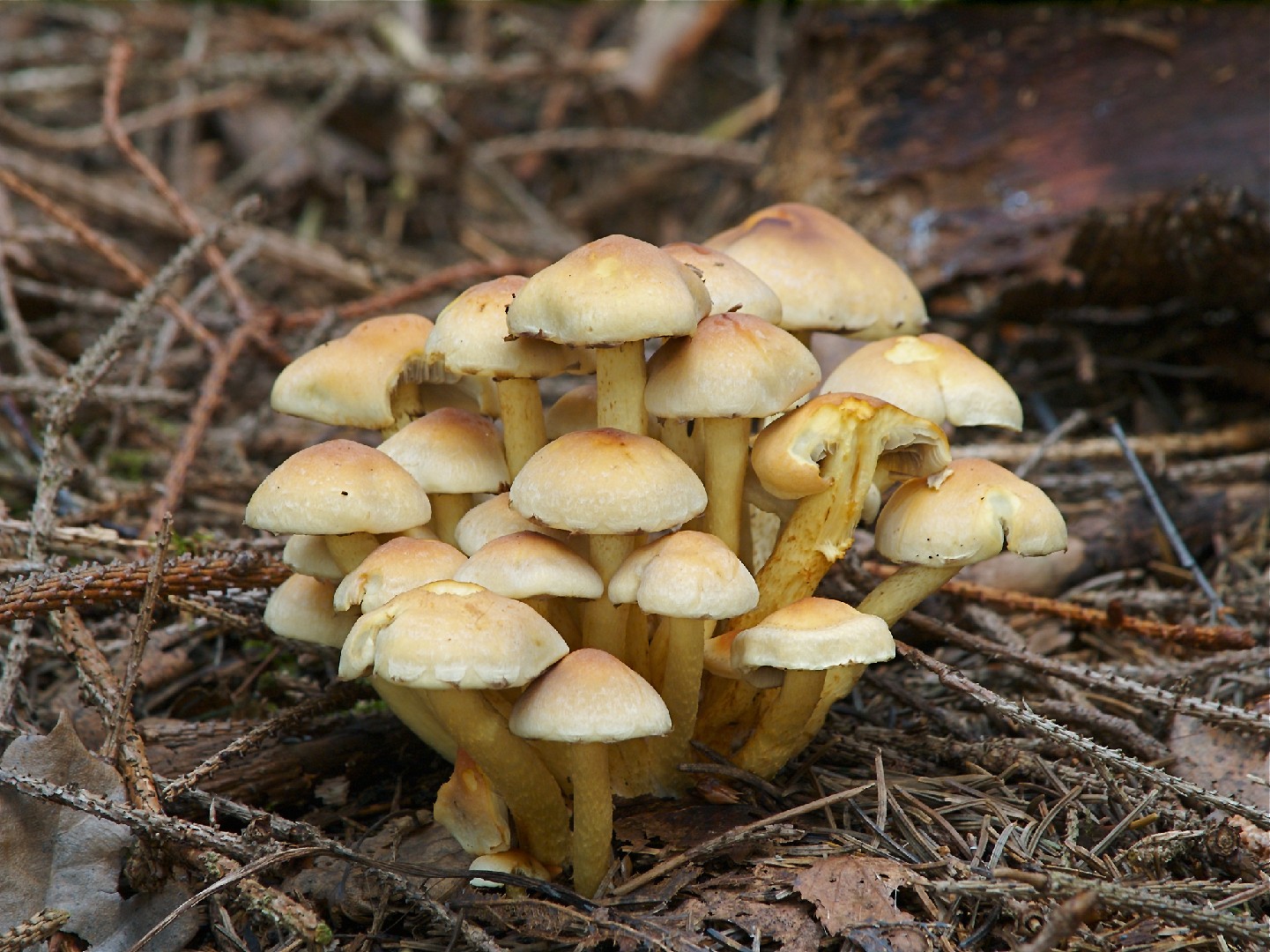
6. Sulphur tuft
The sulphur tuft grows on rotting wood of all types of trees; it is a particularly efficient decomposer of hardwoods. The mushrooms appear from spring to autumn and are often so tightly packed that they interfere with each other’s shape. This poisonous mushroom can cause temporary paralysis, distorted vision, and stomach pain if consumed.
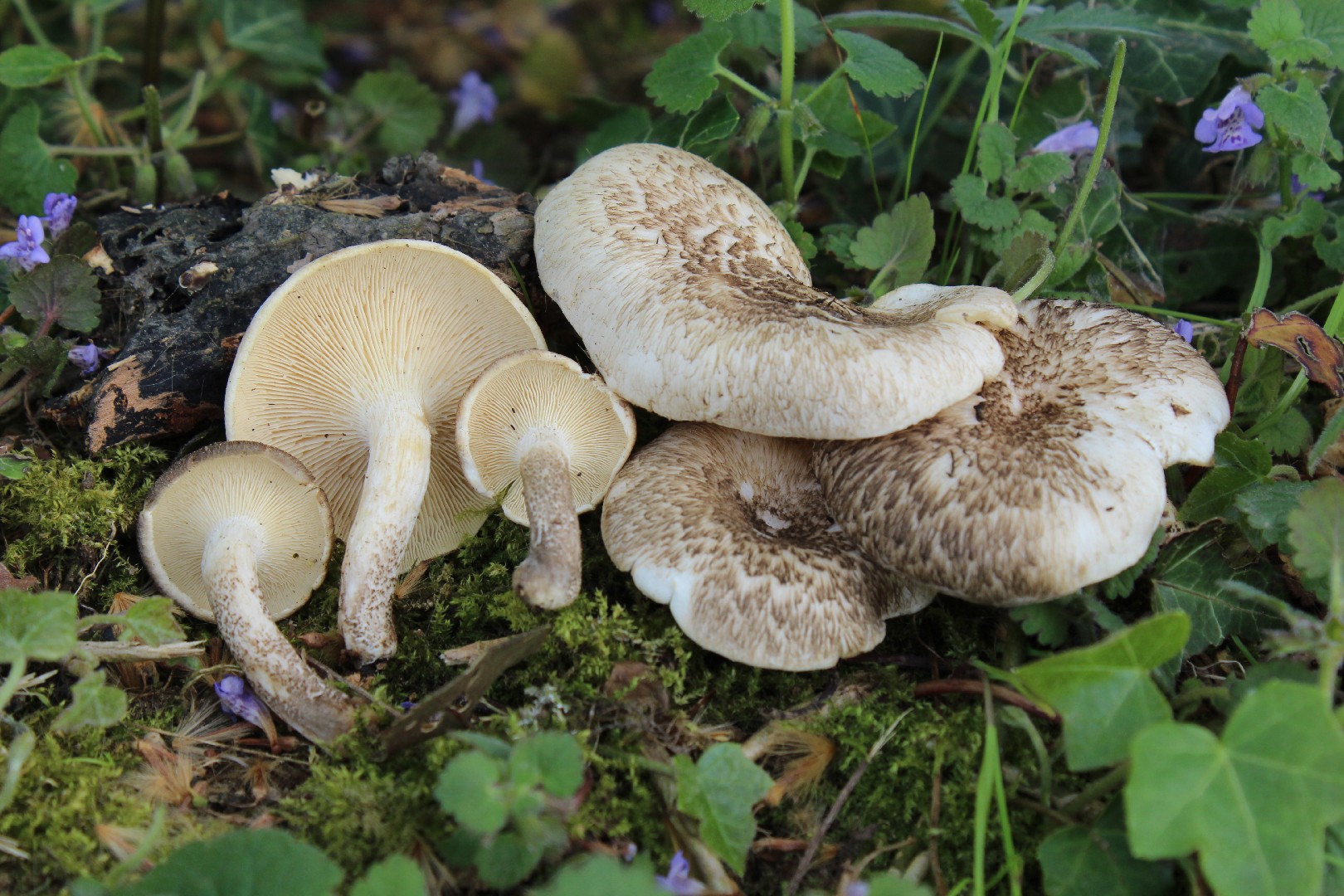
7. Tiger sawgill
The tiger sawgill (Lentinus tigrinus) is a small mushroom with a name that is not particularly accurate. Sporting neither the color nor the pattern that we commonly associate with the tiger, it has a subdued, pale cap that is usually covered in brown patches. The eighteenth-century European that named the species may have been thinking of a leopard.
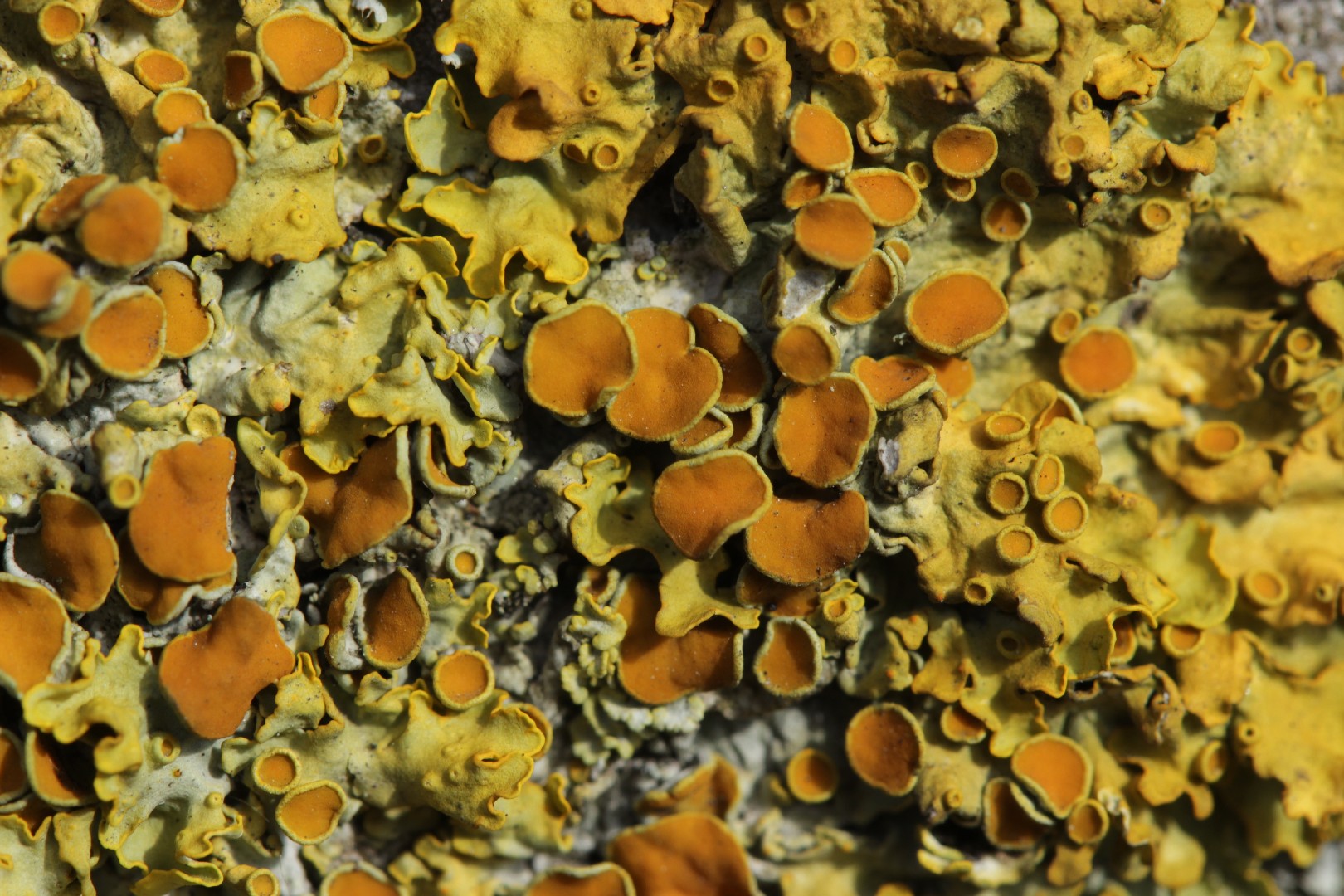
8. Common orange lichen
Common orange lichen was selected in 2006 by the United States Department of Energy as a model for genomic sequencing. Its widespread dispersal and bright yellow-orange color give the lichen its common name. It is primarily found growing on rocks, walls, and tree bark.
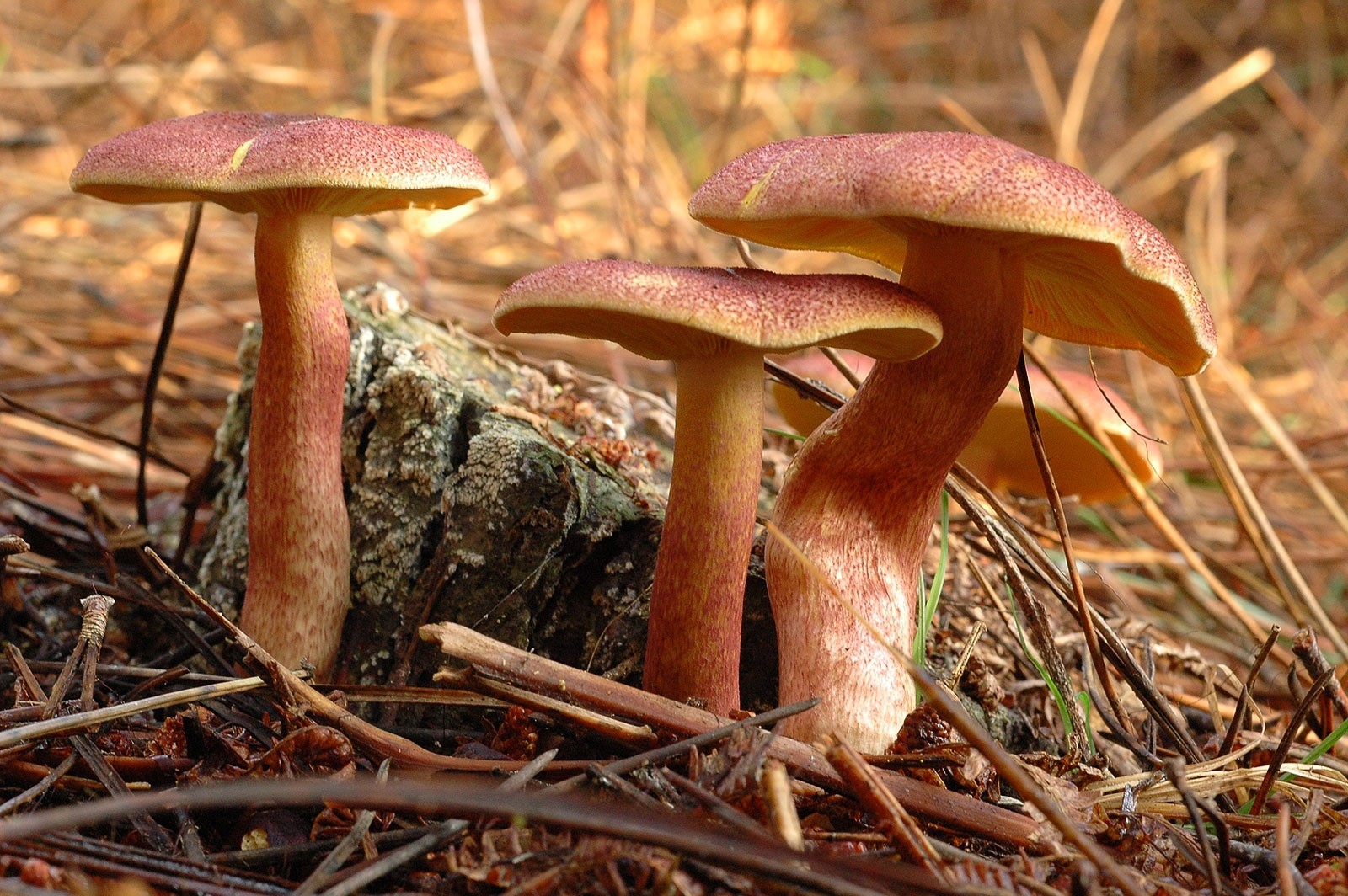
9. Plums and custard
Plums and custard(Tricholomopsis rutilans) is most commonly found across Europe and North America, although it has been introduced elsewhere. This unusually named mushroom is notable for its distinctive and handsome appearance, making it a favorite of amateur mushroom-hunters. Consumption is discouraged.
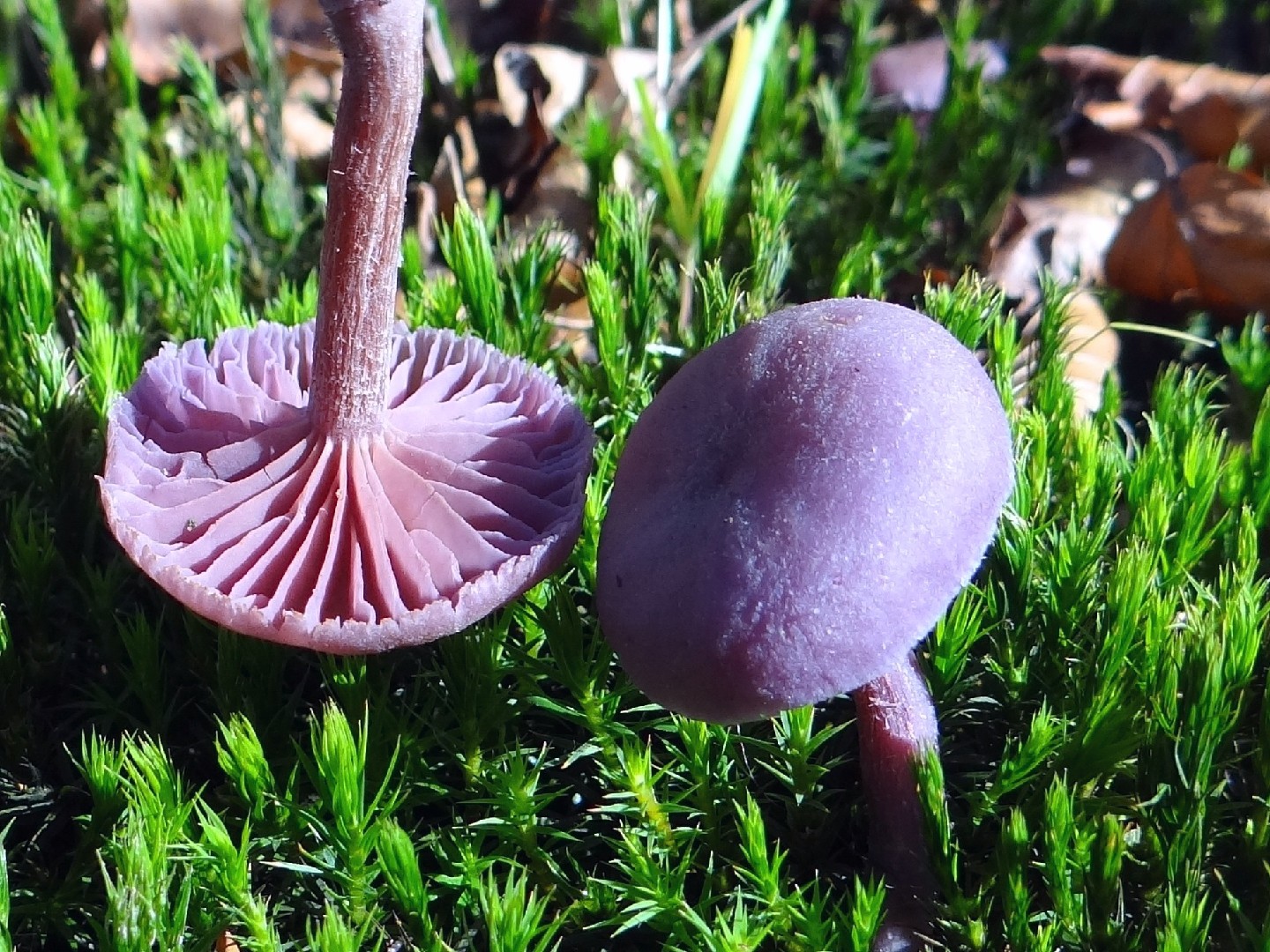
10. Amethyst deceiver
The amethyst deceiver (Laccaria amethystina) is a breathtaking mushroom that pops up from coniferous forest floors. The caps are a striking violet color in youth and are generally flat with a small indentation when the stem connects. As they mature, this violet color transforms to a less than breathtaking grey color, making it quite hard to identify after a certain age positively. Not edible.
More







