




Top 16 Most Common Mushrooms in Cambita Garabitos

Most Common Mushrooms
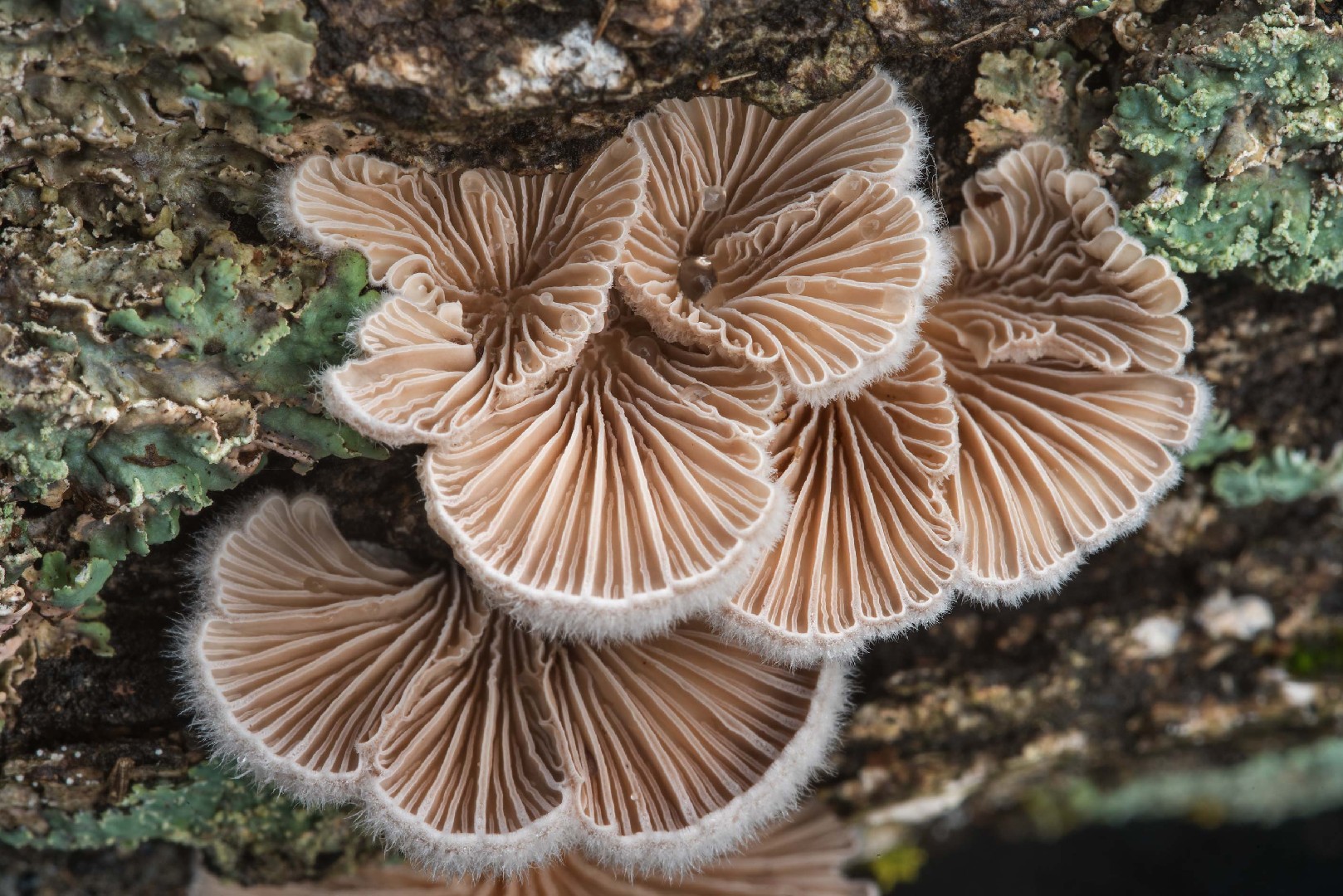
1. Split gill
Split gill(Schizophyllum commune) can be found across the globe. Uniquely, it is the only mushroom species known to display the capability to retract by movement. It is considered inedible, although not necessarily toxic. Furthermore, it is not recommended to smell this species, as the spores are capable of sprouting and growing in nasal passages.
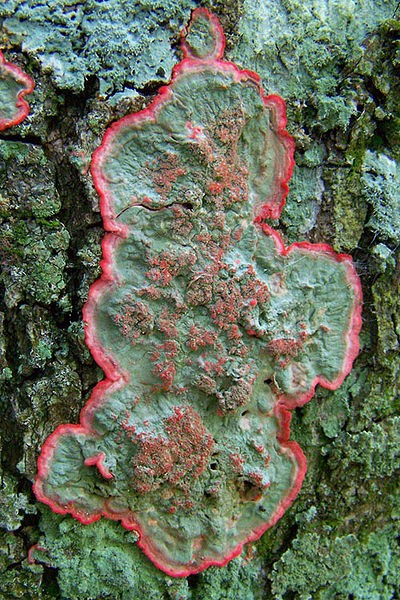
2. Christmas lichen
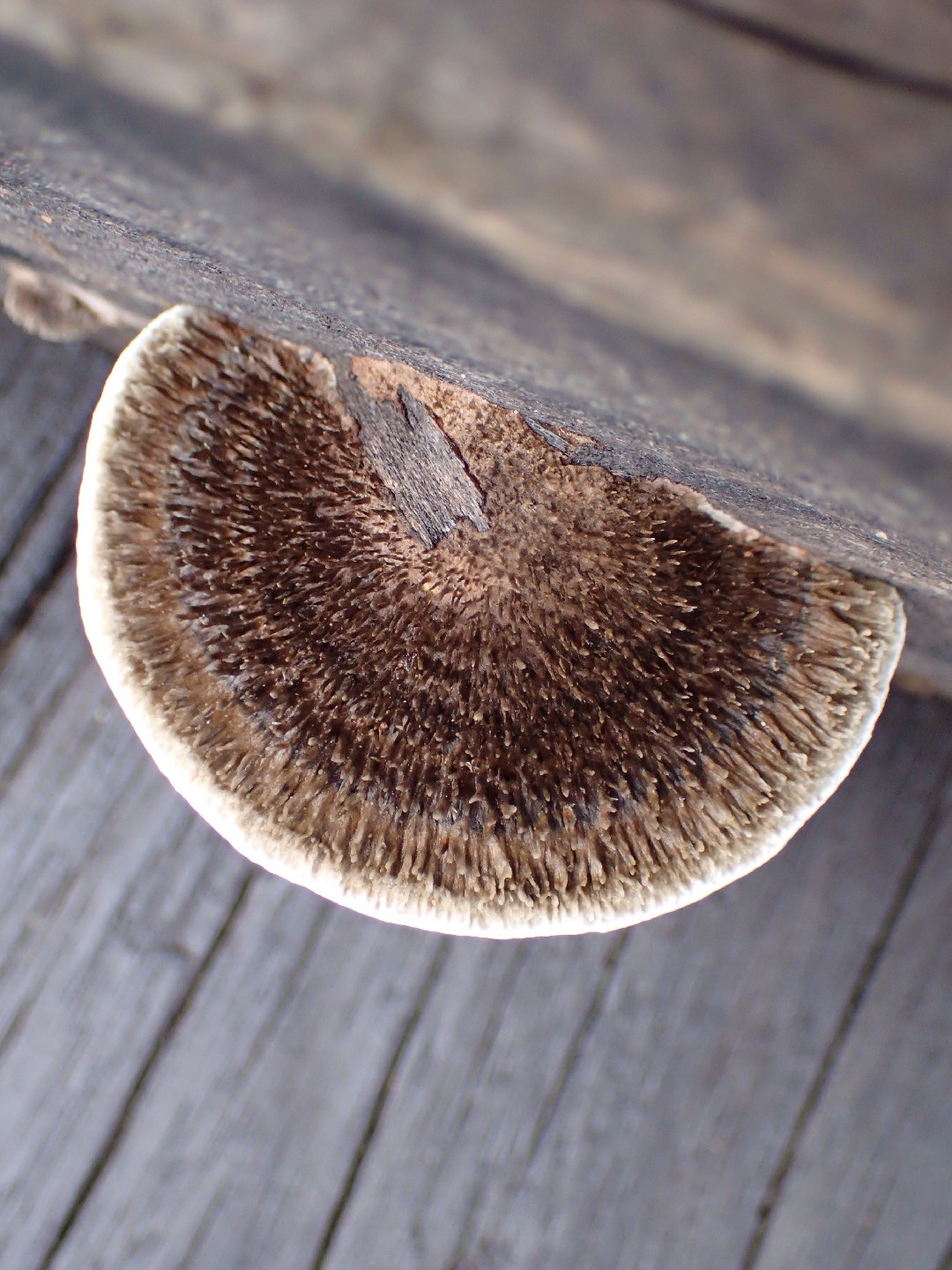
3. Hairy hexagonia
The hairy hexagonia (Hexagonia hydnoides) is not the most common mushroom you'll find, but has very distinctive qualities. Stiff, dark brown, bristle-like hairs emerge from an ochre flat cap and are found growing from a decaying tree stump or wood. The large pores on the cap's underside create an almost sponge-like appearance, and the stem is otherwise not visible.
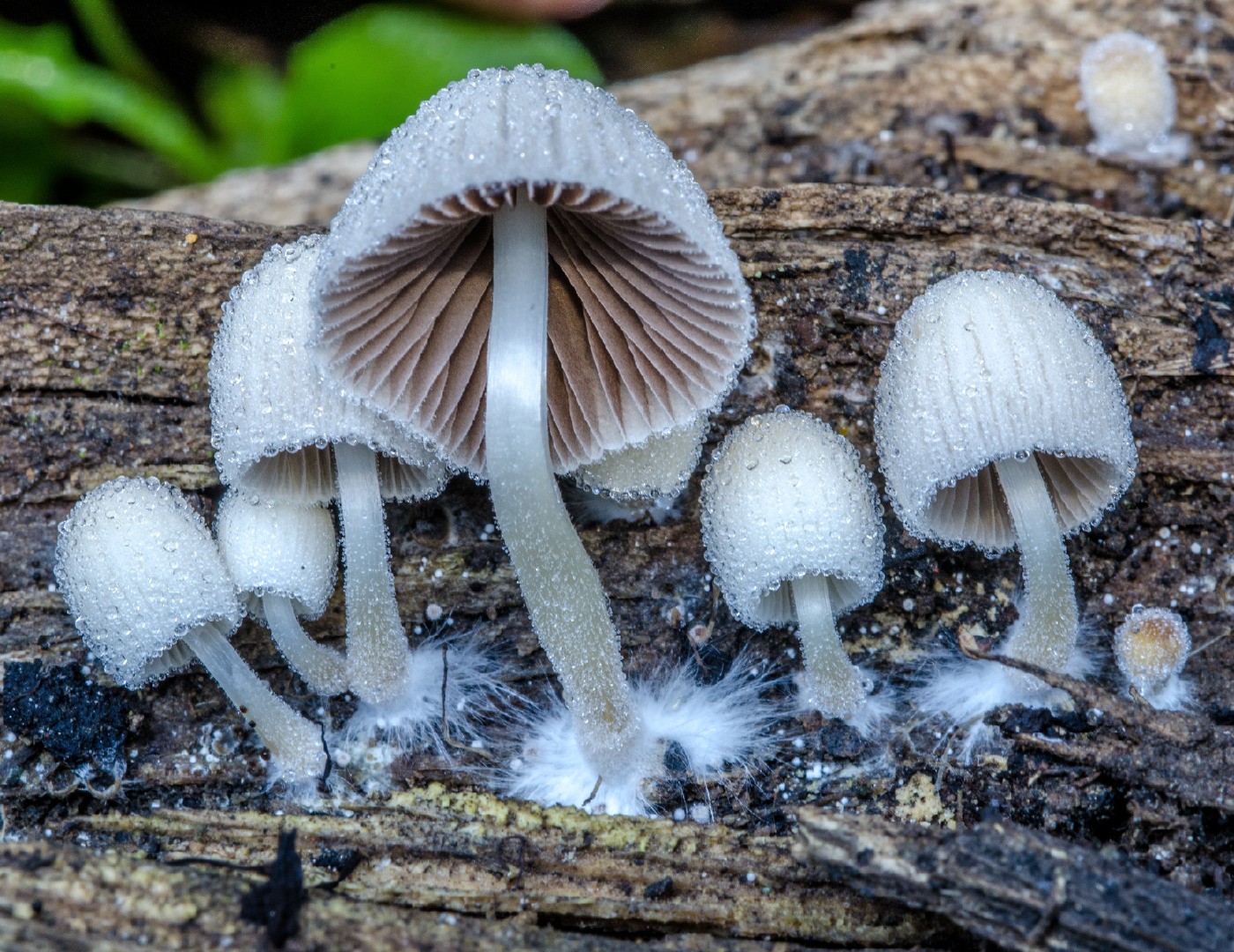
4. Fairy inkcap
The mushrooms of the fairy inkcap species have a tendency to congregate in large masses over dead tree stumps and decaying roots. They appear all around the world from early spring all the way to the first frosts, but each fruit only lasts a few days before turning black and distributing its spores.
5. Turkey tail
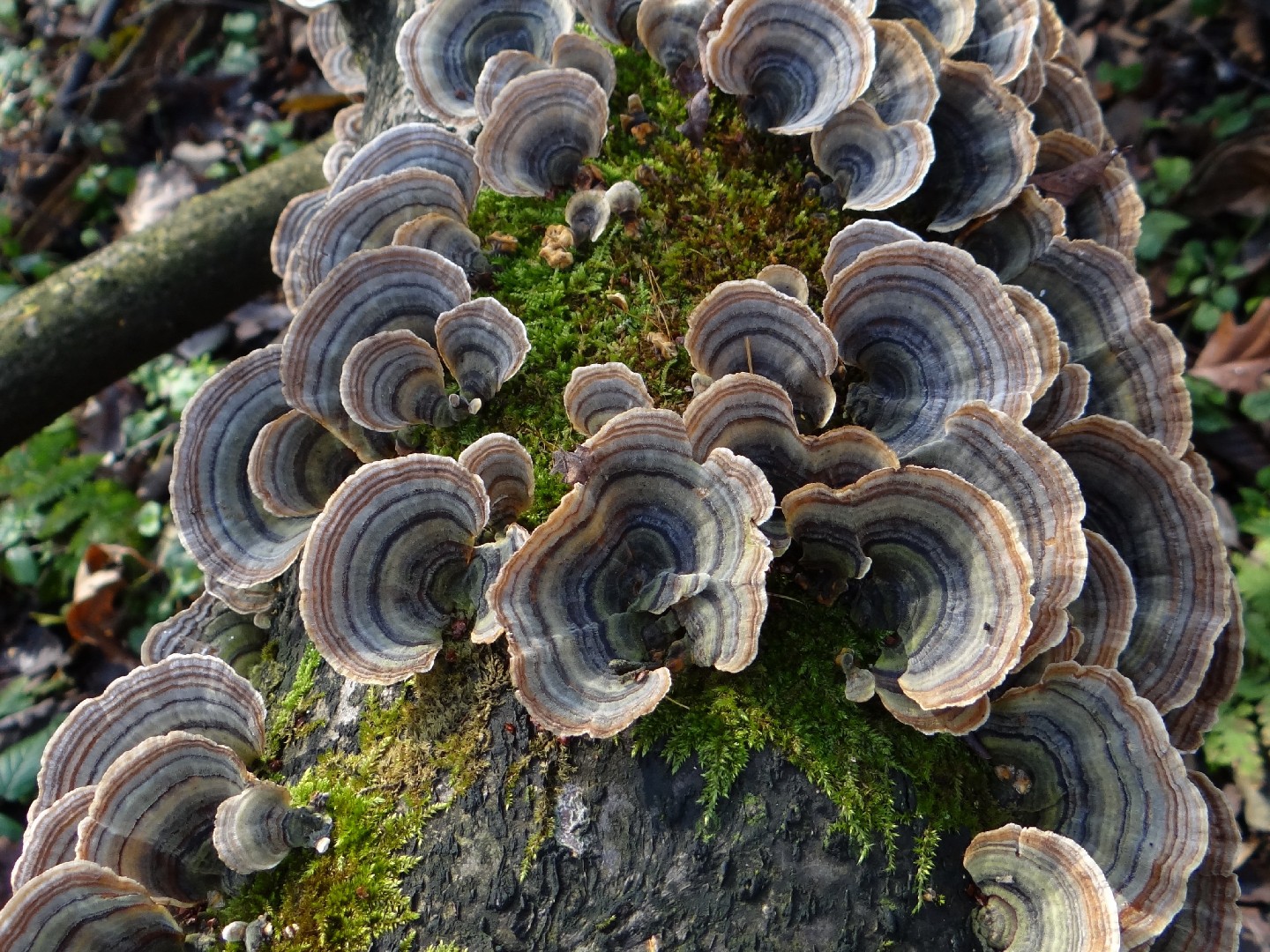
The distinctively-striped turkey tail fungus grows on stumps and logs all over the forests of the northern hemisphere. It is, in fact, probably the most common species you will find. That doesn't mean this mushroom is plain, however; each cap is uniquely patterned. Look for bands of alternating textures as well as color.
6. Fragile dapperling
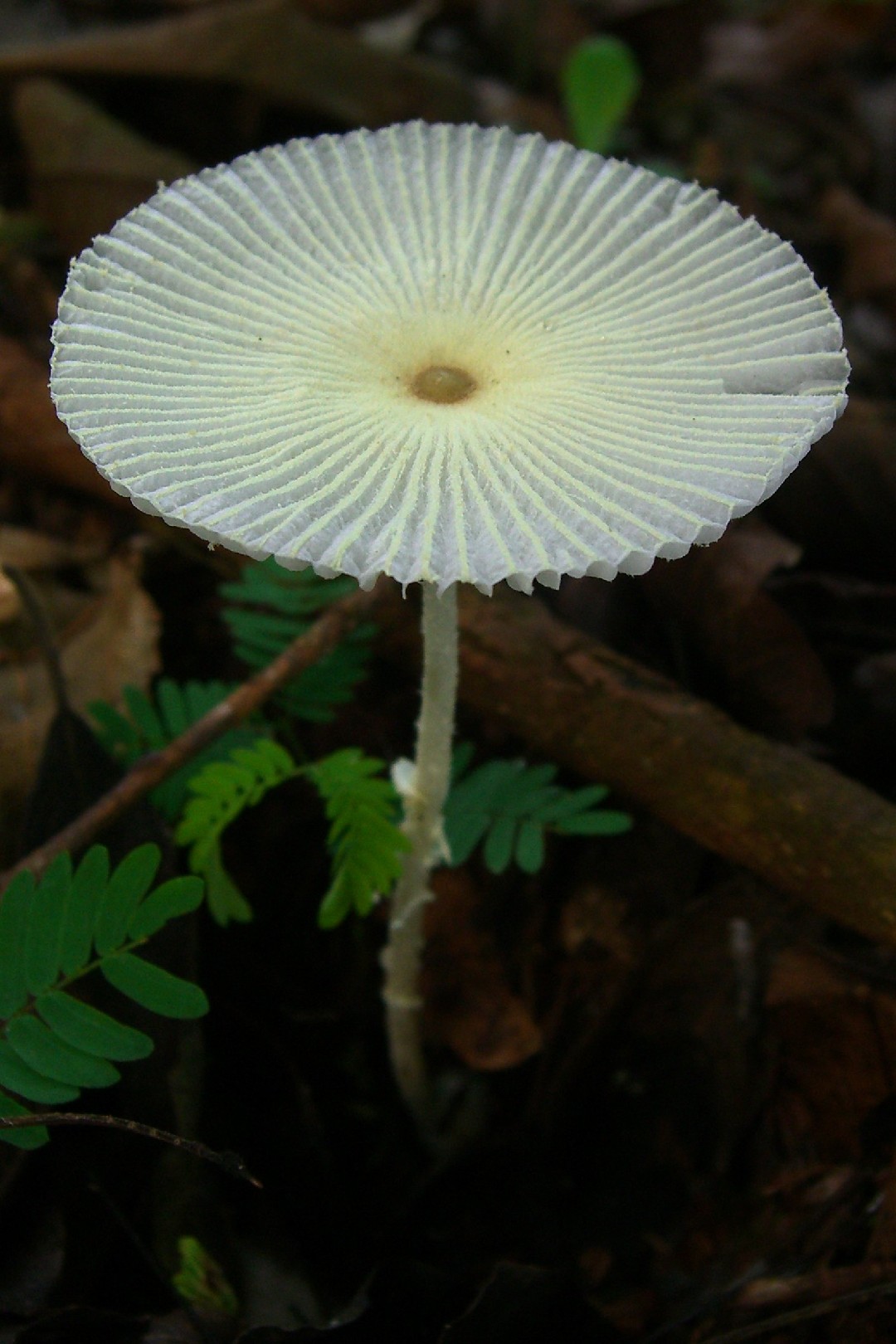
The fragile dapperling is a tropical and subtropical woodland species. As its name suggests, this mushroom is so tender and fragile that picking it becomes a real challenge. The stem is very thin and it easily snaps. The edibility of the fragile dapperling is unknown, but the mushroom is probably insufficient for any kind of meal.
7. Cantharellus coccolobae
8. Cryptothecia striata
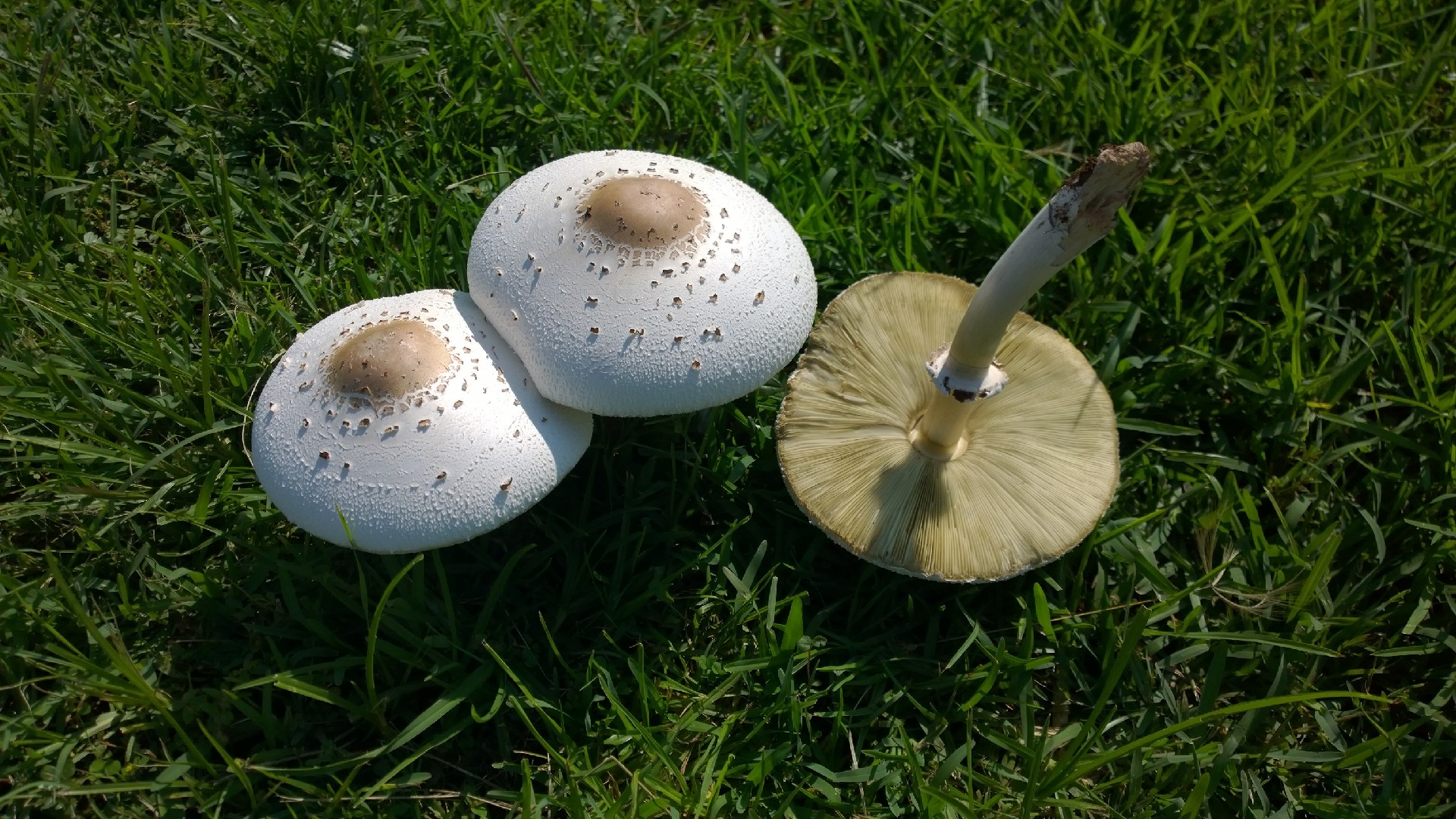
9. False parasol
Though the false parasol appears unassuming, the species is famous—or, infamous—for its toxicity. It looks unfortunately similar to Agericus campestrus, a commonly eaten mushroom, but the false parasol can be distinguished by its highly unusual green spore print. Although they are no good to eat, they can be pretty to look at. The species may grow in ring-shaped groups in meadows and on forest floors in what are sometimes called "fairy circles."
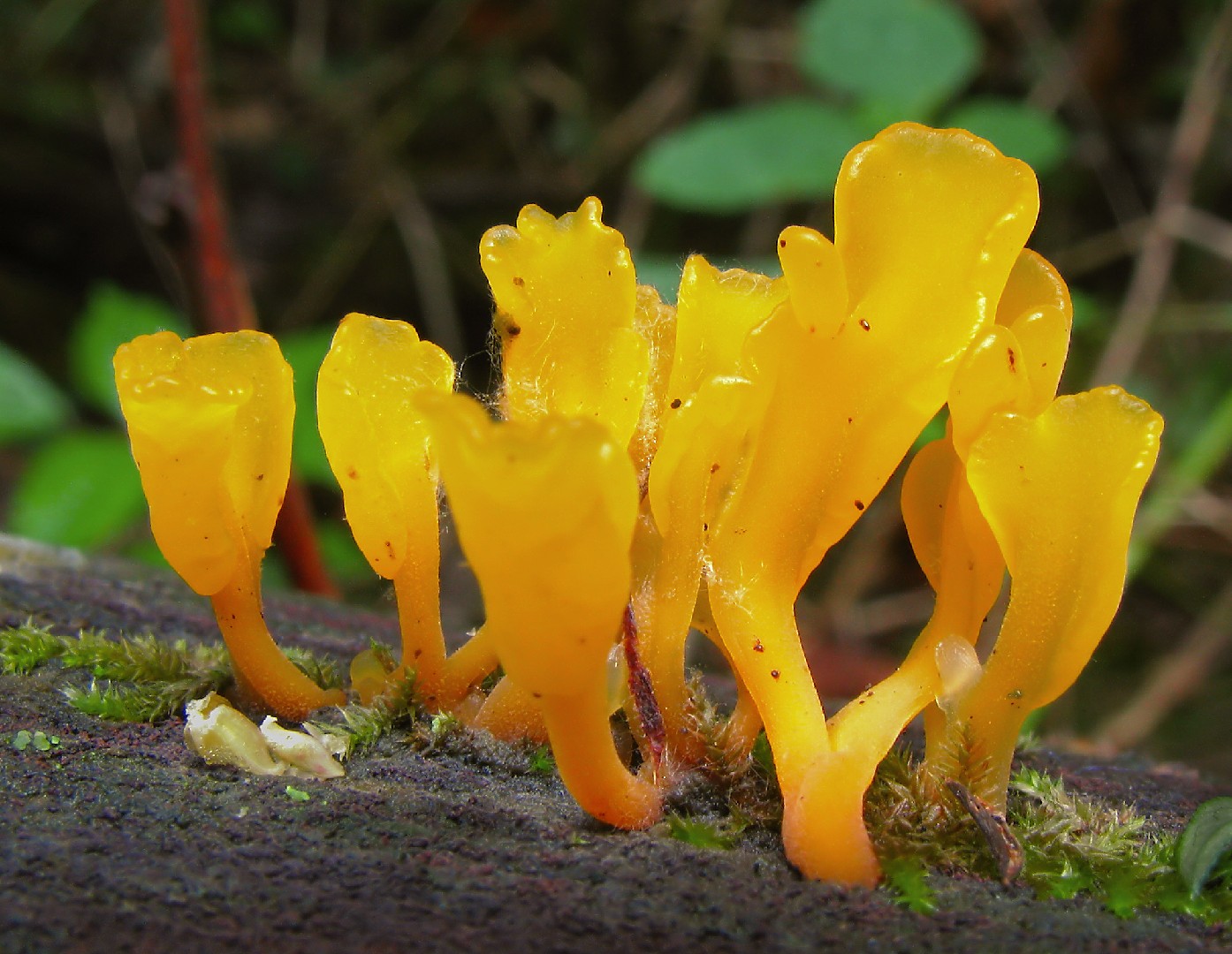
10. Fan-shaped jelly-fungus
Just as its Latin and the common English names suggest, the fan-shaped jelly-fungus (Dacryopinax spathularia) is a fan-shaped or spatula-shaped jelly-like mushroom. It commonly grows in wood cracks and it sometimes even appears in the cracks of the processed wood and lumber. Despite the word "jelly" in its name, the fan-shaped jelly-fungus is not considered edible.
More







