




Top 20 Most Common Mushrooms in Newfoundland and Labrador

Most Common Mushrooms
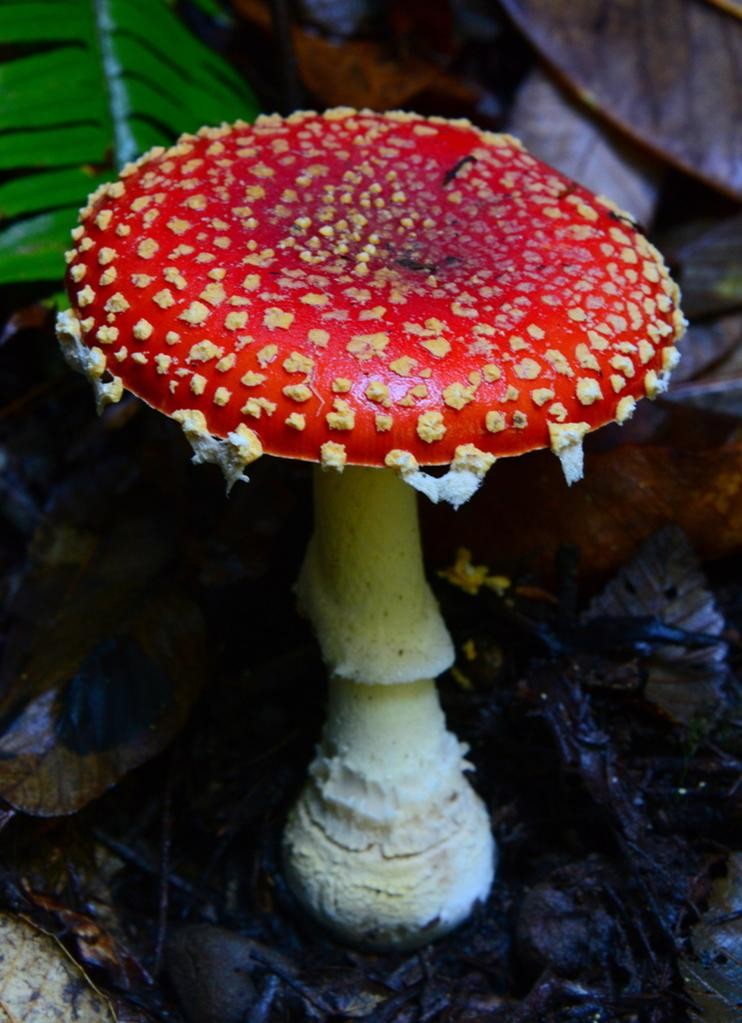
1. Fly agaric
In Northern Asia and Europe, fly agaric grows under trees near the winter solstice and is collected for ritual use tied to the season. Its characteristic shape and coloring are still ubiquitous in many European fairy tale illustrations and Christmas traditions. It is highly toxic.
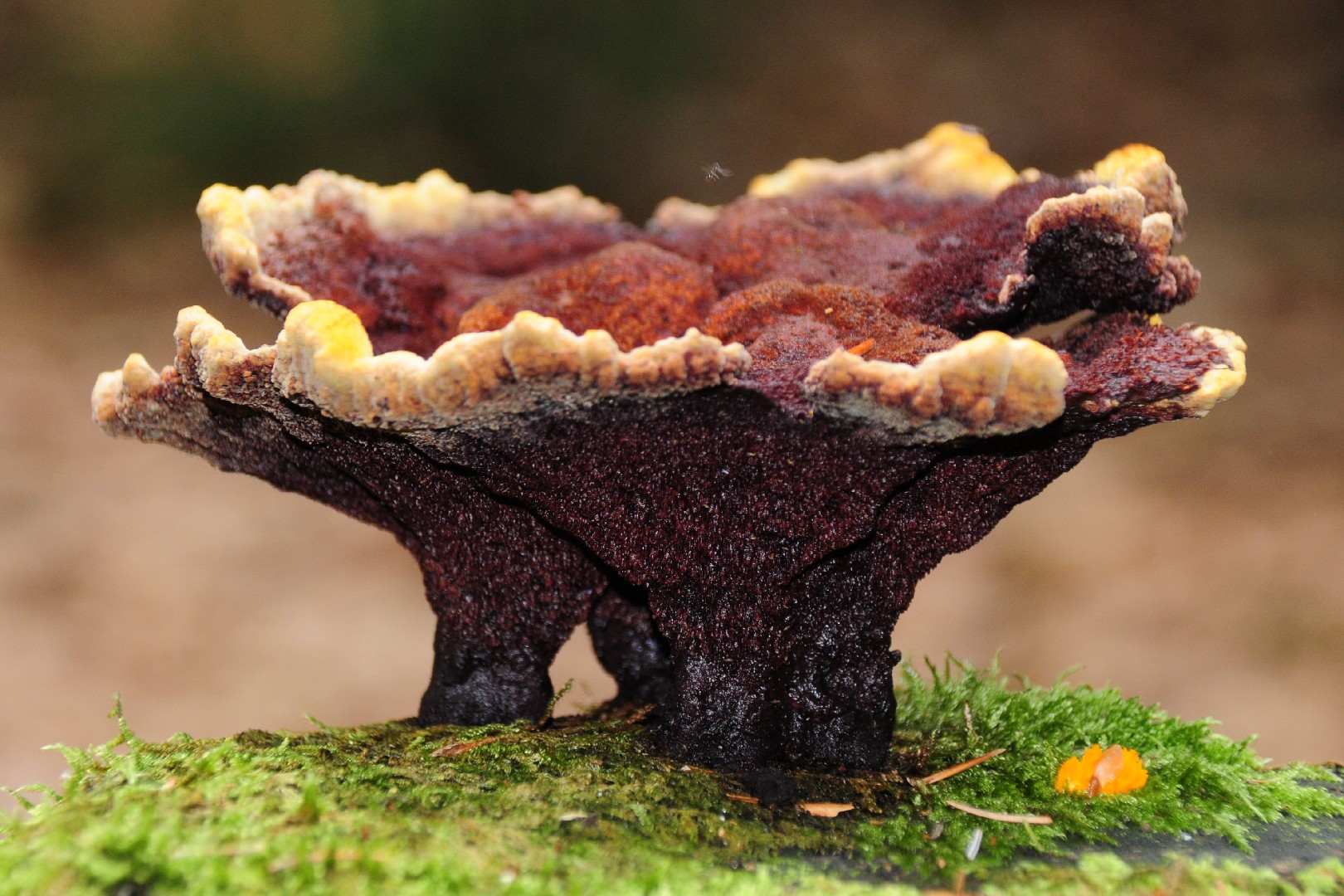
2. Dyer's polypore
This shelf fungus grows annually on living coniferous trees and may kill its host if left untreated. As the name suggests, dyer's polypore can be used to produce dye for yarn in a variety of shades from yellow to orange to brown, depending on the age of the mushroom used and also the type of metal it’s processed in. It is not considered edible.
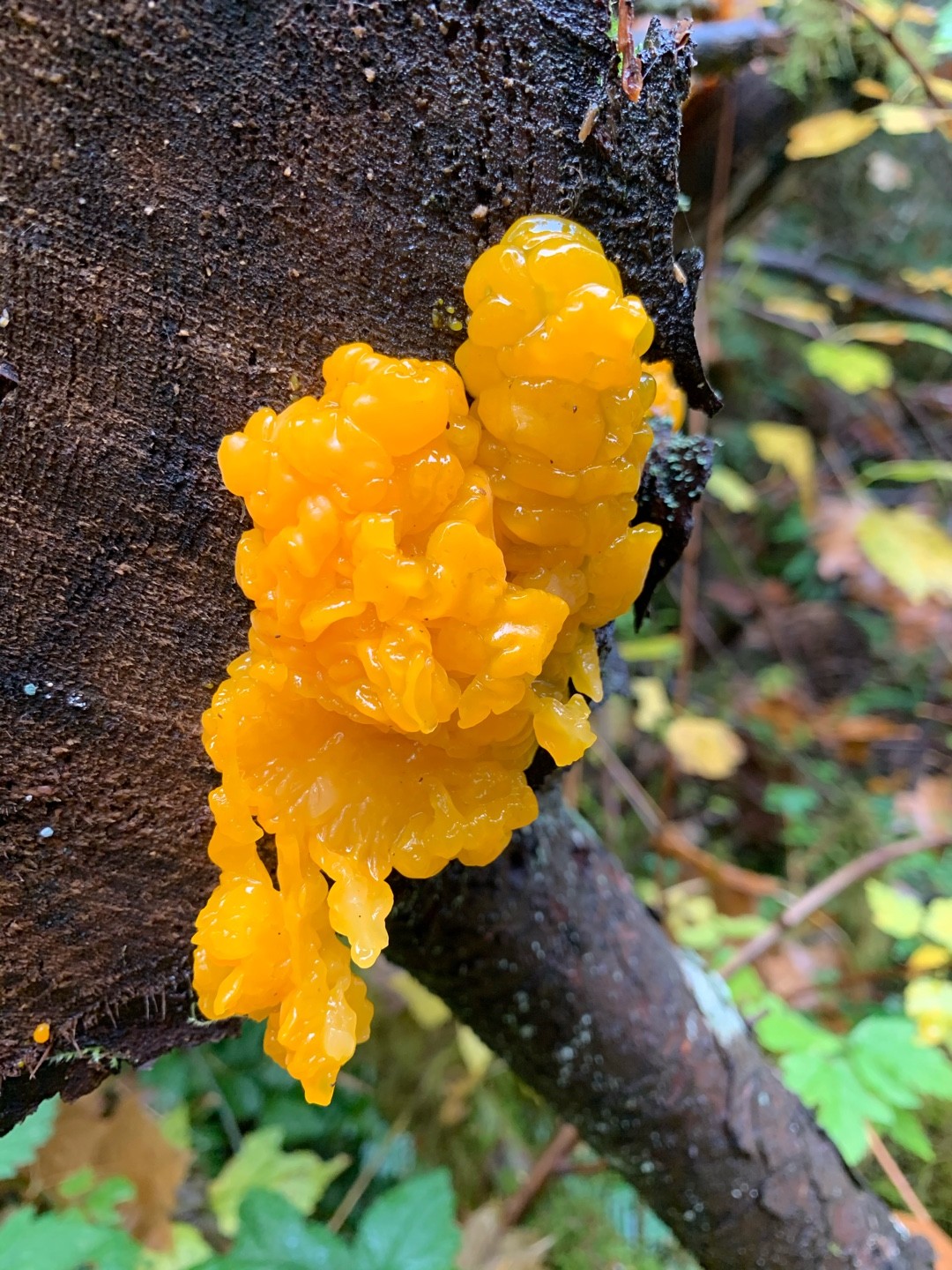
3. Orange jelly
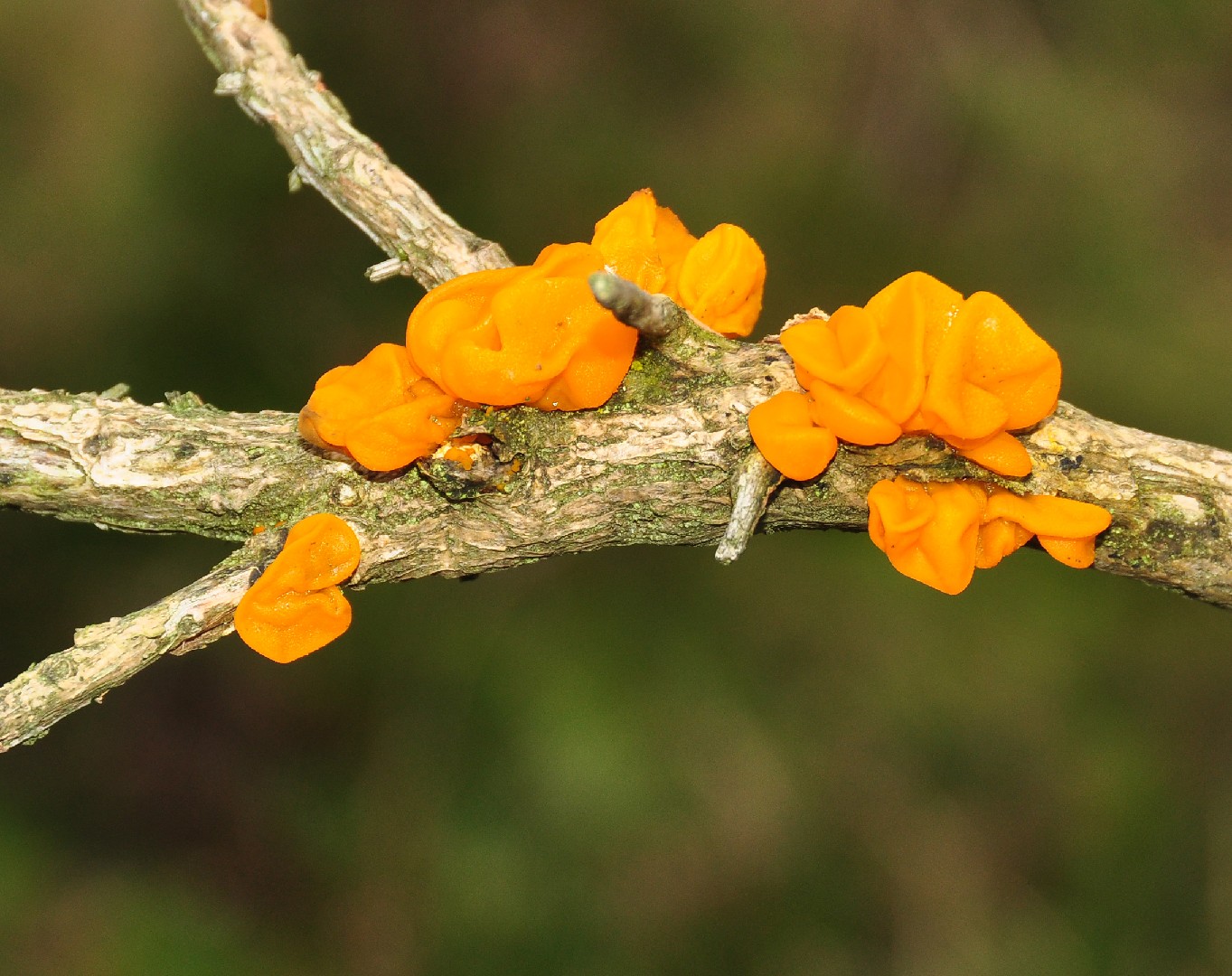
This offensive-looking slimy body of the orange jelly (Dacrymyces chrysospermus) erupts from fissures in tree bark in the forest. The point in which the caps attach to the host plant is brilliant white, creating a stark contrast from the bright yellow, brain-shaped cap. The most common place to find this mushroom is in decaying conifer wood.
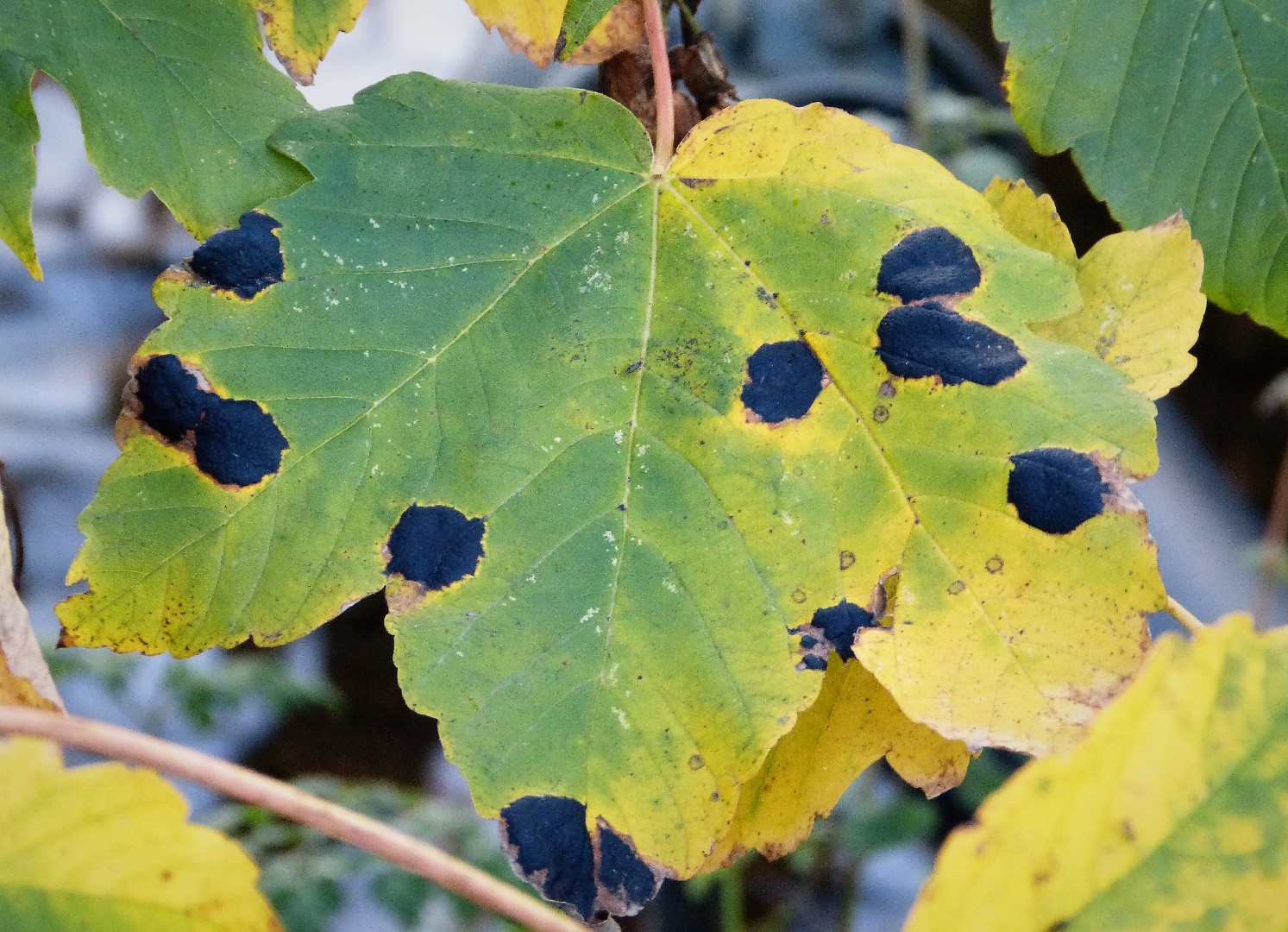
4. Tar spot
The tar spot is a pathogen fungus that attacks the trees of the Acer genus (Maples). The first symptoms of the fungal infections caused by Rhytisma acerinum are black spots on the leaves and an early leaf drop. The fungus doesn't affect an infected tree's health in the long term, but it makes an unpleasant sight.
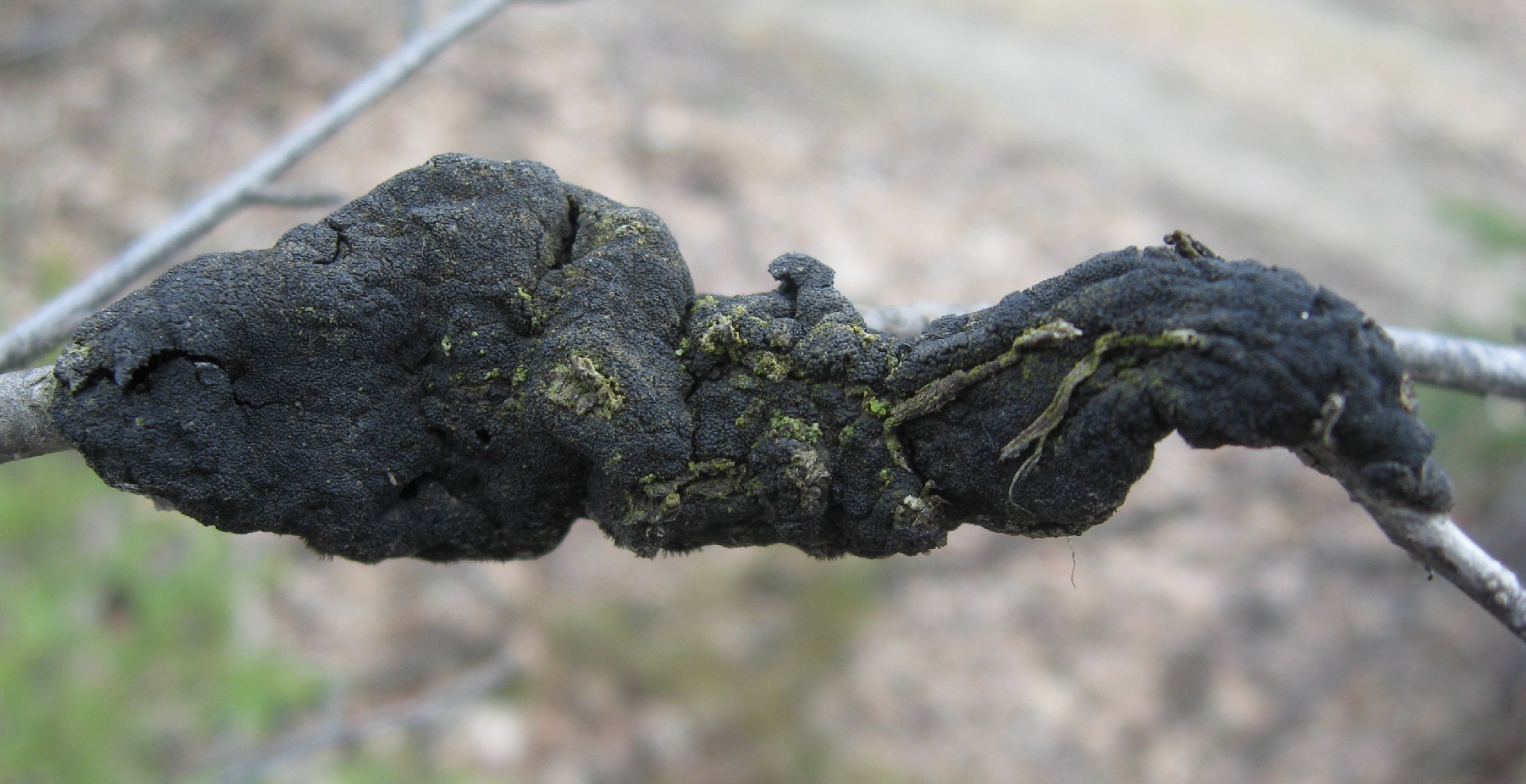
5. Black knot
The appearance of black knot (Apiosporina morbosa) is commonly found on various fruit-bearing trees and looks more like abnormally growing bark than it does a fungus. In youth, this bulbous growth is a lighter green but rapidly turns to dark brown and black. Black knot can kill trees and is not easily controllable using fungicides.
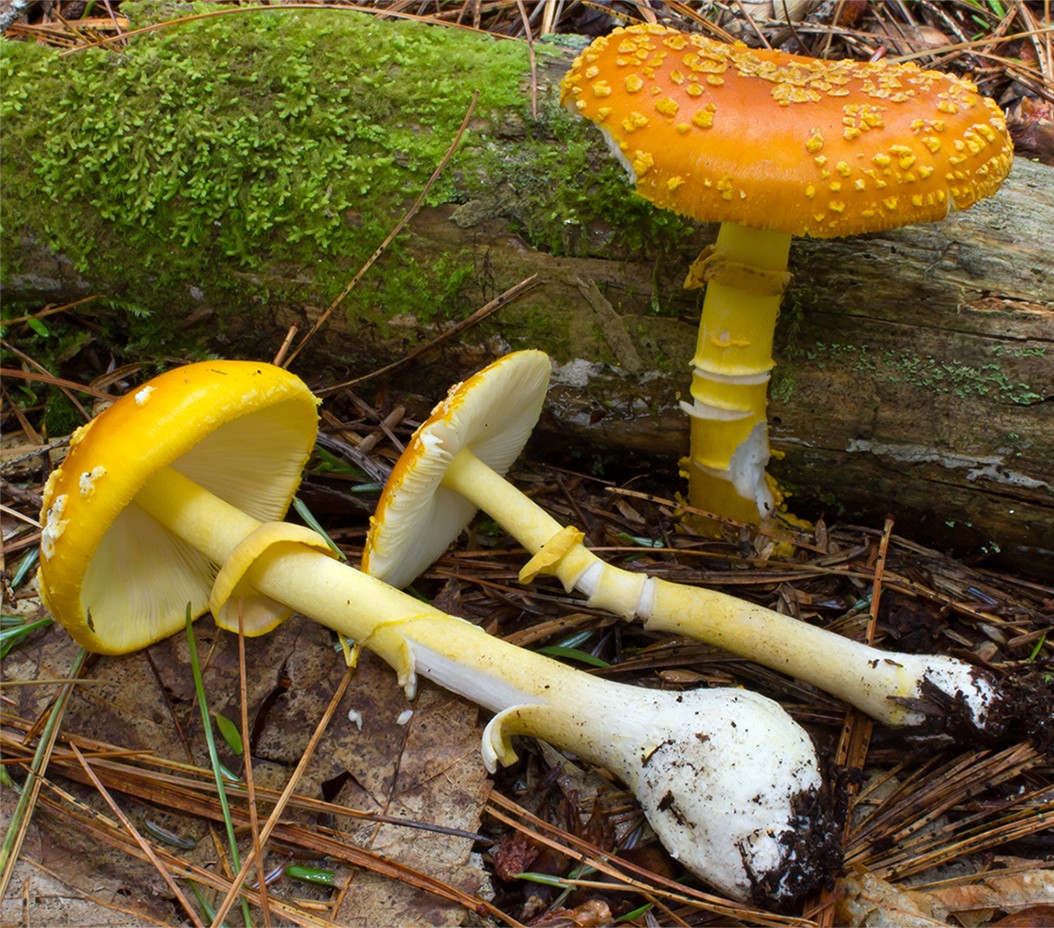
6. Yellow patches
The yellow patches is a gorgeous, striking species with a deep marigold or vermillion cap that sometimes appears as a blend of the two. Like some other members of the Amanita genus, it also sports patchy white worts - when it's cap is still very convex, it somewhat resembles the famous white and red mushrooms from the Mario Bros video games. While beautiful to look at, this species is toxic and should not be harvested.
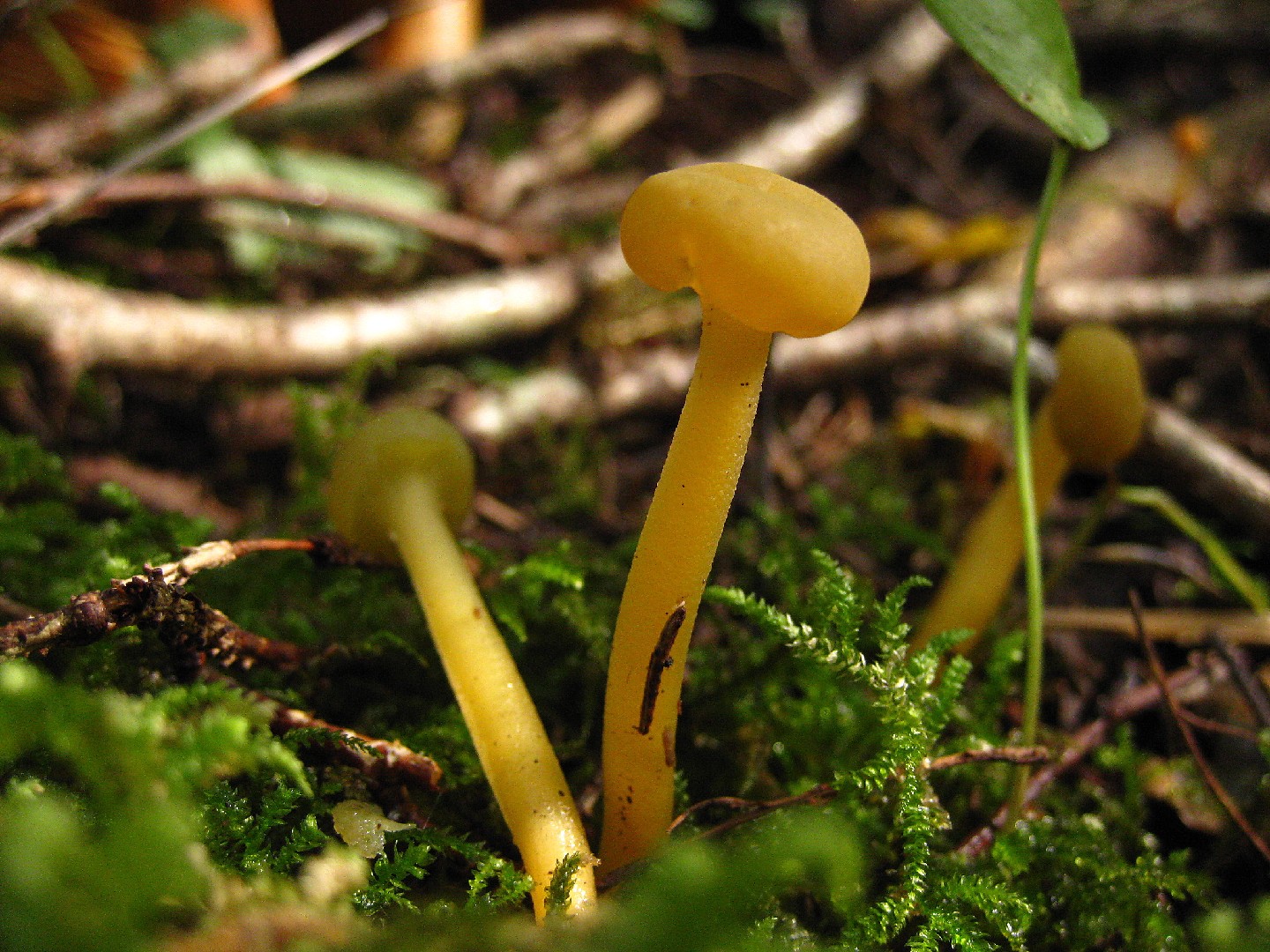
7. Jelly baby
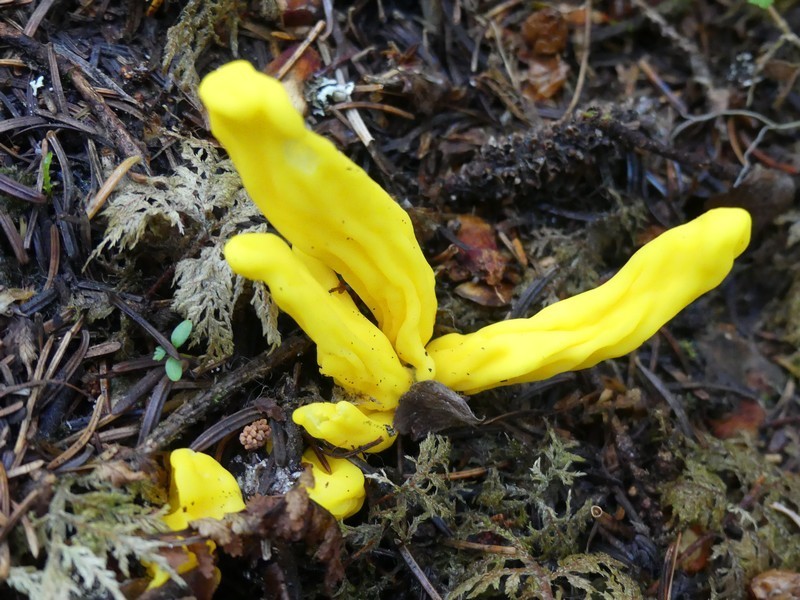
The jelly baby (Leotia lubrica) has a very disgusting appearance, complete with a gooey cap of yellow or black and a slimy yellow stem. The cap is irregular in shape and is usually bulbous. The gelatinous texture and lack of flavor make this mushroom less than desirable for gathering; it is considered inedible.
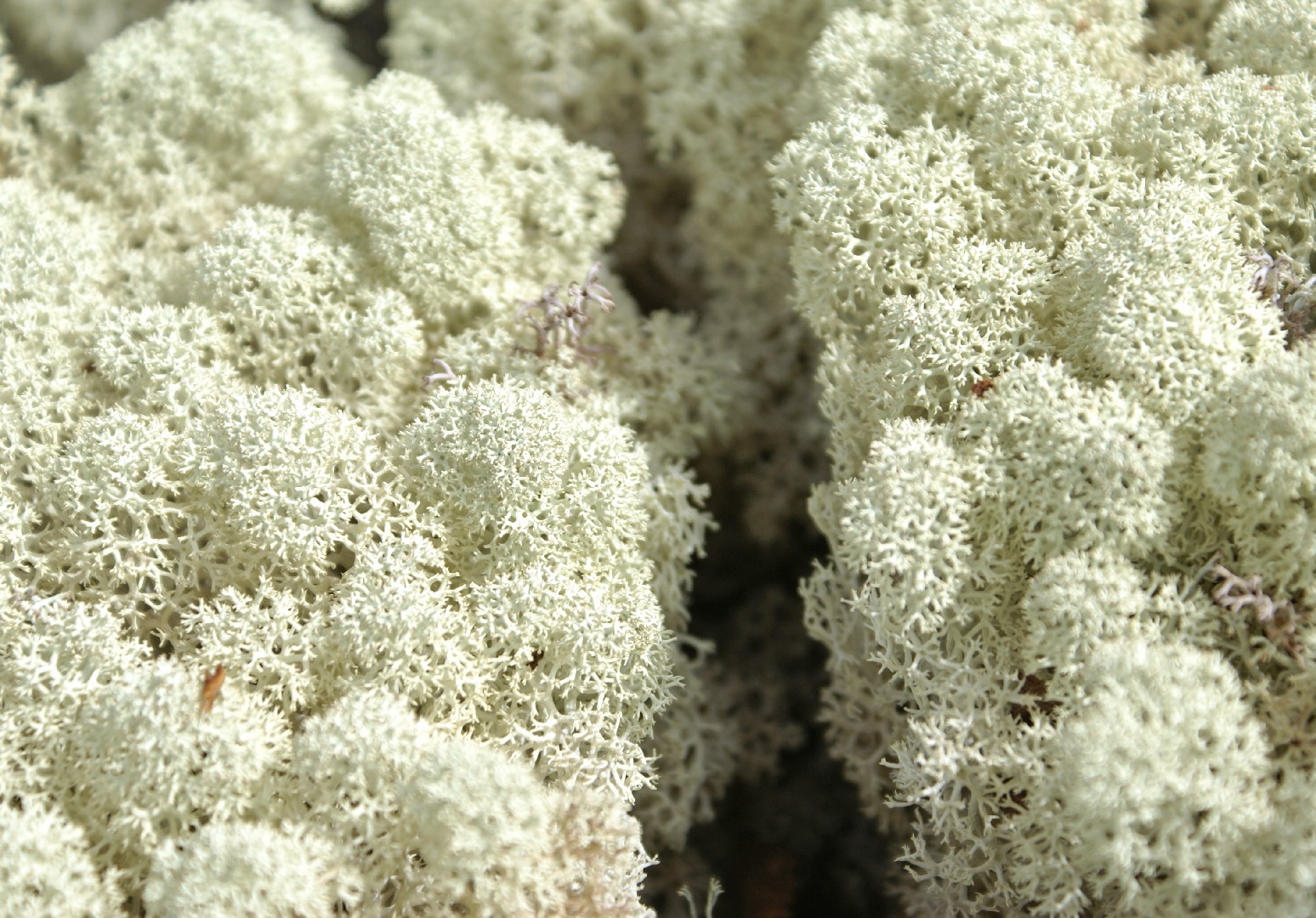
8. Star-tipped reindeer lichen
It can be confused with the species Cladonia portentosa (Dufour) Coem. although the latter does not have a rounded contour.
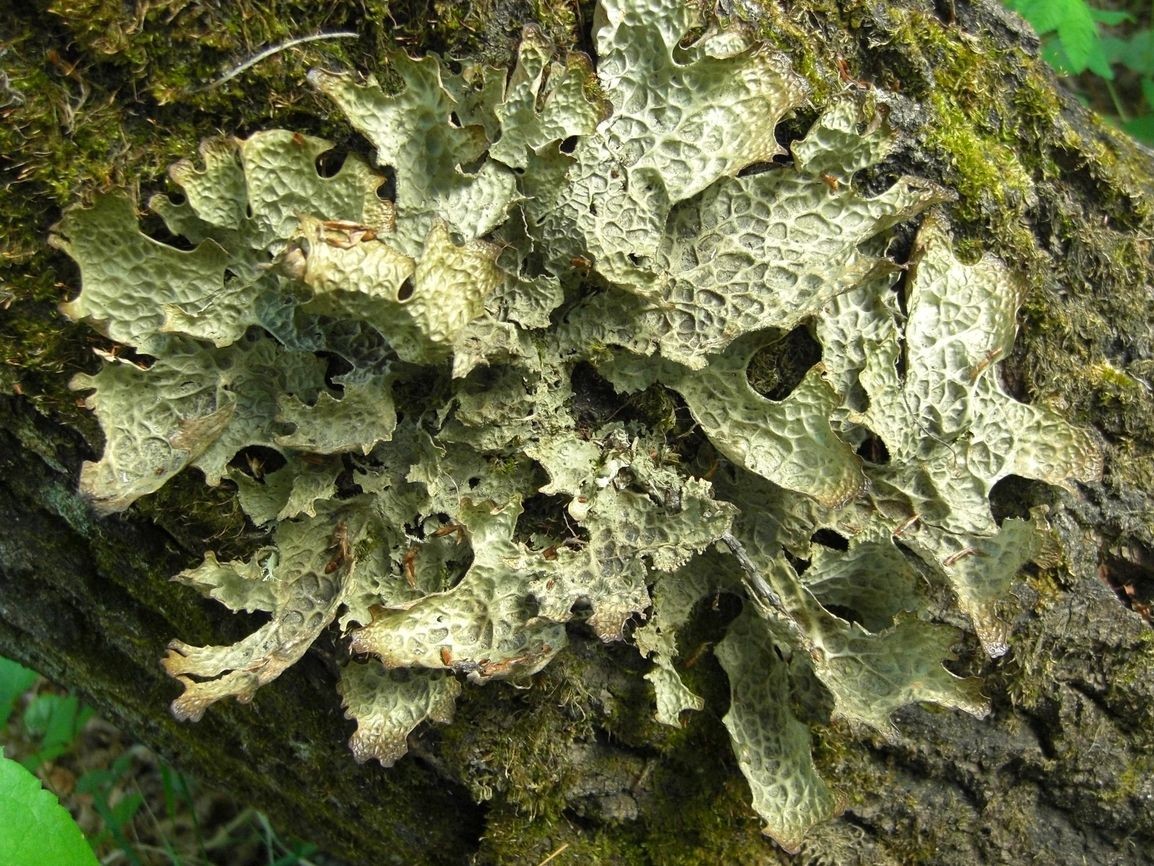
9. Tree lungwort
Tree lungwort is a green lichen that can be found in humid areas of North America, Europe, and Asia. It grows regularly on trees, rocks, and in urban areas rich with moss. It can be used as a dye. Animals may consume tree lungwort or use it as nesting material.
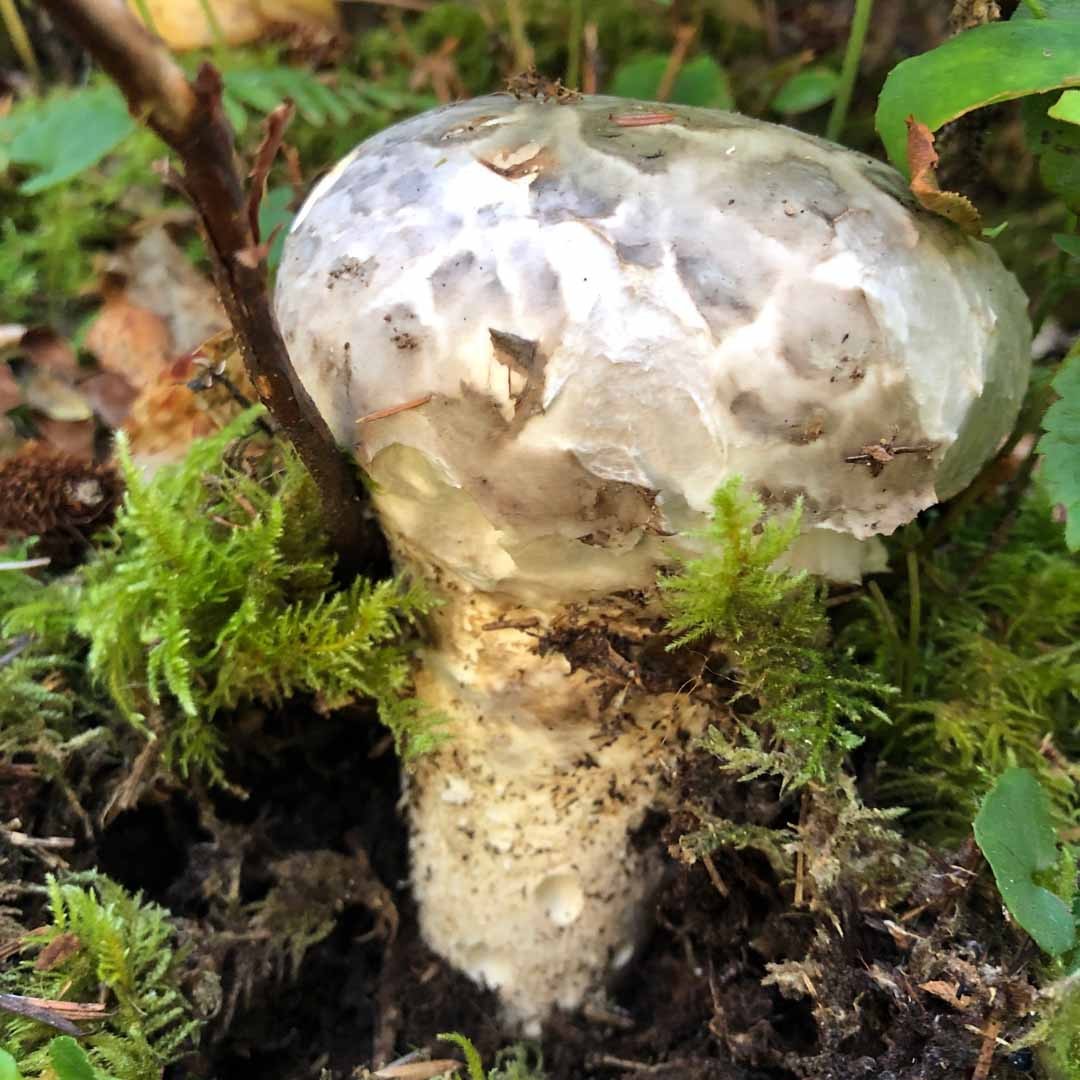
10. Swollen-stalked cat
Swollen-stalked cat can be found growing during the fall under conifer trees, especially firs and spruce. It is large, tough, and has a stem that extends deep into the ground. This mushroom can appear similar to the prized edible American matsutake, but swollen-stalked cat lacks that species' strong scent.

More







