




Top 20 Most Common Mushrooms in Belize
Delve into the intriguing world of fungi with our fascinating compilation of the top 20 most common mushrooms in Belize. A nation known for its exceptional biodiversity, Belize's climate and rich soils collaborate to foster a conducive habitat for a wealth of unique mushroom species. Discover the remarkable variety and unique attributes that distinguish these mushrooms in the lush landscapes of this biodiverse paradise. Infused with local color and knowledge, this enriching guide to Belize's fungi uncovers the hidden treasures of its misty jungles and plentiful forests.

Most Common Mushrooms
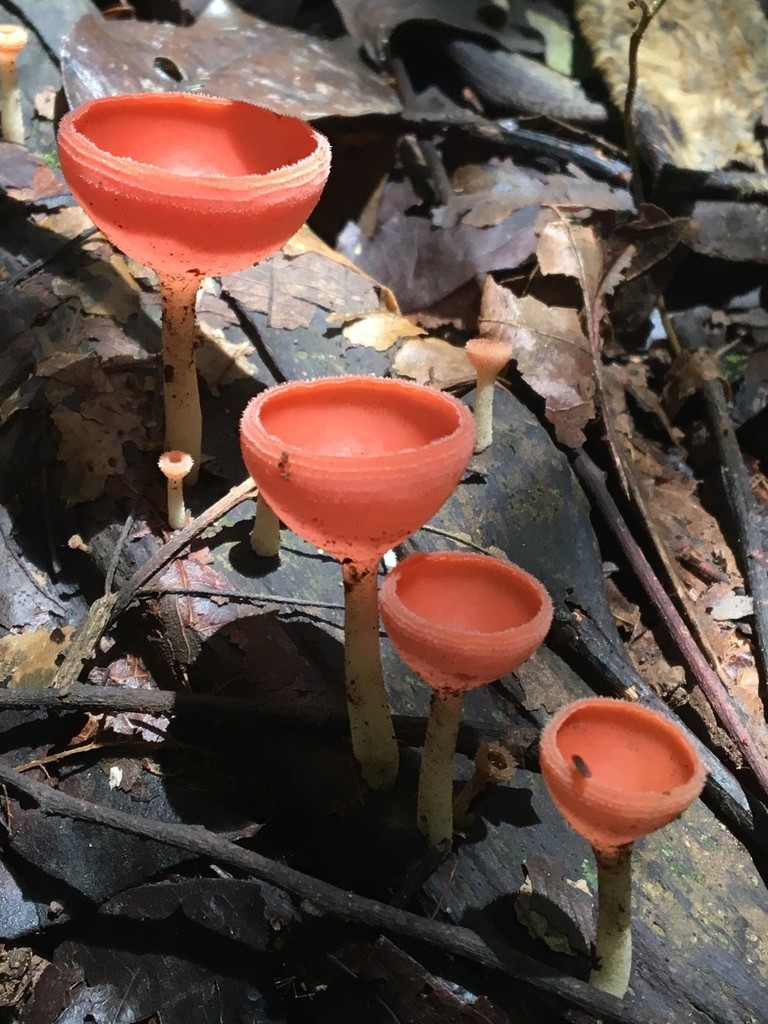
1. Cookeina speciosa
Cookeina speciosa is a hose mushroom from the family of the cupbearer relatives.
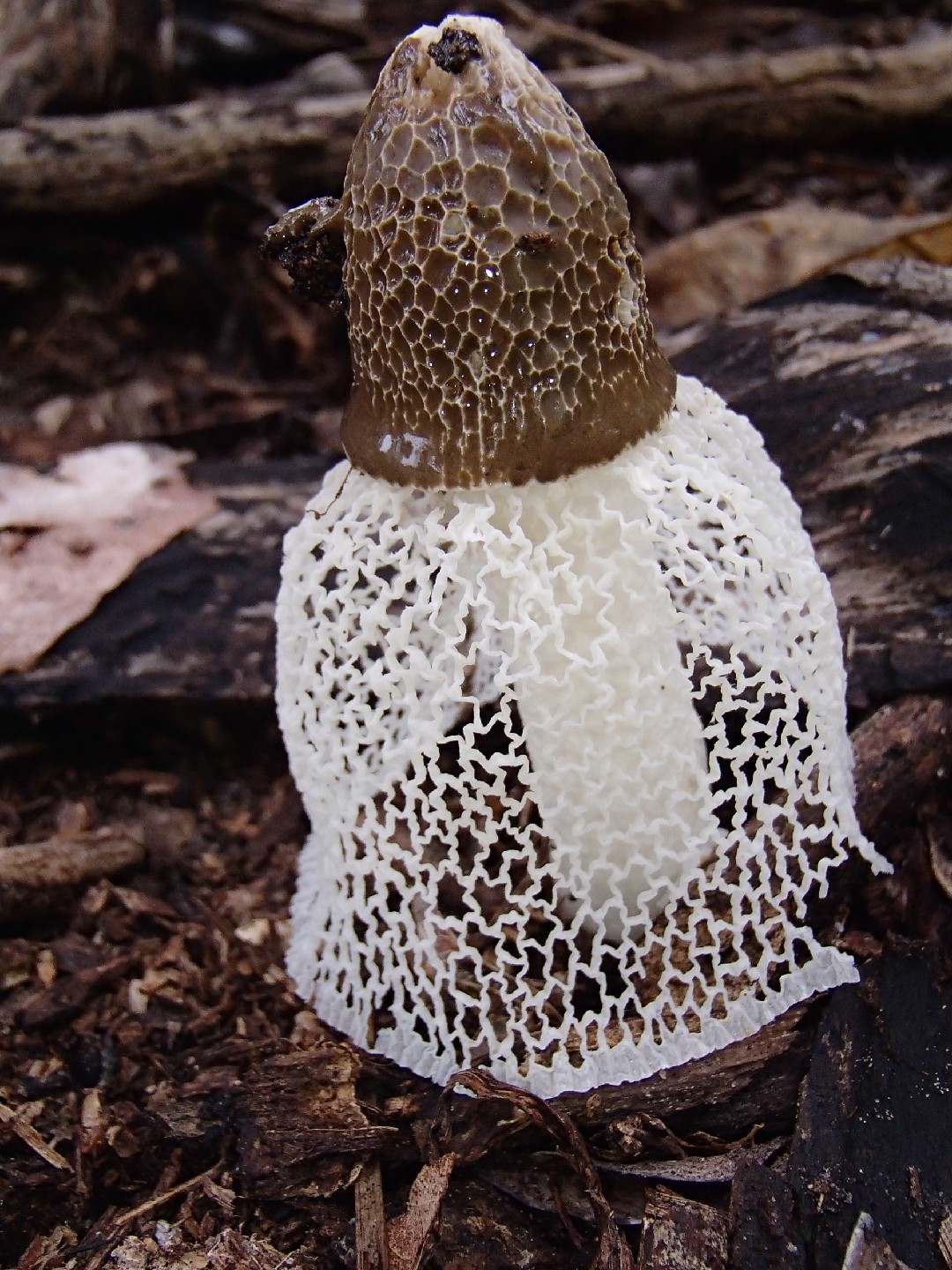
2. Bridal veil stinkhorn
Bridal veil stinkhorn (Phallus indusiatus) can be found rising up from the ground in tropical forests around the world. A distinctive netted fringe “skirt” descends from the cap along the length of the stalk. A type of “stinkhorn,” the fruitbodies of this species produce scents that vary between sickly-sweet to just plain unpleasant. The odor is meant to attract insects that usually lay their eggs in carrion.
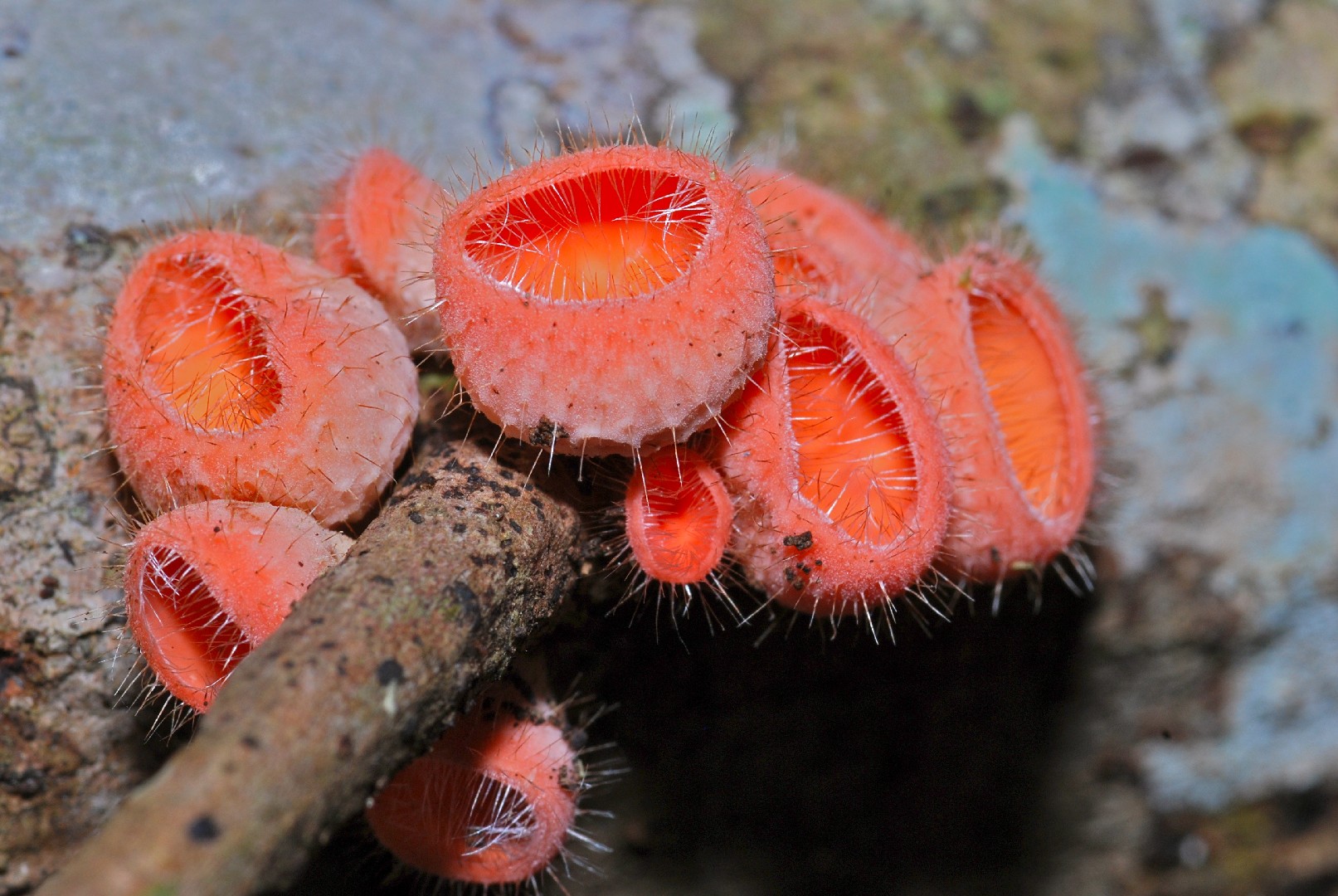
3. Cookeina tricholoma
Cookeina tricholoma is a hose mushroom from the family of the Kelchbecherlingsverwandten.
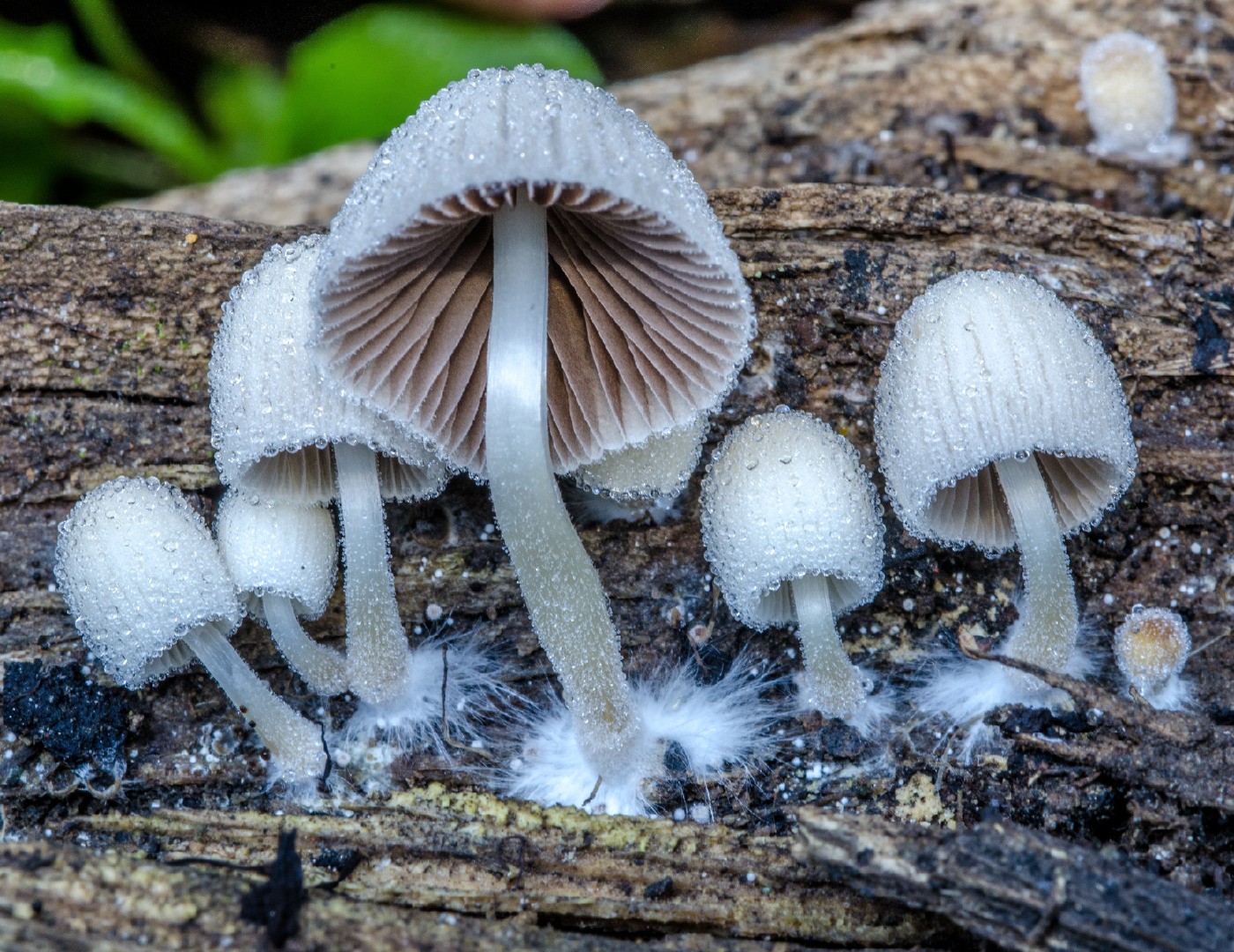
4. Fairy inkcap
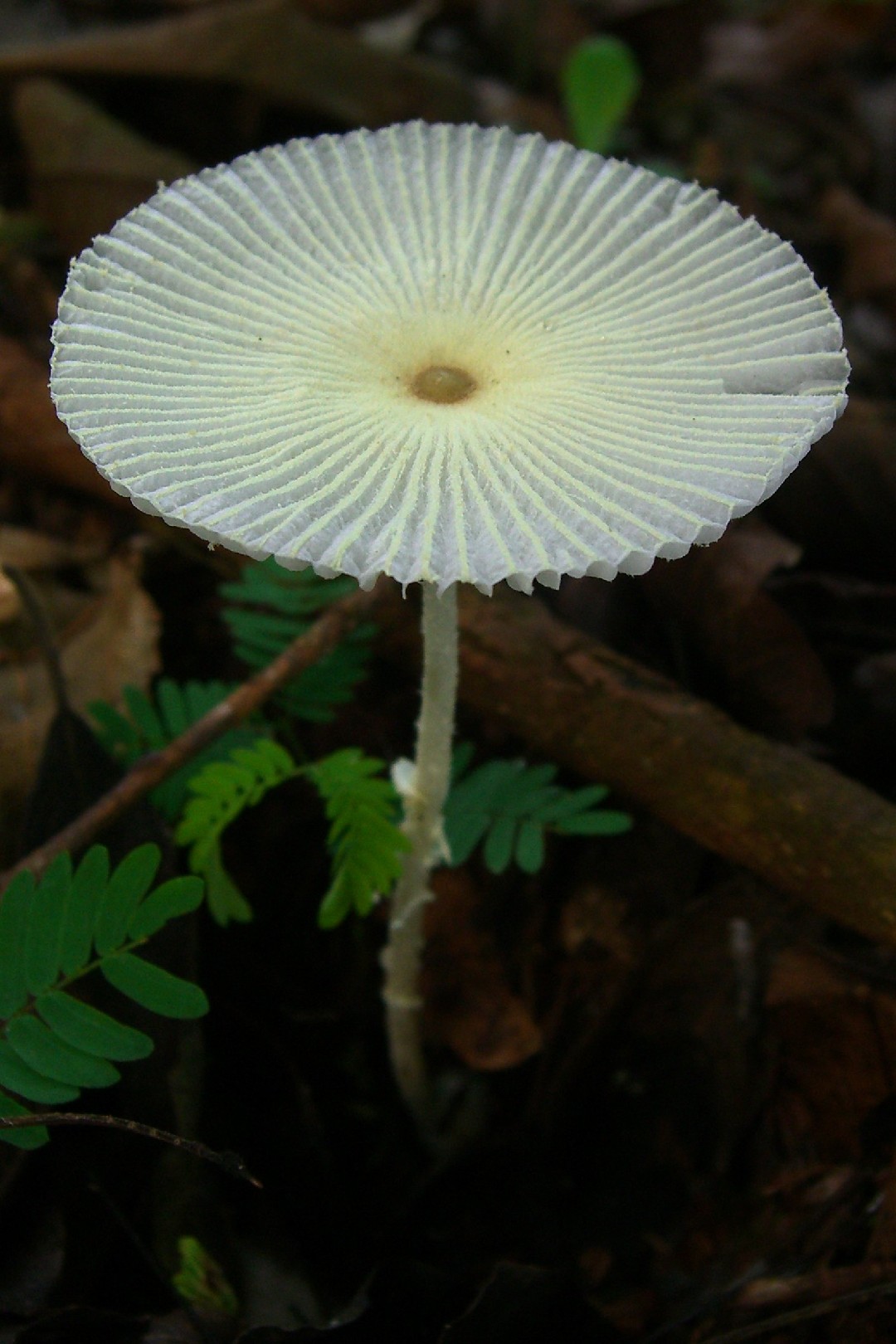
The mushrooms of the fairy inkcap species have a tendency to congregate in large masses over dead tree stumps and decaying roots. They appear all around the world from early spring all the way to the first frosts, but each fruit only lasts a few days before turning black and distributing its spores.
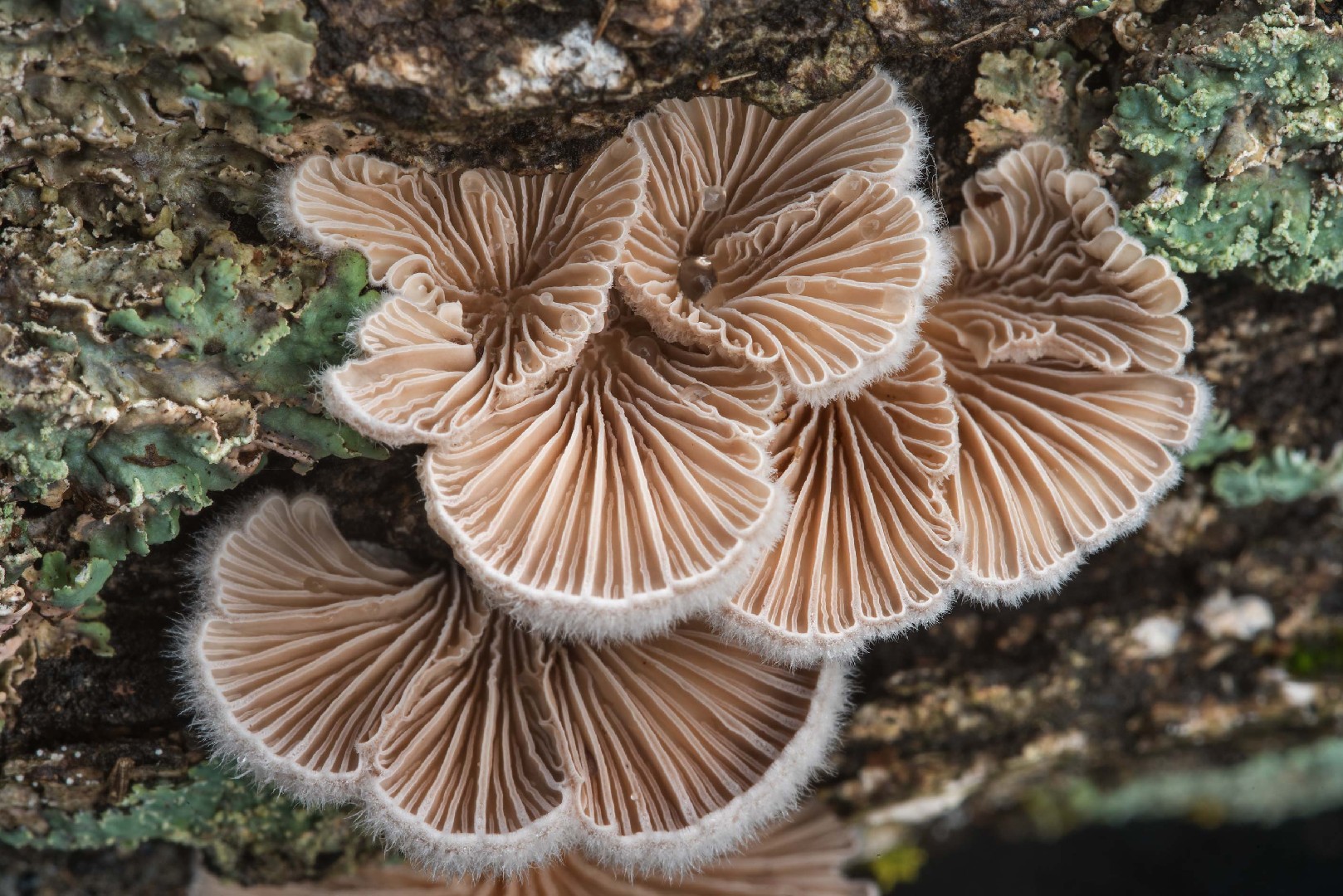
5. Split gill
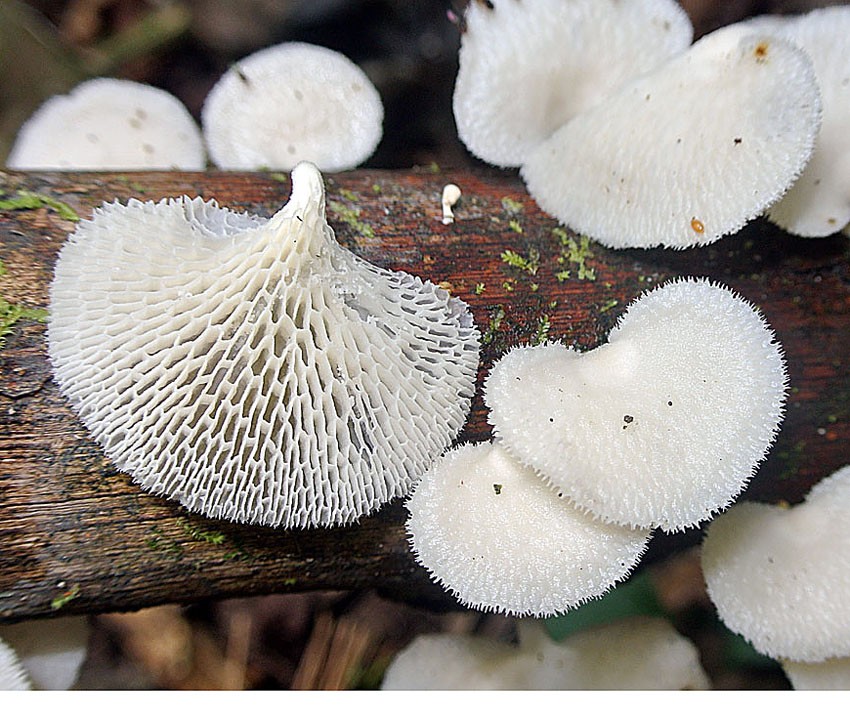
Split gill(Schizophyllum commune) can be found across the globe. Uniquely, it is the only mushroom species known to display the capability to retract by movement. It is considered inedible, although not necessarily toxic. Furthermore, it is not recommended to smell this species, as the spores are capable of sprouting and growing in nasal passages.
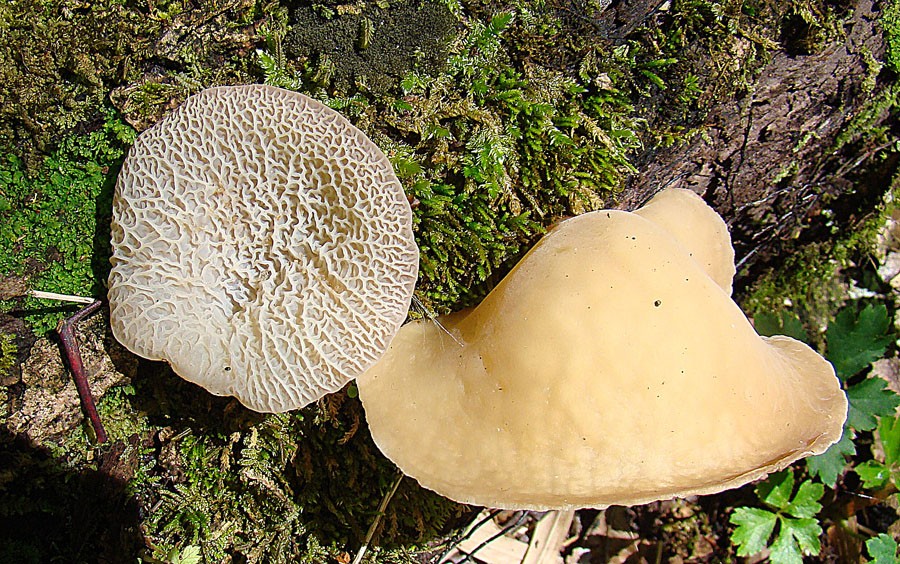
6. Jelly ear
Jelly ear was utilized by traditional Neotropical communities. Jelly ear is easily identified by the reticulate veining of its cap. It is a gelatinous fungus that has been discovered on the moss of living trees as well as fallen tree branches. It can obtain sustenance from organic matter that is in a state of decay.
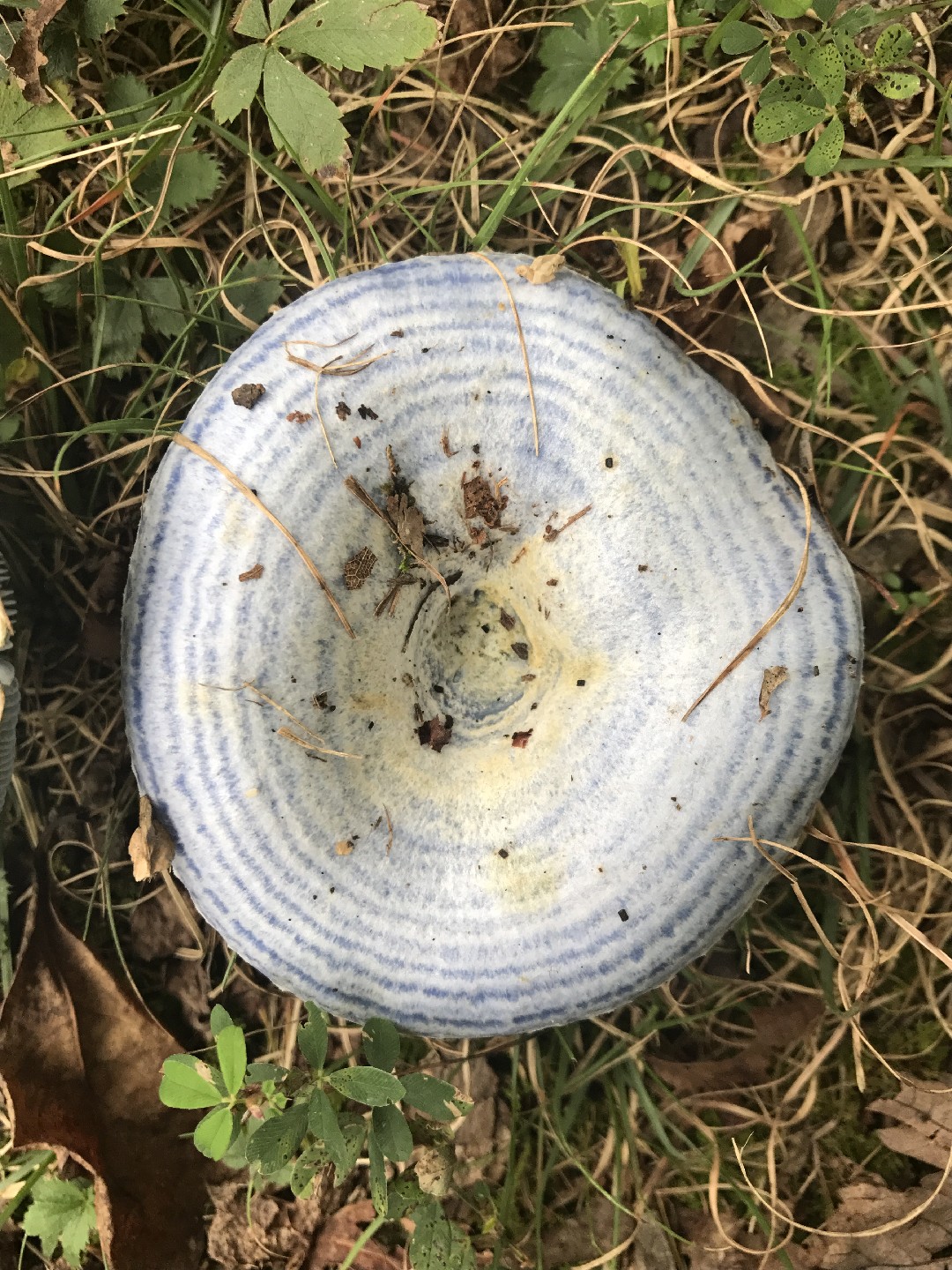
7. Indigo milk cap
This gorgeous species is unlike any other. The indigo milk cap, a member of the often-drab russula family, is deep blue in color. Like other milk caps, it bleeds a latex-like substance when cut or damaged, but instead of the usual white this species bleeds deep blue.
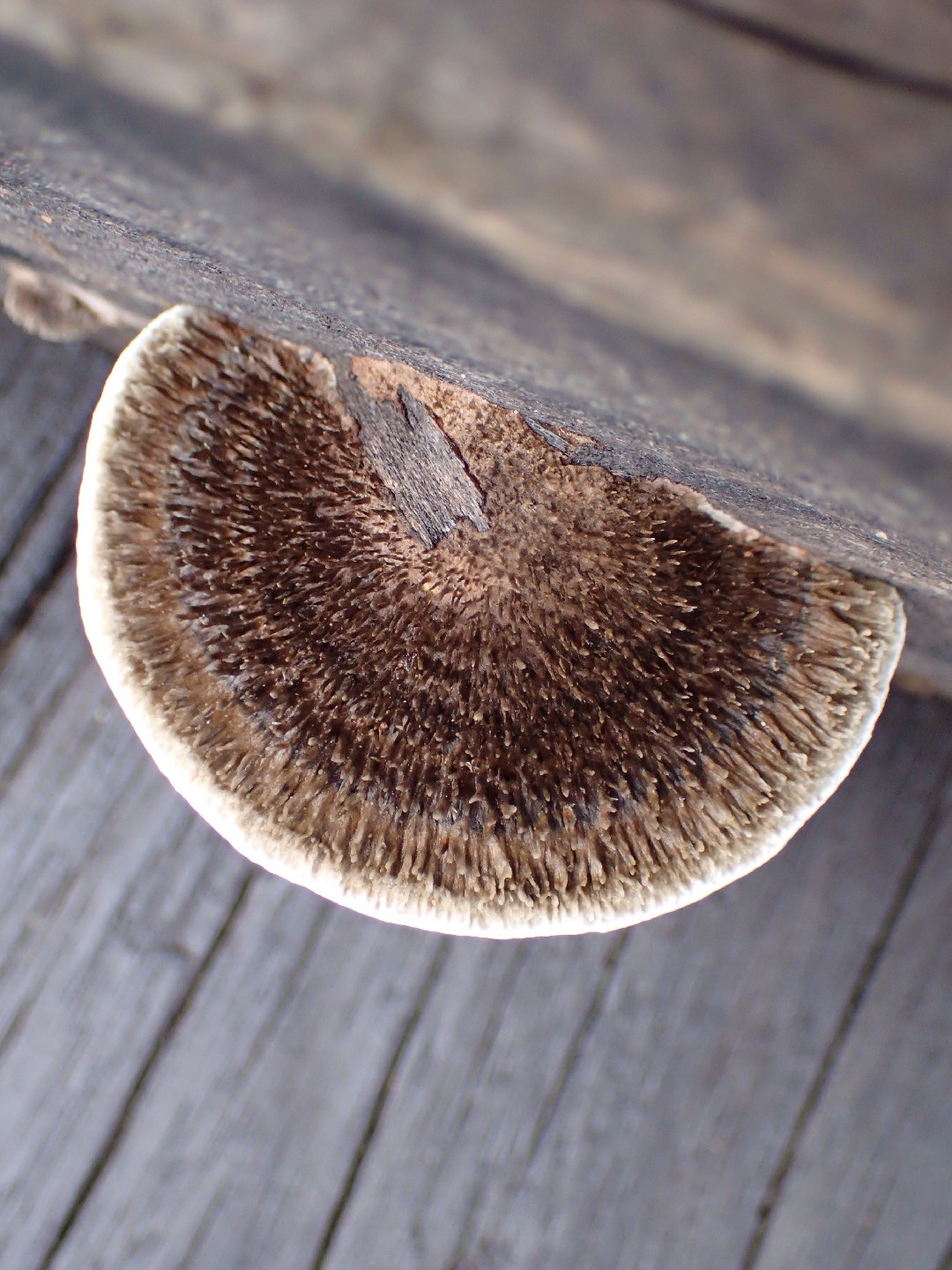
8. Hairy hexagonia
The hairy hexagonia (Hexagonia hydnoides) is not the most common mushroom you'll find, but has very distinctive qualities. Stiff, dark brown, bristle-like hairs emerge from an ochre flat cap and are found growing from a decaying tree stump or wood. The large pores on the cap's underside create an almost sponge-like appearance, and the stem is otherwise not visible.
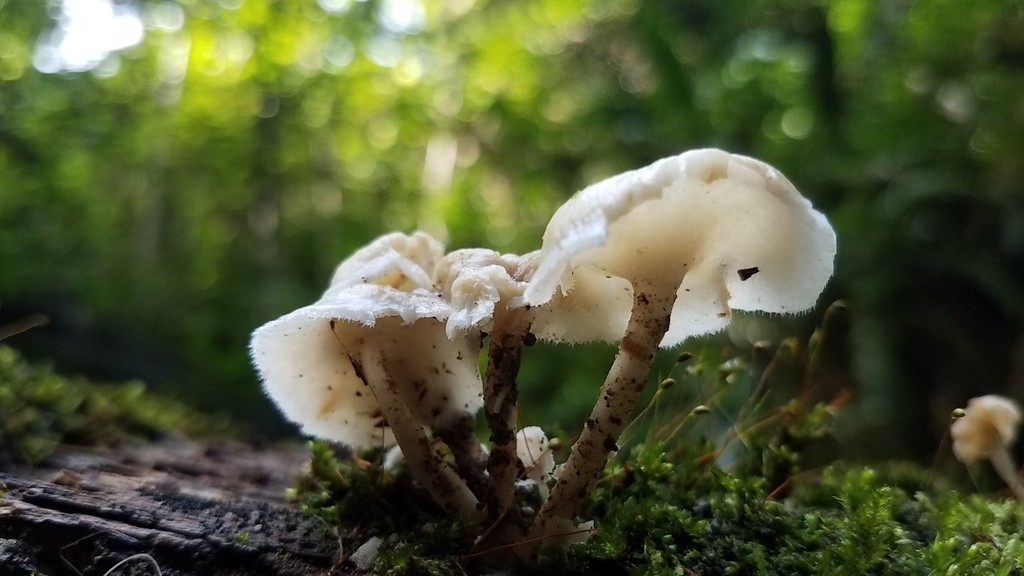
9. Lentinus flexipes
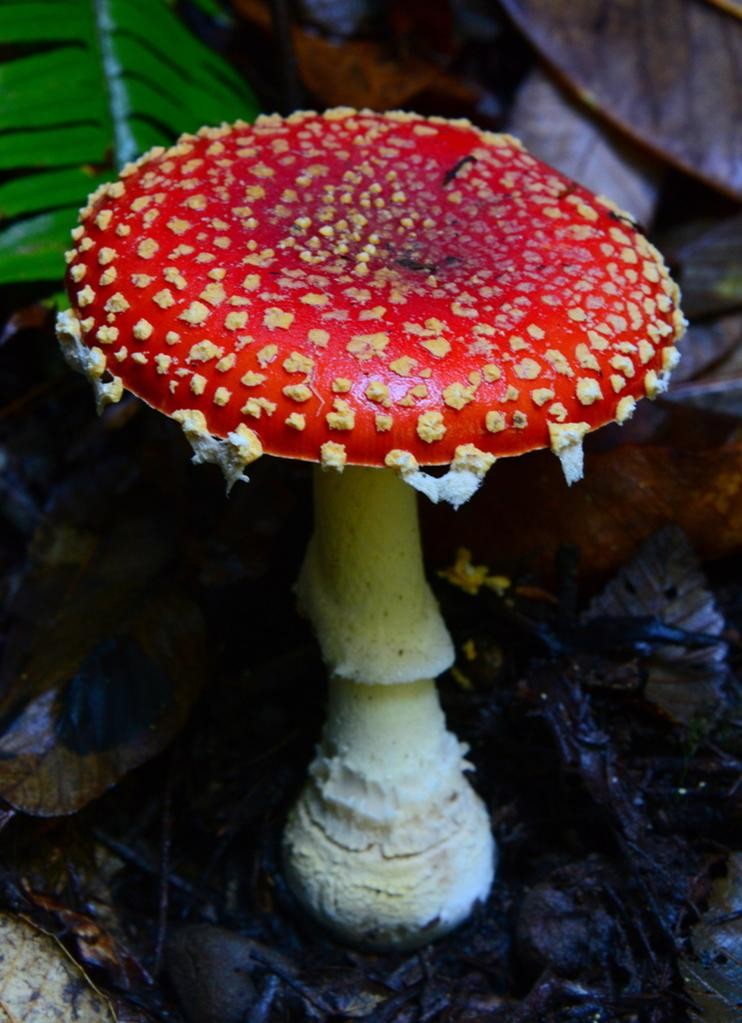
10. Fly agaric
In Northern Asia and Europe, fly agaric grows under trees near the winter solstice and is collected for ritual use tied to the season. Its characteristic shape and coloring are still ubiquitous in many European fairy tale illustrations and Christmas traditions. It is highly toxic.

More







