




Top 20 Most Common Mushrooms in Cairns

Most Common Mushrooms
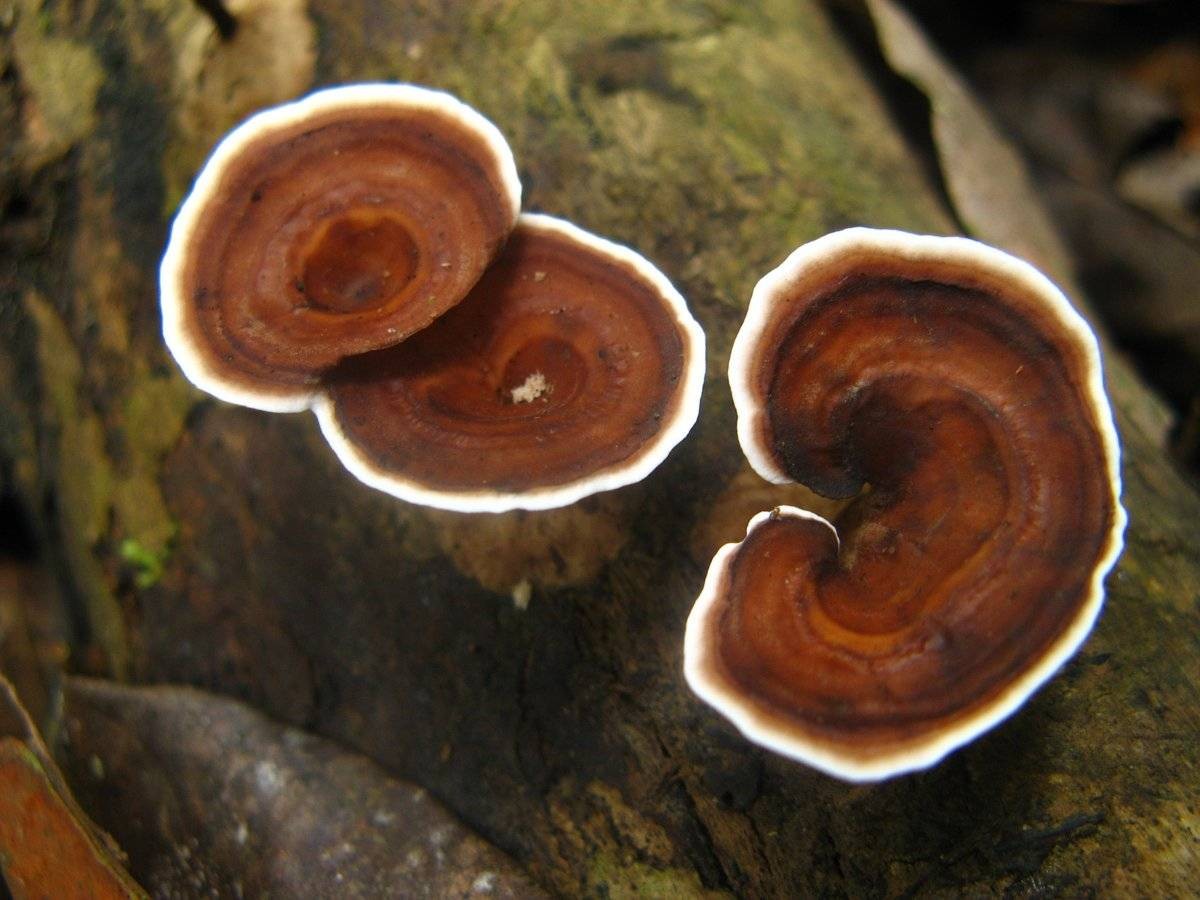
1. Yellow-footed micropore
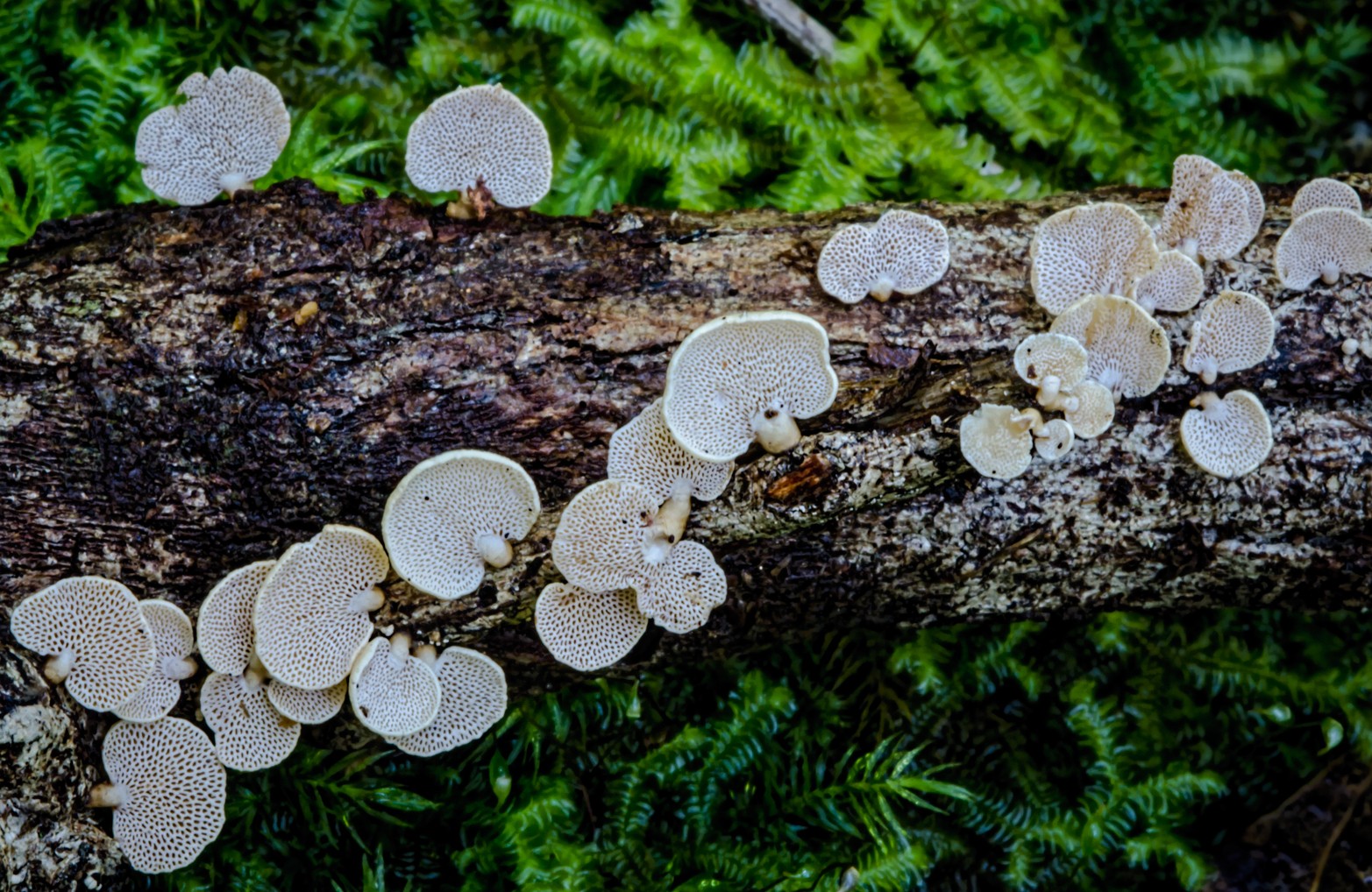
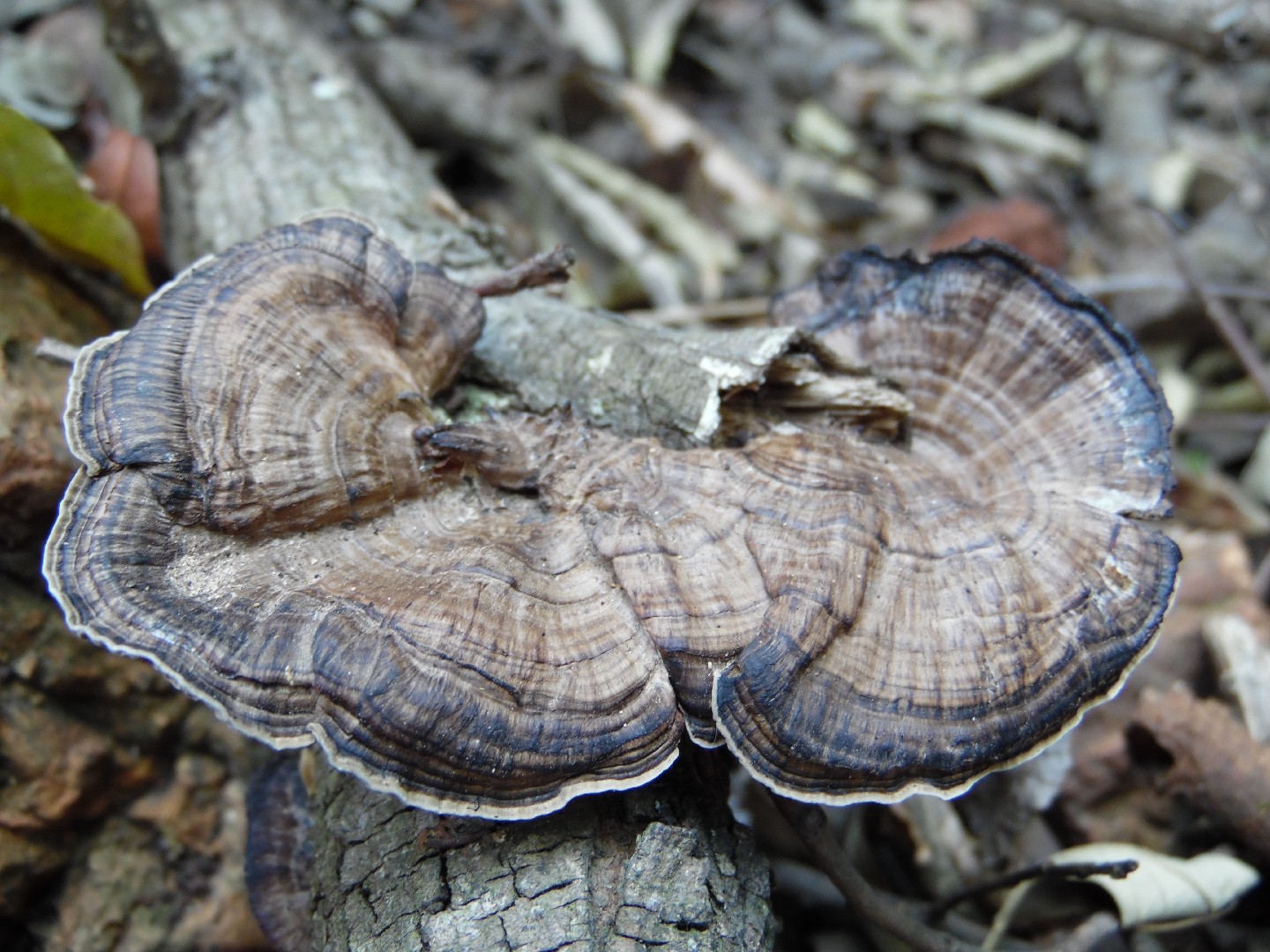
The scientific name of the yellow-footed micropore (Microporus xanthopus) translates to “tiny-pored yellow foot.” Its short stem is usually yellow, leading up to a concave, funnel-like cap. The species is common in all the tropics of the world outside of the Americas. The striated, multi-hued caps grow largest in wet, darkly-shaded locations.
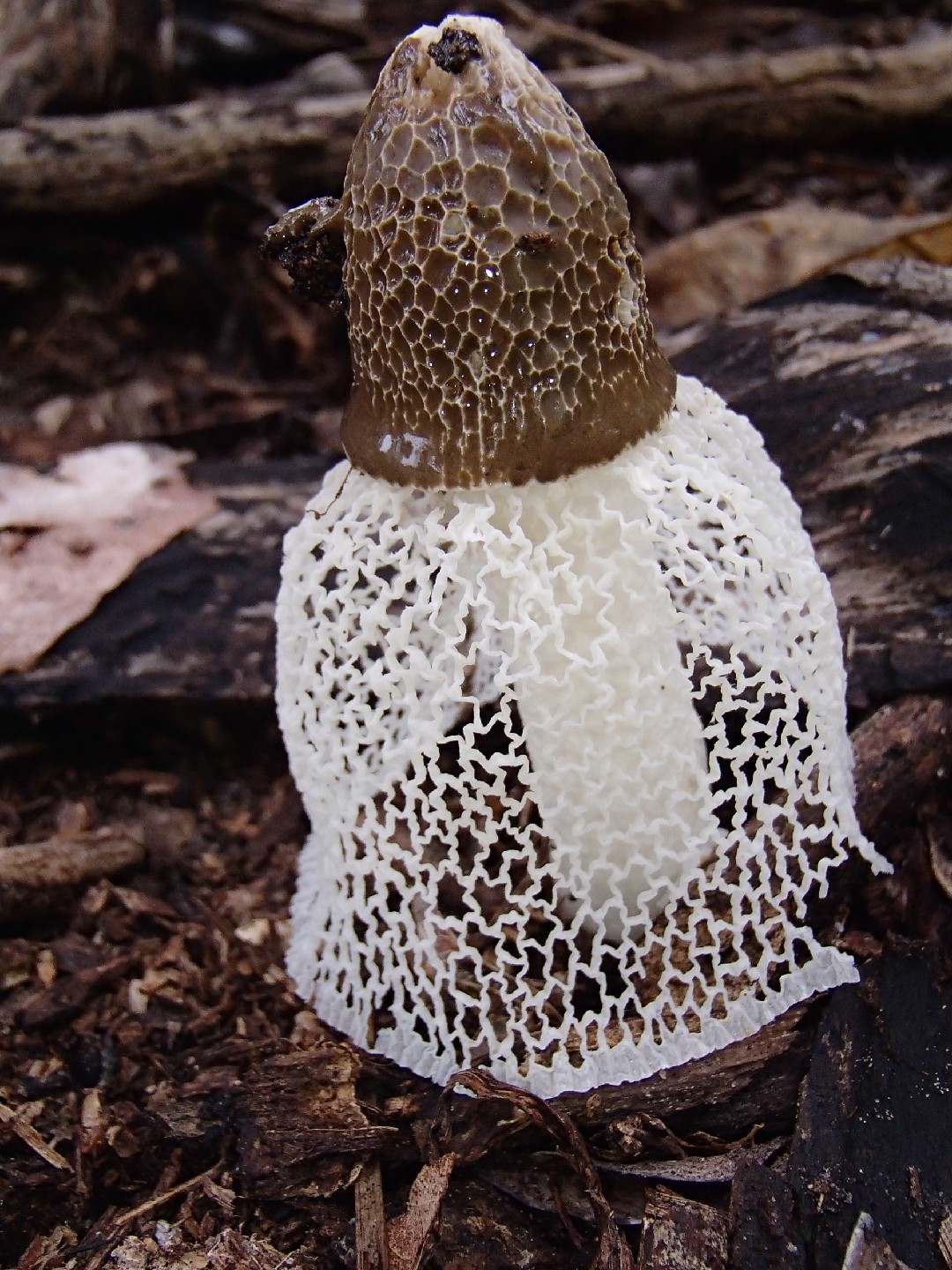
2. Bridal veil stinkhorn
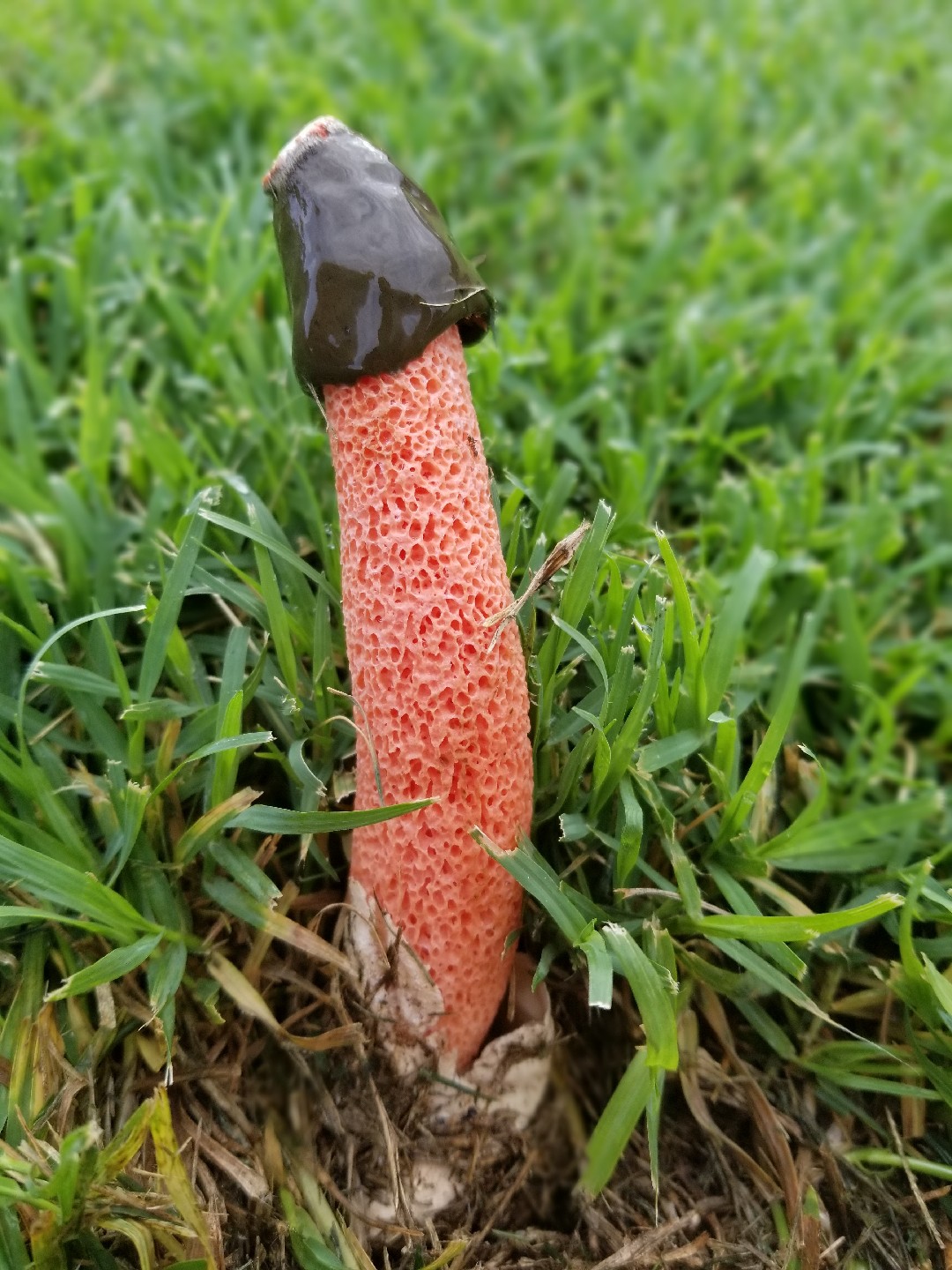
Bridal veil stinkhorn (Phallus indusiatus) can be found rising up from the ground in tropical forests around the world. A distinctive netted fringe “skirt” descends from the cap along the length of the stalk. A type of “stinkhorn,” the fruitbodies of this species produce scents that vary between sickly-sweet to just plain unpleasant. The odor is meant to attract insects that usually lay their eggs in carrion.
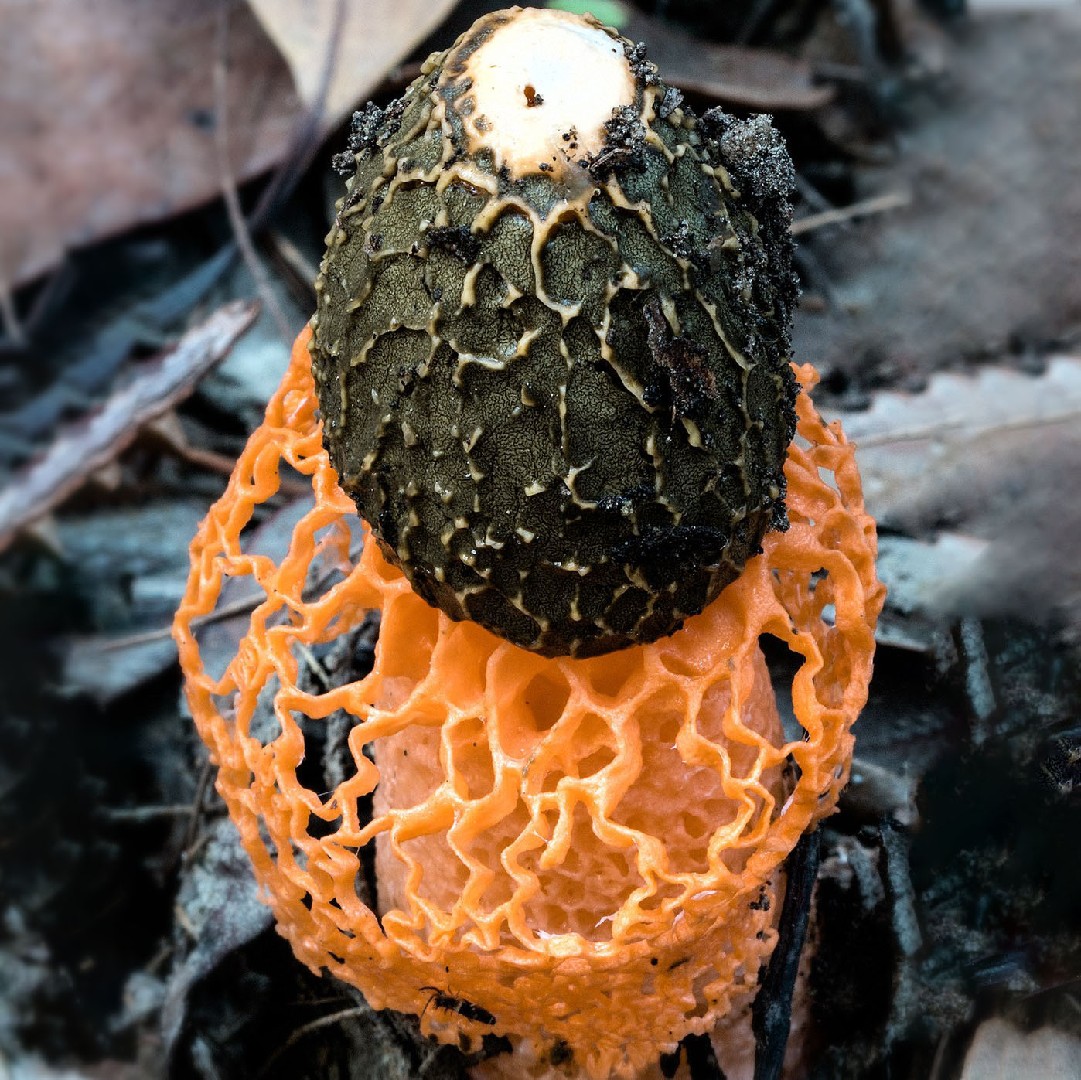
3. Yellow bridal veil stinkhorn
Yellow bridal veil stinkhorn is a species of stinkhorn that occurs in the tropics around the world. Its brownish slime releases a very distinctive and unpleasant smell that attracts flies and other insects. It can be found on the ground, growing among dead leaves and wood chips. 
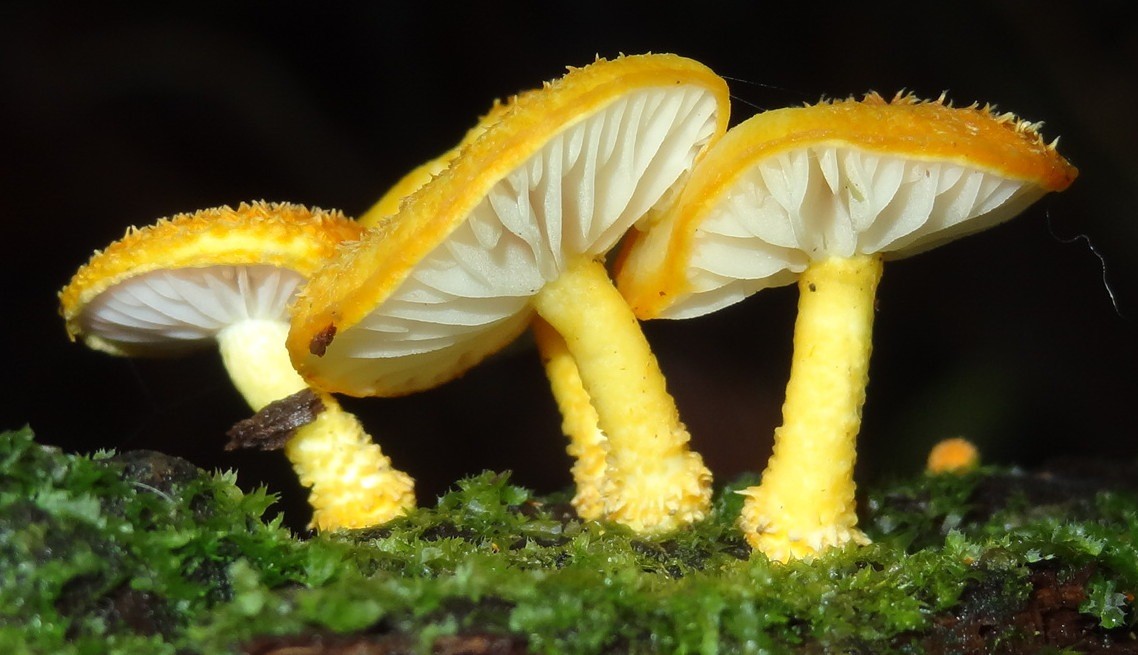
4. Golden scruffy collybia
The golden scruffy collybia (Cyptotrama asprata) produces tiny, picturesque mushrooms with caps and stems covered in even tinier bright orange spikes. The cap surface below is commonly a shade of yellow. These mushrooms smell faintly of artichokes.
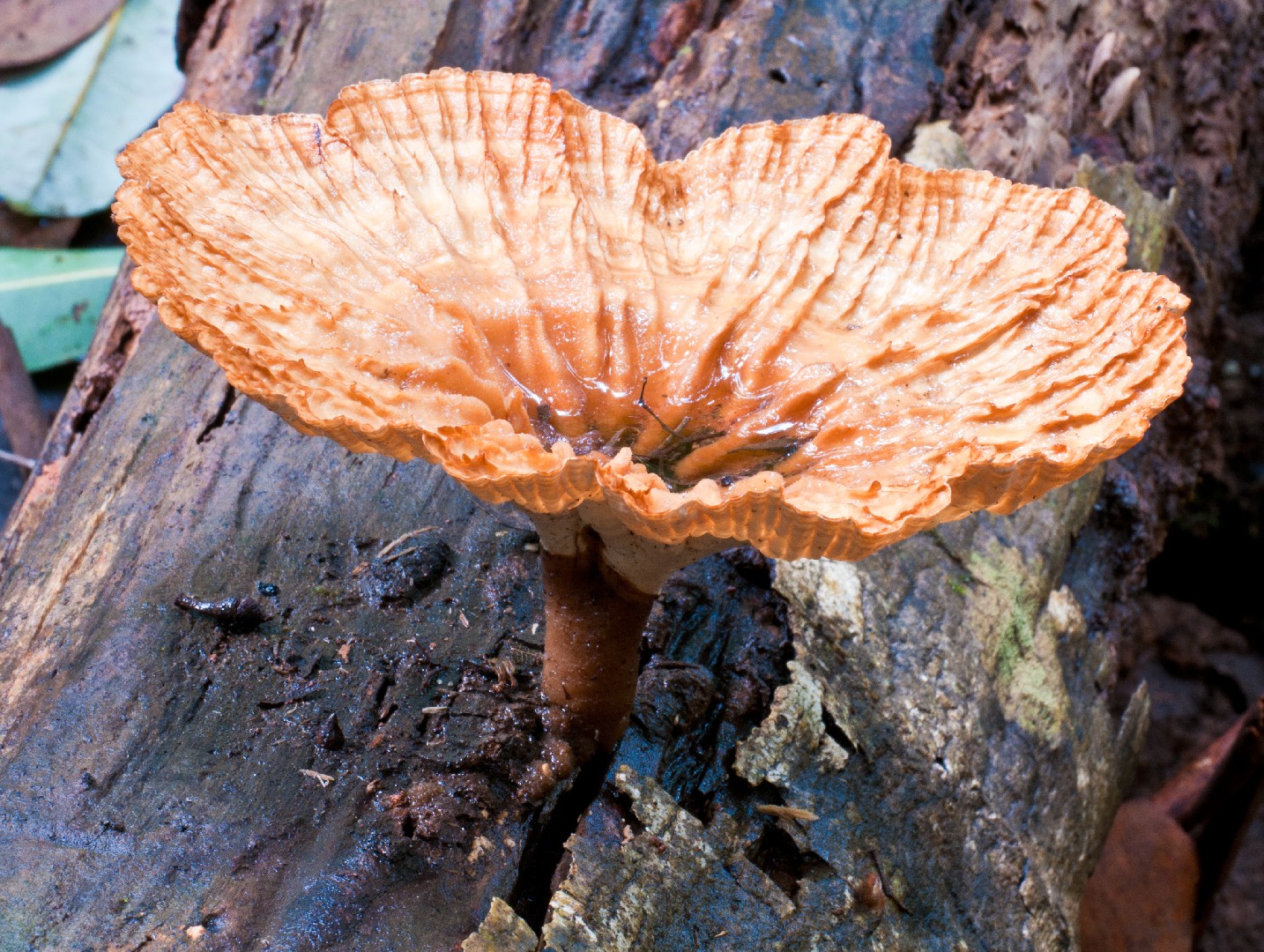
5. Cymatoderma elegans
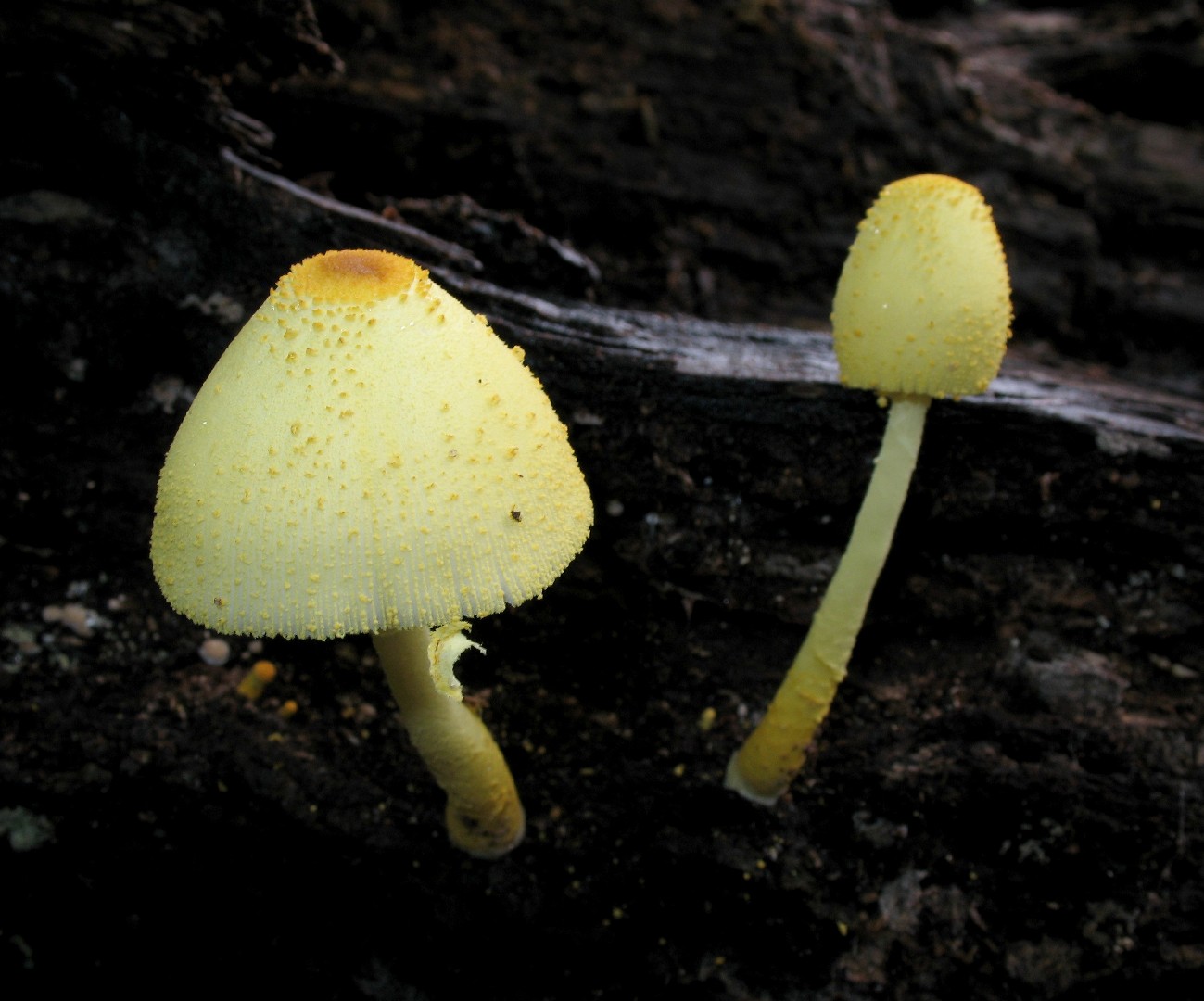
6. Flowerpot parasol
This tropical/subtropical mushroom is known to be toxic. If eaten it causes a very unpleasant stomachache with the risk of fatal complications. In temperate zones, flowerpot parasol is only found in hothouses and greenhouses, so the risk of accidental foraging is low, but it may occur with potted plants and indoor landscaping and pose a risk to curious children.
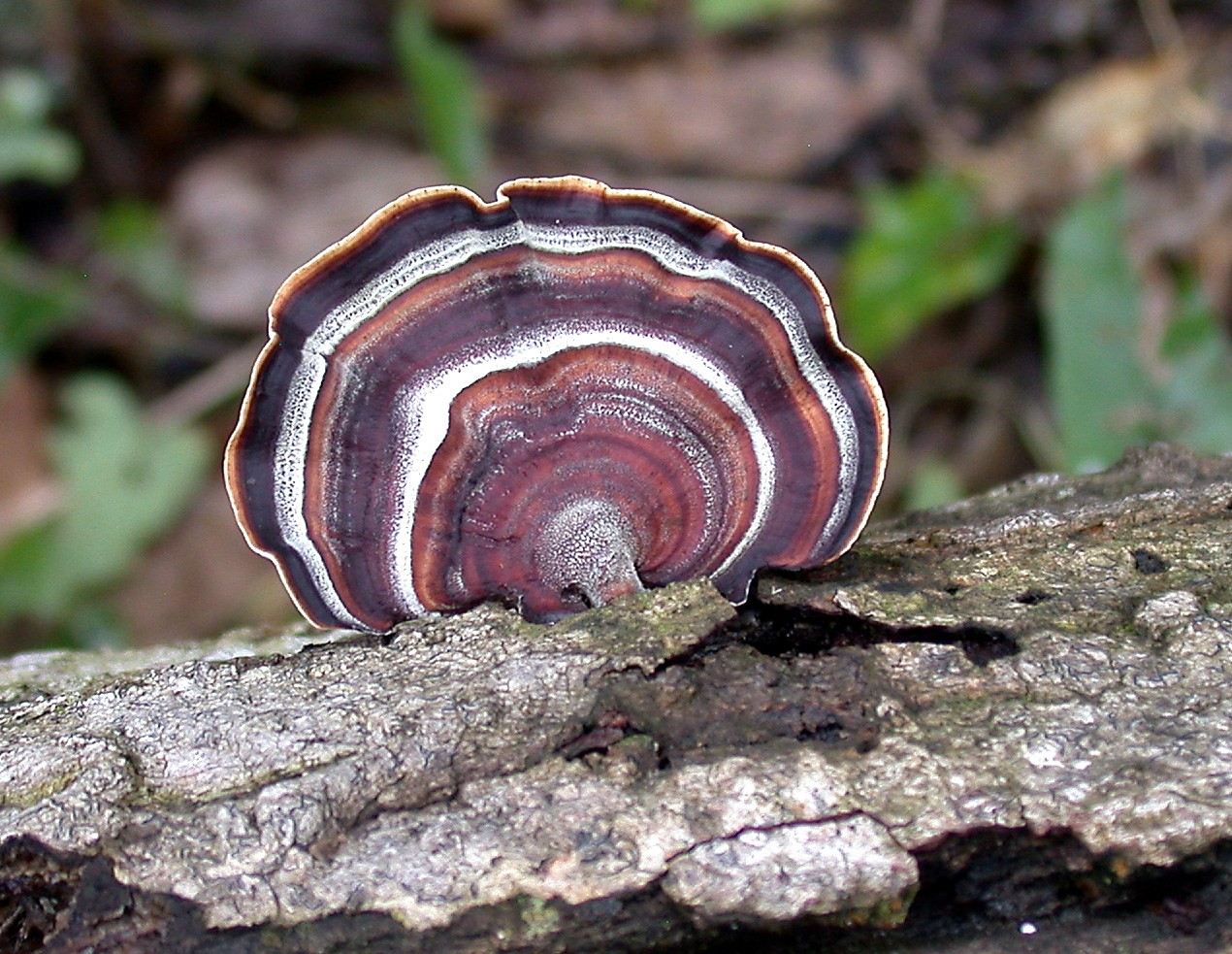
7. Microporus affinis
Adjacent microporous bacteria, belonging to the family Poaceae, are small and medium-sized mushrooms saprophytic. The mushrooms grow in low-middle-altitude forest areas such as China, and the growth period is between spring and summer.

8. Mauve parachute
The tiny mauve parachute (Marasmius haematocephalus) is a miniature delight. A broad, delicate, brightly-hued cap sits like an open umbrella atop a slender, delicate, darkly-colored stalk. In dry conditions, the caps shrivel and become near-invisible beneath the detritus of the forest floor, but the next rain will open these hardy little mushrooms right back up again.
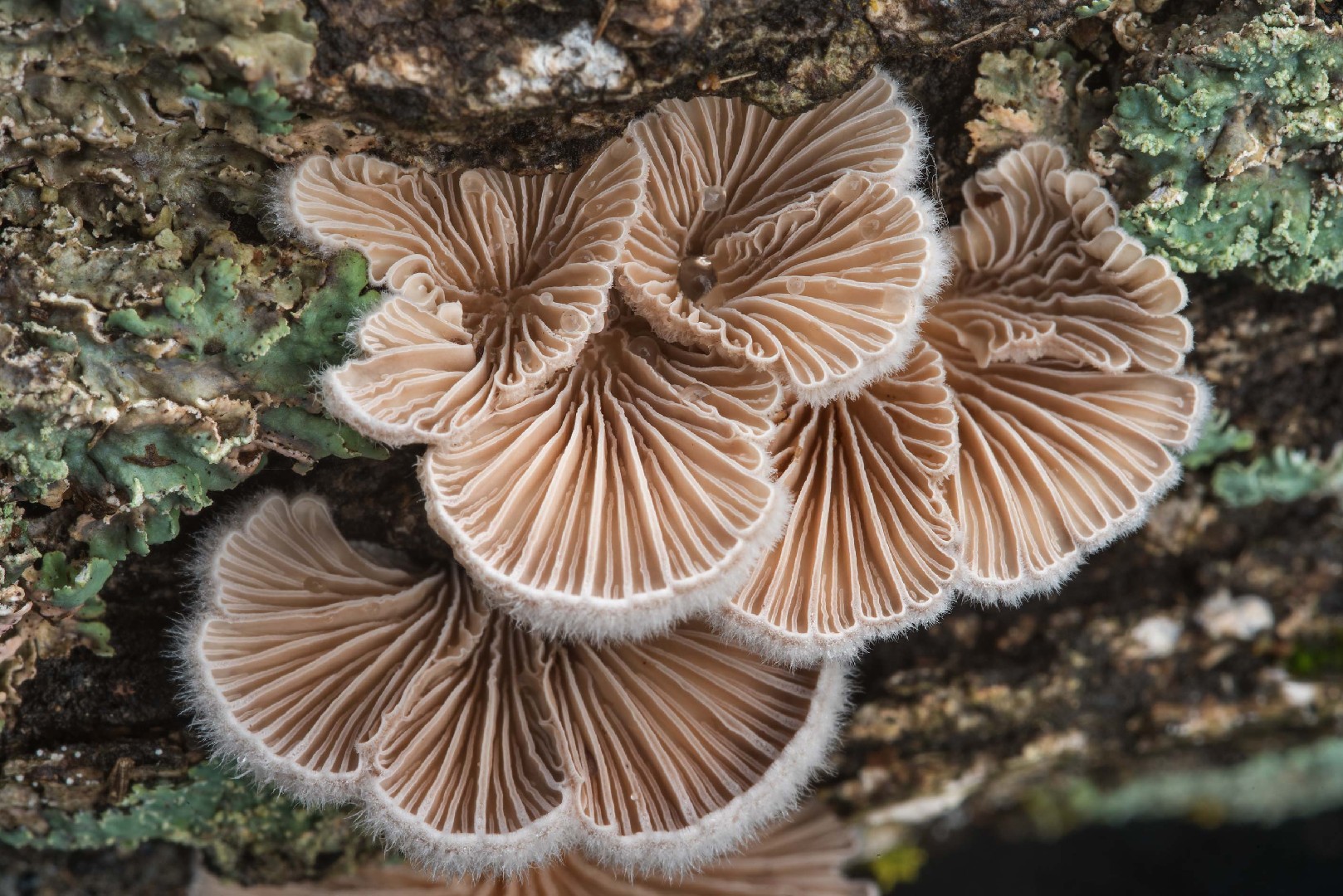
9. Split gill
Split gill(Schizophyllum commune) can be found across the globe. Uniquely, it is the only mushroom species known to display the capability to retract by movement. It is considered inedible, although not necessarily toxic. Furthermore, it is not recommended to smell this species, as the spores are capable of sprouting and growing in nasal passages.
10. White-rot fungus
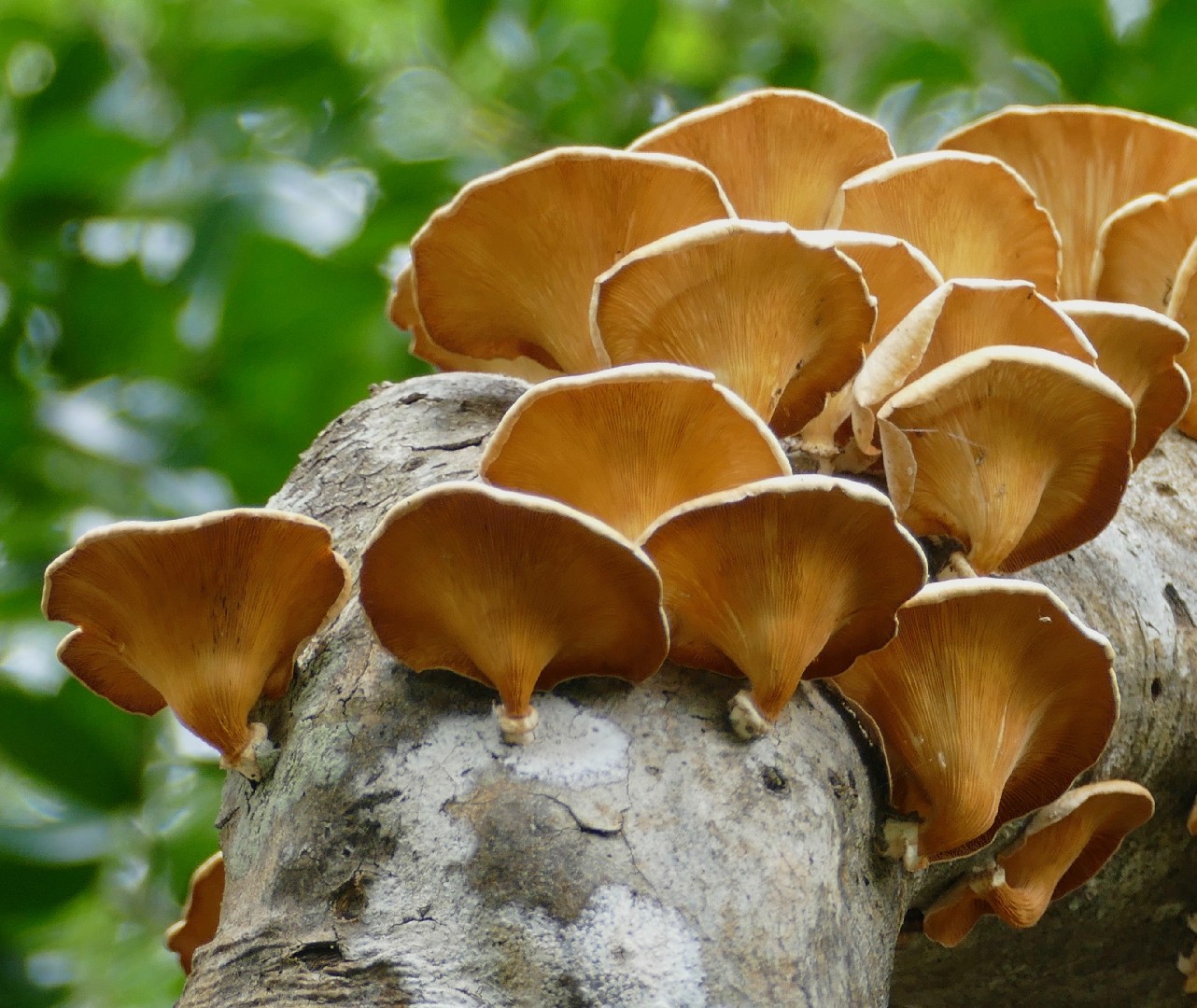
The white-rot fungus is known as a white-rot fungus and it's usually found growing on dead wood. When young, the mushroom is soft and leathery, but it becomes extremely tough as it matures, obtaining a funnel-shaped fruiting body.
More







