




Top 20 Most Common Mushrooms in Argentina
Explore the fascinating world of mycology in the diverse landscapes of Argentina. This country's unique climate and nutrient-rich soil, combined with the bustling local flora and fauna, create an ideal nurturing ground for myriad mushroom species. Get ready to delve into the top 20 most common mushrooms, a testament to Argentina's rich biodiversity. These 20 species serve as representatives of a much larger, spectacularly varied mycological treasure trove waiting to be discovered.

Most Common Mushrooms
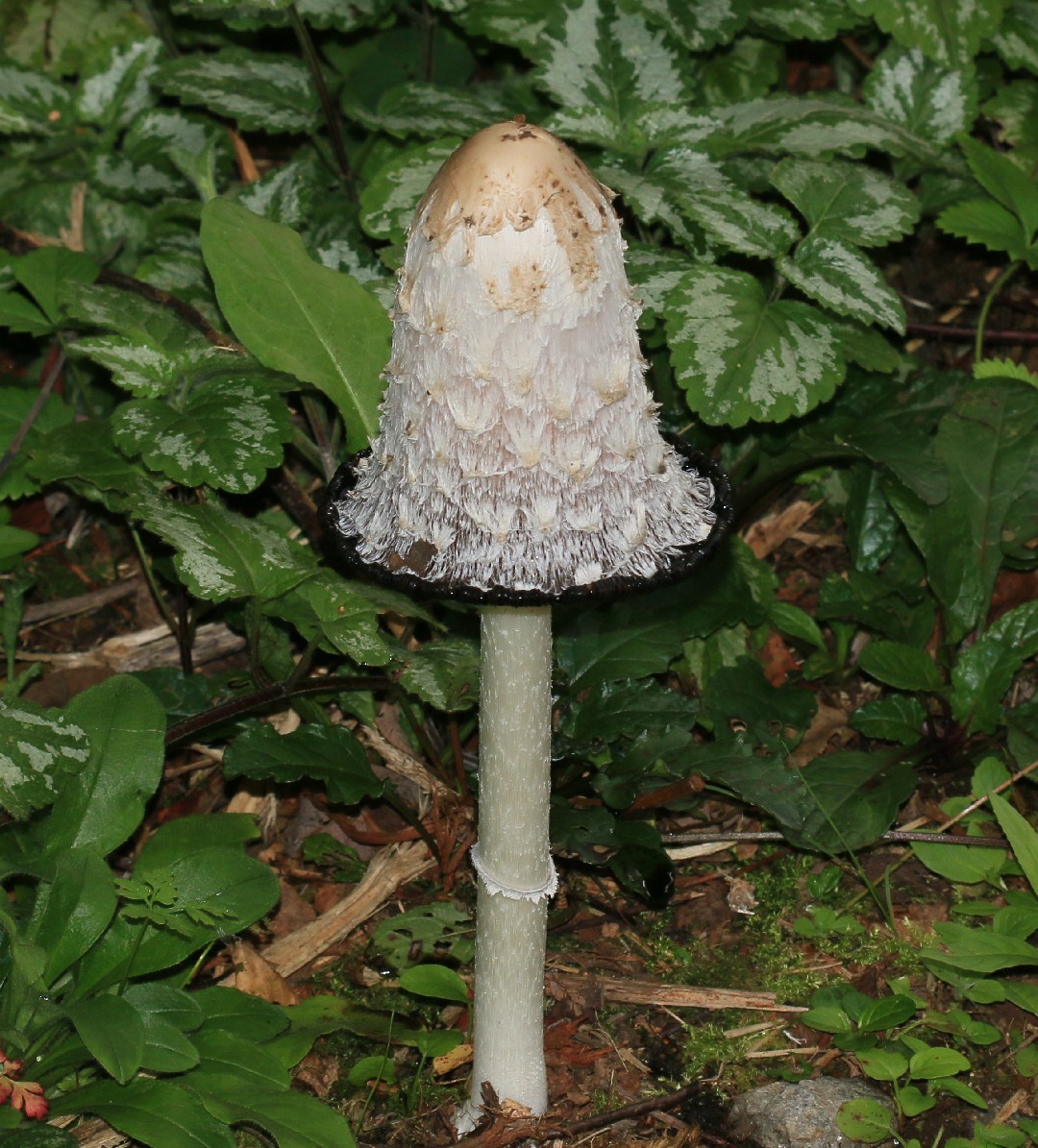
1. Shaggy mane
The shaggy mane mushroom is commonly found in North American and European grasslands. Some peoples foraged for its young egg-shaped caps, but it has more recently been found to be a bioaccumulator of heavy metals, meaning it pulls toxic metals up from the soil where it grows. As a result, shaggy manes should not be eaten. The mushrooms usually appear in clusters or “fairy rings.”
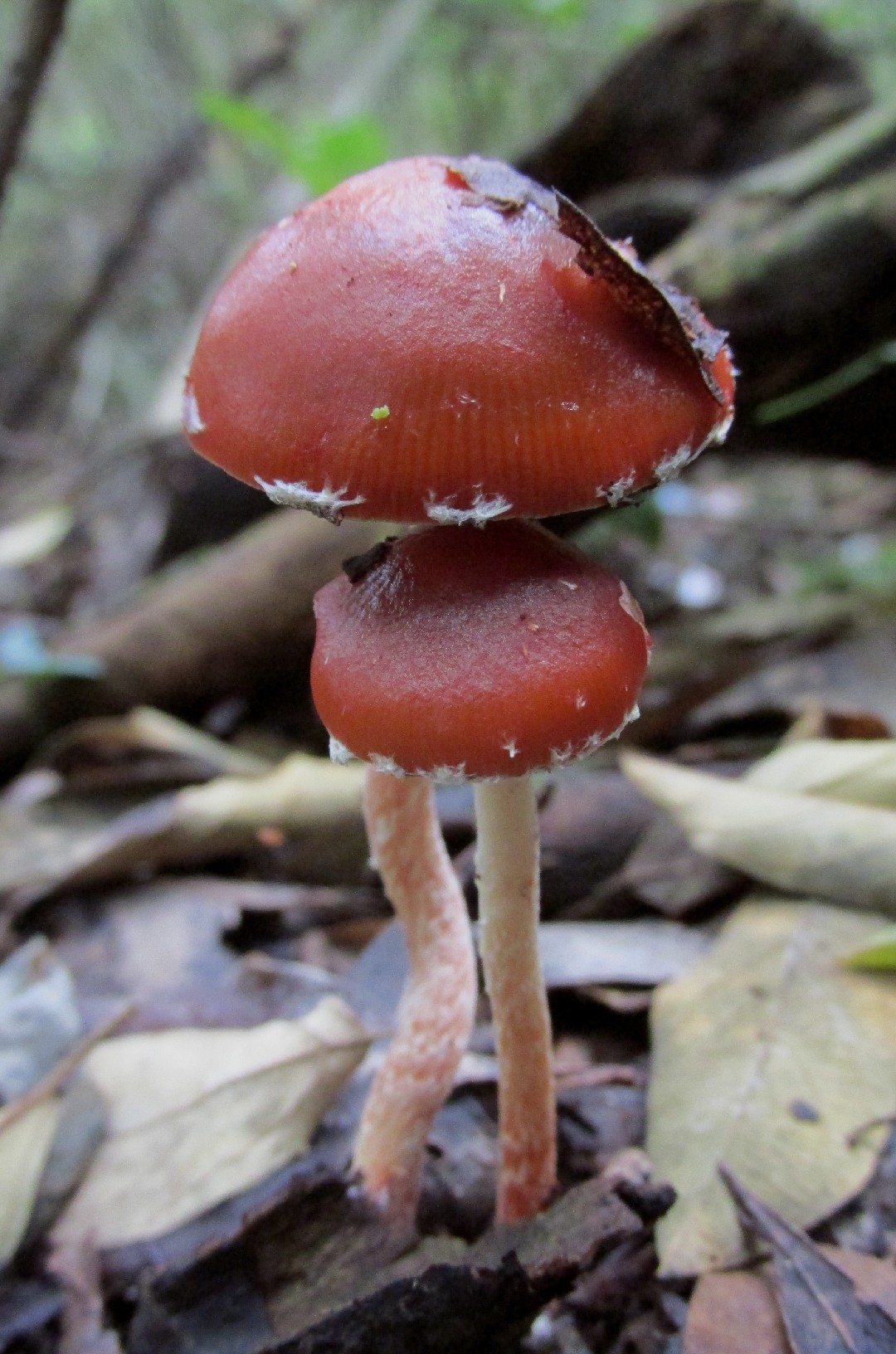
2. Redlead roundhead
This colorful mushroom grows most commonly on woodchip mulch and in sandy pine forests of coastal areas around the world. The redlead roundhead is believed to have originated in Australia. It may look pretty enough to eat, but don’t; it is bitter, toxic, non-digestible, and likely to cause an upset stomach.
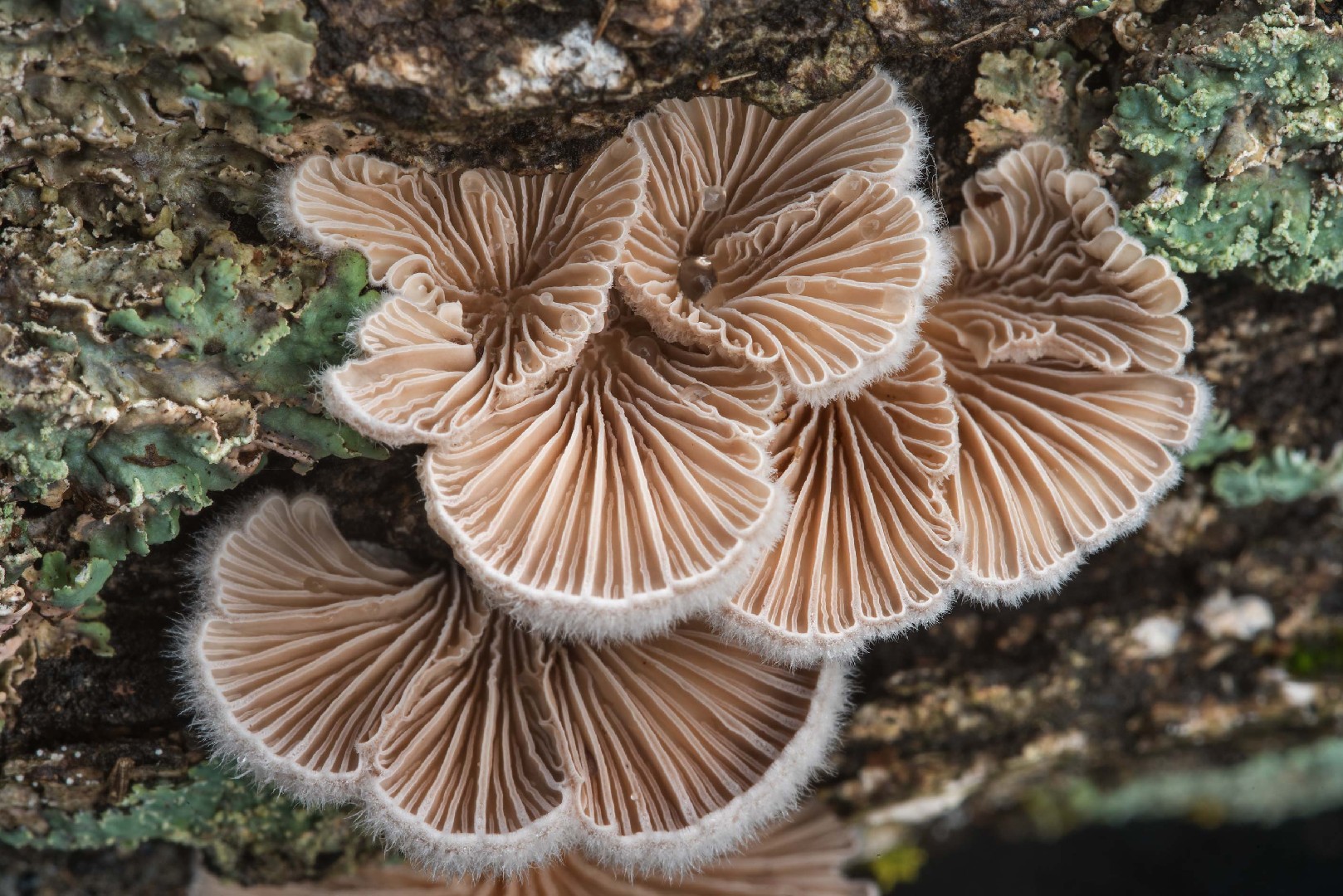
3. Split gill
Split gill(Schizophyllum commune) can be found across the globe. Uniquely, it is the only mushroom species known to display the capability to retract by movement. It is considered inedible, although not necessarily toxic. Furthermore, it is not recommended to smell this species, as the spores are capable of sprouting and growing in nasal passages.
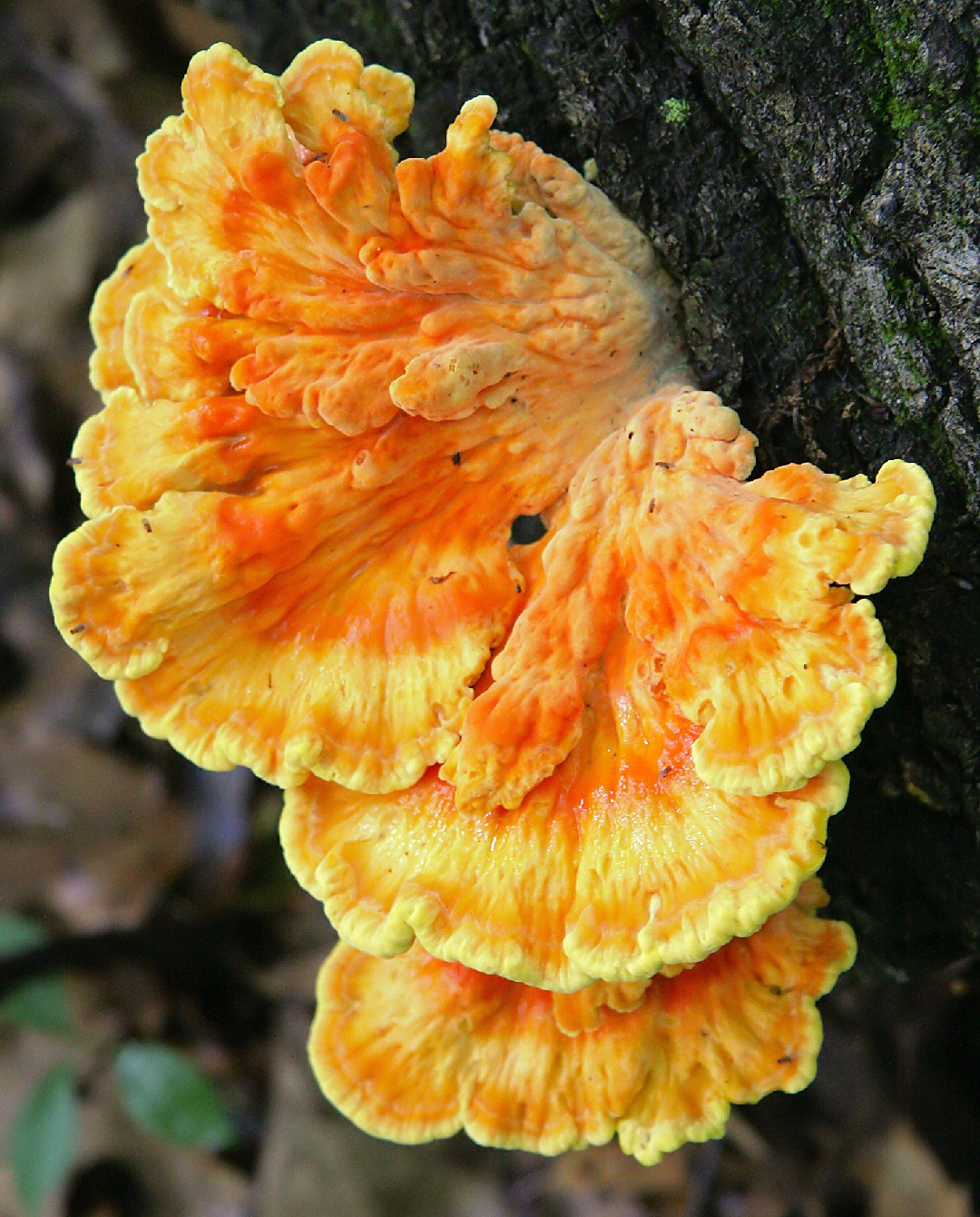
4. Chicken of the woods
Chicken of the woods is very noticeable in hardwood forests, appearing in clusters on standing tree trunks in bright orange and yellow hues that sometimes last through the entire winter. It is a parasite that causes an unfortunate brown heart rot, and is considered a particularly troublesome pest of Yew trees. If the fruitbodies can be seen, the tree is likely already beyond saving.
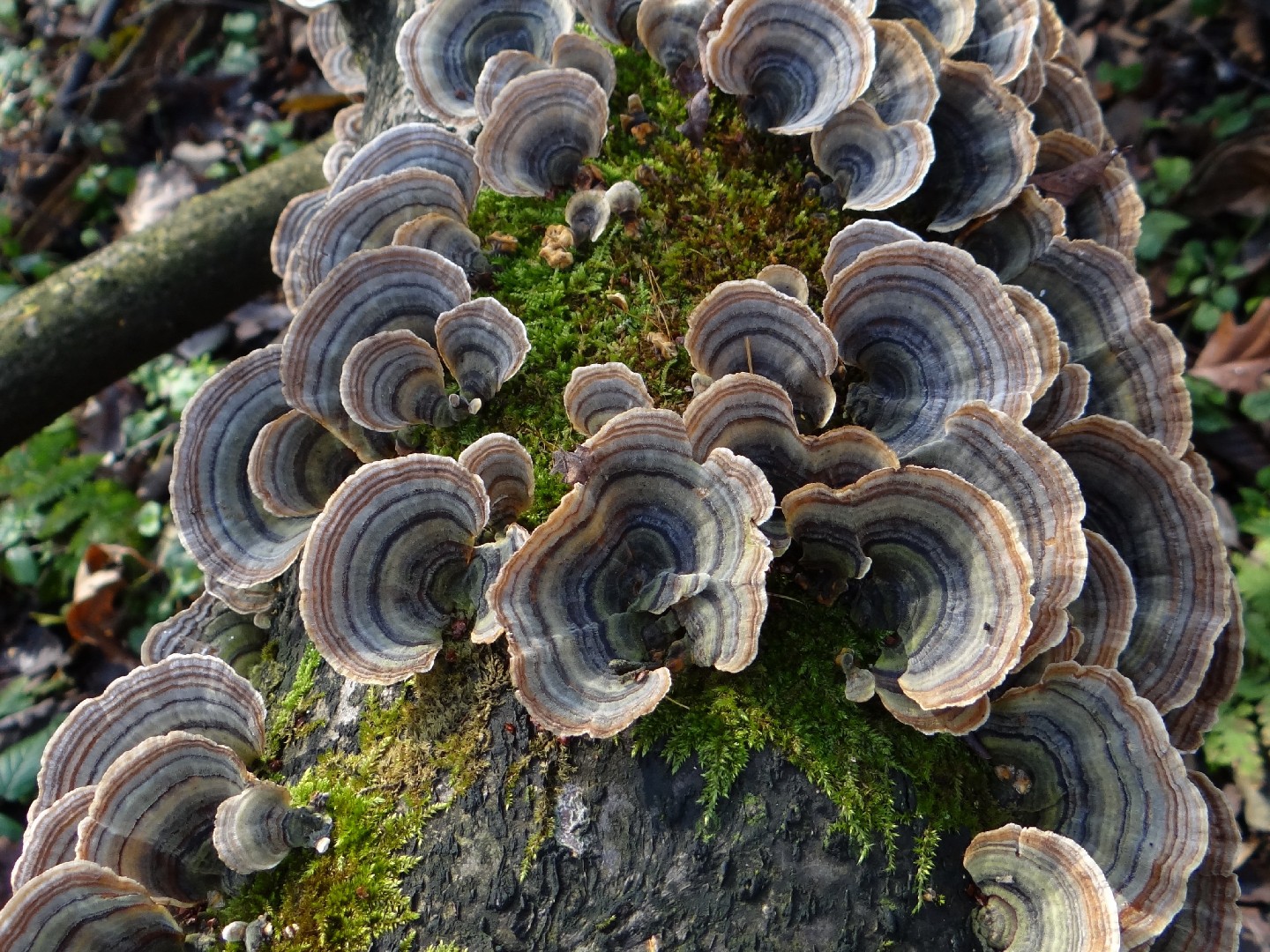
5. Turkey tail
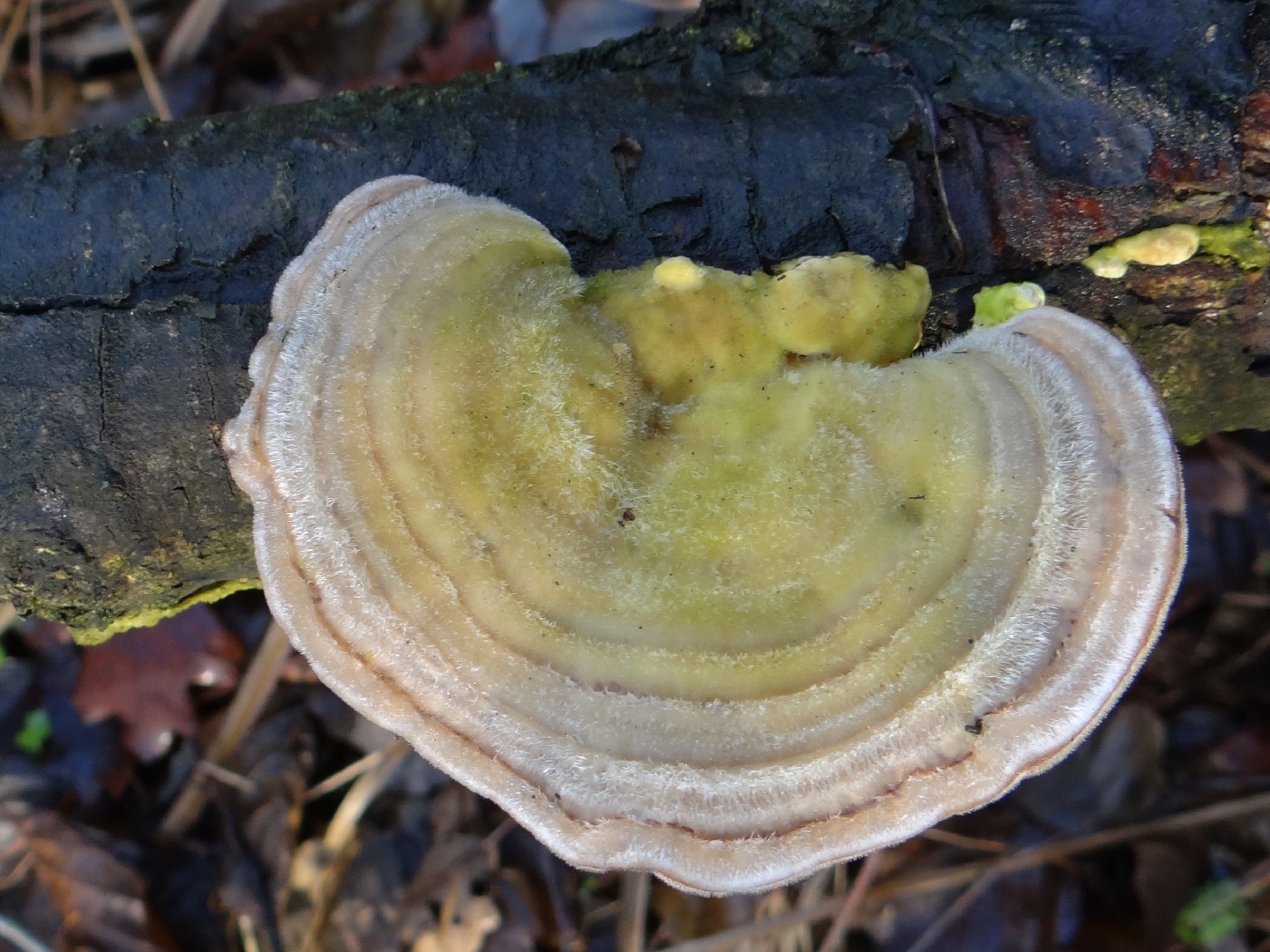
The distinctively-striped turkey tail fungus grows on stumps and logs all over the forests of the northern hemisphere. It is, in fact, probably the most common species you will find. That doesn't mean this mushroom is plain, however; each cap is uniquely patterned. Look for bands of alternating textures as well as color.
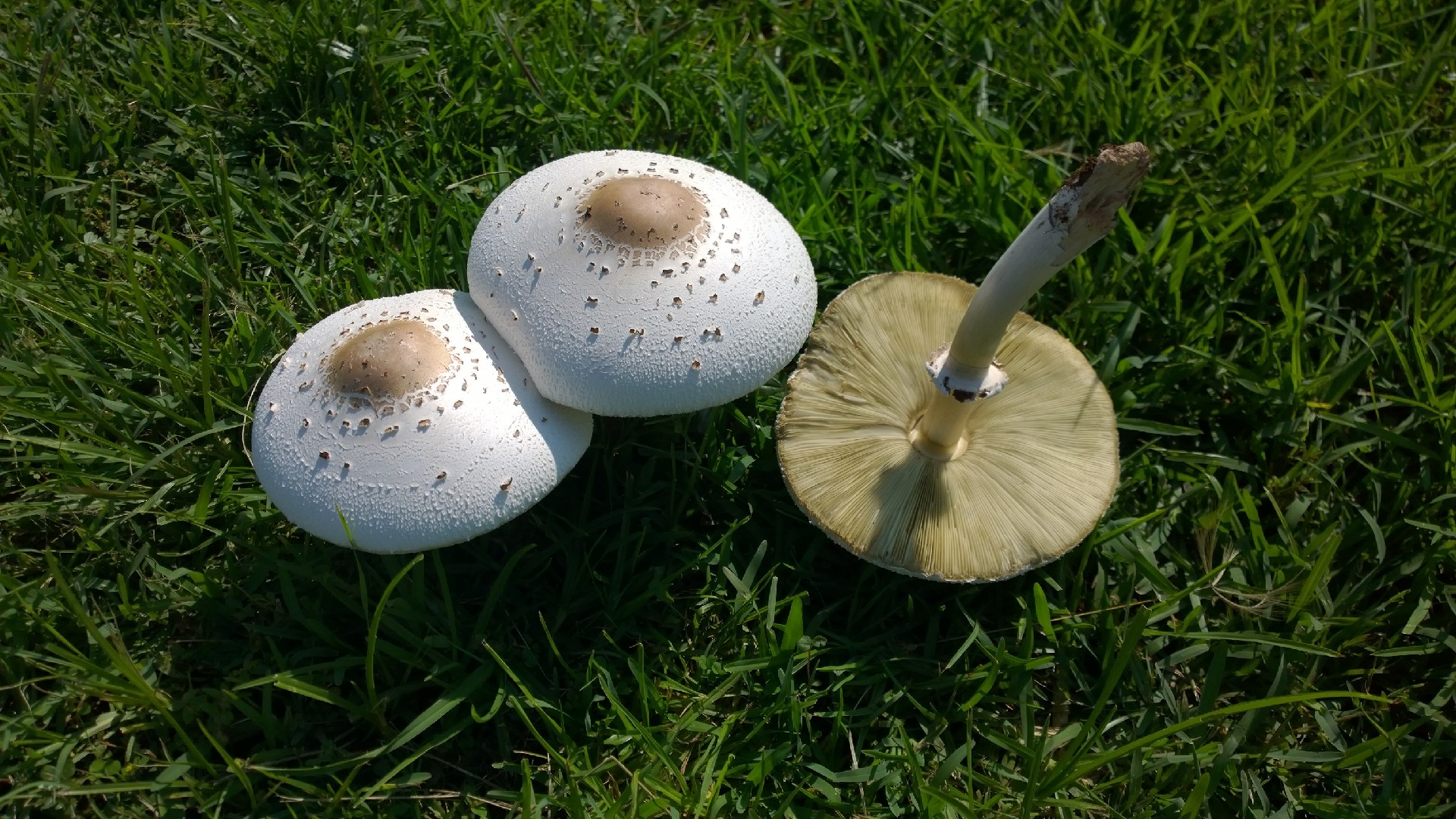
6. False parasol
Though the false parasol appears unassuming, the species is famous—or, infamous—for its toxicity. It looks unfortunately similar to Agericus campestrus, a commonly eaten mushroom, but the false parasol can be distinguished by its highly unusual green spore print. Although they are no good to eat, they can be pretty to look at. The species may grow in ring-shaped groups in meadows and on forest floors in what are sometimes called "fairy circles."
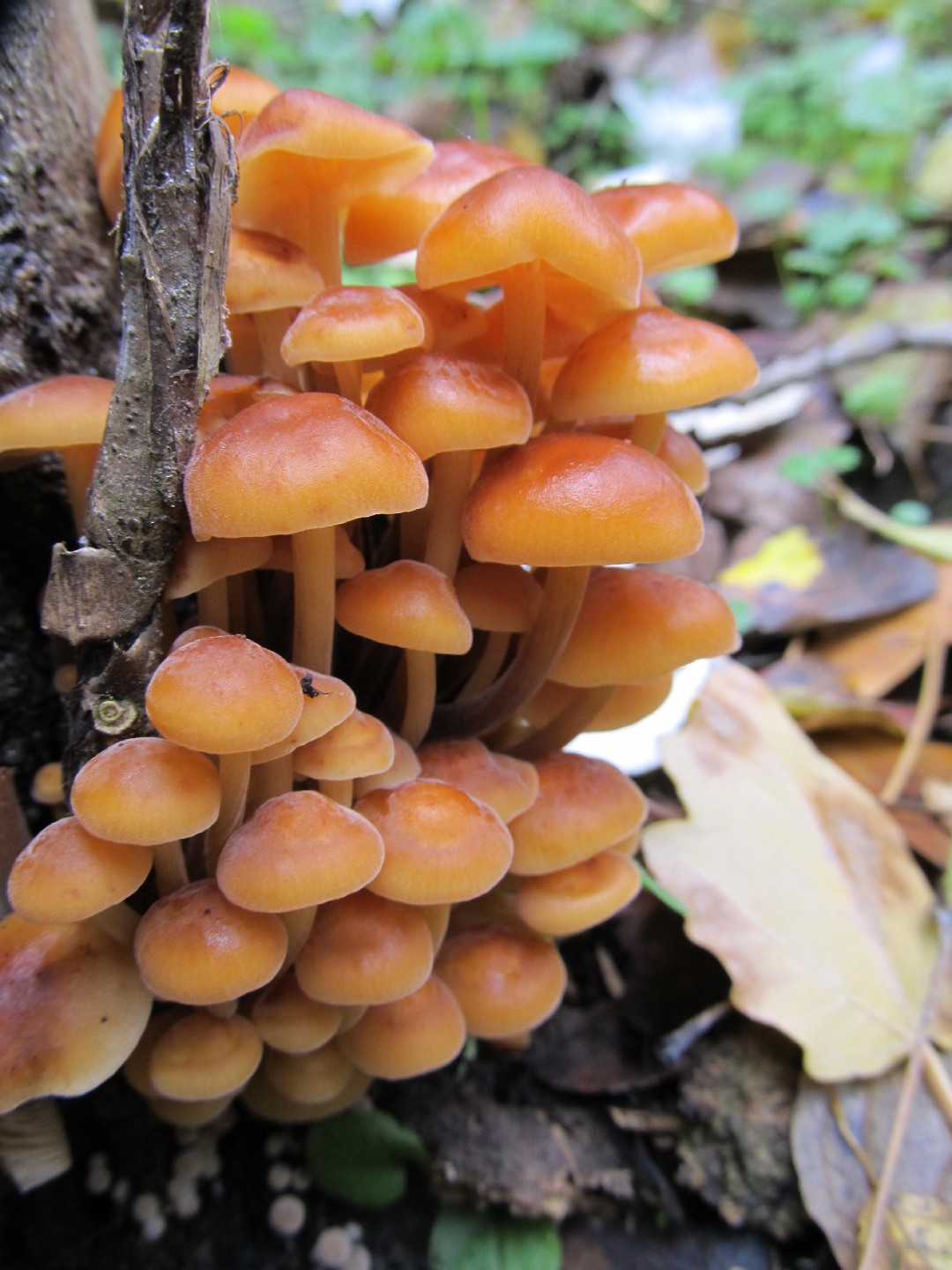
7. Enoki
The enoki grows wild on dead elm trees, and is also cultivated for human use. This flavorful species (Flammulina velutipes) has been used in dishes around the world for generations, being particularly high in nutrients. Though store-bought enoki are often plain white, wild ones can be found in a range of colors.
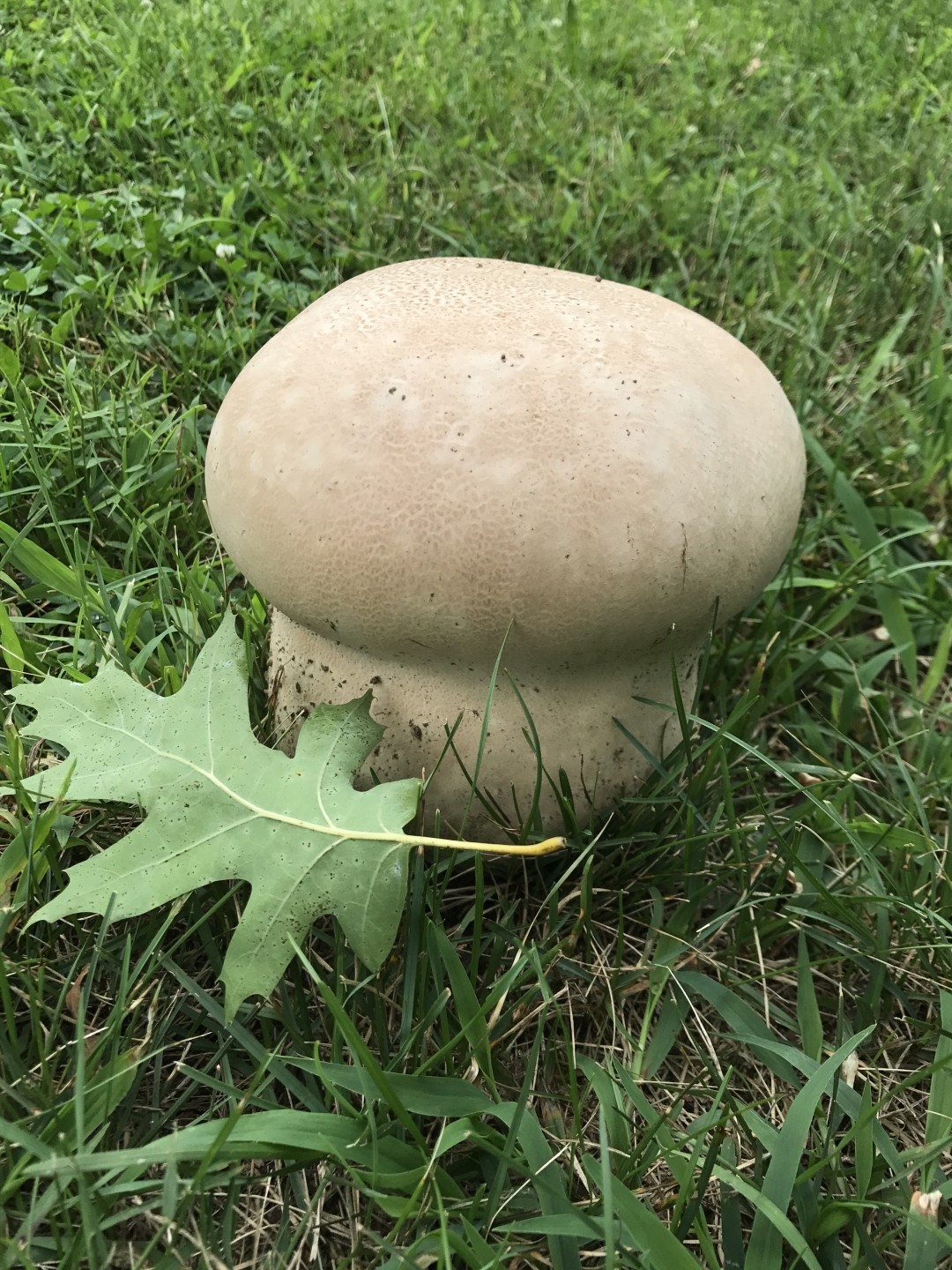
8. Purple-spored puffball
It's hard to mistake this mushroom for another. The aptly-named purple-spored puffball has a large, round, or pear-shaped fruiting body and is purple or chocolate-brown in color (with spores to match). Purple-spored puffballs are found in prairies and meadows across North America and Australia.
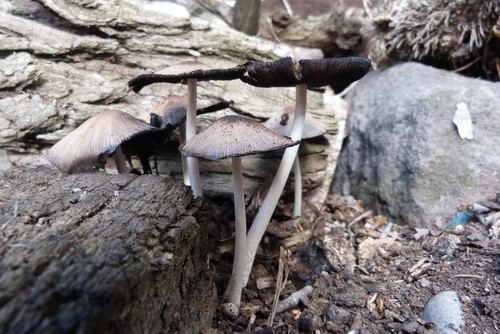
9. Mica cap
The bell-shaped mica cap mushrooms grow in clusters on wood debris and stumps, from spring to autumn. The caps appear wet and inky once they mature and begin to release spores. At that point, they can be boiled with cloves to create a useful black ink.

10. Green beetle hanger
To find the green beetle hanger (Hesperomyces virescens), you must first find the specific Ladybird beetle species that it infects. It is a parasitic guest and causes extreme harm to its host. This almost-microscopic fungus is causing the insect's internal balance to topple, and is spread from beetle to beetle through the act of reproduction.

More







