

Top 20 Most Common Mushrooms in Vlore

Most Common Mushrooms
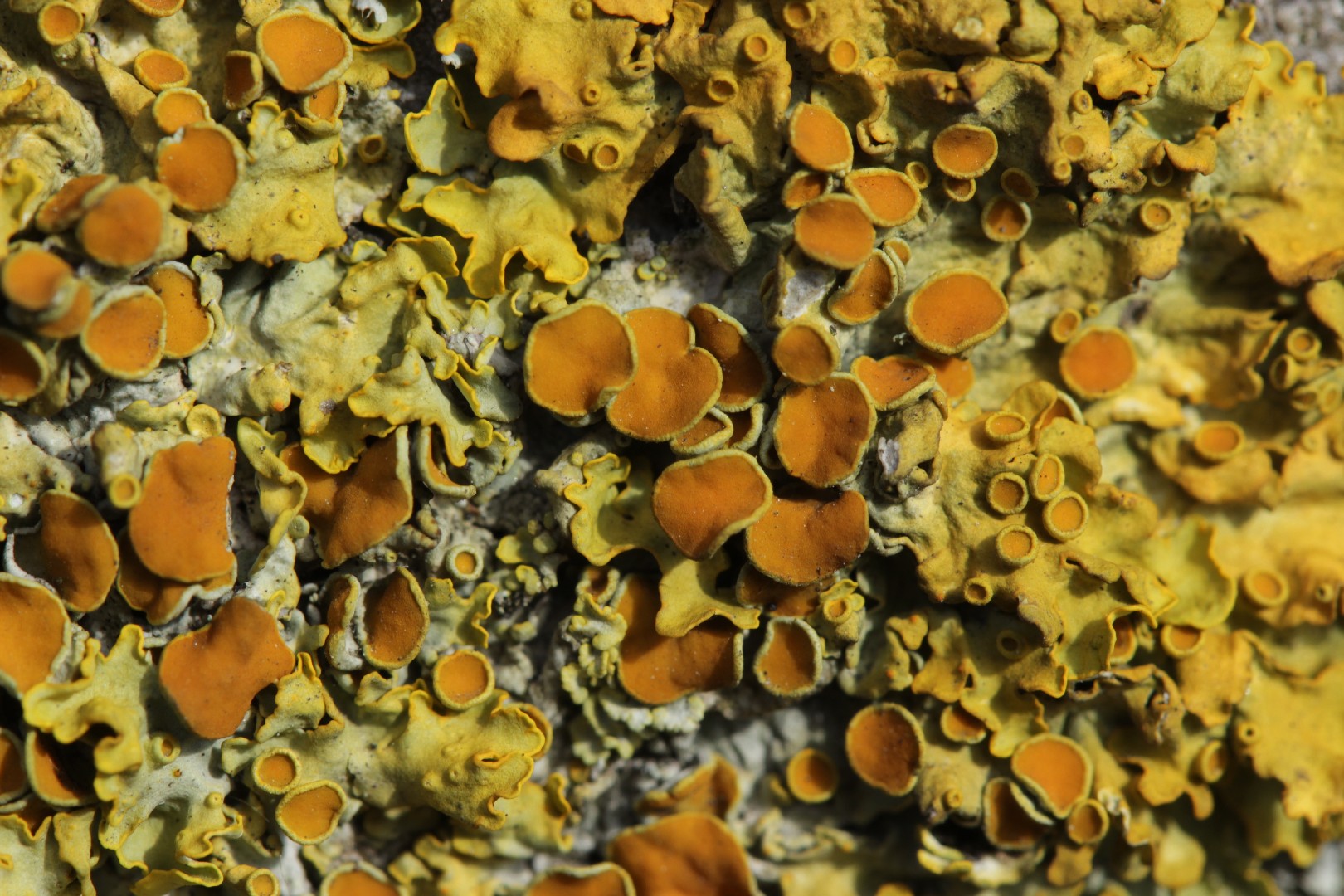
1. Common orange lichen
Common orange lichen was selected in 2006 by the United States Department of Energy as a model for genomic sequencing. Its widespread dispersal and bright yellow-orange color give the lichen its common name. It is primarily found growing on rocks, walls, and tree bark.
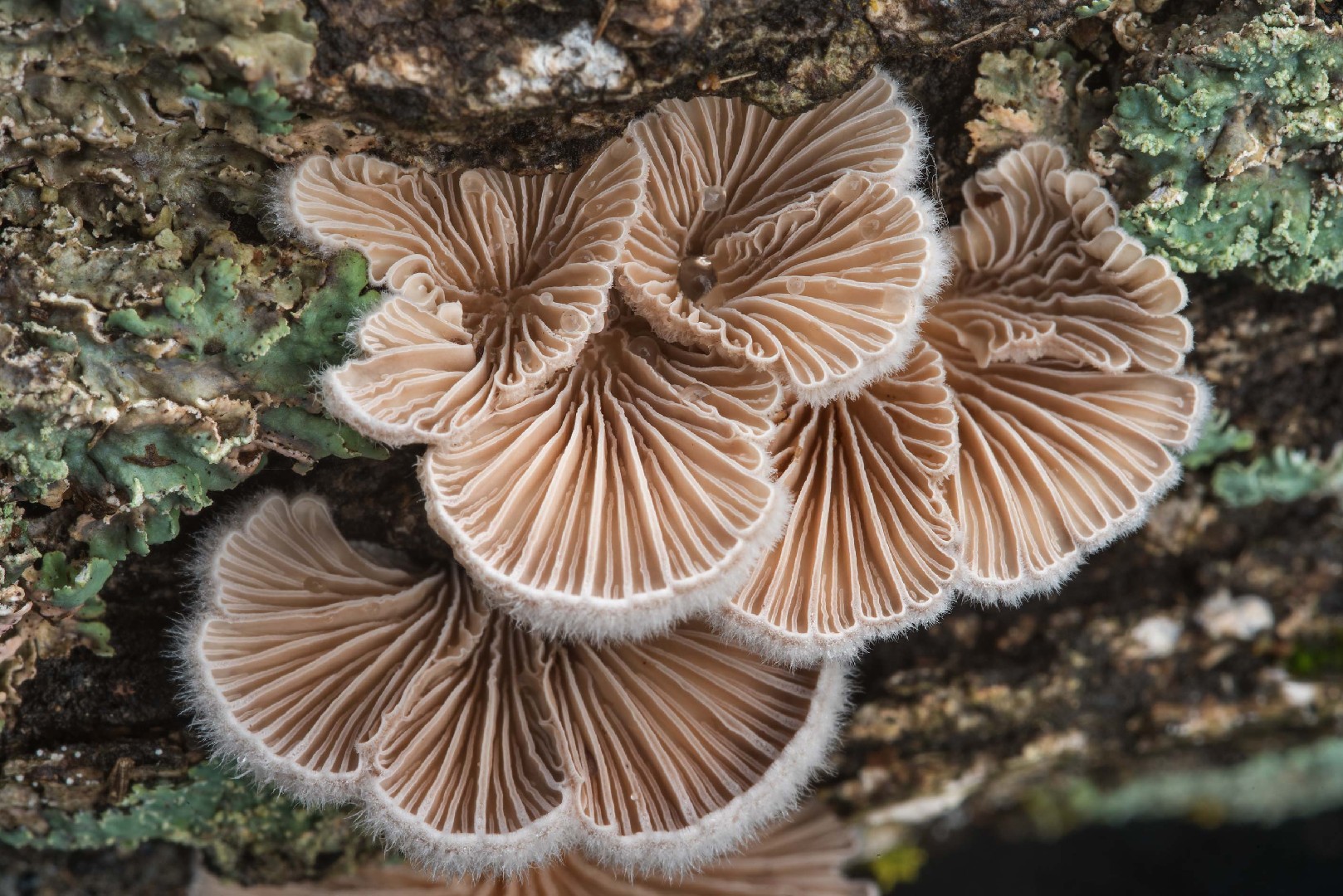
2. Split gill
Split gill(Schizophyllum commune) can be found across the globe. Uniquely, it is the only mushroom species known to display the capability to retract by movement. It is considered inedible, although not necessarily toxic. Furthermore, it is not recommended to smell this species, as the spores are capable of sprouting and growing in nasal passages.
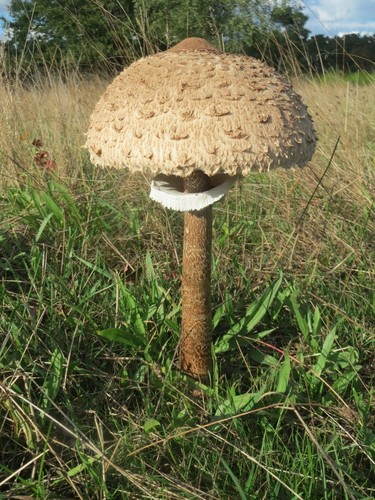
3. Parasol
Found in clearings and grassy areas in late summer, the wild parasol mushroom has a snakeskin-patterned stem. The brown spots on its cap make it look a bit shaggy, but that name is reserved for its poisonous counterpart, the Shaggy Parasol (Chlorophyllum rhacodes). You can distinguish the two by the stems: the latter has a smooth stem and red flesh inside.
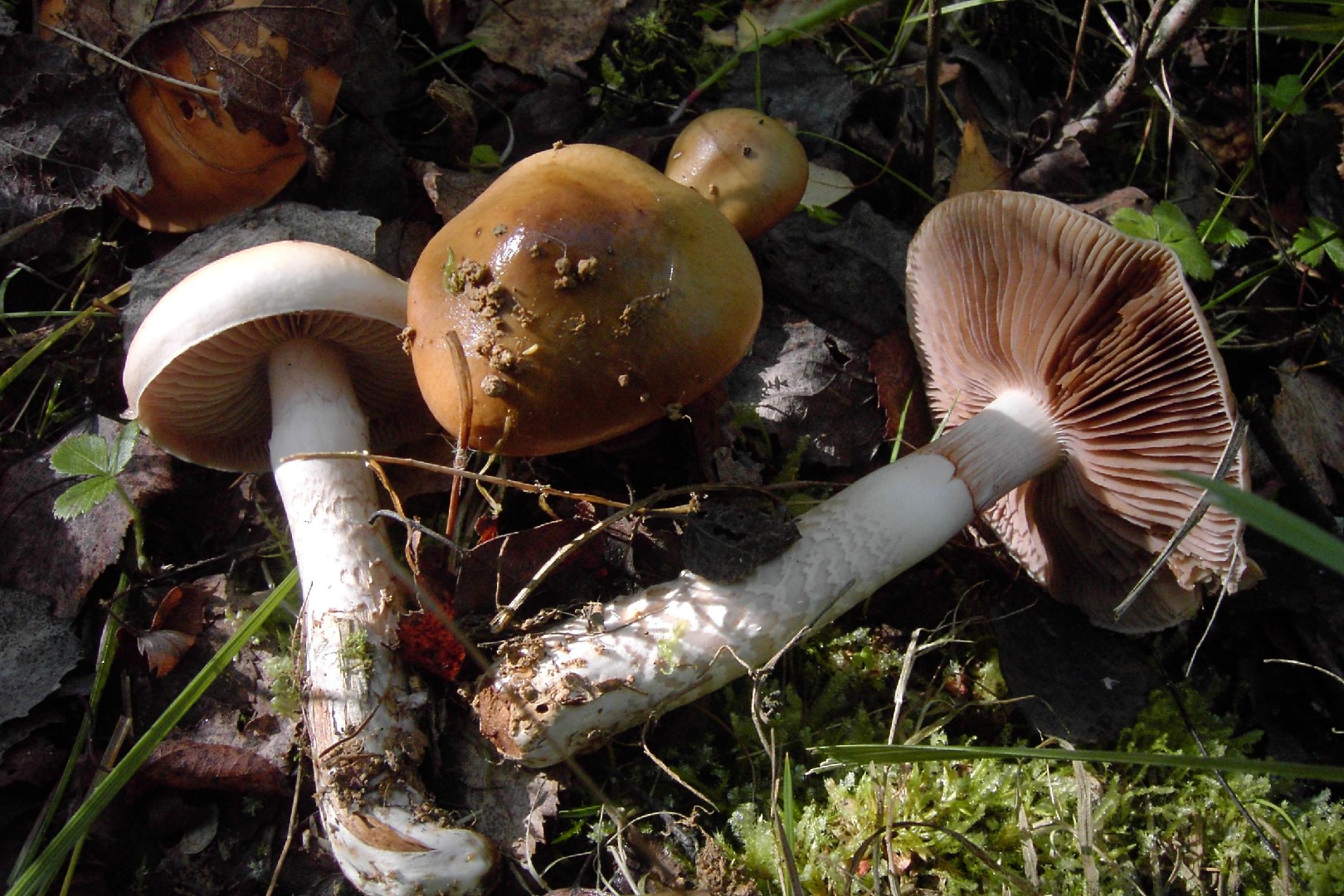
4. Girded webcap
The scientific name "Cortinarius trivialis" is a bit deceptive - this mushroom species is sturdy and sizable, not trivial or diminutive. Though it sports a fair amount of variability in color, girded webcap almost always has a slimy cap and a thick, shaggy stalk. The species can be found in temperate forests across Europe and North America; in the latter location, it commonly associates with quaking aspen.
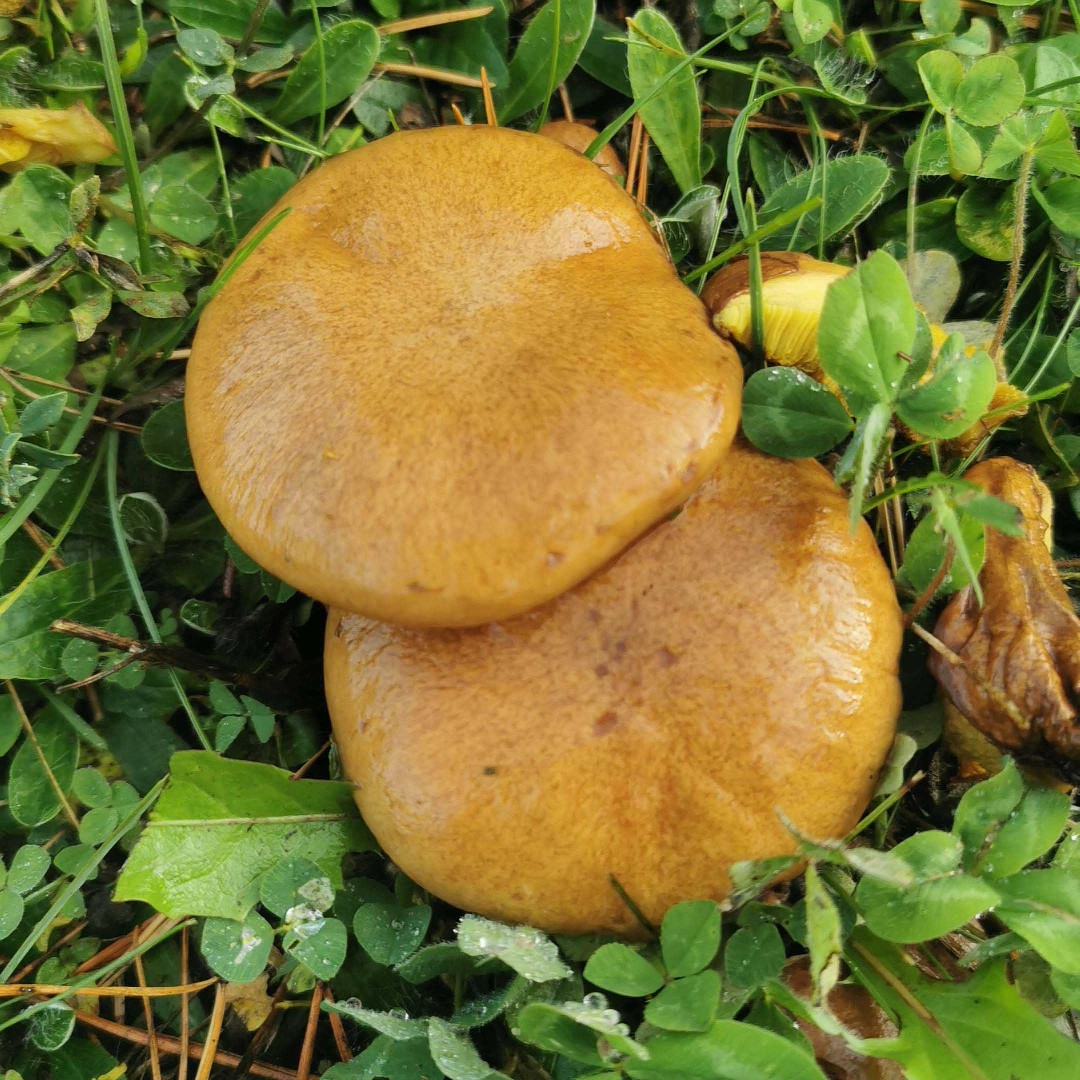
5. Suillus collinitus
Suillus collinitus is a mushroom that grows in a symbiotic relationship with pine trees, particularly the Aleppo pine. This fungus is sometimes introduced to young pine trees to help them to become established in poor soils. It was listed as an endangered species in the United Kingdom, but its 'vulnerable' classification was removed from that nation's Red Data List in 2006.
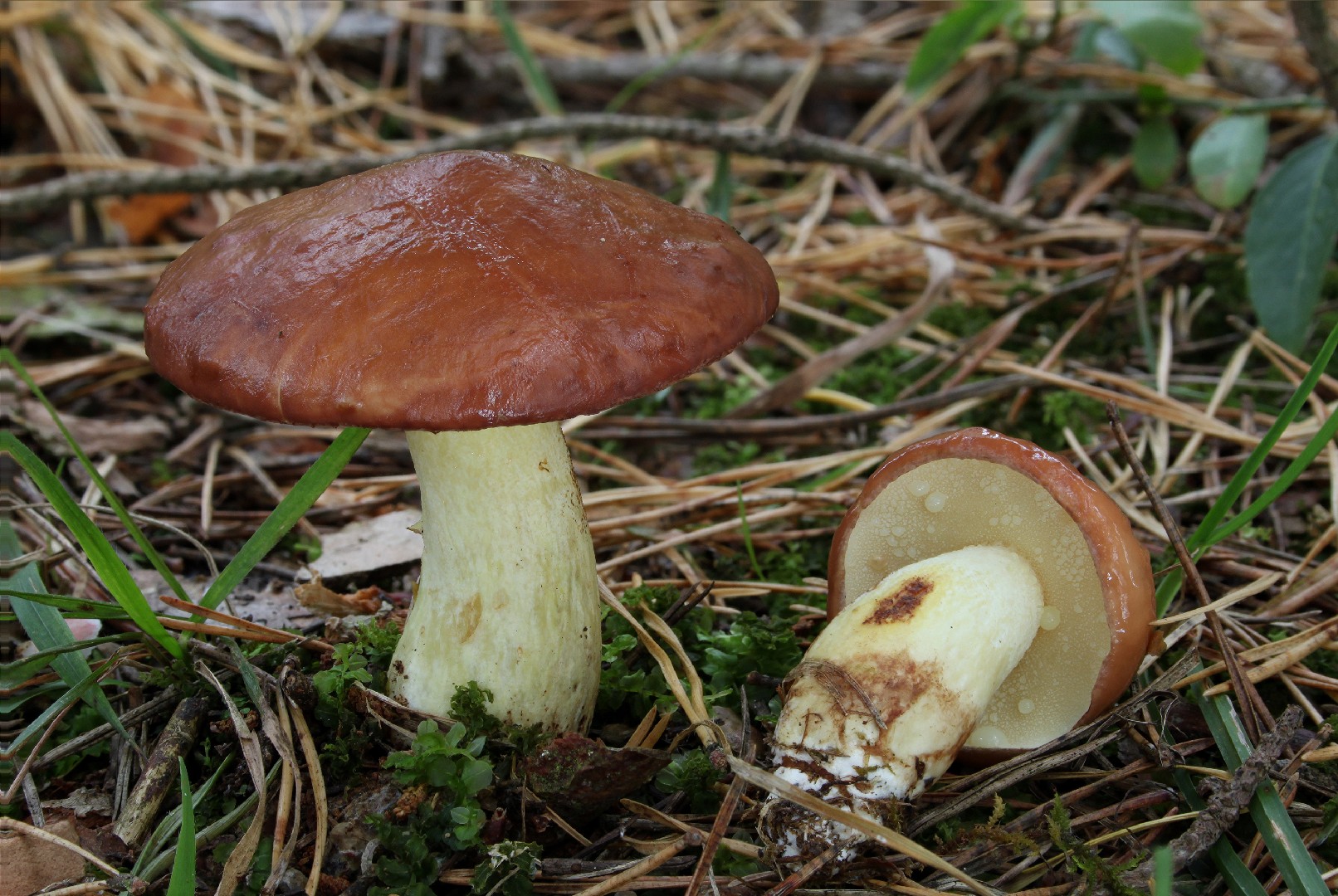
6. Weeping bolete
The weeping bolete features a greasy, sticky cap surface. When young, milky droplets are released through pores on its surface. It appears most commonly beneath Scots pine or other coniferous trees and forms a mutually beneficial relationship with its host.
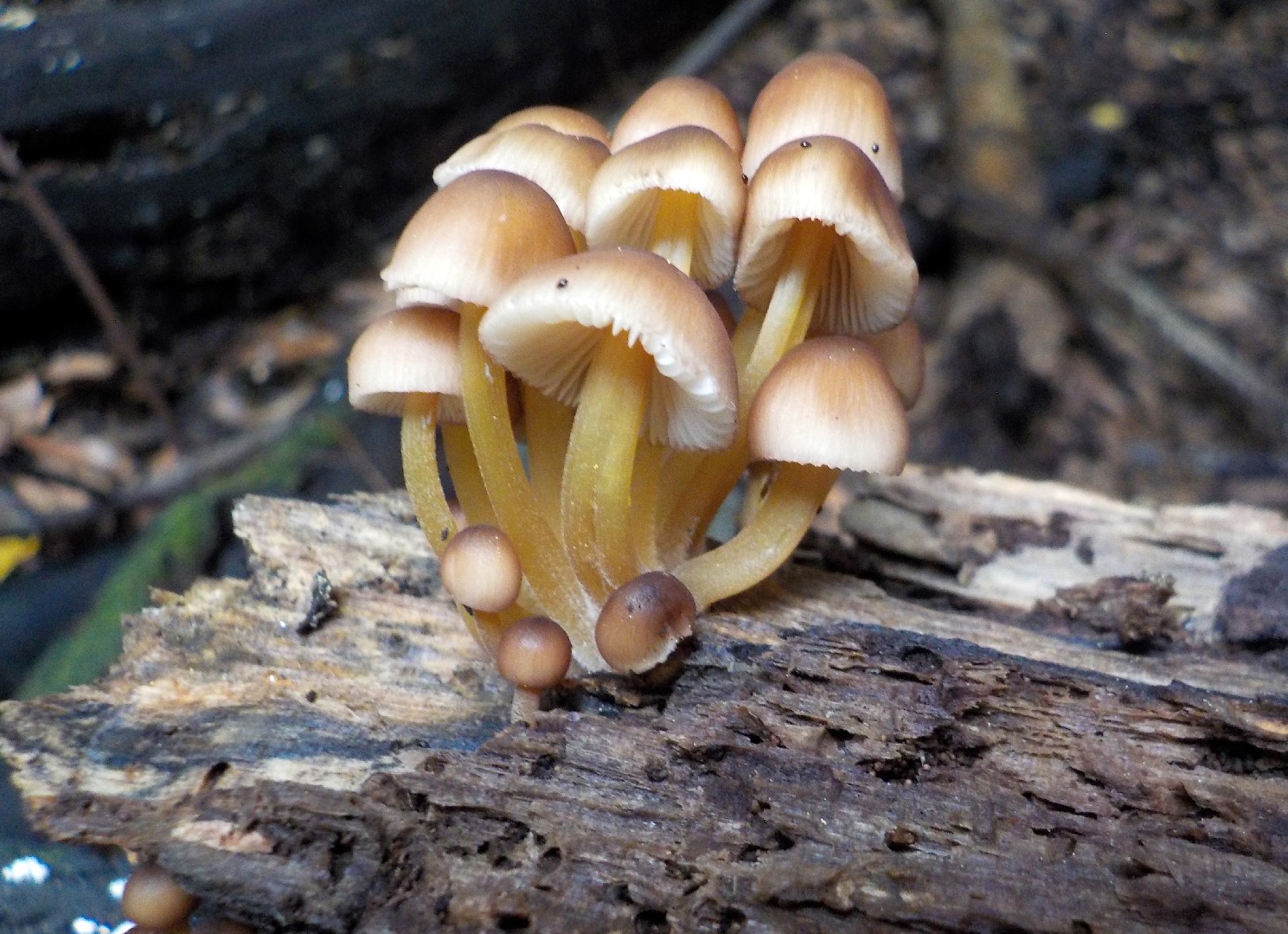
7. Beautiful bonnet
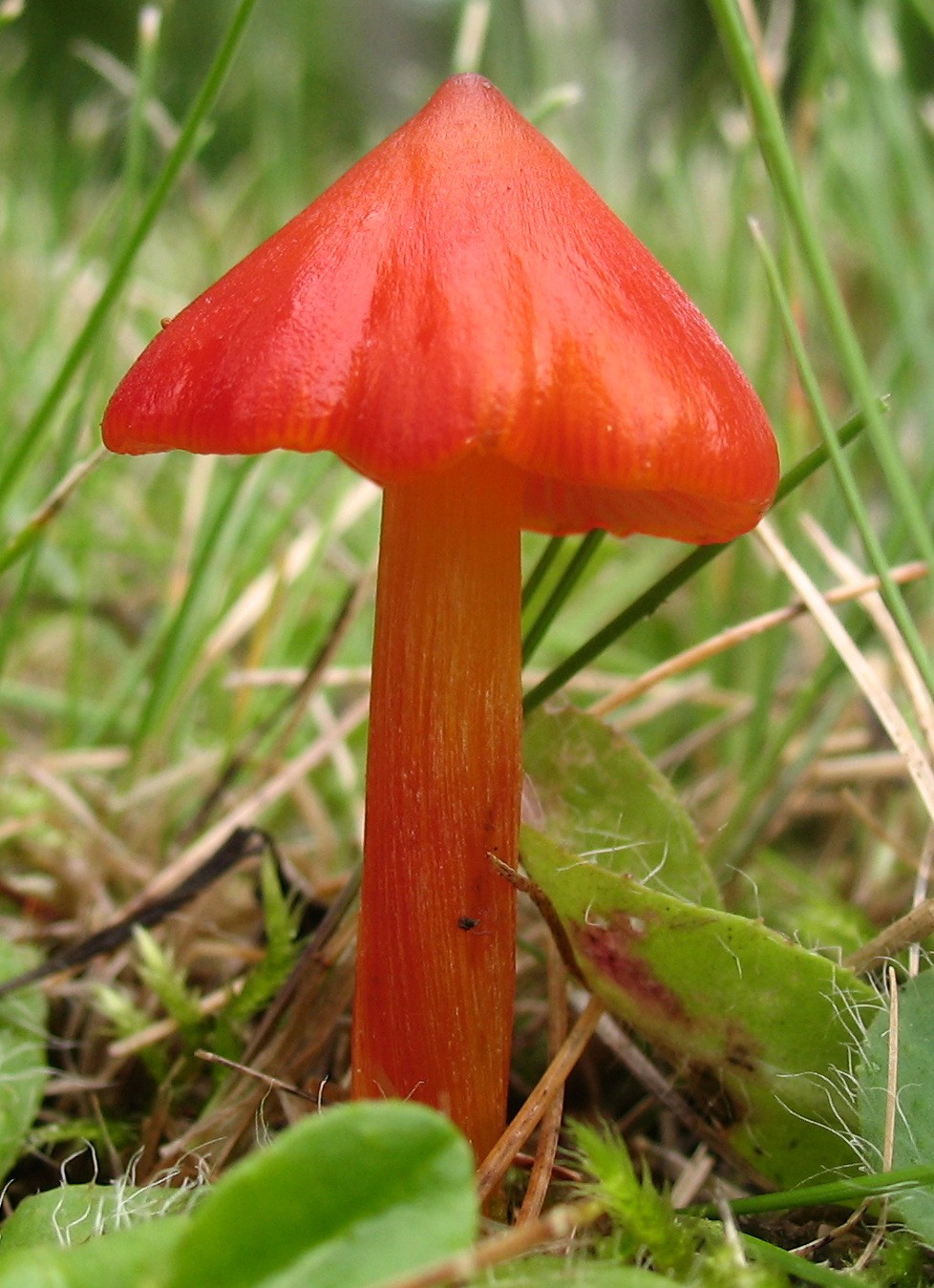
The cap is initially conic or parabolic, but expands somewhat in maturity to become convex, and typically reaches dimensions of up to 3.2 cm (1.3 in). 
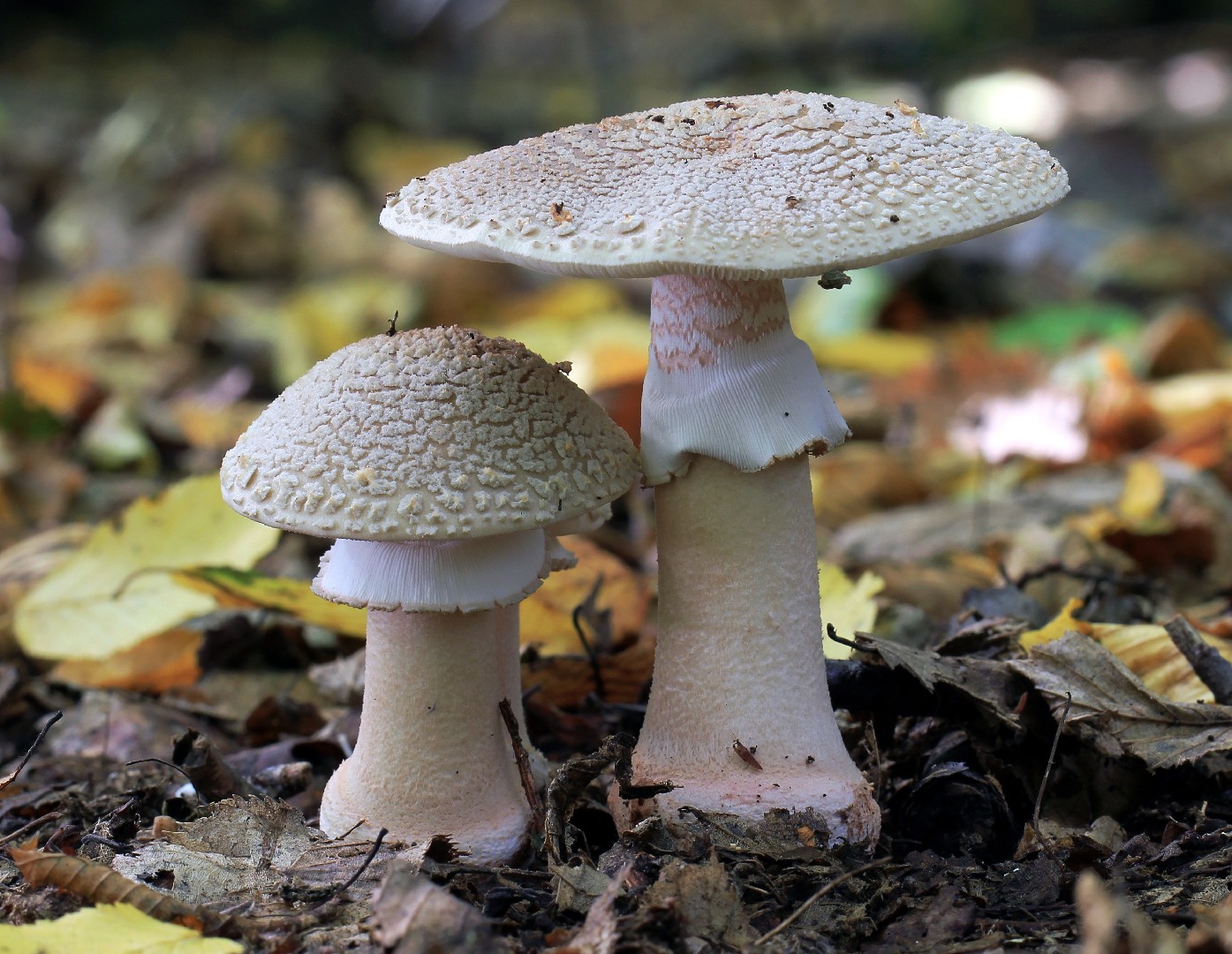
8. Blusher
The blusher mushroom is so named because it “blushes” to a pinkish red color when cut or bruised. It is found in many countries around the world, although it may not be native to the southern hemisphere. It contains a hemolytic toxin that can cause anemia if eaten.
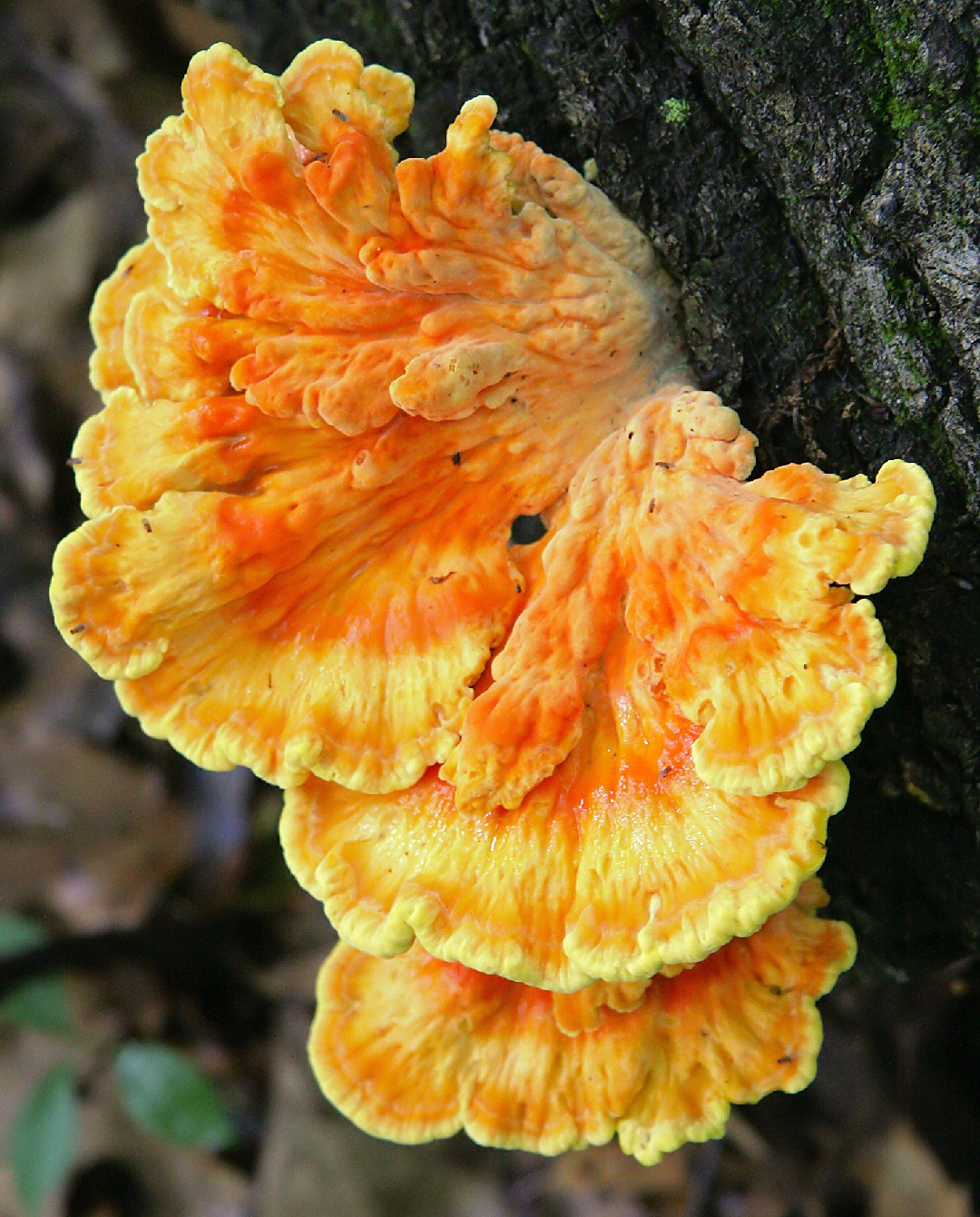
9. Chicken of the woods
Chicken of the woods is very noticeable in hardwood forests, appearing in clusters on standing tree trunks in bright orange and yellow hues that sometimes last through the entire winter. It is a parasite that causes an unfortunate brown heart rot, and is considered a particularly troublesome pest of Yew trees. If the fruitbodies can be seen, the tree is likely already beyond saving.
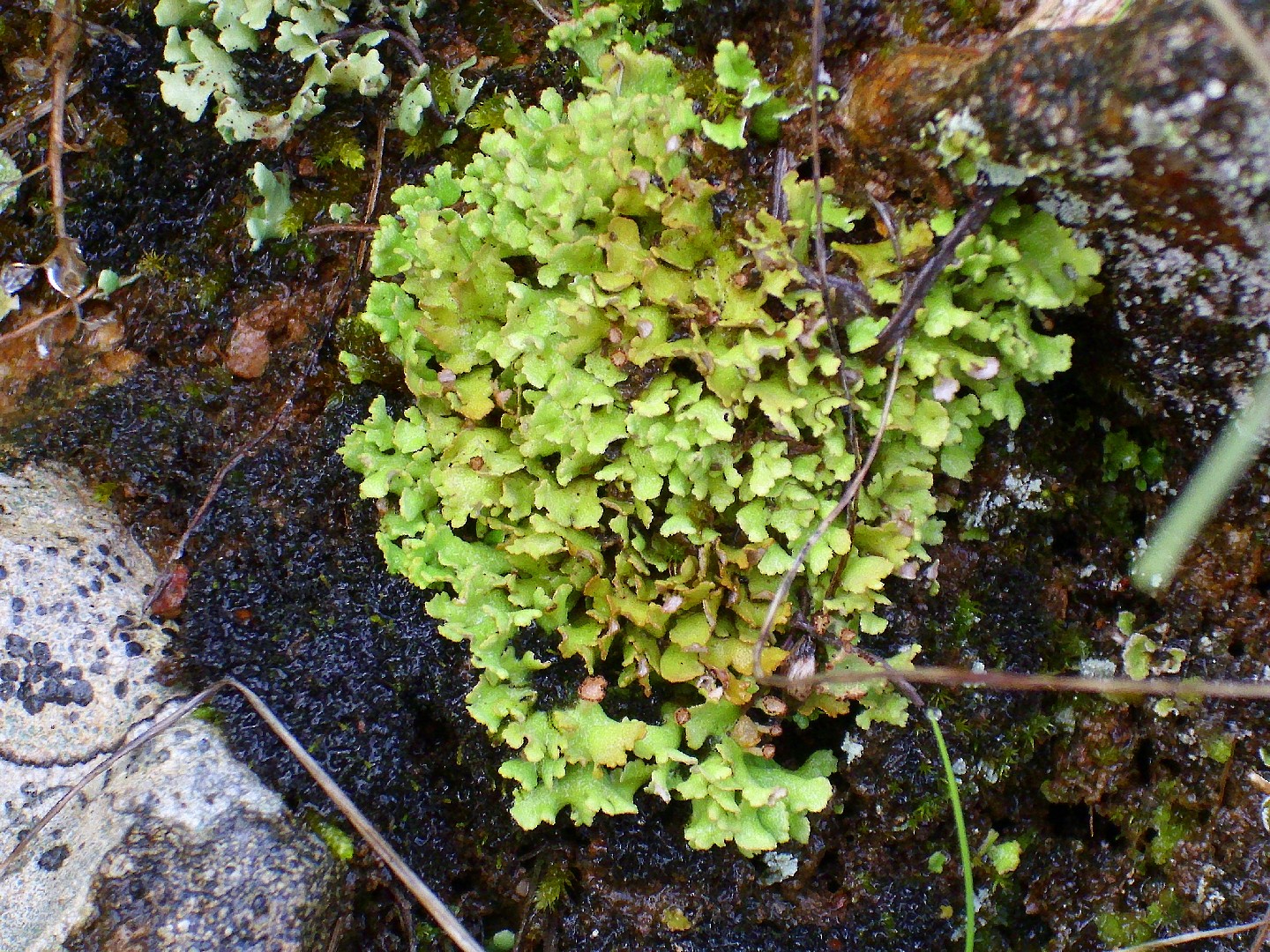
10. Cladonia foliacea
More