




Top 20 Most Common Toxic or Poisonous Mushrooms in Vancouver
Experience the intriguing world of fungi in Vancouver with our comprehensive guide to the '20 most common poisonous mushrooms.' Enriched by diverse climate and unique terrains, Vancouver provides a thriving habitat for a plethora of mushrooms, making it a hotspot for mushroom enthusiasts. This guide aims to educate you on safely identifying and avoiding these toxic species during your mushroom hunting adventures, ensuring a safe yet exhilarating fungi foraging experience. Enjoy the wilderness, remember safety first!
* Disclaimer: Content feedback CAN NOT be used as any basis for EATING ANY PLANTS. Some plants can be VERY POISONOUS, please purchase edible plants through regular channels.

Most Common Toxic or Poisonous Mushrooms
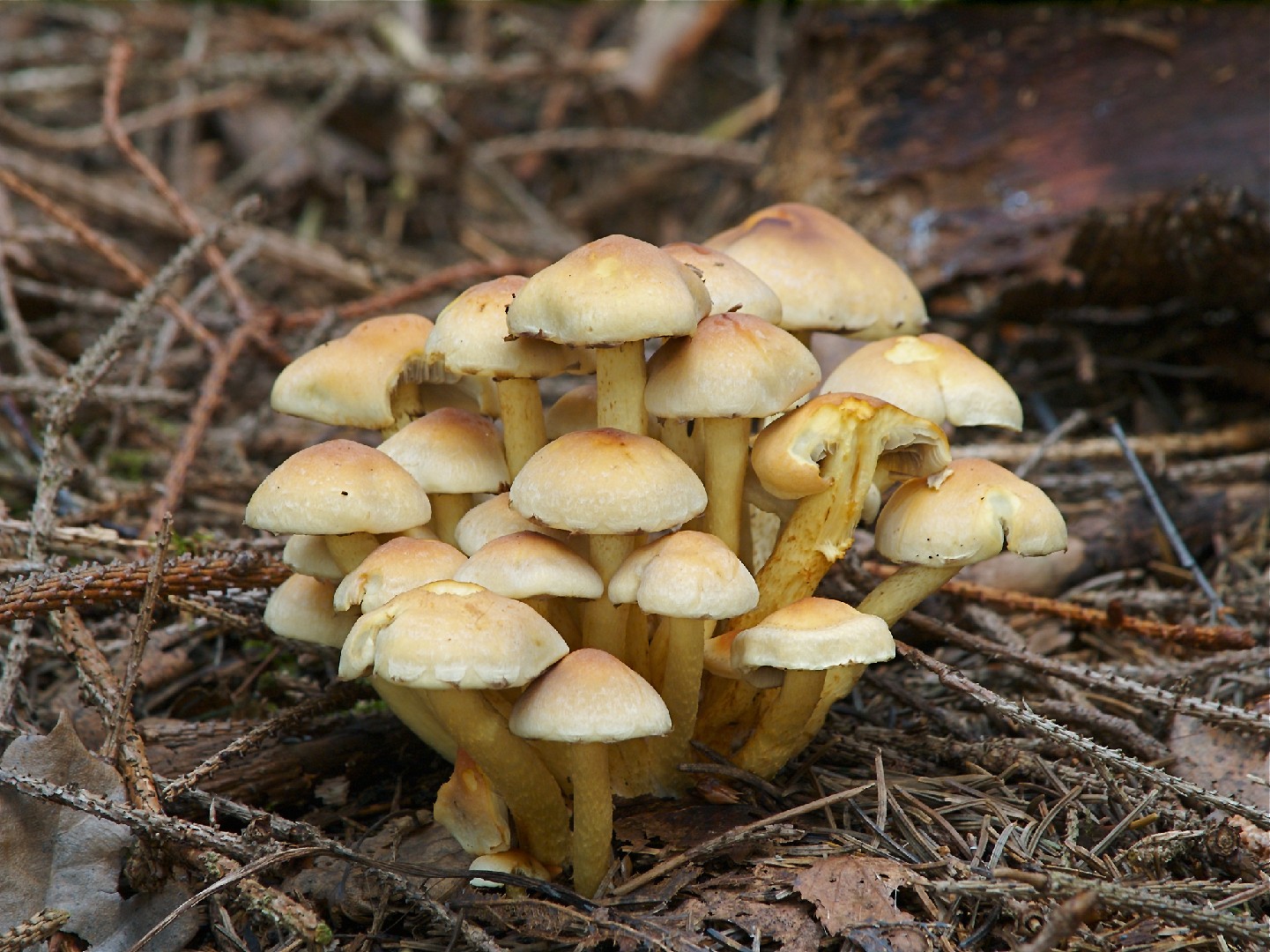
1. Sulphur tuft
The sulphur tuft grows on rotting wood of all types of trees; it is a particularly efficient decomposer of hardwoods. The mushrooms appear from spring to autumn and are often so tightly packed that they interfere with each other’s shape. This poisonous mushroom can cause temporary paralysis, distorted vision, and stomach pain if consumed.

2. Yellow stainer
The yellow stainer grows across North America and Europe and has been imported to Australia. It can be distinguished from other common white mushrooms by the bright chrome yellow color it turns when bruised. It is known to be poisonous, causing cramps, nausea, and purging. Unfortunately, it often gets accidentally eaten as it looks similar to several edible white mushrooms.
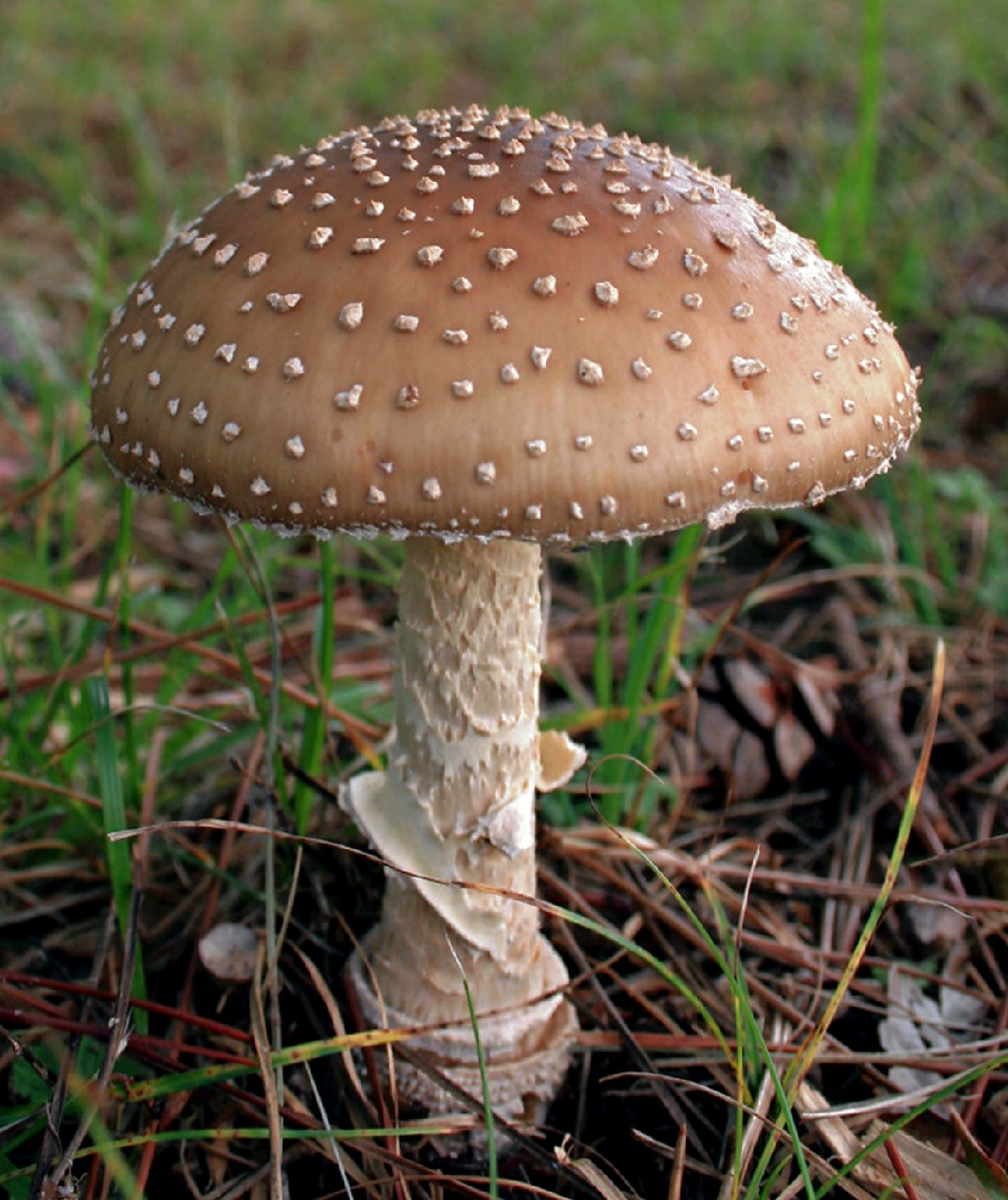
3. Panther cap
Named for the brown-and-white spotted pattern on its upper surface, the distinctive panther cap grows under hardwood trees, particularly oak and beech, and also under Monterey pine in urban areas or forests. It contains a cocktail of poisonous toxins with the potential to be deadly.
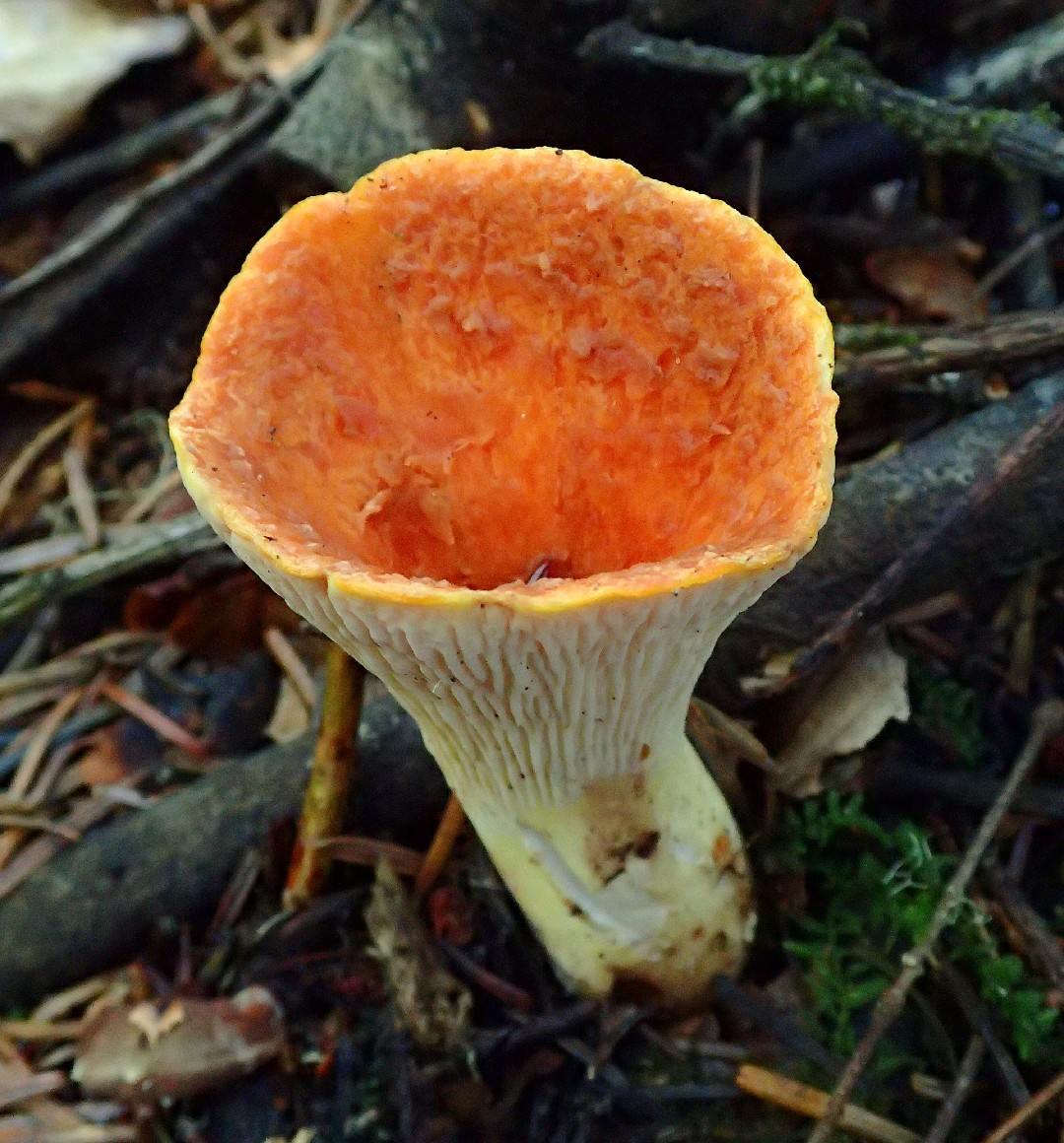
4. Woolly chanterelle
The woolly chanterelle, which looks only vaguely similar to its famed, edible chanterelle cousins, is vase-shaped and has large, pale folds and wrinkles on its underside (as opposed to having gills, like those of more sought-after chanterelles). Woolly chanterelles can cause upset stomach, vomiting, and diarrhea in some who eat them, while leaving others completely unaffected. Needless to say, the species is not considered a "choice edible".
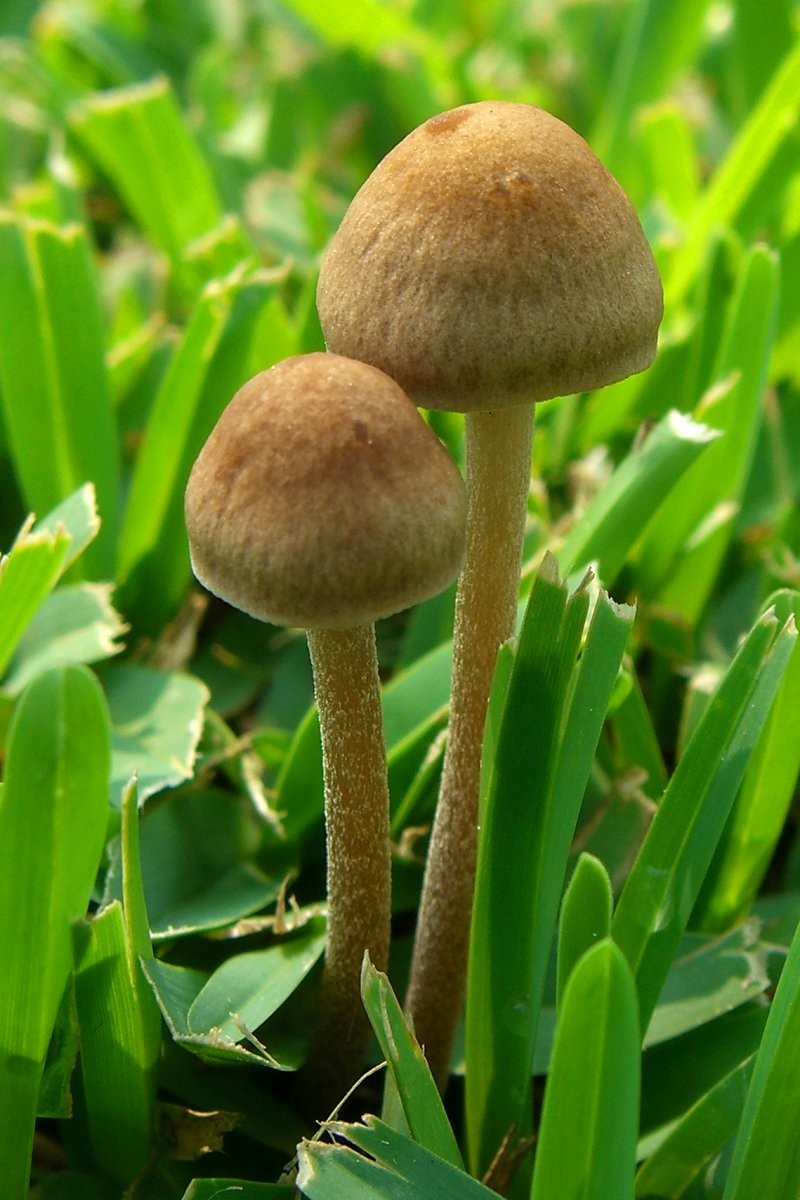
5. Mower's mushroom
The mower's mushroom, also referred to as the lawnmower's mushroom, is so named because it frequently crops up in lawns. The species is rather nondescript, and it is considered a member of the infamously hard-to-distinguish "Little Brown Mushroom" (LBM) family. While the mower's mushroom is not known to be toxic to humans or dogs, several of these close look-alikes are.
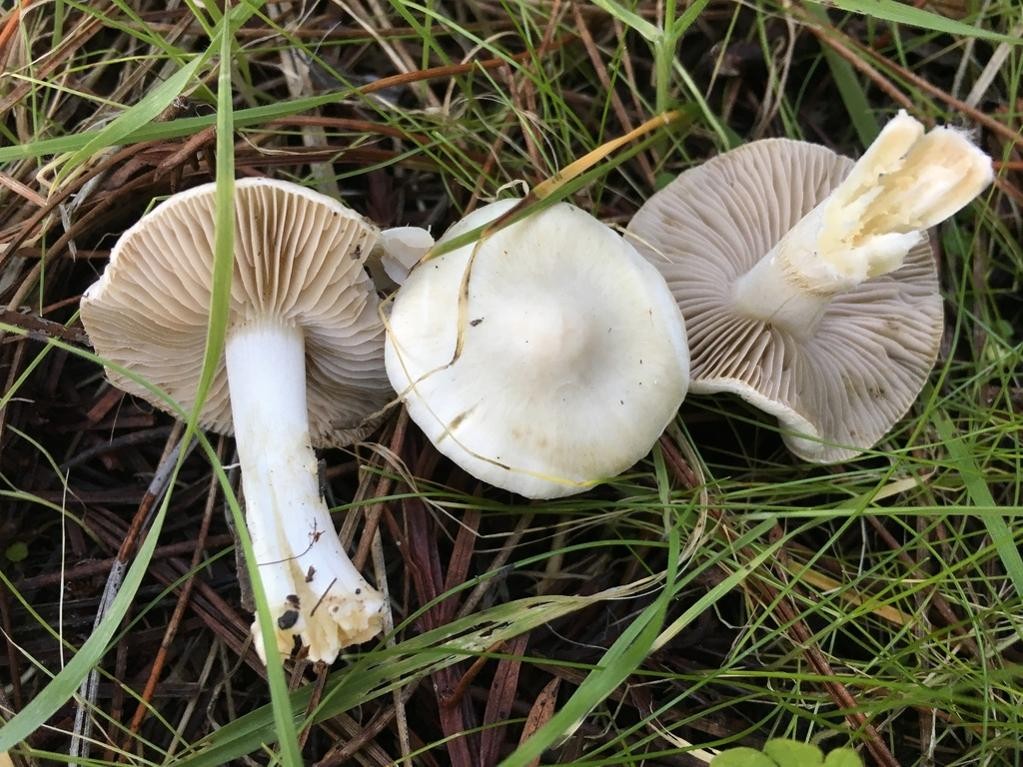
6. White fibercap
The white fibercap is found across Europe and North America. It's range extends impressively far north; it is one of the few mushroom species that does well in tundra. The species has a variant, Inocybe geophylla var. lilacina, that sports a beautiful, lilac-colored cap. As very few mushrooms bear purple hues, this variant is sought after by collectors. While pretty to look at, it is toxic.
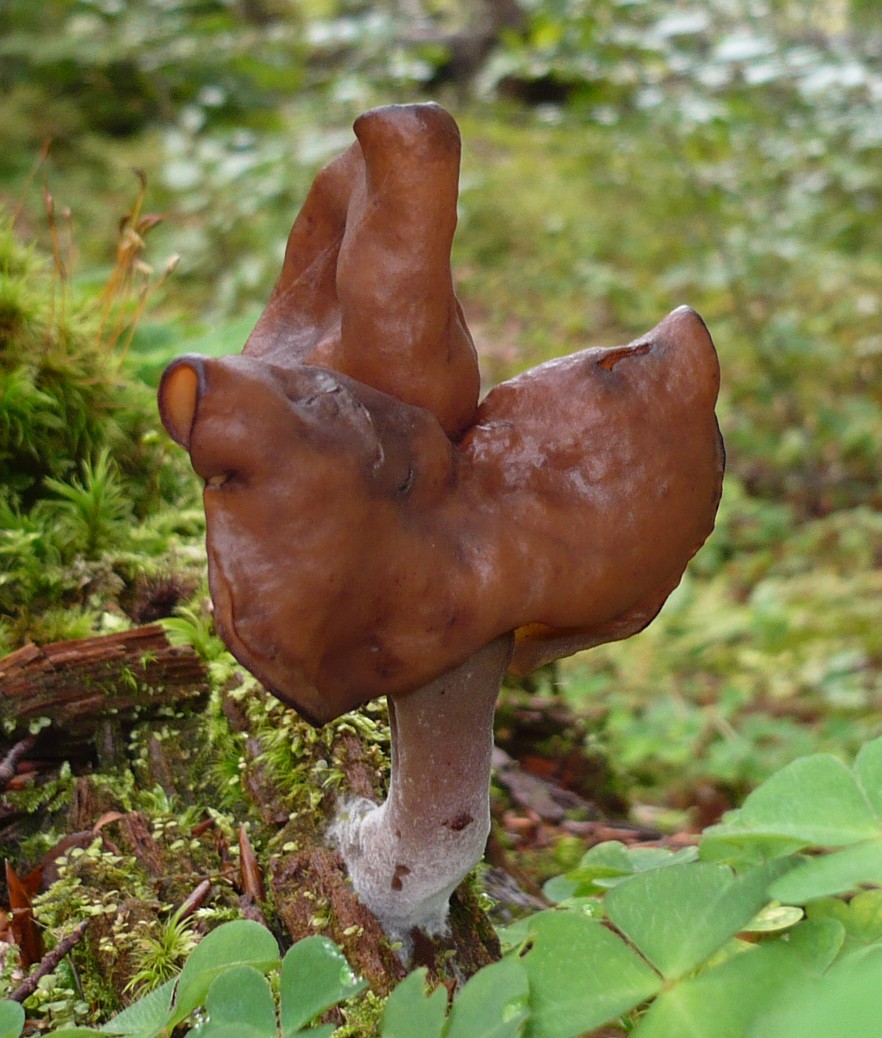
7. Hooded false morel
The hooded false morel (Gyromitra infula) does not look nearly as similar to true morels as some other false morels do. This mushroom has a highly irregular, often saddle-shaped cap that rarely has the honeycomb-like holes of a common morel. The species is widely distributed across the temperate northern hemisphere and tends to grow on rotting coniferous wood.
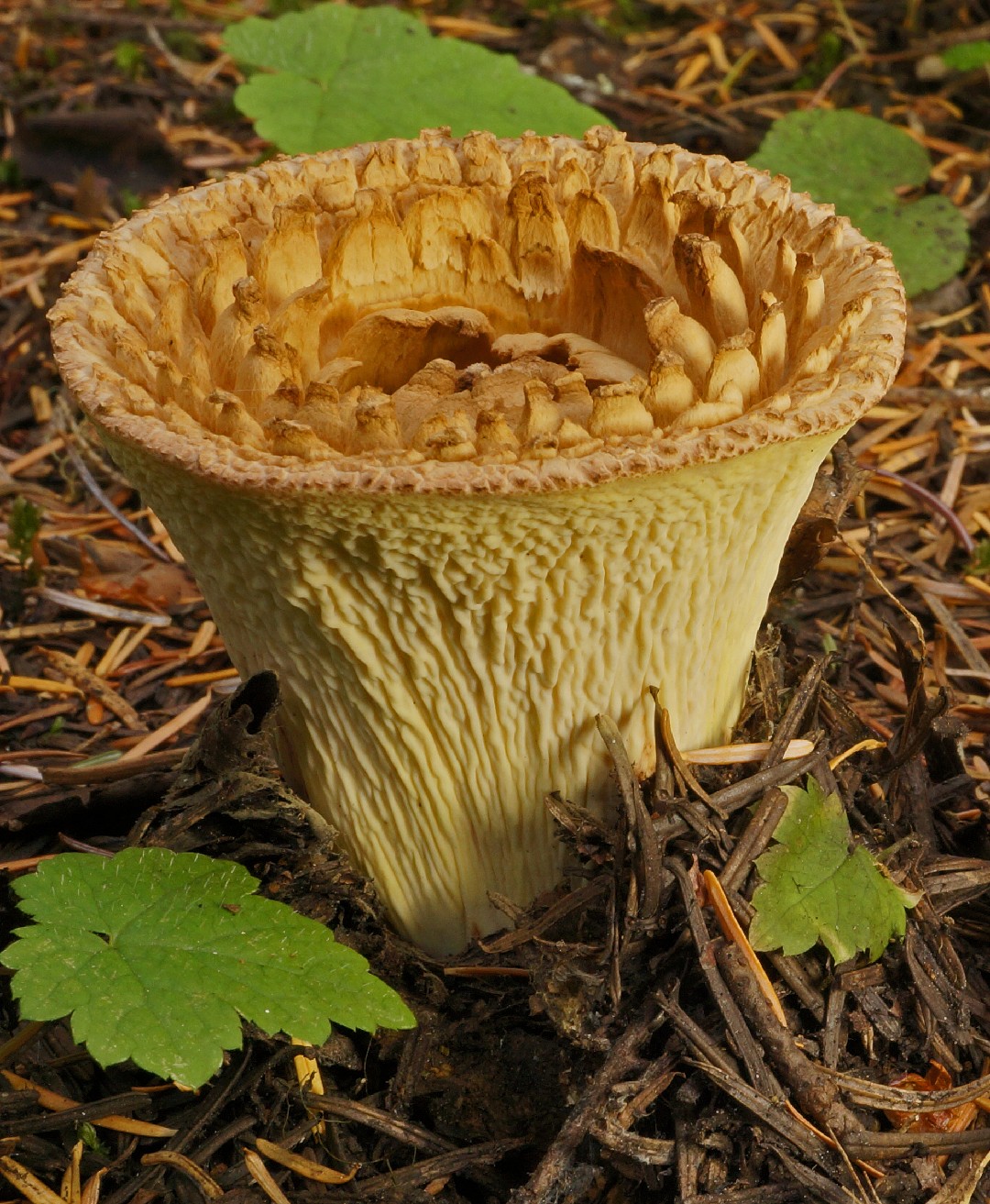
8. Turbinellus kauffmanii
Turbinellus kauffmanii appears in summer and fall and is often found growing in fallen needles from conifer trees. The vase-shaped body and flat light brown cap make the fungus easy to identify. As the species ages, the scales split open revealing white flesh. A pungent odor also identifies younger species.

9. Inocybe pallidicremea
When the cap of inocybe pallidicremea fades, the mushroom can be easily mistaken for Inocybe geophylla, a very common Inocybe species. It seems that inocybe pallidicremea is present only throughout western and northern North America.
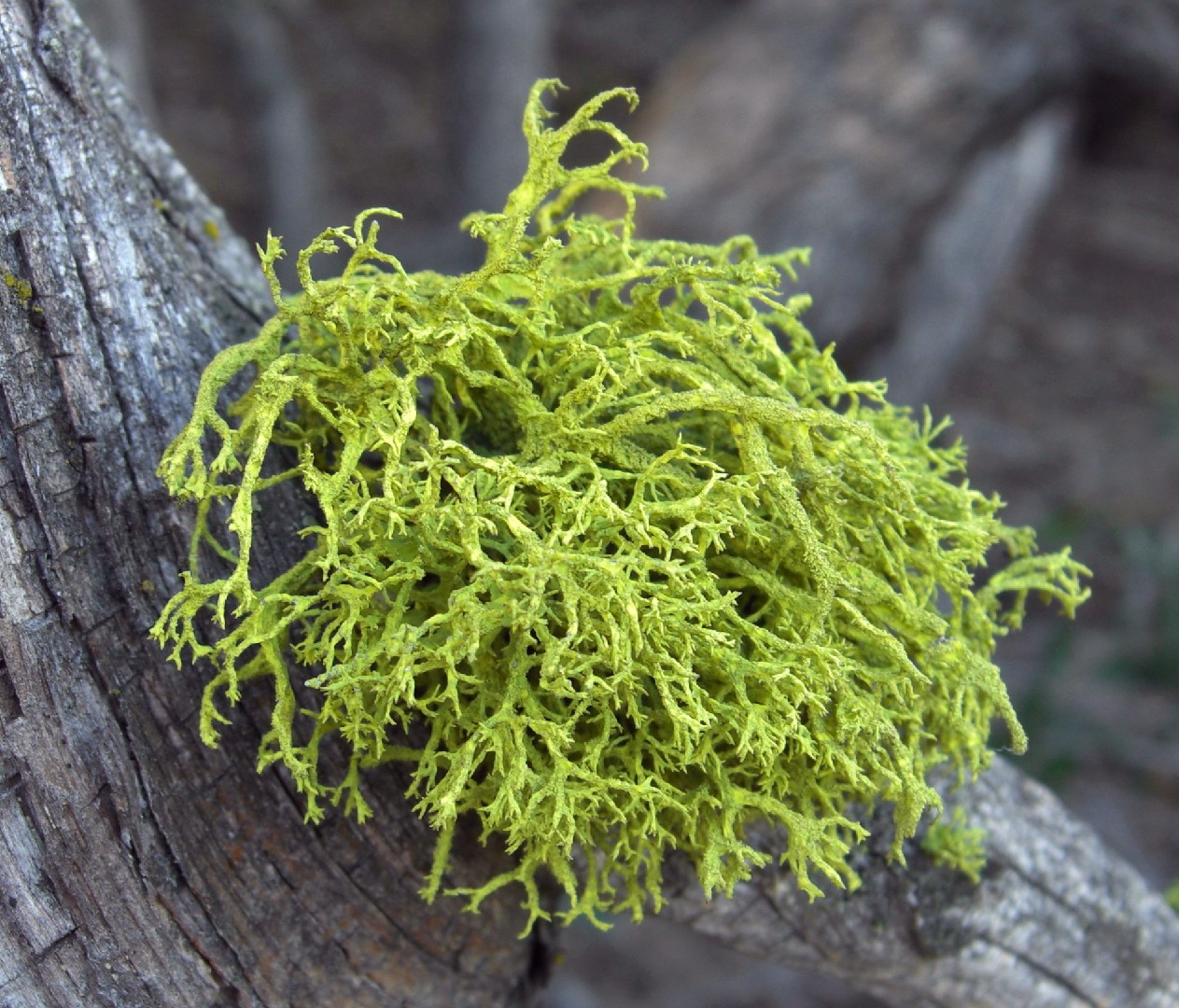
10. Wolf lichen
The thallus, or vegetative body, has a fructicose shape — that is, shrubby and densely branched — and a bright yellow to yellow-green, or chartreuse color, although the color will fade in drier specimens. Its dimensions are typically 2 to 7 cm (0.8 to 3 in) in diameter. The vegetative reproductive structures soredia and isidia are present on the surface of the thalli, often abundantly. 
More







