




Top 14 Most Common Toxic or Poisonous Mushrooms in Owasso
Taking root in the fertile, humid landscape of Owasso, a variety of intriguing fungi thrive. With a climate that expertly feeds mushroom growth, Owasso is also home to an unfortunate array of poisonous species. Exploring 'Top 14 most common poisonous mushrooms in Owasso', you'll navigate the diverse fungal world safely. Learn to discern these potential dangers in your hunt for wild mushrooms, implementing wisdom of mushroom-picking as each step unfolds on woody floors and mossy expanses.
* Disclaimer: Content feedback CAN NOT be used as any basis for EATING ANY PLANTS. Some plants can be VERY POISONOUS, please purchase edible plants through regular channels.

Most Common Toxic or Poisonous Mushrooms
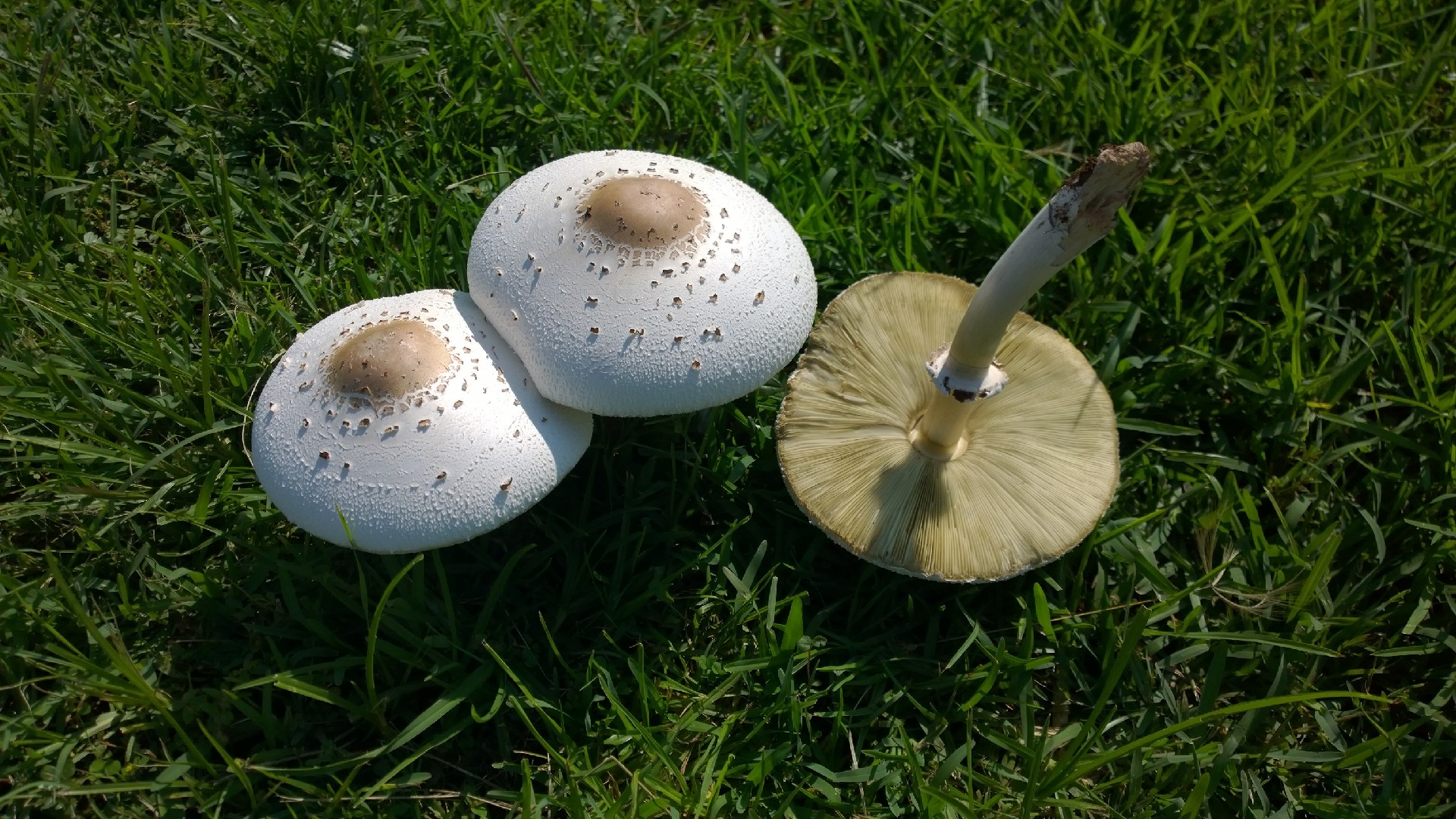
1. False parasol
Though the false parasol appears unassuming, the species is famous—or, infamous—for its toxicity. It looks unfortunately similar to Agericus campestrus, a commonly eaten mushroom, but the false parasol can be distinguished by its highly unusual green spore print. Although they are no good to eat, they can be pretty to look at. The species may grow in ring-shaped groups in meadows and on forest floors in what are sometimes called "fairy circles."
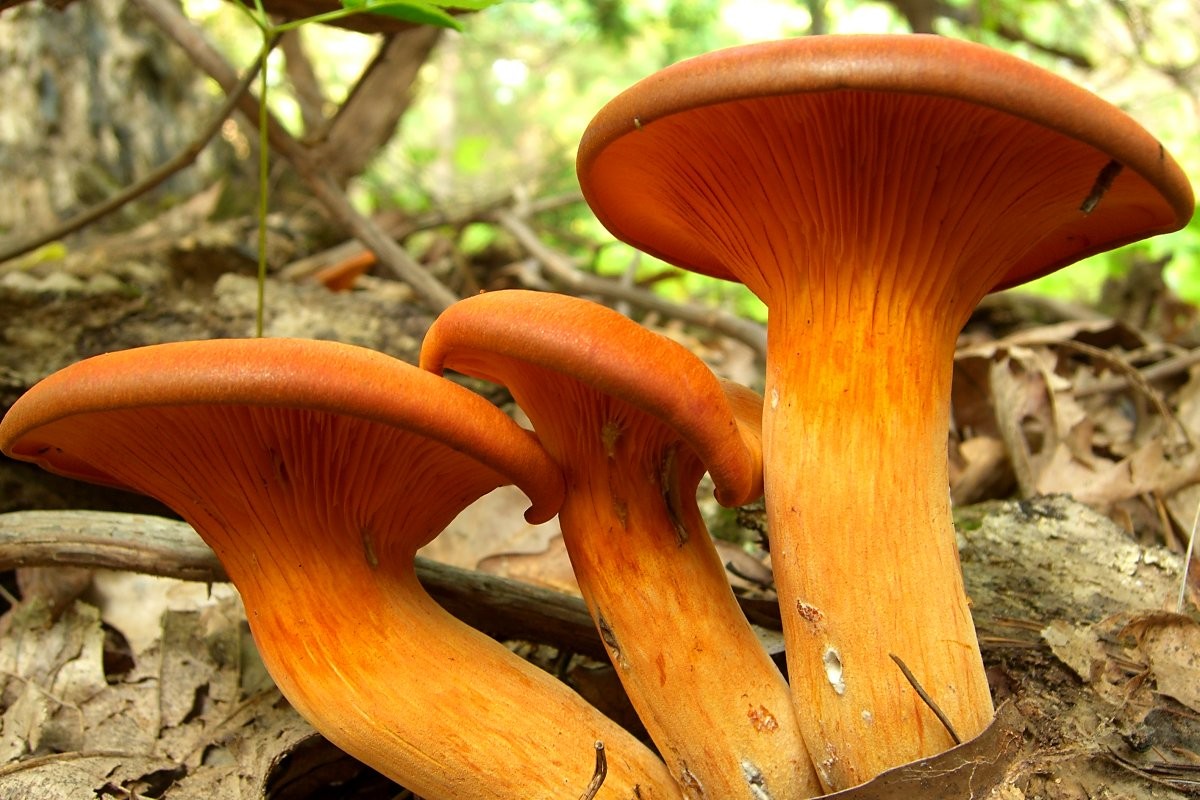
2. Jack-o'lantern mushroom
The jack-o'lantern mushroom is so-called because of its bright orange color, and because it often appears in the fall (usually before Halloween, though). This vibrant little mushroom can be found growing on decaying hardwood stumps and logs. The species does have some superficial resemblances to the highly edible chanterelle (Cantharellus cibarius), but it is toxic and should be avoided!
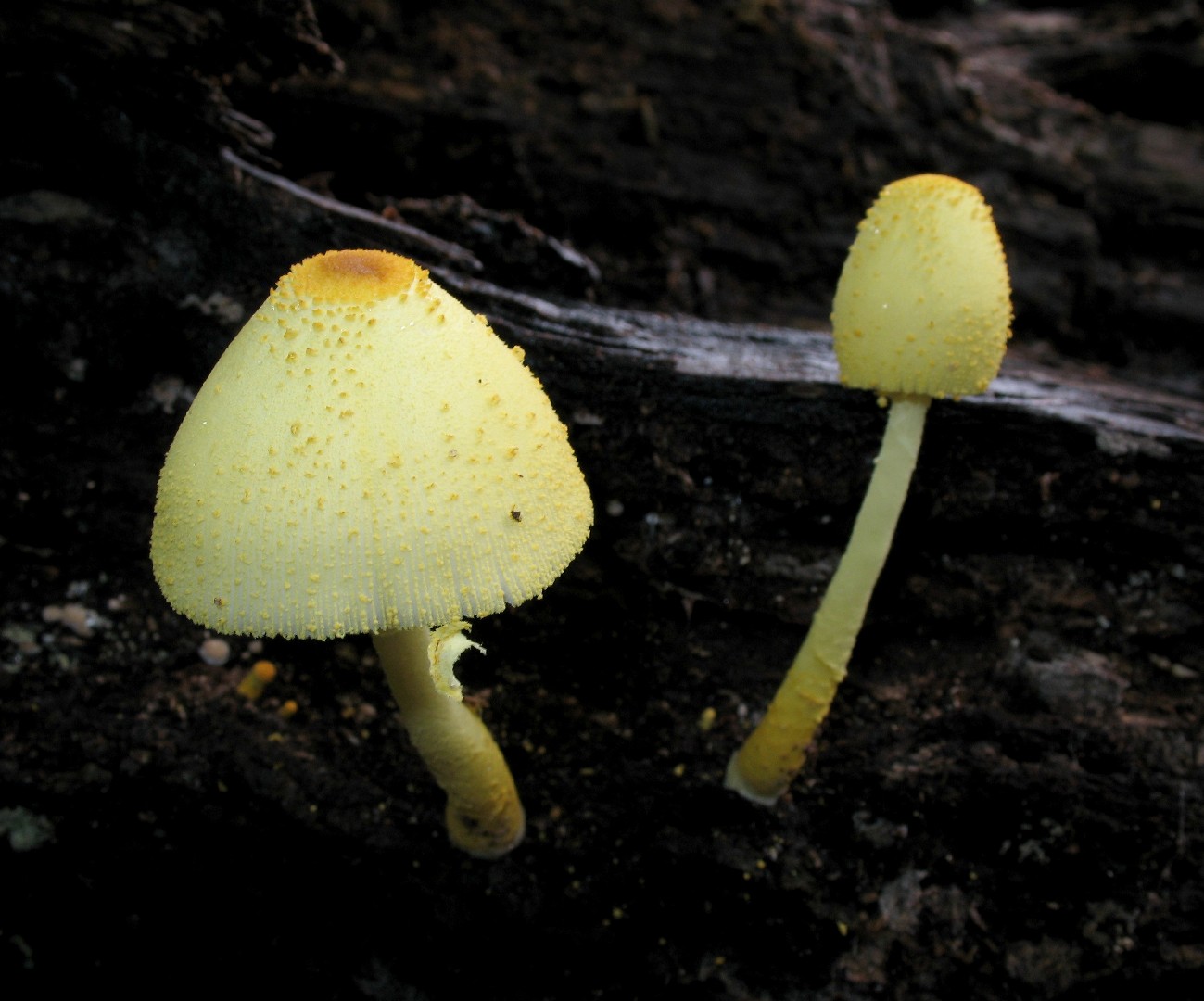
3. Flowerpot parasol
This tropical/subtropical mushroom is known to be toxic. If eaten it causes a very unpleasant stomachache with the risk of fatal complications. In temperate zones, flowerpot parasol is only found in hothouses and greenhouses, so the risk of accidental foraging is low, but it may occur with potted plants and indoor landscaping and pose a risk to curious children.
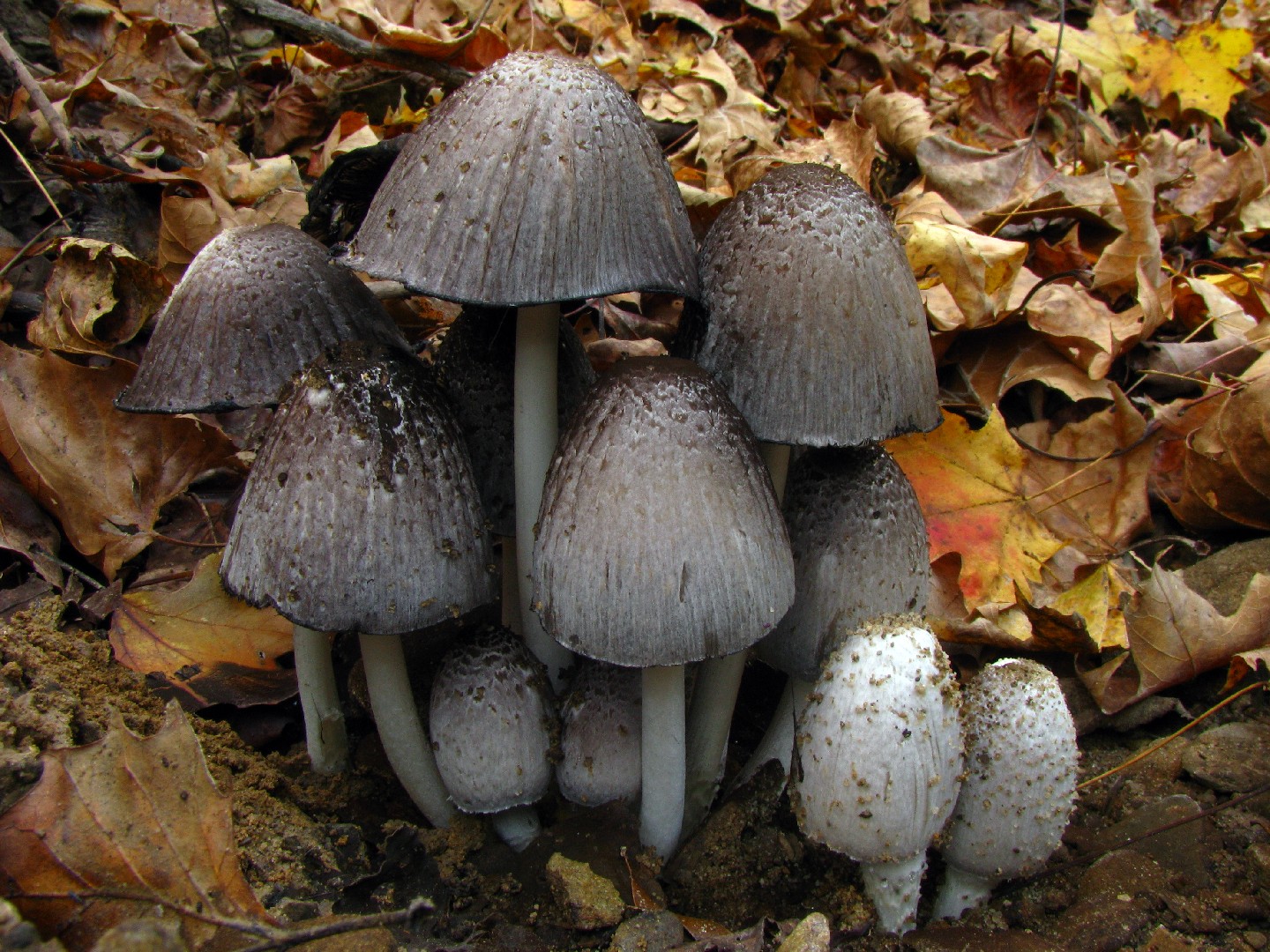
4. Common ink cap
Common ink cap mushrooms grow in clumps from buried wood or tree stumps. They come up with such strength that they have been known to lift pavement or break through asphalt. As they age, their gills will turn black and liquefy, creating the "inky" substance for which they are named.
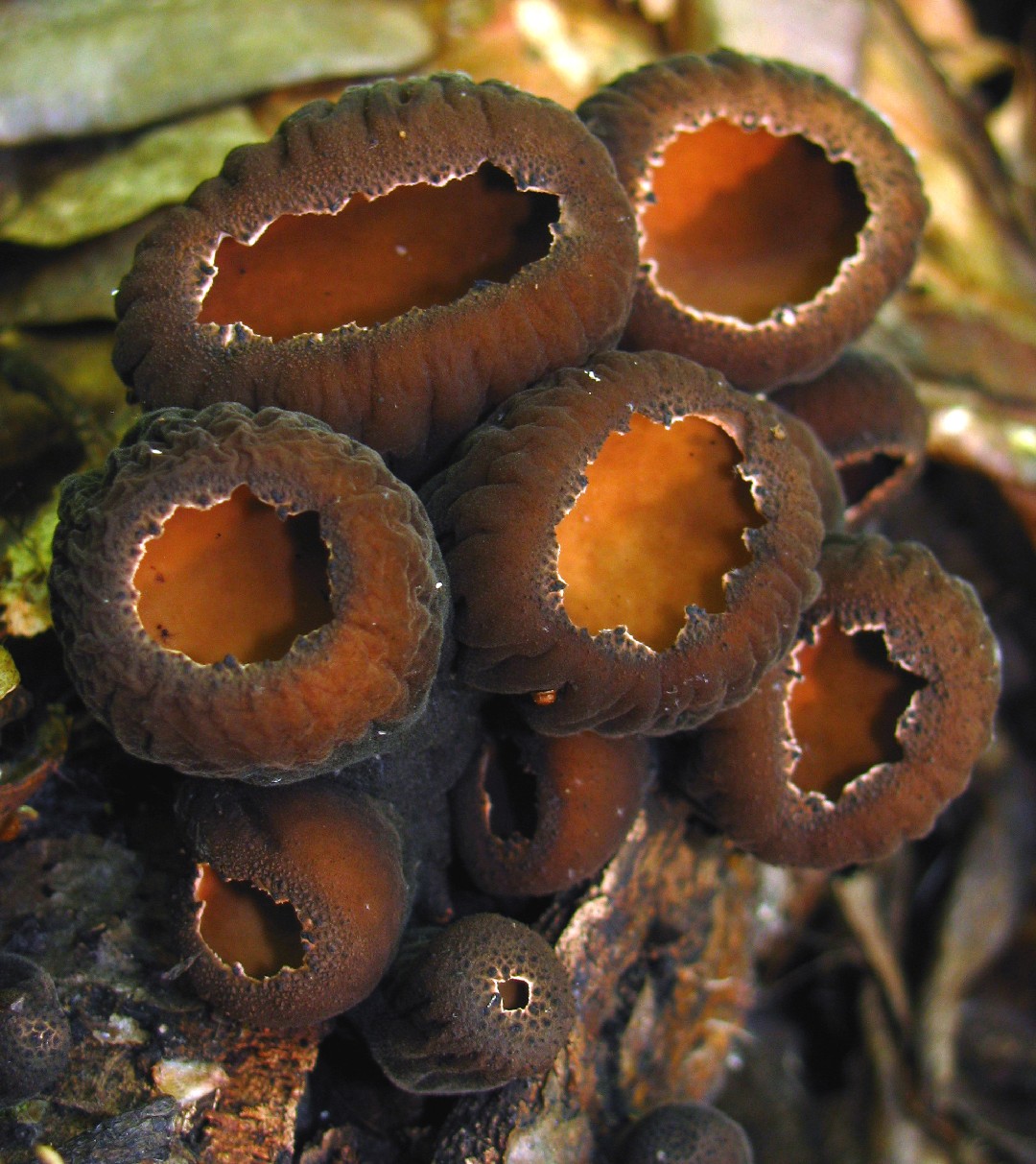
5. Rufous rubber cup
The rufous rubber cup is a tiny, cup-shaped, reddish-brown mushroom that commonly grows on twigs and fallen branches. The species is considered inedible, and its modest look almost certainly wouldn't attract anyone to consume it.
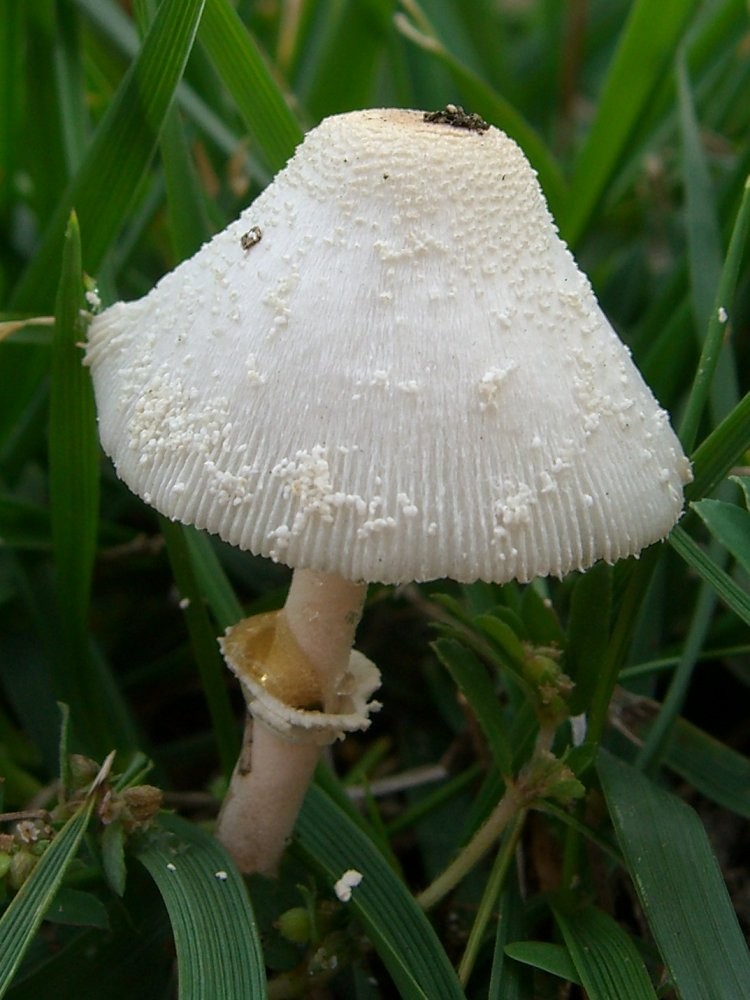
6. Onion-stalk parasol mushroom
This generalist mushroom, found across North America, can be found in all sorts of moist woodland settings. The species appears to be particularly fond of wood chips or mulch, and so it is often found in garden or park settings. The onion-stalk parasol mushroom, despite the word "onion" in its name, is inedible.
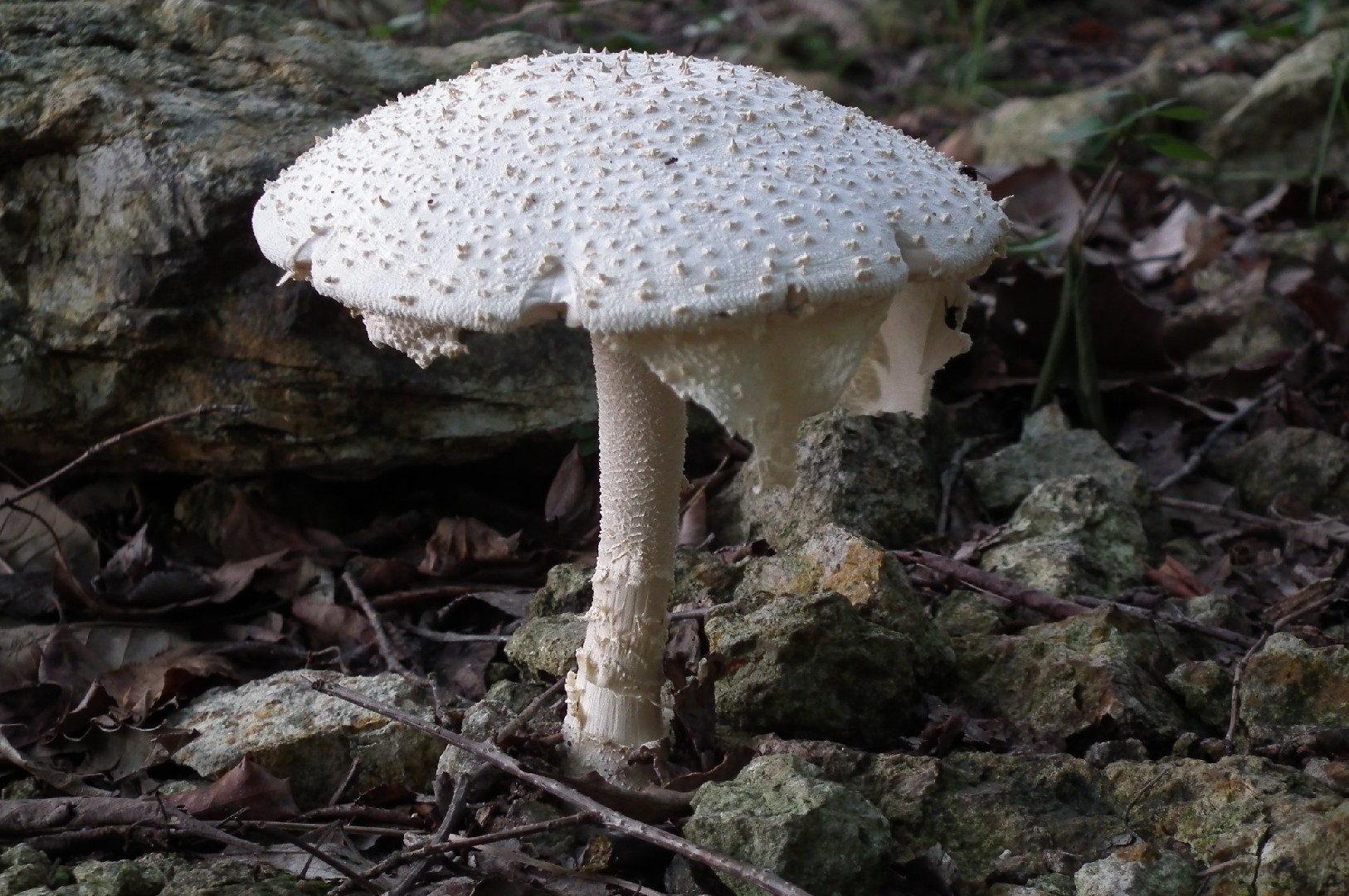
7. American abrupt-bulbed amanita
American abrupt-bulbed amanita looks almost indistinguishable from other Amanita species in most ways. However, as hinted by its name, american abrupt-bulbed amanita has a distinctively shaped base. This unique appearance has been described as a mushroom stem growing from the lower half of an egg.
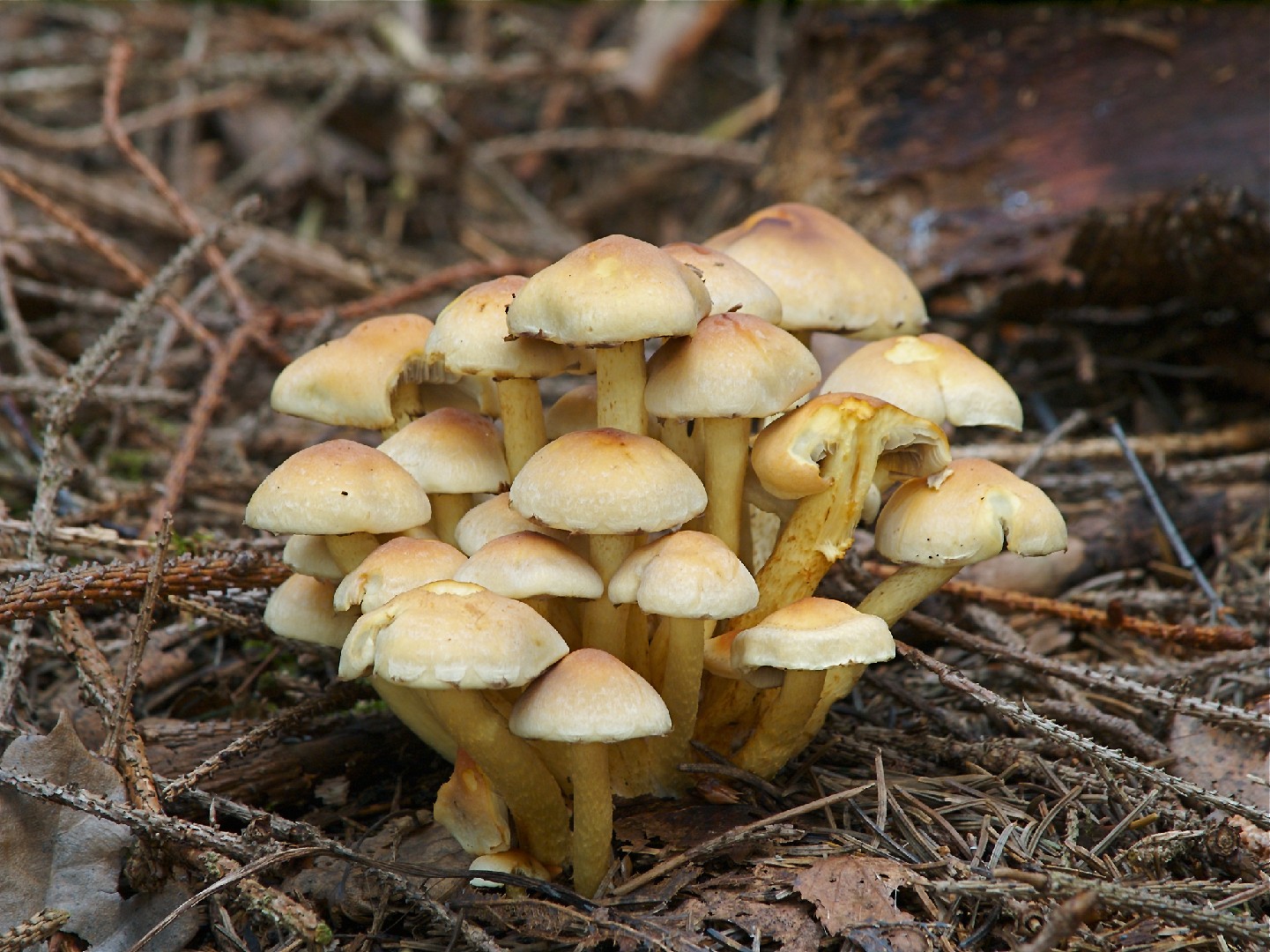
8. Sulphur tuft
The sulphur tuft grows on rotting wood of all types of trees; it is a particularly efficient decomposer of hardwoods. The mushrooms appear from spring to autumn and are often so tightly packed that they interfere with each other’s shape. This poisonous mushroom can cause temporary paralysis, distorted vision, and stomach pain if consumed.
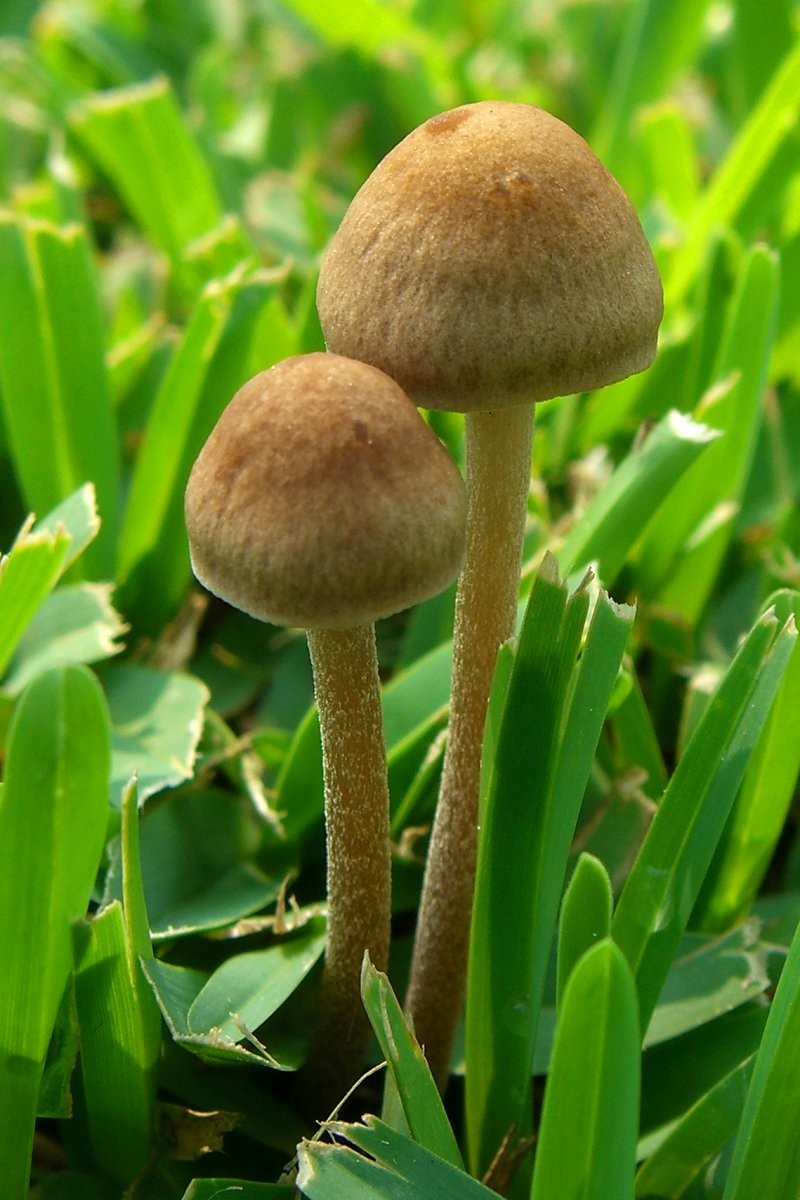
9. Mower's mushroom
The mower's mushroom, also referred to as the lawnmower's mushroom, is so named because it frequently crops up in lawns. The species is rather nondescript, and it is considered a member of the infamously hard-to-distinguish "Little Brown Mushroom" (LBM) family. While the mower's mushroom is not known to be toxic to humans or dogs, several of these close look-alikes are.
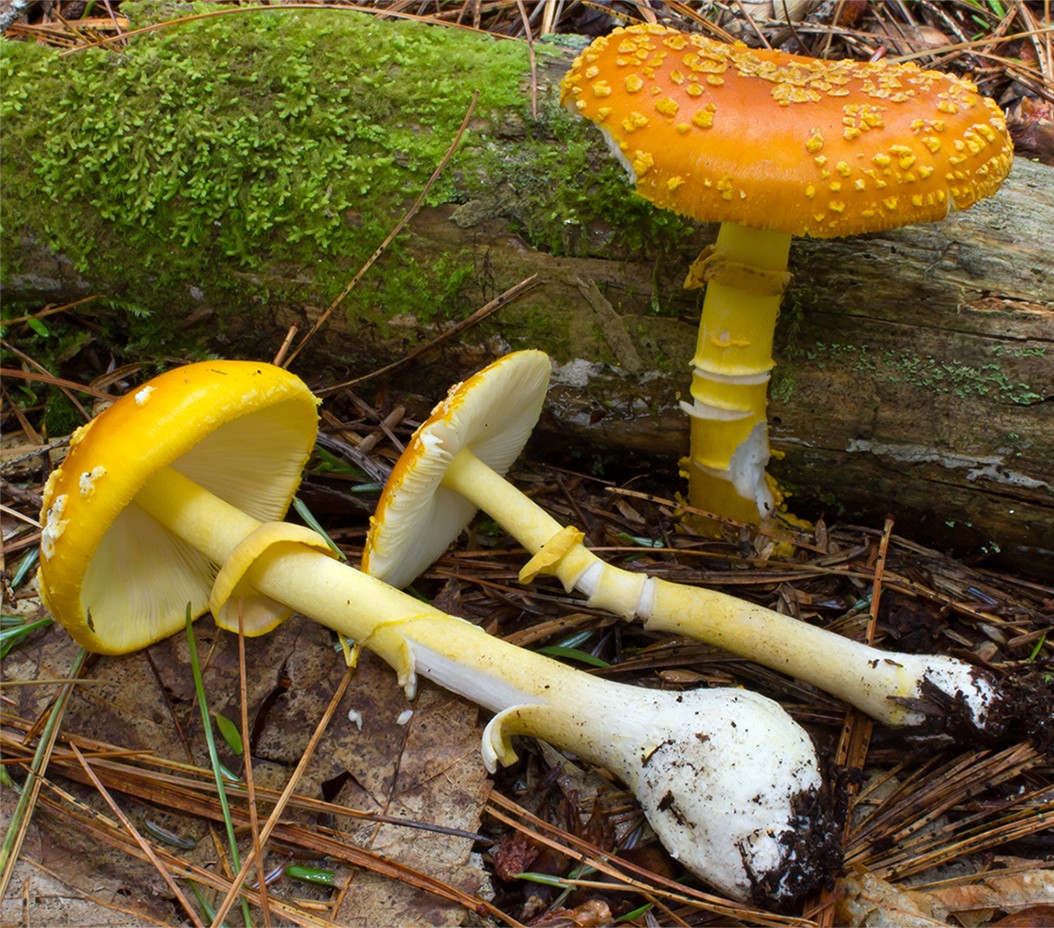
10. Yellow patches
The yellow patches is a gorgeous, striking species with a deep marigold or vermillion cap that sometimes appears as a blend of the two. Like some other members of the Amanita genus, it also sports patchy white worts - when it's cap is still very convex, it somewhat resembles the famous white and red mushrooms from the Mario Bros video games. While beautiful to look at, this species is toxic and should not be harvested.
More







