




Top 10 Most Common Toxic or Poisonous Mushrooms in Virginia
Delve into an intriguing journey through Virginia's distinctive landscapes and climate, hosting an array of mesmerizing yet potentially harmful fungi. Our 'Top 10 most common poisonous mushrooms in Virginia' guide will explore these potentially dangerous varieties, shaped by our region's diverse habitats. Further your knowledge of safe mushroom hunting in Virginia, understanding how to distinguish edible from poisonous types, and enjoy foraging with confidence and security. This guide is quintessential for both mycology enthusiasts and aspiring mushroom foragers alike!
* Disclaimer: Content feedback CAN NOT be used as any basis for EATING ANY PLANTS. Some plants can be VERY POISONOUS, please purchase edible plants through regular channels.

Most Common Toxic or Poisonous Mushrooms
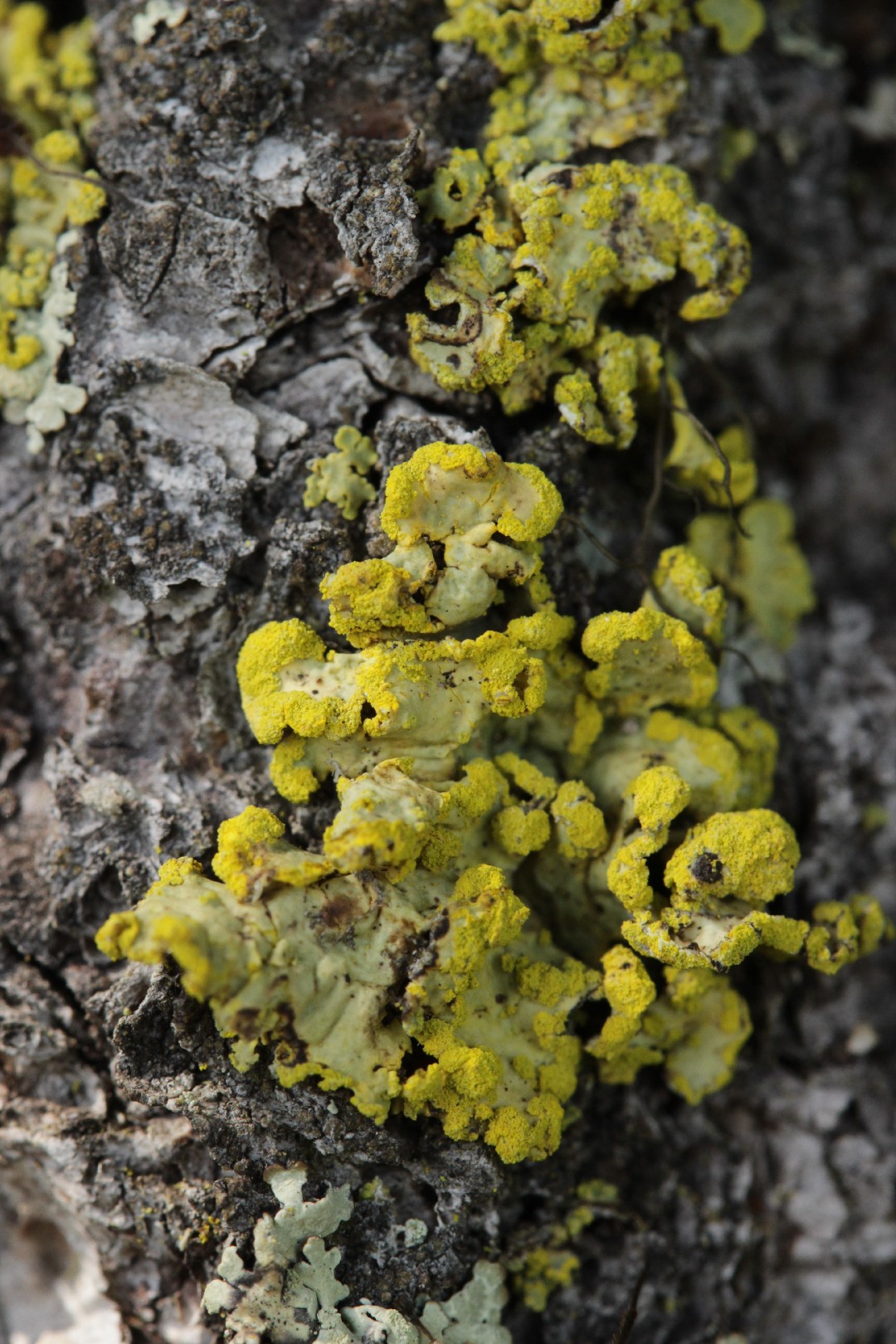
1. Powdered sunshine lichen
Vulpicida pinastri usually has few, broad, irregular lobes whose edges are lined with yellow Bortensoralen. On the underside, the lichen is pale yellowish with few rhizins. Fruit bodies (Apotheciens) are very rarely trained and then have a brown disc with bearing edge. The unicellular spores are ellipsoidal to almost spherical. The yellow color is caused by the highly toxic vulpinic acid in the marrow, which probably serves as a feeding protection against snails.
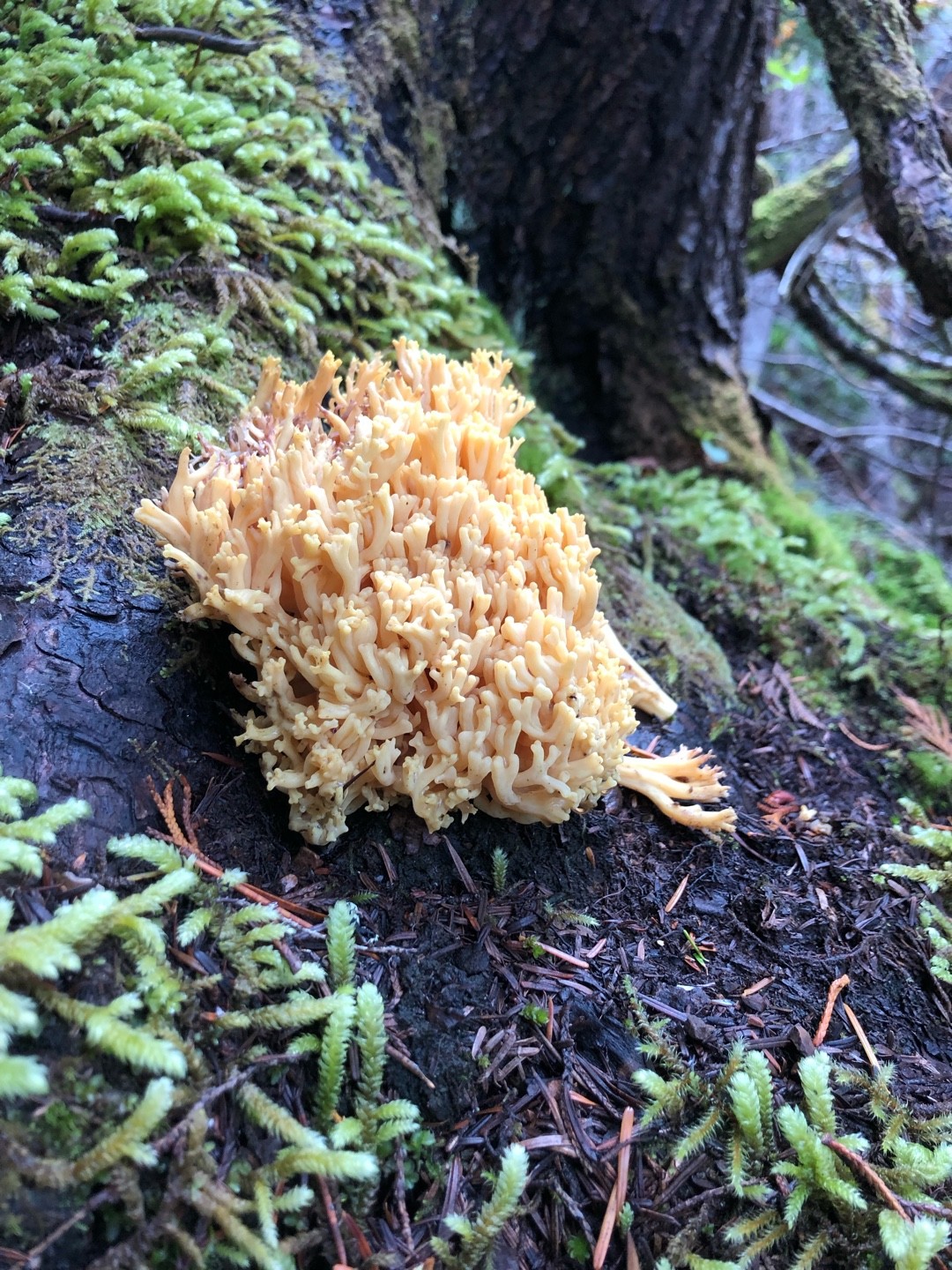
2. Yellow-tipped coral
Yellow-tipped coral(Ramaria formosa) is a pinkish, much-branched coral fungus known for its distinct appearance and many colorful varieties. It has been reported to cause gastrointestinal distress in some people, and so consumption is strongly discouraged. Older specimens may become brittle and chalk-like.
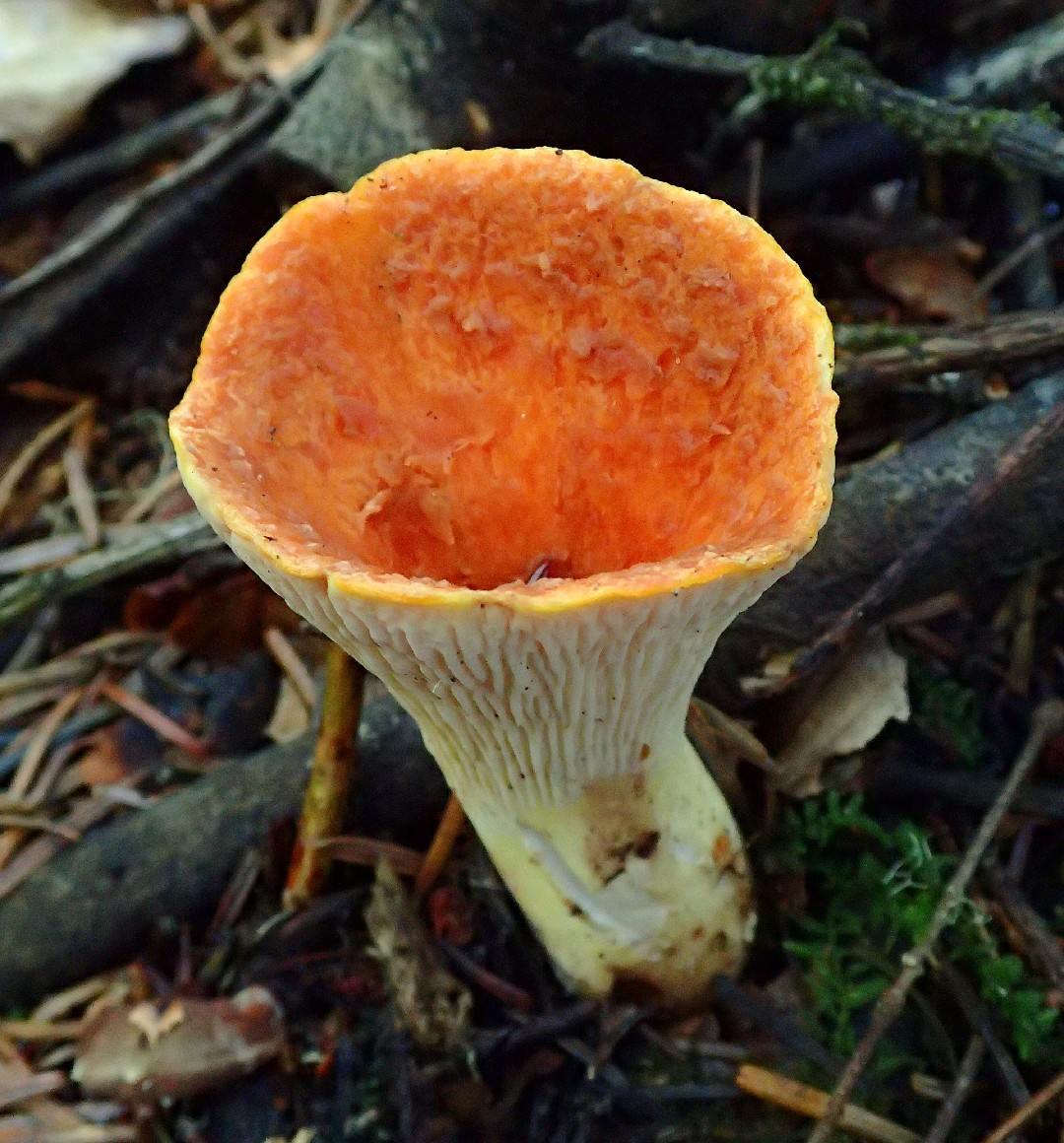
3. Woolly chanterelle
The woolly chanterelle, which looks only vaguely similar to its famed, edible chanterelle cousins, is vase-shaped and has large, pale folds and wrinkles on its underside (as opposed to having gills, like those of more sought-after chanterelles). Woolly chanterelles can cause upset stomach, vomiting, and diarrhea in some who eat them, while leaving others completely unaffected. Needless to say, the species is not considered a "choice edible".
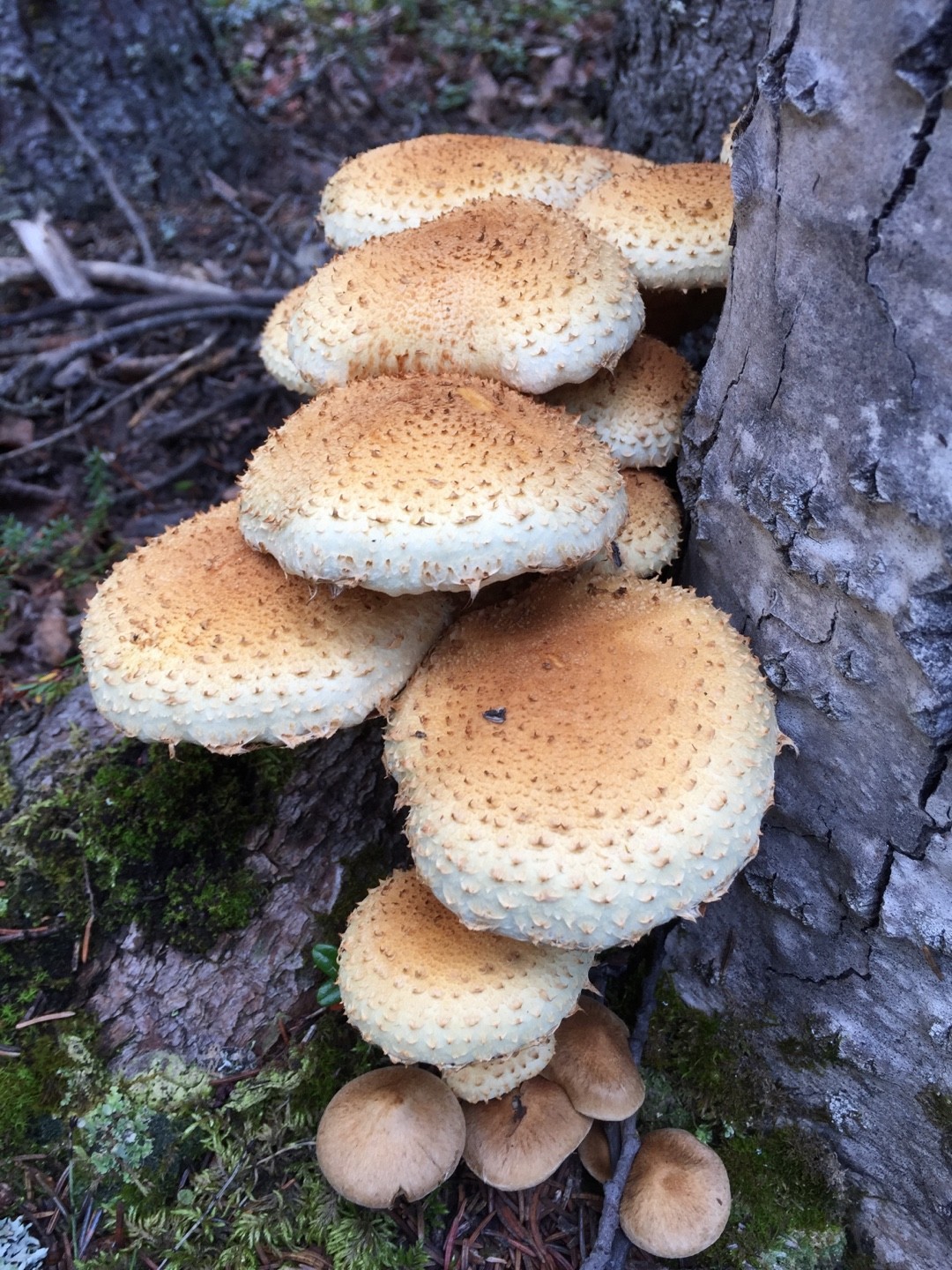
4. Shaggy scalycap
These mushrooms are most commonly found in clusters underneath old broadleaf trees and on their stumps. Their scientific name, Pholiota squarrosa, means “scaly with upright scales,” and that is exactly how the surface of the mushrooms appears. They are sometimes mistaken for honey fungus, as they share the same color, but the shaggy scalycap is definitely not edible.
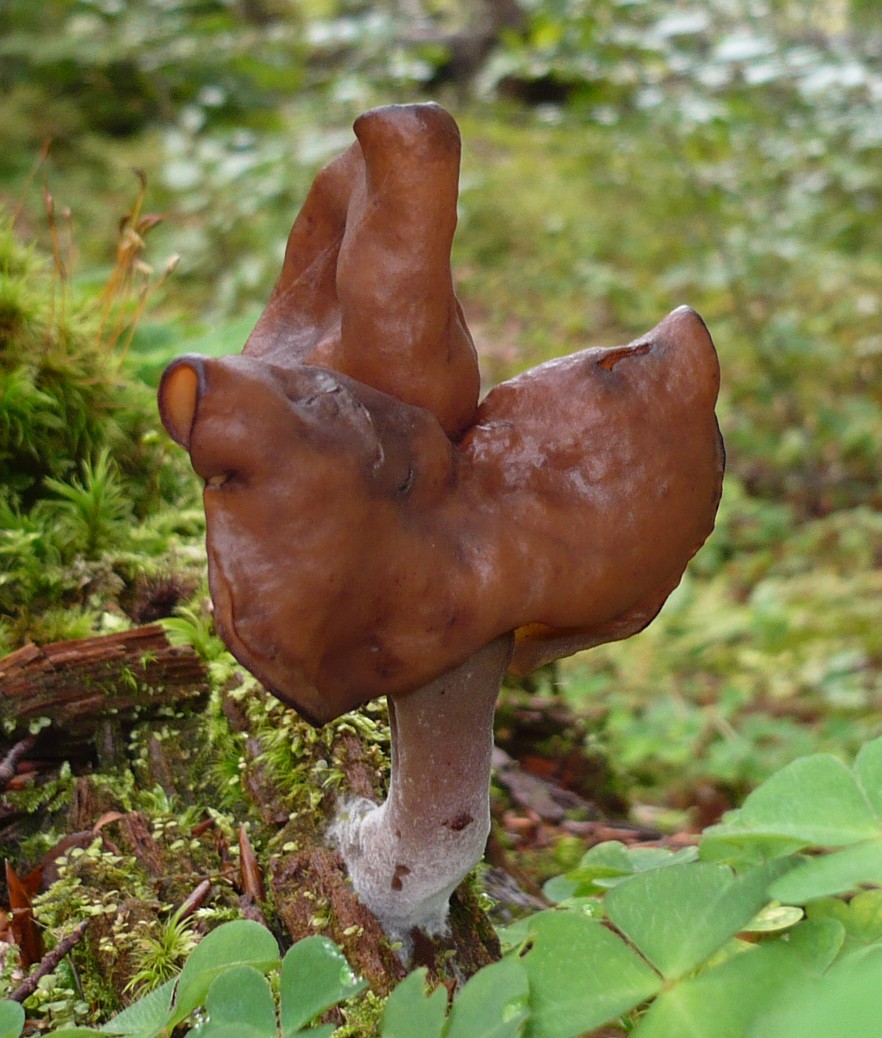
5. Hooded false morel
The hooded false morel (Gyromitra infula) does not look nearly as similar to true morels as some other false morels do. This mushroom has a highly irregular, often saddle-shaped cap that rarely has the honeycomb-like holes of a common morel. The species is widely distributed across the temperate northern hemisphere and tends to grow on rotting coniferous wood.
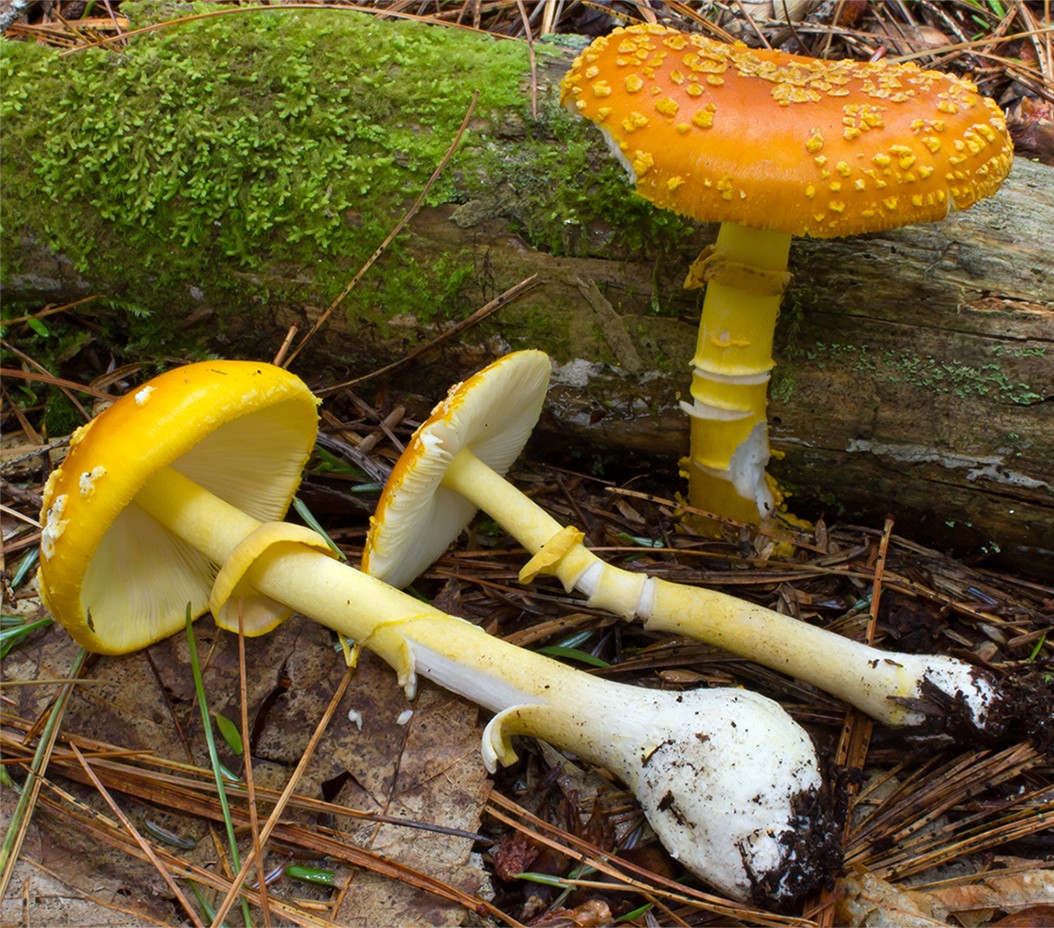
6. Yellow patches
The yellow patches is a gorgeous, striking species with a deep marigold or vermillion cap that sometimes appears as a blend of the two. Like some other members of the Amanita genus, it also sports patchy white worts - when it's cap is still very convex, it somewhat resembles the famous white and red mushrooms from the Mario Bros video games. While beautiful to look at, this species is toxic and should not be harvested.
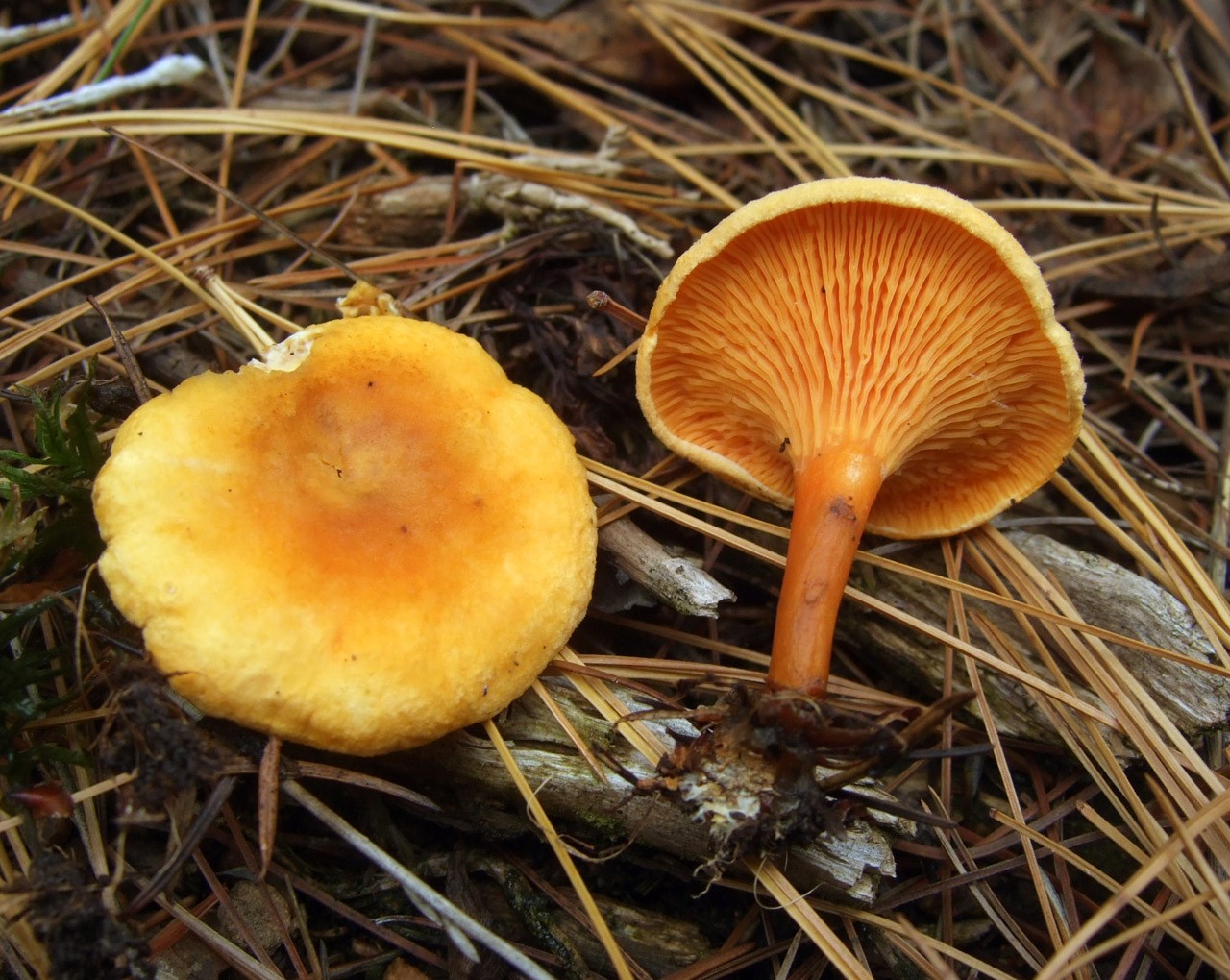
7. False chanterelle
The common name of this mushroom refers to the fact that it looks very similar to the edible and highly prized Chanterelle. This species, however, tastes bitter and may cause poisoning symptoms. False chanterelle occurs around the northern hemisphere in autumn and winter, growing on coniferous detritus, and is more likely to fruit in dry conditions rather than the usual wet.
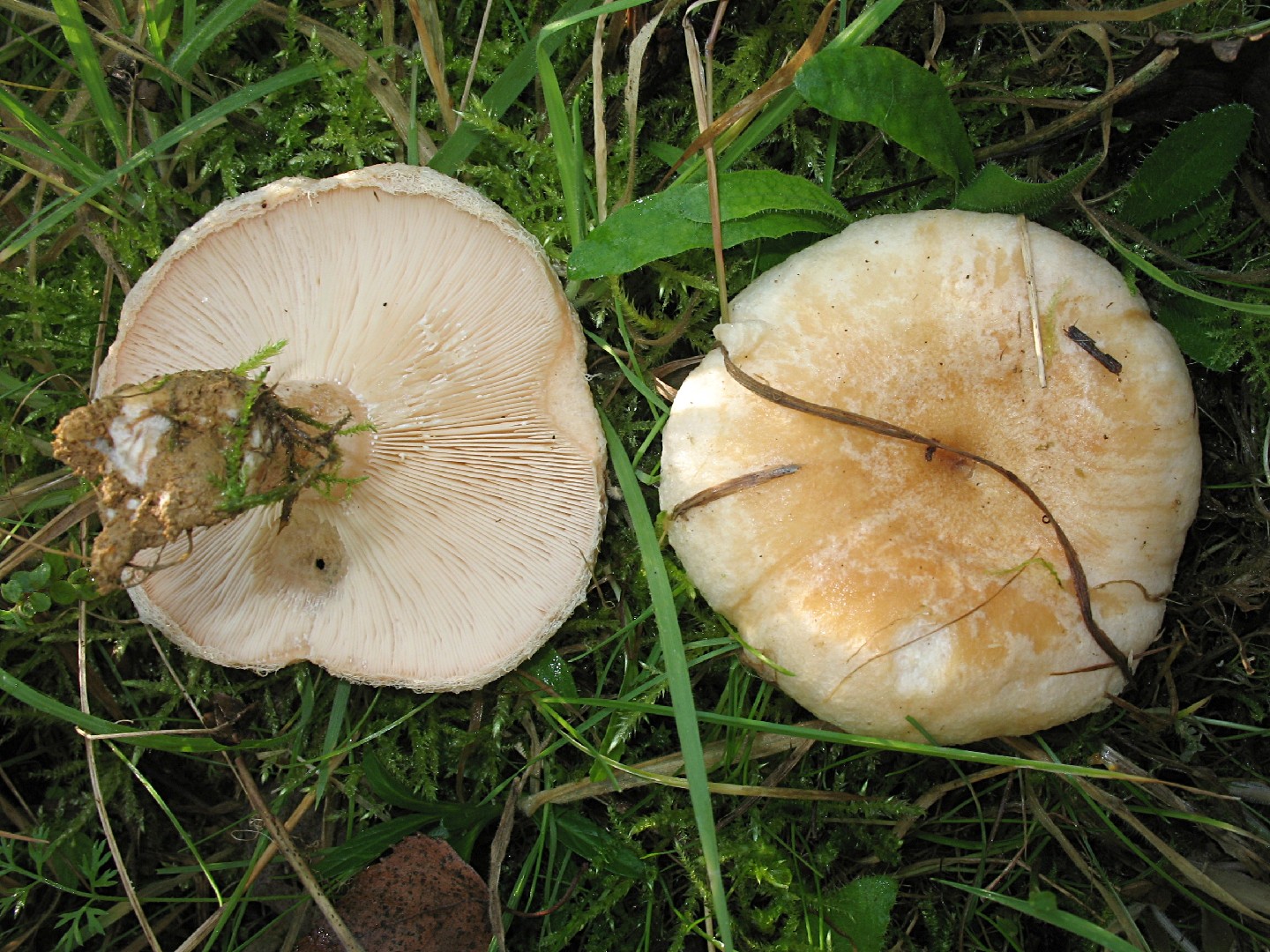
8. Bearded milkcap
The bearded milkcap (Lactarius pubescens) unlike many other milk caps, has a shaggy margin along the edge of its cap, giving it a "bearded" appearance. Bearded milkcaps have an otherwise traditional milk cap structure, with a rounded cap, often upturned that has a dimple in its center. The species can be found across the temperate northern hemisphere and usually associates with birch trees.
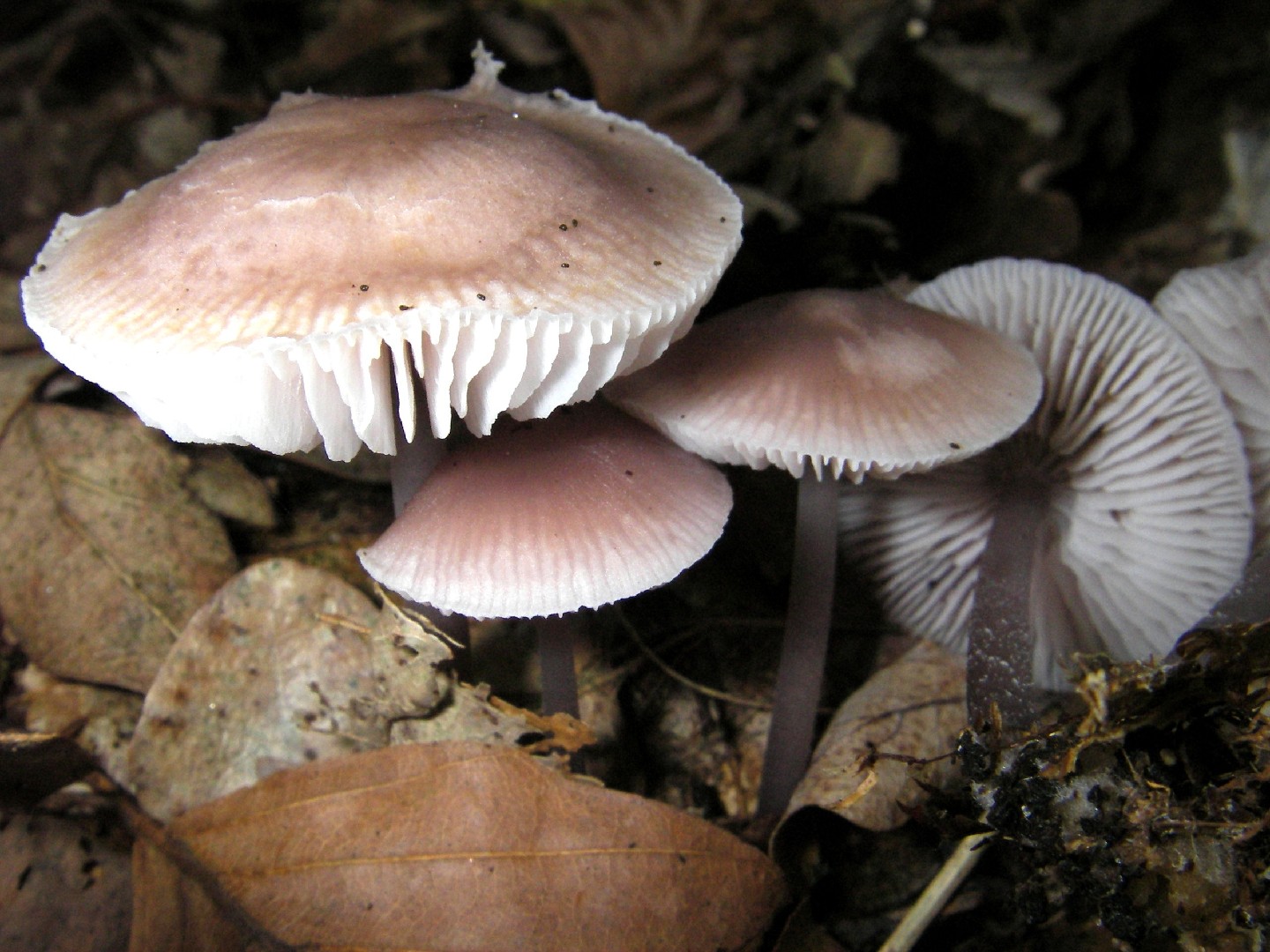
9. Lilac bonnet
The lilac bonnet is common around the northern hemisphere in woodlands of all types, and can sometimes also be seen in grasslands. It is toxic to humans due to its muscarine content, a poison that can cause convulsions and death after ingestion.
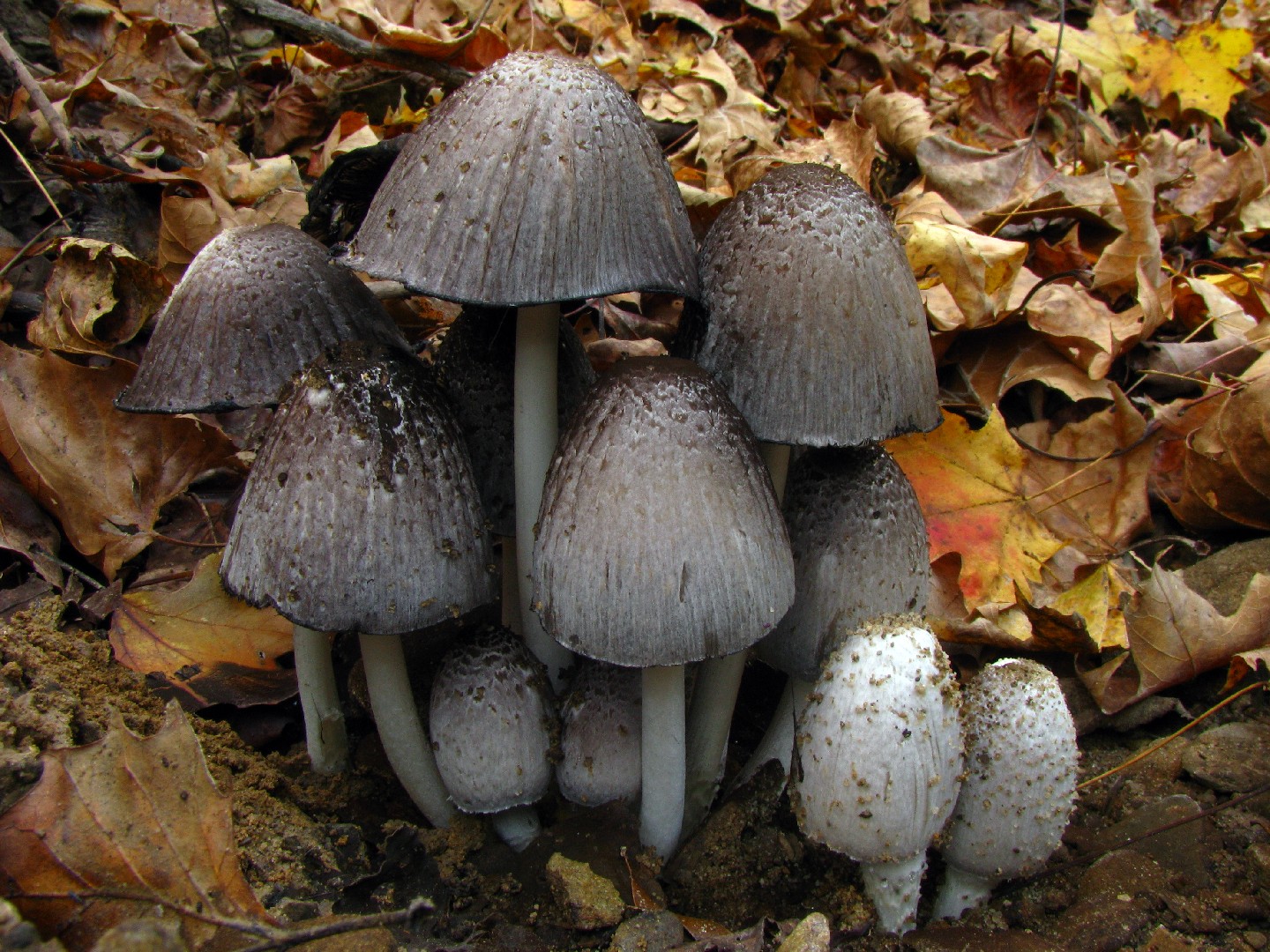
10. Common ink cap
Common ink cap mushrooms grow in clumps from buried wood or tree stumps. They come up with such strength that they have been known to lift pavement or break through asphalt. As they age, their gills will turn black and liquefy, creating the "inky" substance for which they are named.







