




Top 8 Most Common Toxic or Poisonous Mushrooms in Madisonville
Renowned for its captivating landscape and unique climate, Madisonville is enriched with distinctive mycelium diversity. 'Top 8 most common poisonous mushrooms in Madisonville' encompasses all you need to know about local toxic fungal species. Beyond just fascinating facts, it’s an essential guide for mushroom enthusiasts, kitchen foragers, or budding mycologists in their quest for a safe and fruitful mushroom hunt. Remember, knowledge not assumption is key in avoiding danger!
* Disclaimer: Content feedback CAN NOT be used as any basis for EATING ANY PLANTS. Some plants can be VERY POISONOUS, please purchase edible plants through regular channels.

Most Common Toxic or Poisonous Mushrooms
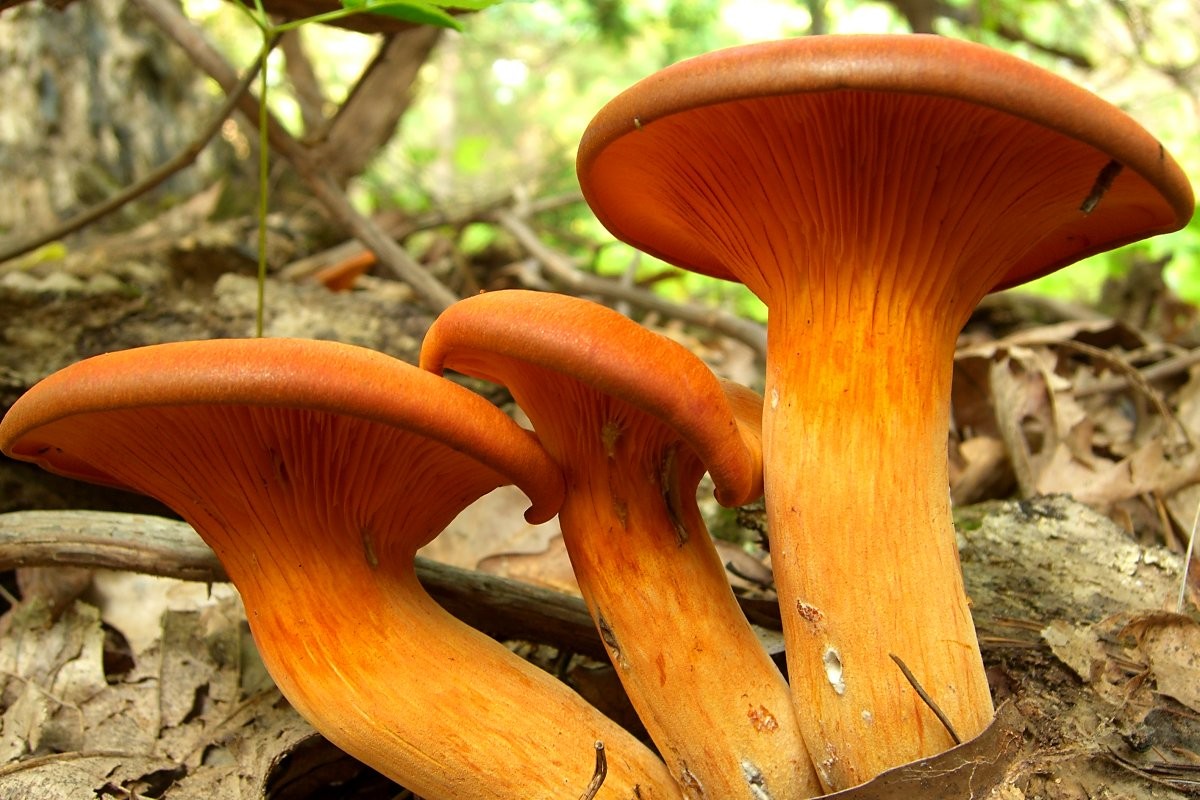
1. Jack-o'lantern mushroom
The jack-o'lantern mushroom is so-called because of its bright orange color, and because it often appears in the fall (usually before Halloween, though). This vibrant little mushroom can be found growing on decaying hardwood stumps and logs. The species does have some superficial resemblances to the highly edible chanterelle (Cantharellus cibarius), but it is toxic and should be avoided!
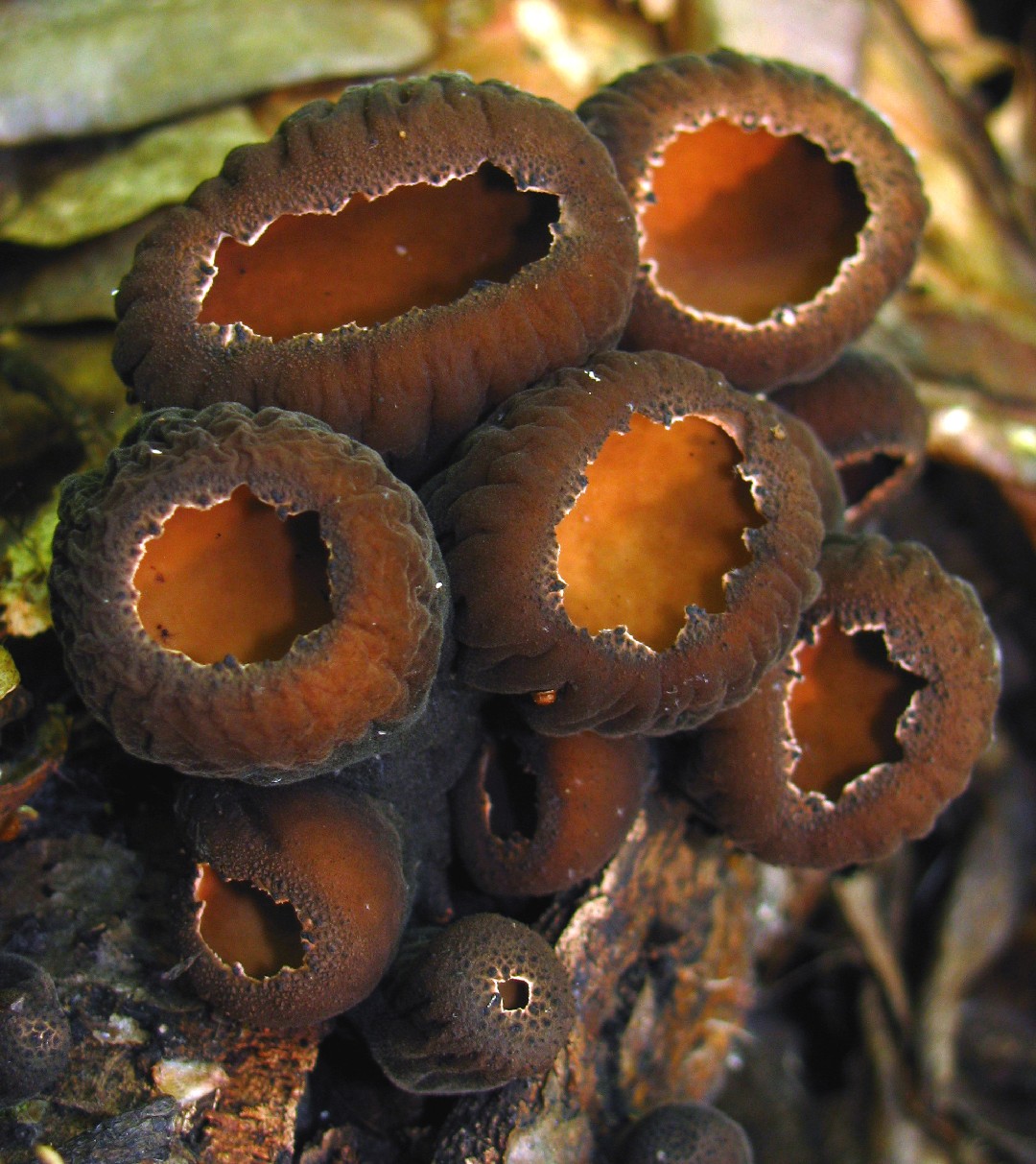
2. Rufous rubber cup
The rufous rubber cup is a tiny, cup-shaped, reddish-brown mushroom that commonly grows on twigs and fallen branches. The species is considered inedible, and its modest look almost certainly wouldn't attract anyone to consume it.
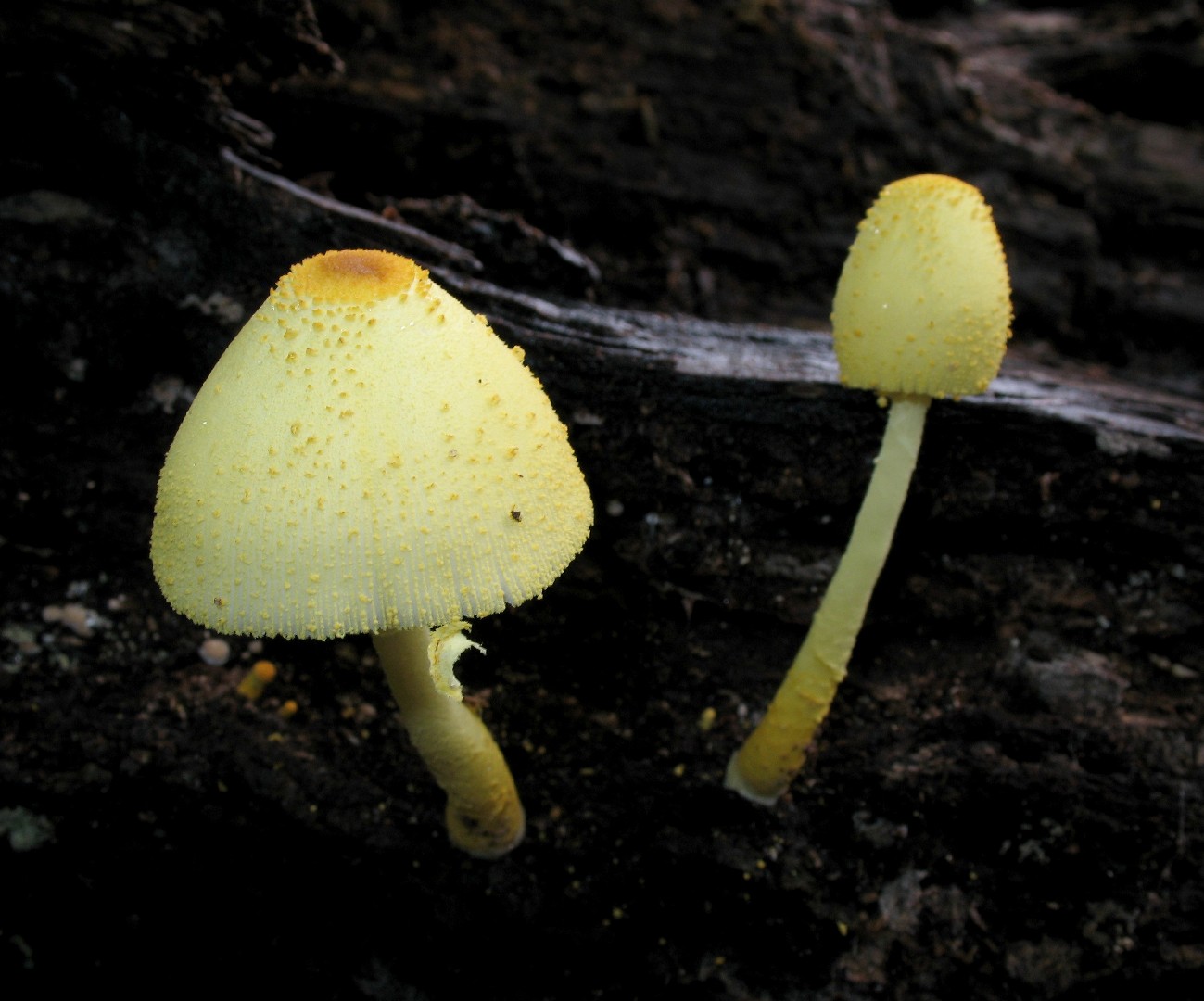
3. Flowerpot parasol
This tropical/subtropical mushroom is known to be toxic. If eaten it causes a very unpleasant stomachache with the risk of fatal complications. In temperate zones, flowerpot parasol is only found in hothouses and greenhouses, so the risk of accidental foraging is low, but it may occur with potted plants and indoor landscaping and pose a risk to curious children.
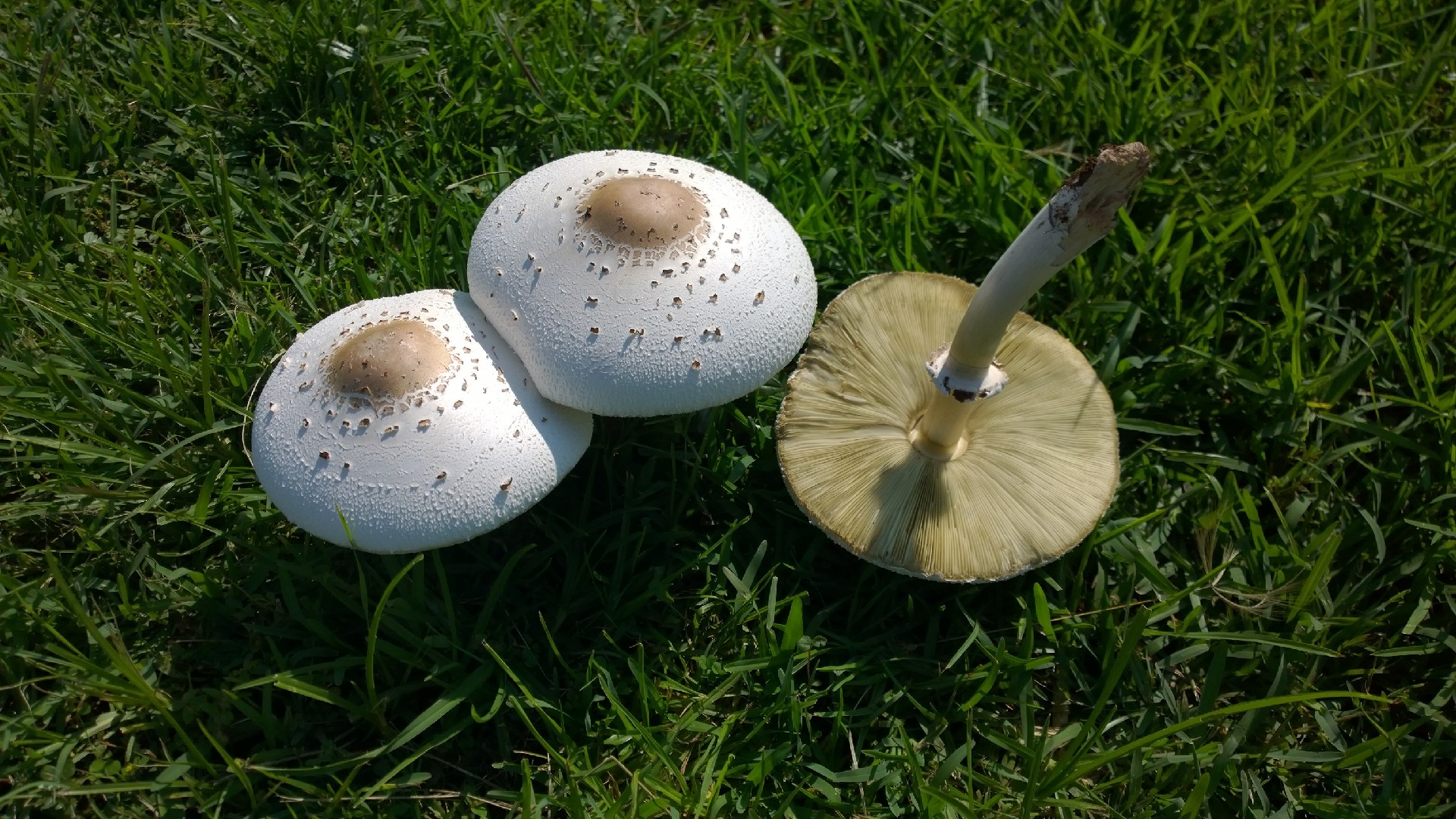
4. False parasol
Though the false parasol appears unassuming, the species is famous—or, infamous—for its toxicity. It looks unfortunately similar to Agericus campestrus, a commonly eaten mushroom, but the false parasol can be distinguished by its highly unusual green spore print. Although they are no good to eat, they can be pretty to look at. The species may grow in ring-shaped groups in meadows and on forest floors in what are sometimes called "fairy circles."
5. Yellow patches
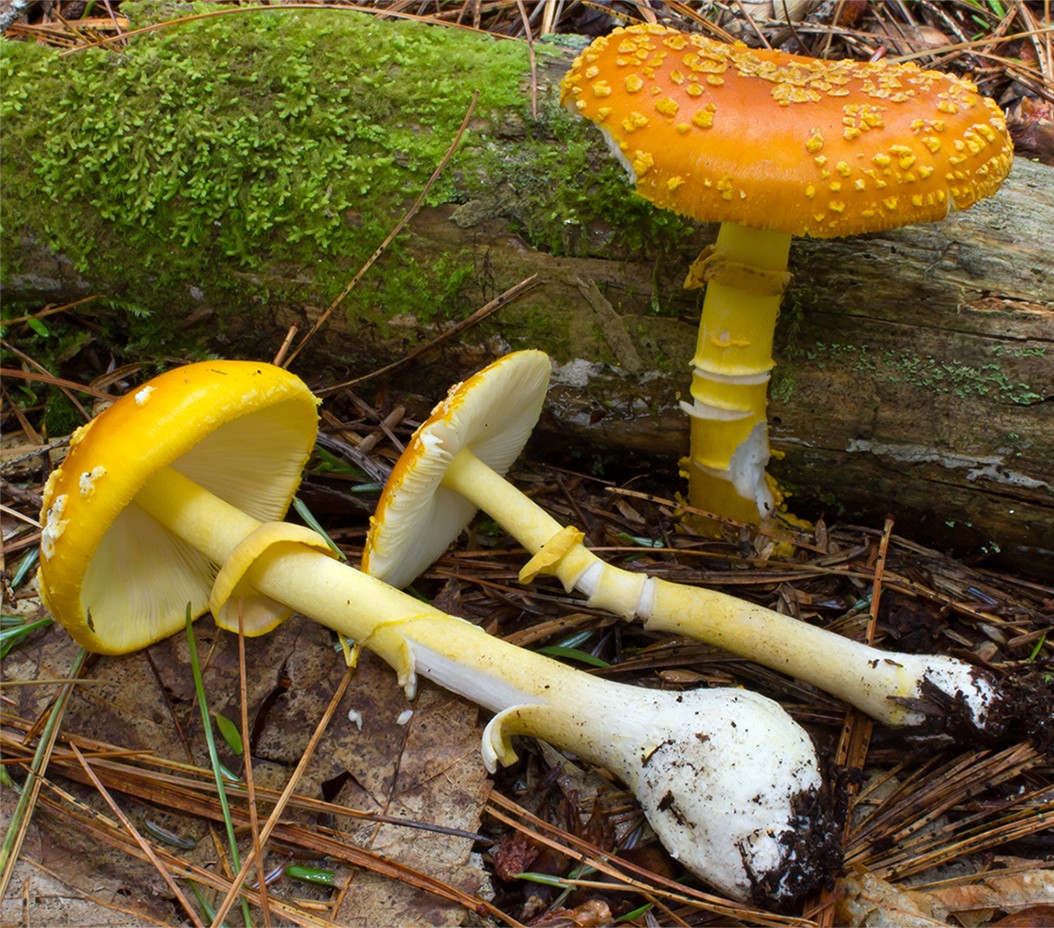
The yellow patches is a gorgeous, striking species with a deep marigold or vermillion cap that sometimes appears as a blend of the two. Like some other members of the Amanita genus, it also sports patchy white worts - when it's cap is still very convex, it somewhat resembles the famous white and red mushrooms from the Mario Bros video games. While beautiful to look at, this species is toxic and should not be harvested.
6. Fragile dapperling
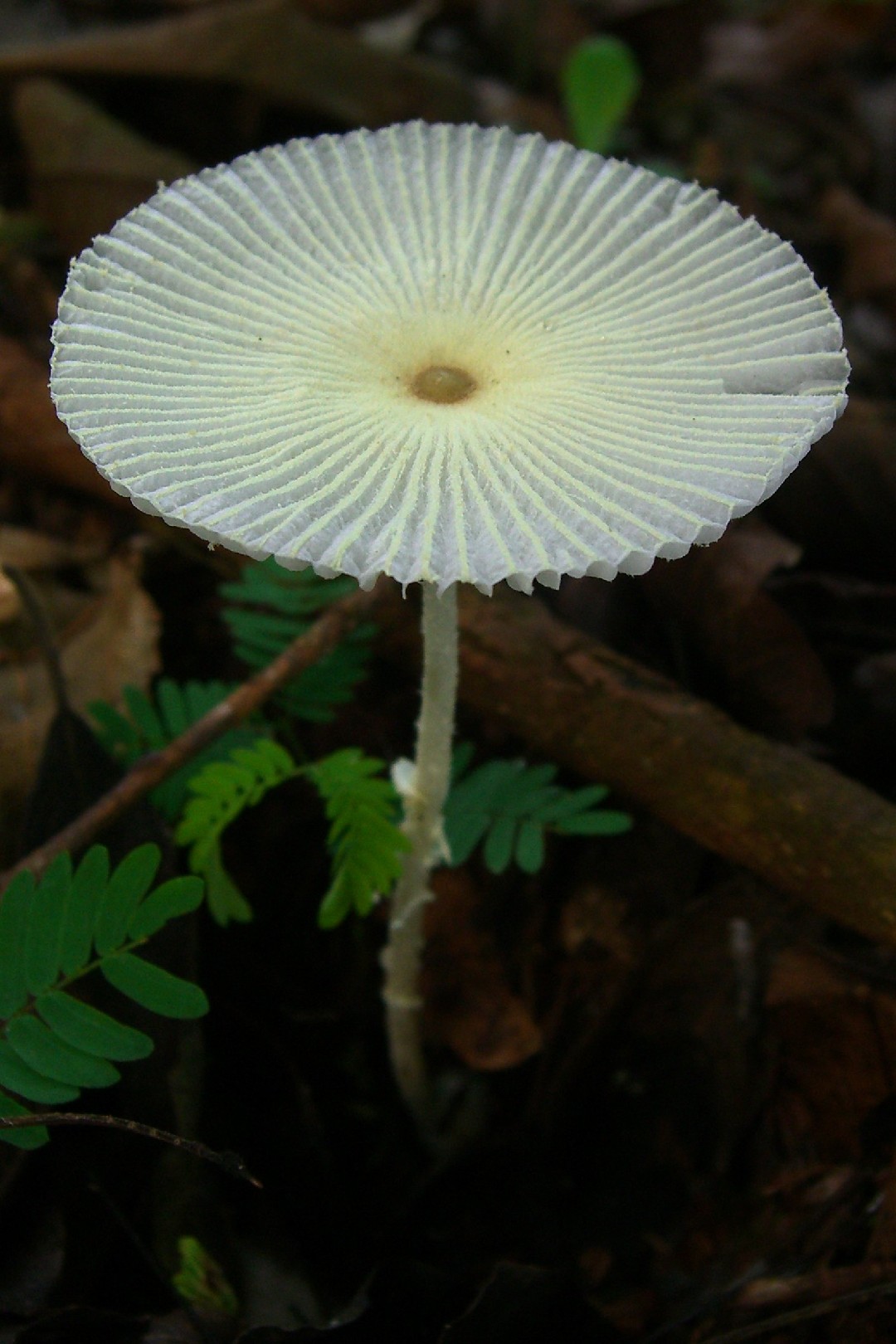
The fragile dapperling is a tropical and subtropical woodland species. As its name suggests, this mushroom is so tender and fragile that picking it becomes a real challenge. The stem is very thin and it easily snaps. The edibility of the fragile dapperling is unknown, but the mushroom is probably insufficient for any kind of meal.
7. Panaeolus antillarum
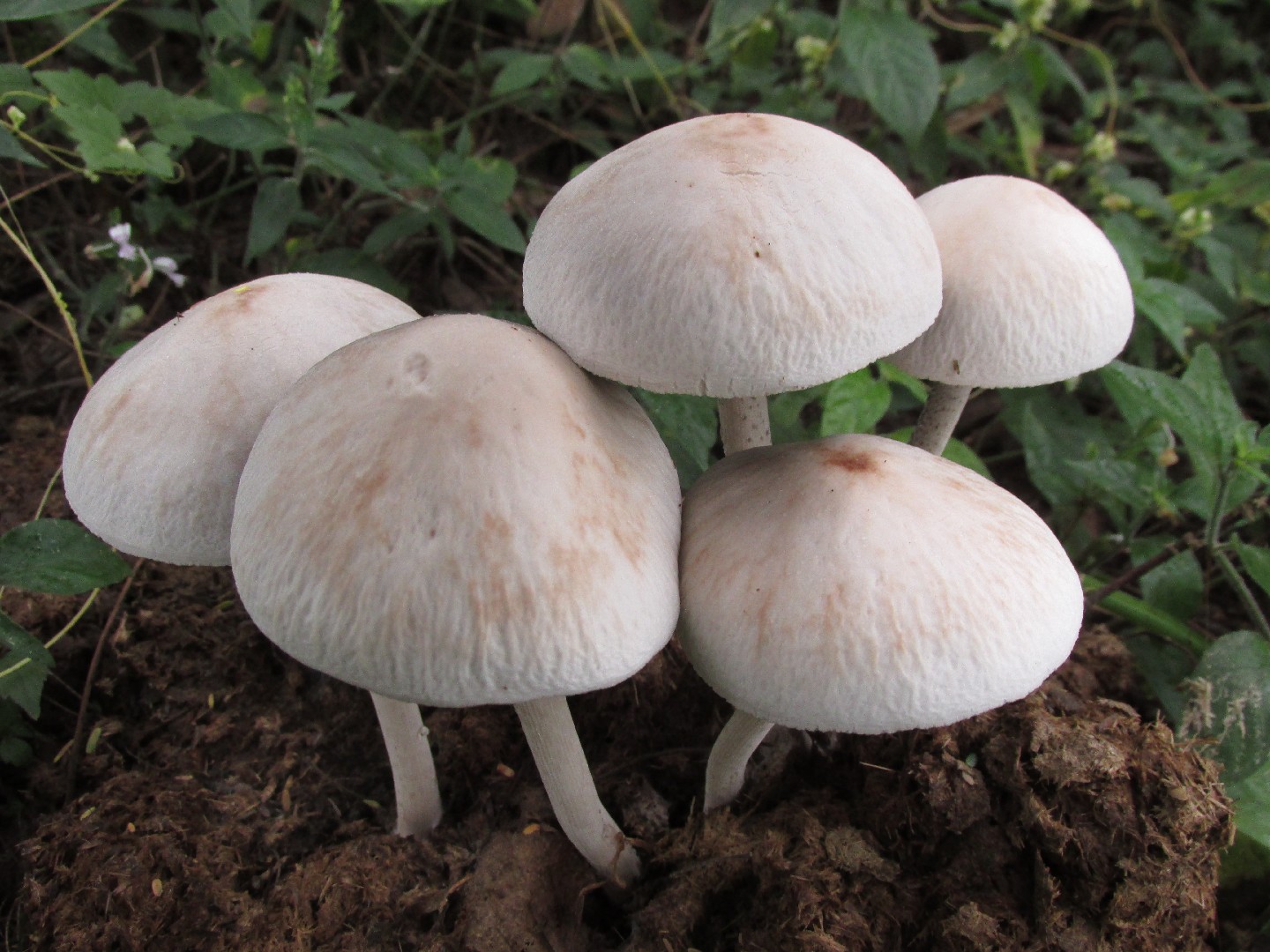
The panaeolus antillarum is a small, nondescript mushroom that, like other members of the Panaeolus genus, favors fruiting in animal dung, though it may also be found in wet meadows or even lawns. Though its stalk and cap don't offer any quick or easy identifying characteristics, one distinguishing feature of this species is its spore print, which is jet black.
8. Gymnopilus picreus
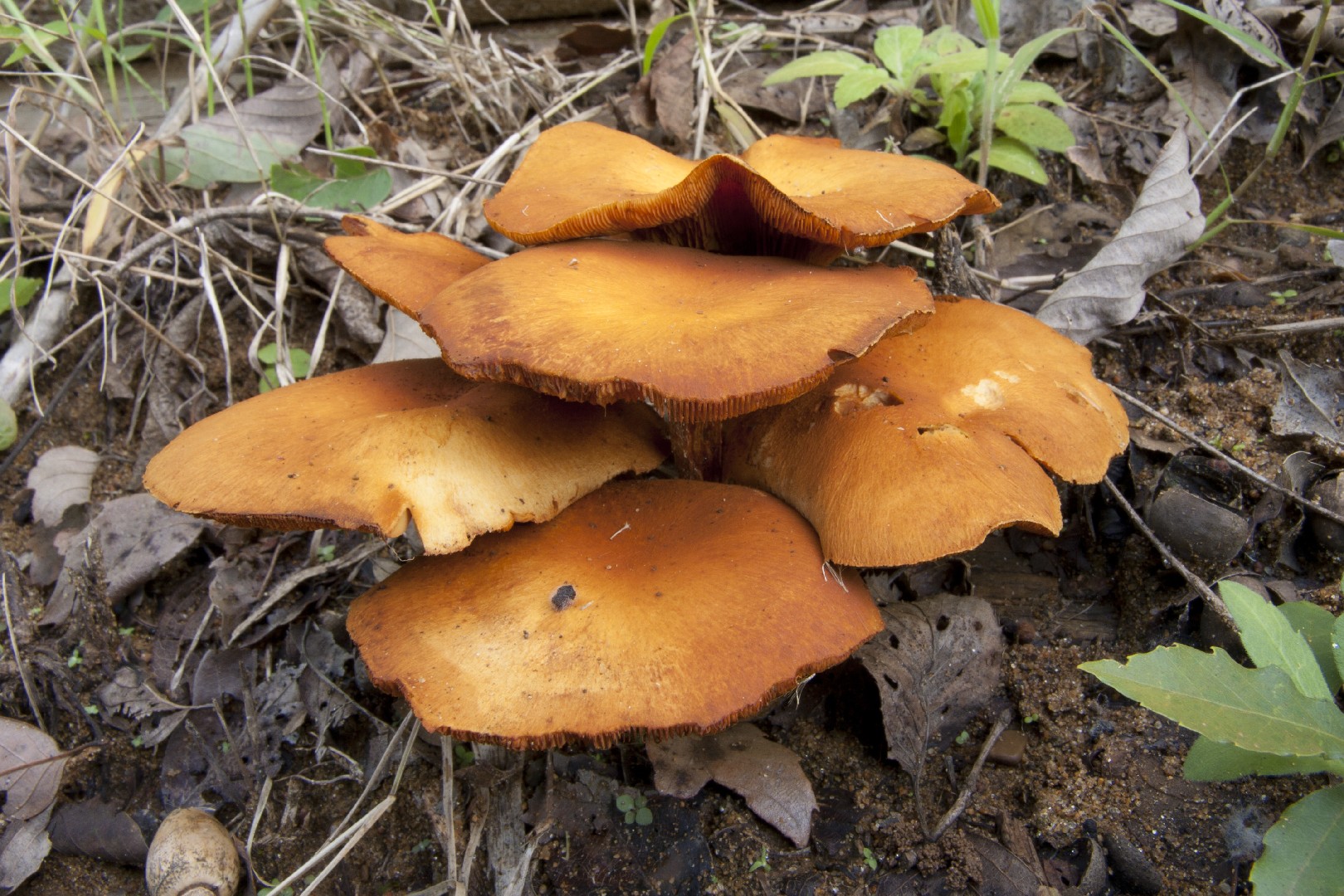
Many mycologists disagree about what gymnopilus picreus looks like, and it is possible that the name has accidentally been given to multiple species. Nevertheless, most experts agree that gymnopilus picreus can be distinguished by a black stripe on its cap that is covered by a white bloom. The fungus thrives on conifer wood but will also grow on hardwood trees.







