




Top 9 Most Common Toxic or Poisonous Mushrooms in Arkansas City
Arkansas City, known as 'Arkansas City', with its mild, moist climate and fertile river valleys offers the perfect environment for a diverse array of fungi to flourish. The 'Top 9 most common poisonous mushrooms in Arkansas City' guides you, the adventurous mycology enthusiast, on a safe foraging journey. With detailed information about toxic varieties, you'll learn to navigate Arkansas City's bountiful underbrush with confidence. Armed with our tips, your mushroom hunting in Arkansas City can remain a delight rather than a danger.
* Disclaimer: Content feedback CAN NOT be used as any basis for EATING ANY PLANTS. Some plants can be VERY POISONOUS, please purchase edible plants through regular channels.

Most Common Toxic or Poisonous Mushrooms

1. Yellow stainer
The yellow stainer grows across North America and Europe and has been imported to Australia. It can be distinguished from other common white mushrooms by the bright chrome yellow color it turns when bruised. It is known to be poisonous, causing cramps, nausea, and purging. Unfortunately, it often gets accidentally eaten as it looks similar to several edible white mushrooms.
2. Common earthball
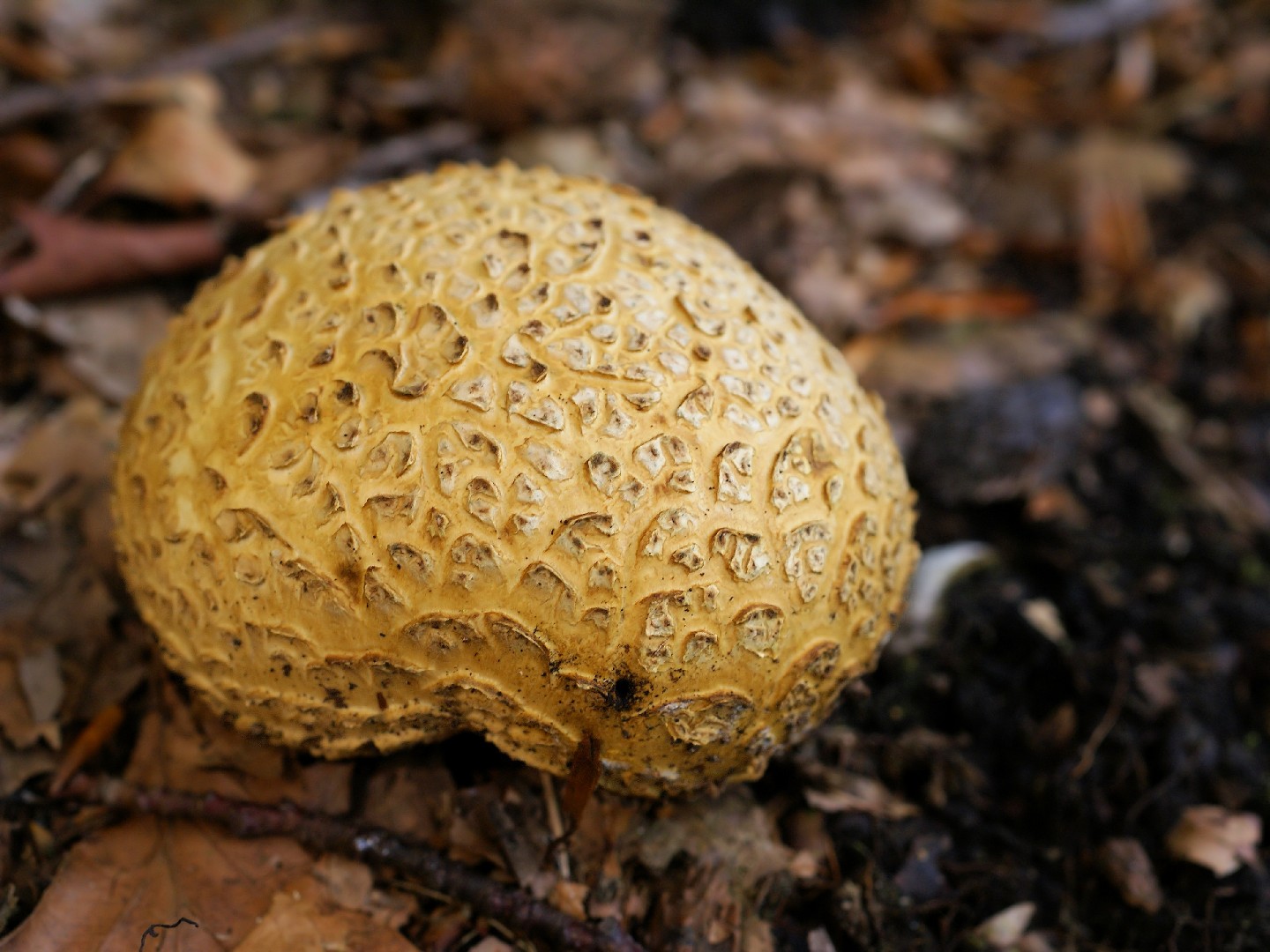
With an appearance similar to a crusty potato, the common earthball blooms from acidic soils, including compacted paths on the forest floor. It matures to a yellowish tinge and is found across the northern hemisphere. It is a close cousin to bolete mushrooms but is considered to be poisonous and is never eaten.
3. Syzygites megalocarpus
4. Petticoat mottlegill
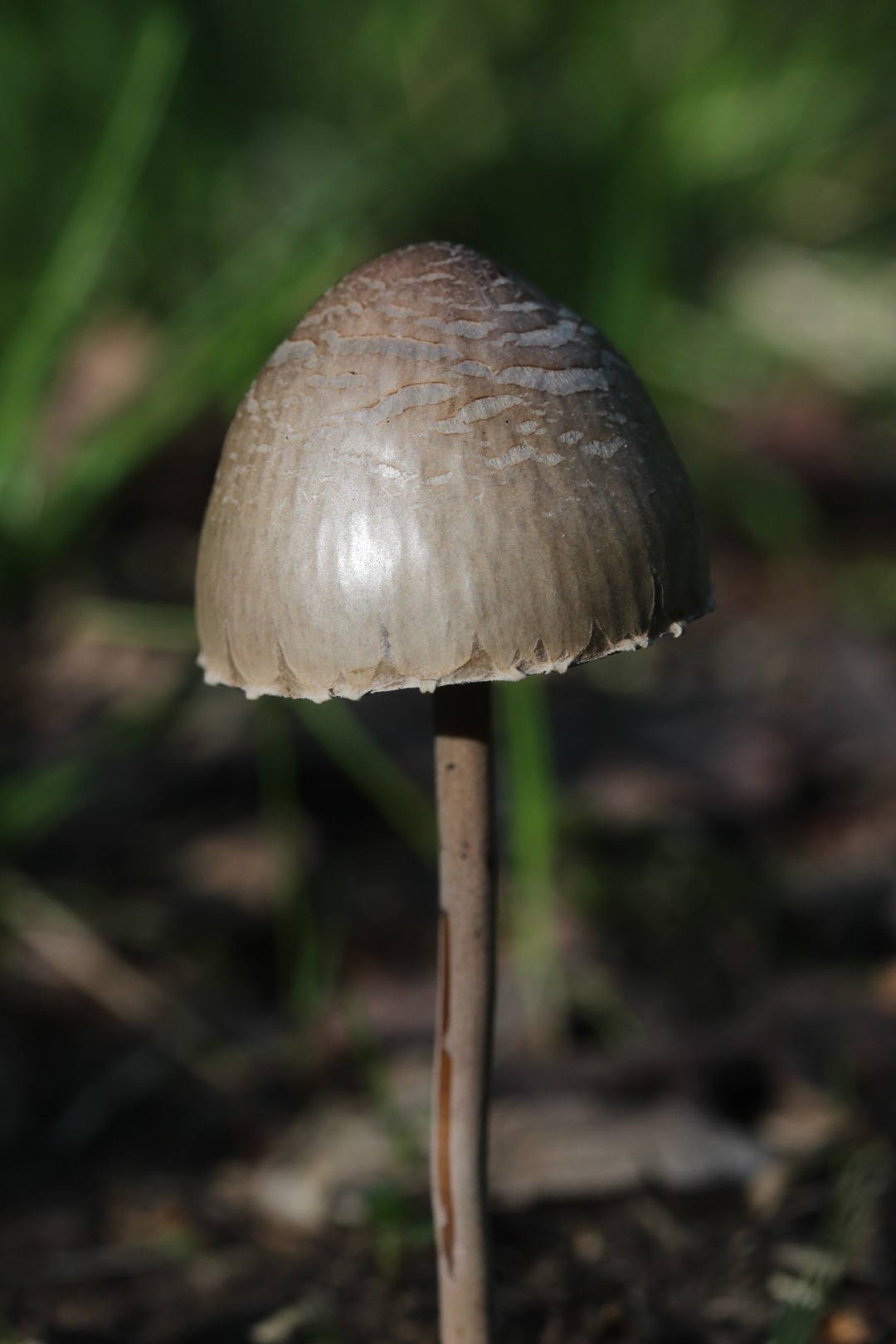
The petticoat mottlegill is a little brown mushroom (LBM) with a truly global distribution; this mushroom is found on every continent save Antarctica. While relatively nondescript in appearance, it can be recognized by its preferred microhabitat - dung. Petticoat mottlegills are commonly found growing out of cow or horse dung, or they may be seen in open fields that are rich with animal manure.
5. Stinking dapperling
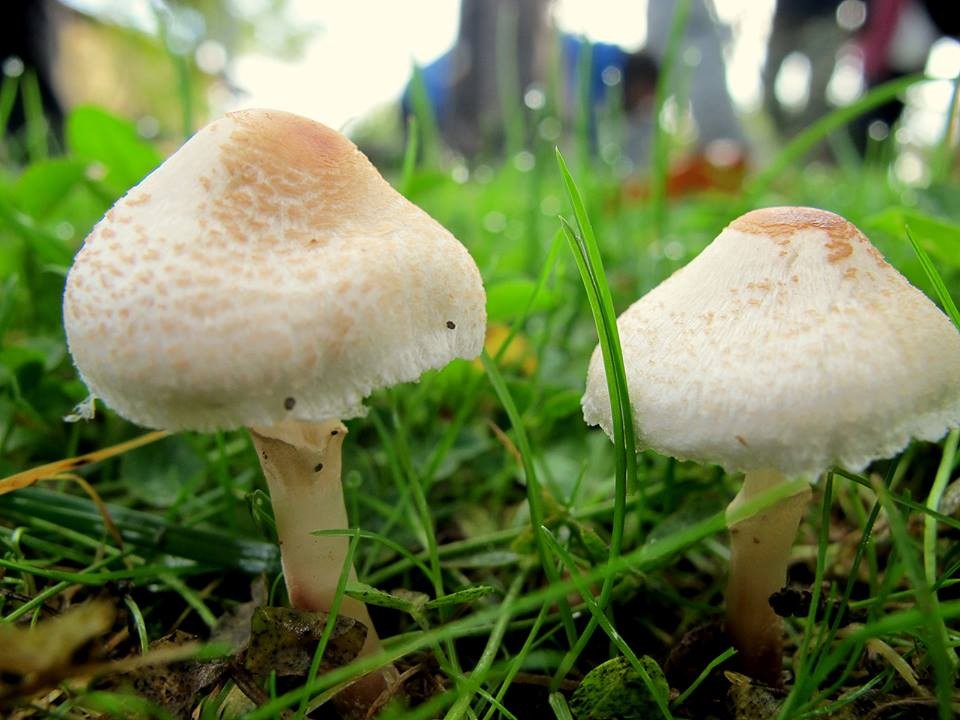
The stinking dapperling is a small, delicate mushroom that is relatively nondescript in appearance - however, as its name suggests, it does have a powerful odor. The species is a habitat generalist, popping up in woodlands, gardens, lawns, and abandoned lots. The stinking dapperling also boasts a global distribution, being found across temperate areas of North America, Europe, Asia and the Antipodes.
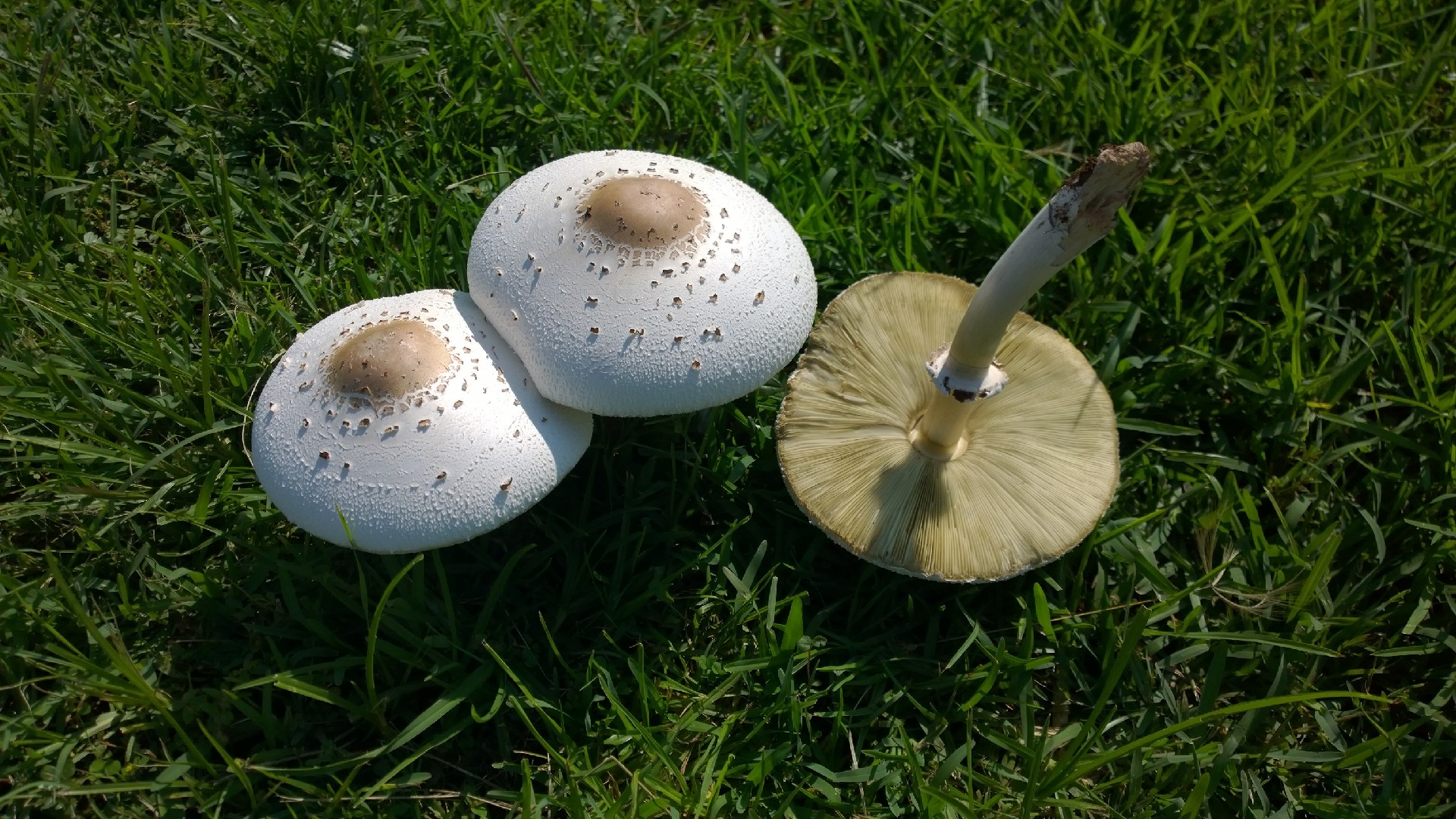
6. False parasol
Though the false parasol appears unassuming, the species is famous—or, infamous—for its toxicity. It looks unfortunately similar to Agericus campestrus, a commonly eaten mushroom, but the false parasol can be distinguished by its highly unusual green spore print. Although they are no good to eat, they can be pretty to look at. The species may grow in ring-shaped groups in meadows and on forest floors in what are sometimes called "fairy circles."
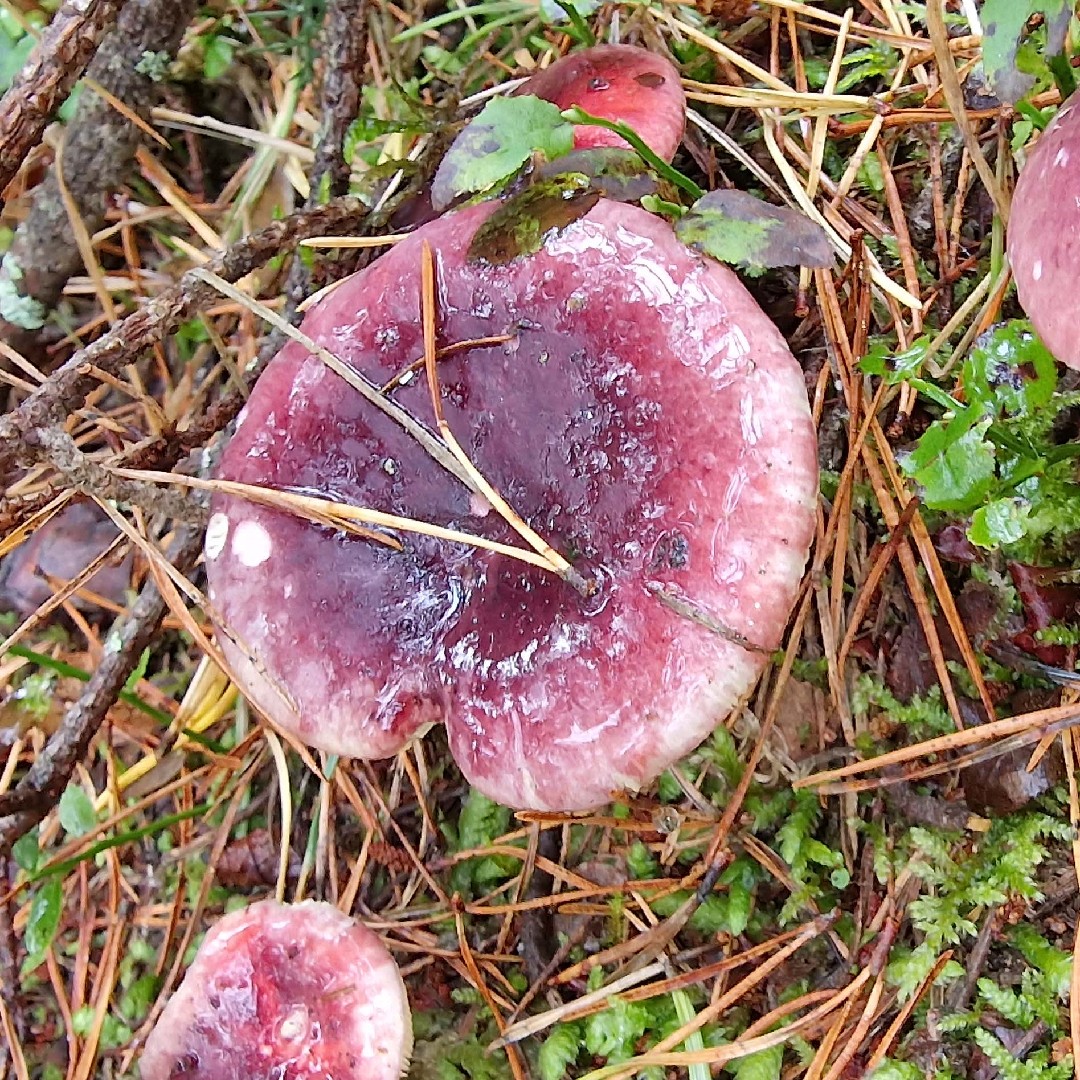
7. Primrose brittlegill
The cap grows to around 10 cm (4 in) in diameter. It is commonly purplish-red, but brownish, and greenish forms have been recorded. Usually it is darker in colour towards the middle, which is convex when young, but becomes depressed in the centre with age. The stem is occasionally white, but more commonly is flushed with pale purple-red, and has a grape-like; easily removed bloom. It is 3–8 cm tall and 1–1.5 cm in diameter. The adnexed to slightly decurrent gills are pale primrose yellow, and they darken with age. They are narrow, and exude water droplets when young.(see photograph left) They also turn slowly pink when ammonia is dropped onto them. This identifies the mushroom to species level, and is a ‘must do’ test for the rarer colour forms. The spore print is cream. The flesh is firm, and has a very hot taste, making the mushroom inedible. 
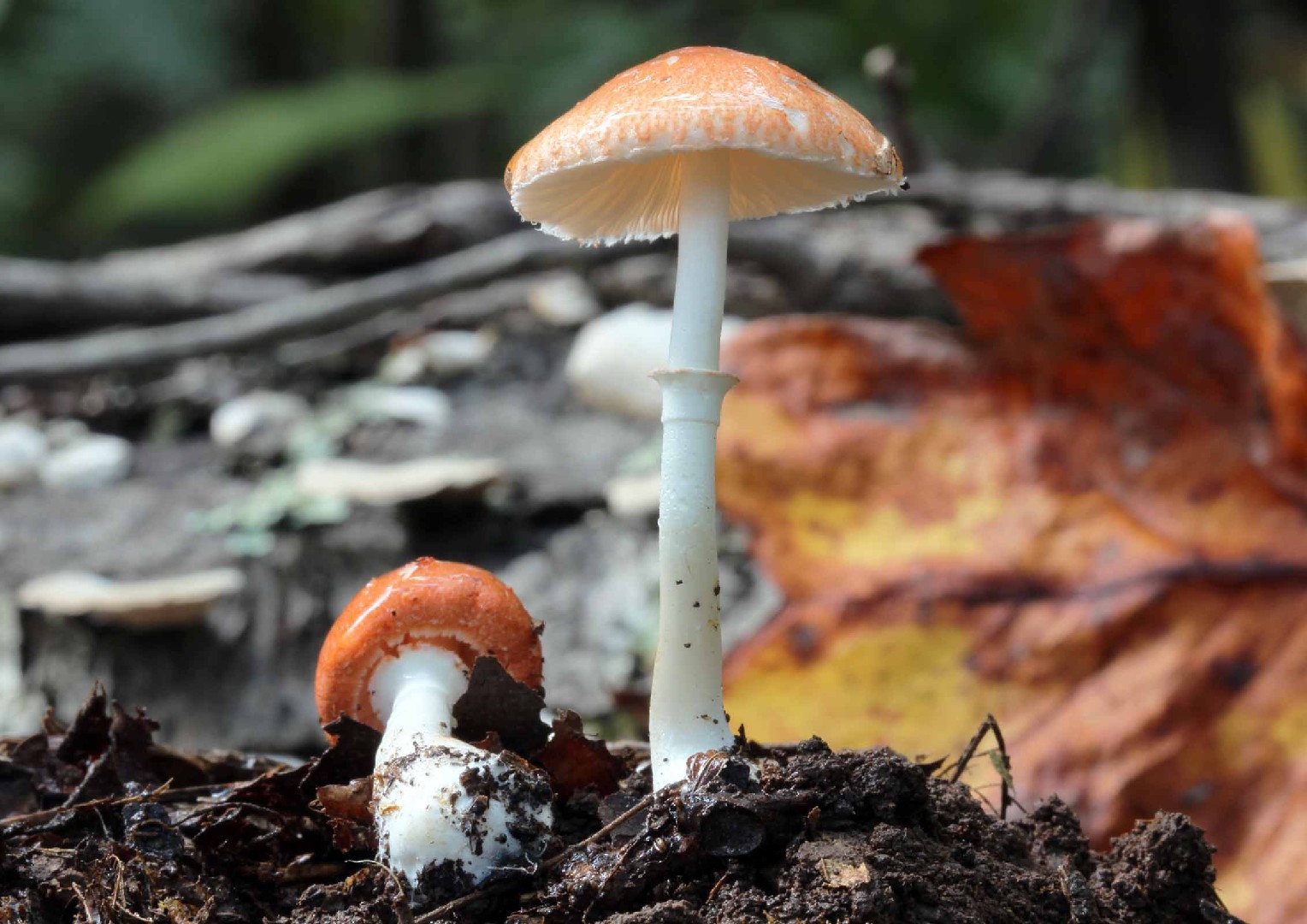
8. Red-tinged daperling
This beautiful mushroom is one of the first to pop out after early spring rains. Red-tinged daperling (Leucoagaricus rubrotinctus) is easily distinguished by its coral-red immature cap that remains pinkish in the center even when it matures. The species is not recommended for collecting and eating because its edibility status is still unknown.
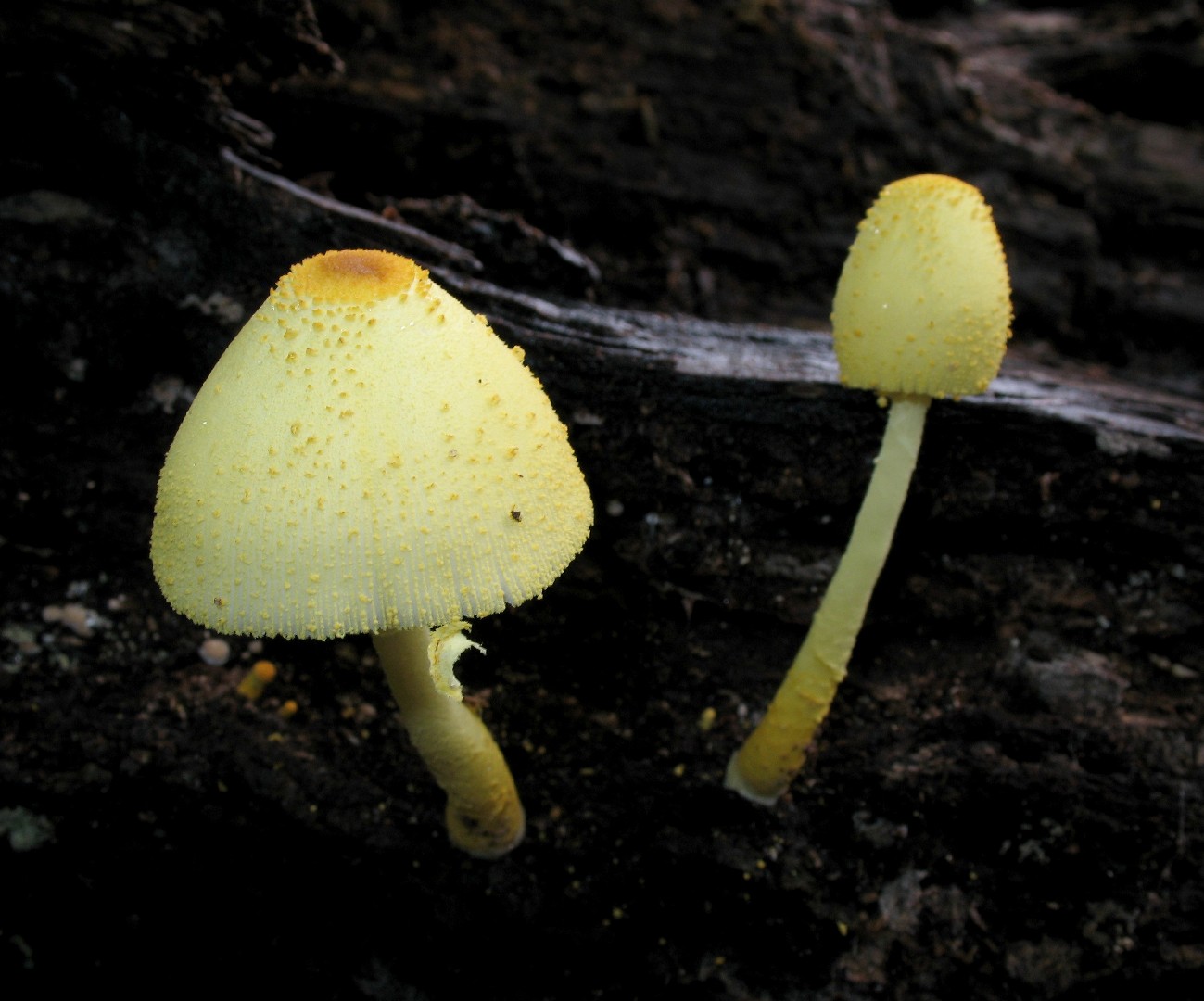
9. Flowerpot parasol
This tropical/subtropical mushroom is known to be toxic. If eaten it causes a very unpleasant stomachache with the risk of fatal complications. In temperate zones, flowerpot parasol is only found in hothouses and greenhouses, so the risk of accidental foraging is low, but it may occur with potted plants and indoor landscaping and pose a risk to curious children.







