




Top 12 Most Common Toxic or Poisonous Mushrooms in Jacksonville
Immerse yourself in the enchanting yet potentially hazardous world of mushrooms in Jacksonville. Known for its lush, humid climate and diverse terrain, Jacksonville serves as a fertile ground for mushroom growth, including 12 varieties that are considerably poisonous. Let's embark on an in-depth journey to understand these species for a safer, more enjoyable mushroom hunting. Learn to distinguish these treacherous fungi from their edible counterparts, ensuring your foraging experience doesn't end in an unfortunate mishap. Every mushroom is a marvel; let's make sure it's a safe one to explore!
* Disclaimer: Content feedback CAN NOT be used as any basis for EATING ANY PLANTS. Some plants can be VERY POISONOUS, please purchase edible plants through regular channels.

Most Common Toxic or Poisonous Mushrooms
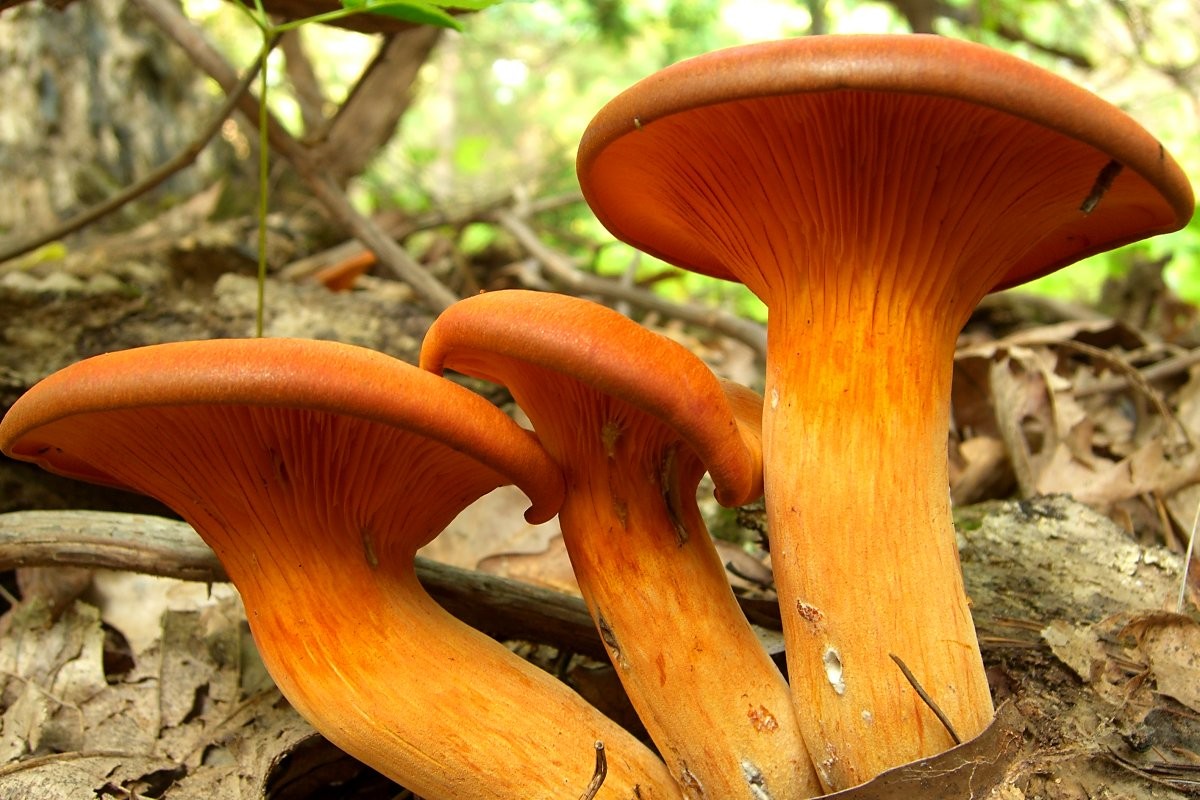
1. Jack-o'lantern mushroom
The jack-o'lantern mushroom is so-called because of its bright orange color, and because it often appears in the fall (usually before Halloween, though). This vibrant little mushroom can be found growing on decaying hardwood stumps and logs. The species does have some superficial resemblances to the highly edible chanterelle (Cantharellus cibarius), but it is toxic and should be avoided!
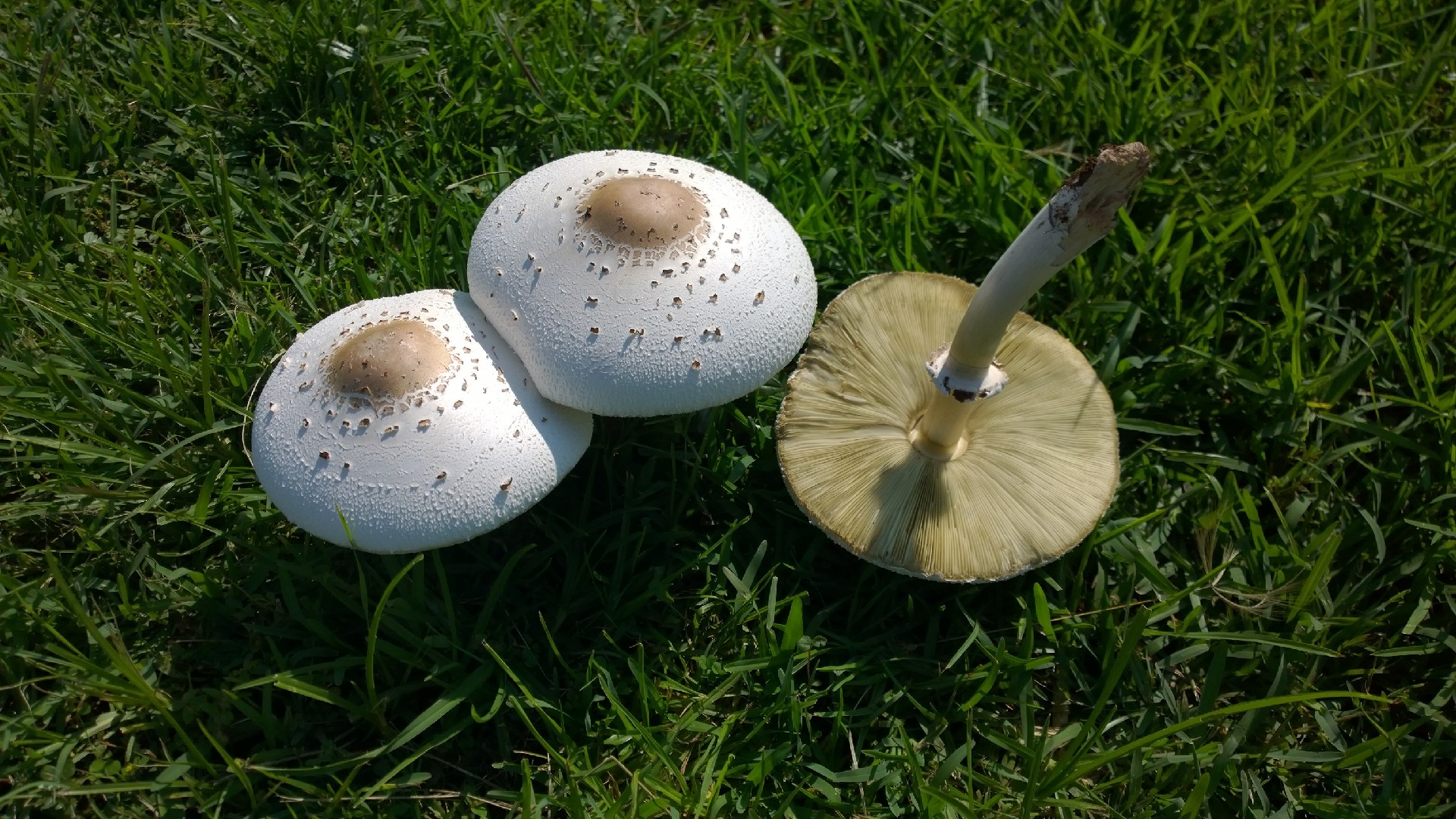
2. False parasol
Though the false parasol appears unassuming, the species is famous—or, infamous—for its toxicity. It looks unfortunately similar to Agericus campestrus, a commonly eaten mushroom, but the false parasol can be distinguished by its highly unusual green spore print. Although they are no good to eat, they can be pretty to look at. The species may grow in ring-shaped groups in meadows and on forest floors in what are sometimes called "fairy circles."
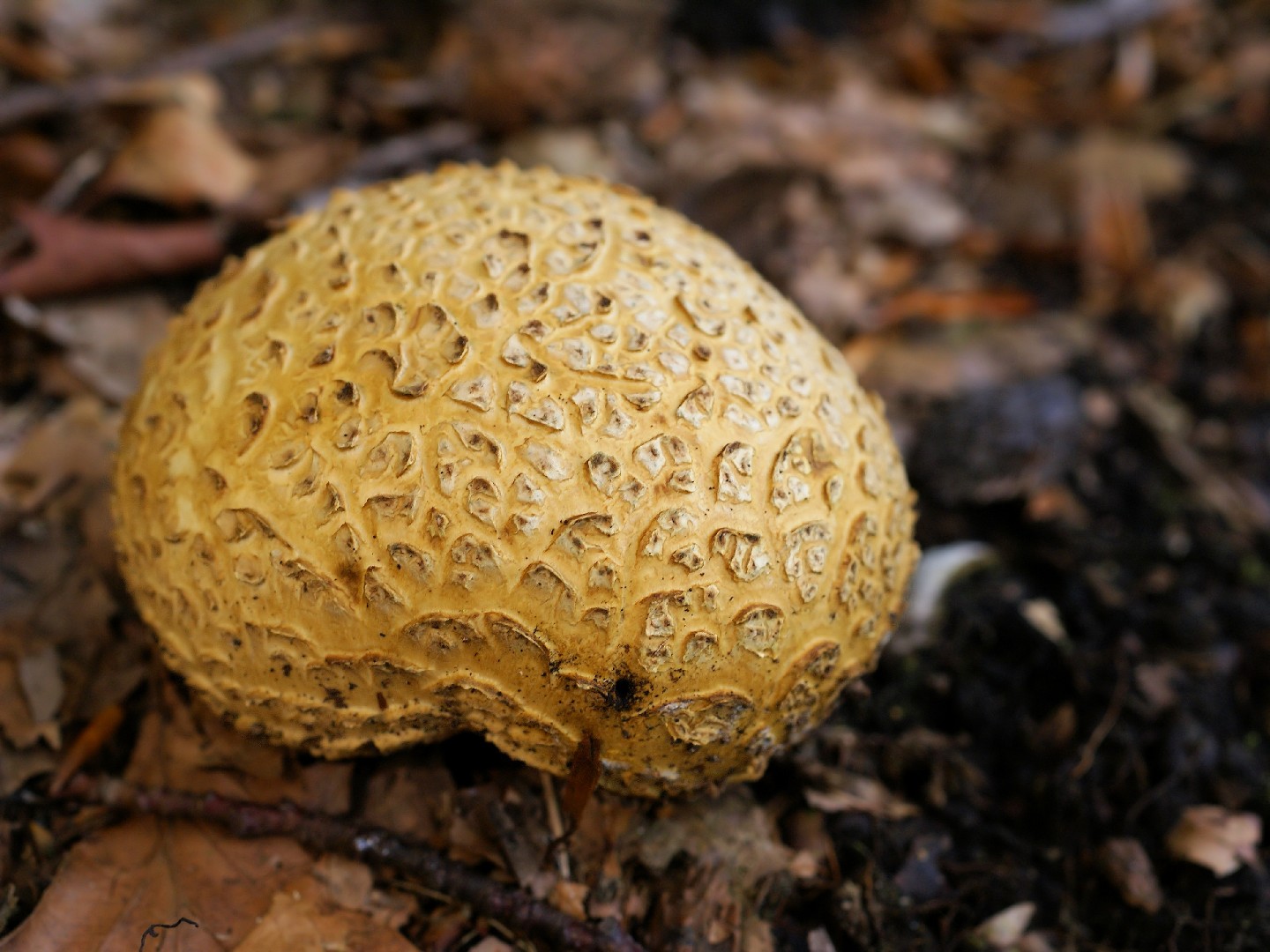
3. Common earthball
With an appearance similar to a crusty potato, the common earthball blooms from acidic soils, including compacted paths on the forest floor. It matures to a yellowish tinge and is found across the northern hemisphere. It is a close cousin to bolete mushrooms but is considered to be poisonous and is never eaten.
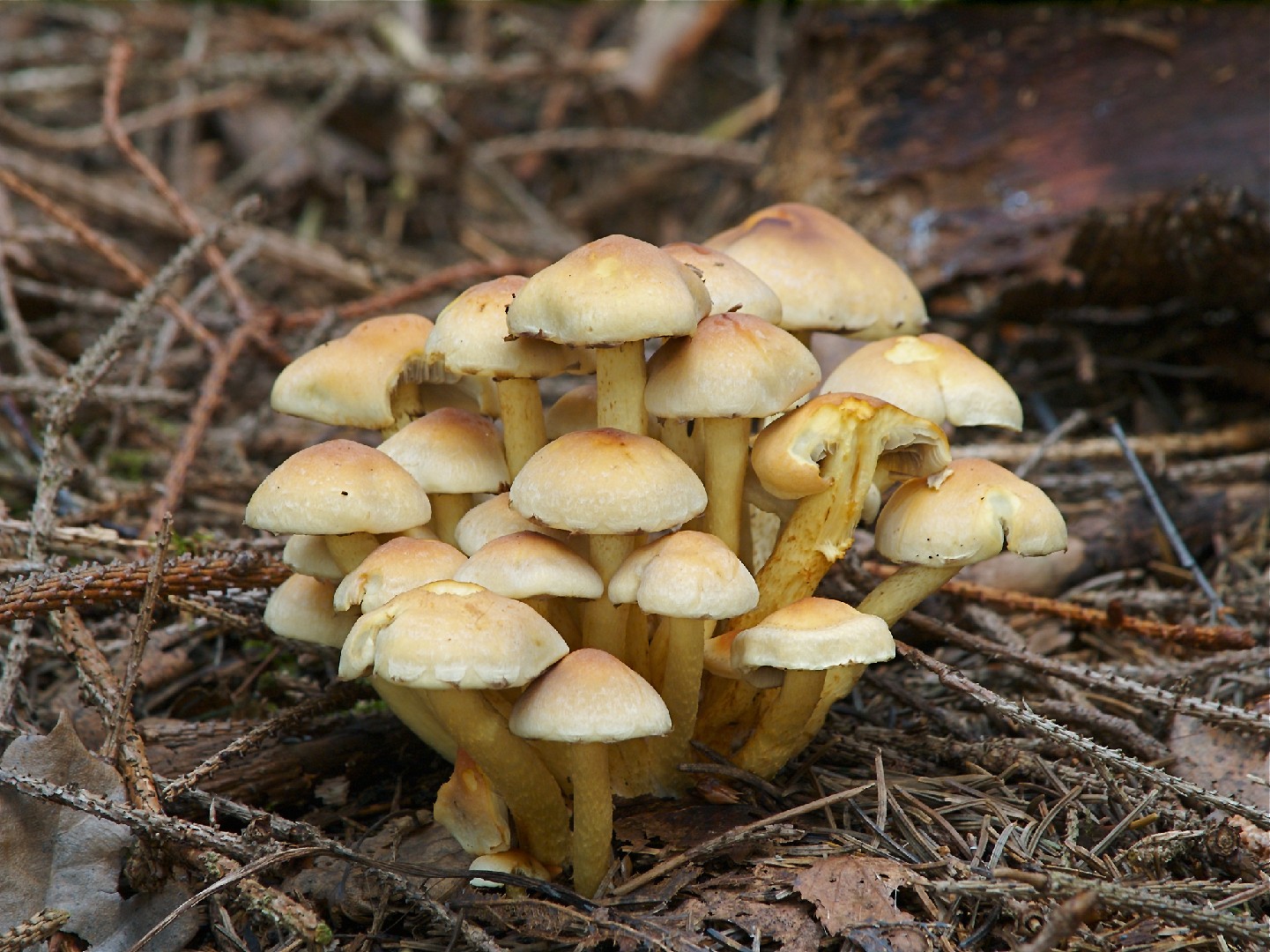
4. Sulphur tuft
The sulphur tuft grows on rotting wood of all types of trees; it is a particularly efficient decomposer of hardwoods. The mushrooms appear from spring to autumn and are often so tightly packed that they interfere with each other’s shape. This poisonous mushroom can cause temporary paralysis, distorted vision, and stomach pain if consumed.
5. Yellow patches
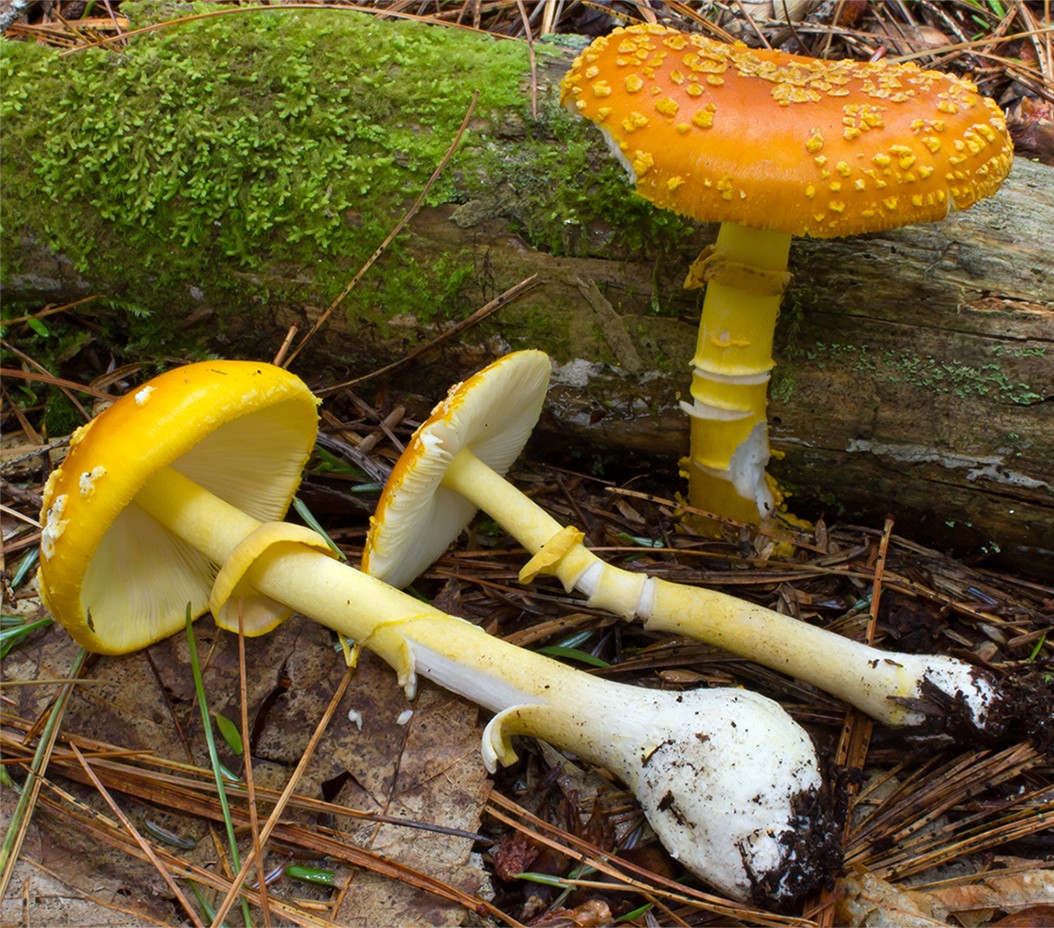
The yellow patches is a gorgeous, striking species with a deep marigold or vermillion cap that sometimes appears as a blend of the two. Like some other members of the Amanita genus, it also sports patchy white worts - when it's cap is still very convex, it somewhat resembles the famous white and red mushrooms from the Mario Bros video games. While beautiful to look at, this species is toxic and should not be harvested.
6. Eastern american floury amanita
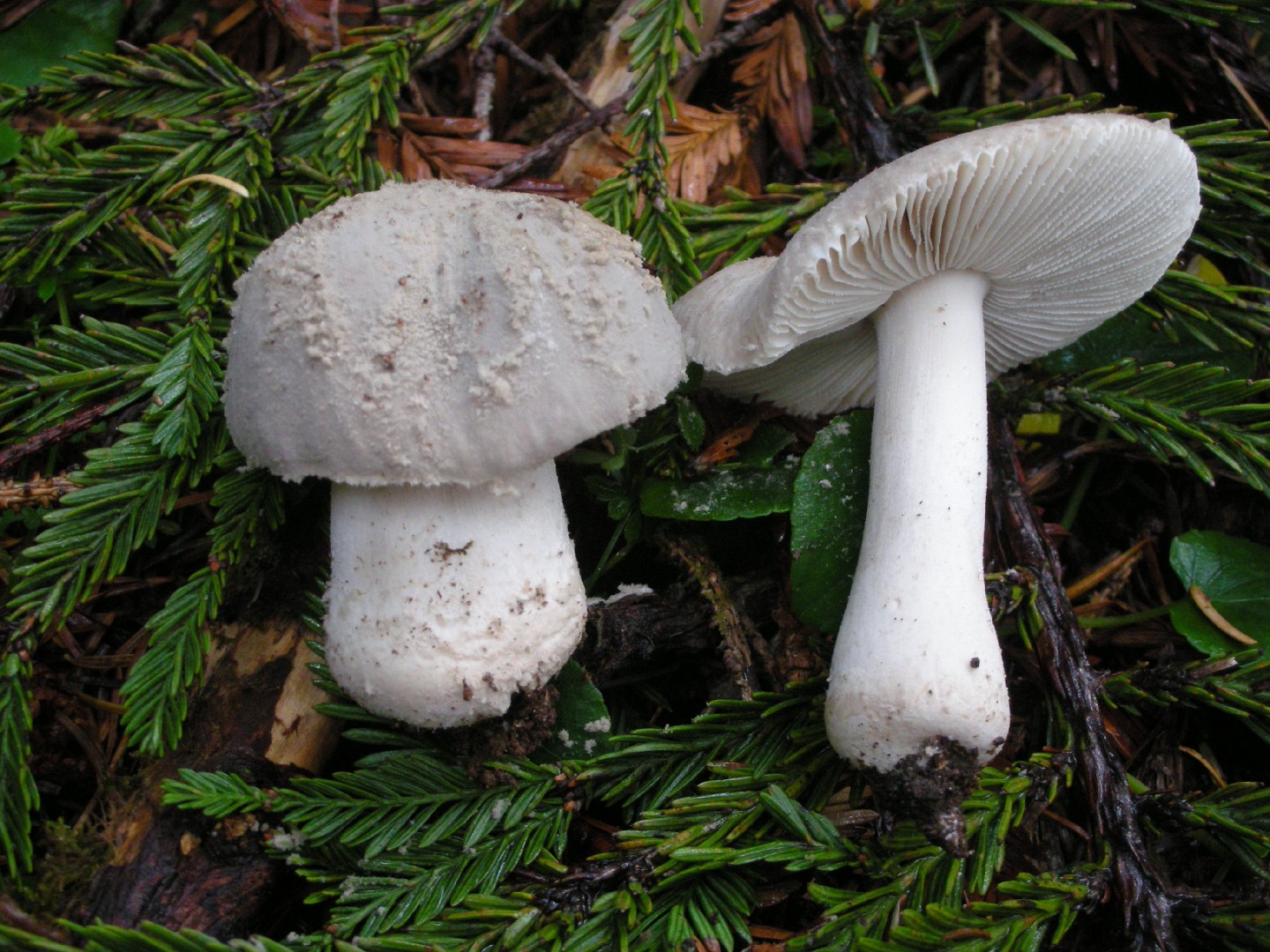
Eastern american floury amanita can be found during the late summer to fall in woodland areas. As hinted by its name, young mushrooms are covered in a flour-like powder that may wear off in older mushrooms. Other Amanitas can appear similar, but these mushrooms often have a ring of flesh around the stem and a cup-shaped structure at the base of the stem, which eastern american floury amanita lacks.
7. Cinnamon bracket
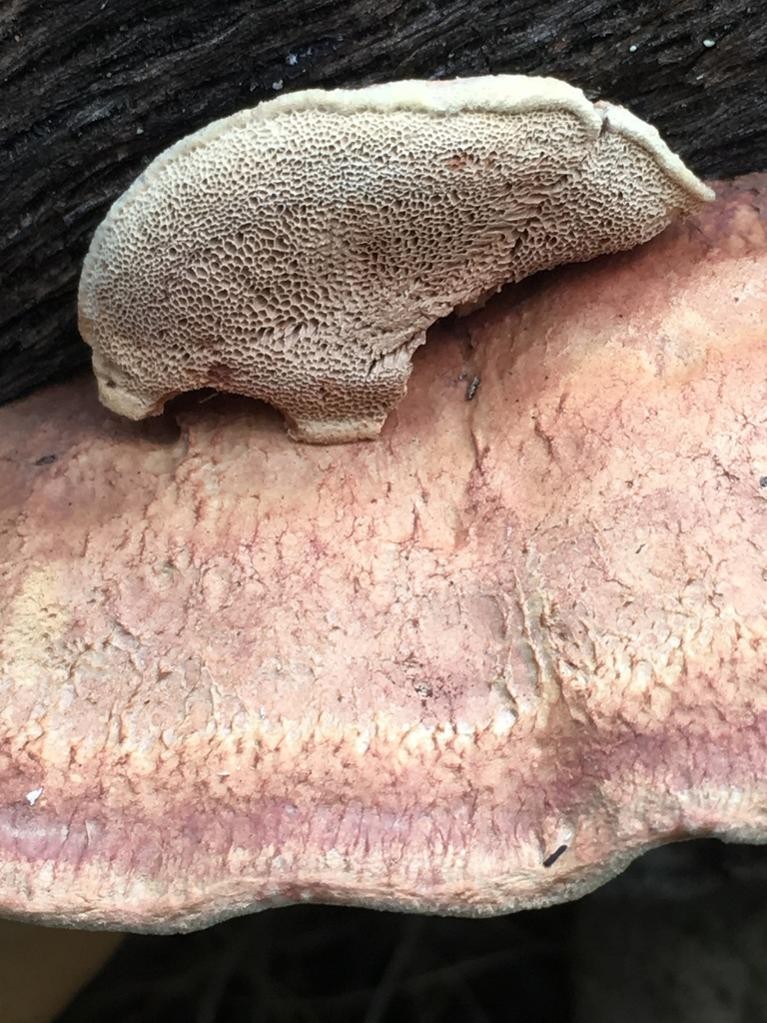
The cinnamon bracket (Hapalopilus rutilans) is a fungus that causes a white rot on dead wood. Its poisonous fruit bodies appear as brackets, and tend to grow in a dull orangish shade. A chemical reaction with ammonia, however, turns it purple. This fact can be exploited for the creation of wool dyes, with colors ranging from light lavender to deep purple.
8. False chanterelle
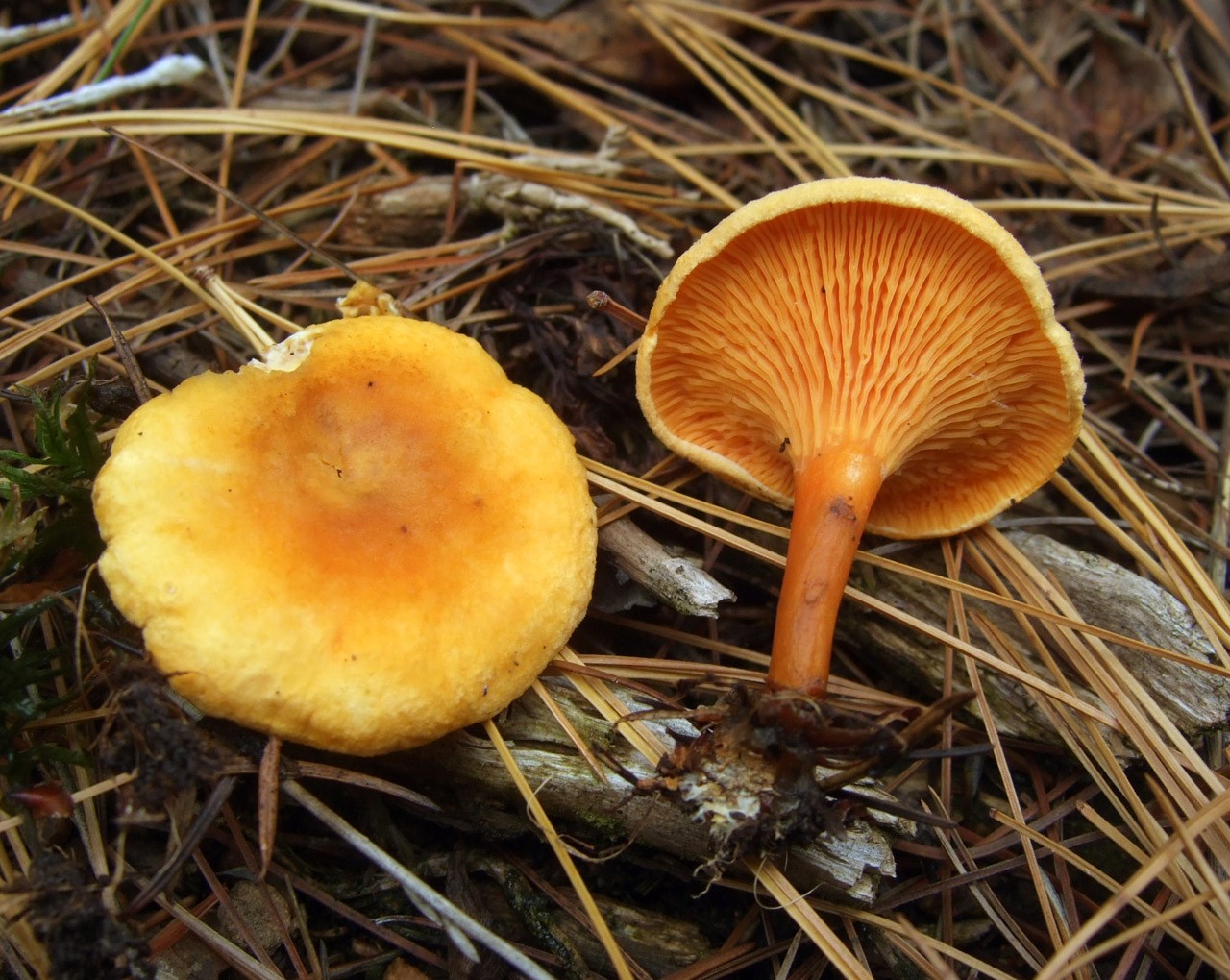
The common name of this mushroom refers to the fact that it looks very similar to the edible and highly prized Chanterelle. This species, however, tastes bitter and may cause poisoning symptoms. False chanterelle occurs around the northern hemisphere in autumn and winter, growing on coniferous detritus, and is more likely to fruit in dry conditions rather than the usual wet.
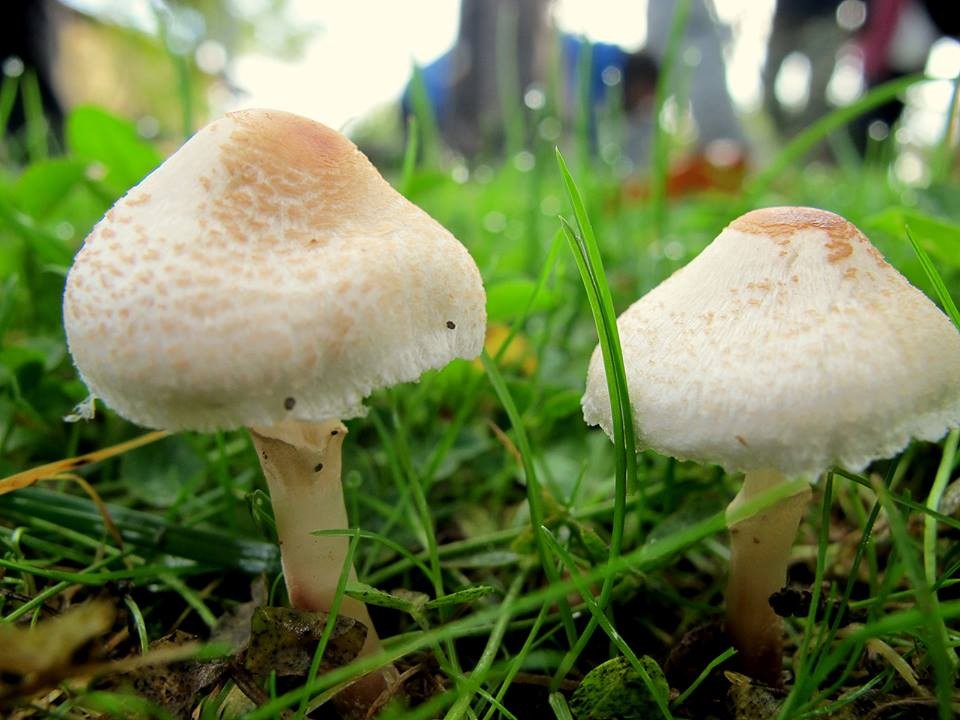
9. Stinking dapperling
The stinking dapperling is a small, delicate mushroom that is relatively nondescript in appearance - however, as its name suggests, it does have a powerful odor. The species is a habitat generalist, popping up in woodlands, gardens, lawns, and abandoned lots. The stinking dapperling also boasts a global distribution, being found across temperate areas of North America, Europe, Asia and the Antipodes.
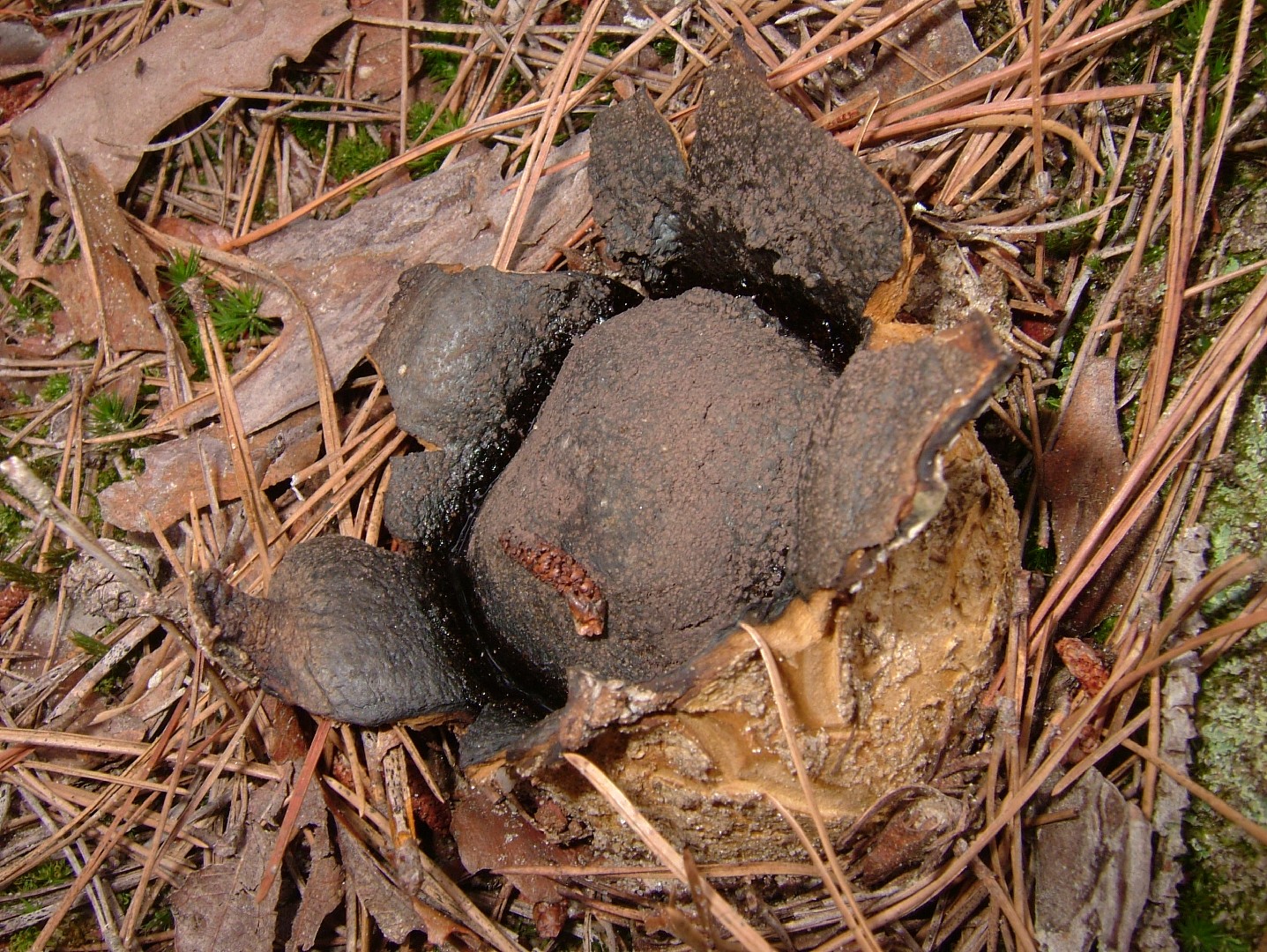
10. Dead man's hand
Sometimes referred to as a "false Truffle", a trained eye could not easily mistake the dead man's hand for these highly-valued mushrooms. This large puffball-like mushroom develops in the ground, emerging gradually until it finally cracks up and forms a star-shaped fruiting body. The dead man's hand is considered toxic and newbie mushroom hunters should be careful not to confuse it with edible puffballs.

More







