




Top 20 Most Common Toxic or Poisonous Mushrooms in San Luis Obispo
Immerse yourself in the captivating world of 'San Luis Obispo' mushrooms, a region defined by its diverse and engaging ecosystem perfect for abundant fungi growth. Armed with an understanding of the 'Top 20 most common poisonous mushrooms in San Luis Obispo,' you're set to navigate your mycological adventures safely. Explore the unique climate and topography of San Luis Obispo that host diverse poisonous mushrooms, learn how to differentiate them from harmless varieties, and discover the enthralling mysteries that lie beneath our feet.
* Disclaimer: Content feedback CAN NOT be used as any basis for EATING ANY PLANTS. Some plants can be VERY POISONOUS, please purchase edible plants through regular channels.

Most Common Toxic or Poisonous Mushrooms
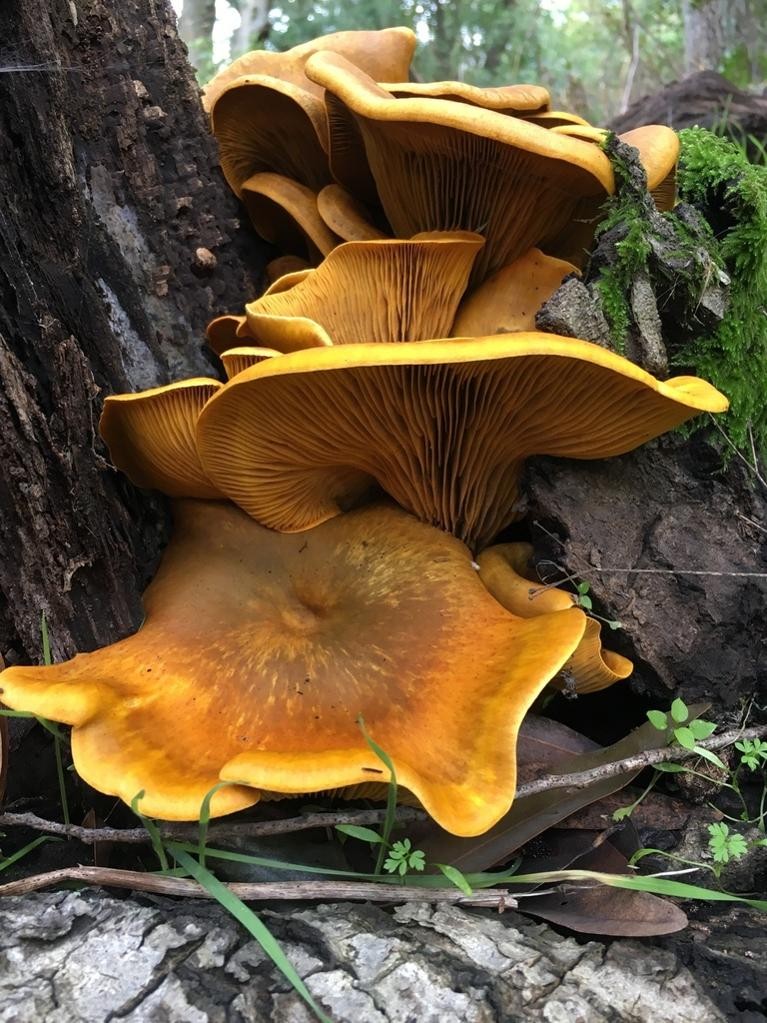
1. Western jack-o'-lantern mushroom
The western jack-o'-lantern mushroom (Omphalotus olivascens) may be the most visually striking mushroom of the forest during day and night. During the day, brilliant large orange flat caps grow from both the ground and decaying stumps. At night, these mushrooms may glow in the dark, depending on location and maturity.
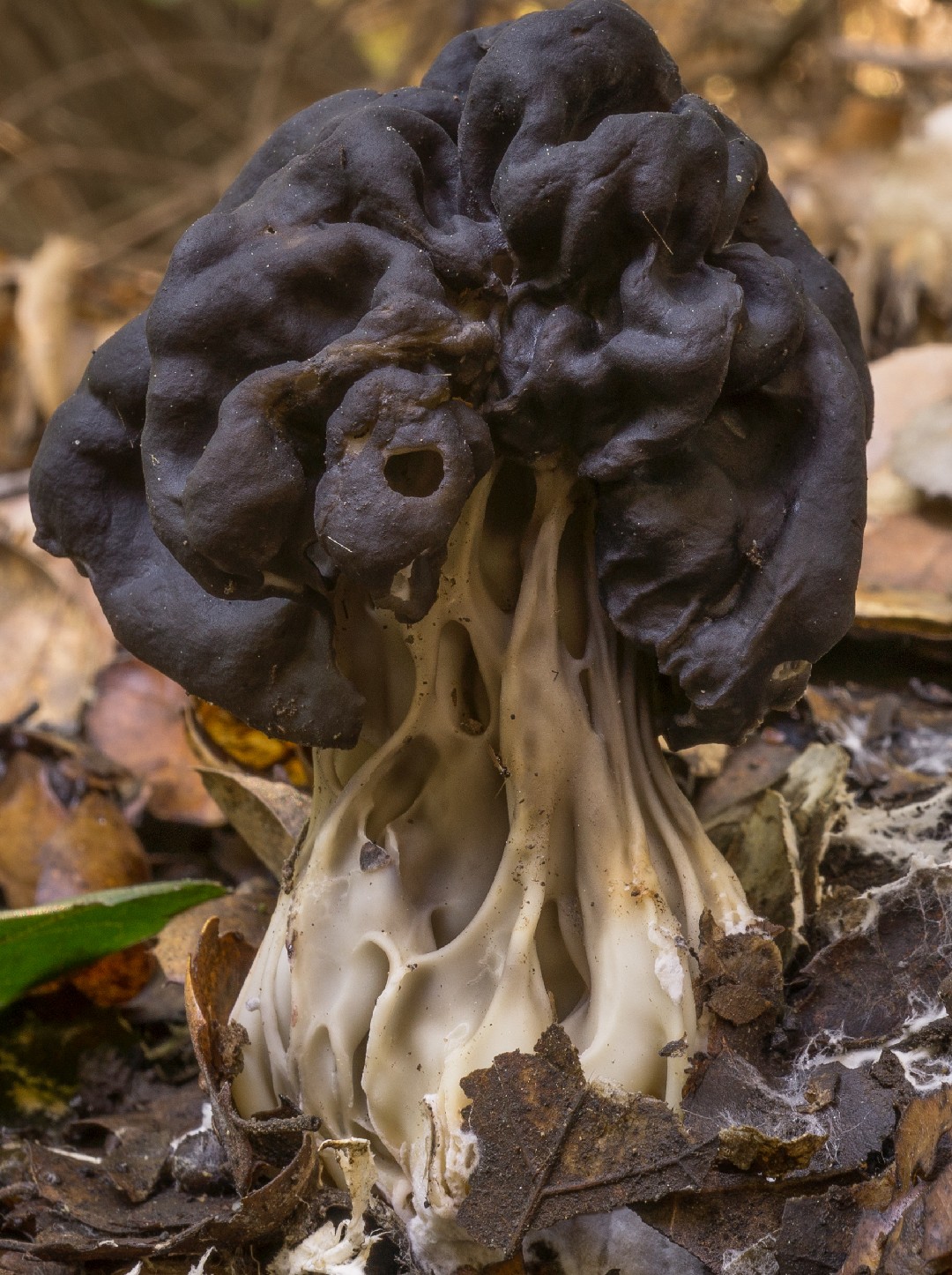
2. Oak-loving elfin saddle

3. Yellow stainer
The yellow stainer grows across North America and Europe and has been imported to Australia. It can be distinguished from other common white mushrooms by the bright chrome yellow color it turns when bruised. It is known to be poisonous, causing cramps, nausea, and purging. Unfortunately, it often gets accidentally eaten as it looks similar to several edible white mushrooms.
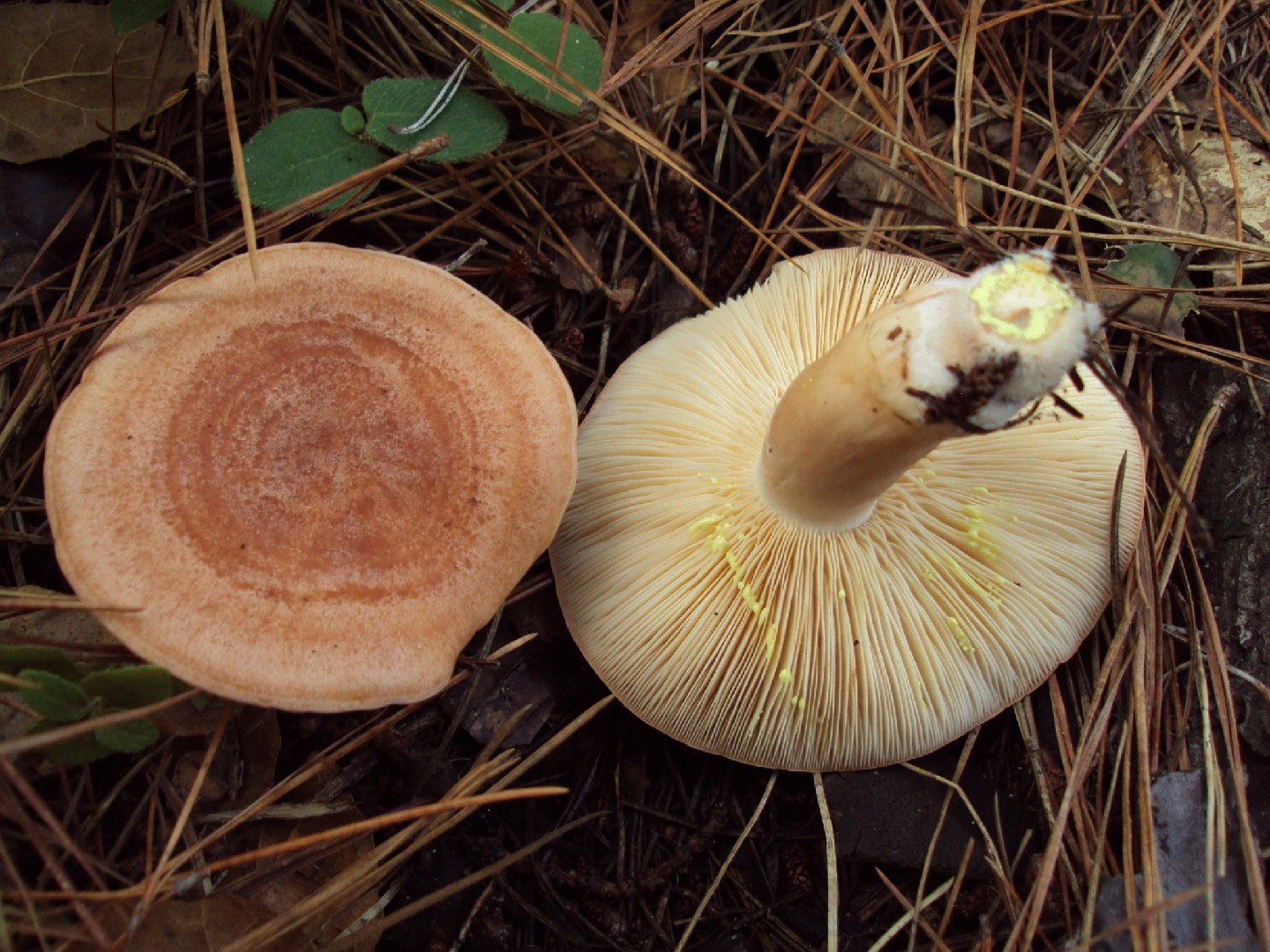
4. Yellow-staining milkcap
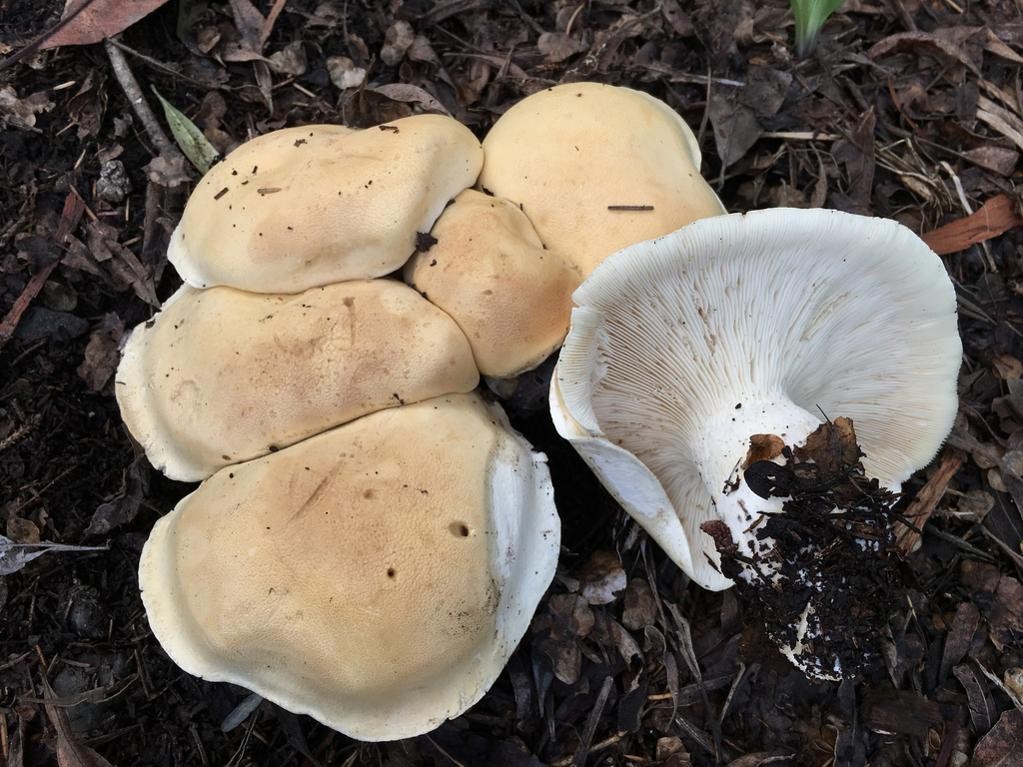
Like most other milkcaps, the yellow-staining milkcap will ooze a white, latex-like substance when cut or otherwise damaged, but, unlike closely related species, the latex of this mushroom will quickly turn canary-yellow when exposed to the air. Go ahead and try it out for yourself, but don't take this one home to the kitchen! The yellow-staining milkcap is toxic.
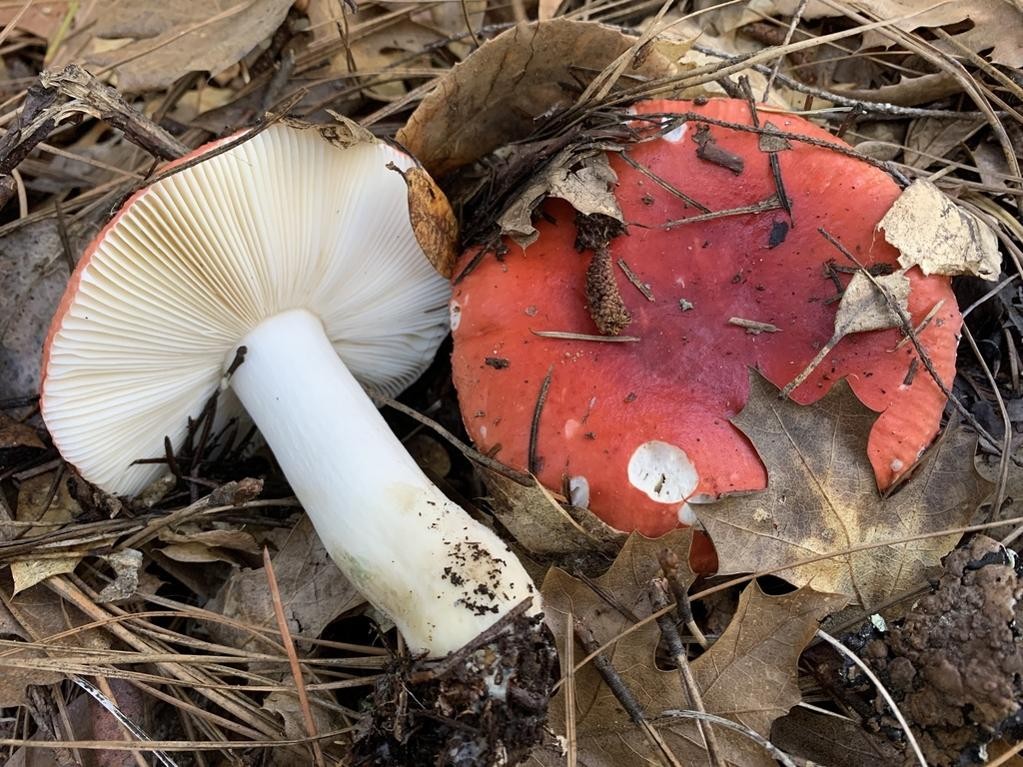
5. Creamy russula
The creamy russula is so-called because is one of the unusual species that fruits during winter. The species' range, the wet, northwestern coast of the United States, stays cool but rarely dips below freezing during this time. Red-capped and white-gilled, creamy russulas look very similar to a host of other russala species; this species is just bitter-tasting, but some of its look-alikes are toxic.
6. False parasol
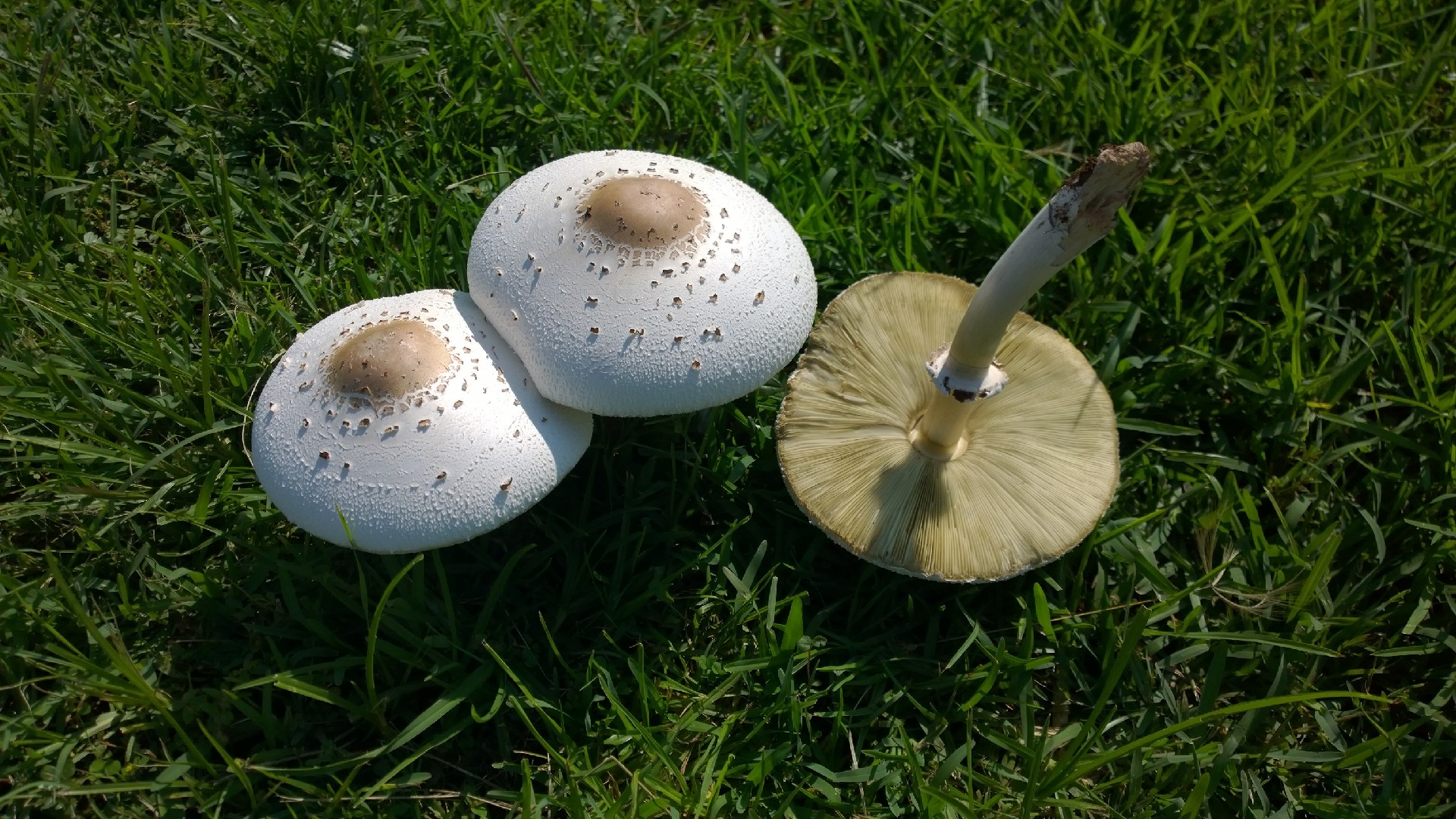
Though the false parasol appears unassuming, the species is famous—or, infamous—for its toxicity. It looks unfortunately similar to Agericus campestrus, a commonly eaten mushroom, but the false parasol can be distinguished by its highly unusual green spore print. Although they are no good to eat, they can be pretty to look at. The species may grow in ring-shaped groups in meadows and on forest floors in what are sometimes called "fairy circles."
7. Sulphur tuft
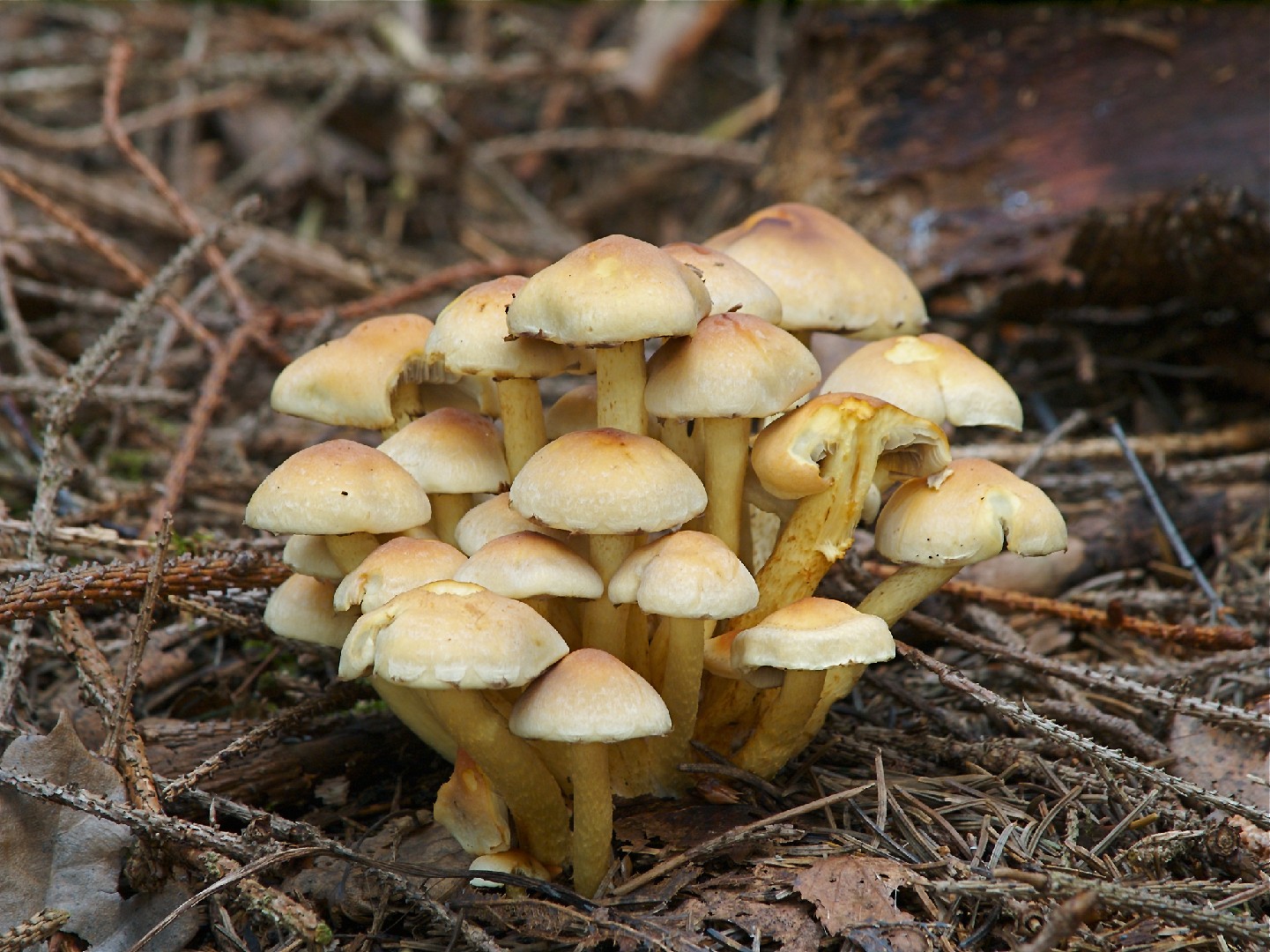
The sulphur tuft grows on rotting wood of all types of trees; it is a particularly efficient decomposer of hardwoods. The mushrooms appear from spring to autumn and are often so tightly packed that they interfere with each other’s shape. This poisonous mushroom can cause temporary paralysis, distorted vision, and stomach pain if consumed.
8. Shaggy parasol
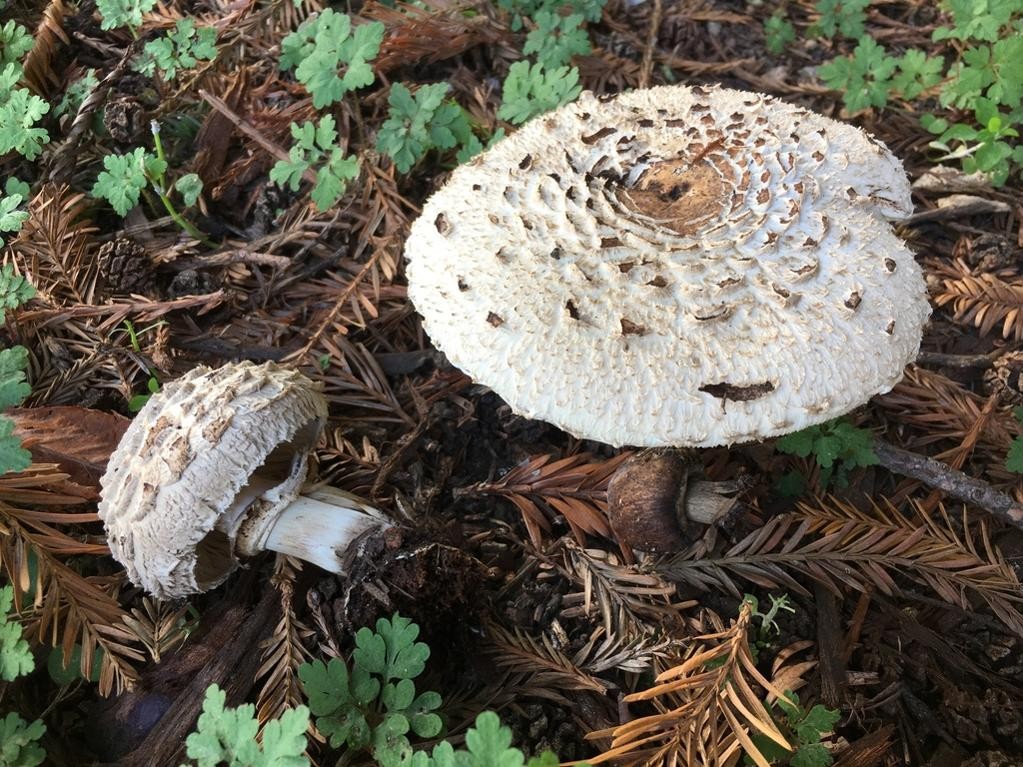
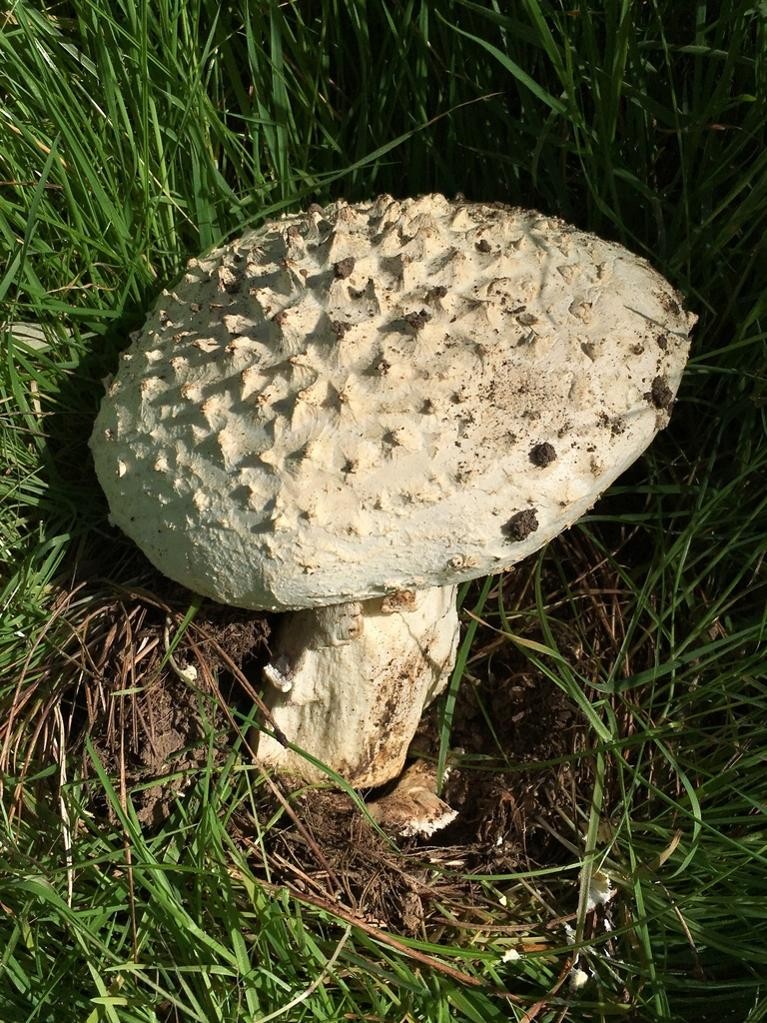
The shaggy parasol grows singly or in groups from spring to fall. It can be found in lawns and gardens as well as the forest. It has a tendency to cause allergic reactions. Take care with identification as it is difficult to distinguish from the more deadly Amanitas.
9. Panther cap
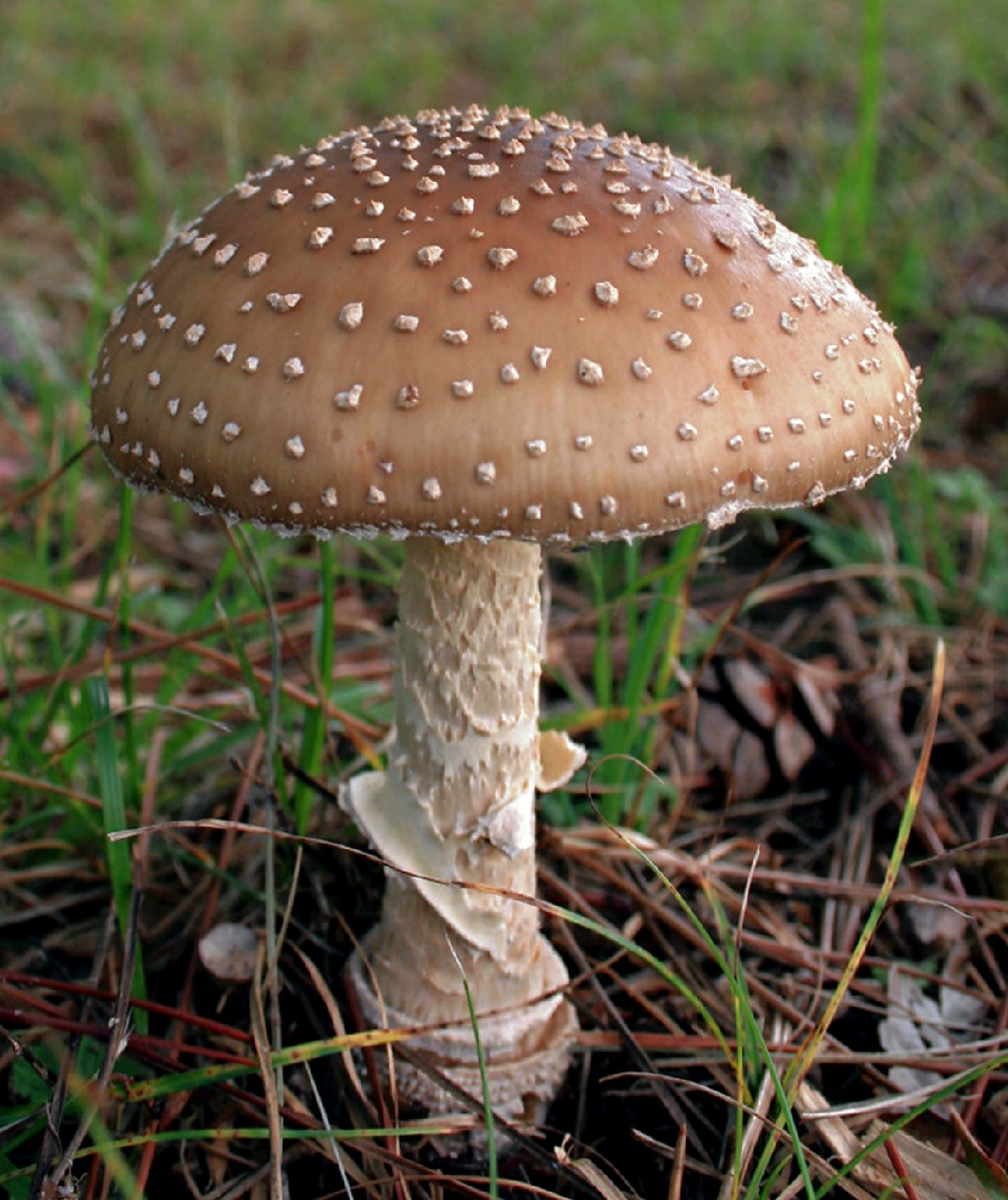
Named for the brown-and-white spotted pattern on its upper surface, the distinctive panther cap grows under hardwood trees, particularly oak and beech, and also under Monterey pine in urban areas or forests. It contains a cocktail of poisonous toxins with the potential to be deadly.
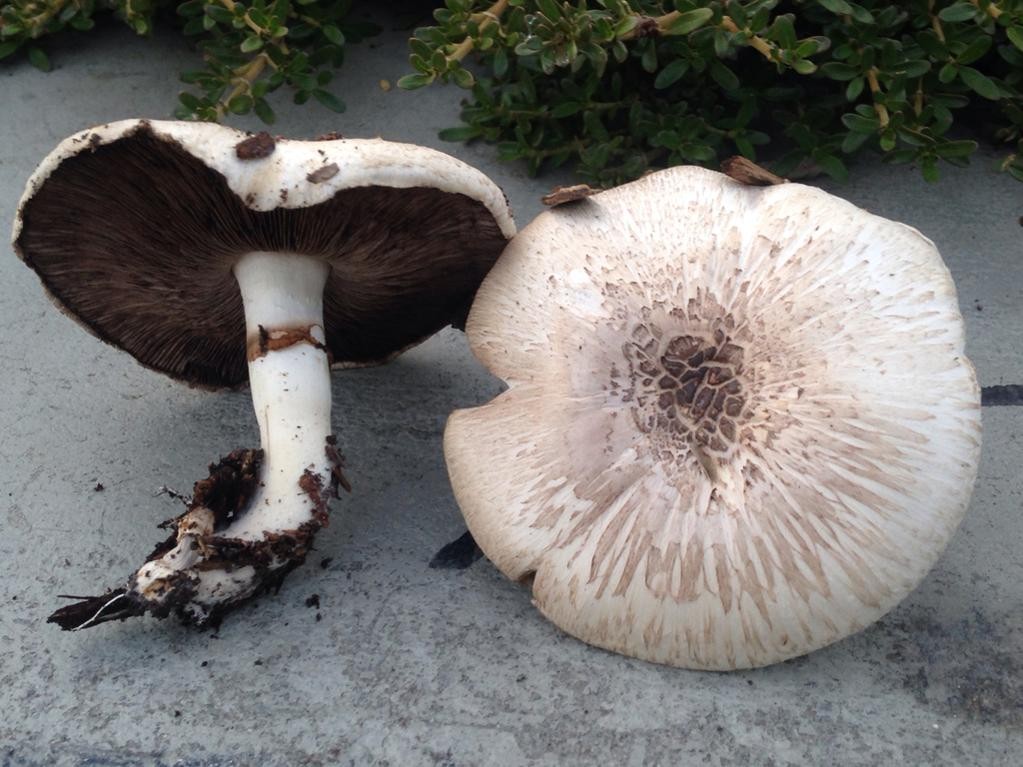
10. California agaricus
The california agaricus, found along portions of coastal California, is a toxic mushroom that is closely related to (and closely resembles) several sought-after, edible species, such as button mushrooms and white and brown field mushrooms. One distinguishing characteristic of california agaricus is that its flesh will begin to yellow when cut or bruised; unfortunately, this reaction is not always obvious. It is not deadly poisonous, but ingestion can cause gastrointestinal distress.



More







