




Top 10 Most Common Toxic or Poisonous Mushrooms in Sedona
Discover the top 10 most common poisonous mushrooms that inhabit the unique terrain of Sedona. Enveloped by red-rock monoliths, vibrant desert landscape, and resonating mystical energies, this region boasts a diverse climate ideal for a wide range of fungi. As you venture into the world of mycology, being well-versed in identification is essential. Learning how to discern these deadly species will ensure your foraging experience in Sedona is not only exciting but also safe.
* Disclaimer: Content feedback CAN NOT be used as any basis for EATING ANY PLANTS. Some plants can be VERY POISONOUS, please purchase edible plants through regular channels.

Most Common Toxic or Poisonous Mushrooms
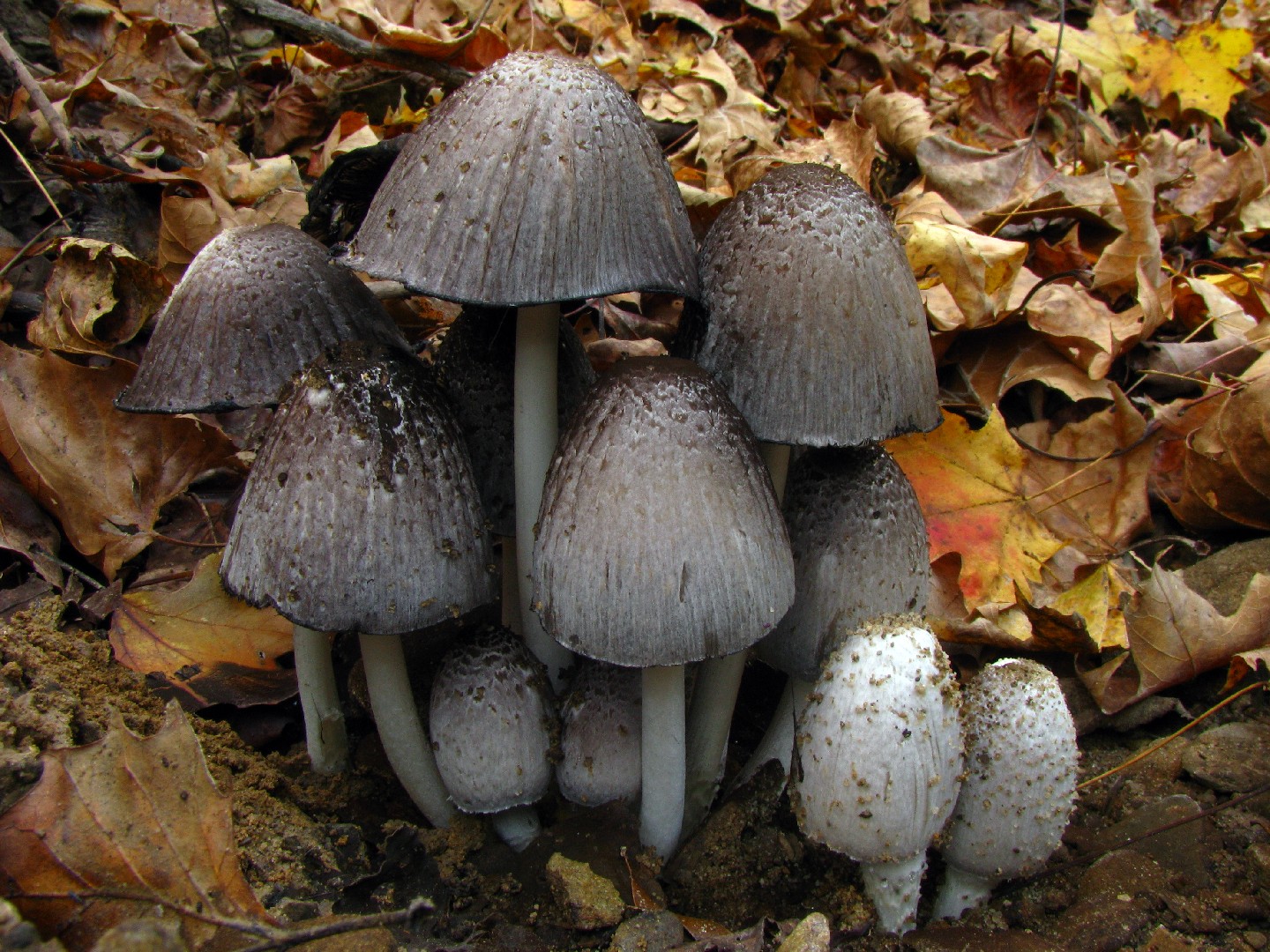
1. Common ink cap
Common ink cap mushrooms grow in clumps from buried wood or tree stumps. They come up with such strength that they have been known to lift pavement or break through asphalt. As they age, their gills will turn black and liquefy, creating the "inky" substance for which they are named.
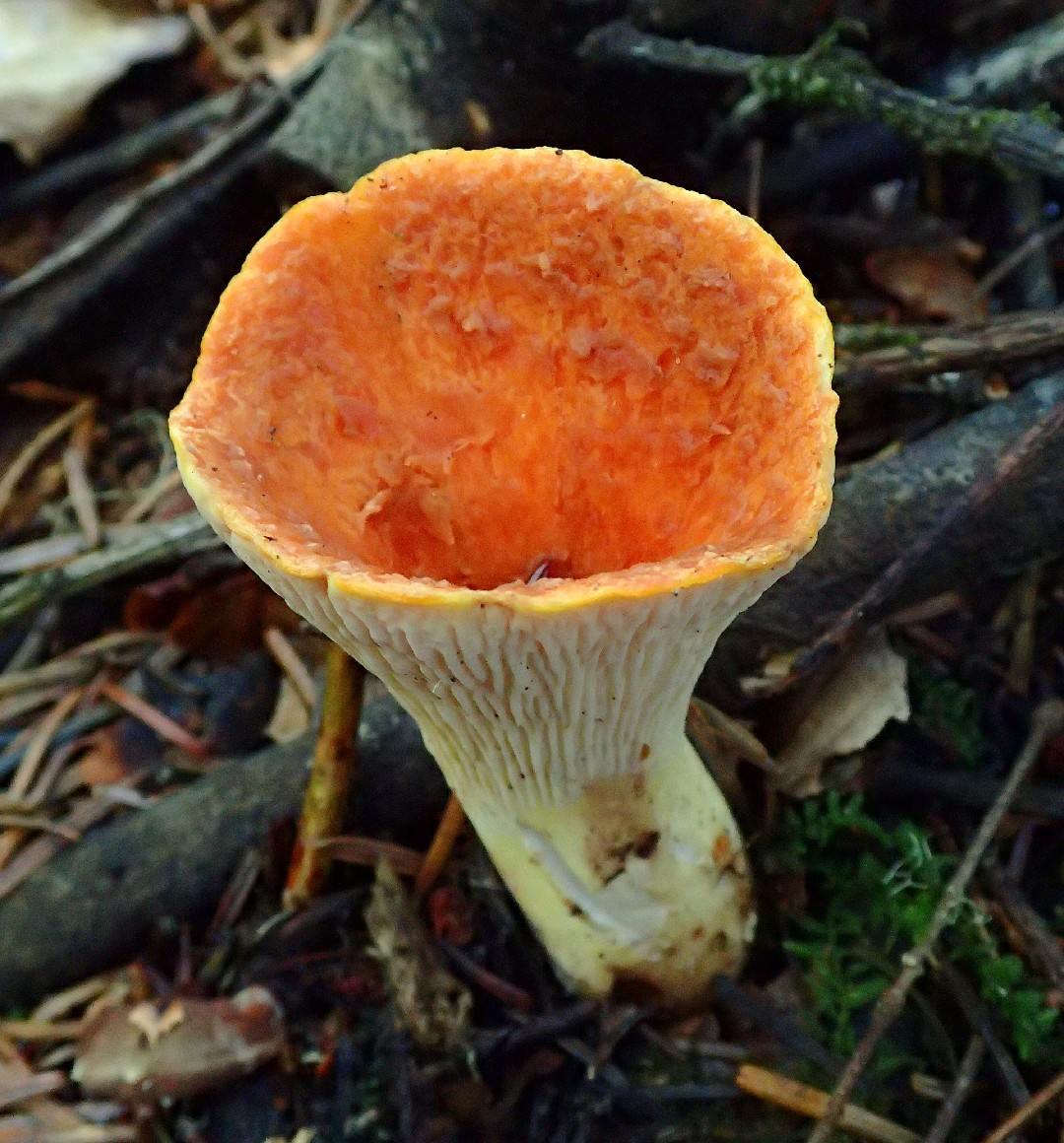
2. Woolly chanterelle
The woolly chanterelle, which looks only vaguely similar to its famed, edible chanterelle cousins, is vase-shaped and has large, pale folds and wrinkles on its underside (as opposed to having gills, like those of more sought-after chanterelles). Woolly chanterelles can cause upset stomach, vomiting, and diarrhea in some who eat them, while leaving others completely unaffected. Needless to say, the species is not considered a "choice edible".
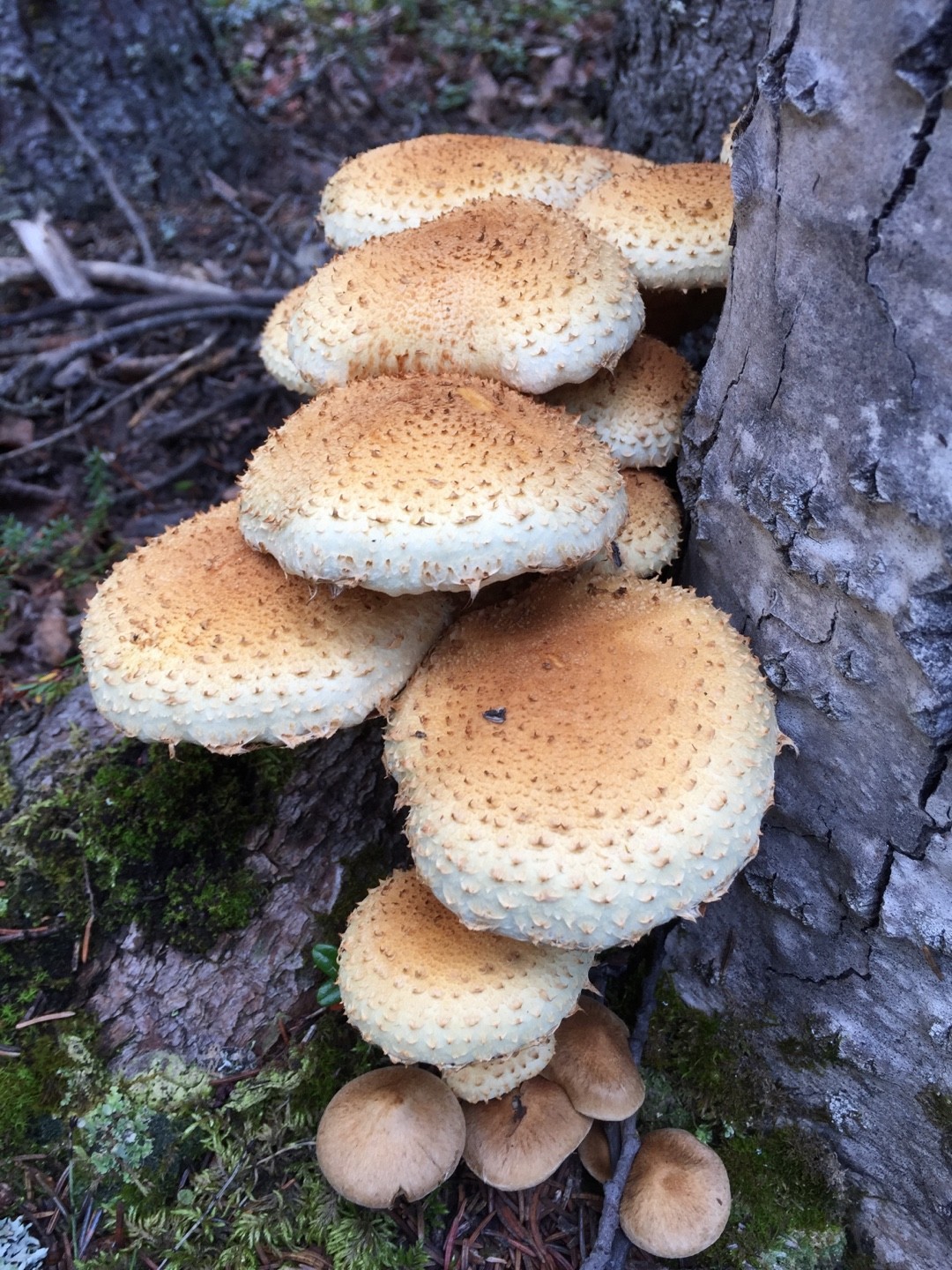
3. Shaggy scalycap
These mushrooms are most commonly found in clusters underneath old broadleaf trees and on their stumps. Their scientific name, Pholiota squarrosa, means “scaly with upright scales,” and that is exactly how the surface of the mushrooms appears. They are sometimes mistaken for honey fungus, as they share the same color, but the shaggy scalycap is definitely not edible.
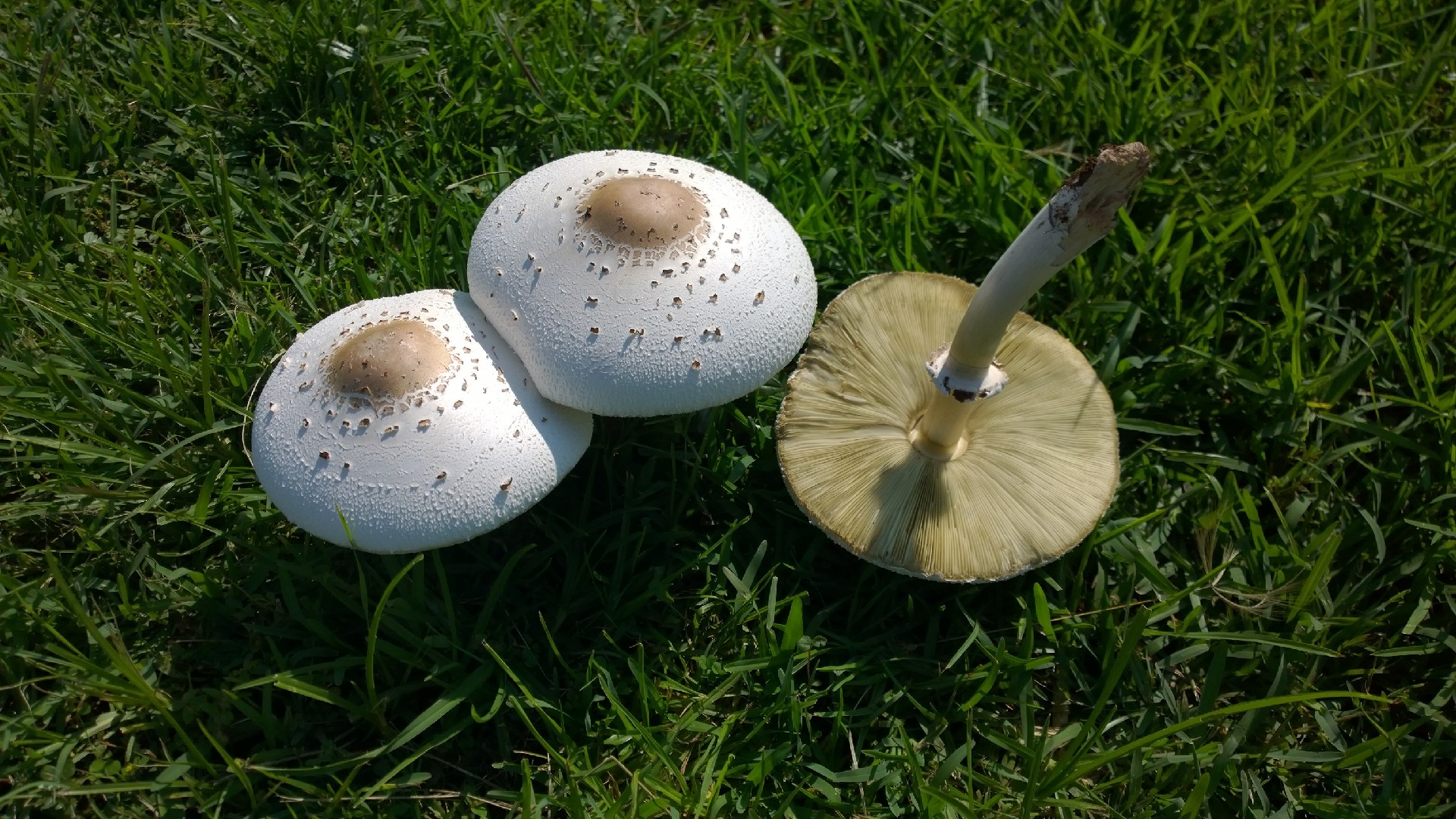
4. False parasol
Though the false parasol appears unassuming, the species is famous—or, infamous—for its toxicity. It looks unfortunately similar to Agericus campestrus, a commonly eaten mushroom, but the false parasol can be distinguished by its highly unusual green spore print. Although they are no good to eat, they can be pretty to look at. The species may grow in ring-shaped groups in meadows and on forest floors in what are sometimes called "fairy circles."
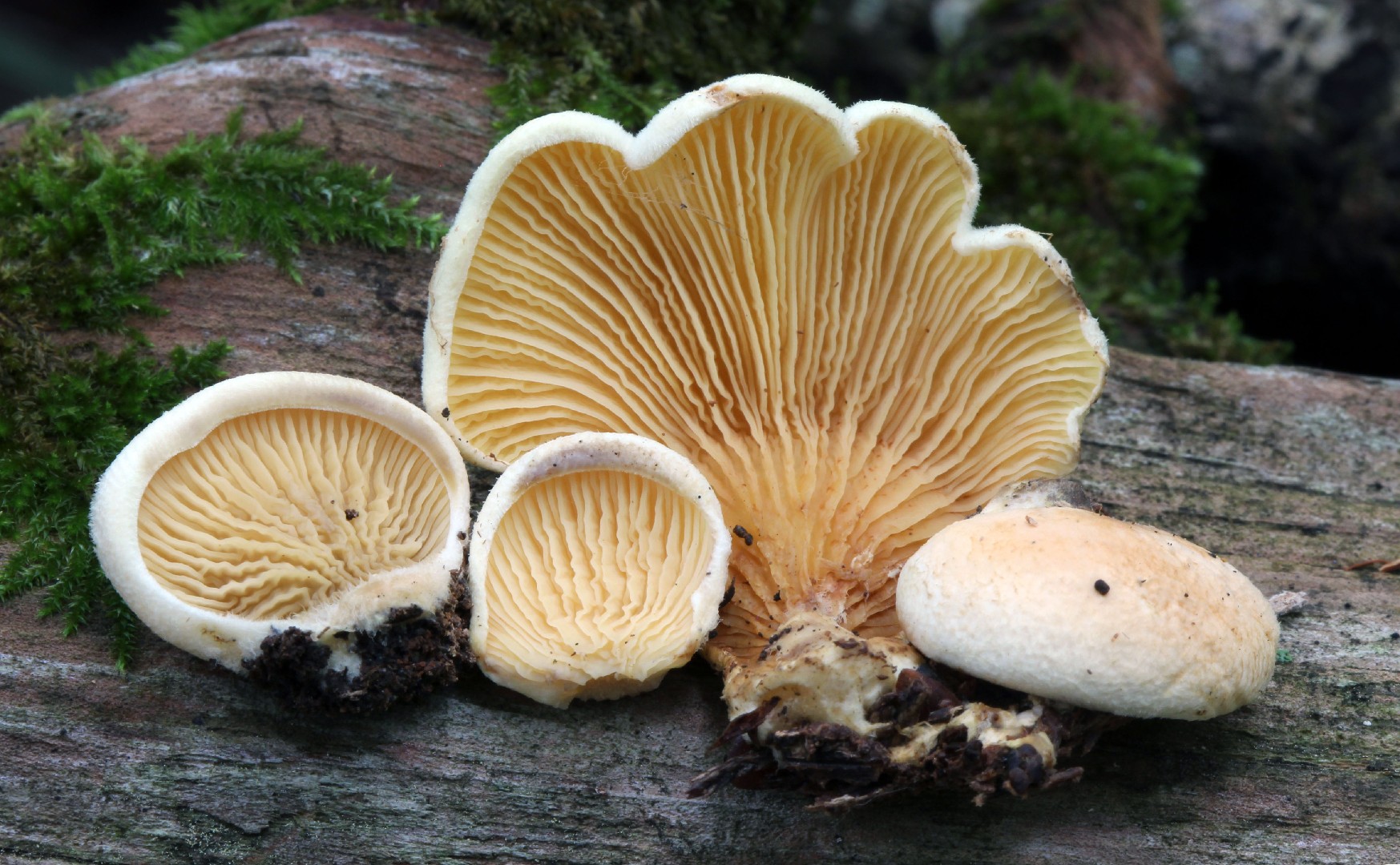
5. Oyster rollrim
The oyster rollrim lacks a stem, and its lightly fuzzy orange cap, which can grow to a width of 8 cm, will bald with age. This fungus grows in conifer woodlands throughout North America and Europe, from spring to late fall. It has no odor and is poisonous.
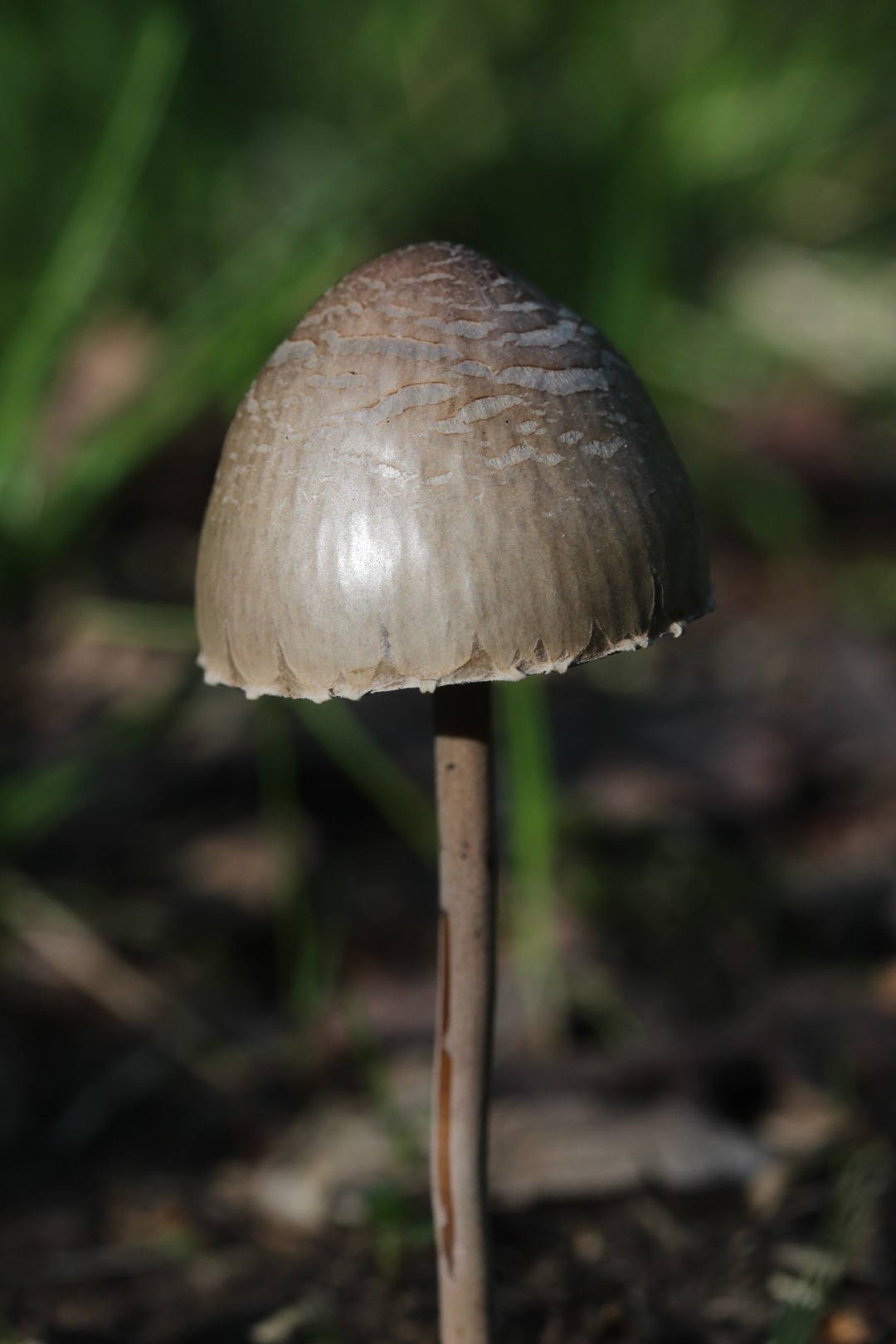
6. Petticoat mottlegill
The petticoat mottlegill is a little brown mushroom (LBM) with a truly global distribution; this mushroom is found on every continent save Antarctica. While relatively nondescript in appearance, it can be recognized by its preferred microhabitat - dung. Petticoat mottlegills are commonly found growing out of cow or horse dung, or they may be seen in open fields that are rich with animal manure.
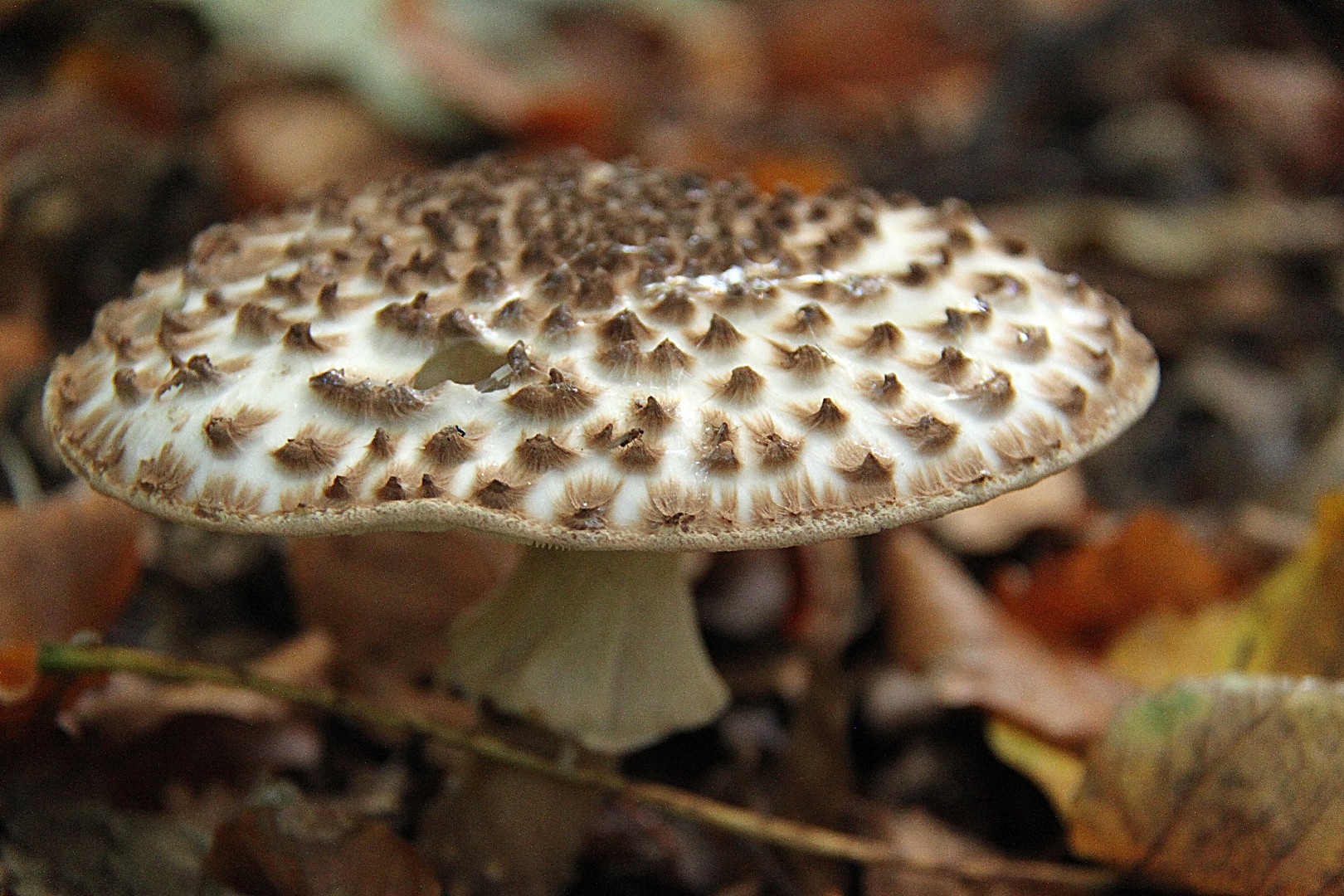
7. Freckled dapperling
Freckled dapperling grows on decaying wood most commonly in woodlands but also on mulch or in gardens. Unfortunately, this mushroom may be indistinguishable from other species in the same genus, Echinoderma, without close inspection. However, its pyramid-shaped scales, as referenced by its name, are one aspect that can help differentiate freckled dapperling.
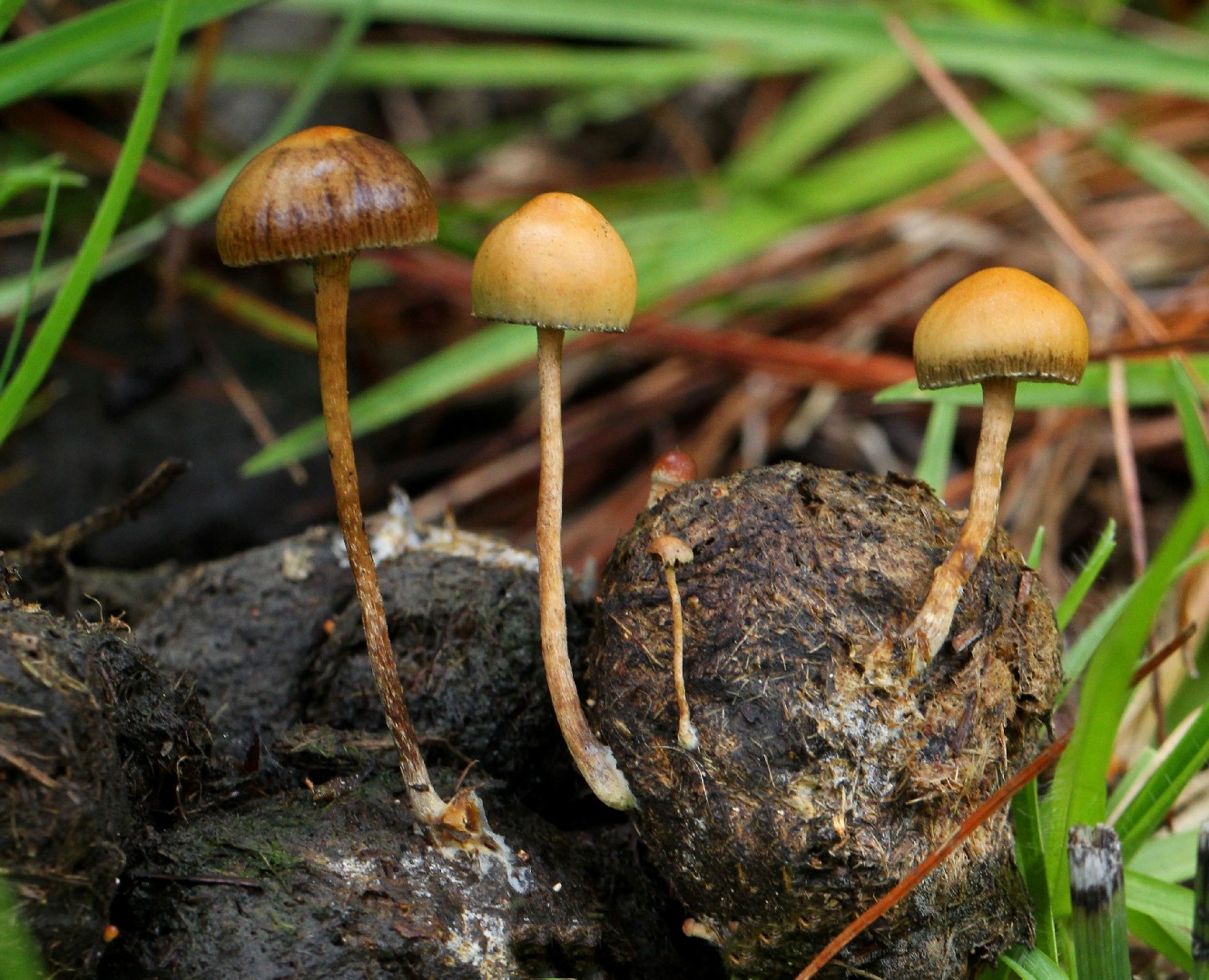
8. Dung-loving deconica
As its common name indicates, dung-loving deconica(Deconica coprophila) is most commonly found sprouting from decaying clumps of bovine or horse dung, particularly after periods of heavy rain. Perhaps unsurprisingly, there is little information available regarding its edibility. Consumption is therefore not recommended.
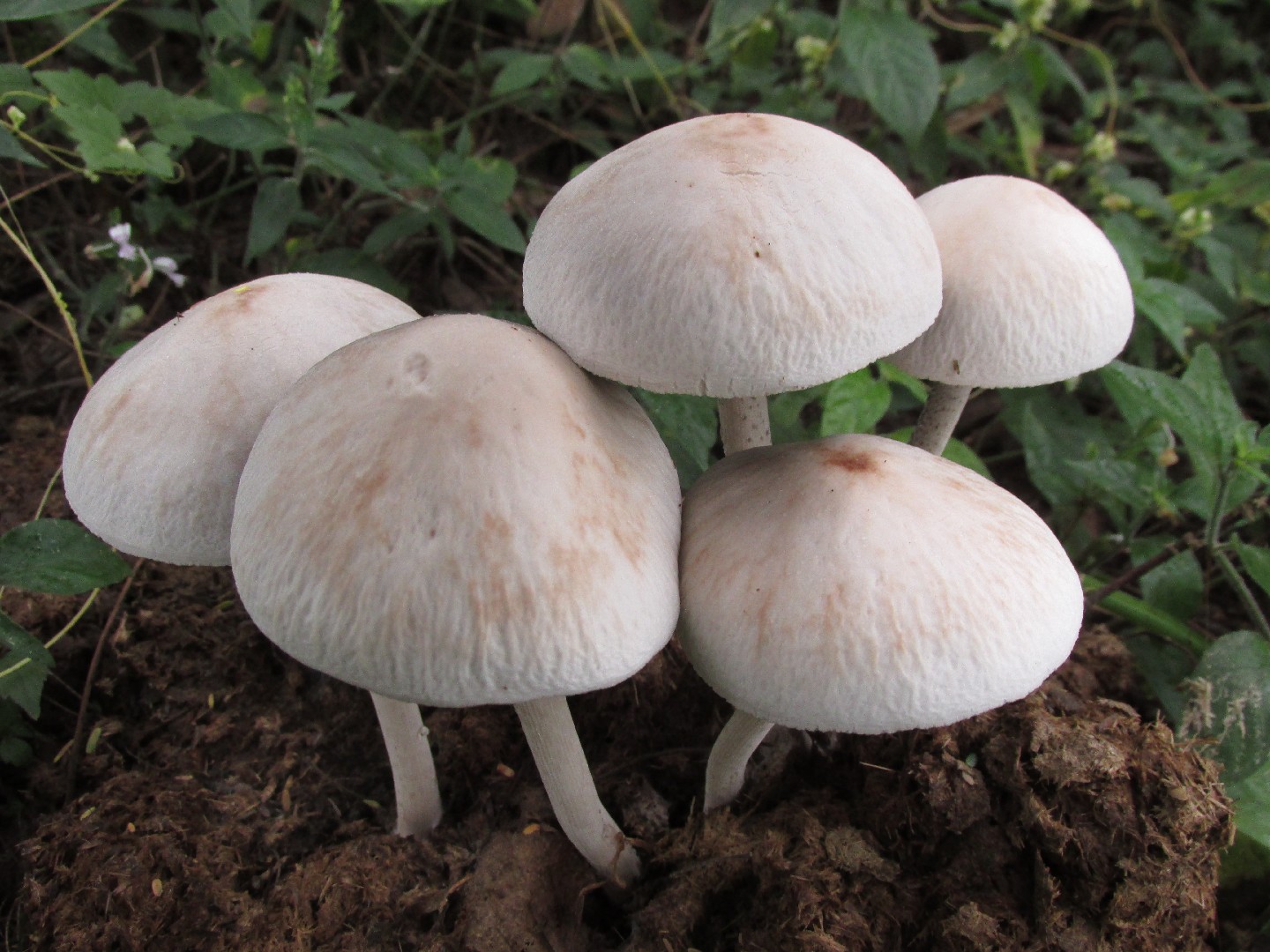
9. Panaeolus antillarum
The panaeolus antillarum is a small, nondescript mushroom that, like other members of the Panaeolus genus, favors fruiting in animal dung, though it may also be found in wet meadows or even lawns. Though its stalk and cap don't offer any quick or easy identifying characteristics, one distinguishing feature of this species is its spore print, which is jet black.
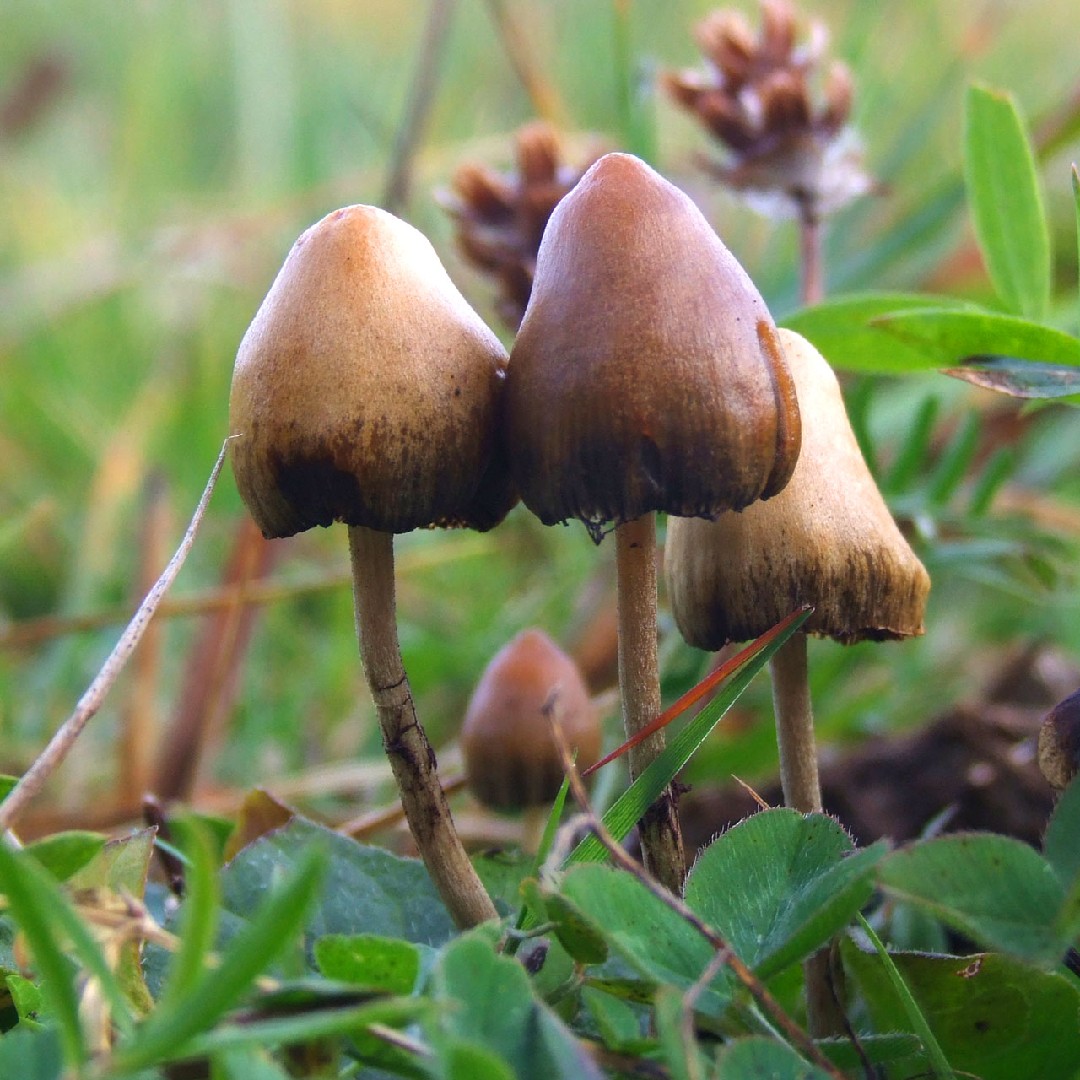
10. Banded mottlegill
Cap: (1.5)2 — 5(5.5) cm (0.59–2.17 in), hemispherical to convex when young to broadly umbonate or plane in age, smooth, hygrophanous, striking cinnamon-brown when moist, soot-black when wet which disappears as the mushroom completely dries out. The flesh is cinnamon-brown to cream-colored and thin. Gills: Close, adnate to adnexed, cream-colored when young, later mottled dingy brown then to soot-black. Gill edges white and slightly fringed, but turn blackish when fully mature. Spore Print: Jet Black Spores: 12 x 8 µm, smooth, ellipitic-citriform, thick-walled. Stipe: (2)3.5 — 8(10) cm long, (2)3 — 7(9) mm thick, equal or tapered at the ends, reddish brown to whitish, pruinose, hollow, no veil remnants, longitudinally white-fibrillose and white-powdered, striate at the apex or twisting vertically down the entire length of the stipe, Stem base and mycelium occasionally staining blue. Taste: Farinaceous (like flour) when fresh, saliferous (salty) when dried. Odor: Slightly farinaceous. Microscopic features: Spores 11 - 14 (16) x 7.5 - 10 x (6) 7 - 8 (9) µm, smooth, elliptical to rhomboid in face view, elliptical in side view. Morphologically, Panaeolus cinctulus can be easily confused with other species of psilocybin mushrooms. They have a resemblance to Panaeolus fimicola, and prefer the same habitats, but the latter species has sulphidia on the gill faces. 







