




Top 18 Edible Mushrooms Popular in Jaen
In the sunlit lands of Jaen, rich soil and diverse flora provide an ideal habitat for the proliferation of a wide array of edible fungi. Immerse yourself in our guide to the 'Top 18 most common mushrooms in Jaen', a comprehensive exploration unveiling distinguishing features, exquisite tastes, optimal growing environments, and culinary potentials. Derived from reliable resources, our content aims to educate readers about these common, yet intriguing mushroom species. Let your curiosity guide you through the lush landscapes of Jaen, as you uncover the bountiful world of edible fungi.
* Disclaimer: Content feedback CAN NOT be used as any basis for EATING ANY PLANTS. Some plants can be VERY POISONOUS, please purchase edible plants through regular channels.

Most Popular Edible Mushrooms
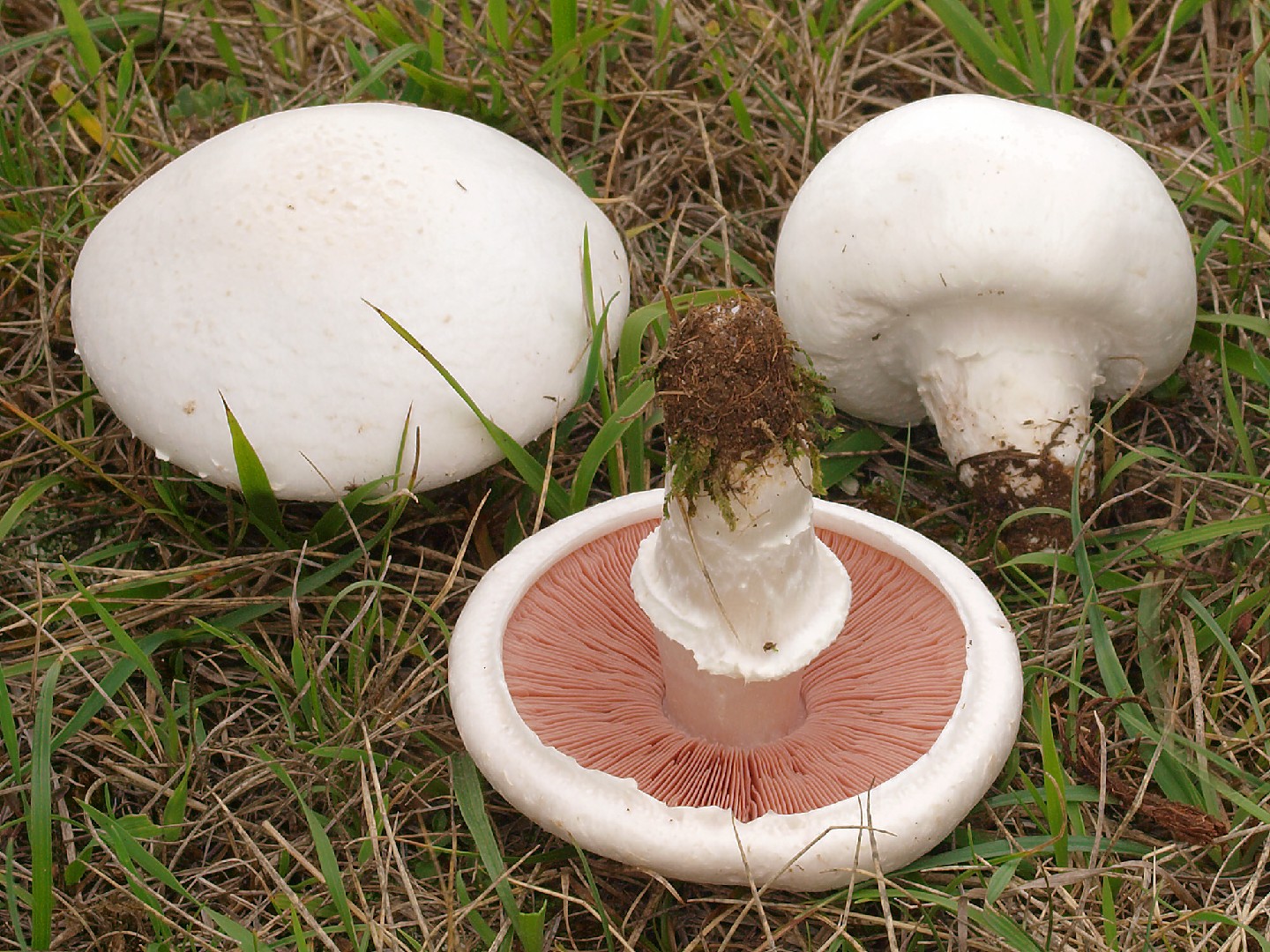
1. Meadow mushroom
The meadow mushroom grows in meadows and pastures around the world—especially those rich in manure—when the weather is warm and wet. They are known to appear in “fairy ring” shapes. Originally identified in Europe, it is possible that North American specimens identified as meadow mushrooms may genetically belong to other species.

2. Torq
The torq (Agaricus bitorquis) is a white-capped agaric that bears a resemblance to, and is closely related to, the commonly-eaten button mushroom (Agaricus bisporus). This hardy, generalist species does well even in urban environments - their white fruiting bodies can be seen poking up through woodchips, mulch, sidewalk cracks, and even asphalt.
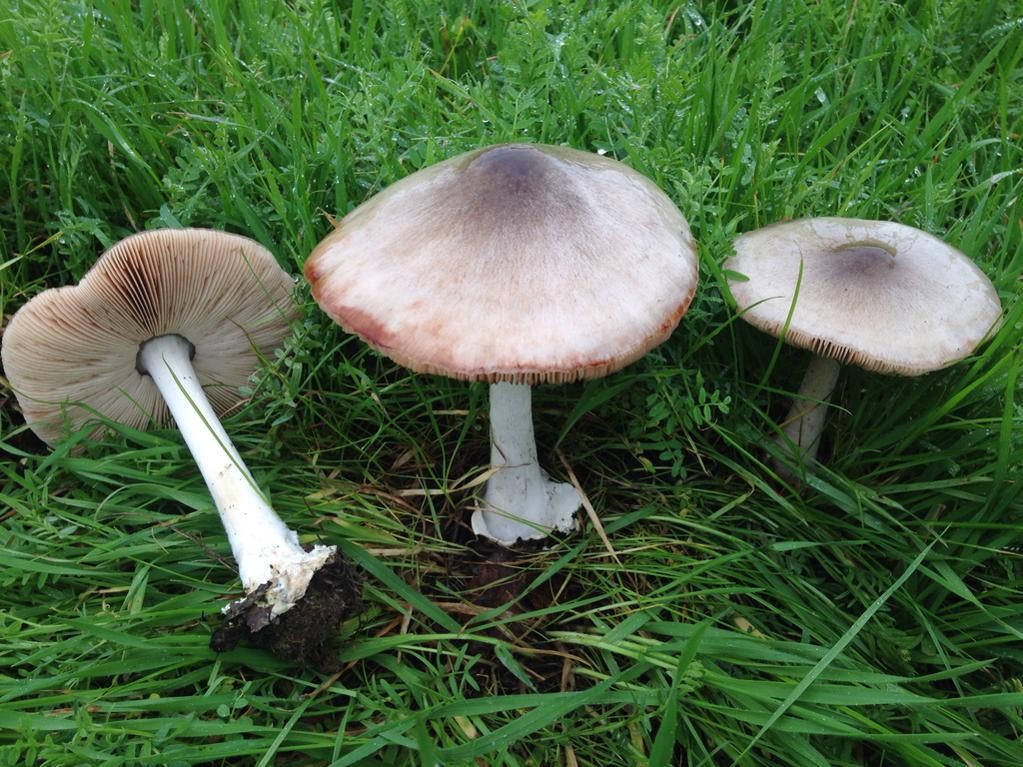
3. Big sheath mushroom
These large white mushrooms bloom all over cleared, harvested fields, as well as pastures and roadsides. The scientific species name comes from Greek words meaning “glue” (glioio) and “head” (cephalus), in reference to the sticky surface of this mushroom’s cap. The big sheath mushroom looks so similar to the poisonous Deathcap and Destroying Angel mushrooms that it should always be left alone.
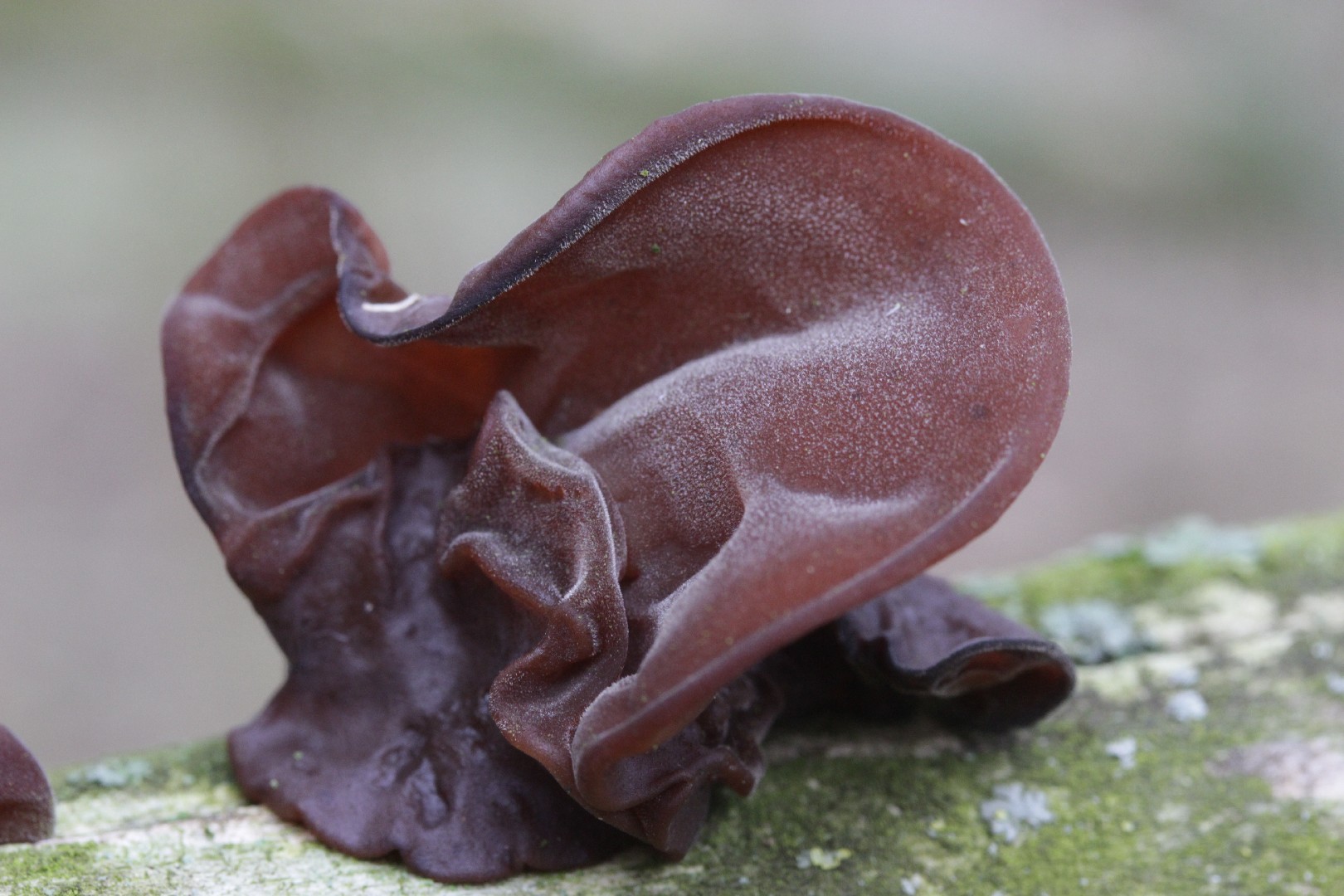
4. Jelly ear
The distinctive jelly ear grows mainly through winter and spring, mostly on the dead trunks and branches of elder trees. It occurs around the world and is often cooked into dishes in Asian countries. This ear-shaped jelly mushroom is often available in stores both fresh and dried.
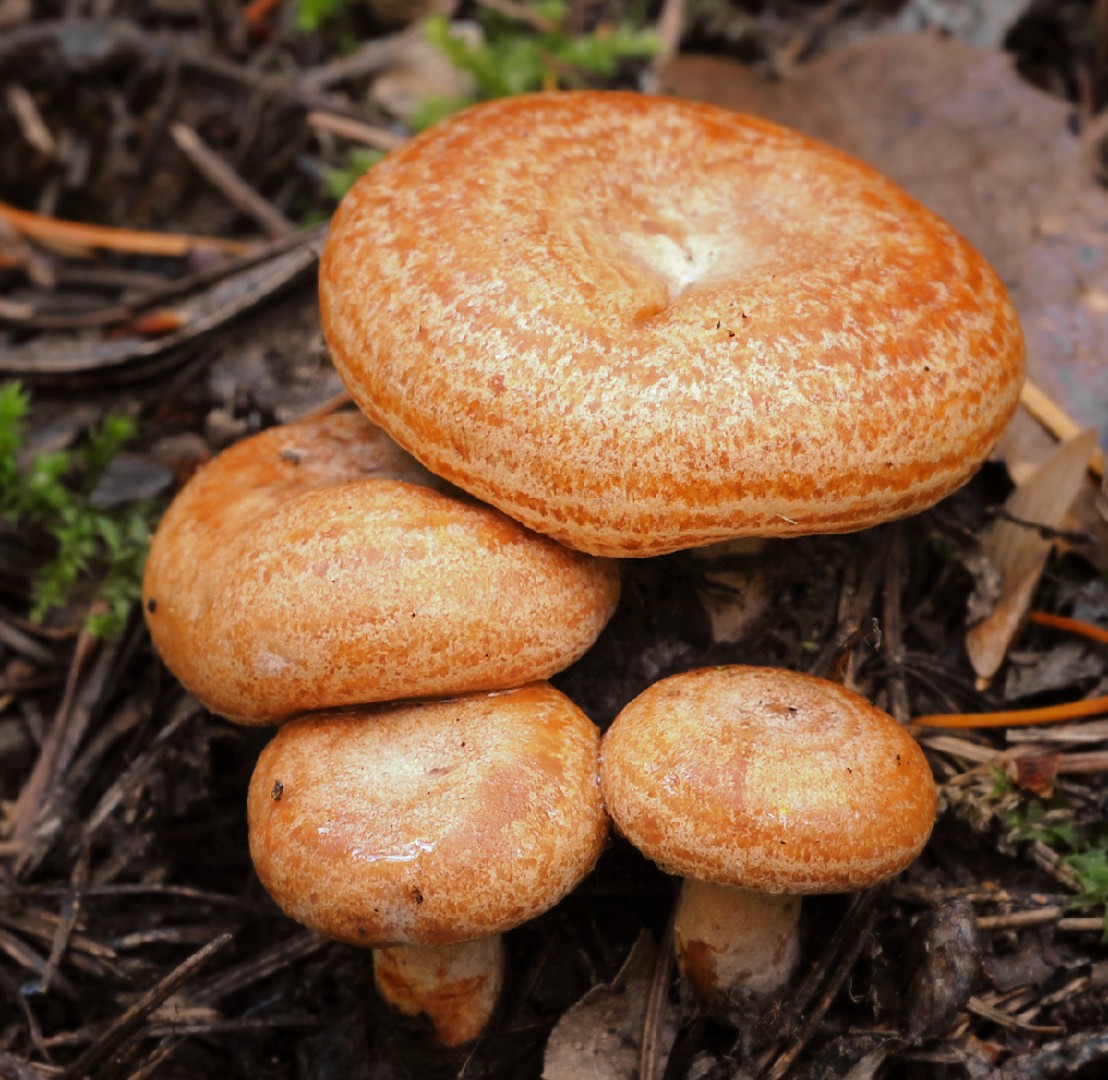
5. Saffron milk cap
Growing wild in the northern hemisphere and introduced to Australia, the saffron milk cap is found in pine forests during autumn. As the name implies, these mushrooms have been harvested for cooking for a long time. They have been known to cause stomach upset in some individuals, however, and carry a risk of being contaminated with heavy metals, so forage with caution.
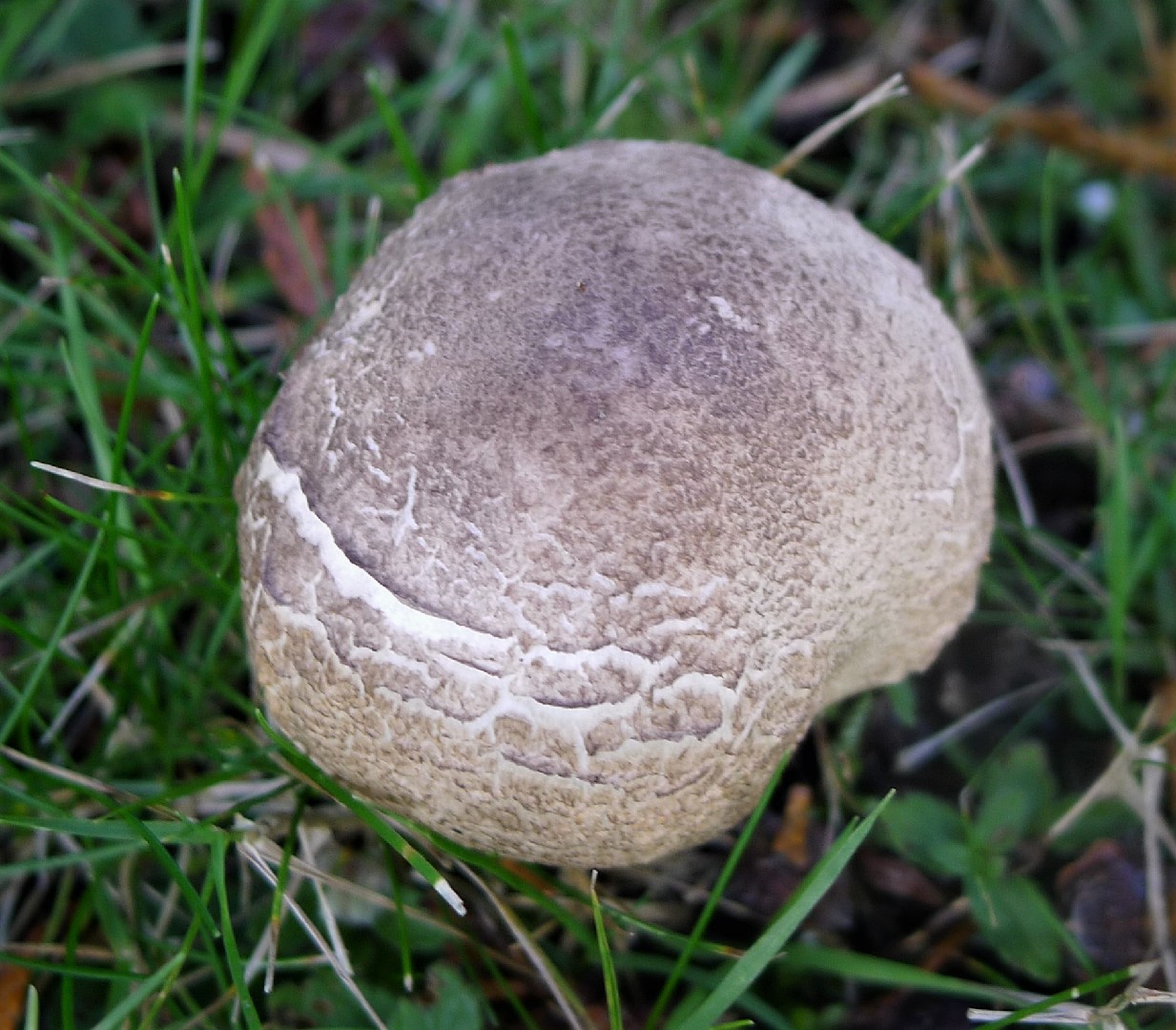
6. Macro mushroom
Macro mushroom will initially smell like almonds but with age will gradually smell of urine. This explains the scientific name urinascens. It can be found in late summer and autumn in open woodland, usually close to spruce. It is easy to be confused with poisonous mushrooms, so it is not recommended to eat.
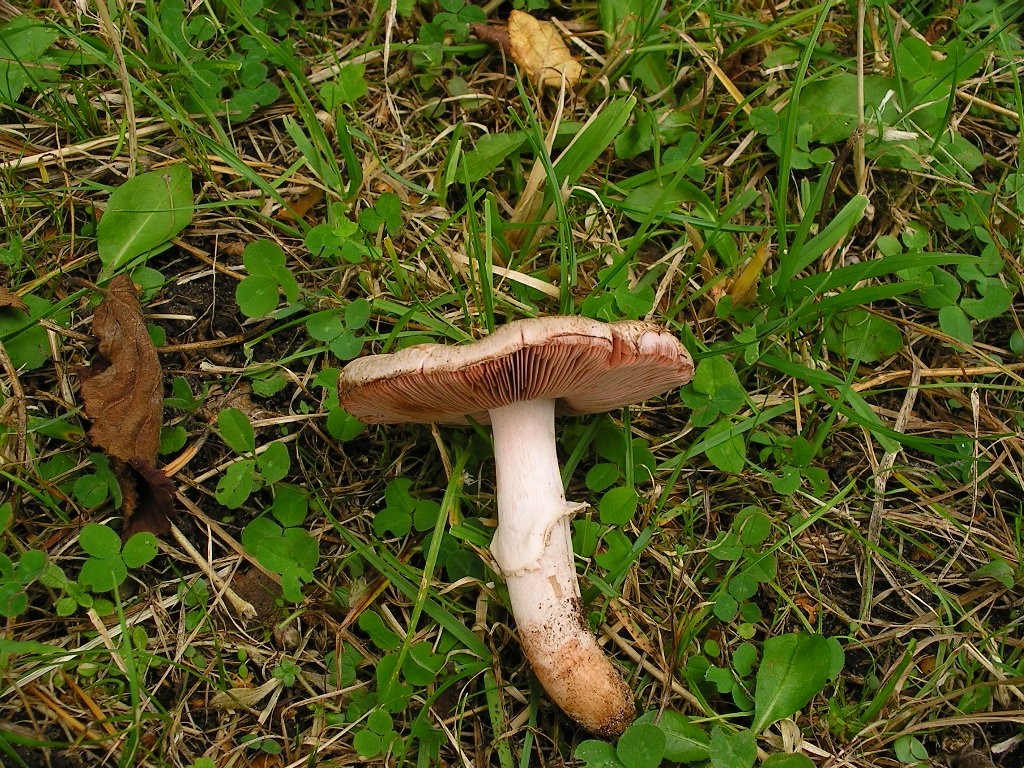
7. Scaly wood mushroom
The scaly wood mushroom is a relatively large mushroom that bruises a deep pink or red when damaged. Multiple species of flies use this mushroom as a host for their larval stages. The specific epithet, langei, honors the 19th-century Danish botanist, Johan Lange.
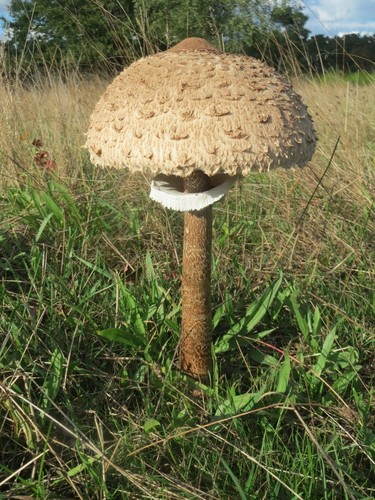
8. Parasol
Found in clearings and grassy areas in late summer, the wild parasol mushroom has a snakeskin-patterned stem. The brown spots on its cap make it look a bit shaggy, but that name is reserved for its poisonous counterpart, the Shaggy Parasol (Chlorophyllum rhacodes). You can distinguish the two by the stems: the latter has a smooth stem and red flesh inside.
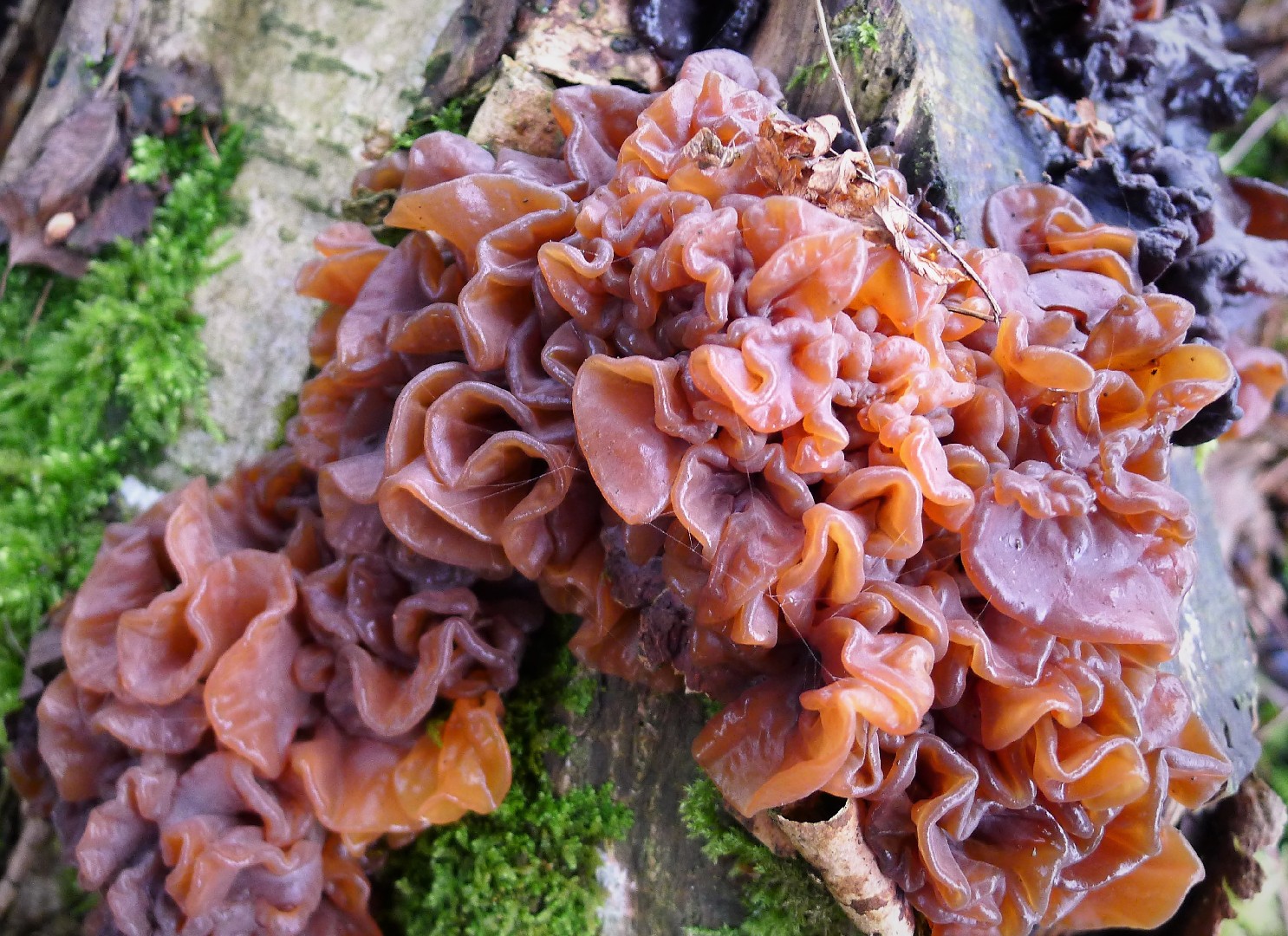
9. Leafy brain
Leafy brain is a parasitic slime mold that feeds off mushrooms. As hinted by its name, it has distinct lobes that start off leaflike and become more wrinkled and brain-like with age. This slime mold shrivels into black crusts when dry but can perk up again after rain.
10. Meadow mushroom
The meadow mushroom grows in meadows and pastures around the world—especially those rich in manure—when the weather is warm and wet. They are known to appear in “fairy ring” shapes. Originally identified in Europe, it is possible that North American specimens identified as meadow mushrooms may genetically belong to other species.
More







