




Top 18 Edible Mushrooms Popular in Fort-de-France
Plunge into the rich mycological tapestry that Fort-de-France offers with its 18 most common edible mushrooms. The island’s lush environment, from its dense forests to mossy logs, creates a thriving habitat for these unique fungi. As you explore each type, you'll notice variations in their textures, tastes, and preferred culinary practices molded by diverse cultures and traditions. Be captivated by the tantalizing profiles of these mushrooms, all backed by credible, well-documented sources.
* Disclaimer: Content feedback CAN NOT be used as any basis for EATING ANY PLANTS. Some plants can be VERY POISONOUS, please purchase edible plants through regular channels.

Most Popular Edible Mushrooms
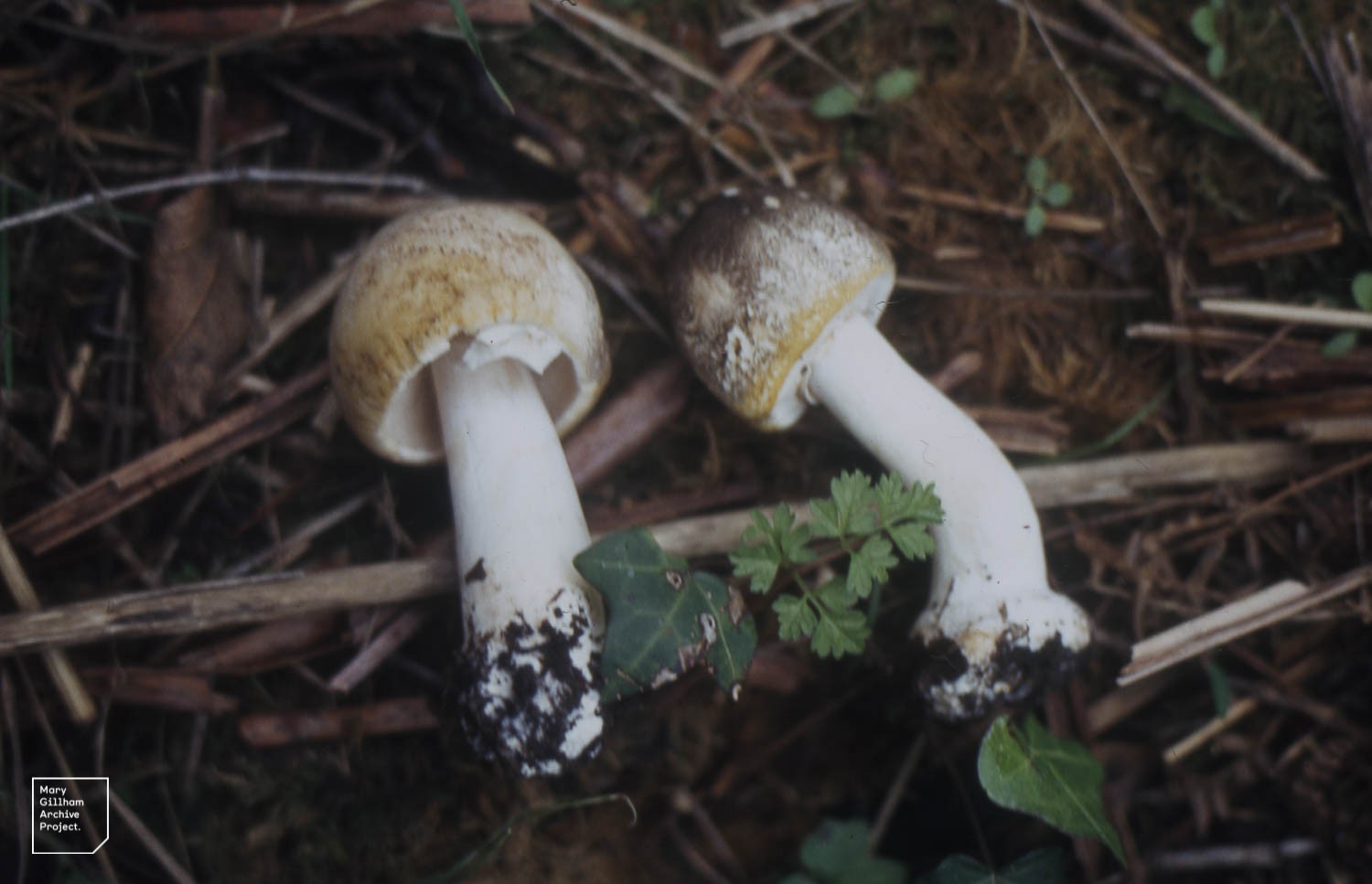
1. Weeping slimecap
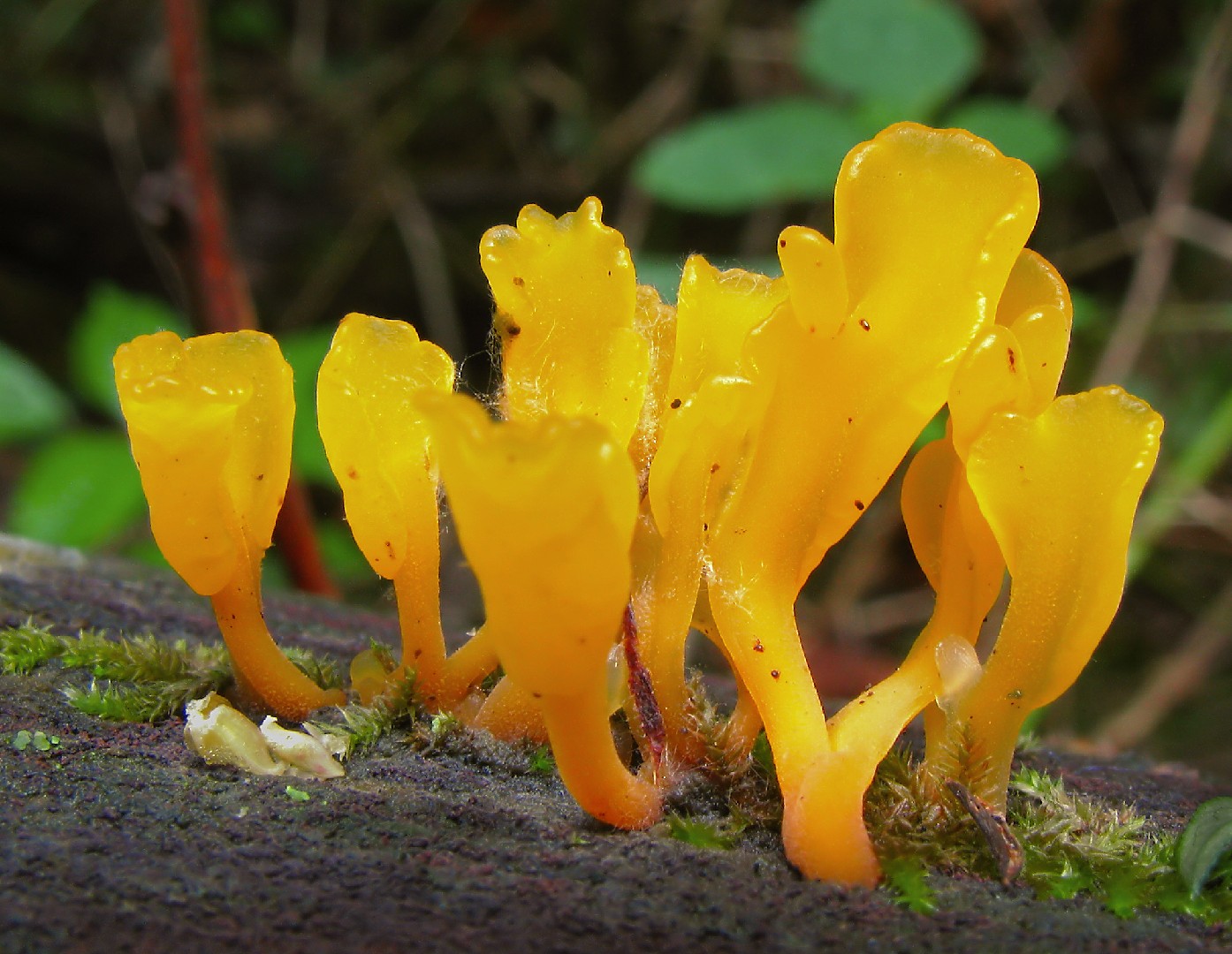
2. Fan-shaped jelly-fungus
Just as its Latin and the common English names suggest, the fan-shaped jelly-fungus (Dacryopinax spathularia) is a fan-shaped or spatula-shaped jelly-like mushroom. It commonly grows in wood cracks and it sometimes even appears in the cracks of the processed wood and lumber. Despite the word "jelly" in its name, the fan-shaped jelly-fungus is not considered edible.
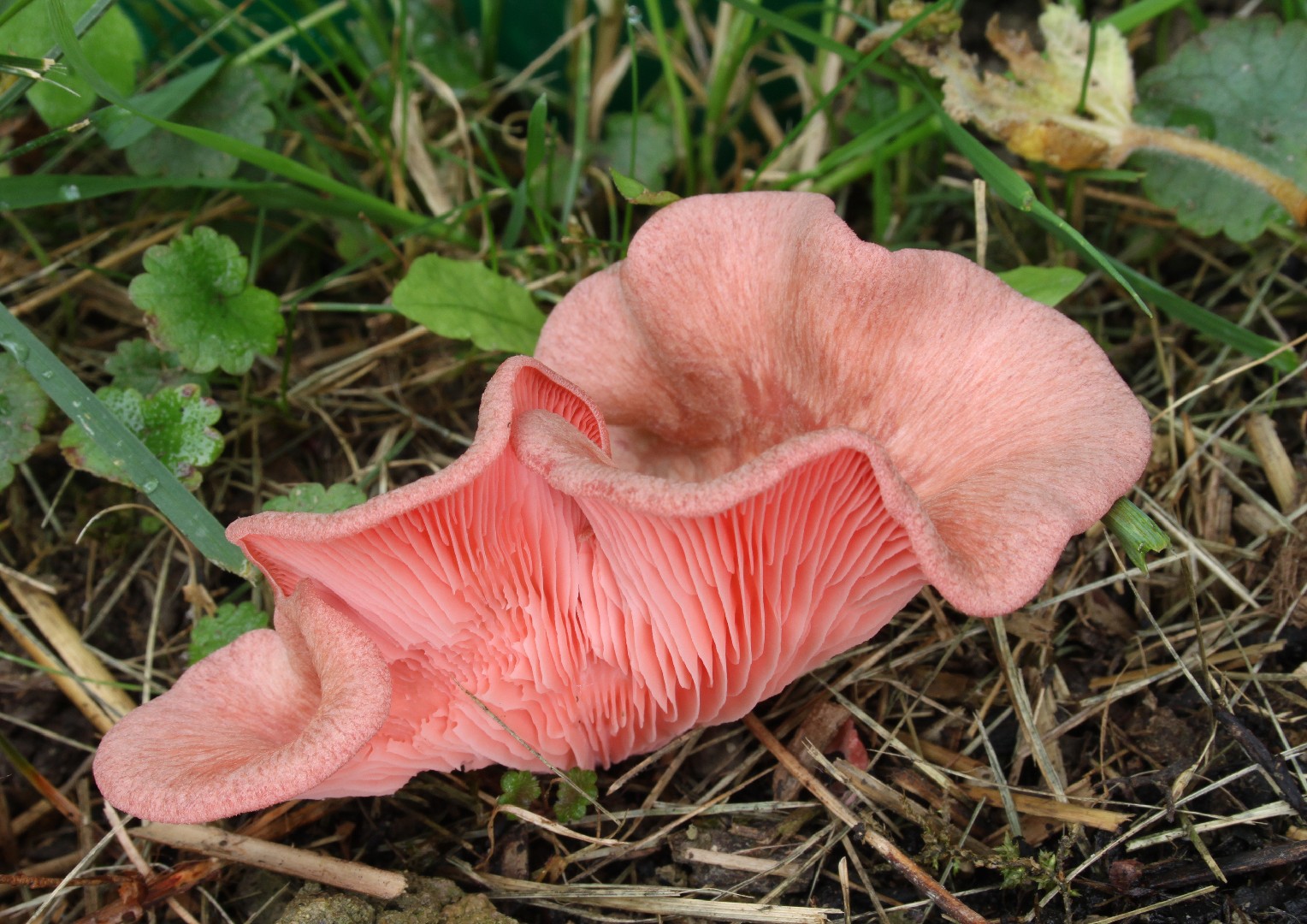
3. Pink oyster mushroom
Pink oyster mushroom is a striking mushroom that grows in the shape of an oyster shell. It has a brilliant pink color that fades as the mushroom ages. Pink oyster mushroom is primarily found in warmer climates growing on tropical hardwood trees.
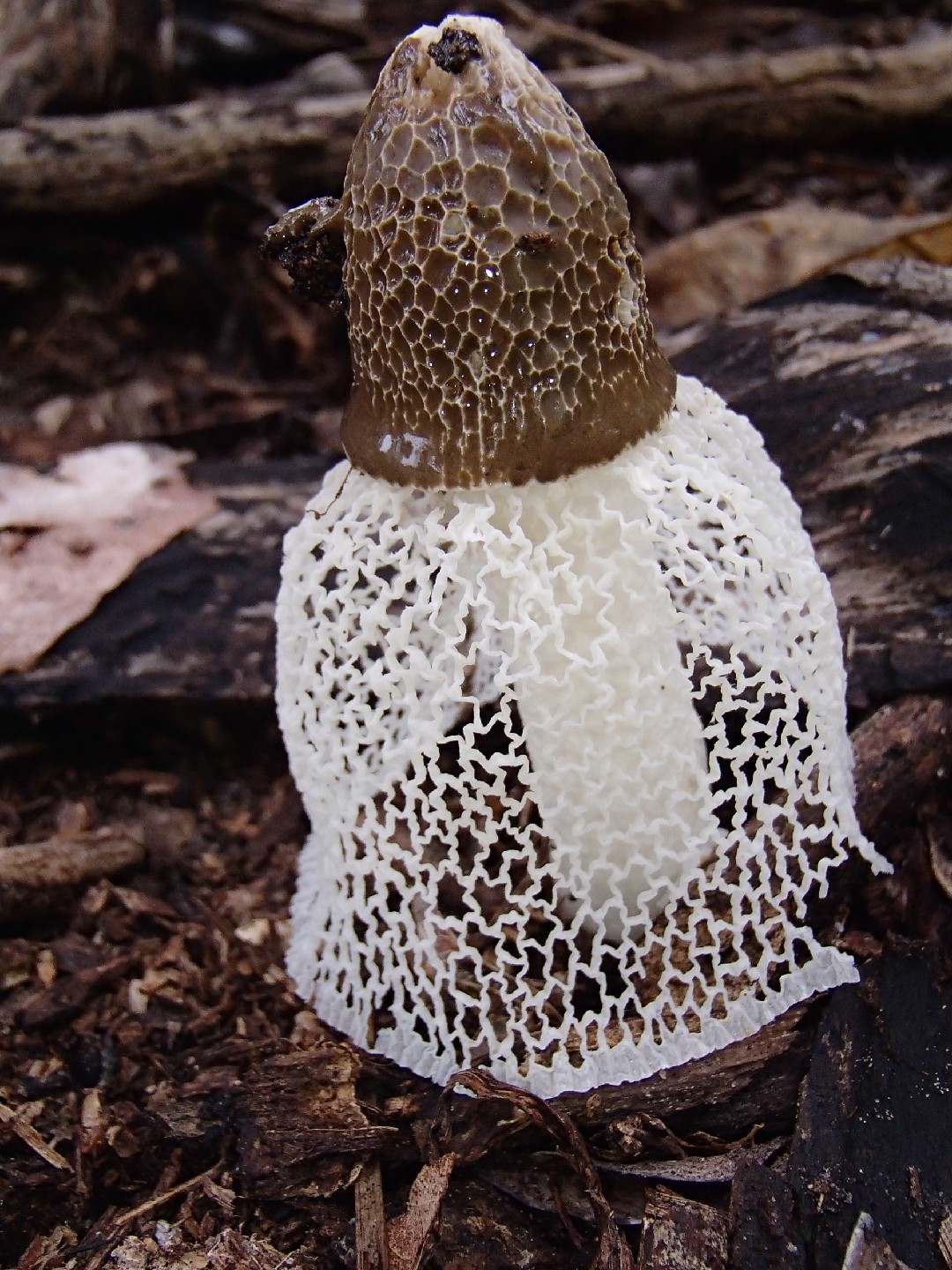
4. Bridal veil stinkhorn
Bridal veil stinkhorn (Phallus indusiatus) can be found rising up from the ground in tropical forests around the world. A distinctive netted fringe “skirt” descends from the cap along the length of the stalk. A type of “stinkhorn,” the fruitbodies of this species produce scents that vary between sickly-sweet to just plain unpleasant. The odor is meant to attract insects that usually lay their eggs in carrion.
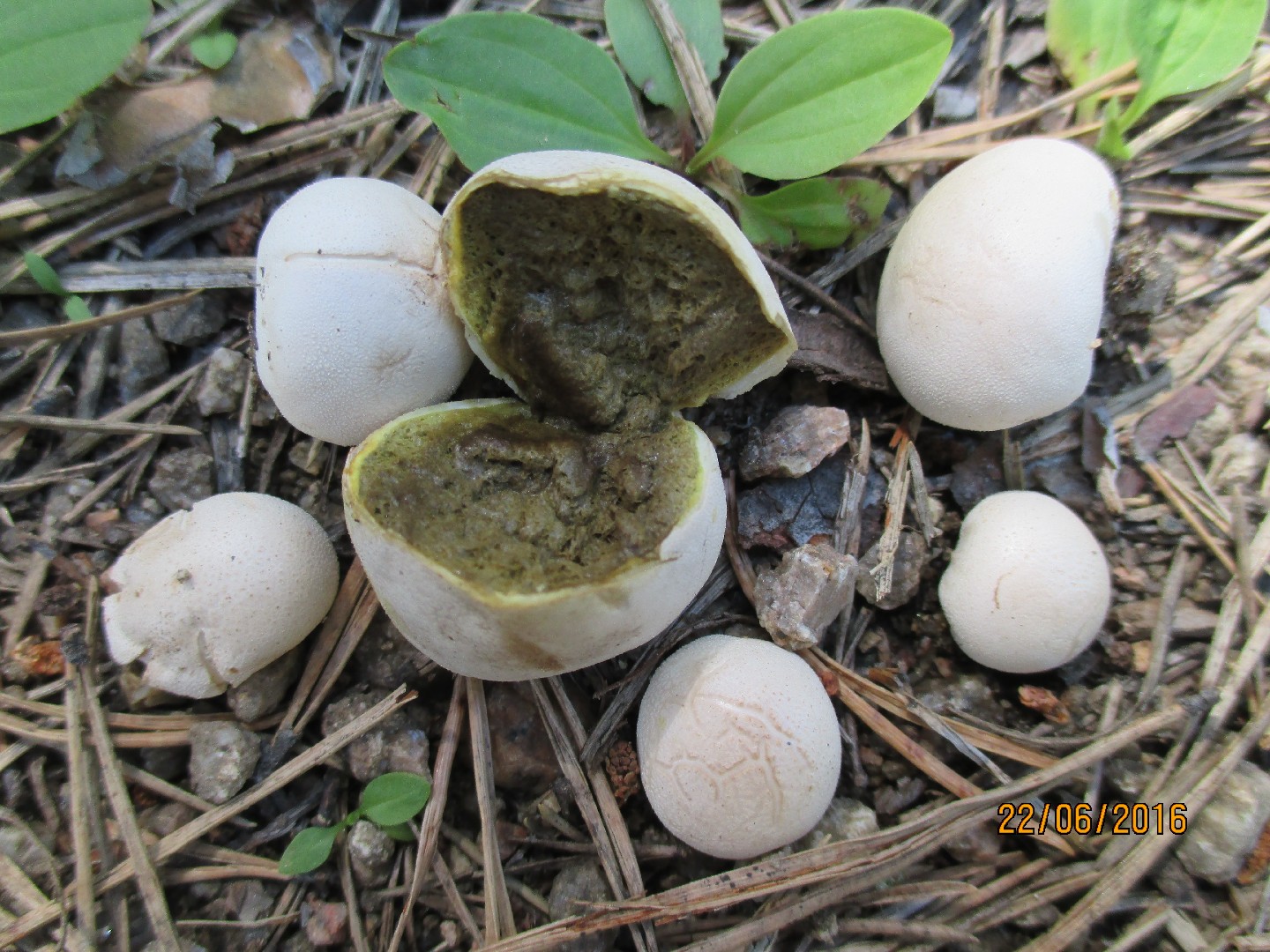
5. Bovista pusilla
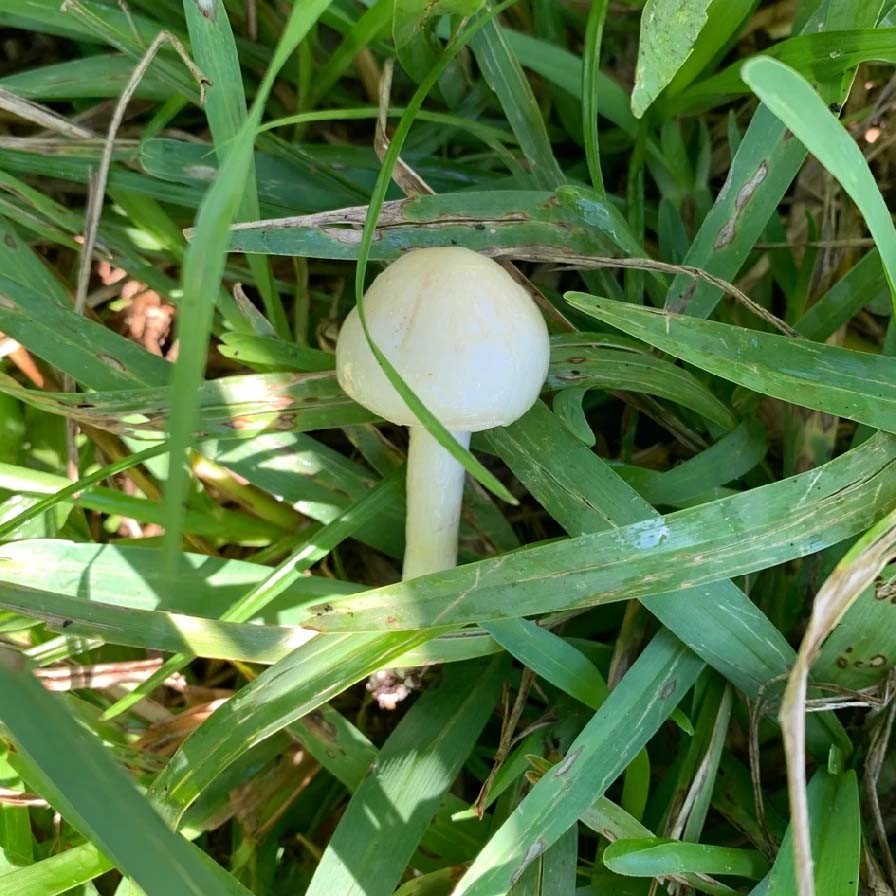
6. Dripping slimecap
Cap : It has approximately 2–7 cm long radius. It is round becoming convex then wide or with a broad umbo the margin hanging with slimy veil remnants. It is white or cream in color. It feels smooth and sticky or slimy. Gills : They are free non-waxy close broad and white in color. Stem / Stipe : The 5–10 cm long stem tapers a bit towards the top. It is fleshy soft and has a ring. White in color it is also sticky and slimy. Spores : Spores are globose to broadly ellipsoid and smooth. Microscopic features : The spores measure 4.5-6.5 x 4-6 um. Flesh : Flesh is slimy and sticky. Fruiting : These mushrooms flower in between summer and fall.
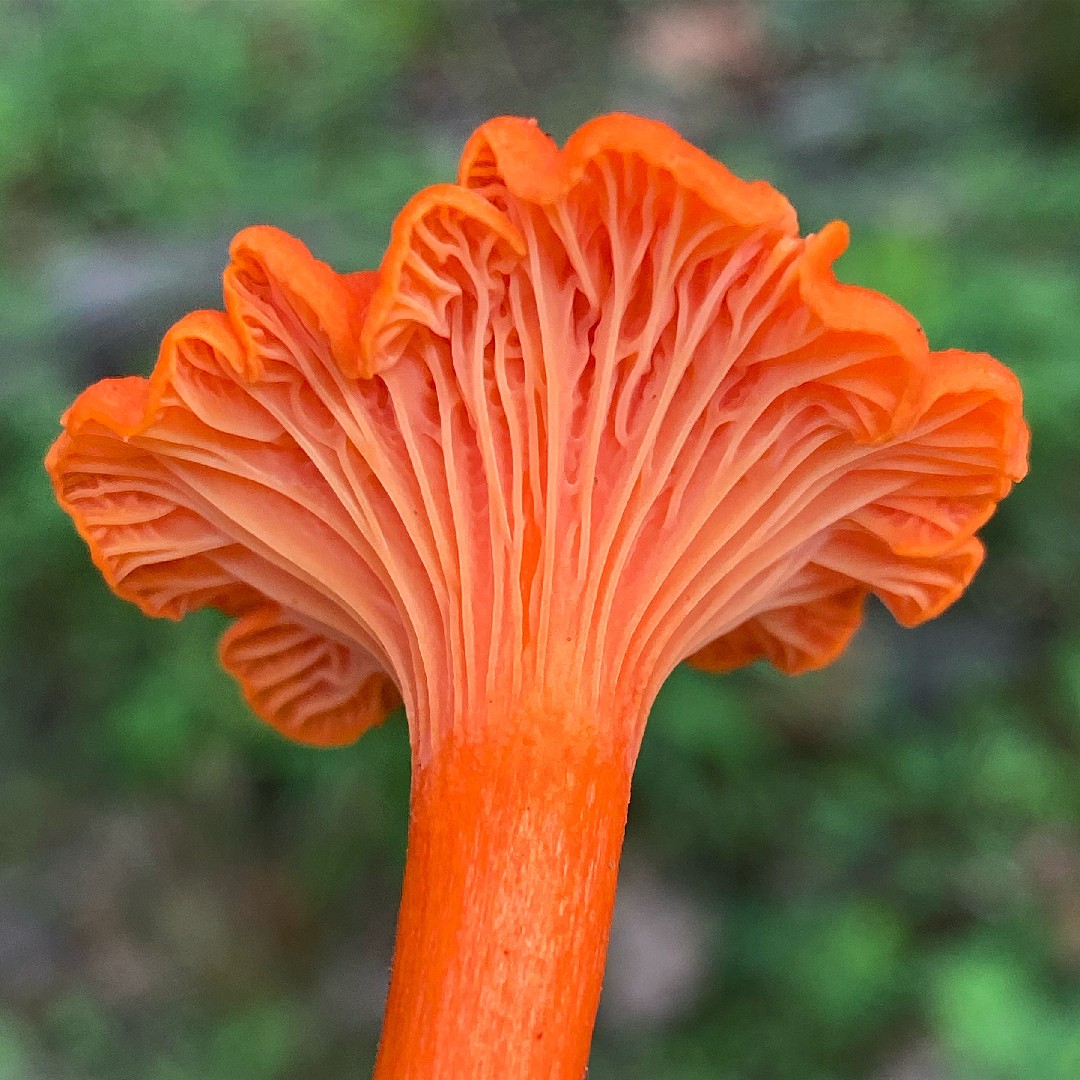
7. Red chanterelle
Red chanterelles can be found growing within hardwood forests across eastern North America. These small but striking mushrooms range from orange to red to pink in color. Edible and boasting complex flavors, many chanterelles are highly sought after. The red chanterelle, though less famous than some of its close relatives, is no exception. This species can be used in all sorts of recipes, with a vaguely sweet or piney taste.
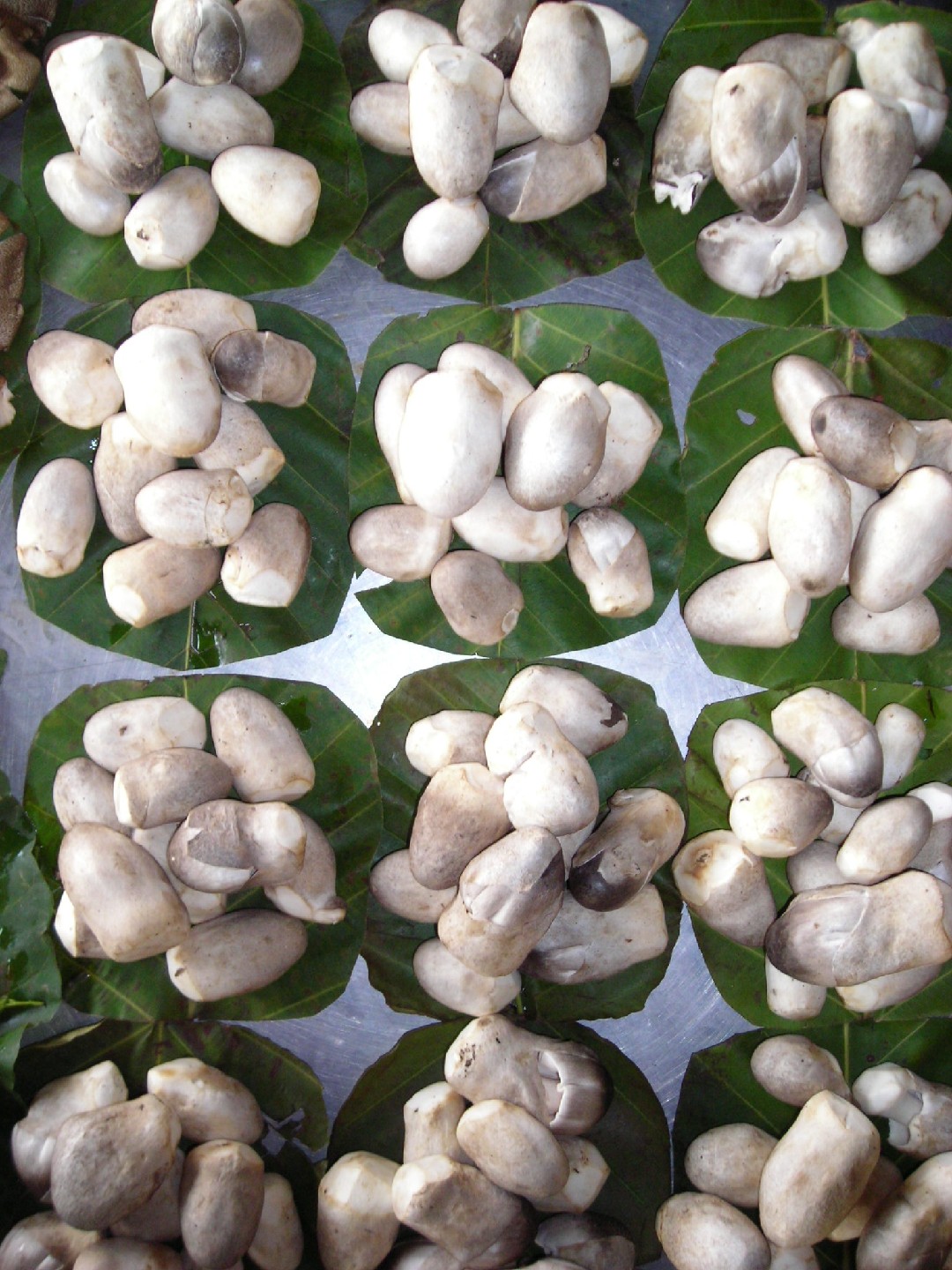
8. Paddy straw mushroom
The paddy straw mushroom is a highly popular mushroom, regularly cultivated on rice straw in East and Southeast Asia. Highly nutritious, it is the third most-eaten mushroom in the world, though mostly available in canned form. It's an important part of many Asian cuisines, particularly Thai.
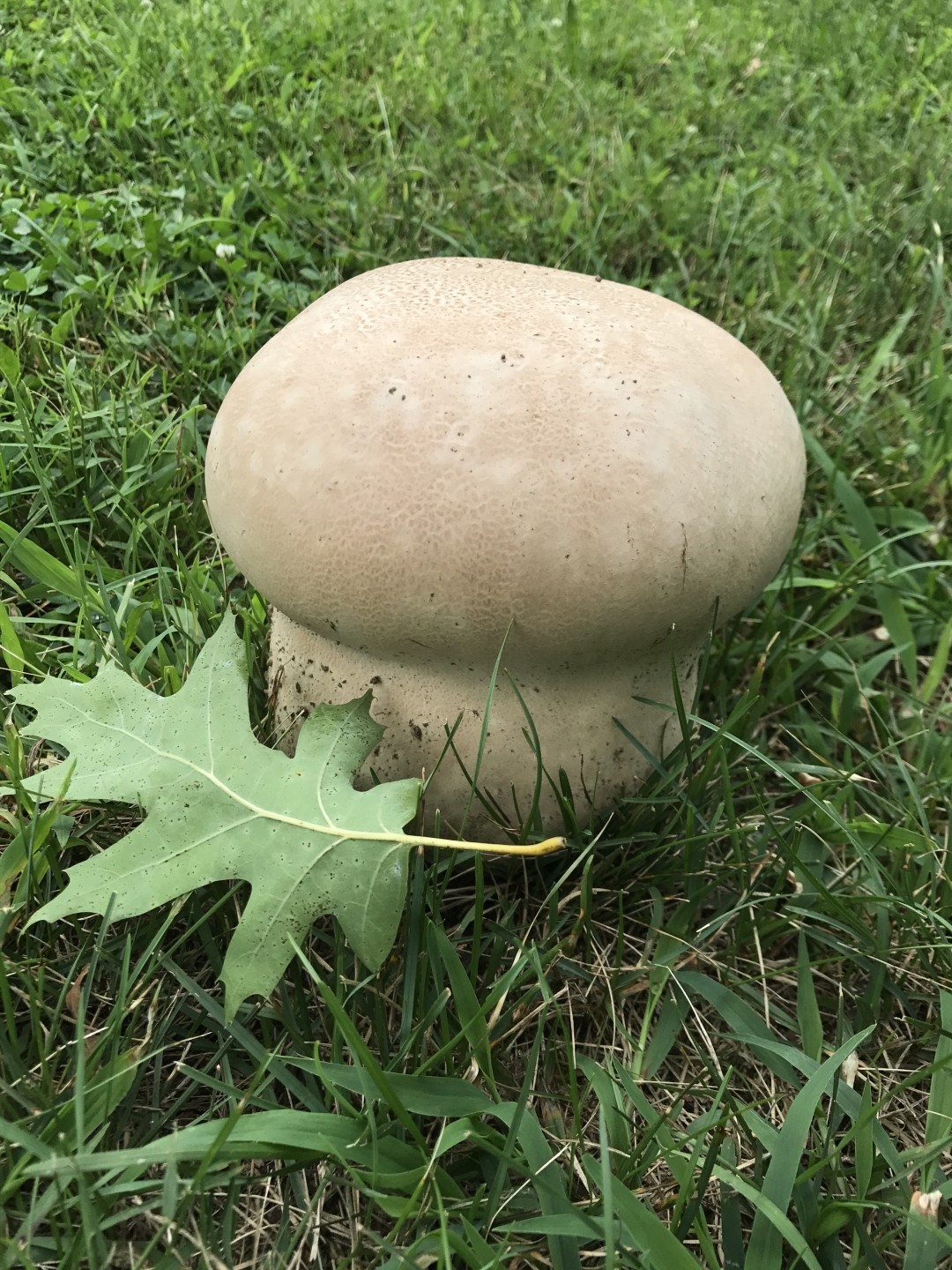
9. Purple-spored puffball
It's hard to mistake this mushroom for another. The aptly-named purple-spored puffball has a large, round, or pear-shaped fruiting body and is purple or chocolate-brown in color (with spores to match). Purple-spored puffballs are found in prairies and meadows across North America and Australia.
10. Weeping slimecap
More







