




Top 14 Edible Mushrooms Popular in Madera
Nestled within the diverse landscapes of Madera, a treasure trove of culinary delights grows. This land, rich in diverse climates and varied terrain, is an ideal habitat for some of the most popular edible mushrooms. Our list of the Top 14 Most Common Edible Mushrooms of Madera offers a thorough dive into their appearance, flavor profiles, and habitat, along with culinary suggestions. Get ready to explore the subtle yet significant differences that set each of these earthy gems apart. Let's begin this gourmet journey into the fungi kingdom of Madera.
* Disclaimer: Content feedback CAN NOT be used as any basis for EATING ANY PLANTS. Some plants can be VERY POISONOUS, please purchase edible plants through regular channels.

Most Popular Edible Mushrooms
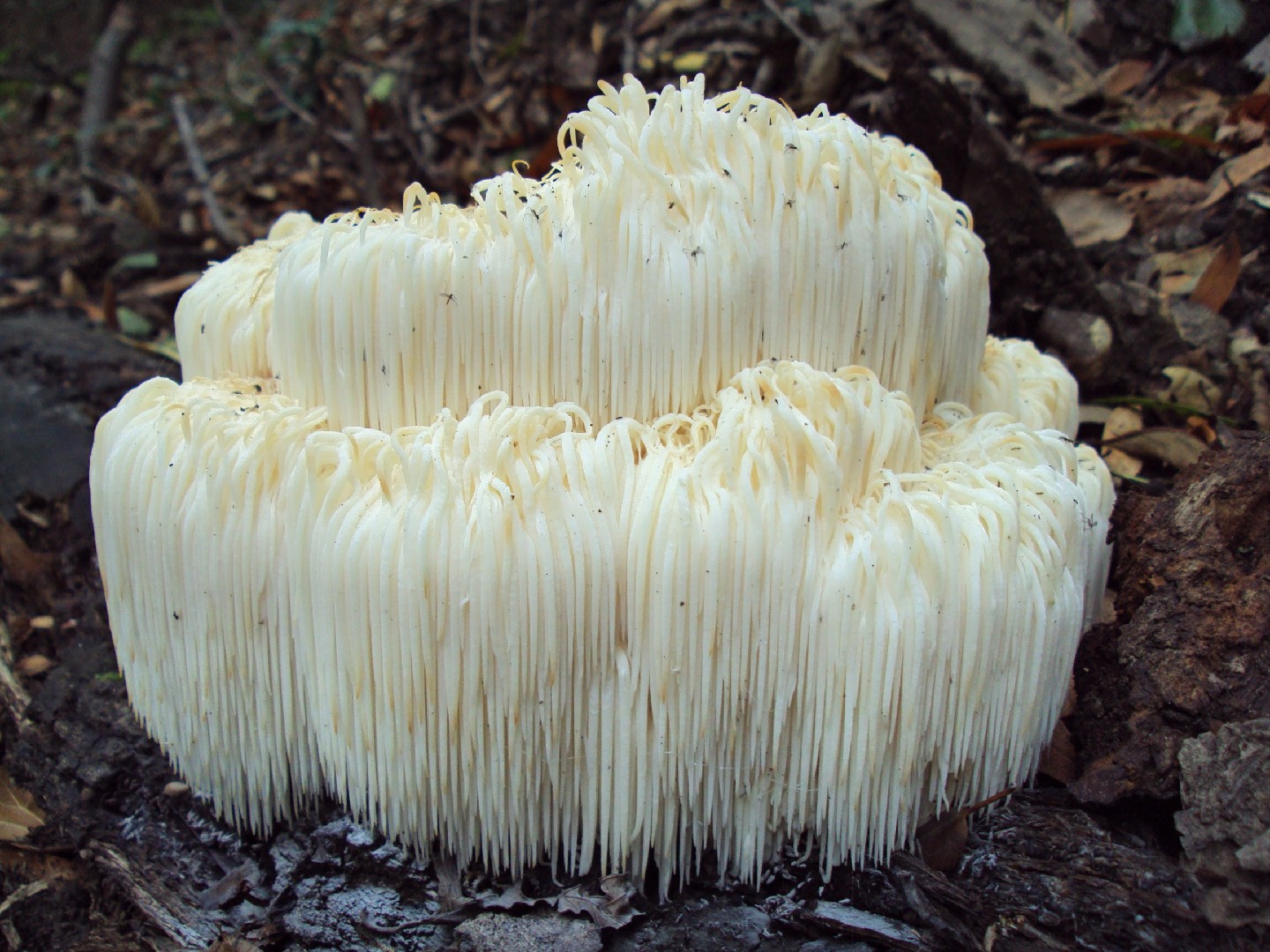
1. Lion's Mane Mushroom
Lion's Mane Mushroom(Hericium erinaceus) is easily identifiable by its characteristic appearance, reminiscent of the majestic mane of a lion. It often sprouts along hardwoods, which may be living or dead. Scientists thus debate whether this species is truly parasitic or merely saprophytic in nature.
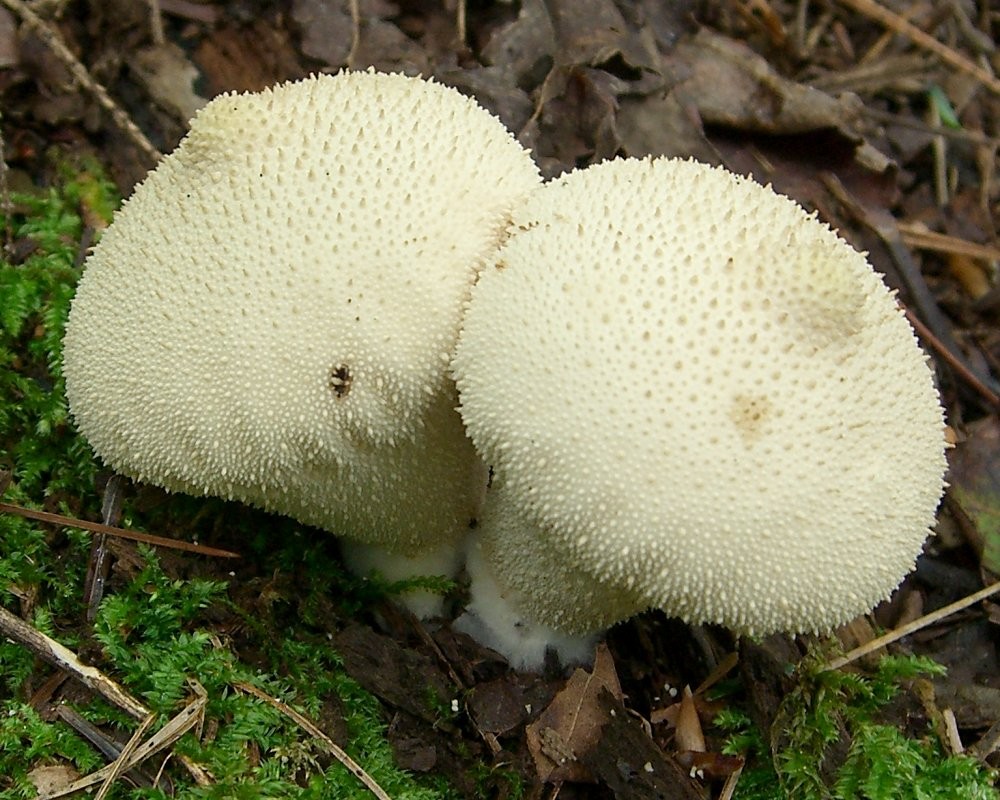
2. Common puffball
These puffy mushrooms grow in small groups on the forest floor. Once they're mature, common puffballs turn yellow and "puff out" smoke-like spore clouds when disturbed. Be very careful when identifying these mushrooms, as their young, immature form looks very similar to the lethal Deathcap.

3. Larch waxy cap
Larch waxy cap is an attractive waxy cap that is frequently located beneath larch trees, presumably giving rise to its common name. Juveniles are slimy but as they mature larch waxy cap loses some of its sliminess. It grows in scattered groups, fruiting in the late summer or early autumn.
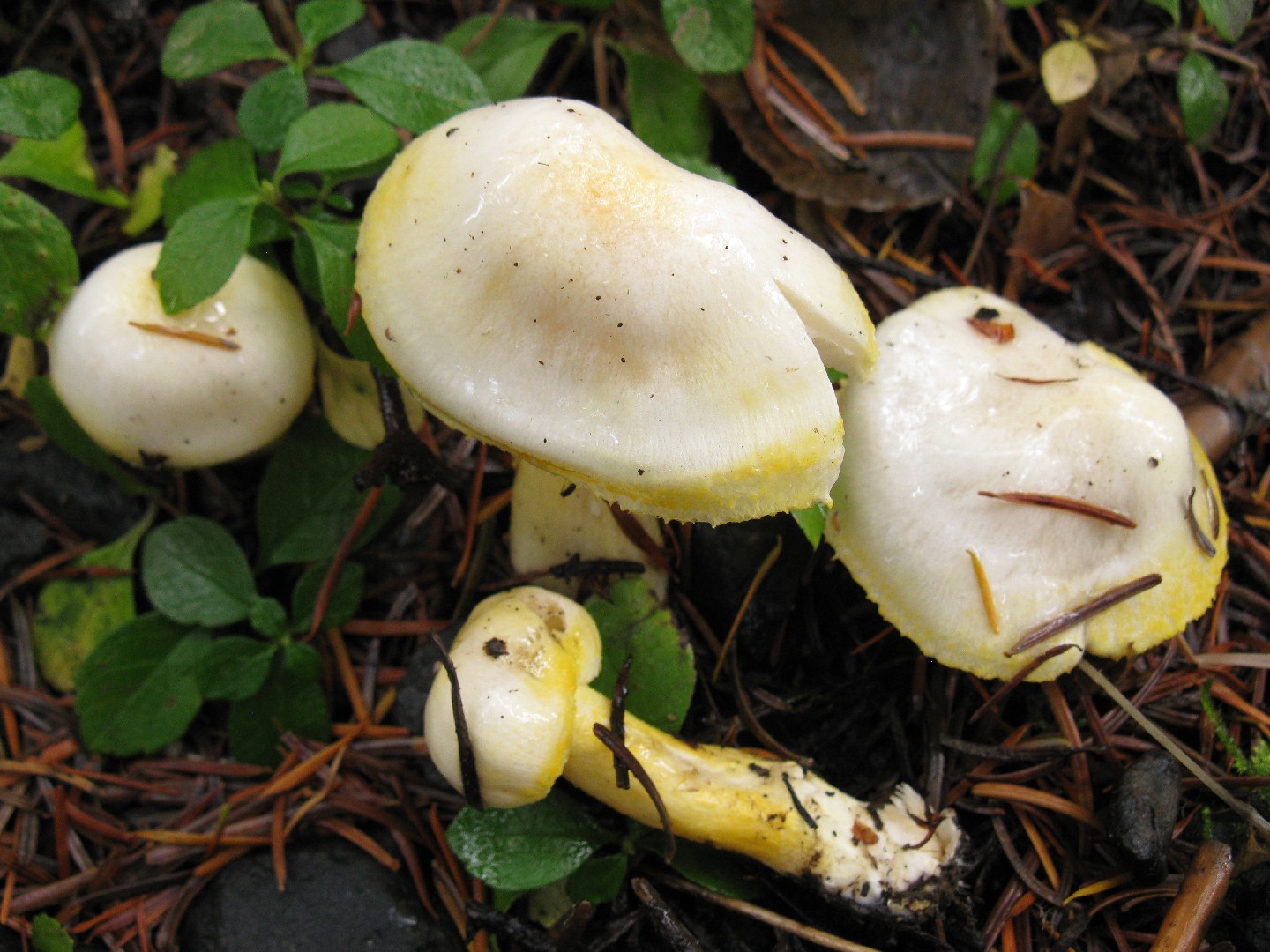
4. Gold-flecked woodwax
This rare mushroom’s claim to fame comes from the remarkable yellow scales scattered over an otherwise ivory fruitbody. However, not every specimen of the gold-flecked woodwax (Hygrophorus chrysodon) species boasts these brightly-colored speckles. Examples of this species can usually be found under conifers.
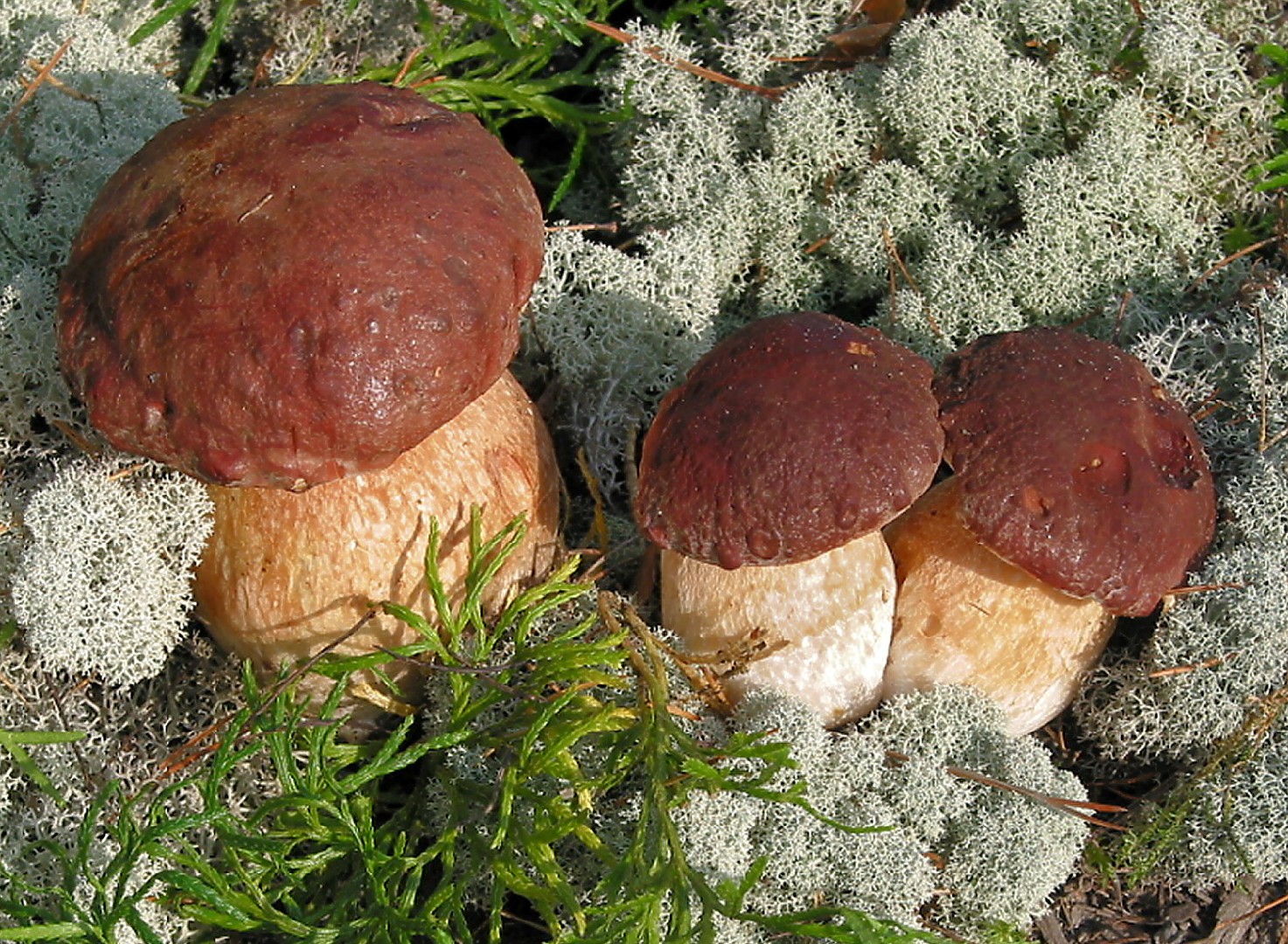
5. Pine bolete
Pine bolete is so named because of its strong mutually-beneficial association with several species of pine tree. So, if you find stone pine, Corsican pine, and similar trees in coniferous woodlands, you are likely to see pine bolete growing beneath them. This chunky-looking mushroom has a distinctively bulbous stem.
6. Dripping slimecap
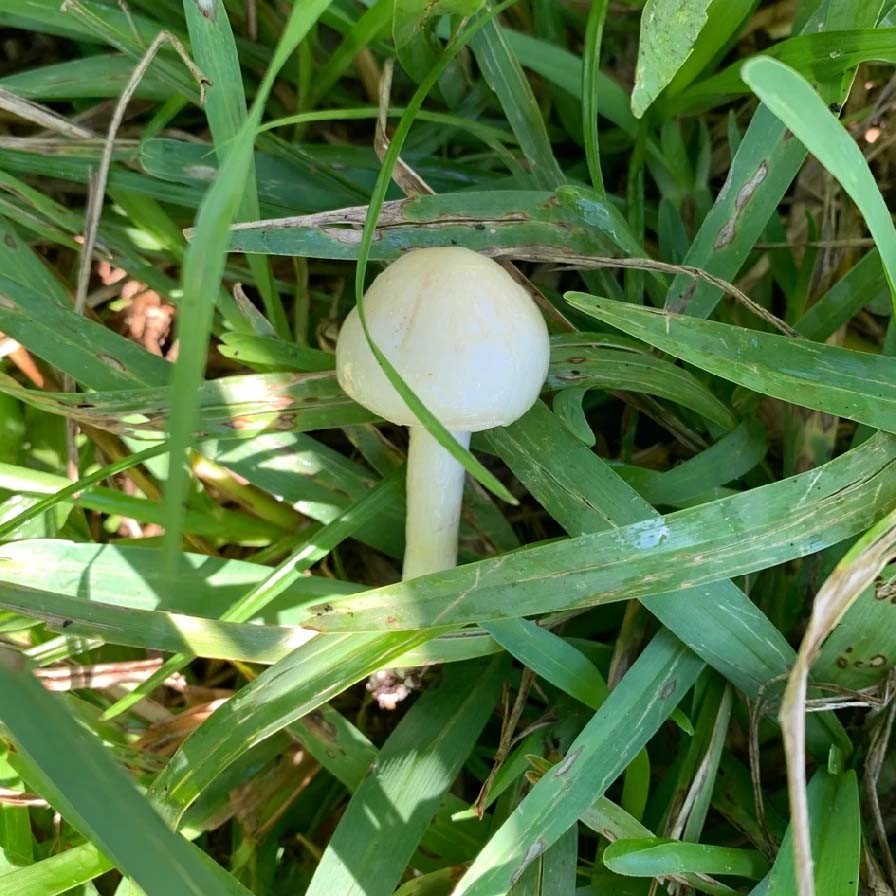
Cap : It has approximately 2–7 cm long radius. It is round becoming convex then wide or with a broad umbo the margin hanging with slimy veil remnants. It is white or cream in color. It feels smooth and sticky or slimy. Gills : They are free non-waxy close broad and white in color. Stem / Stipe : The 5–10 cm long stem tapers a bit towards the top. It is fleshy soft and has a ring. White in color it is also sticky and slimy. Spores : Spores are globose to broadly ellipsoid and smooth. Microscopic features : The spores measure 4.5-6.5 x 4-6 um. Flesh : Flesh is slimy and sticky. Fruiting : These mushrooms flower in between summer and fall.
7. Coral tooth fungus
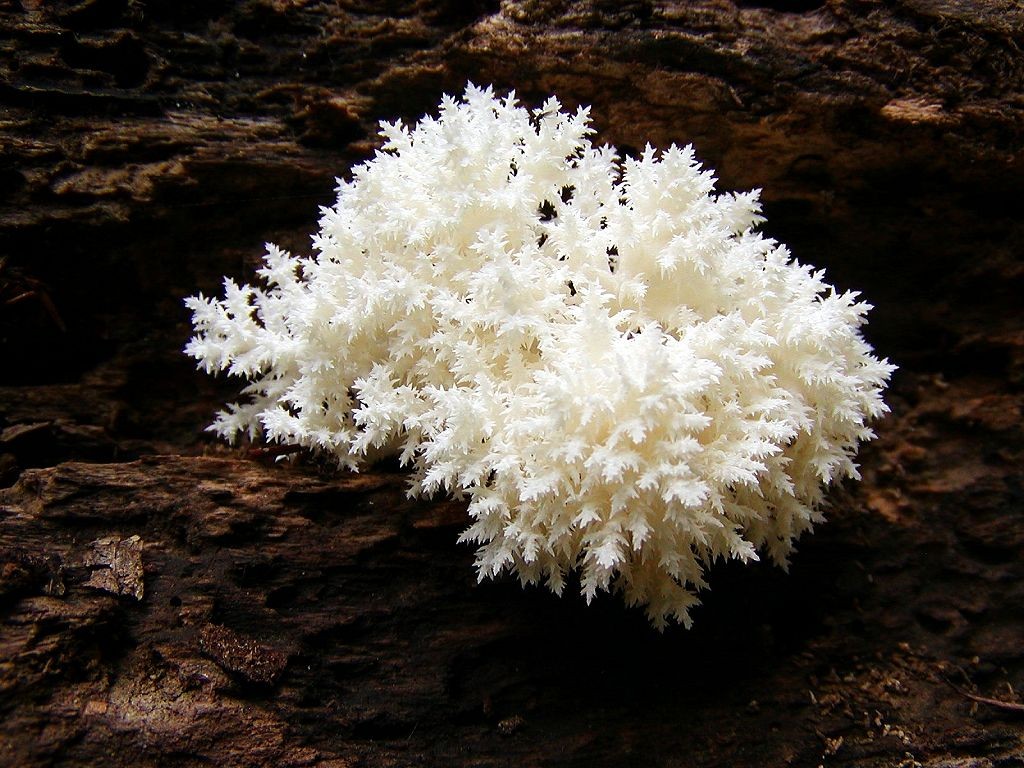
Coral tooth fungus (Hericium coralloides) is a species of coral mushroom most frequently sighted on dead or decaying hardwoods. Generally, younger specimens are white and become increasingly yellowish as they mature. Found around the world, the Māori refer to this species as pekepekekiore.
8. Lion's Mane Mushroom
Lion's Mane Mushroom(Hericium erinaceus) is easily identifiable by its characteristic appearance, reminiscent of the majestic mane of a lion. It often sprouts along hardwoods, which may be living or dead. Scientists thus debate whether this species is truly parasitic or merely saprophytic in nature.
9. Common puffball
These puffy mushrooms grow in small groups on the forest floor. Once they're mature, common puffballs turn yellow and "puff out" smoke-like spore clouds when disturbed. Be very careful when identifying these mushrooms, as their young, immature form looks very similar to the lethal Deathcap.
10. Larch waxy cap
Larch waxy cap is an attractive waxy cap that is frequently located beneath larch trees, presumably giving rise to its common name. Juveniles are slimy but as they mature larch waxy cap loses some of its sliminess. It grows in scattered groups, fruiting in the late summer or early autumn.
More







