




Top 16 Edible Mushrooms Popular in Ora
Dive into the mystique of Ora, a region renowned for its diverse fungal life, where climates and topography combine to create perfect habitats for delectable mushrooms. This piece explores the 16 most common edible mushrooms found in Ora, detailing their appearance, taste, habitat, and culinary uses. Designed as an informative guide, this list will satiate your appetency for all matters mycological in this region. Treat your palate to new experiences and extend your knowledge on this fascinating subject.
* Disclaimer: Content feedback CAN NOT be used as any basis for EATING ANY PLANTS. Some plants can be VERY POISONOUS, please purchase edible plants through regular channels.

Most Popular Edible Mushrooms
1. Amethyst deceiver
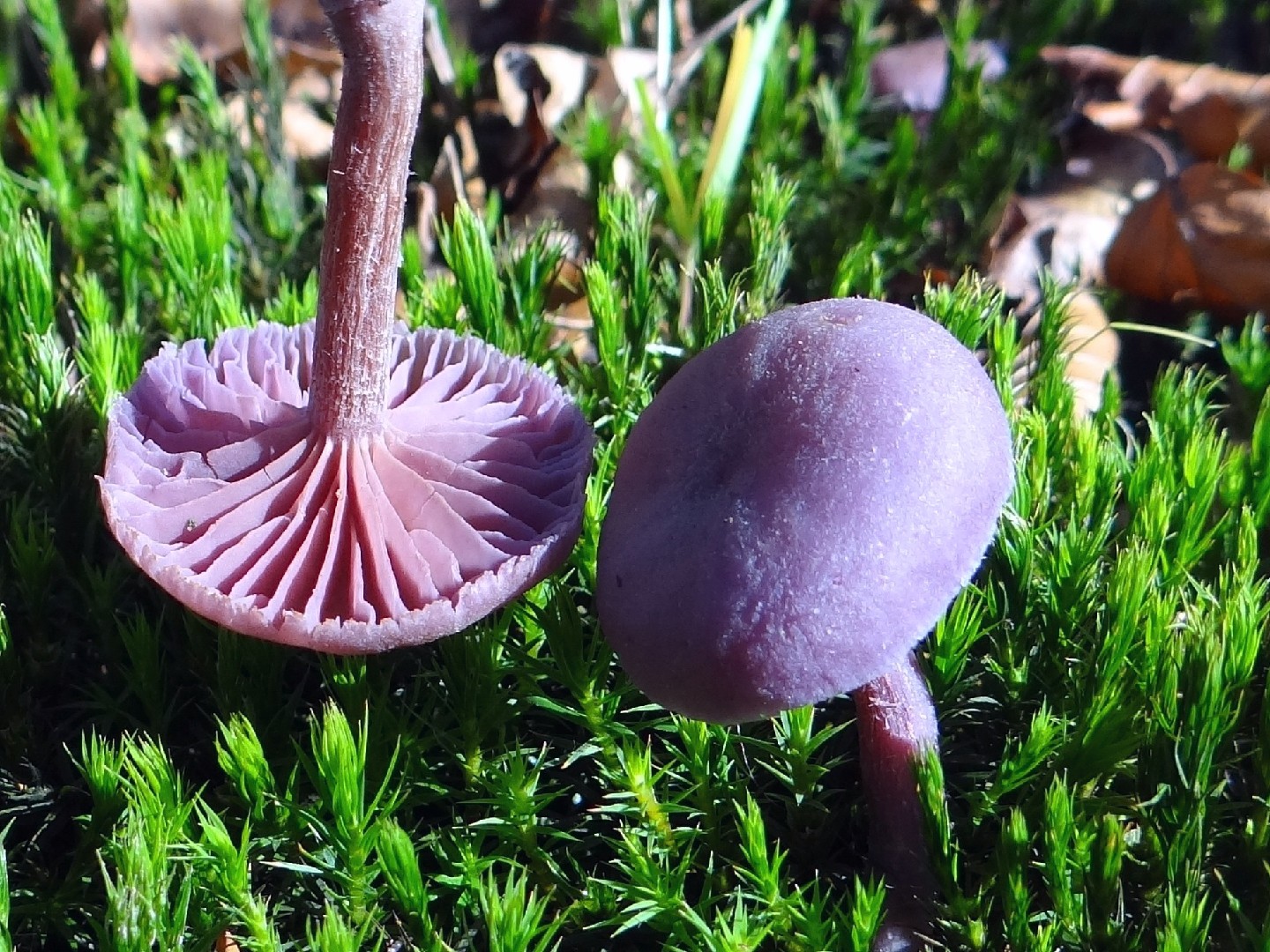
The amethyst deceiver (Laccaria amethystina) is a breathtaking mushroom that pops up from coniferous forest floors. The caps are a striking violet color in youth and are generally flat with a small indentation when the stem connects. As they mature, this violet color transforms to a less than breathtaking grey color, making it quite hard to identify after a certain age positively. Not edible.
2. Sticky bolete
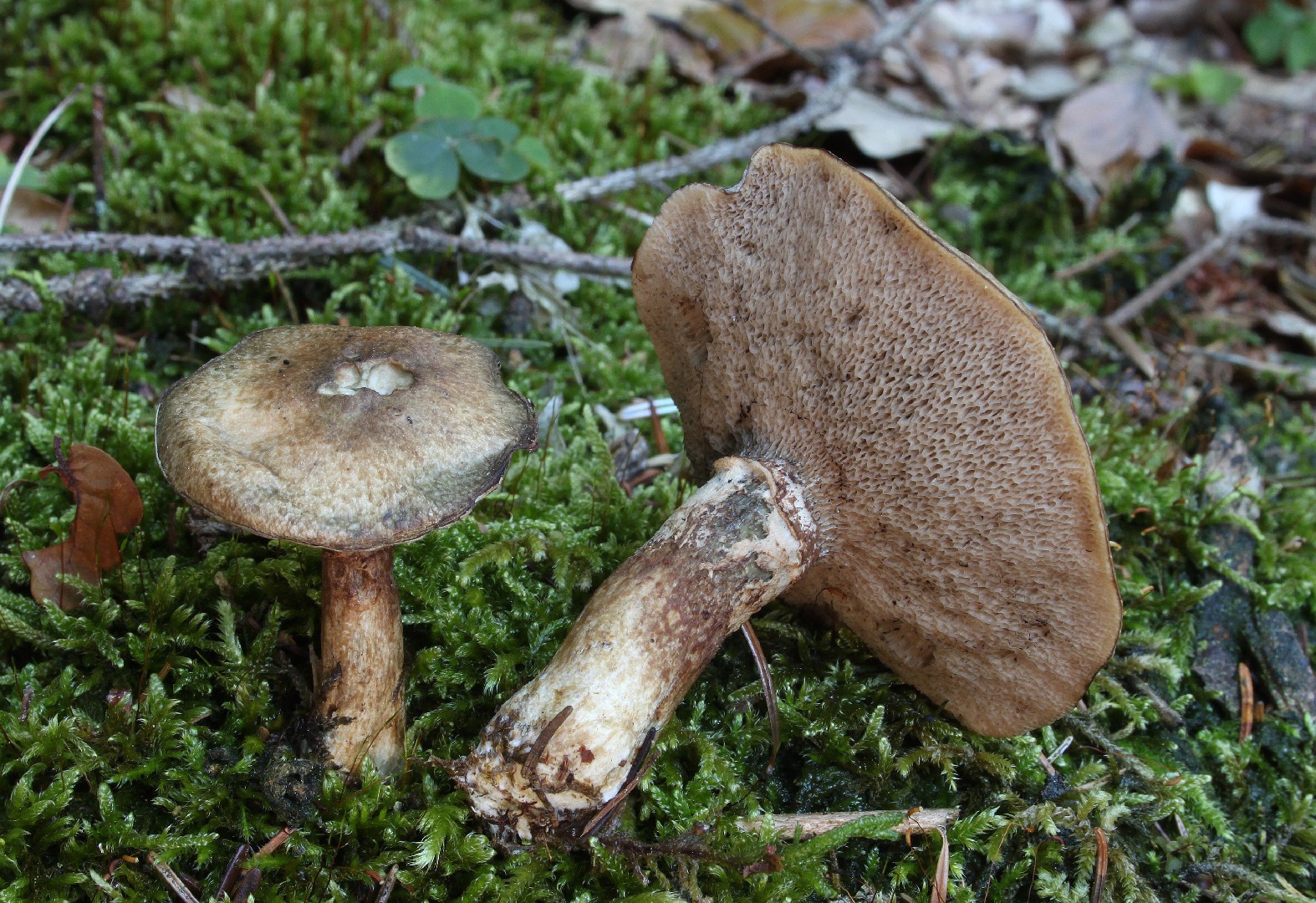
Sticky bolete is a bolete commonly found in groups on larch plantation paths. The common name, "sticky bolete," comes from this mushroom's slimy and sticky film that develops on wet caps. This film does not form any other species in the genus and is a distinguishable feature of this mushroom.
3. Toothed jelly fungus
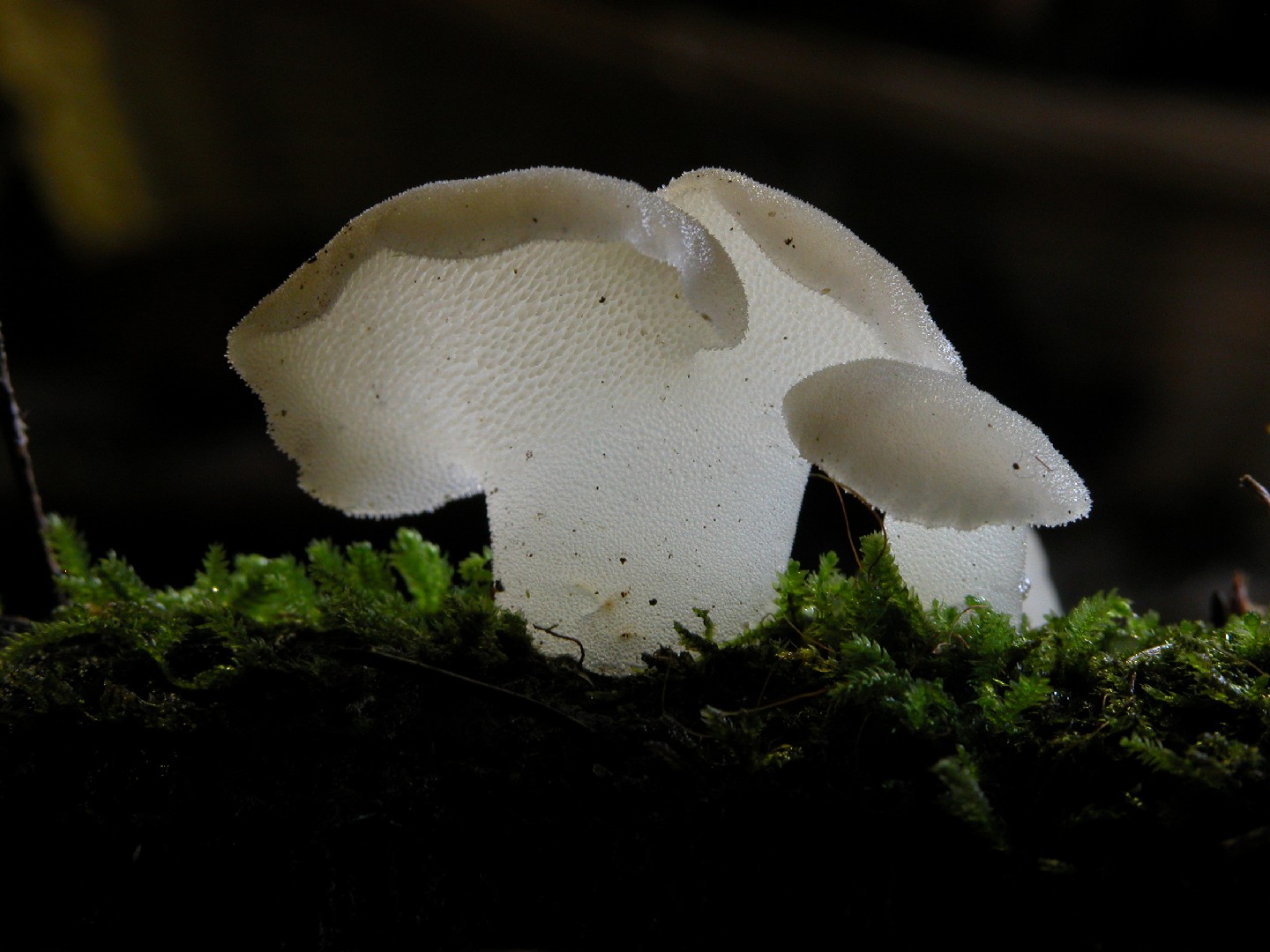
This whimsically-named mushroom has a global distribution and a unique appearance. Toothed jelly fungus has a white, translucent - almost spectral - coloration and sports little downward pointing "teeth" on the underside of its cap. Although its toothed underside may scream "hedgehog mushroom", it is actually a member of a separate genus (Pseudohydnum, as opposed to Hydnum).
4. Fan-shaped jelly-fungus
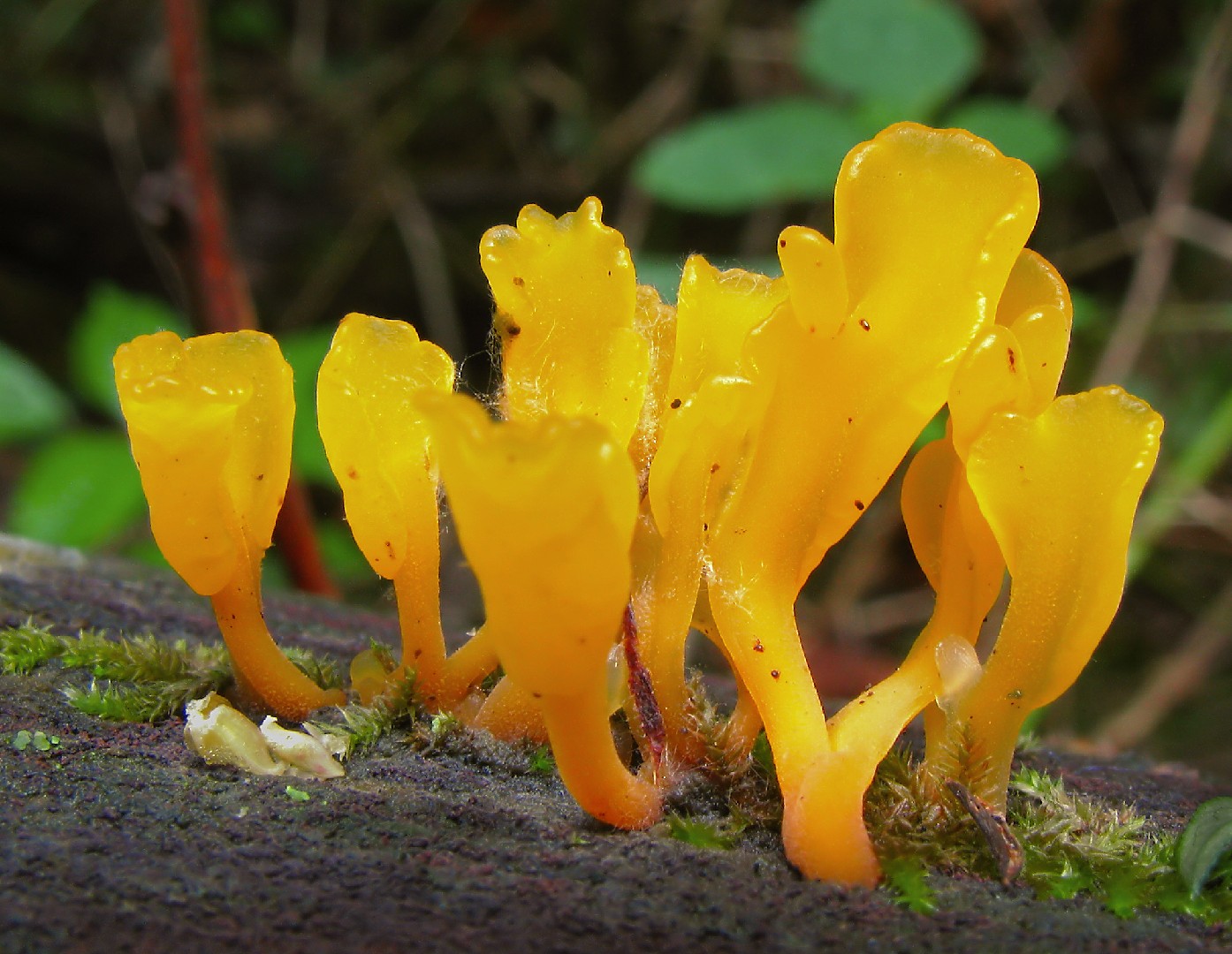
Just as its Latin and the common English names suggest, the fan-shaped jelly-fungus (Dacryopinax spathularia) is a fan-shaped or spatula-shaped jelly-like mushroom. It commonly grows in wood cracks and it sometimes even appears in the cracks of the processed wood and lumber. Despite the word "jelly" in its name, the fan-shaped jelly-fungus is not considered edible.
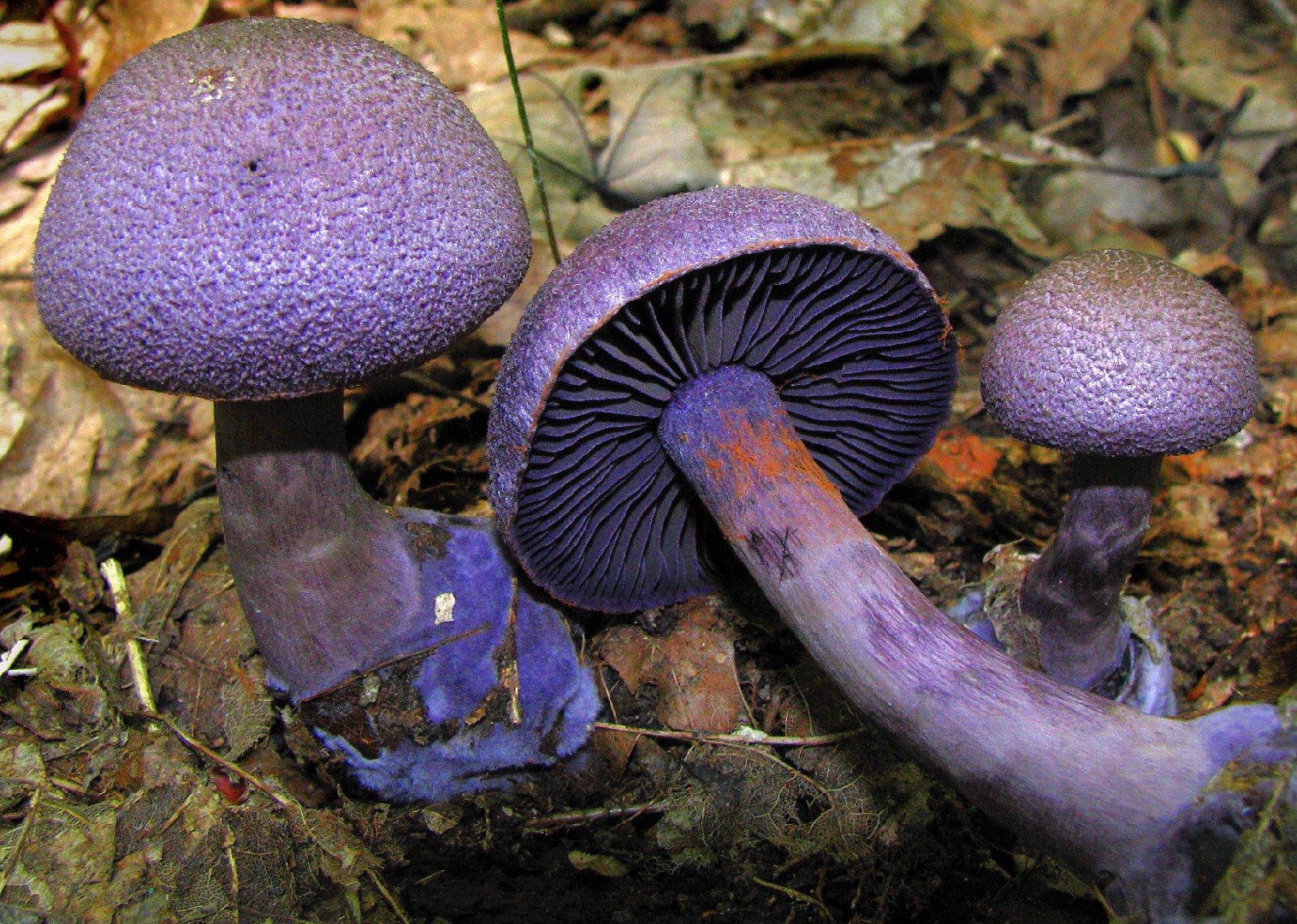
5. Violet webcap
This absolutely striking mushroom looks like something out of a fairy tale. The entire fruitbody of the violet webcap - cap, stalk, and gills - ranges in color from a light lavender to a very deep purple. The species' caps are bulbous and pockmarked, often appearing velvety. Though a feast for the eyes, this species is usually considered inedible.
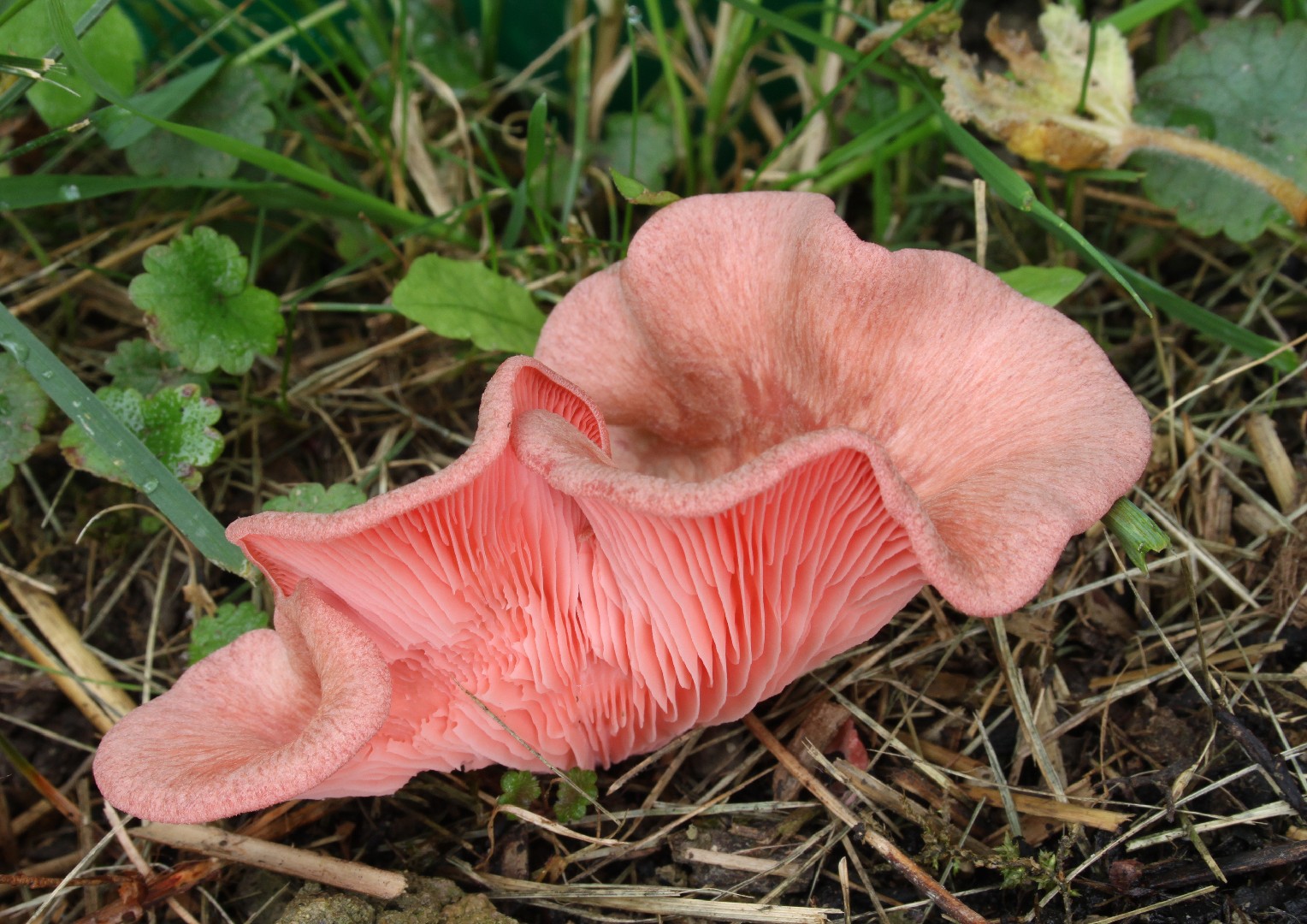
6. Pink oyster mushroom
Pink oyster mushroom is a striking mushroom that grows in the shape of an oyster shell. It has a brilliant pink color that fades as the mushroom ages. Pink oyster mushroom is primarily found in warmer climates growing on tropical hardwood trees.
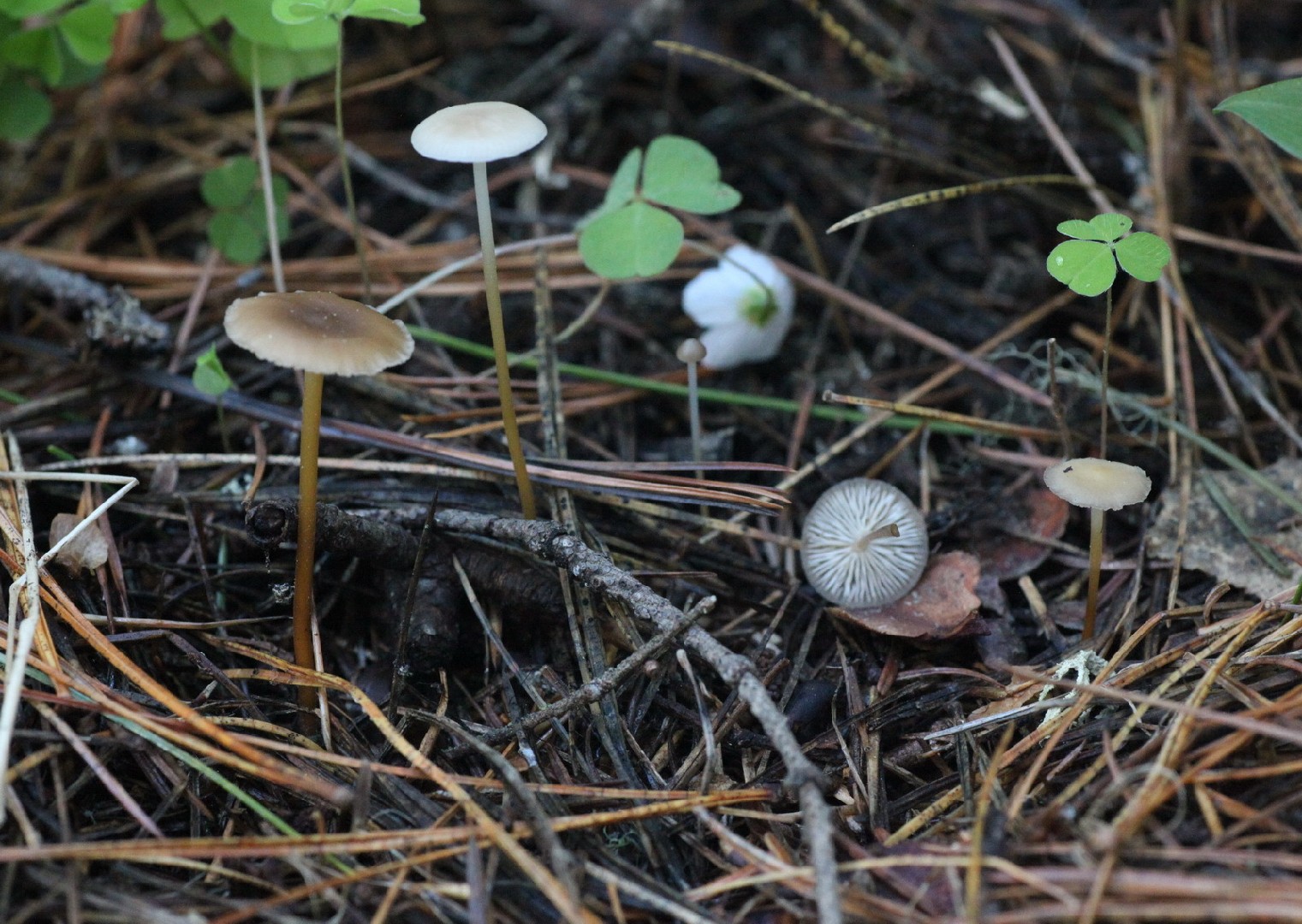
7. Russian conecap
Russian conecap can easily be identified by its unique habitat. It is commonly found growing on pinecones that are either lying on the ground or partially buried. For this reason, this mushroom is commonly known as the "pine cone cap." Its lack of a ring on the cap also makes it easy to identify from similar species.
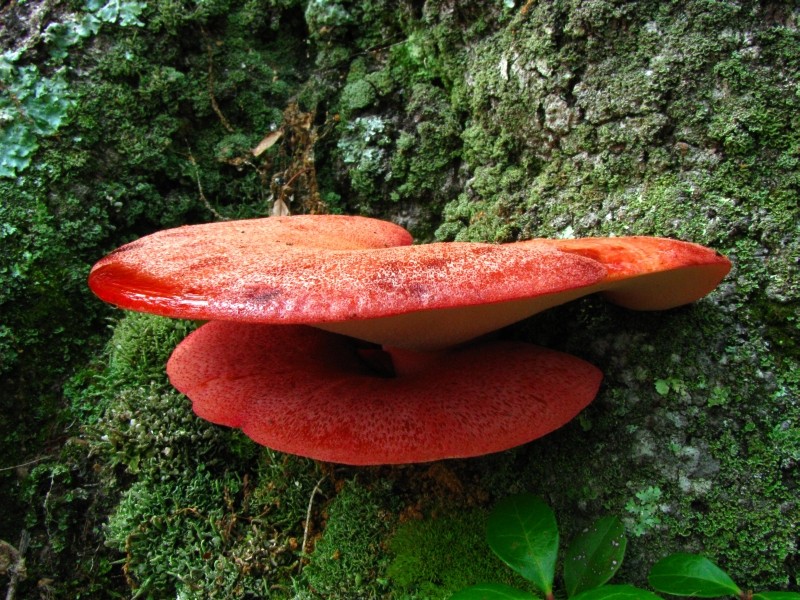
8. Beefsteak fungus
Beefsteak fungus(Fistulina hepatica) is an unusual fungus that visually resembles a slab of raw meat; cutting into it will cause a discharge of thick red liquid resembling blood, adding to this resemblance.
9. Amethyst deceiver
The amethyst deceiver (Laccaria amethystina) is a breathtaking mushroom that pops up from coniferous forest floors. The caps are a striking violet color in youth and are generally flat with a small indentation when the stem connects. As they mature, this violet color transforms to a less than breathtaking grey color, making it quite hard to identify after a certain age positively. Not edible.
10. Sticky bolete
Sticky bolete is a bolete commonly found in groups on larch plantation paths. The common name, "sticky bolete," comes from this mushroom's slimy and sticky film that develops on wet caps. This film does not form any other species in the genus and is a distinguishable feature of this mushroom.
More







