




Top 14 Edible Mushrooms Popular in Gaspe
Immerse in the world of fungi within the captivating landscapes of Gaspe. An abundant province rich in forested landscapes, Gaspe presents an ideal habitat for a myriad of mushroom species. Get to know 14 of the most common edible mushrooms within Gaspe, discovering their distinct appearances, captivating flavours, ecological adaptations, and culinary potency. Learn, appreciate and tantalize your taste buds with the mushrooms that quietly thrive in this botanical paradise. Be informed, be inspired, and let the fungal feast begin!
* Disclaimer: Content feedback CAN NOT be used as any basis for EATING ANY PLANTS. Some plants can be VERY POISONOUS, please purchase edible plants through regular channels.

Most Popular Edible Mushrooms
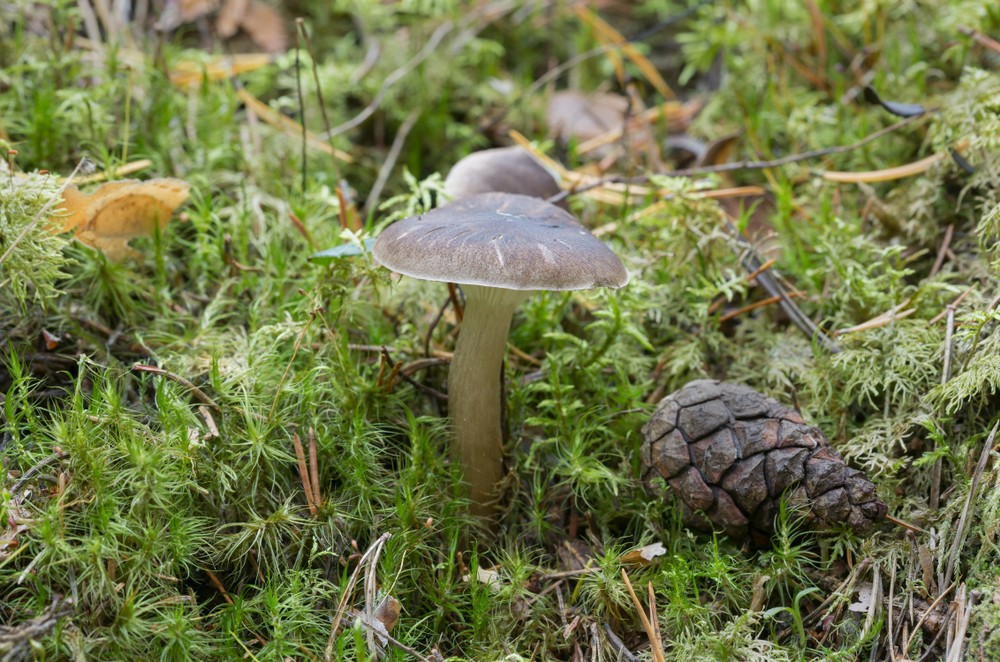
1. Dusky waxy cap
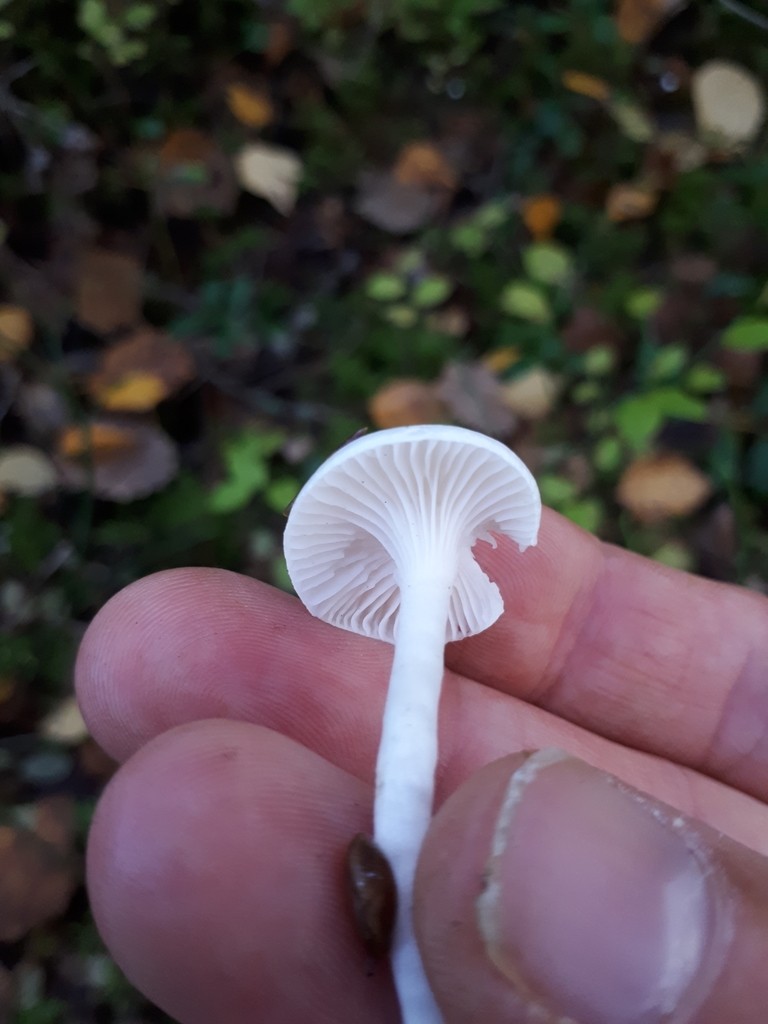
2. Hygrophorus piceae
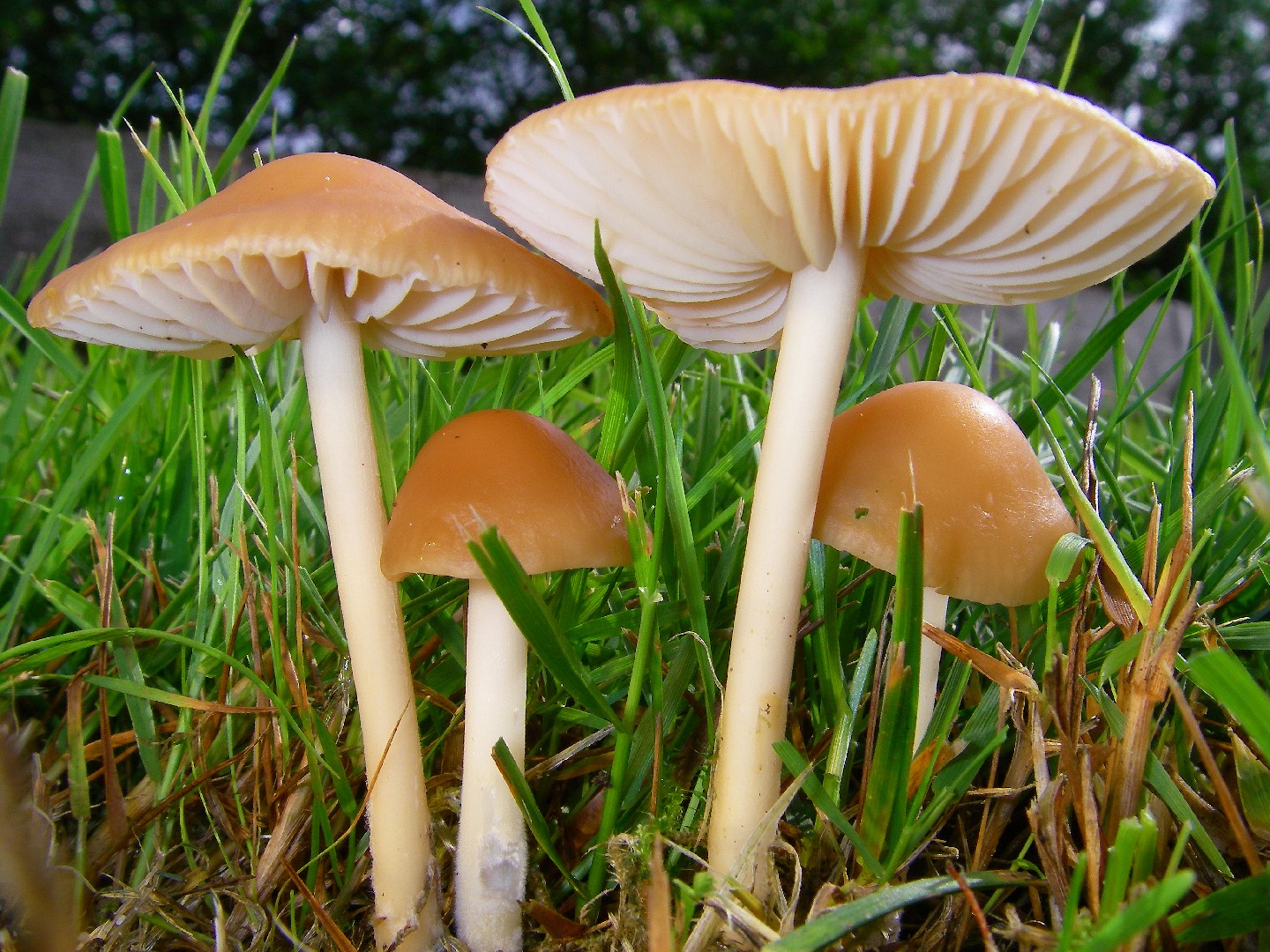
3. Fairy ring mushroom
Fairy ring mushrooms may dry out completely in the sun, but will “resurrect” during the next rain and regain their ability to make new spores. This is due to a sugar called trehalose which protects their cells. They appear in lawns and fields, sometimes in “fairy ring” configurations.
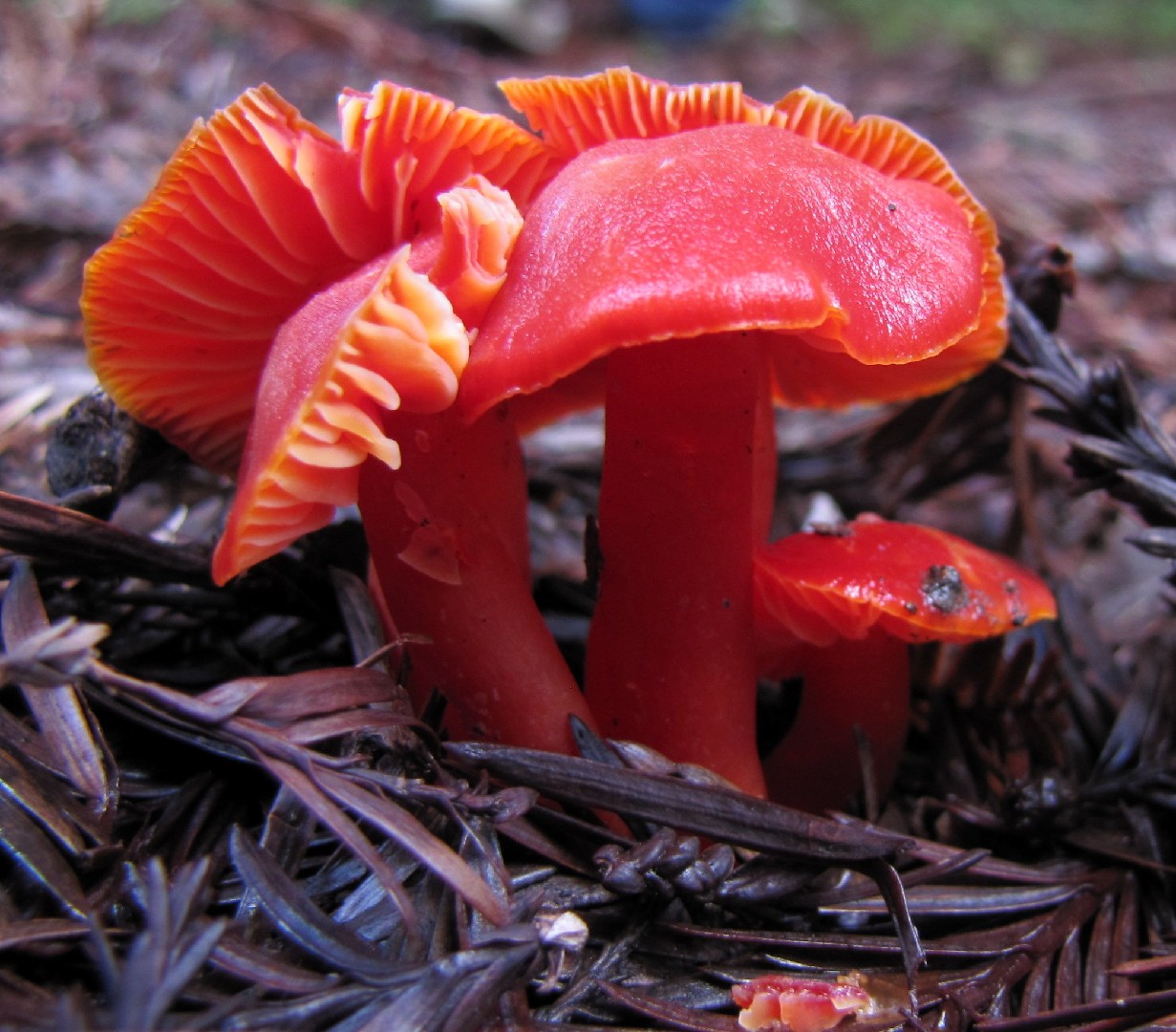
4. Scarlet hood
Scarlet hood(Hygrocybe coccinea) is named for its bright scarlet color, which renders it easy to spot among the grasses and woodlands among which it prefers to grow. Distributed across the Northern Hemisphere, it tends to be small and uncommon, making it of particular interest to photographers.

5. Shaggy mane
The shaggy mane mushroom is commonly found in North American and European grasslands. Some peoples foraged for its young egg-shaped caps, but it has more recently been found to be a bioaccumulator of heavy metals, meaning it pulls toxic metals up from the soil where it grows. As a result, shaggy manes should not be eaten. The mushrooms usually appear in clusters or “fairy rings.”
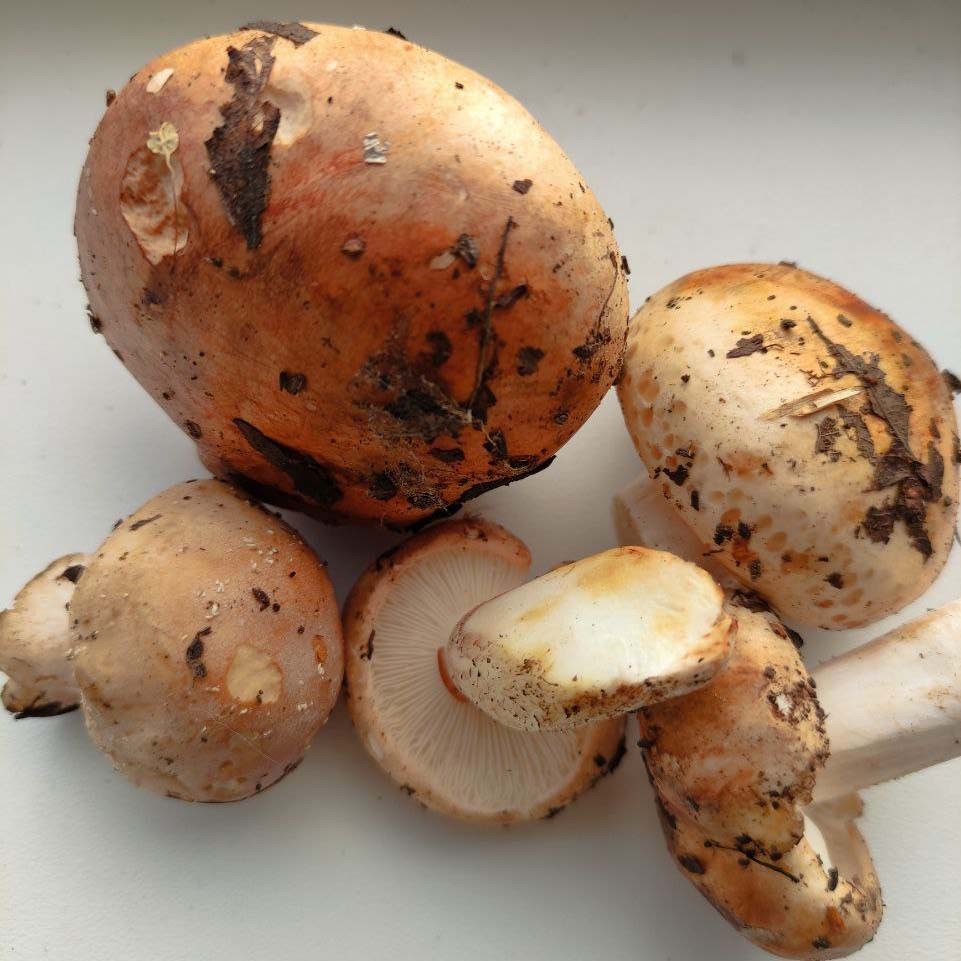
6. Blushing waxycap
With a yellow base and pinkish-orange ca, the blushing waxycap is known for its particular color. It fruits from early to mid-winter and is unique to its conifer habitat. It often has either a soapy or a slightly unpleasant scent.
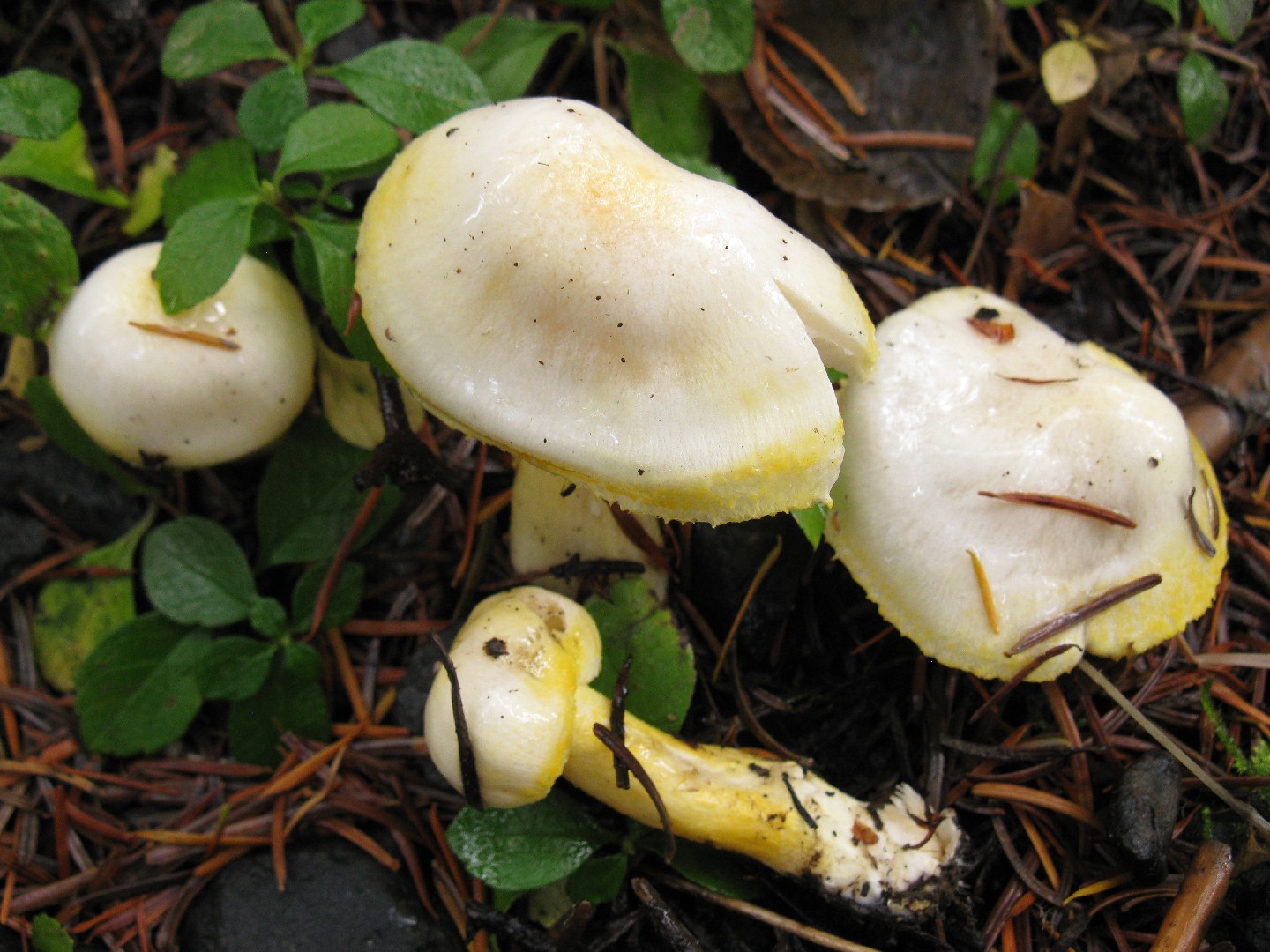
7. Gold-flecked woodwax
This rare mushroom’s claim to fame comes from the remarkable yellow scales scattered over an otherwise ivory fruitbody. However, not every specimen of the gold-flecked woodwax (Hygrophorus chrysodon) species boasts these brightly-colored speckles. Examples of this species can usually be found under conifers.
8. Dusky waxy cap
9. Hygrophorus piceae
10. Fairy ring mushroom
Fairy ring mushrooms may dry out completely in the sun, but will “resurrect” during the next rain and regain their ability to make new spores. This is due to a sugar called trehalose which protects their cells. They appear in lawns and fields, sometimes in “fairy ring” configurations.
More







