




Top 20 Most Common Mushrooms in Oklahoma
Oklahoma is a wonderland for mushroom enthusiasts, offering diverse weather conditions and fertile soil, ideal for their growth. This state boasts incredible biodiversity, hosting the top 20 types of mushrooms in high frequency. Each species reflects the richness of Oklahoma's ecosystem, a testament to its hospitable environment for mycological splendors. Discover these common treasures enriching the local cuisine and contributing to the unique heritage of this region.

Most Common Mushrooms
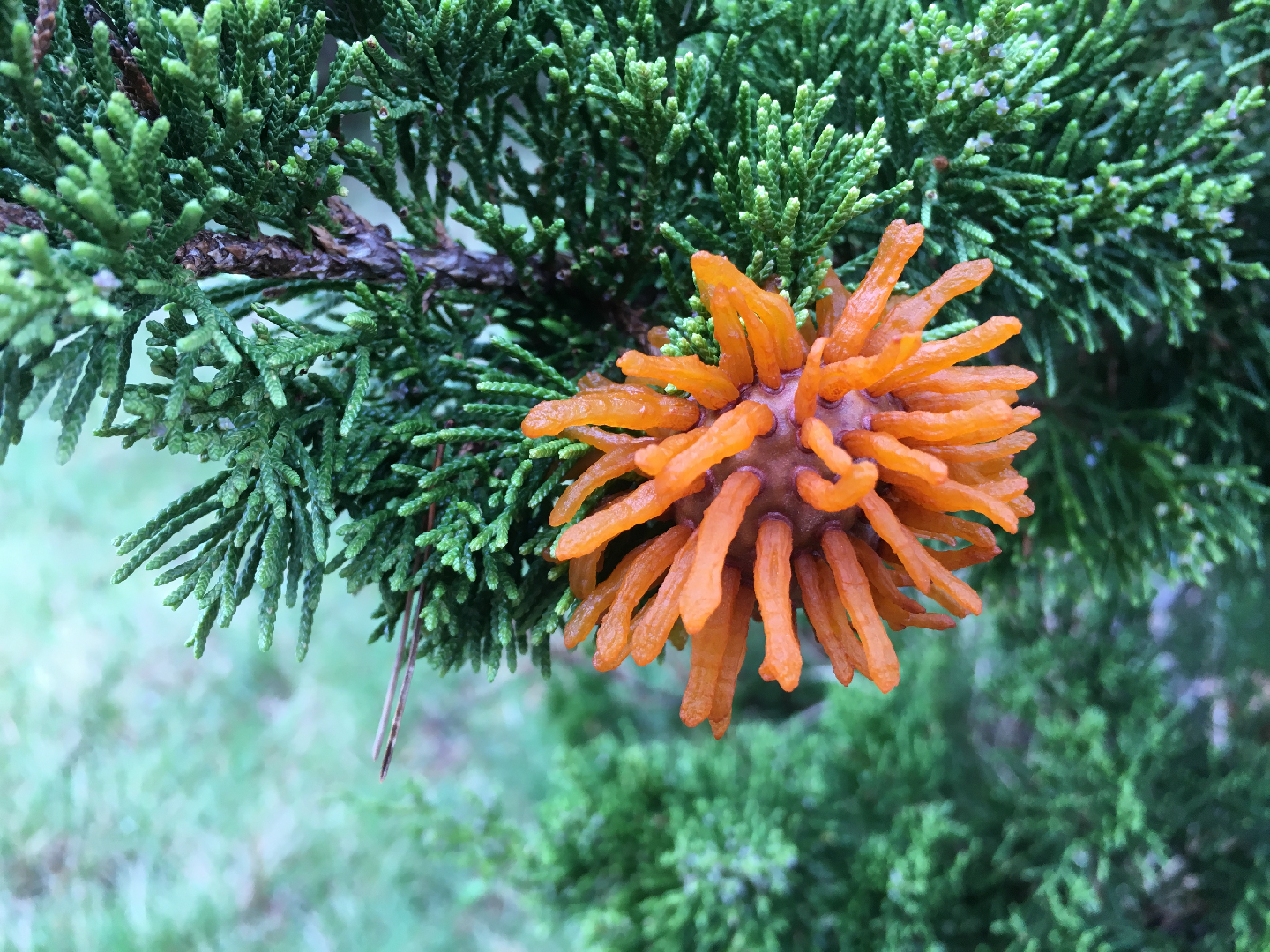
1. Cedar-apple rust
The vividly-colored fruitbodies of cedar-apple rust (Gymnosporangium juniperi-virginianae) might be mistaken for flowers, from a distance. Upon closer inspection they can be identified as fungal growths attacking the fruit of cedar trees. Their microscopic spores can travel up to an astounding 5 miles when carried on the wind and infect cedars quite far away, weakening the trees as they grow.
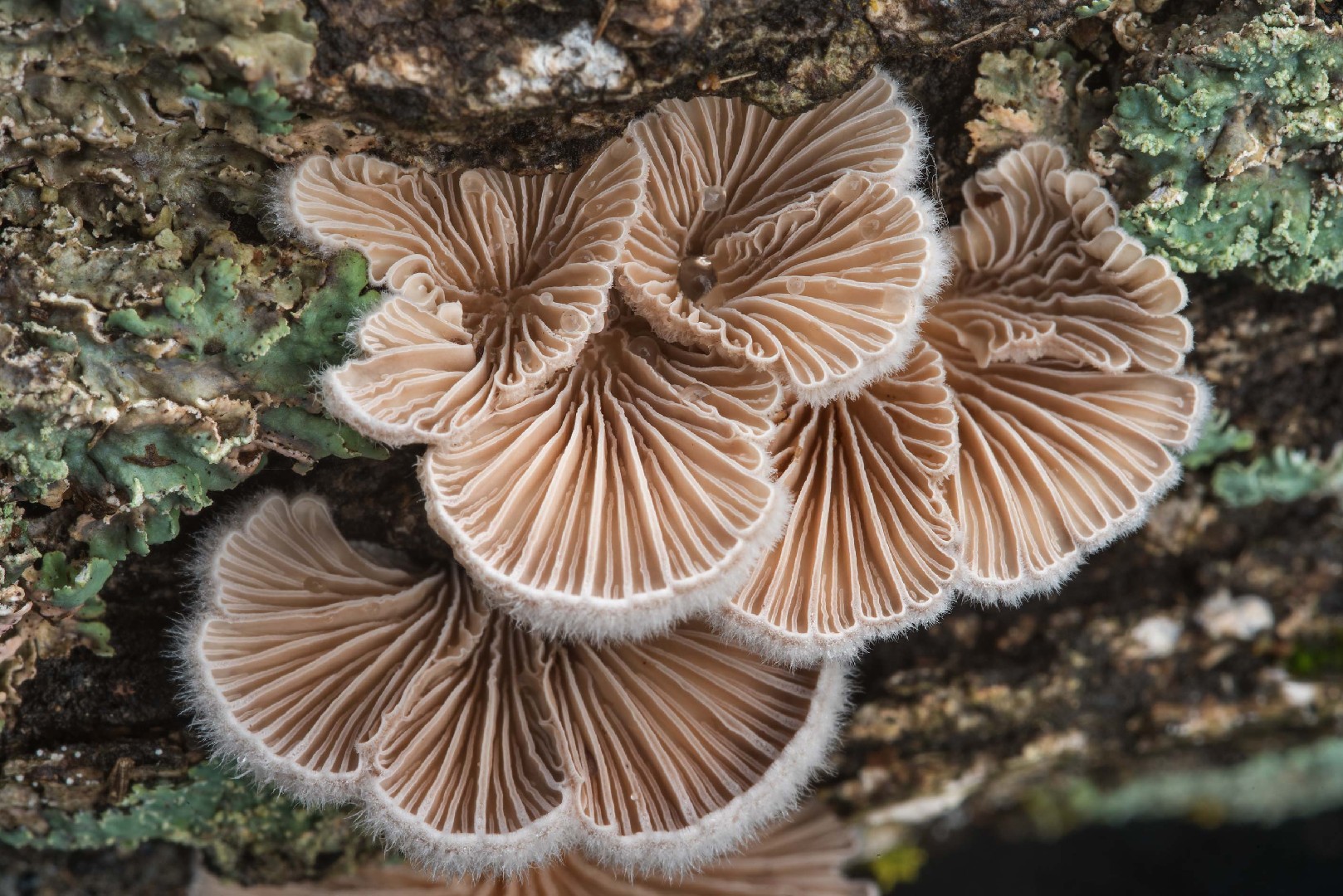
2. Split gill
Split gill(Schizophyllum commune) can be found across the globe. Uniquely, it is the only mushroom species known to display the capability to retract by movement. It is considered inedible, although not necessarily toxic. Furthermore, it is not recommended to smell this species, as the spores are capable of sprouting and growing in nasal passages.
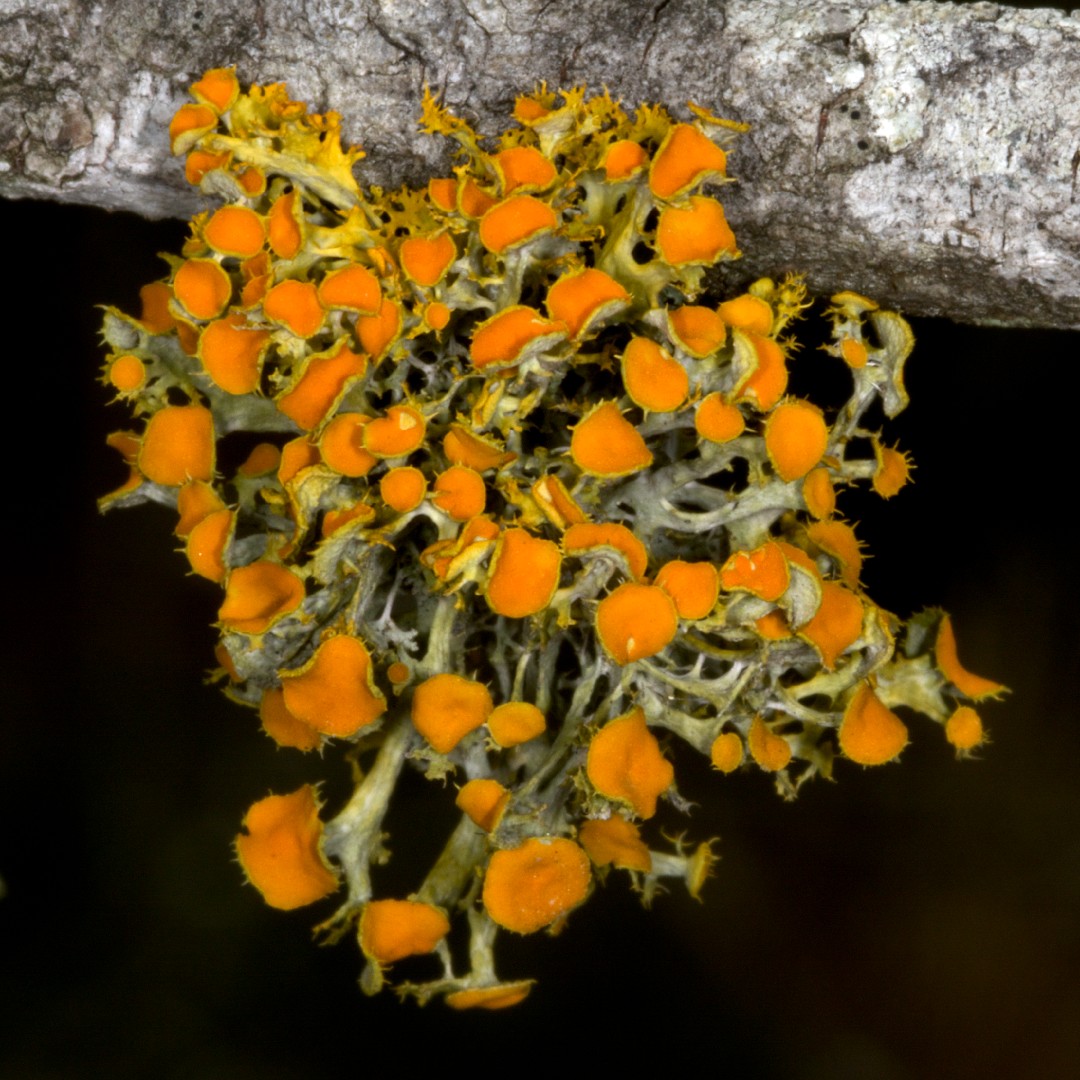
3. Gold-eye lichen
The almost indistinguishable species is a gray-yellow or light to orange-orange, bush-shaped camp with marginal fibrils. However, adhesive fibers are missing. The length of the slightly flattened sections is about 1.5 cm. The frequently formed fruiting bodies (apothecaries) have an orange disc with characteristic eyelashes on the edge and a diameter of 2 to 7 mm. The Photobiont is a member of the green algae genus Trebouxia.

4. White morel
The odd-looking cap of the white morel (Morchella americana) is surprisingly nutritious, making it a highly sought-after mushroom for foragers. When sold on the market, they are a seasonal treat that carries a very high price tag! Unlike other mushrooms, the white morel will thrive in little to no shade. They can range from a honey-blonde color to an unattractive grey.
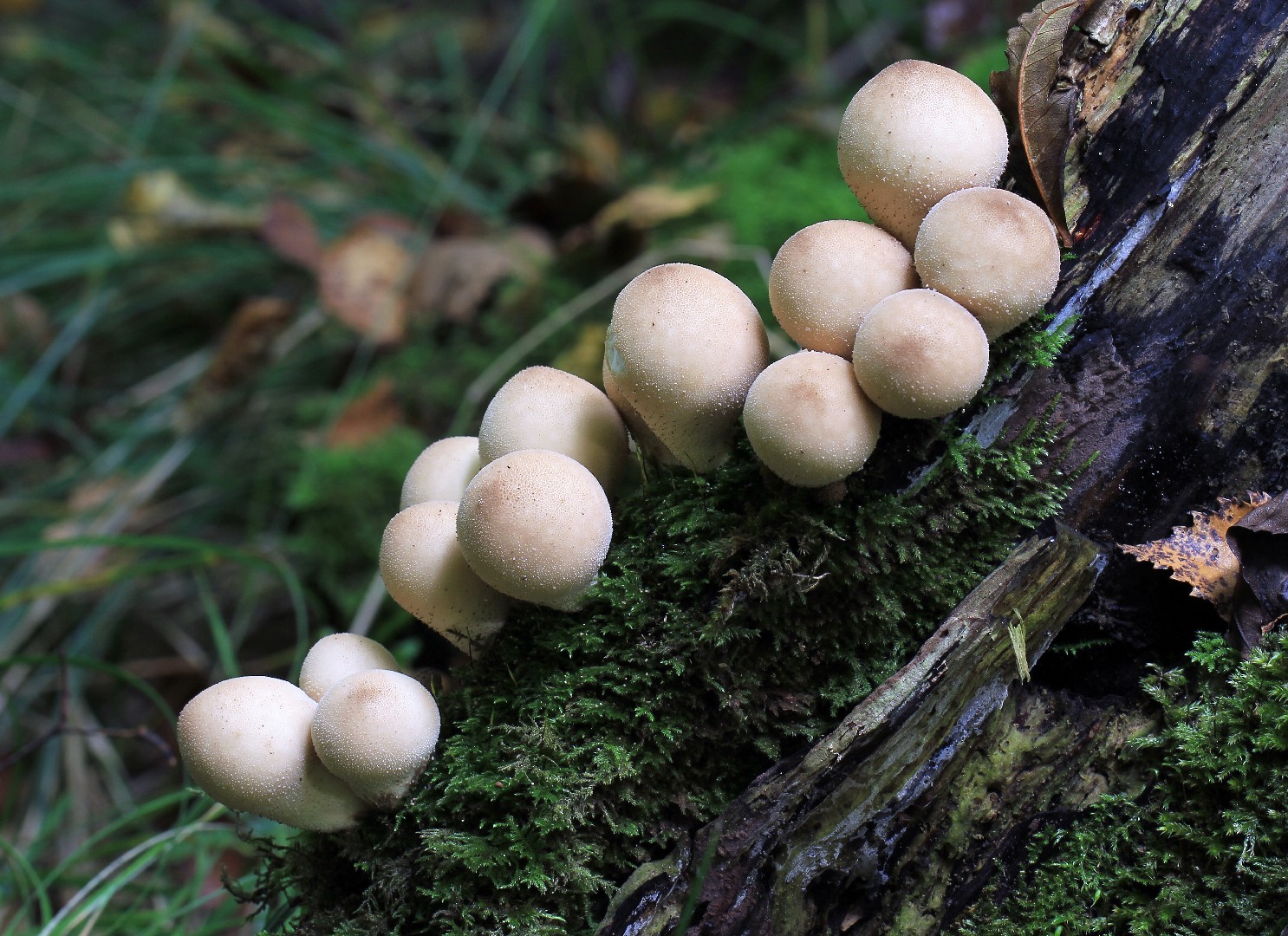
5. Pear-shaped puffball
The mushrooms of this species grow in such tight clusters that they may cover fallen trees and stumps almost entirely in a brownish, puffy coat. Pear-shaped puffballs appear all around the northern hemisphere on decaying hardwoods from fall through winter.
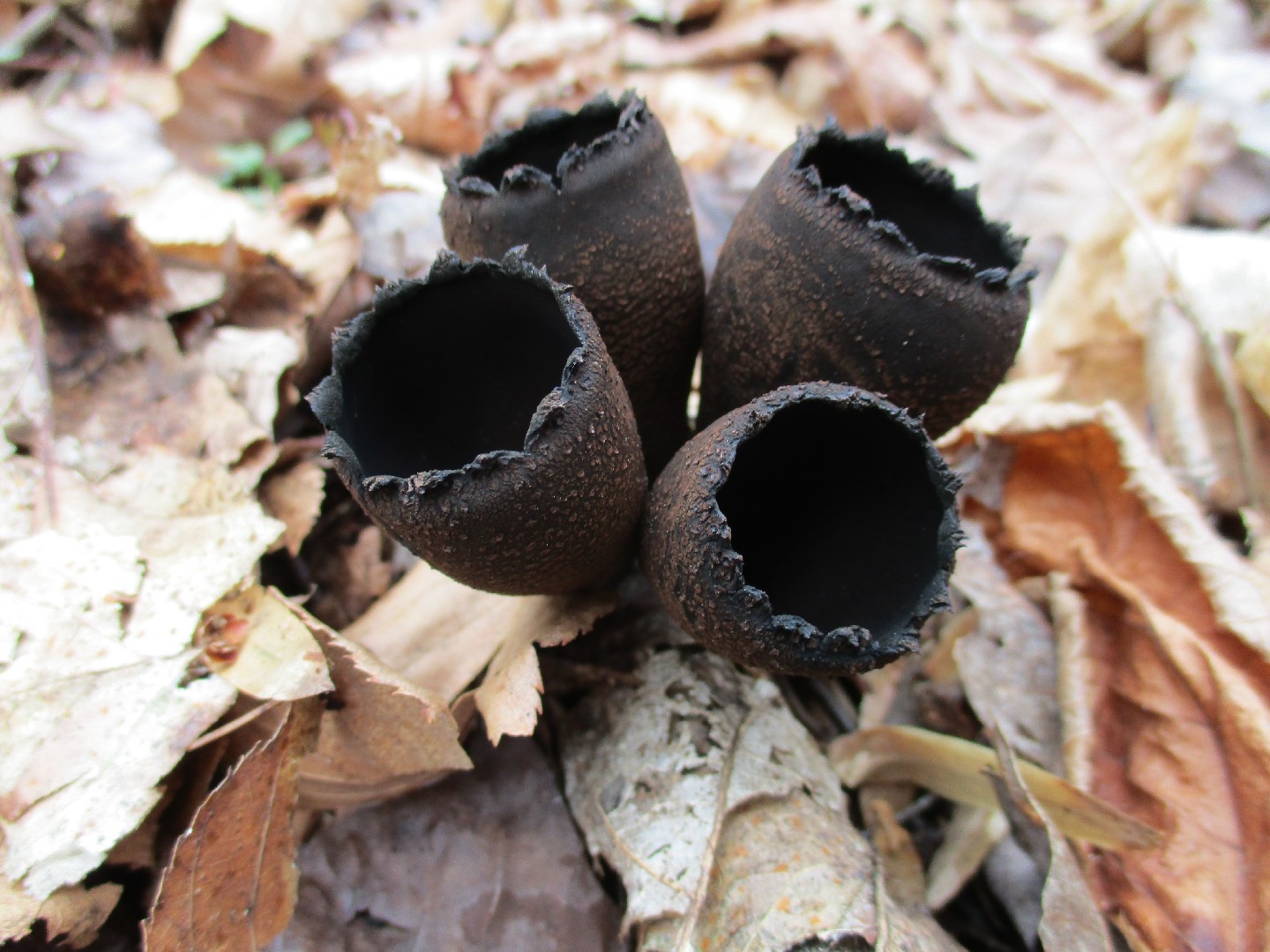
6. Devil's urn
The devil's urn (Urnula craterium) is a black or brown cup-shaped fungus. The species' tough, cracked outer layer and dark coloration may give it a scorched appearance. Devil's urns tend to grow in clusters and are usually found adorning fallen branches and rotting logs. Though the species is not edible itself, gatherers keep an eye out for it, as it usually fruits at about the same time as morels.
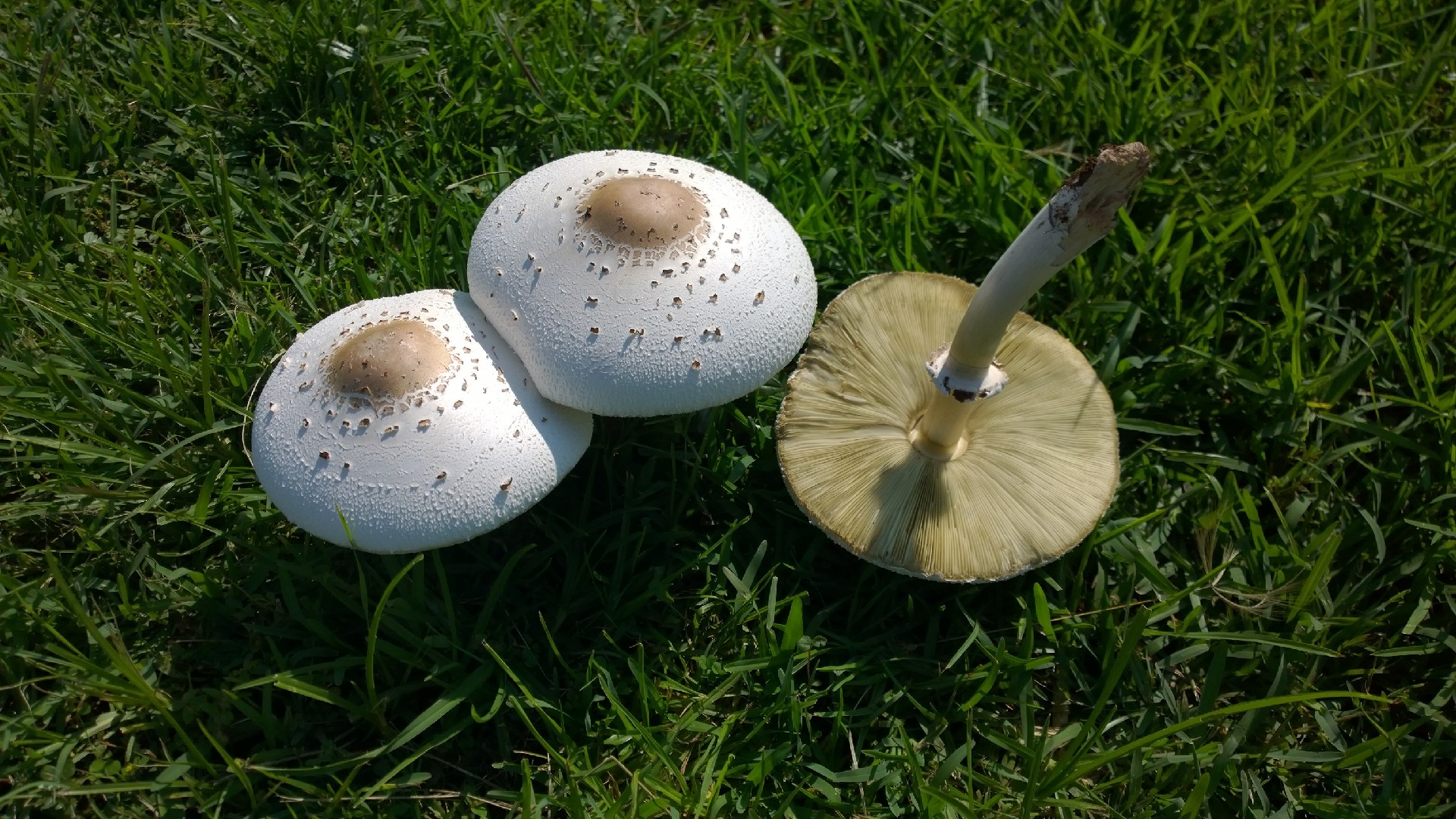
7. False parasol
Though the false parasol appears unassuming, the species is famous—or, infamous—for its toxicity. It looks unfortunately similar to Agericus campestrus, a commonly eaten mushroom, but the false parasol can be distinguished by its highly unusual green spore print. Although they are no good to eat, they can be pretty to look at. The species may grow in ring-shaped groups in meadows and on forest floors in what are sometimes called "fairy circles."
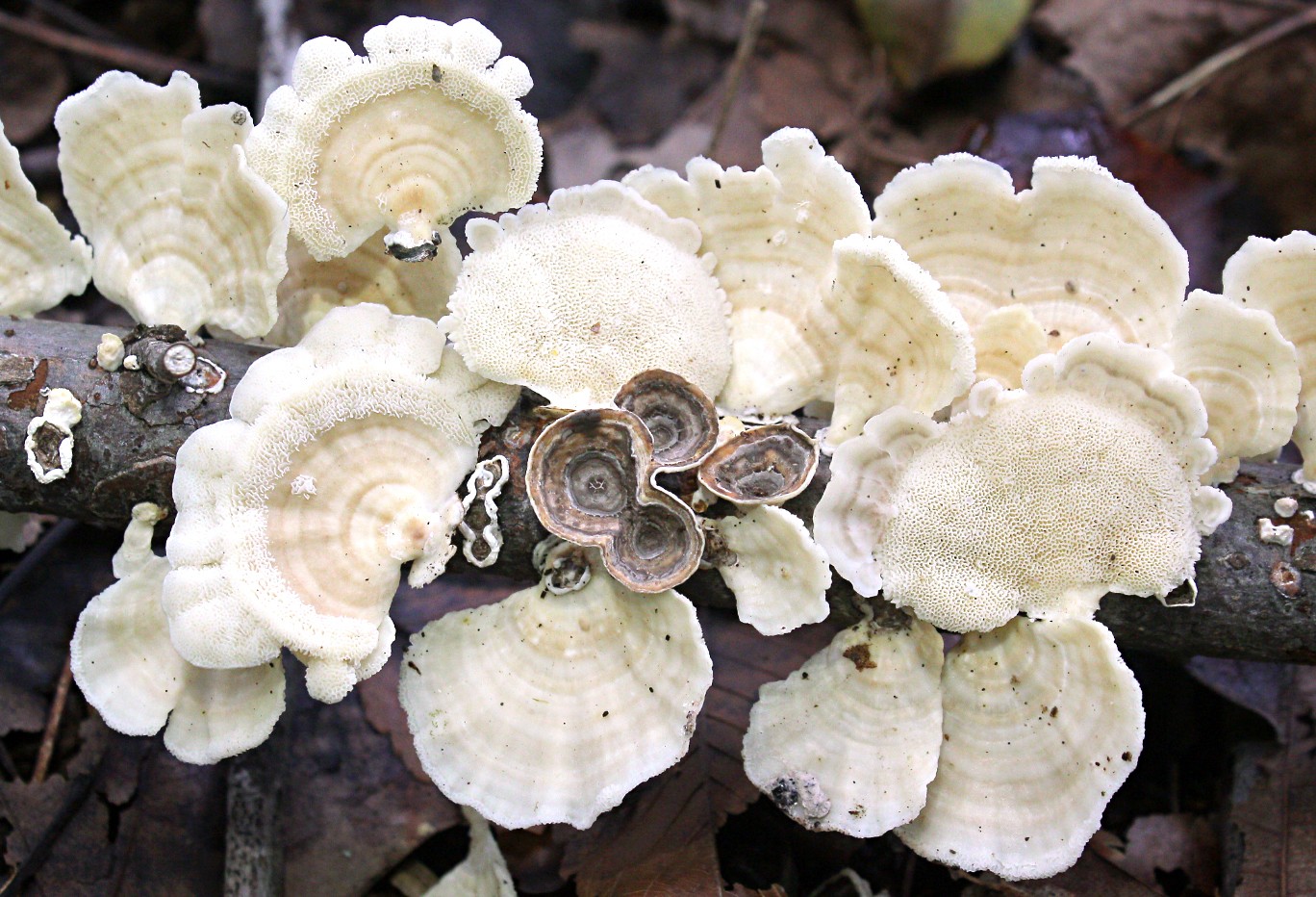
8. Little nest polypore
Little nest polypore can grow in the form of either shelf- or cup-shaped structures. The cup-like shapes help the fungus shed spores whenever it is hit and shaken by raindrops. Though the fungus itself will readily survive the winter, the more fragile cup and shelf structures typically get eaten by insect larvae before the new season.
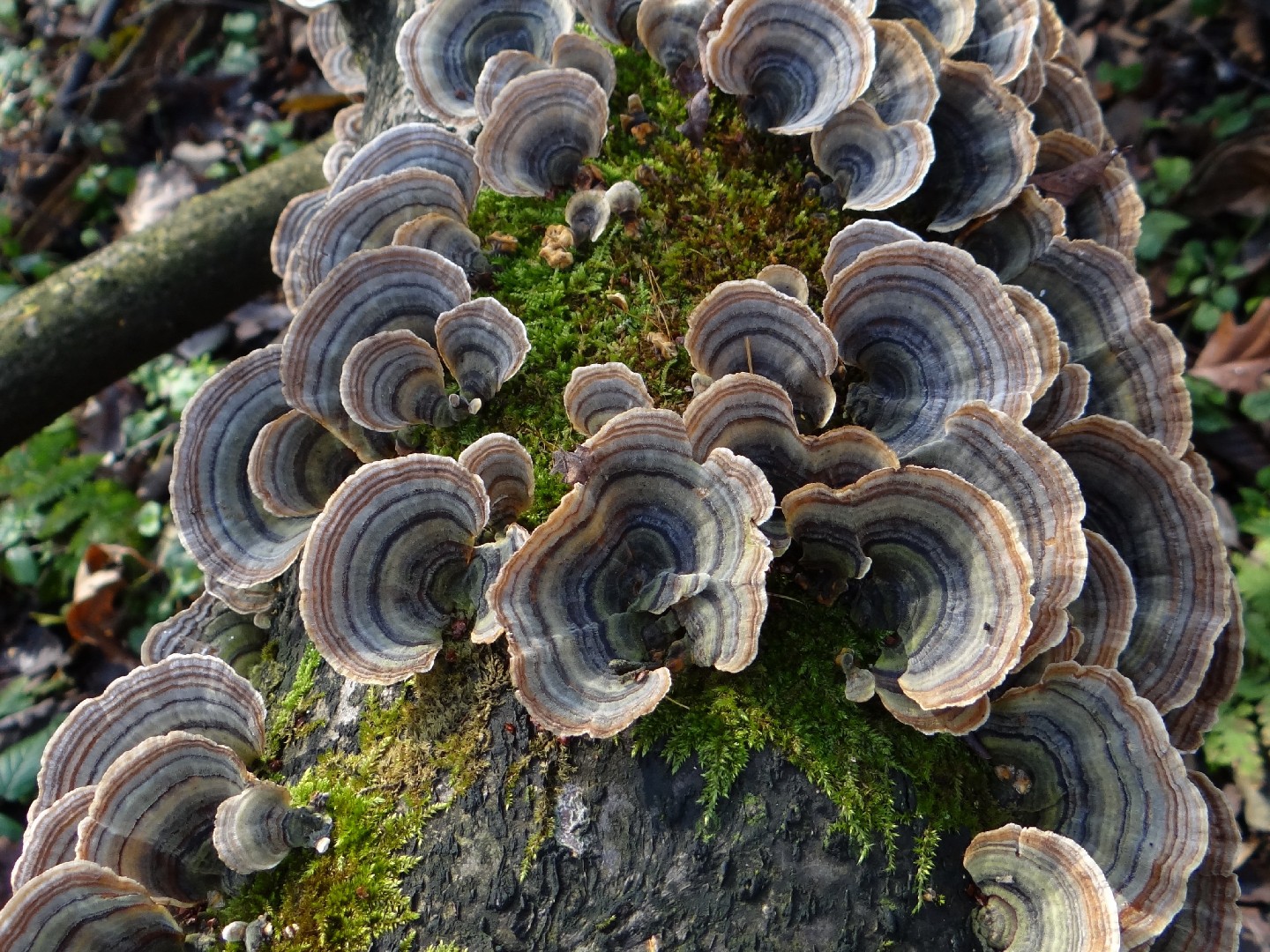
9. Turkey tail
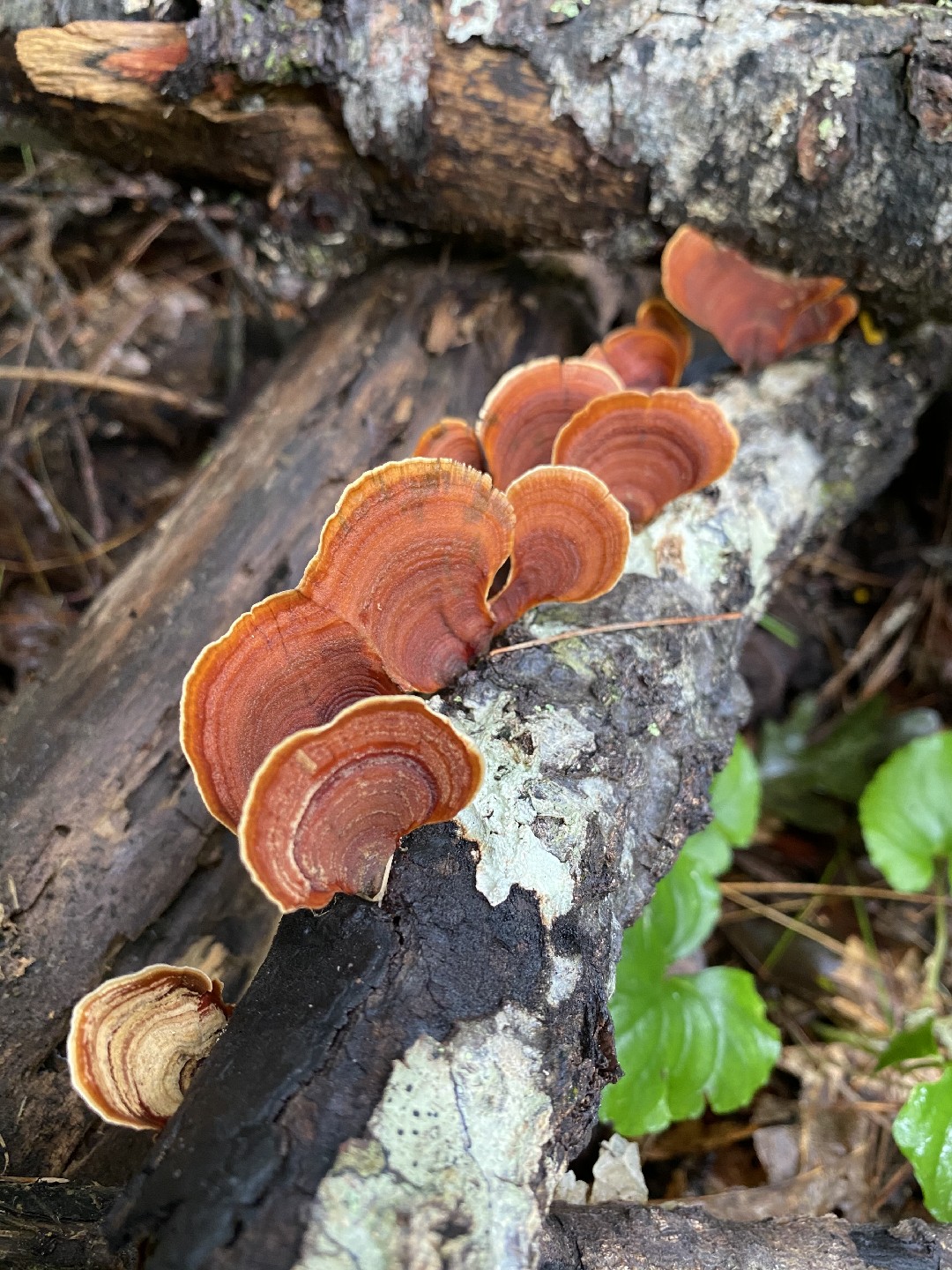
The distinctively-striped turkey tail fungus grows on stumps and logs all over the forests of the northern hemisphere. It is, in fact, probably the most common species you will find. That doesn't mean this mushroom is plain, however; each cap is uniquely patterned. Look for bands of alternating textures as well as color.
10. Lion's Mane Mushroom
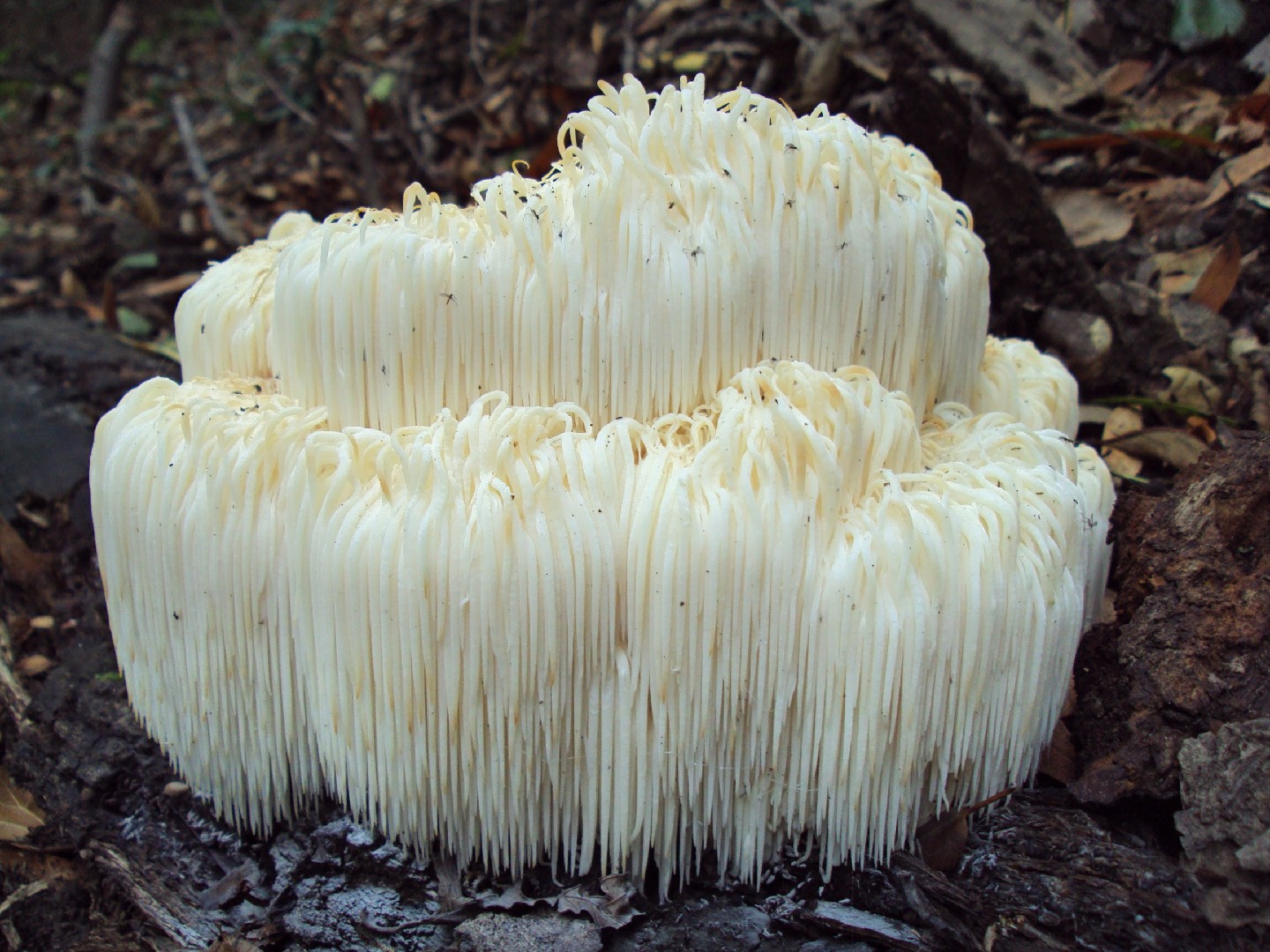
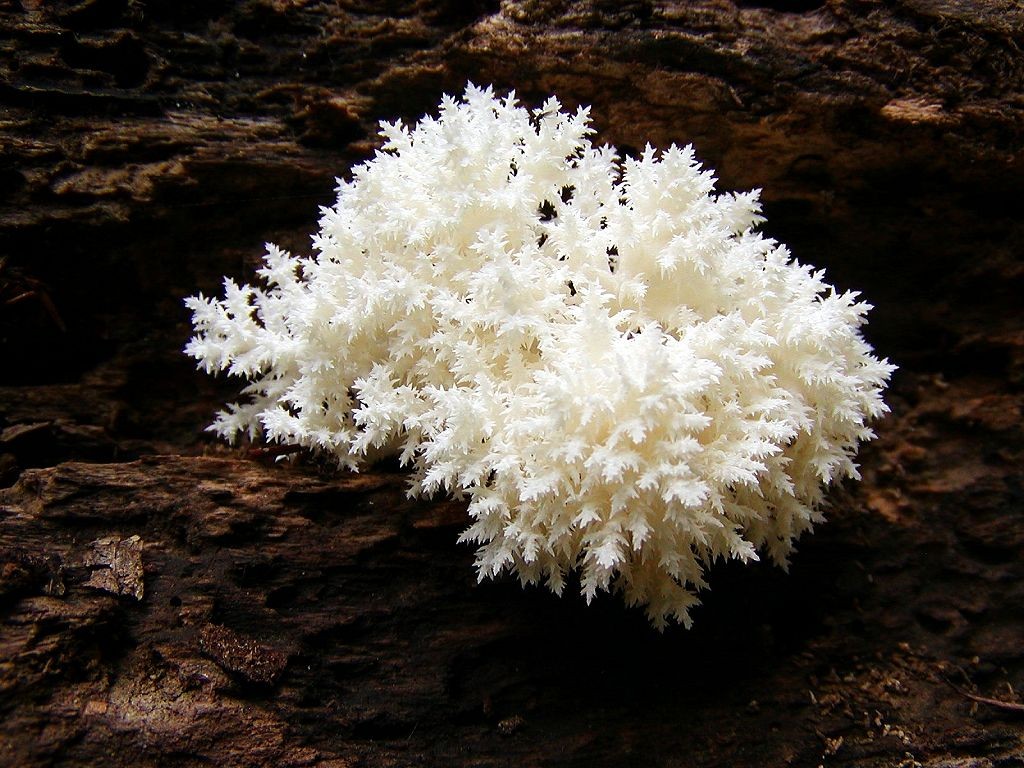
Lion's Mane Mushroom(Hericium erinaceus) is easily identifiable by its characteristic appearance, reminiscent of the majestic mane of a lion. It often sprouts along hardwoods, which may be living or dead. Scientists thus debate whether this species is truly parasitic or merely saprophytic in nature.

More







