




Top 20 Most Common Mushrooms in Oak Island
Welcome to the fertile realm of Oak Island, a notable hub for the 20 most common mushroom species in the U.S. Varied ecological factors endow this city with a profusion of fungi, crafting an animated mycoflora landscape. Discover Oak Island's mushroom diversity and delve into our captivating countdown!

Most Common Mushrooms
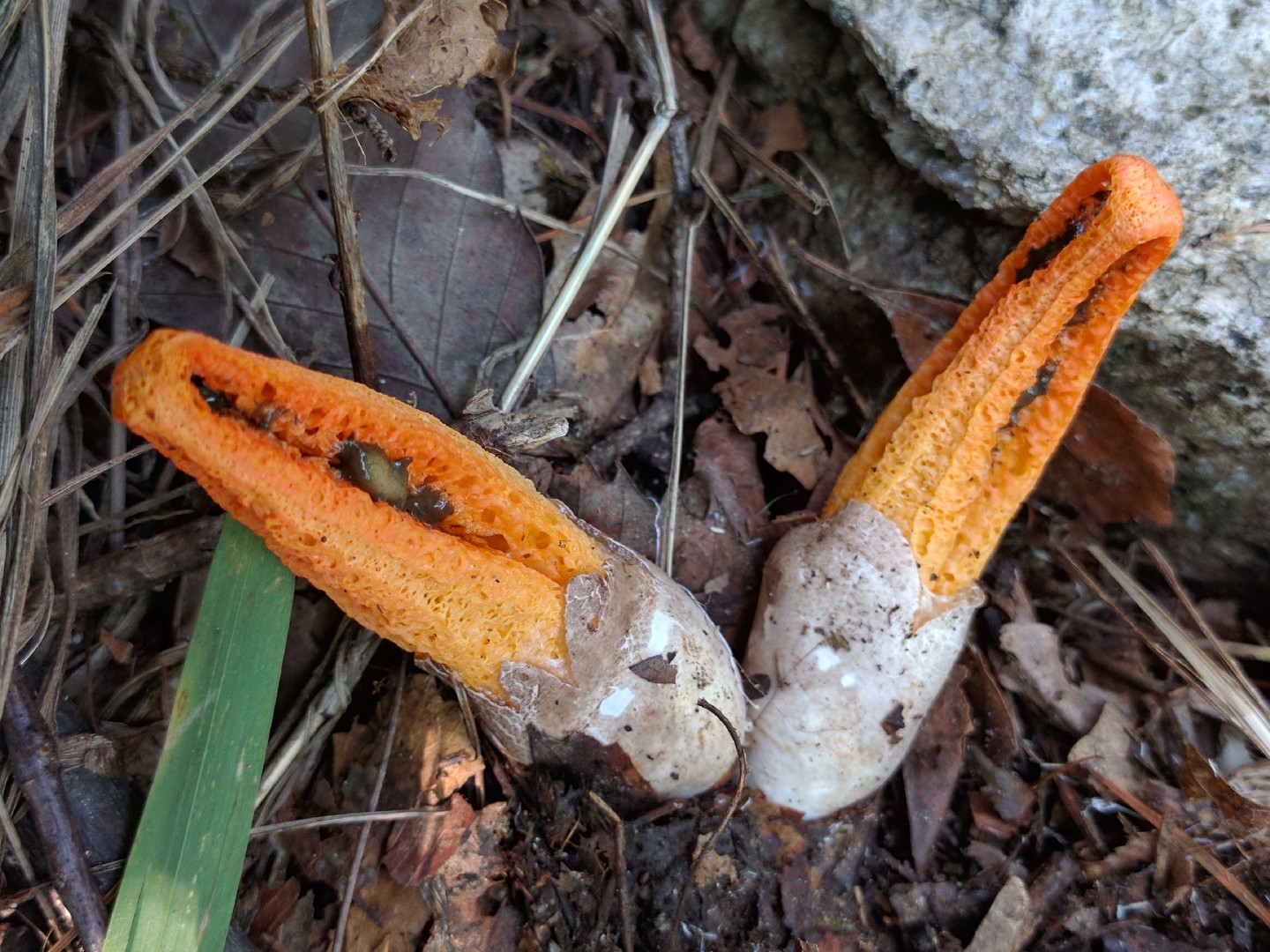
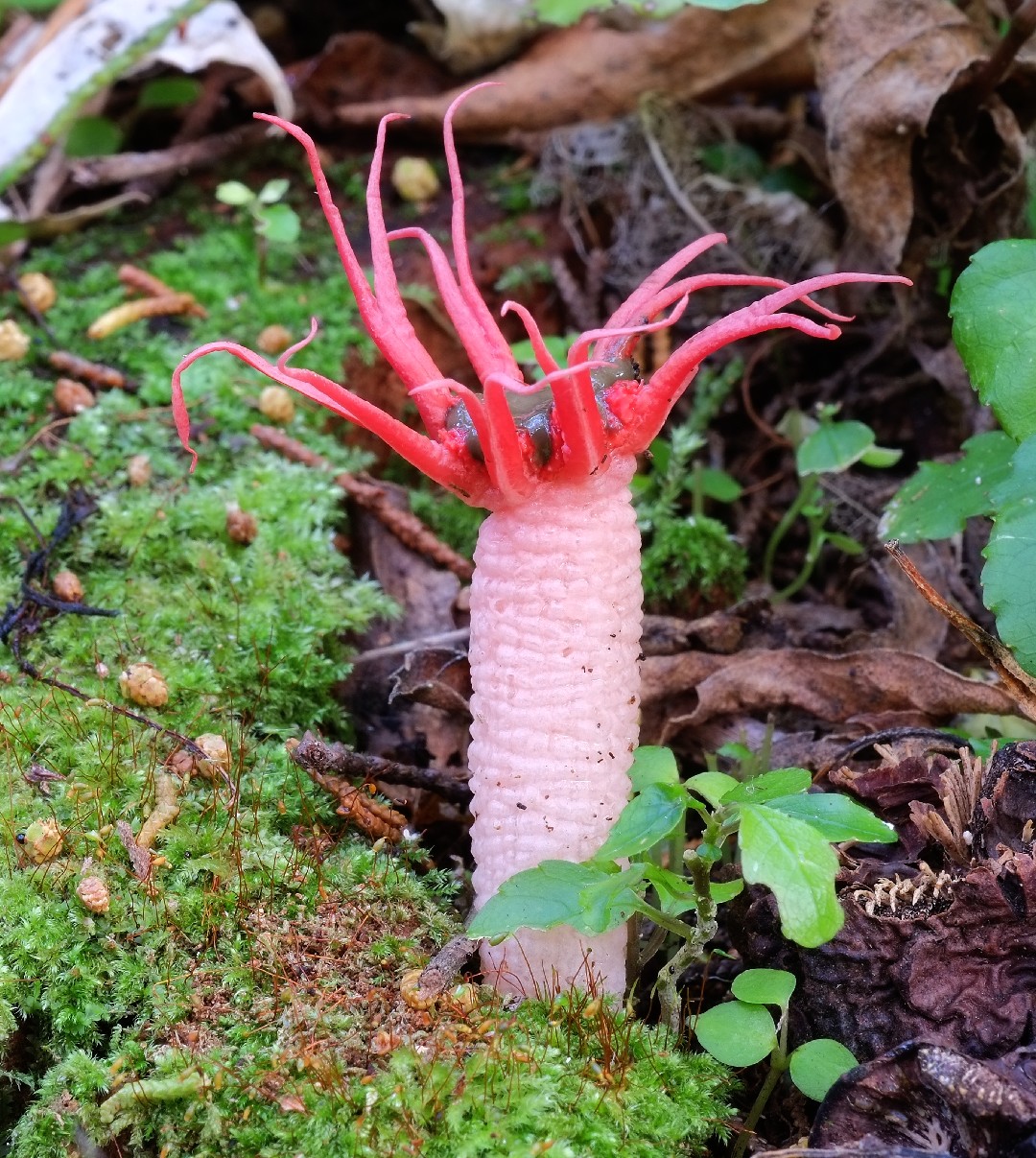
1. Column stinkhorn
The slime of the column stinkhorn emits an extremely foul odour, but many insects, particularly flies, find this slime very attractive. Attracting flies is the fungus' method for spreading its spores. This warm climate fungus has been introduced to North America, probably together with exotic plants.
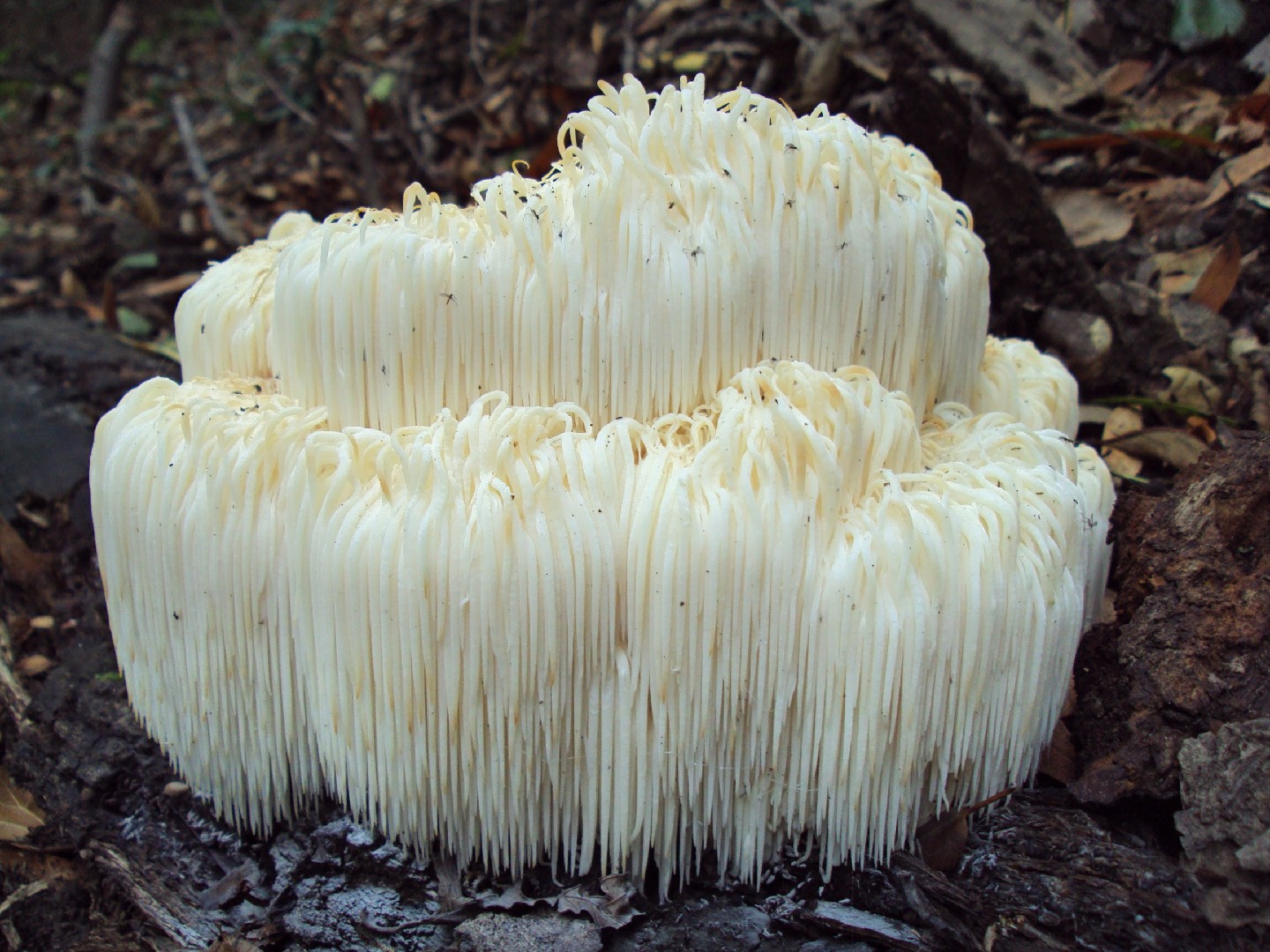
2. Lion's Mane Mushroom
Lion's Mane Mushroom(Hericium erinaceus) is easily identifiable by its characteristic appearance, reminiscent of the majestic mane of a lion. It often sprouts along hardwoods, which may be living or dead. Scientists thus debate whether this species is truly parasitic or merely saprophytic in nature.
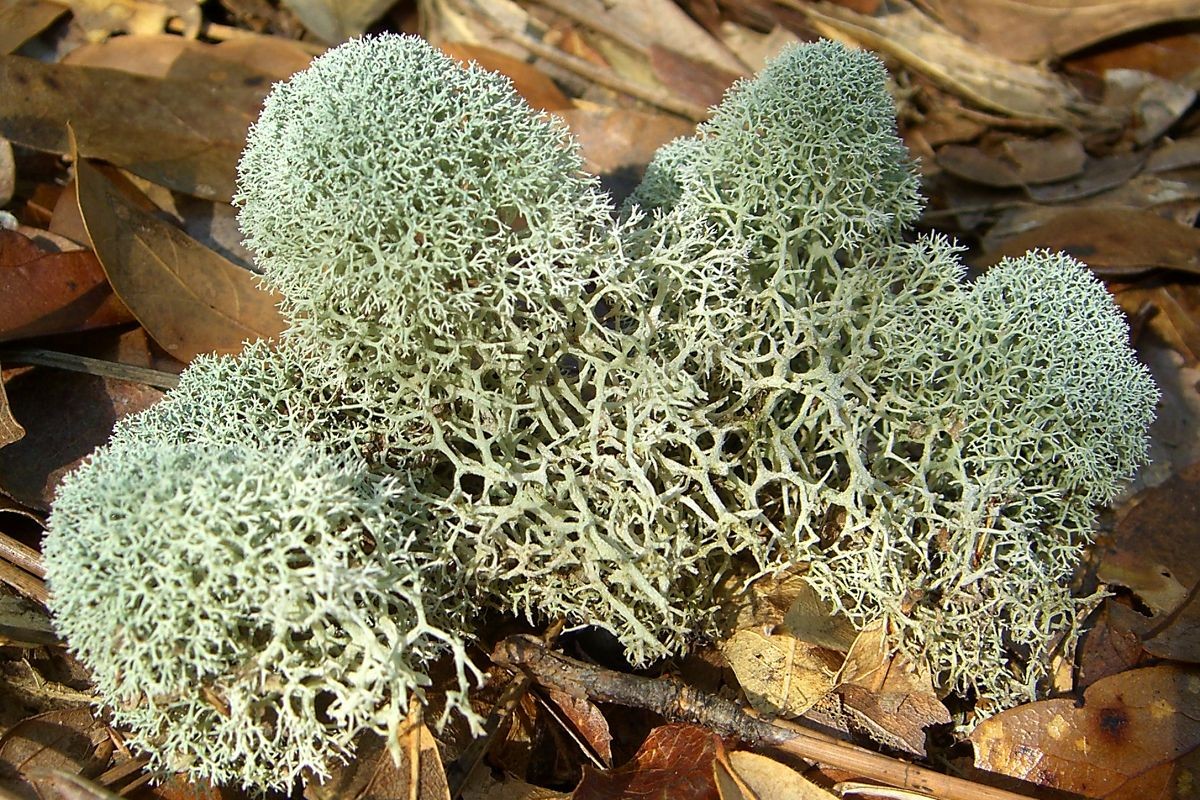
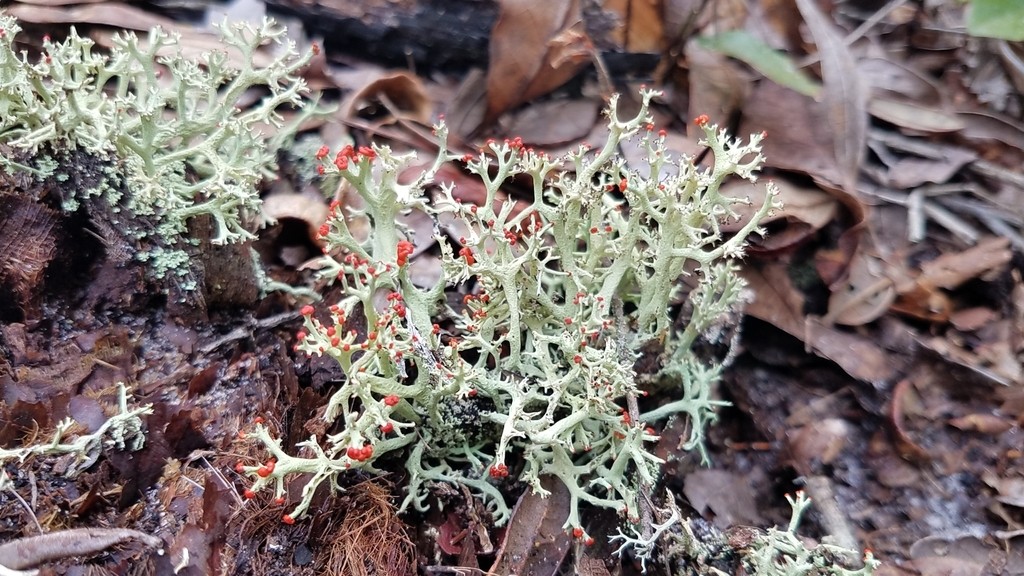
3. Powder-puff lichen
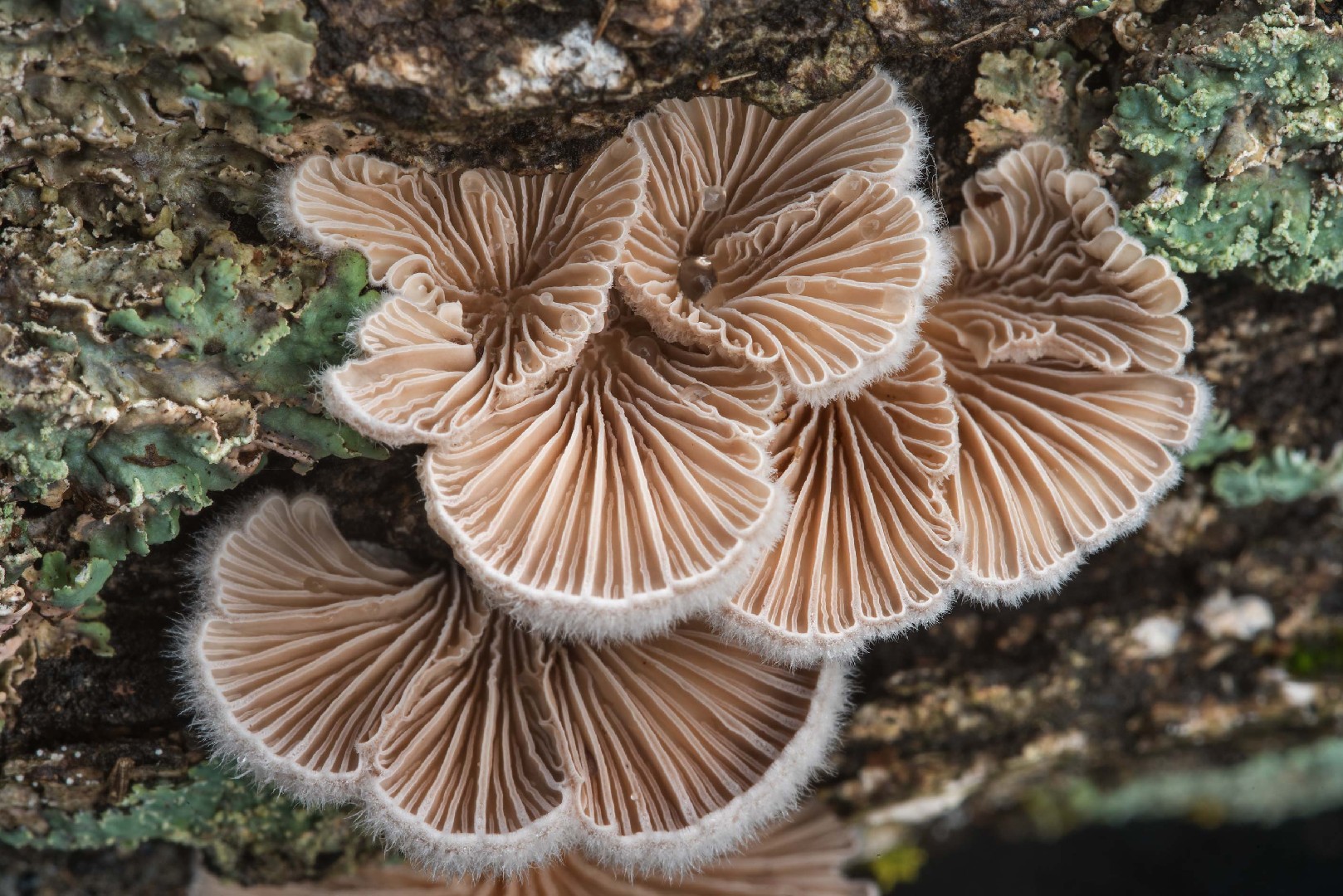
4. Split gill
Split gill(Schizophyllum commune) can be found across the globe. Uniquely, it is the only mushroom species known to display the capability to retract by movement. It is considered inedible, although not necessarily toxic. Furthermore, it is not recommended to smell this species, as the spores are capable of sprouting and growing in nasal passages.
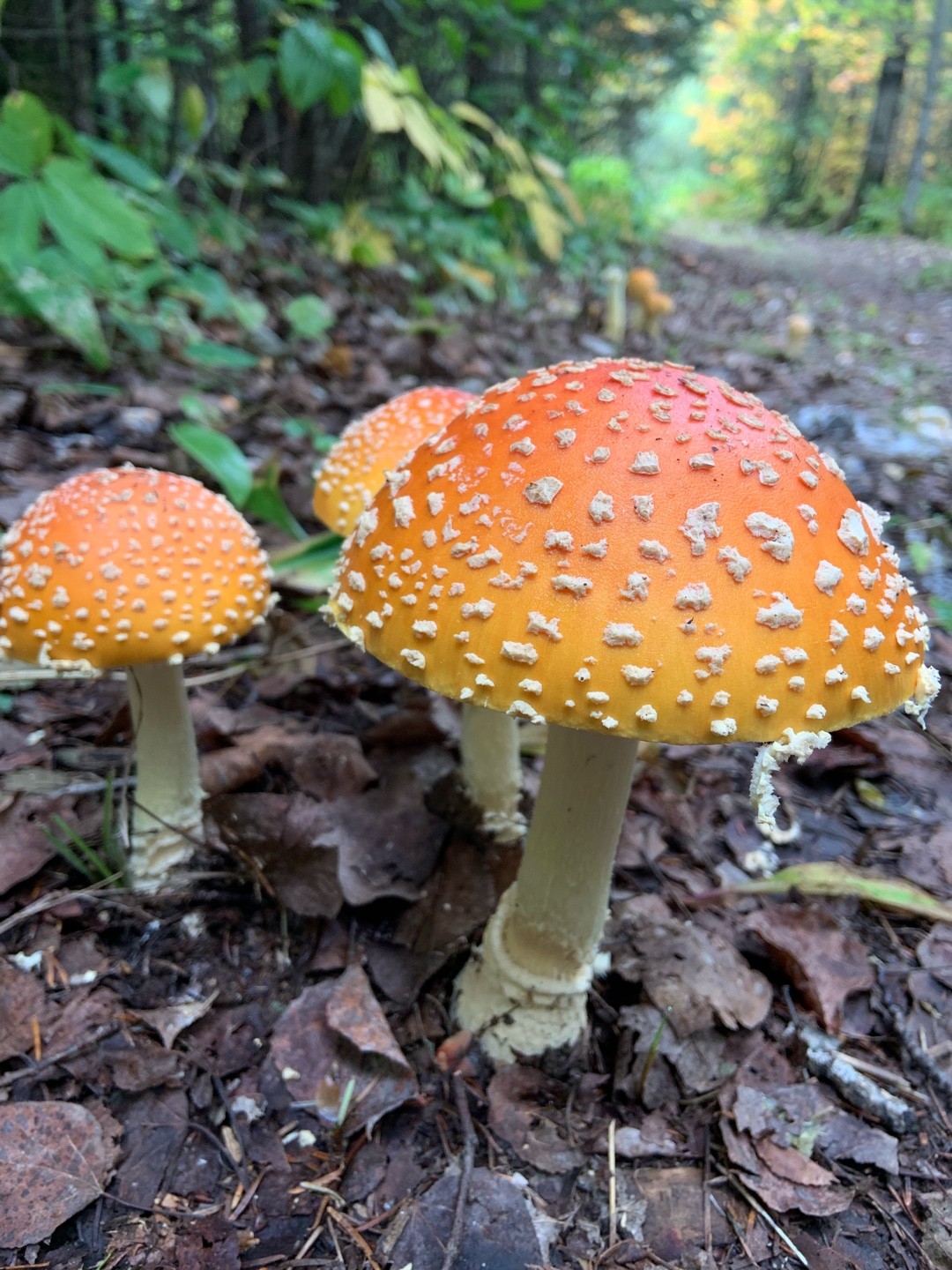
5. Peach-colored fly agaric
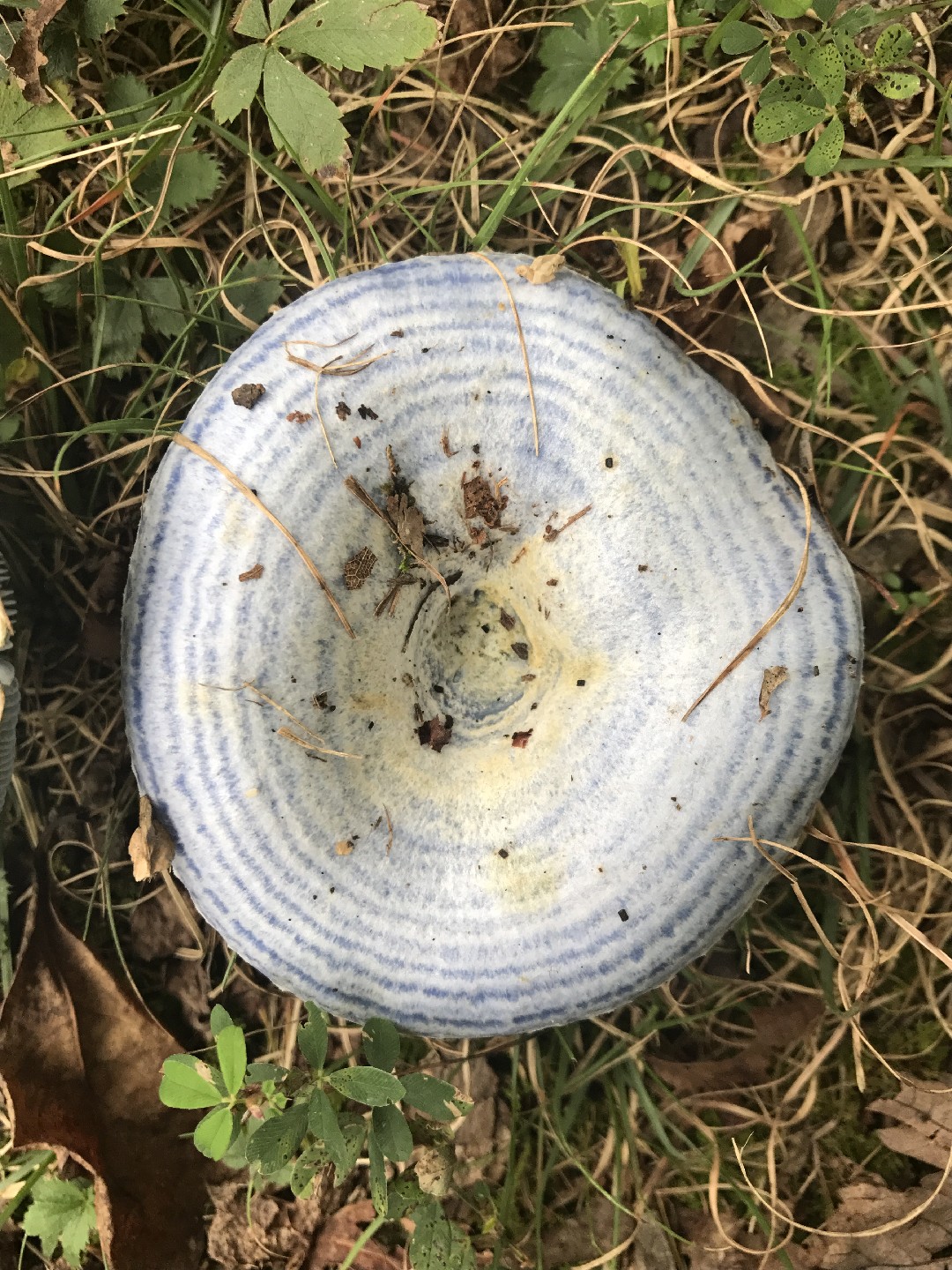
If you're looking for peach-colored fly agaric (Amanita persicina), start by hunting around in the leaf litter of hemlock, pine, and oak trees on the eastern coast of North America. Their rotund cap can commonly be overlooked, but well worth seeking out just to view the freckles and color. This species is poisonous, so take nothing but a photograph.
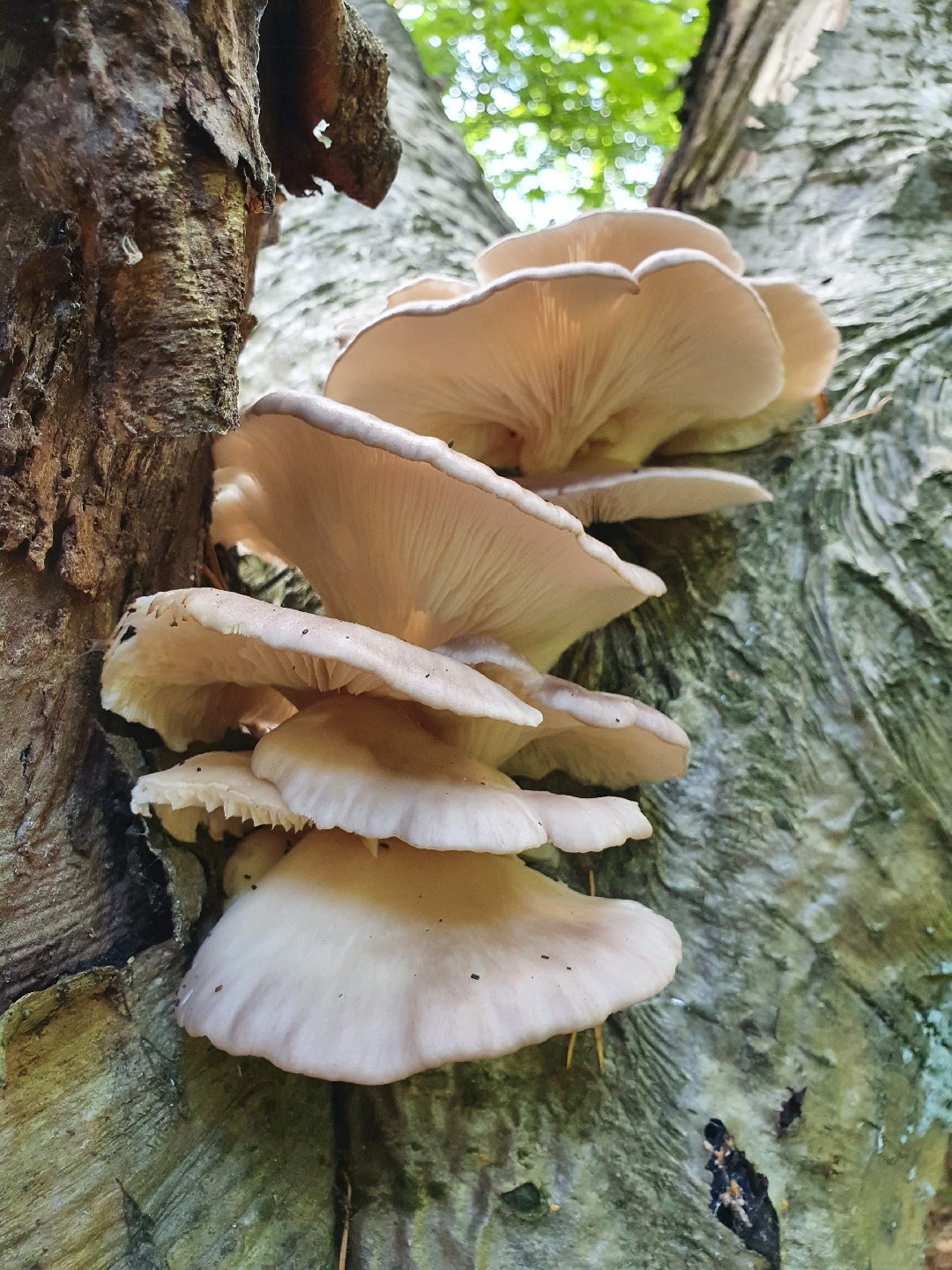
6. Oyster mushroom
Oyster mushrooms grow wild but are also cultivated for sale in supermarkets. They can even be cultivated at home. They will grow on coffee grounds and spent grain, and are occasionally even fashioned into an environmentally-friendly substitute for styrofoam. There are several toxic look-alike species, so it is best to buy these mushrooms at the store.
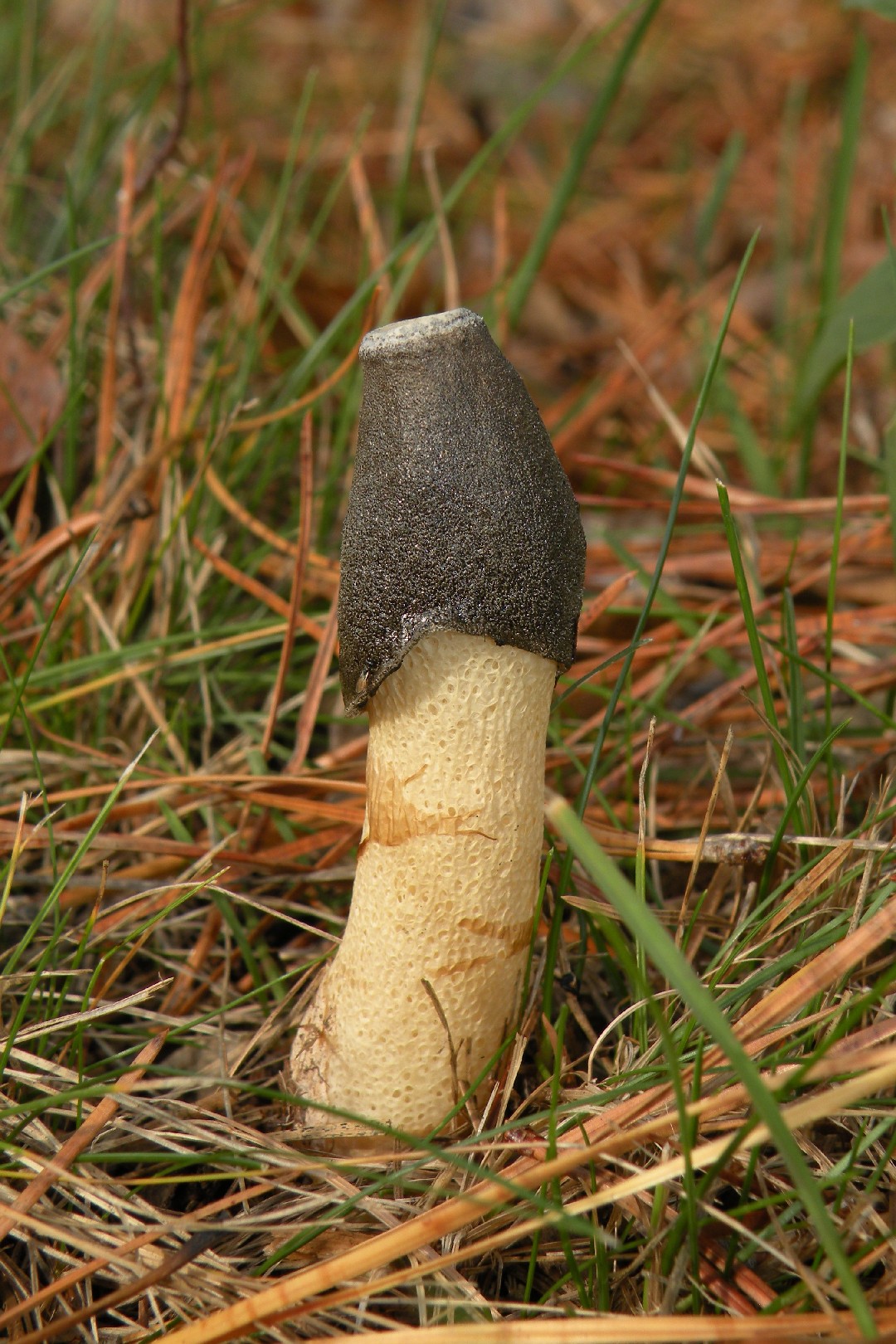
7. Ravenel's stinkhorn
Ravenel's stinkhorn (Phallus ravenelii), as its quite evocative common name may suggest, is easily identified by the pungent odor that emanates from this diminutive mushroom. The elongated, spongy cap towers over a plain white stem. The cap itself secretes not only a strong scent but also a slime that attracts various insects. The repulsive smell makes it inedible and extremely undesirable.
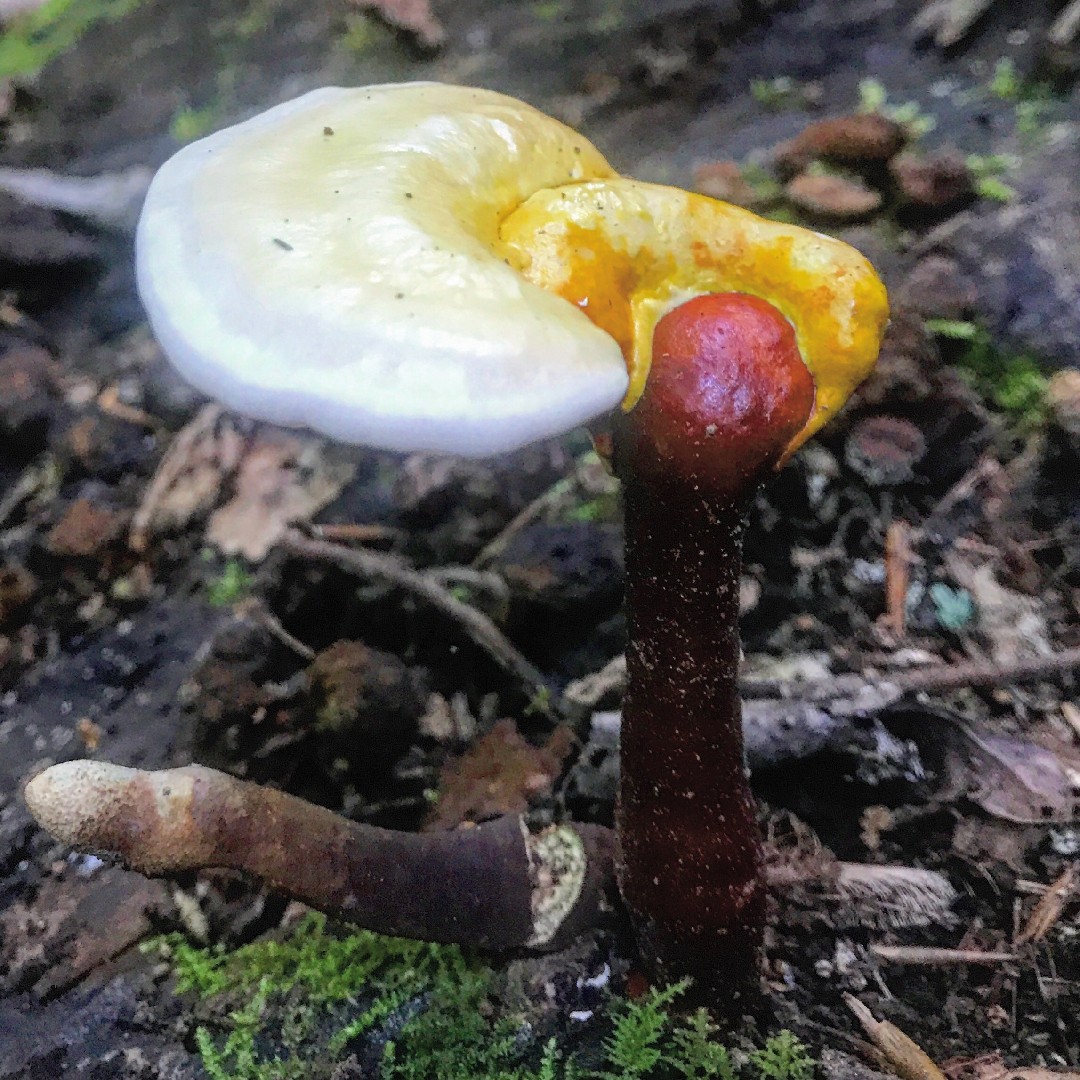
8. Golden reishi
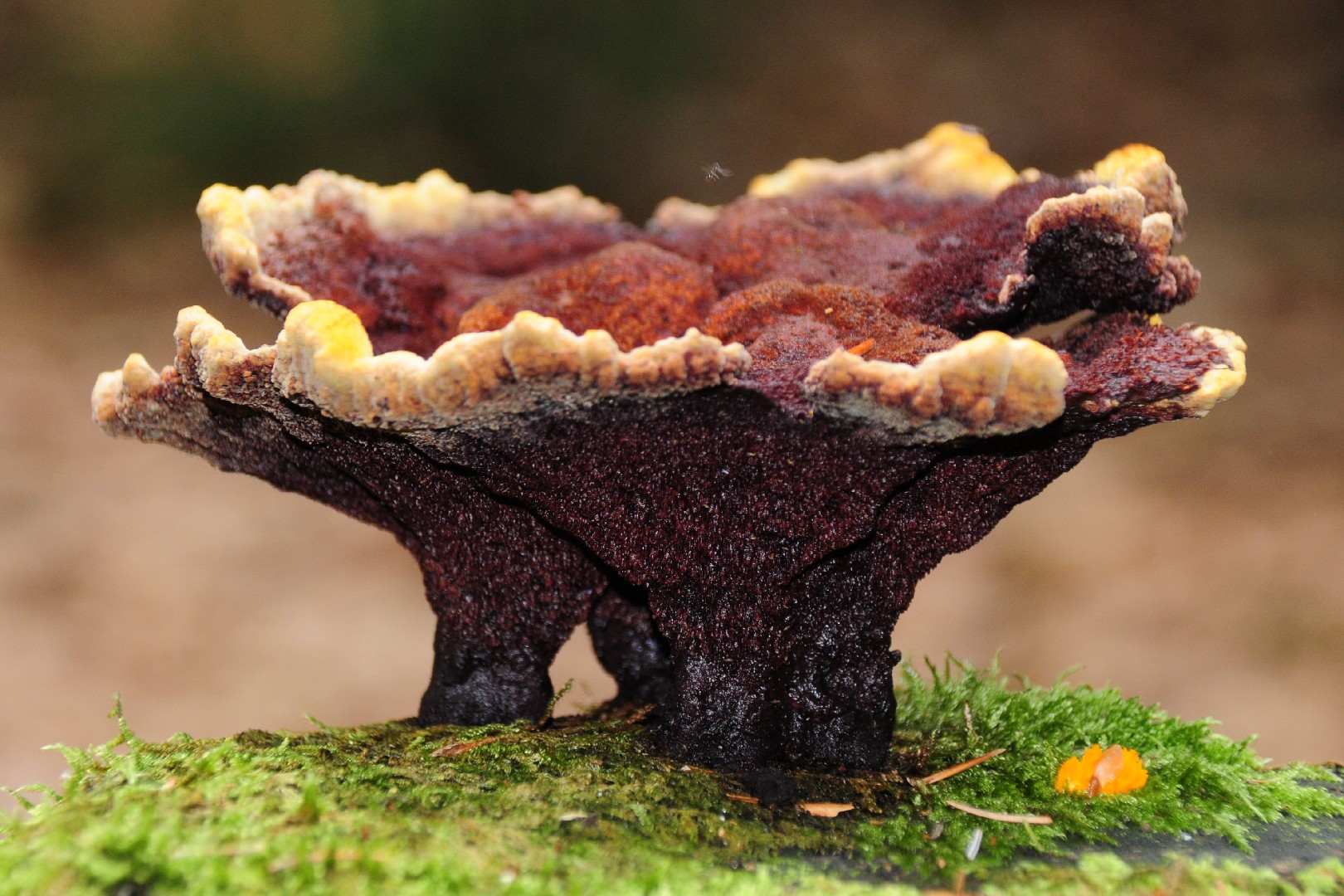
The golden reishi is a tough-fleshed fungus that can be found on dead or live hardwoods, and sometimes conifers, sporting deep shades of red, orange or yellow, although some can be quite pale. While some claim that the golden reishi may convey health benefits, there is no evidence to support this, and the species is considered inedible.
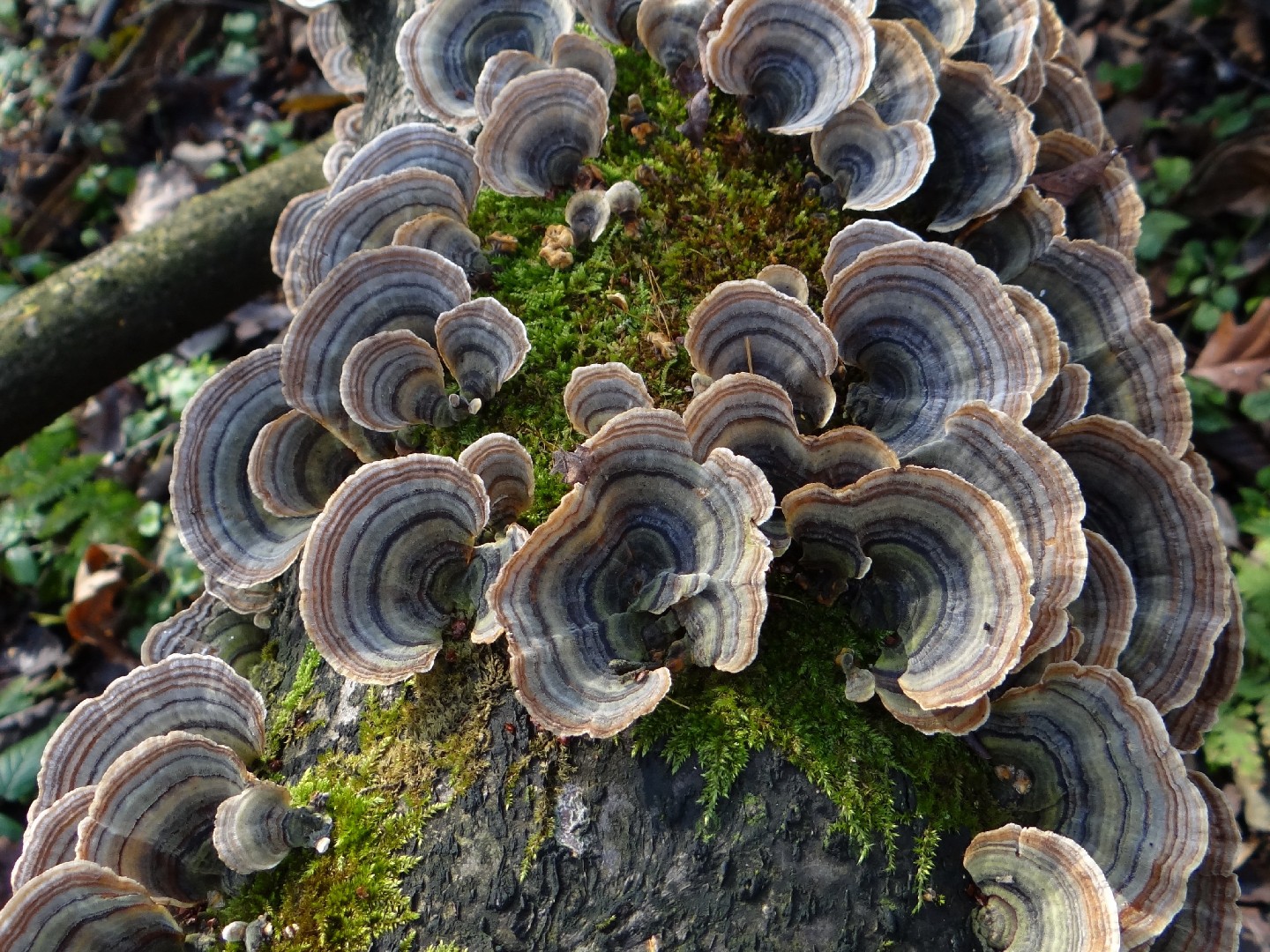
9. Turkey tail
The distinctively-striped turkey tail fungus grows on stumps and logs all over the forests of the northern hemisphere. It is, in fact, probably the most common species you will find. That doesn't mean this mushroom is plain, however; each cap is uniquely patterned. Look for bands of alternating textures as well as color.
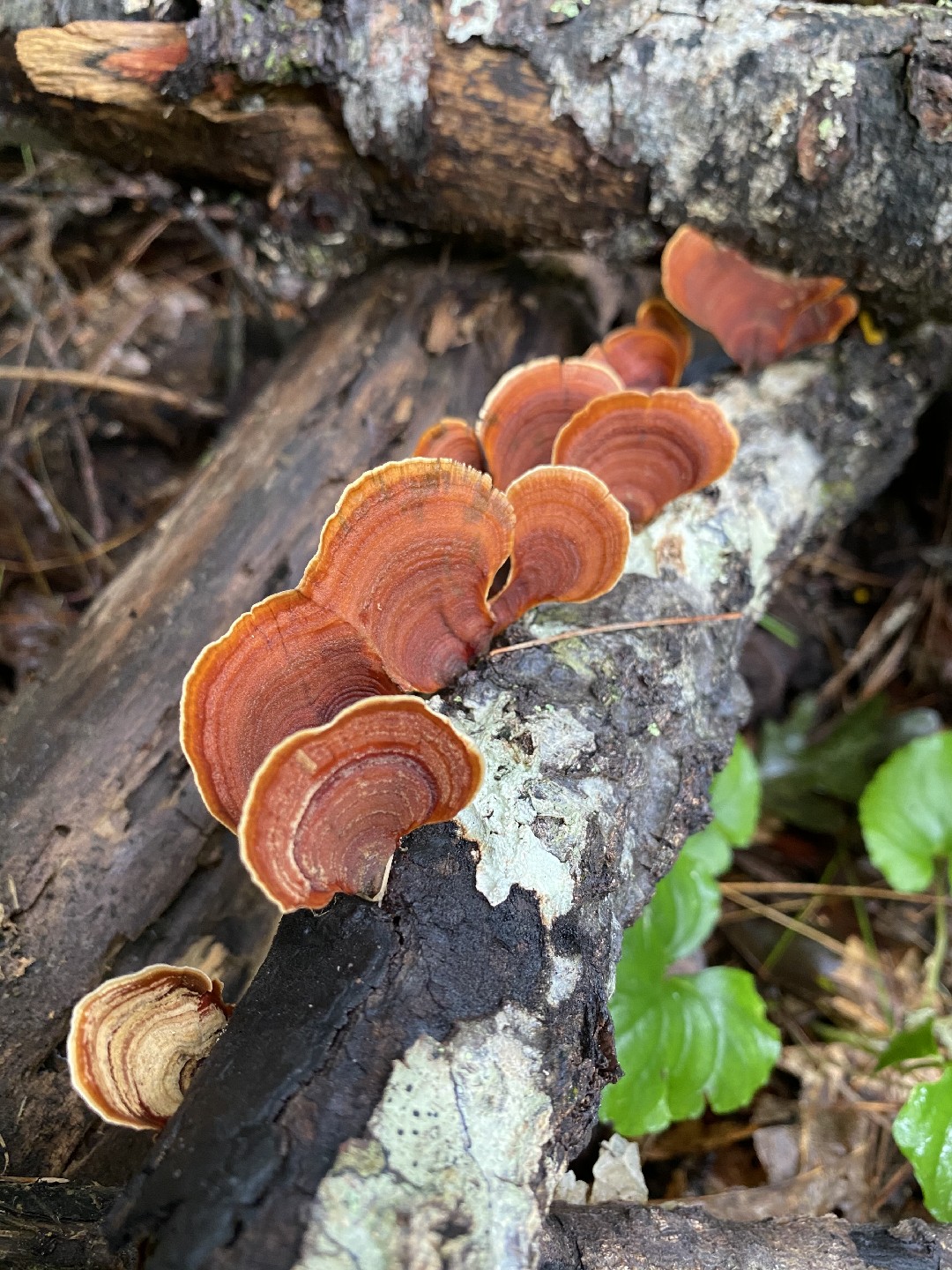
10. False turkey-tail
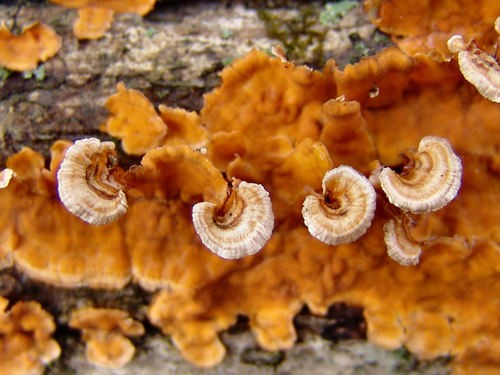
A common woodland fungus found across North America, the false turkey-tail thrives in wet environs and can be found in copious quantities on decaying wood. The species is so-called because it looks similar the also-common Turkey Tail (Tremetes versicolor) - both species grow in thin, roughly semi-circular sheets. False turkey-tails have tough, woody bodies and are considered to be inedible.
More







