




Top 20 Most Common Mushrooms in Asheville
Asheville, nestled amidst Asheville's scenic mountain vistas, is renowned for its rich biodiversity. The region's unique ecosystem provides fertile ground for mushroom lovers, nurturing an astonishing 20 varieties of common mushrooms. Our tour through this fungal panorama begins with the most prevalent species, each with a distinct tale of adaptation and survival. This journey will reveal the hidden beauties and flavorful secrets that have made Asheville an Eden for mycologists and fungarians alike.

Most Common Mushrooms
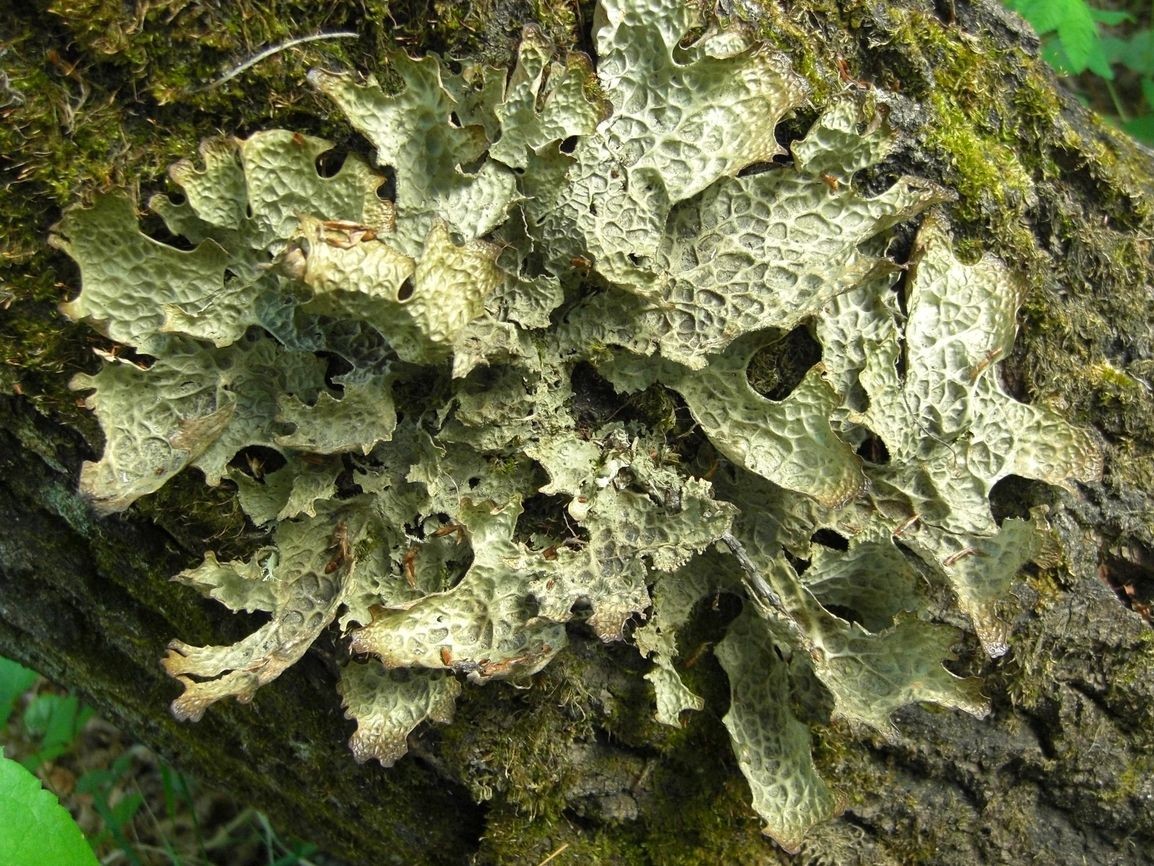
1. Tree lungwort
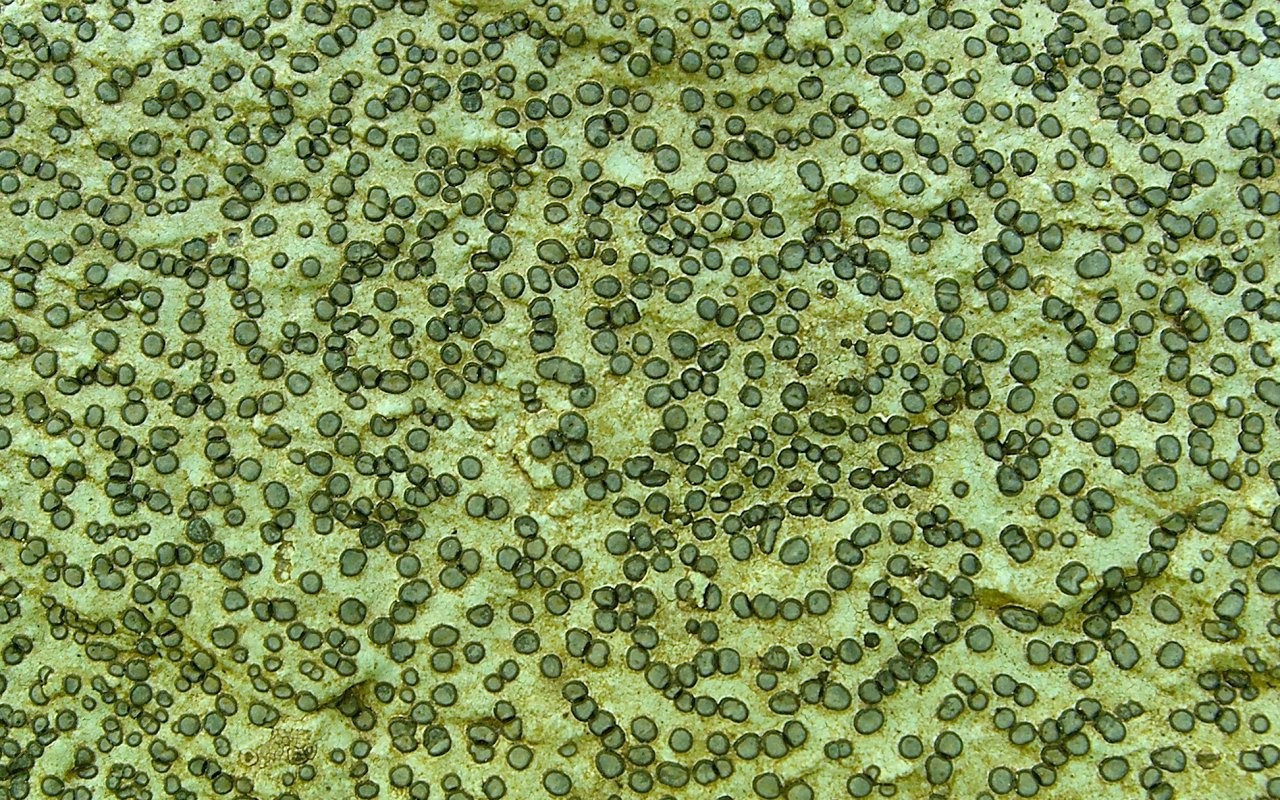
Tree lungwort is a green lichen that can be found in humid areas of North America, Europe, and Asia. It grows regularly on trees, rocks, and in urban areas rich with moss. It can be used as a dye. Animals may consume tree lungwort or use it as nesting material.
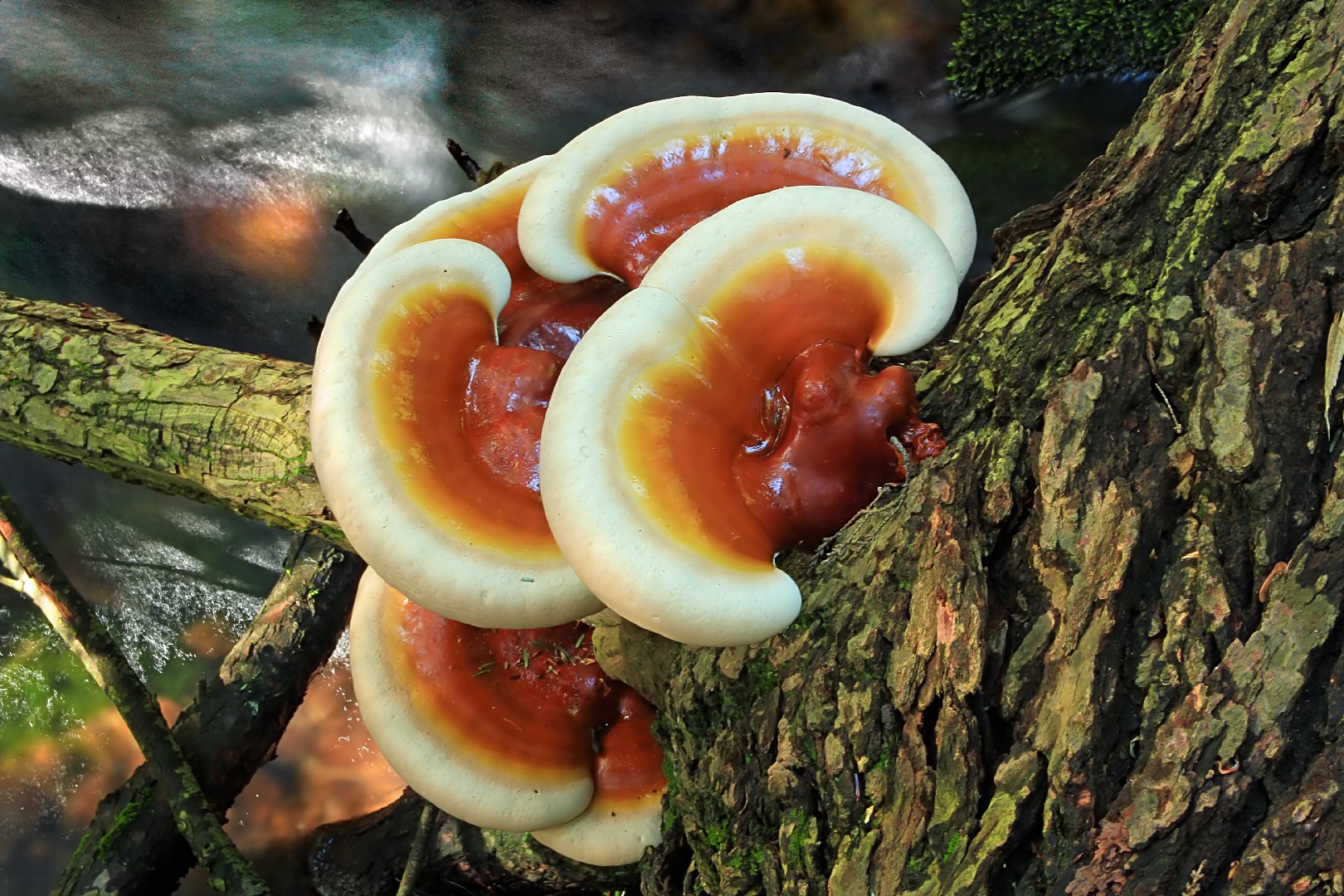
2. Hemlock varnish shelf
The hemlock varnish shelf is a parasitic species that can be found (unsurprisingly) on Hemlock trees. The species' range is limited to the eastern US - they are particularly common across Appalachia. As with other members of Ganoderma, hemlock varnish shelf has a shiny, lacquered-looking surface. This tough species is considered inedible.
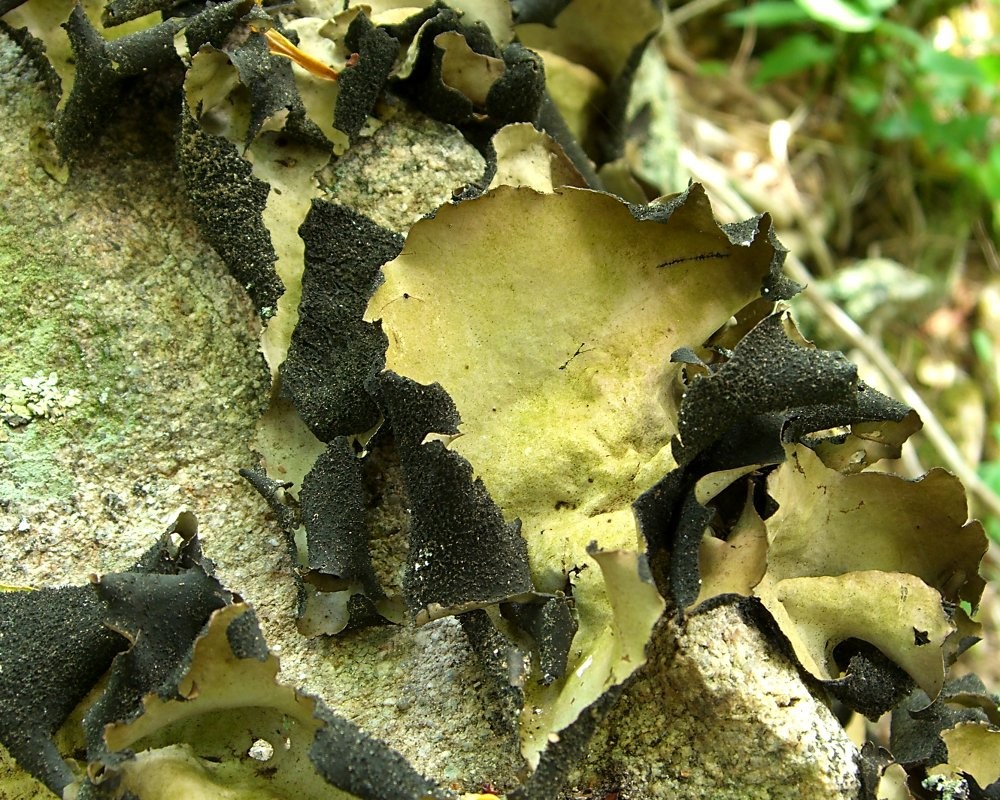
3. Smooth rock tripe
Smooth rock tripe is one of the largest types of lichen in the world. The vegetative part of a lichen's body has been recorded reaching 63 cm across. Though directly translating to "small-breasted," the mammulata epithet was given because many specimens develop a navel-like shape. The common name of "tripe" references its similarity to the food of the same name.
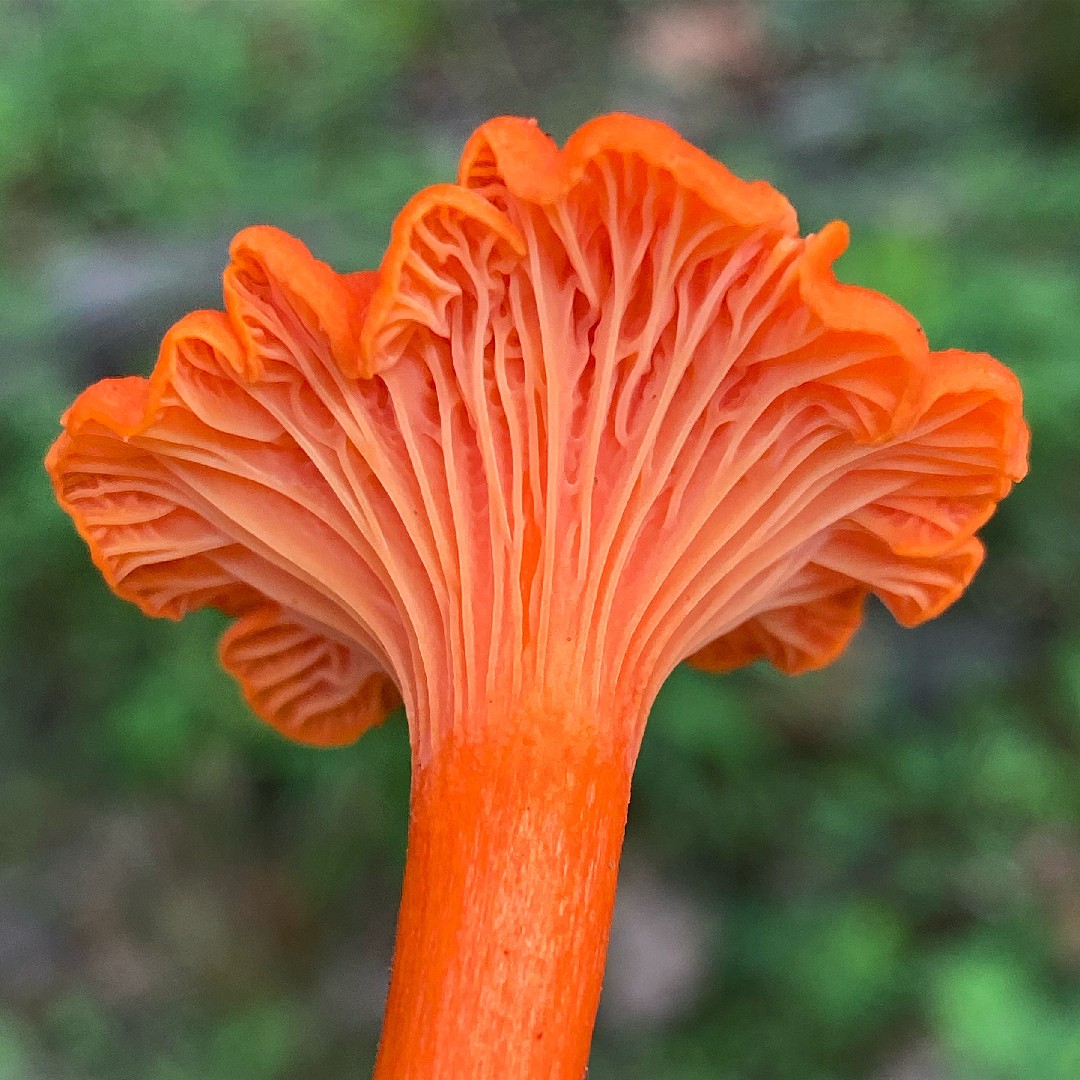
4. Red chanterelle
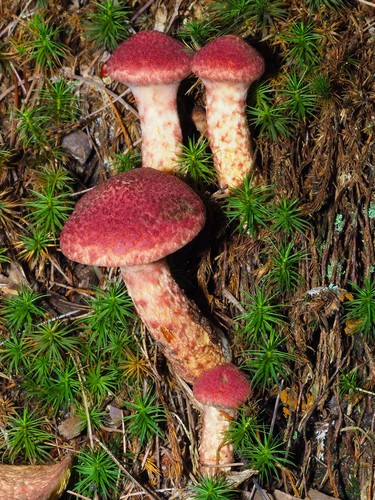
Red chanterelles can be found growing within hardwood forests across eastern North America. These small but striking mushrooms range from orange to red to pink in color. Edible and boasting complex flavors, many chanterelles are highly sought after. The red chanterelle, though less famous than some of its close relatives, is no exception. This species can be used in all sorts of recipes, with a vaguely sweet or piney taste.
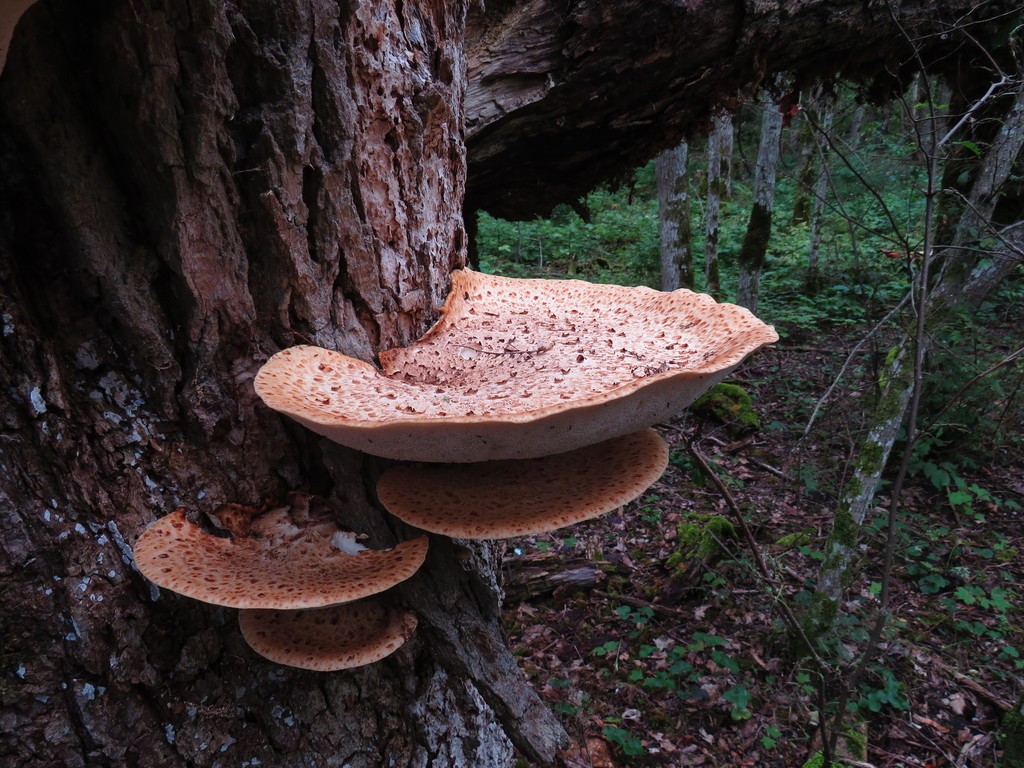
5. Dryad's saddle
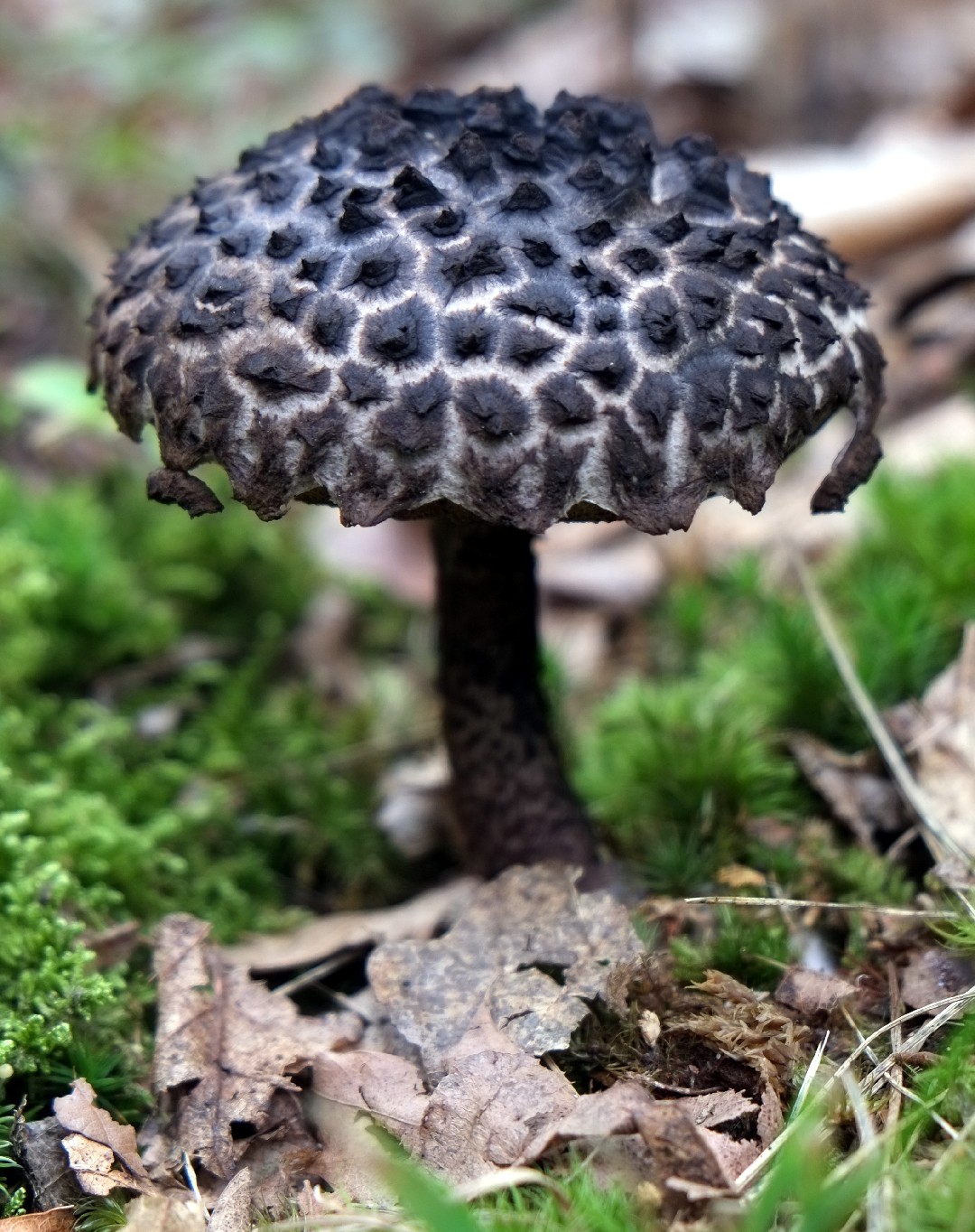
A familiar sight to spring morel hunters, dryad's saddle is noteworthy for its large size, striking scales, and watermelon-like smell. Similar to other mushrooms in the bracket fungi family, dryad's saddle can be used to make paper. Younger mushrooms are better suited for this purpose due to their smaller and more consistent fibers.
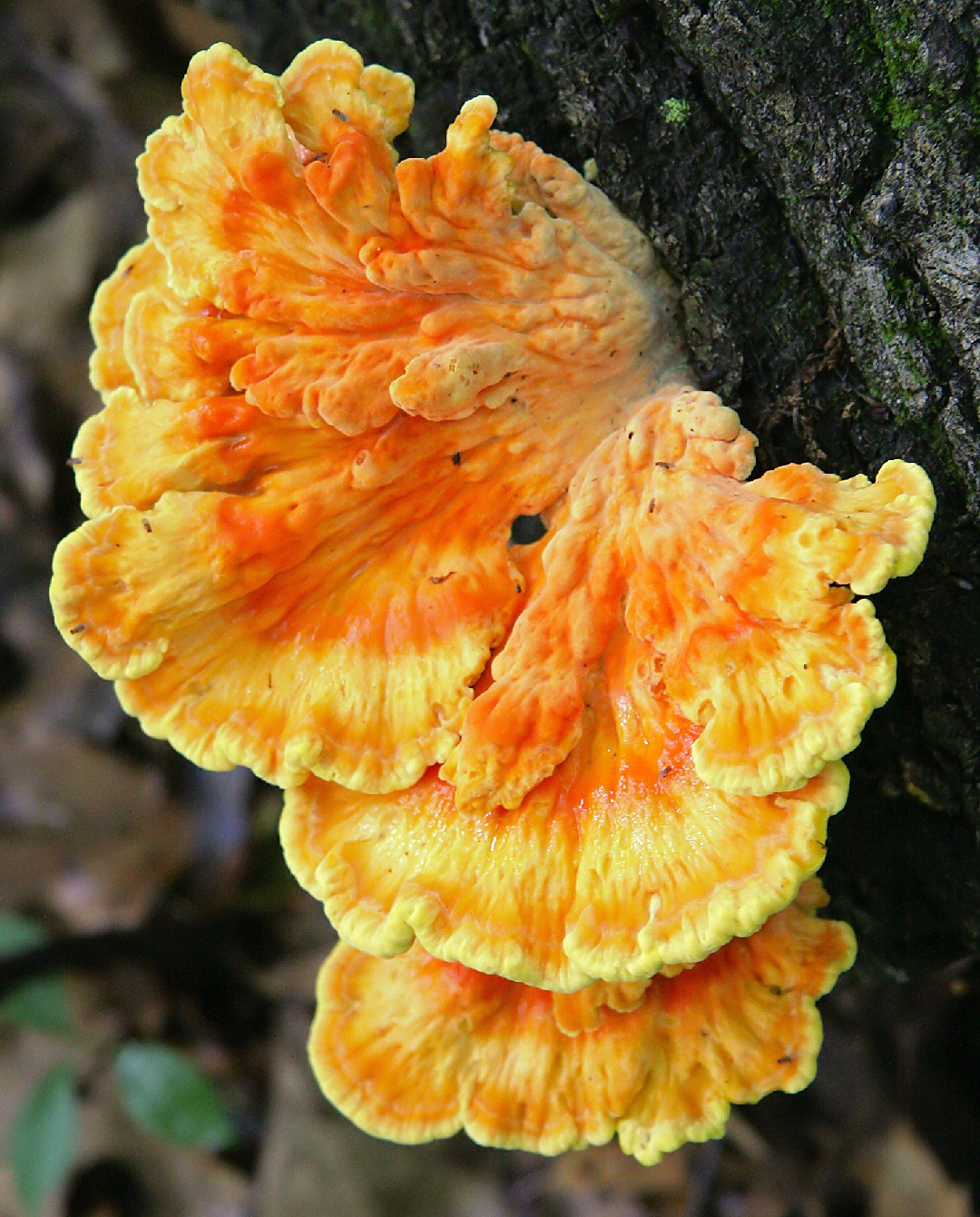
6. Chicken of the woods
Chicken of the woods is very noticeable in hardwood forests, appearing in clusters on standing tree trunks in bright orange and yellow hues that sometimes last through the entire winter. It is a parasite that causes an unfortunate brown heart rot, and is considered a particularly troublesome pest of Yew trees. If the fruitbodies can be seen, the tree is likely already beyond saving.
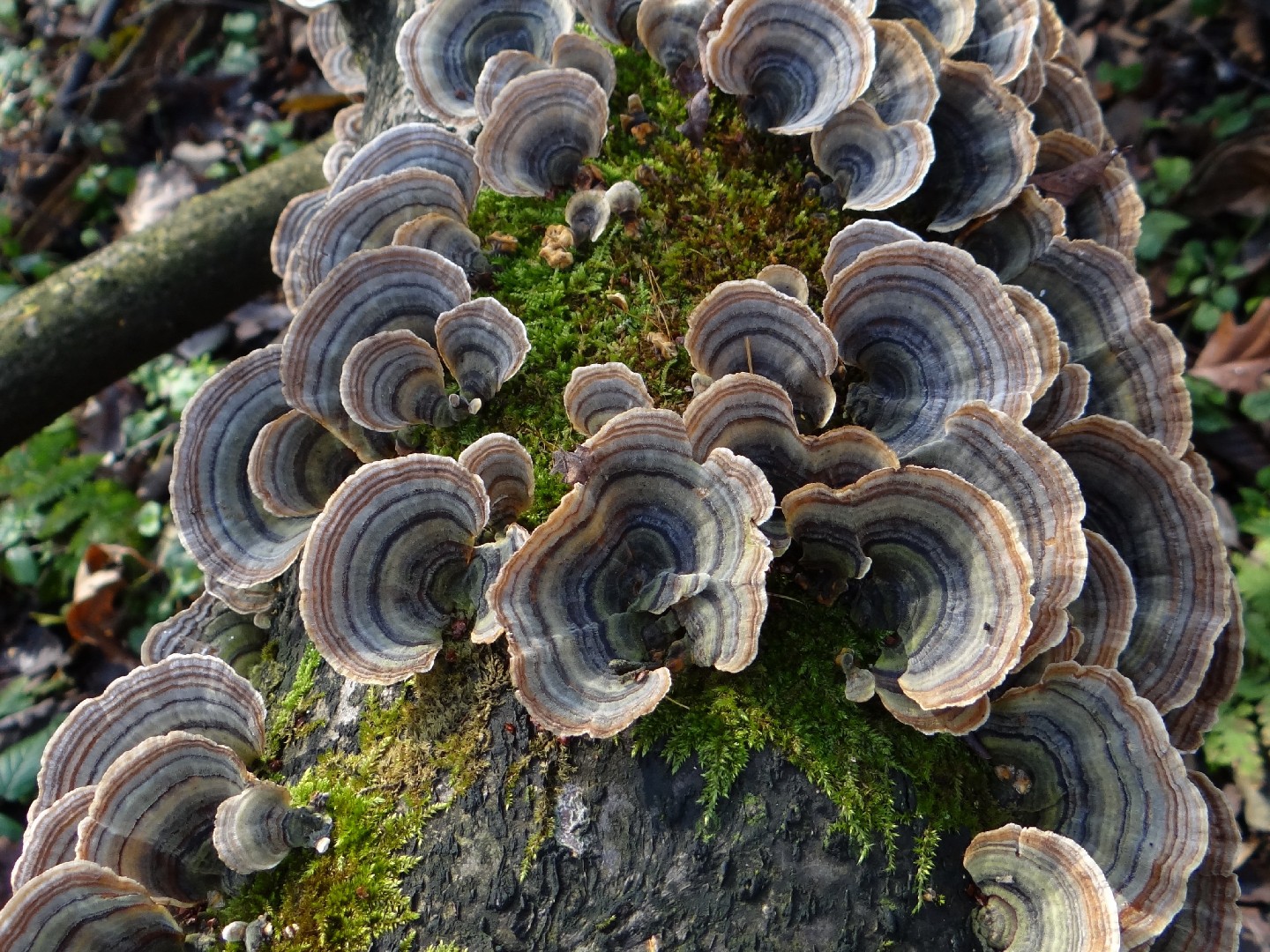
7. Turkey tail
The distinctively-striped turkey tail fungus grows on stumps and logs all over the forests of the northern hemisphere. It is, in fact, probably the most common species you will find. That doesn't mean this mushroom is plain, however; each cap is uniquely patterned. Look for bands of alternating textures as well as color.
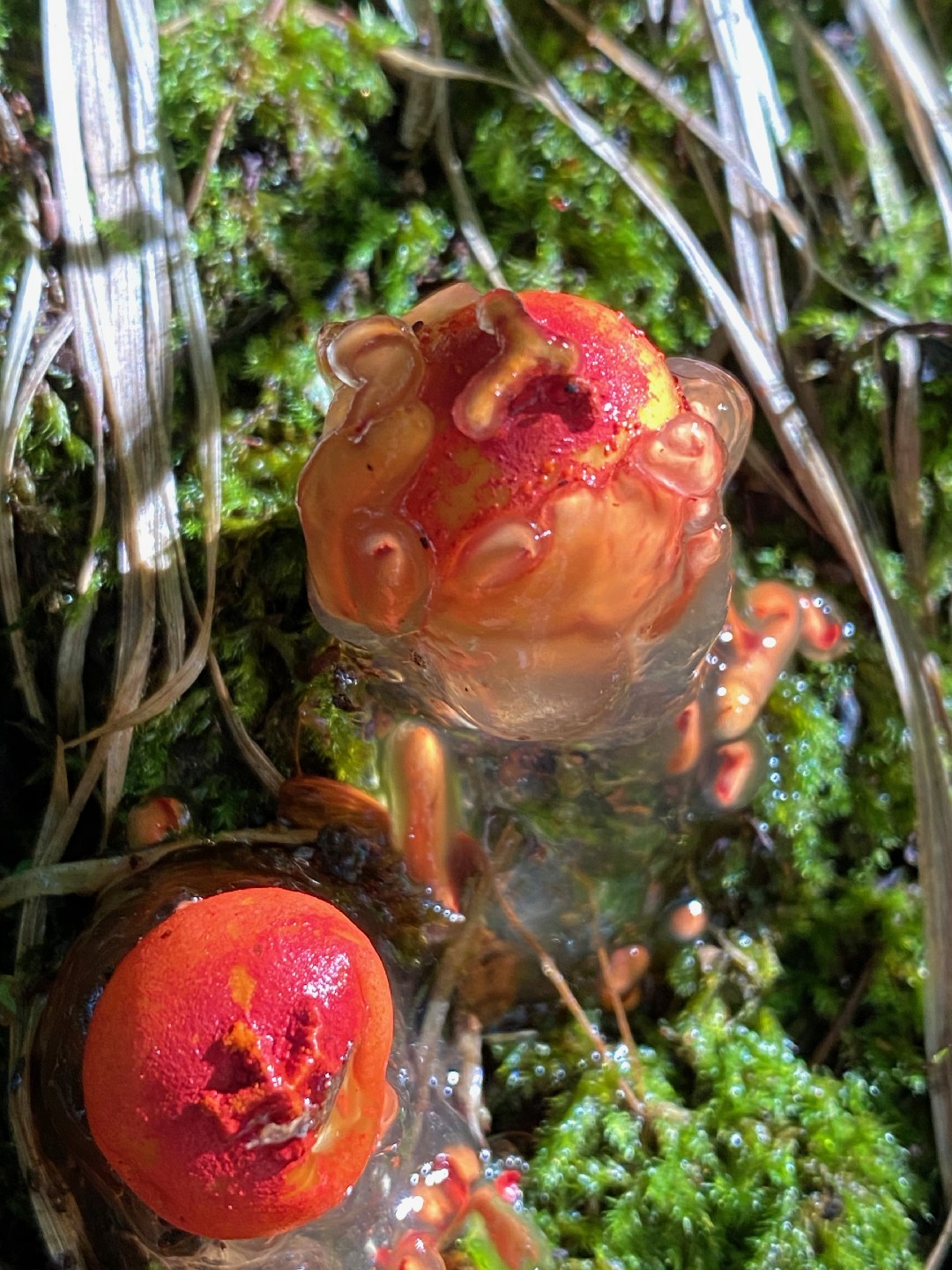
8. Slimy stalked-puffball
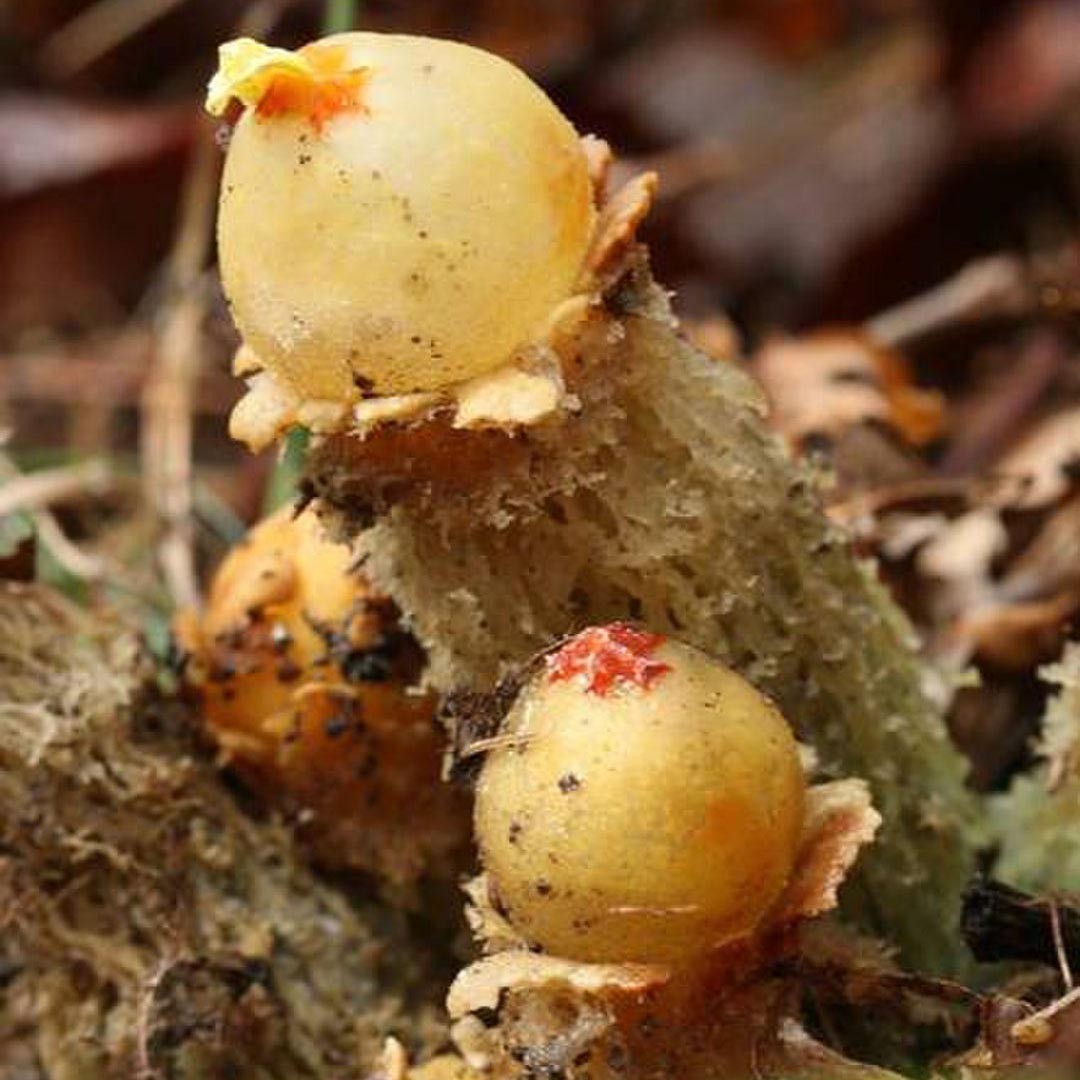
The slimy stalked-puffball is beautiful and repulsive at the same time. With its unusual shape and striking red color make it a distinctive species, the gelatinous chunks that it produces while shedding really create an unpleasant visual.
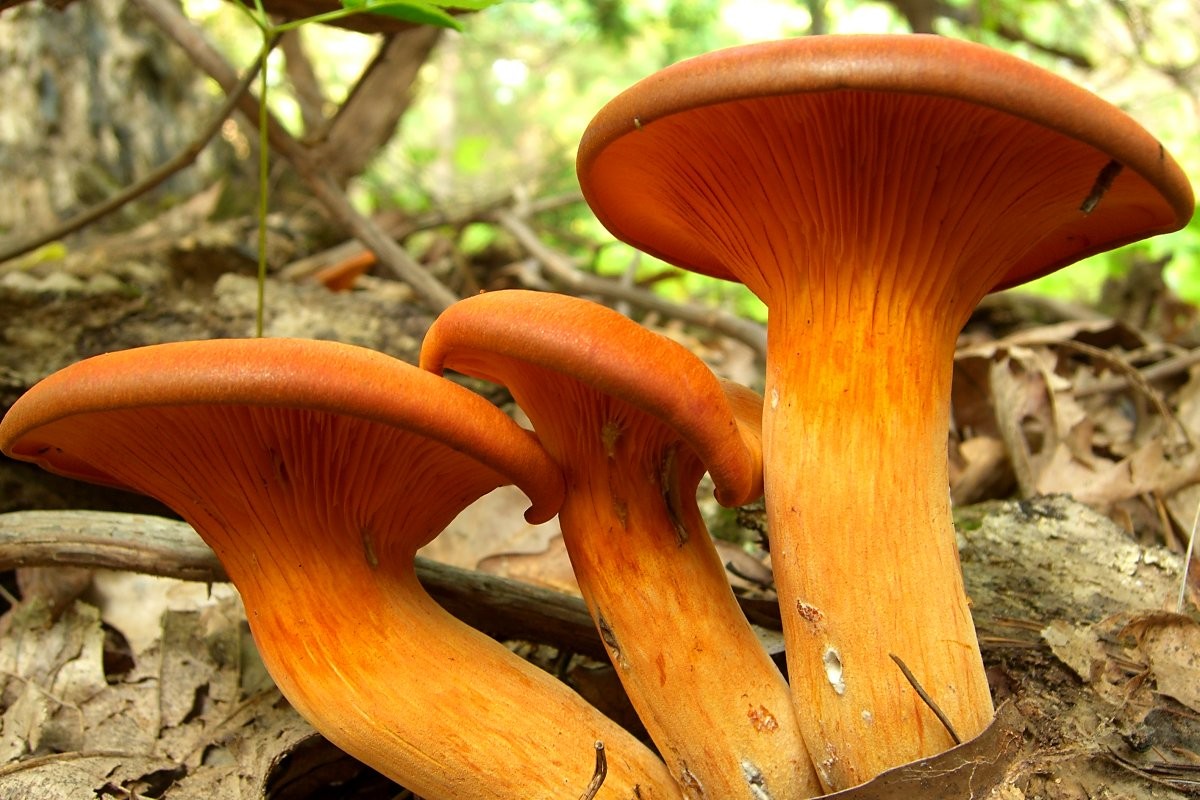
9. Jack-o'lantern mushroom
The jack-o'lantern mushroom is so-called because of its bright orange color, and because it often appears in the fall (usually before Halloween, though). This vibrant little mushroom can be found growing on decaying hardwood stumps and logs. The species does have some superficial resemblances to the highly edible chanterelle (Cantharellus cibarius), but it is toxic and should be avoided!
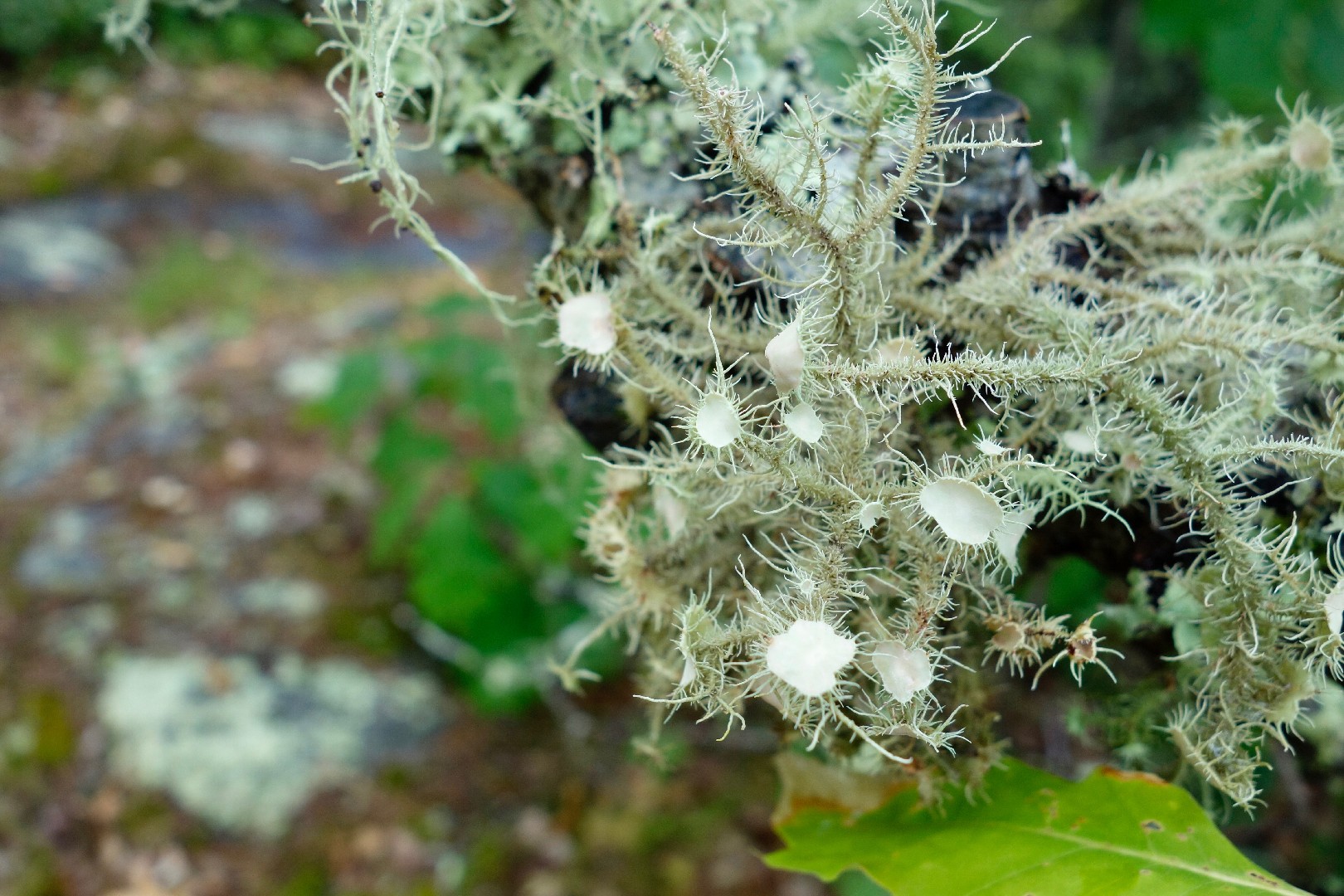
10. Bush beard lichen
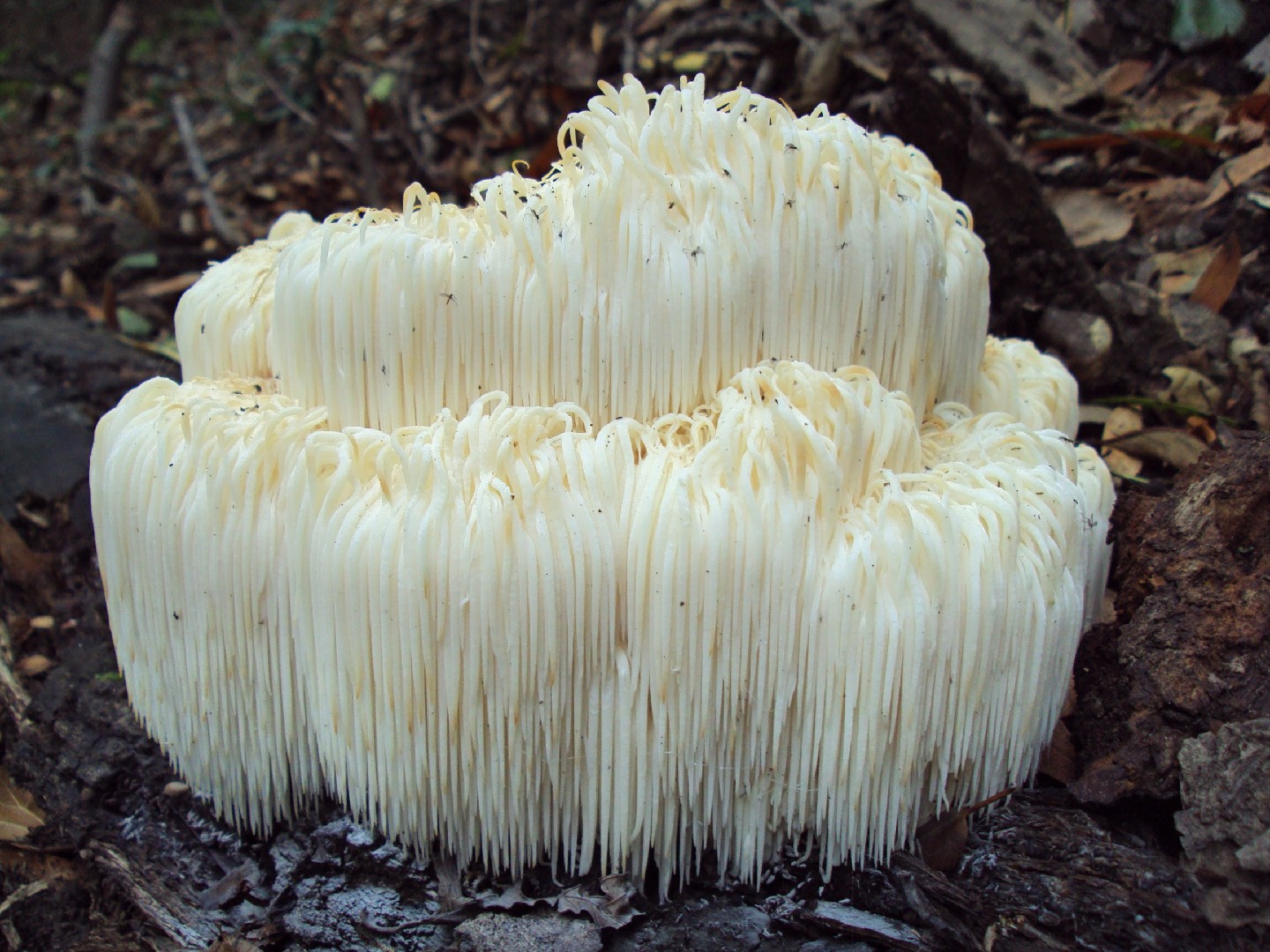
Bush beard lichen is a shrub-like lichen. It is called Bush beard lichen after its white and dangling heads that have the appearance of beards. It is incredibly small at only 4 cm tall and can be found on deadwood bark.
More







