




Top 20 Most Common Mushrooms in Albuquerque
Nestled in the arid, sun-soaked landscapes of the American Southwest, the city of Albuquerque is an underrated haven for mushroom enthusiasts. Peppered with a variant flora, Albuquerque boasts an astounding variety of the top 20 common mushrooms in the United States due to its unique climate and diverse ecological factors. Dive in with us as we explore the fungal wonders of this thriving city.

Most Common Mushrooms
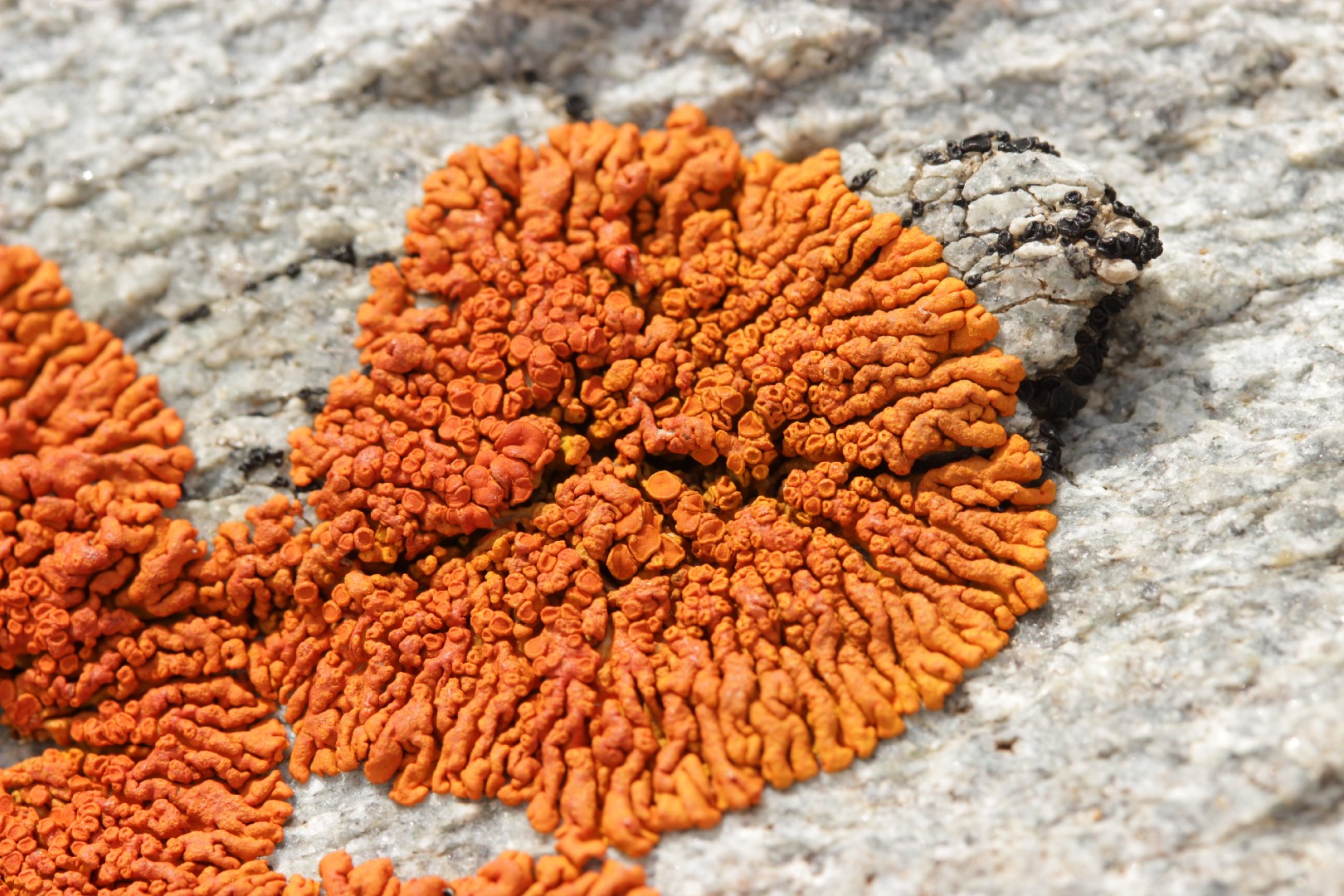
1. Elegant sunburst lichen
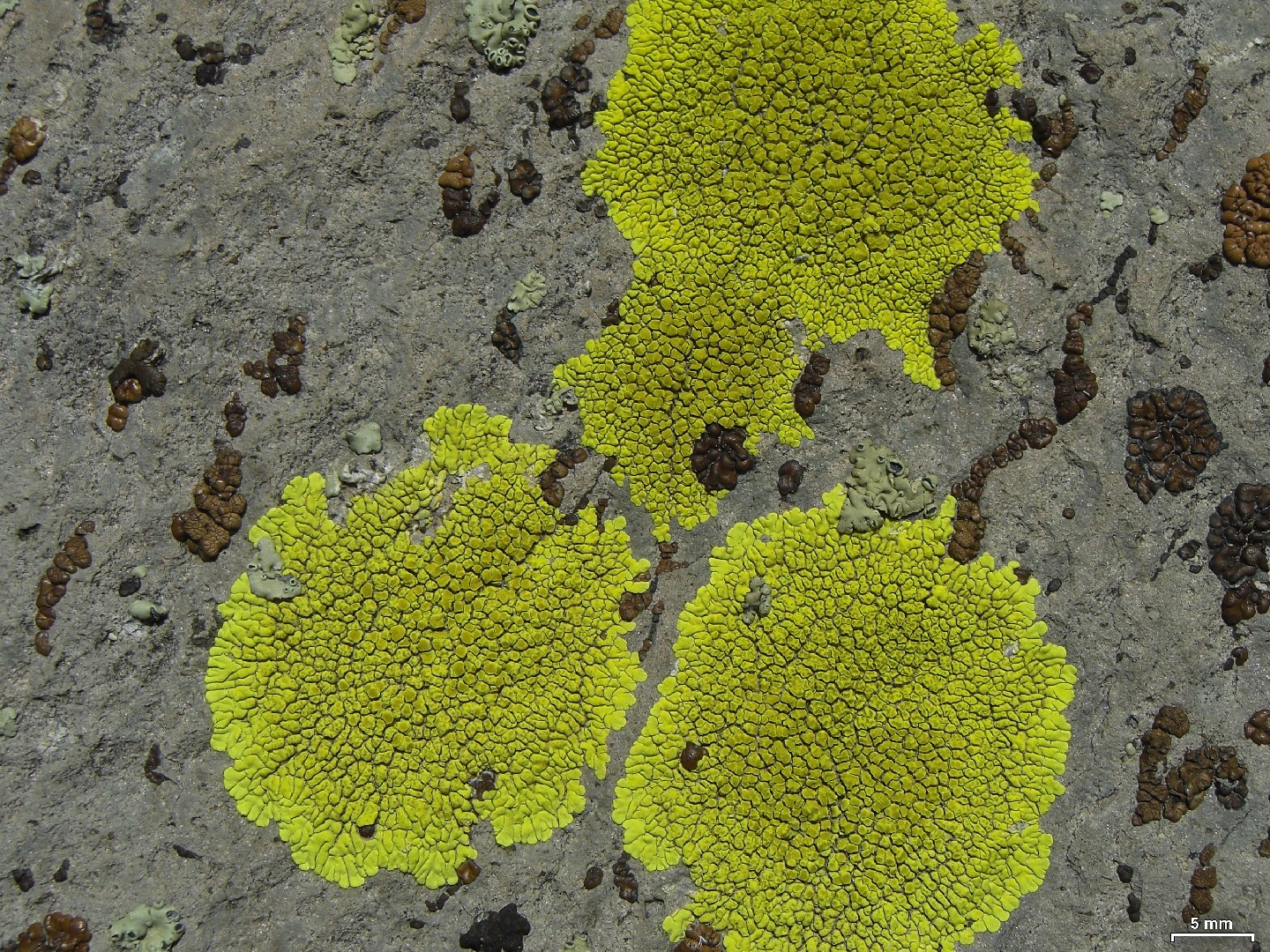
The thallus of this lichen is described as foliose, having the aspect of leaves, although the central portions of the thallus may appear nearly crustose. It is small, typically less than 5 cm (2 in) wide, with lobes less than 2 mm (0.08 in) broad, appressed to loosely appressed. The upper surface is some shade of orange while the lower surface is white, corticate, with short, sparse hapters (an attachment structure produced by some lichens). The vegetative propagules called soredia and isidia are absent, although apothecia are common. It has been described as possessing swollen, orange-yellow thalli (in streams), compact orange thalli (on boulders) or dark orange-red thalli on the driest rock faces. The variety X. elegans var. granulifera, characterized by having isidia-like vegetative propagules, has been reported from Greenland and Spitsbergen. 
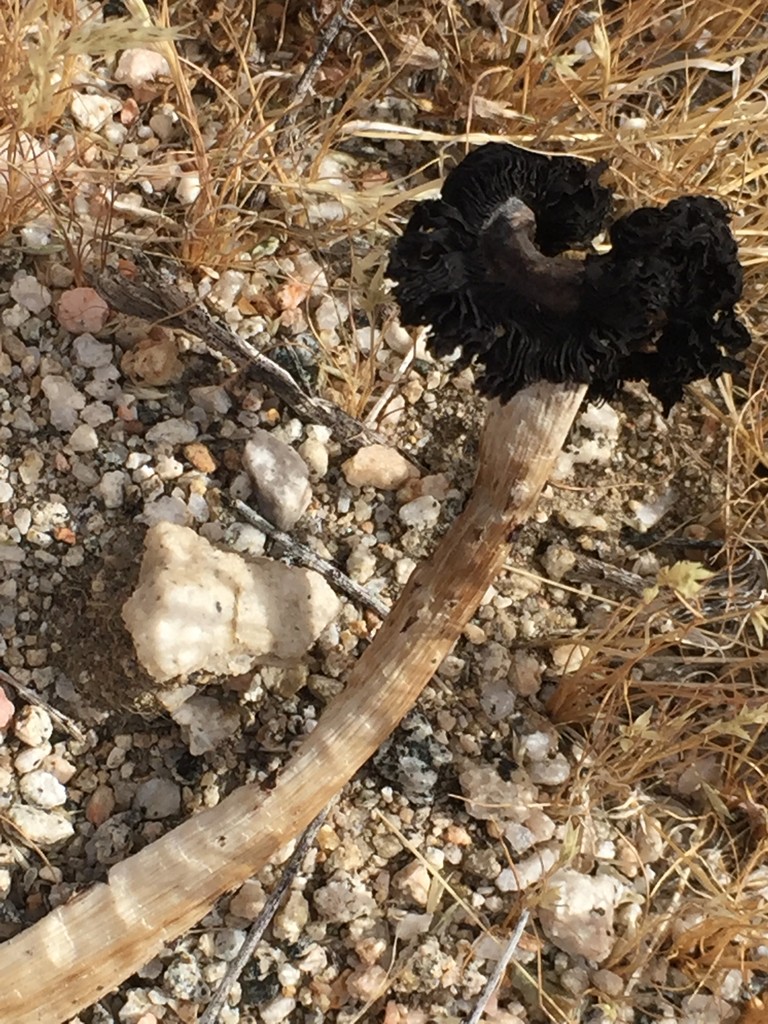
2. Montagnea arenaria
The cap of montagnea arenaria (Montagnea arenaria) has tough skin that acts as a shield to protect its dark spores until they are mature. Although the cap is rigid, it is commonly found looking tattered and weather-worn, almost fringe-like. Unlike many other mushrooms, they thrive in arid areas and are seen in deserts and other places with very little rainfall.
3. Common antler lichen
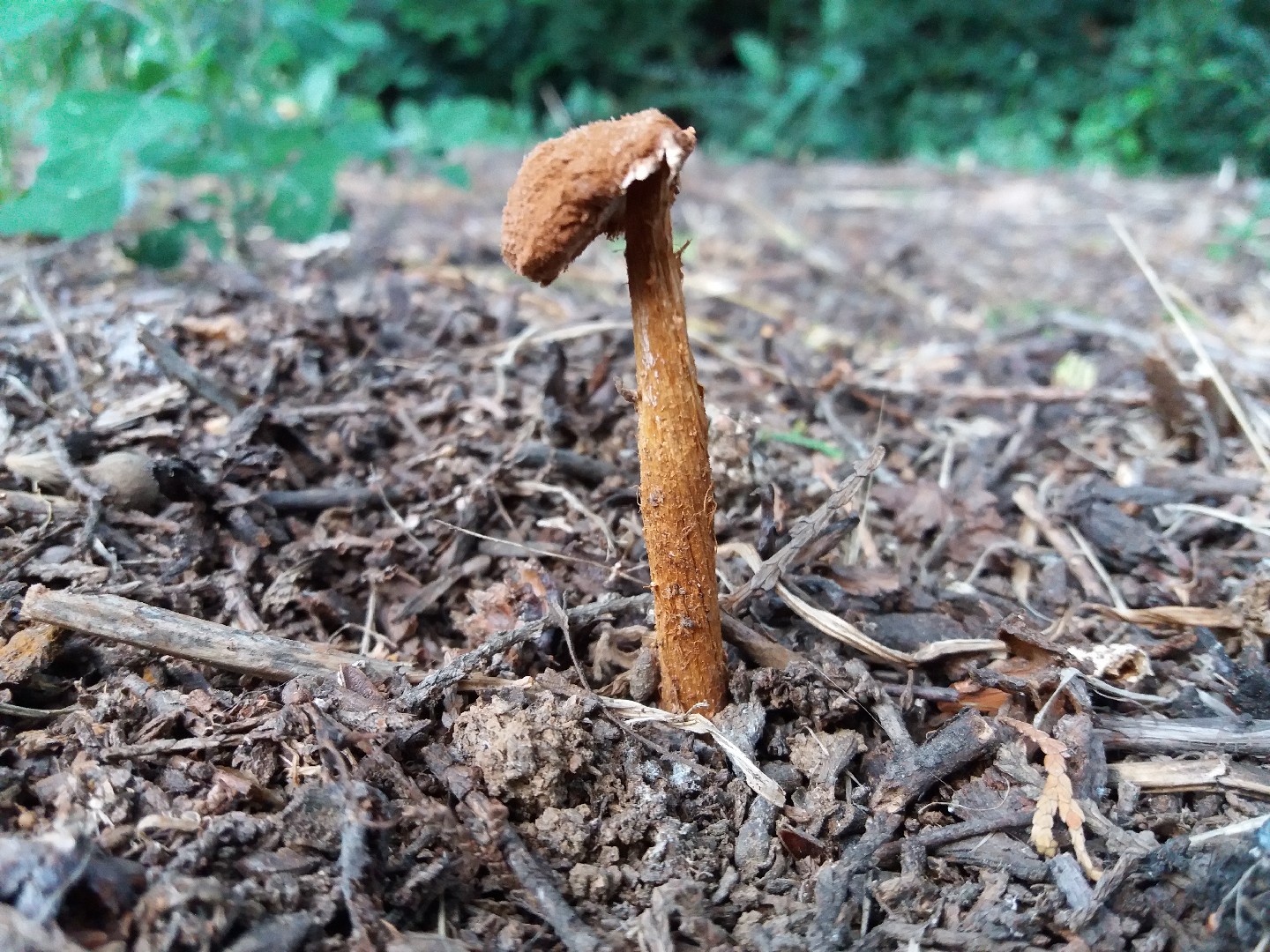
4. Sandy stiltball
Sandy stiltball(Battarrea phalloides) is an unusually tall species of puffball, a family of mushrooms that do not usually have noticeable stalks. Due to declining numbers in the wild, is illegal to pick in certain countries (including Hungary and the United Kingdom). Its edibility remains unstudied, and consumption is not advised.
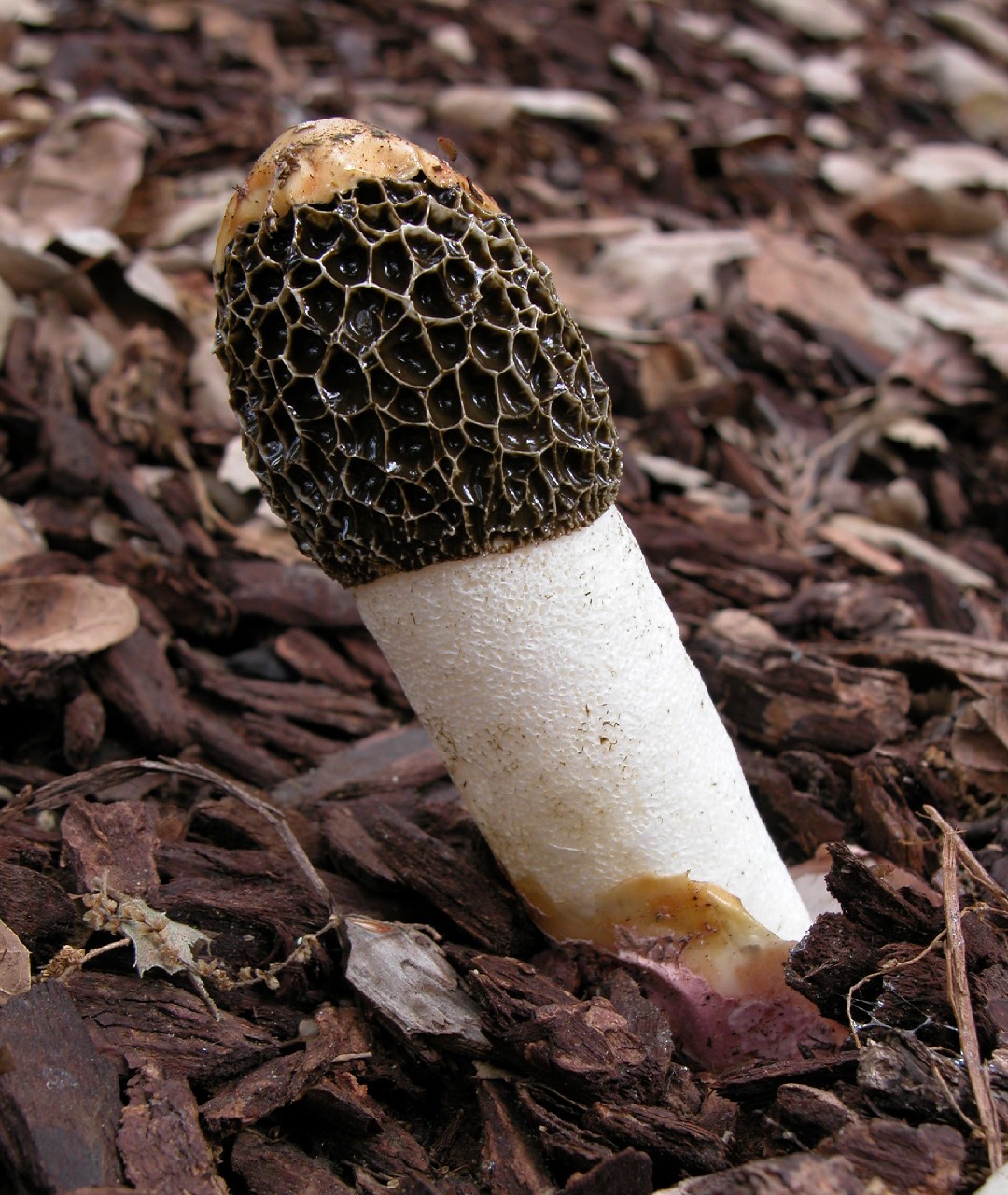
5. Dune stinkhorn
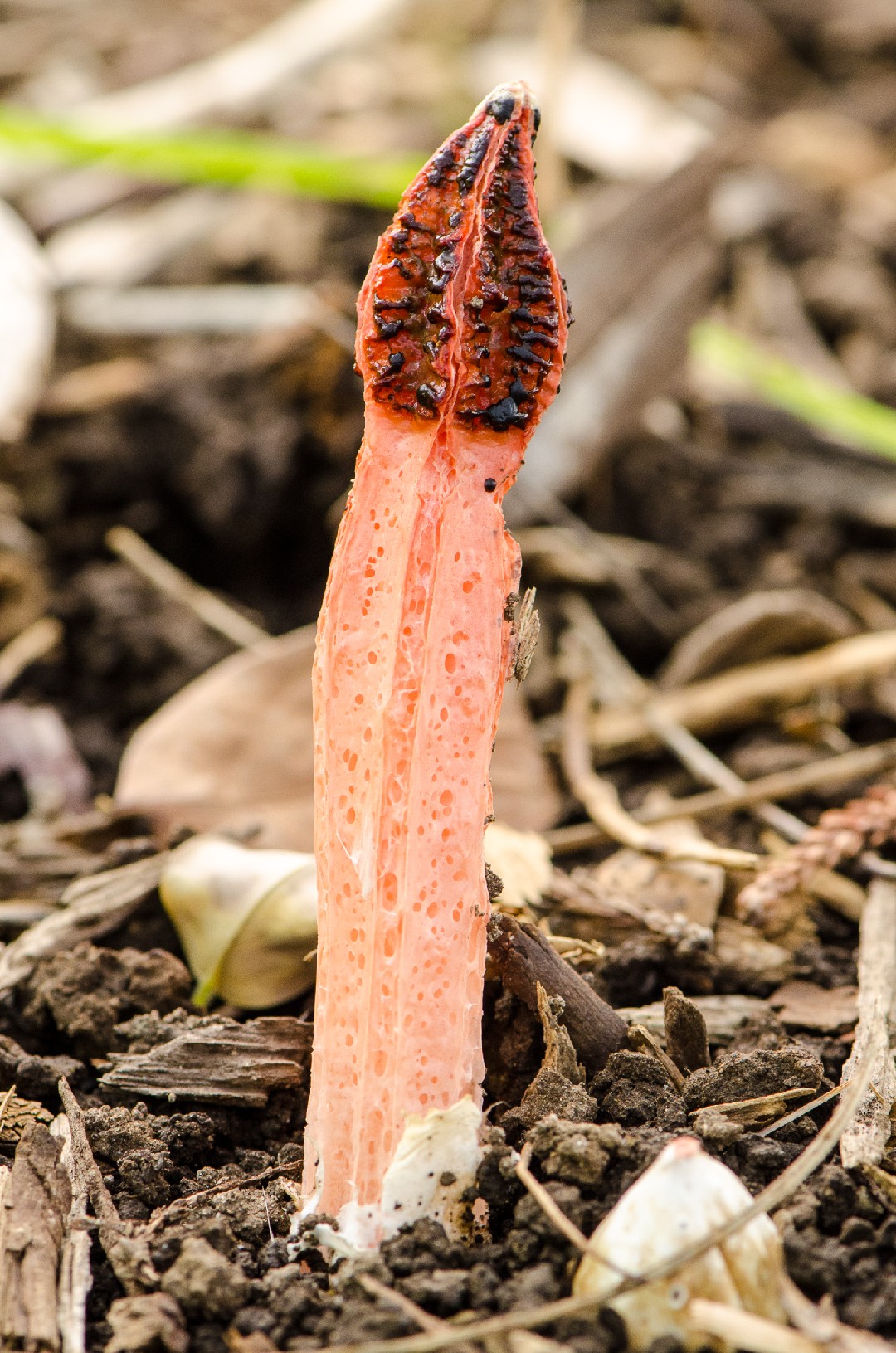
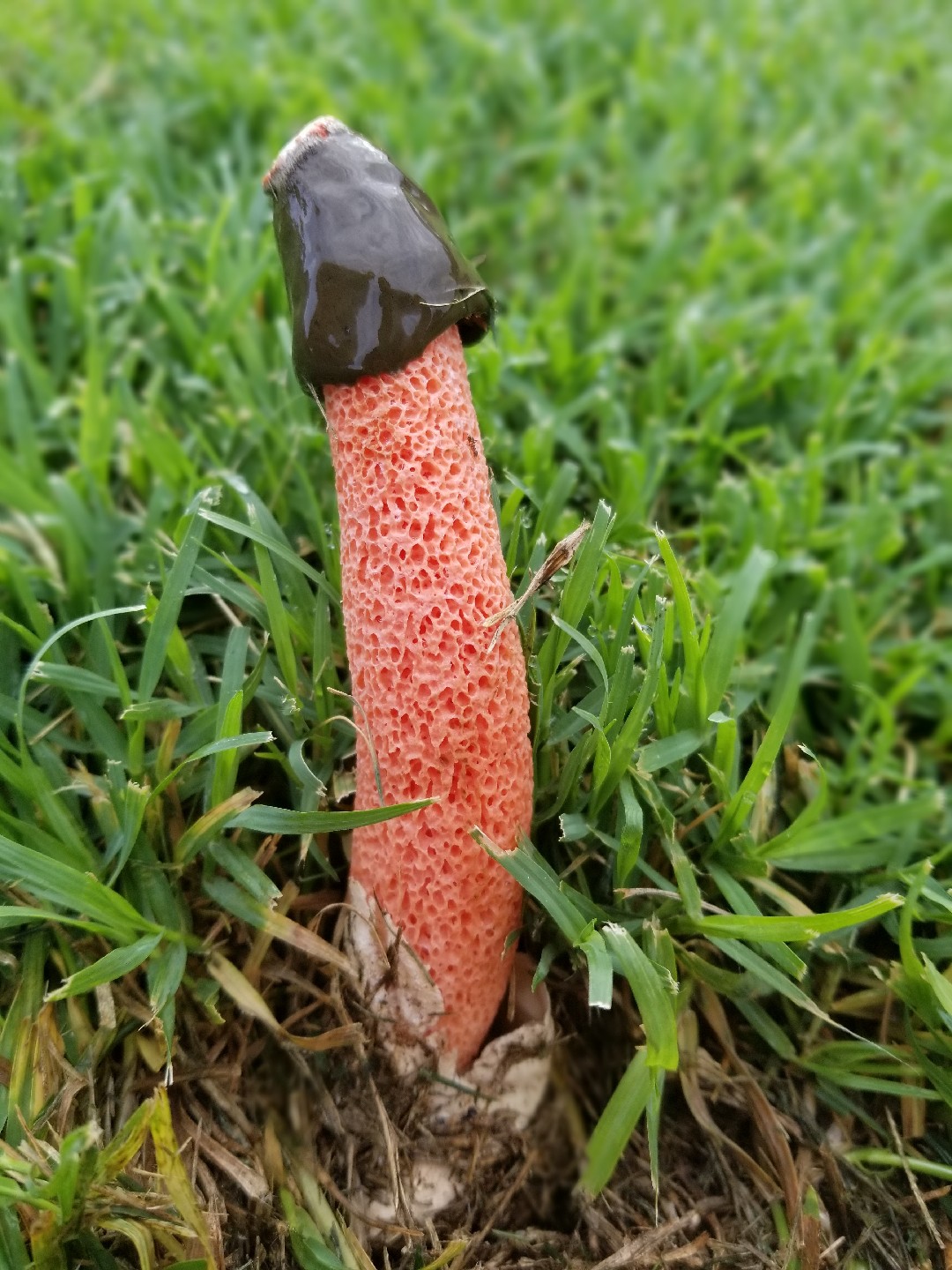
The dune stinkhorn (Phallus hadriani) is a distinctive species that, to novices, may bear a rough resemblance to the common morel. Although it favors sandy soils or dunes, can be found growing in all manner of disturbed habitats, from lawns to lots to gardens. The mushroom's stalk and cap sprout from a round, sheathed "egg." When mature, the dune stinkhorn has a long, thick stalk and a slimy, honeycombed cap.
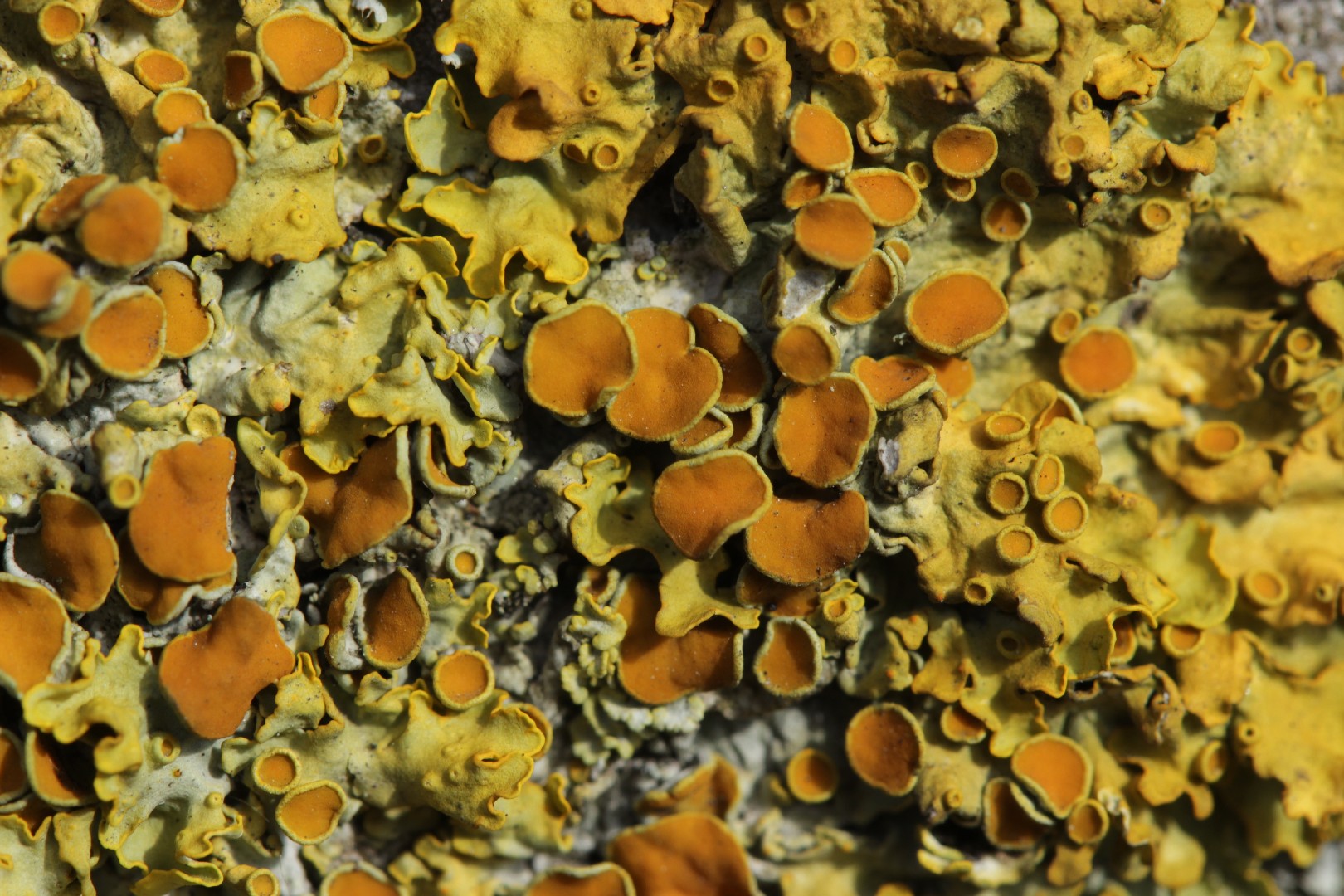
6. Common orange lichen
Common orange lichen was selected in 2006 by the United States Department of Energy as a model for genomic sequencing. Its widespread dispersal and bright yellow-orange color give the lichen its common name. It is primarily found growing on rocks, walls, and tree bark.
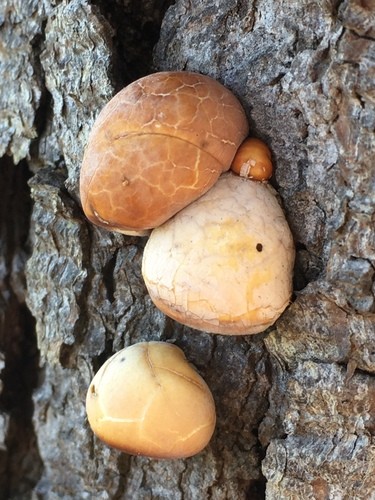
7. Veiled polypore
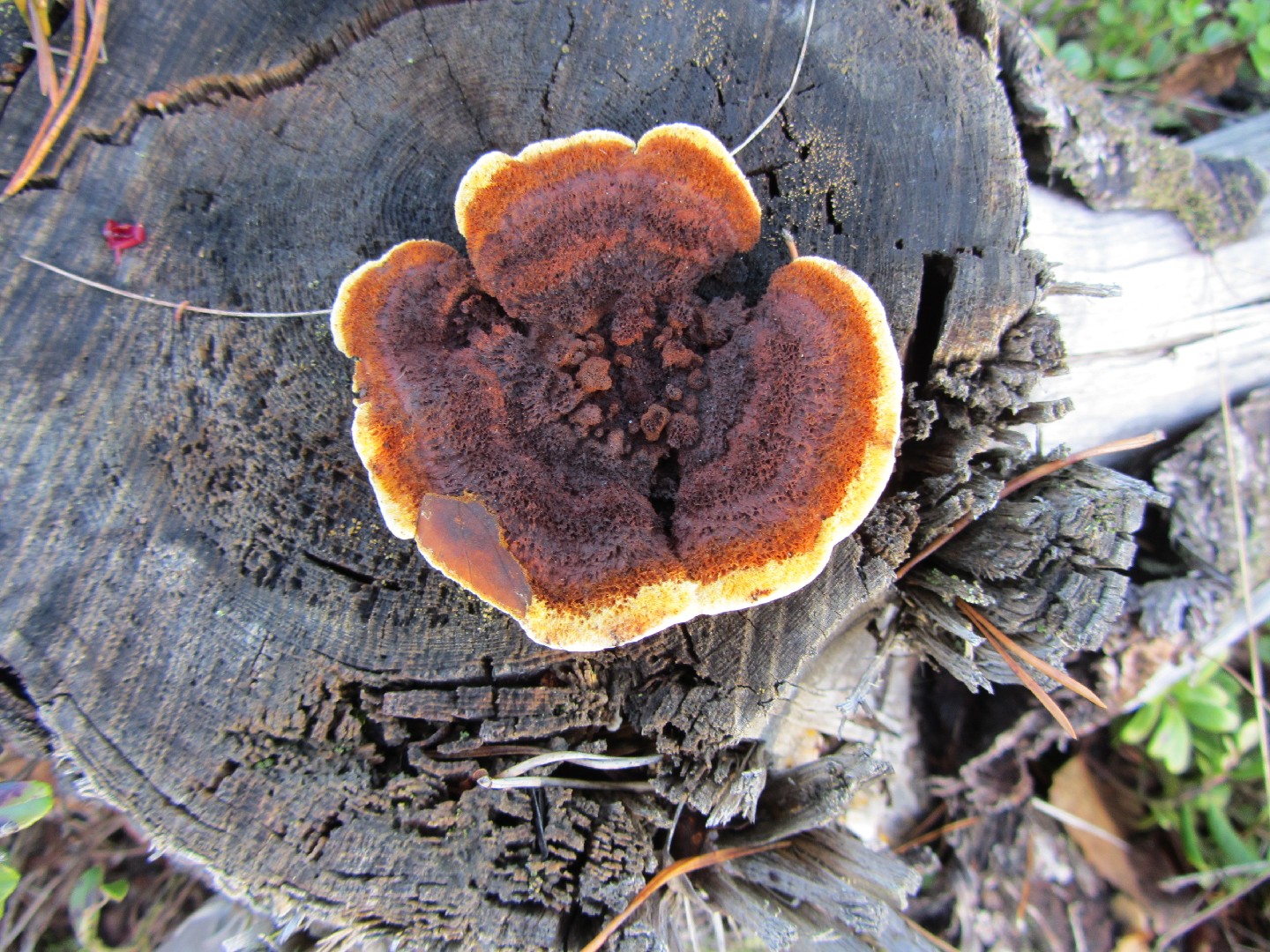
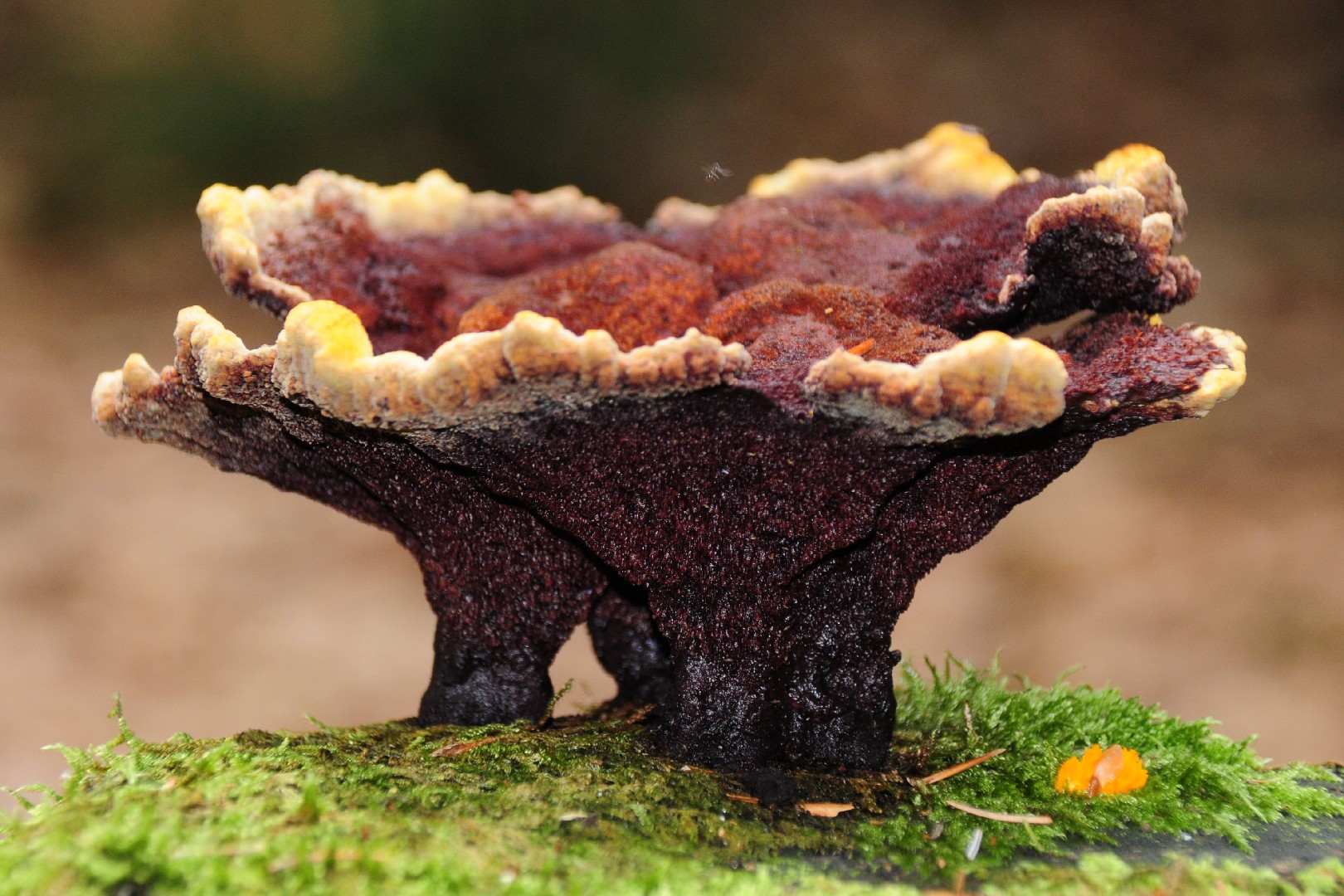
If you've ever gone on a walk through the woods where dead conifers are present, there's a good chance you've seen a veiled polypore. The fungus' name comes from the fact that it's pores are "veiled" by a rounded piece of tissue. Indeed, rather than growing in sheet-like formations like other polypores, the veiled polypore can be nearly spherical. These mushrooms are especially prevalent in pine stands that have been ravaged by fire or beetles.
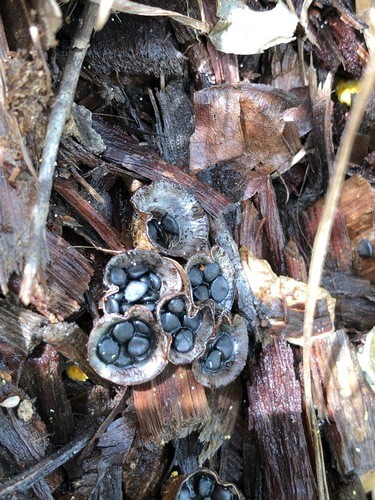
8. Splash-cup bird's-nest
As the name hints, the splash-cup bird's-nest (Cyathus stercoreus) thrives on piles of animal excrement or mulch and blooms in massive colonies of peculiarly-shaped caps. The cap curls up into a shape that resembles a nest, complete with growths within that resemble bird eggs. Each nest is tiny, only growing to 1 cm wide!
9. Aspen bracket
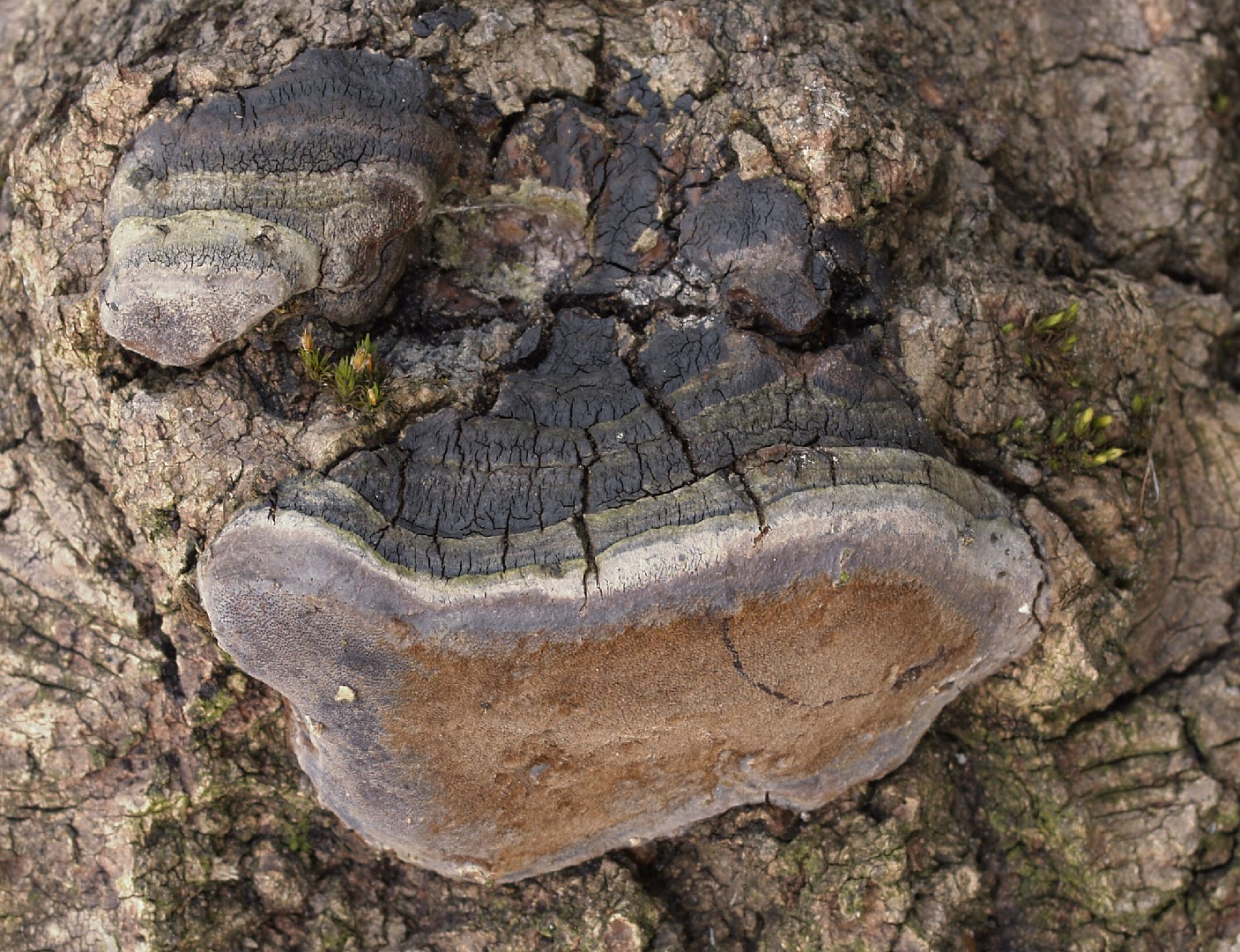
As hinted by its name, aspen bracket only grows on live aspen trees, causing trunk rot. Despite its negative reputation with aspen trees, this mushroom serves as nesting sites for some birds. The fruiting bodies of aspen bracket add on a new layer each growing season and can persist for several years.
10. Orange jelly
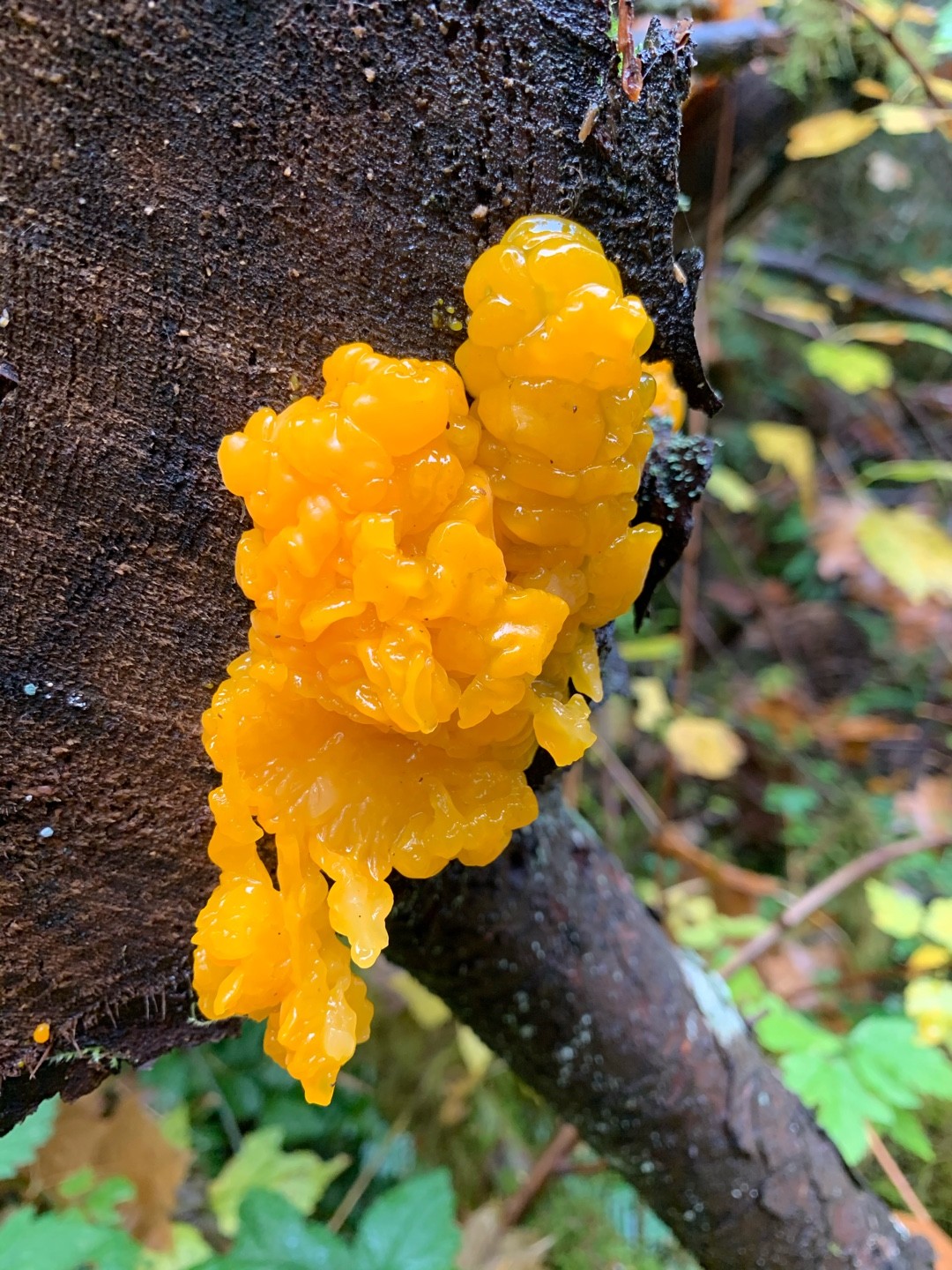
This offensive-looking slimy body of the orange jelly (Dacrymyces chrysospermus) erupts from fissures in tree bark in the forest. The point in which the caps attach to the host plant is brilliant white, creating a stark contrast from the bright yellow, brain-shaped cap. The most common place to find this mushroom is in decaying conifer wood.
More







