




Top 10 Most Common Mushrooms in Great Falls
Welcome to the mystic lands of Great Falls, home to a biodiversity hotspot with an impressive spectrum of the top 10 most common mushrooms in the United States. An emblem of nature's bounty, Great Falls is a mycologist’s dream, brimming with fungi species that beautifully intersperse with the earthy tones of its flora and fauna. Discover the enthralling world of these fascinating fungi that embrace the city's rich, fertile landscapes in their unique, captivating ways.

Most Common Mushrooms
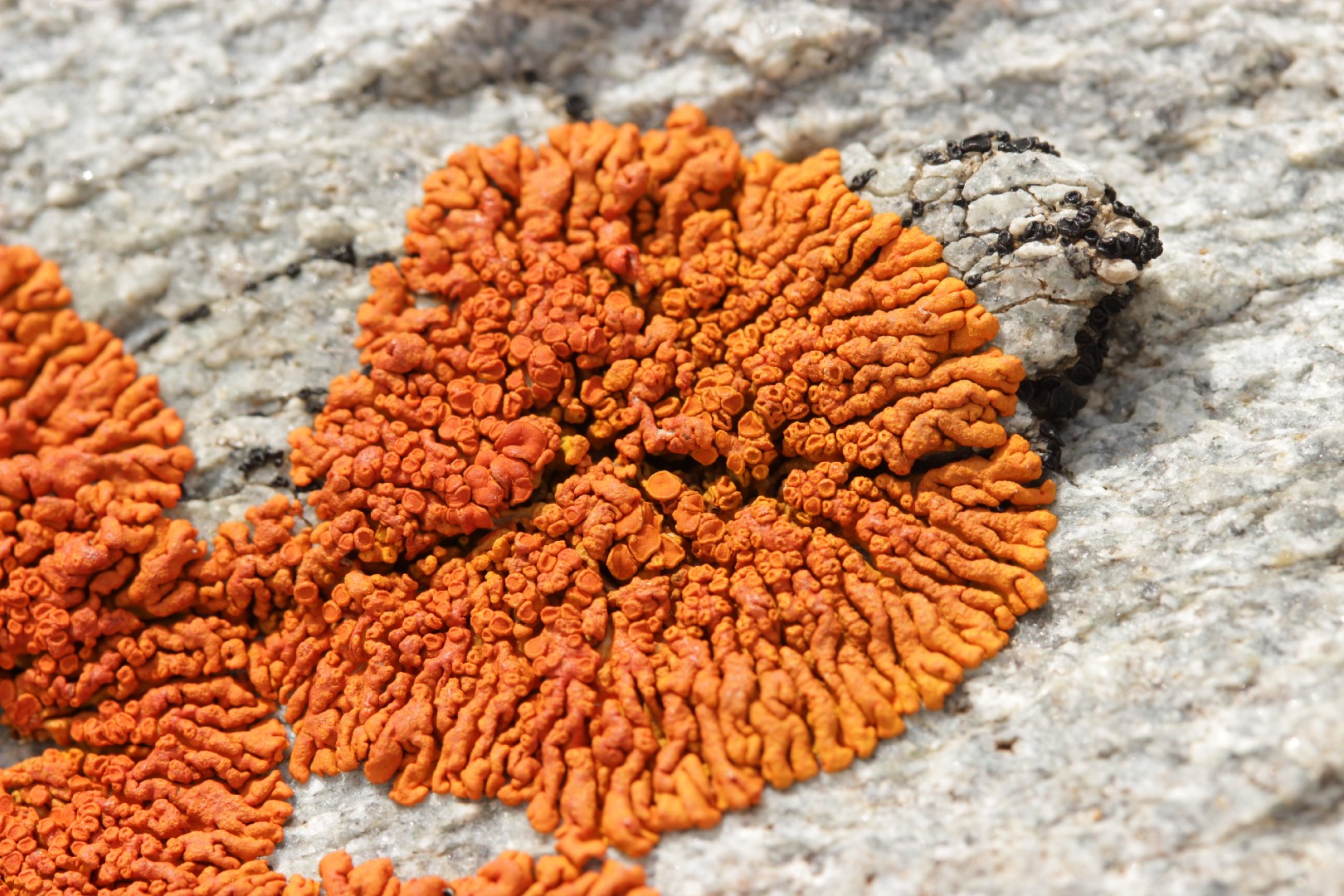
1. Elegant sunburst lichen
The thallus of this lichen is described as foliose, having the aspect of leaves, although the central portions of the thallus may appear nearly crustose. It is small, typically less than 5 cm (2 in) wide, with lobes less than 2 mm (0.08 in) broad, appressed to loosely appressed. The upper surface is some shade of orange while the lower surface is white, corticate, with short, sparse hapters (an attachment structure produced by some lichens). The vegetative propagules called soredia and isidia are absent, although apothecia are common. It has been described as possessing swollen, orange-yellow thalli (in streams), compact orange thalli (on boulders) or dark orange-red thalli on the driest rock faces. The variety X. elegans var. granulifera, characterized by having isidia-like vegetative propagules, has been reported from Greenland and Spitsbergen. 
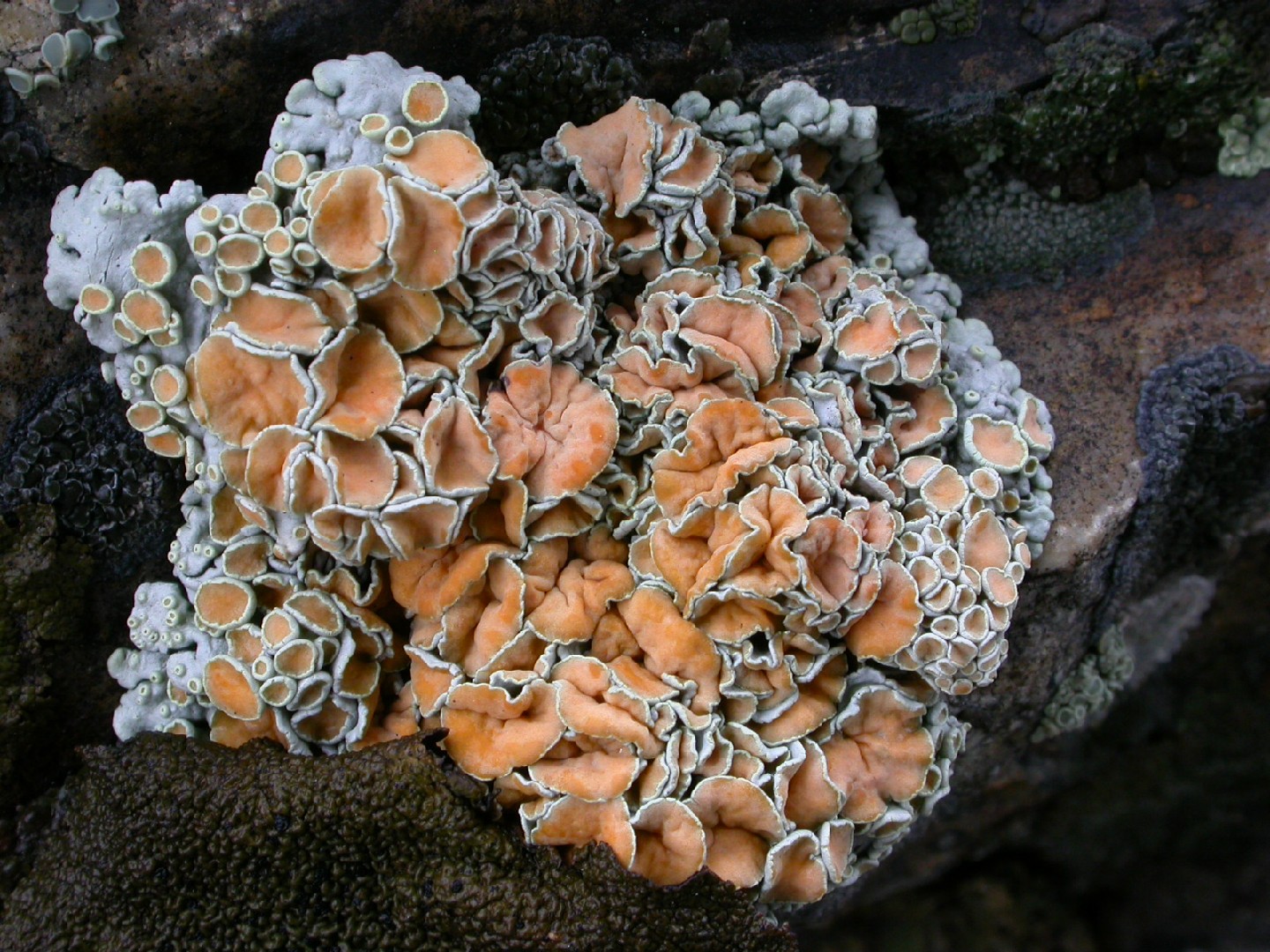
2. Rock-posy lichen
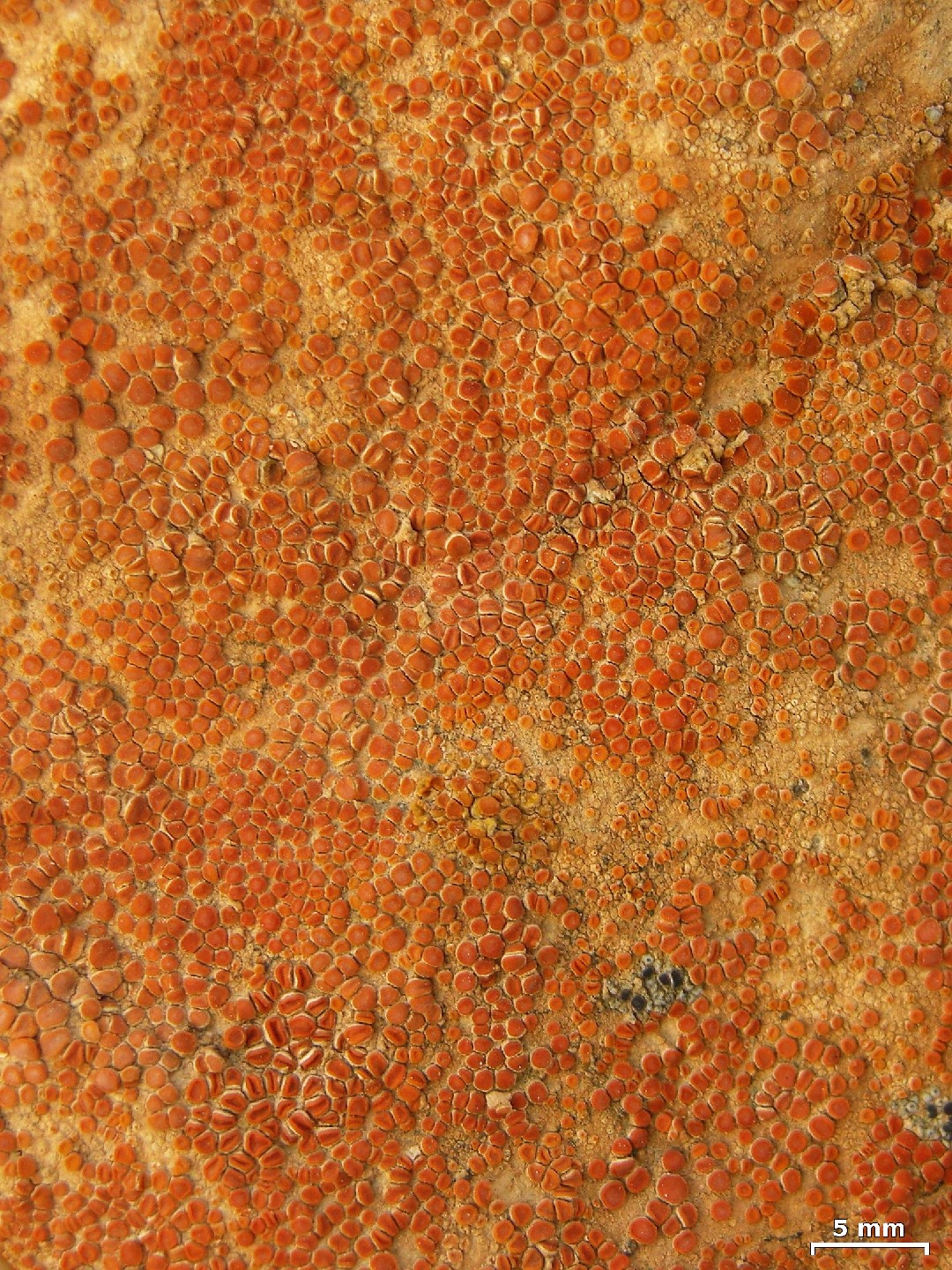
3. Red firedot lichen
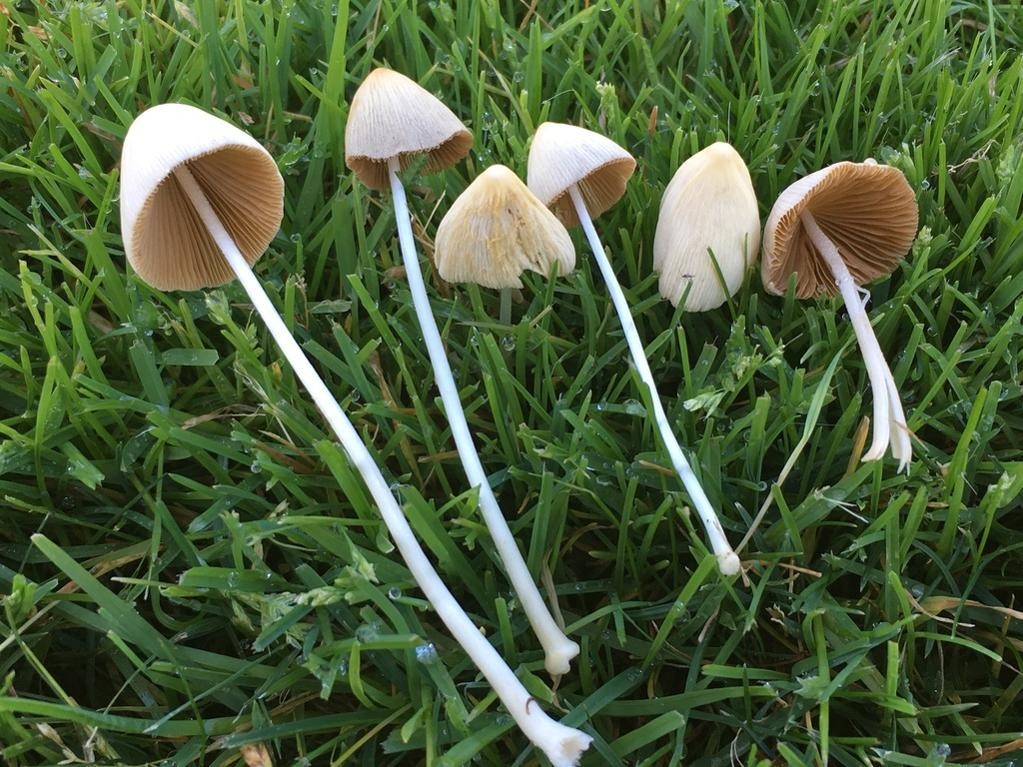
4. Milky conecap
A delicate little fairy-tale-looking mushroom, the milky conecap shows up in moist woodlands, fields, and lawns. The species' common name refers to its deep and pointed cap, which looks much like a garden gnome's hat. While the species is not known to be toxic, it is too small and delicate to bother with for culinary purposes.
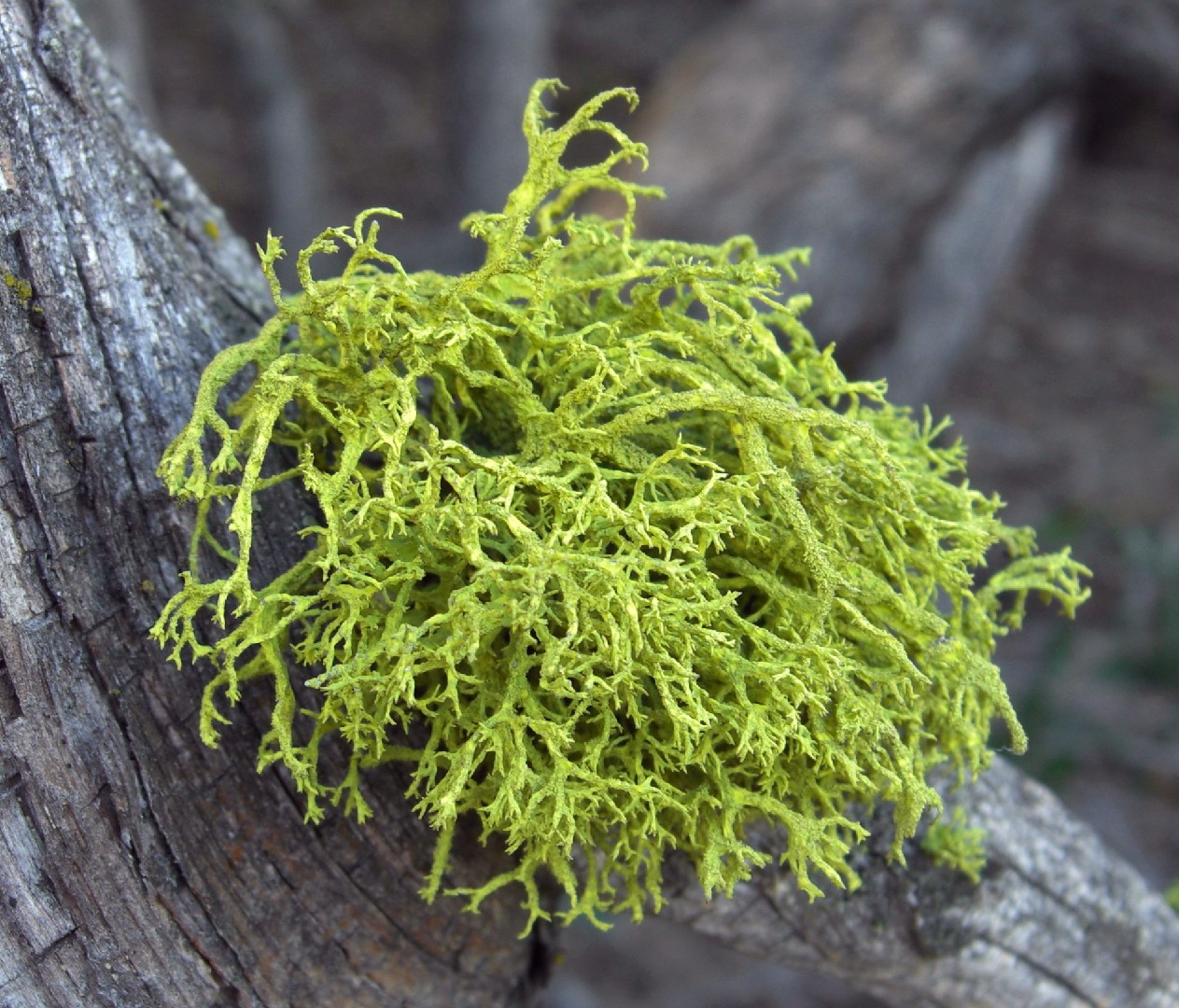
5. Wolf lichen
The thallus, or vegetative body, has a fructicose shape — that is, shrubby and densely branched — and a bright yellow to yellow-green, or chartreuse color, although the color will fade in drier specimens. Its dimensions are typically 2 to 7 cm (0.8 to 3 in) in diameter. The vegetative reproductive structures soredia and isidia are present on the surface of the thalli, often abundantly.
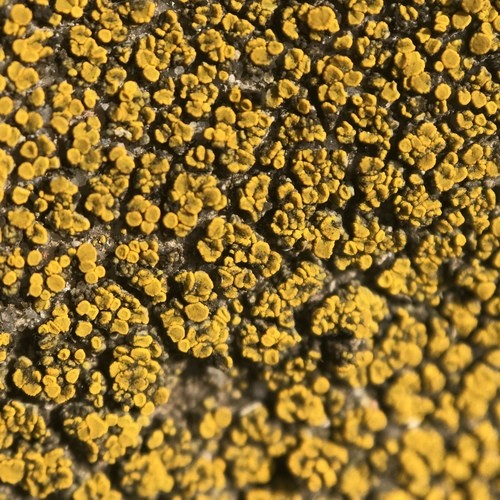
6. Hidden goldspeck lichen
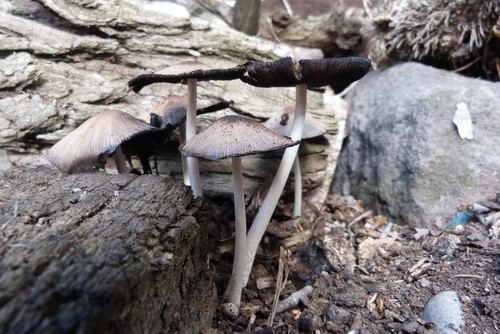
7. Mica cap
The bell-shaped mica cap mushrooms grow in clusters on wood debris and stumps, from spring to autumn. The caps appear wet and inky once they mature and begin to release spores. At that point, they can be boiled with cloves to create a useful black ink.
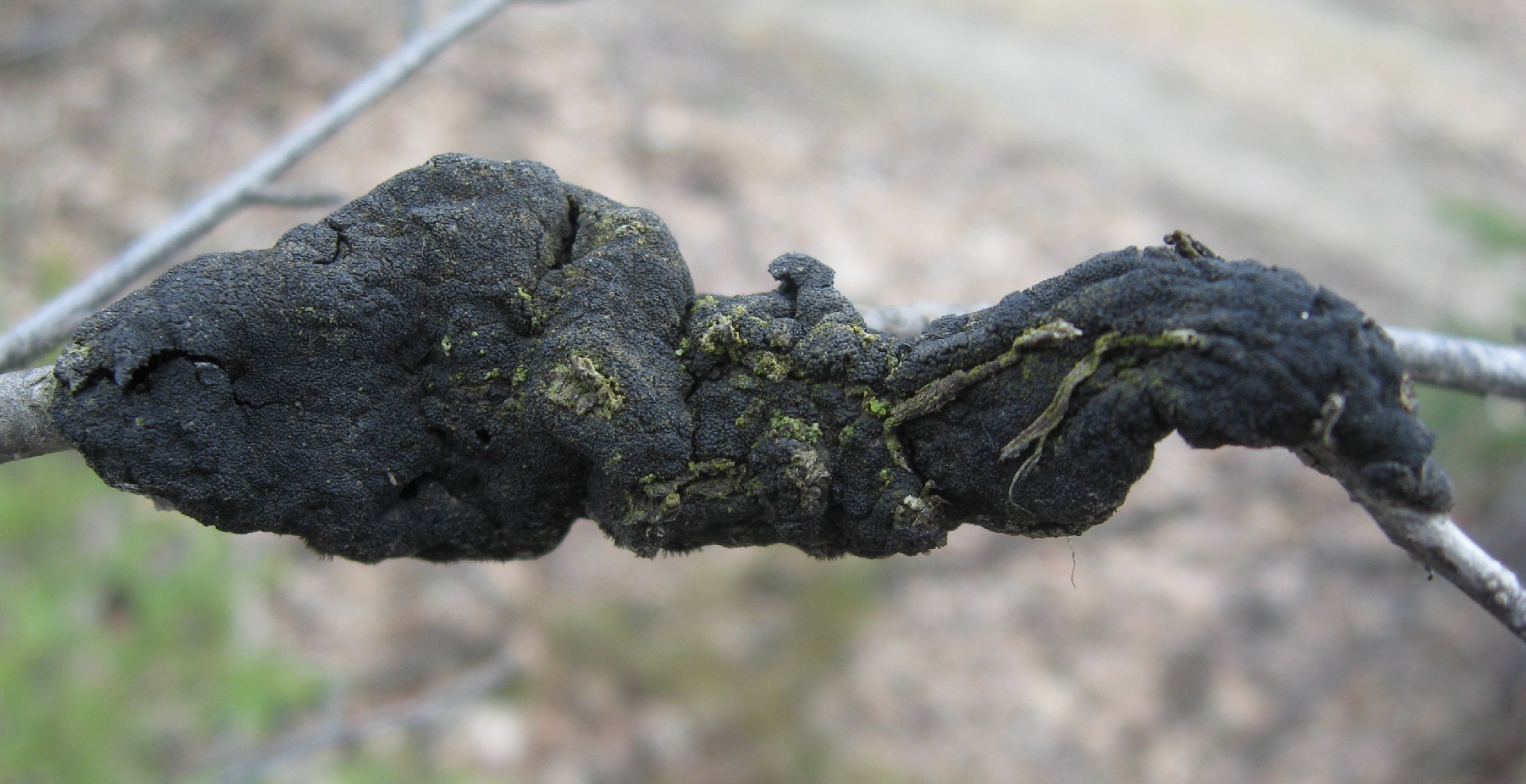
8. Black knot
The appearance of black knot (Apiosporina morbosa) is commonly found on various fruit-bearing trees and looks more like abnormally growing bark than it does a fungus. In youth, this bulbous growth is a lighter green but rapidly turns to dark brown and black. Black knot can kill trees and is not easily controllable using fungicides.
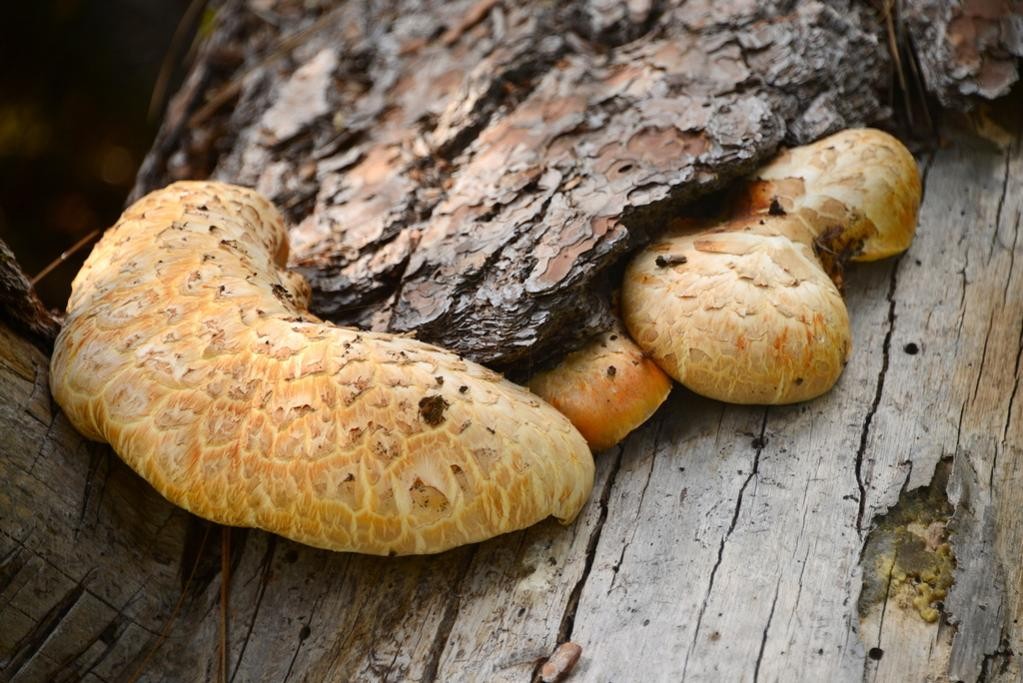
9. Giant sawgill
The impressively large caps of the giant sawgill (Neolentinus ponderosus) can spread up 30 cm across and encompass entire decaying stumps and logs. Unlike other mushrooms, the giant sawgill thrives in the hotter, drier months. Look for them near Ponderosa Pines.
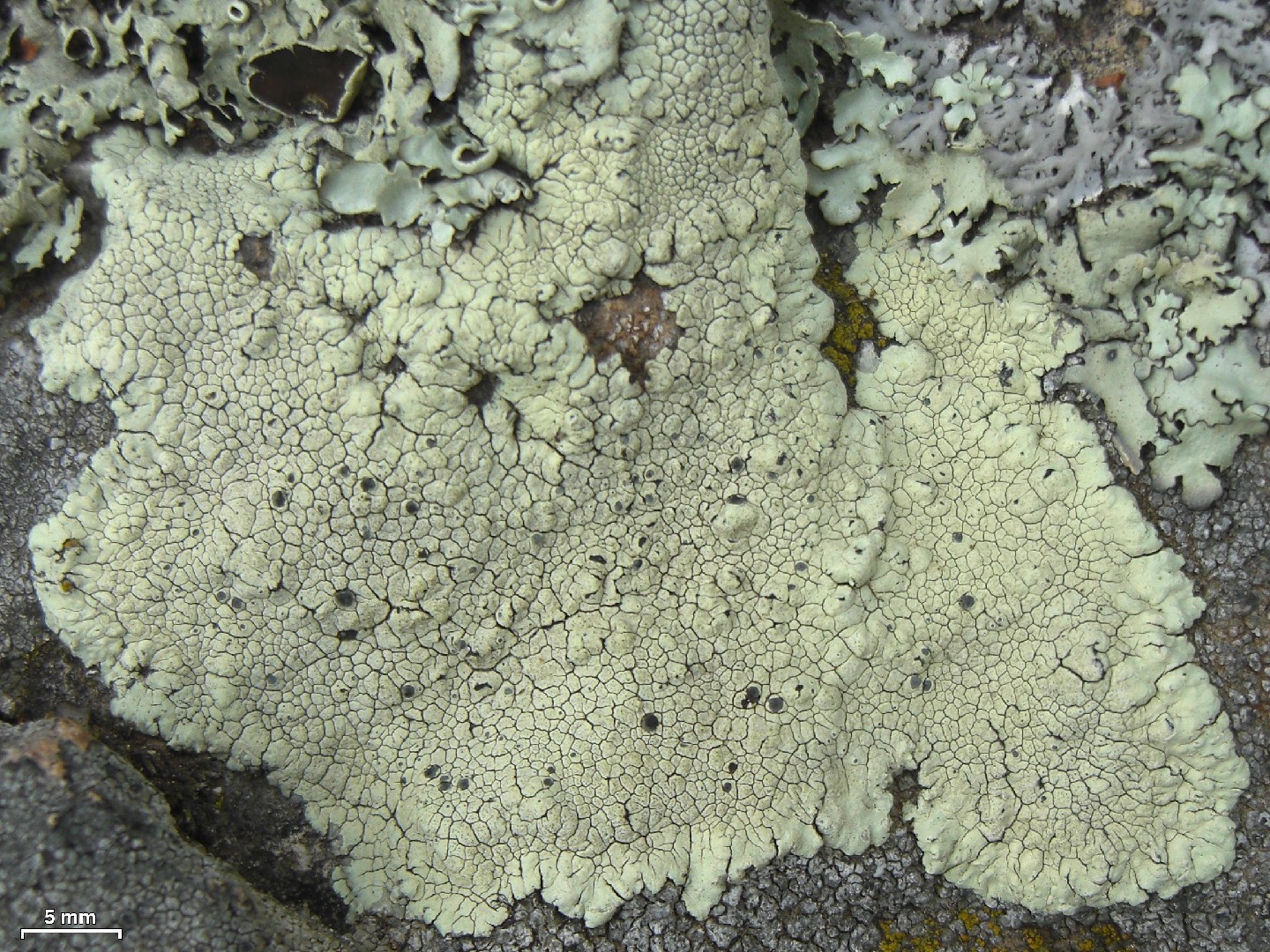
10. Golden moonglow lichen







