




Top 20 Most Common Mushrooms in Bay St. Louis
Welcome to our guide on the top 20 most prevalent mushrooms found in the delightful Bay St. Louis. Known for its fertile soil, temperate climate, and lush vegetation, this city offers an incredible diversity of fungi species. Whether you're a novice forager or a seasoned mycologist, Bay St. Louis won't disappoint, promising an abundance of rich, diverse, and fascinating mushroom species to discover.

Most Common Mushrooms
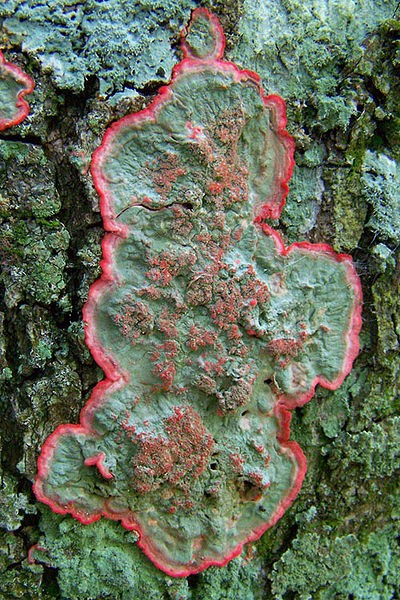
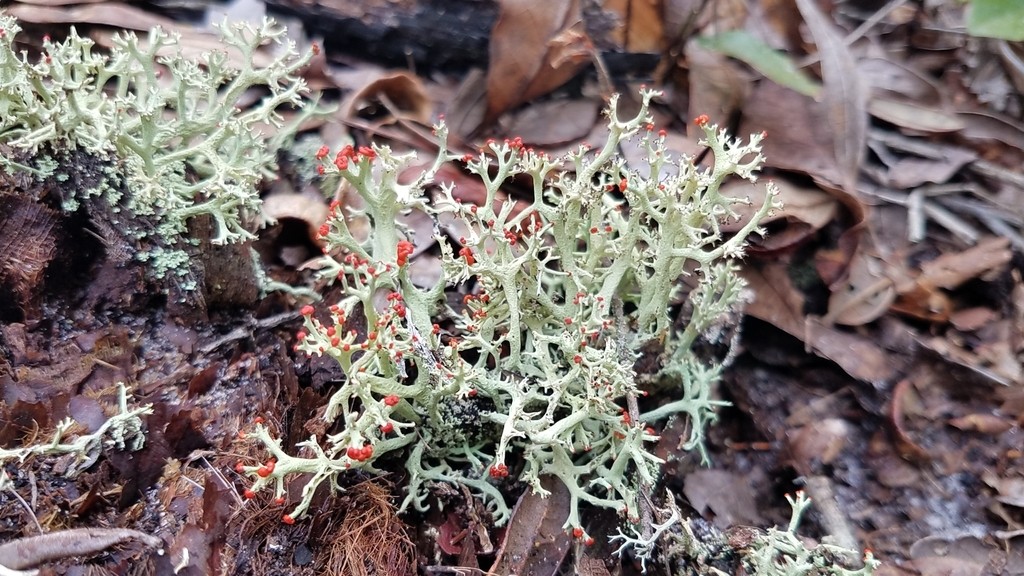
1. Christmas lichen
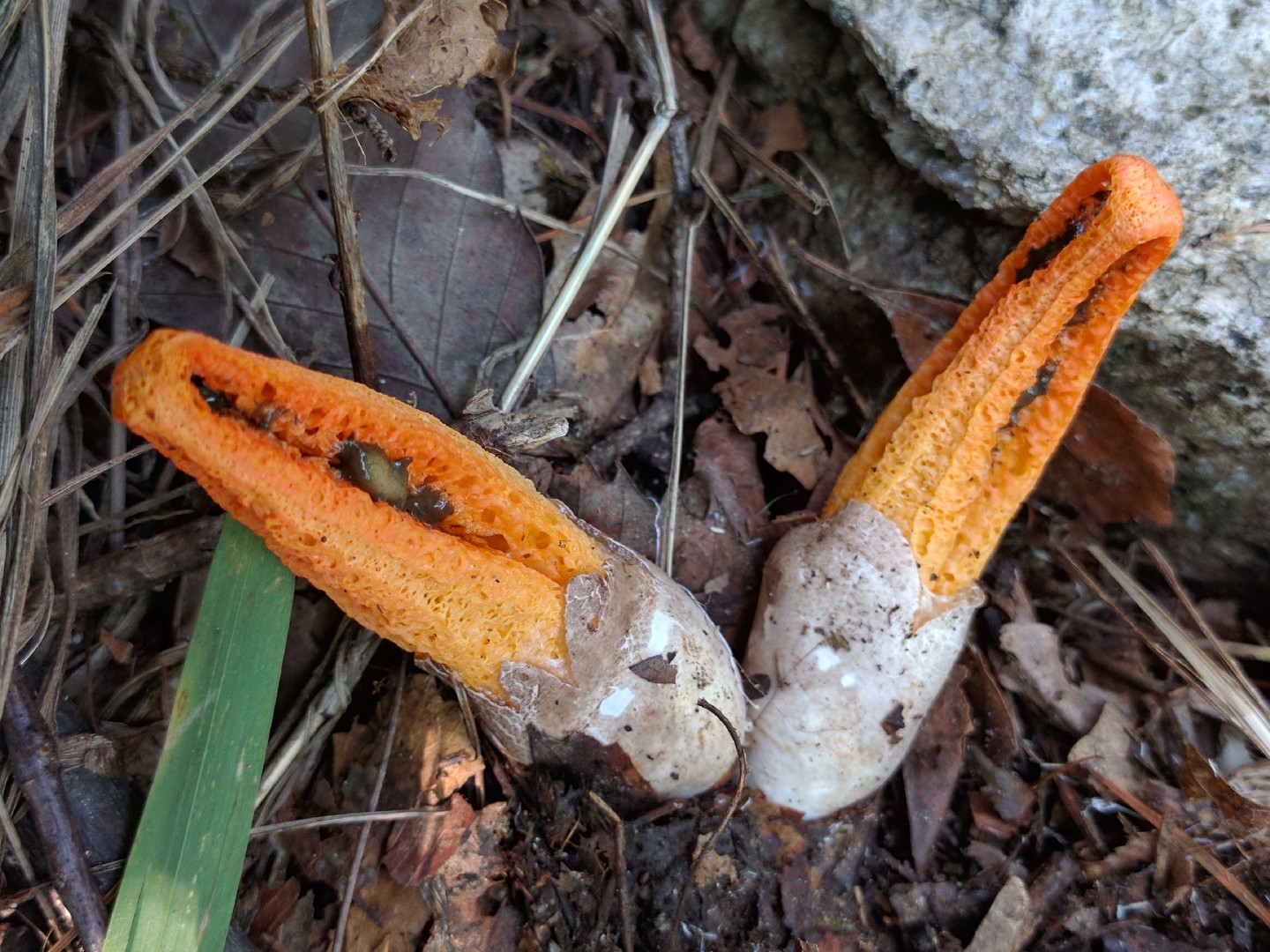
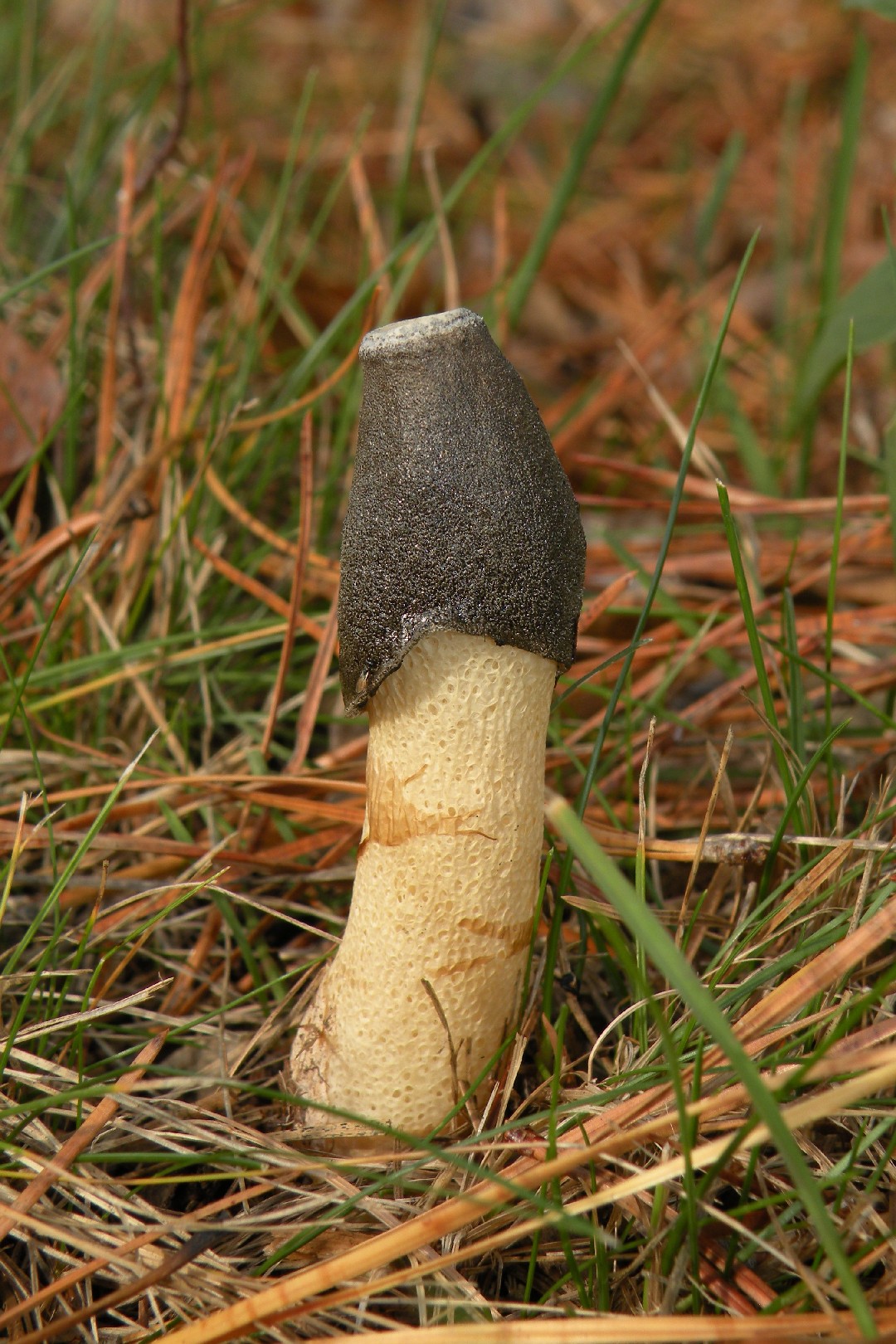
2. Column stinkhorn
The slime of the column stinkhorn emits an extremely foul odour, but many insects, particularly flies, find this slime very attractive. Attracting flies is the fungus' method for spreading its spores. This warm climate fungus has been introduced to North America, probably together with exotic plants.
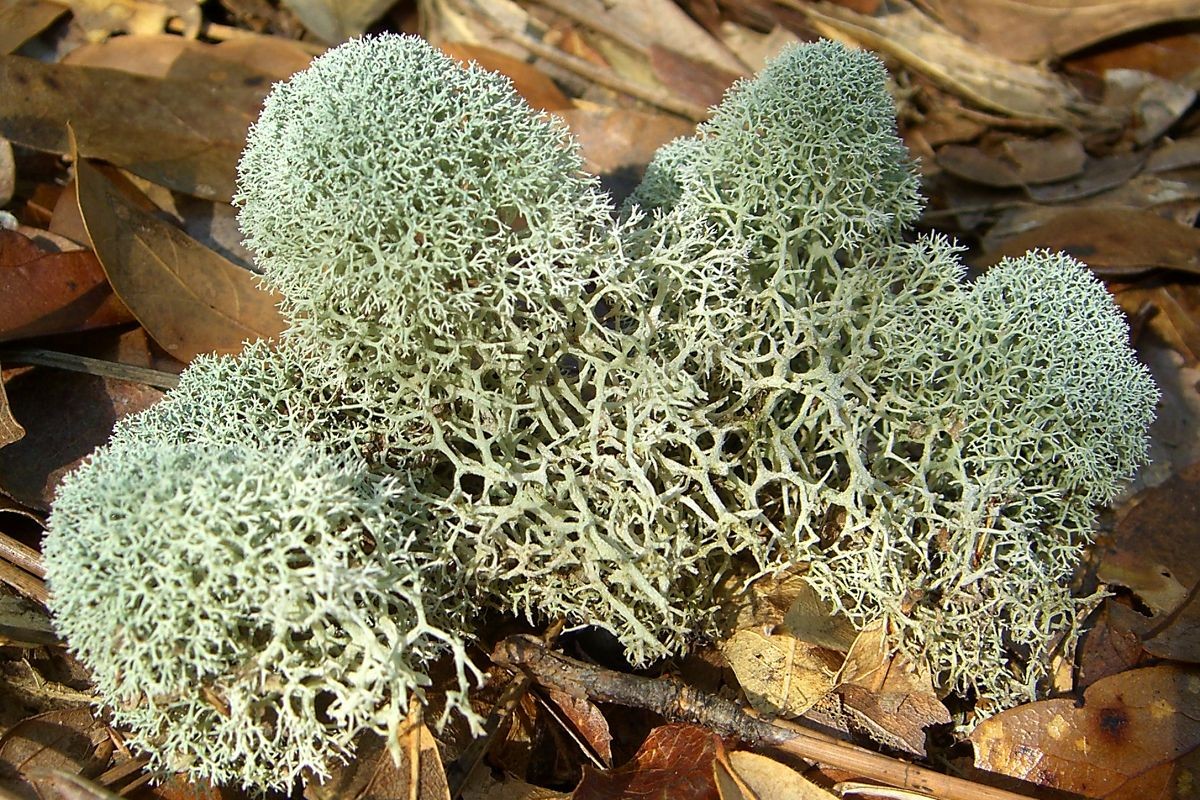
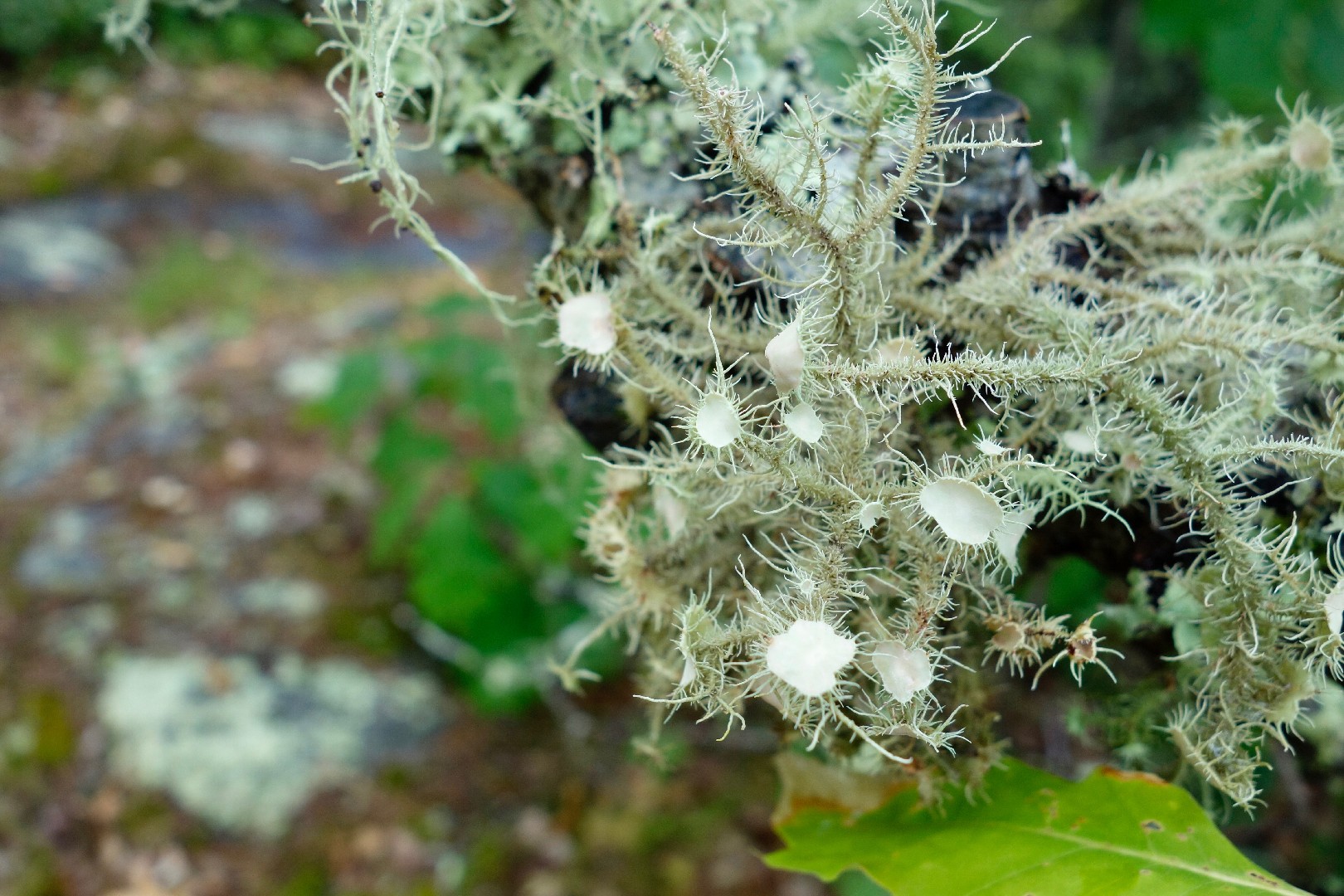
3. Powder-puff lichen
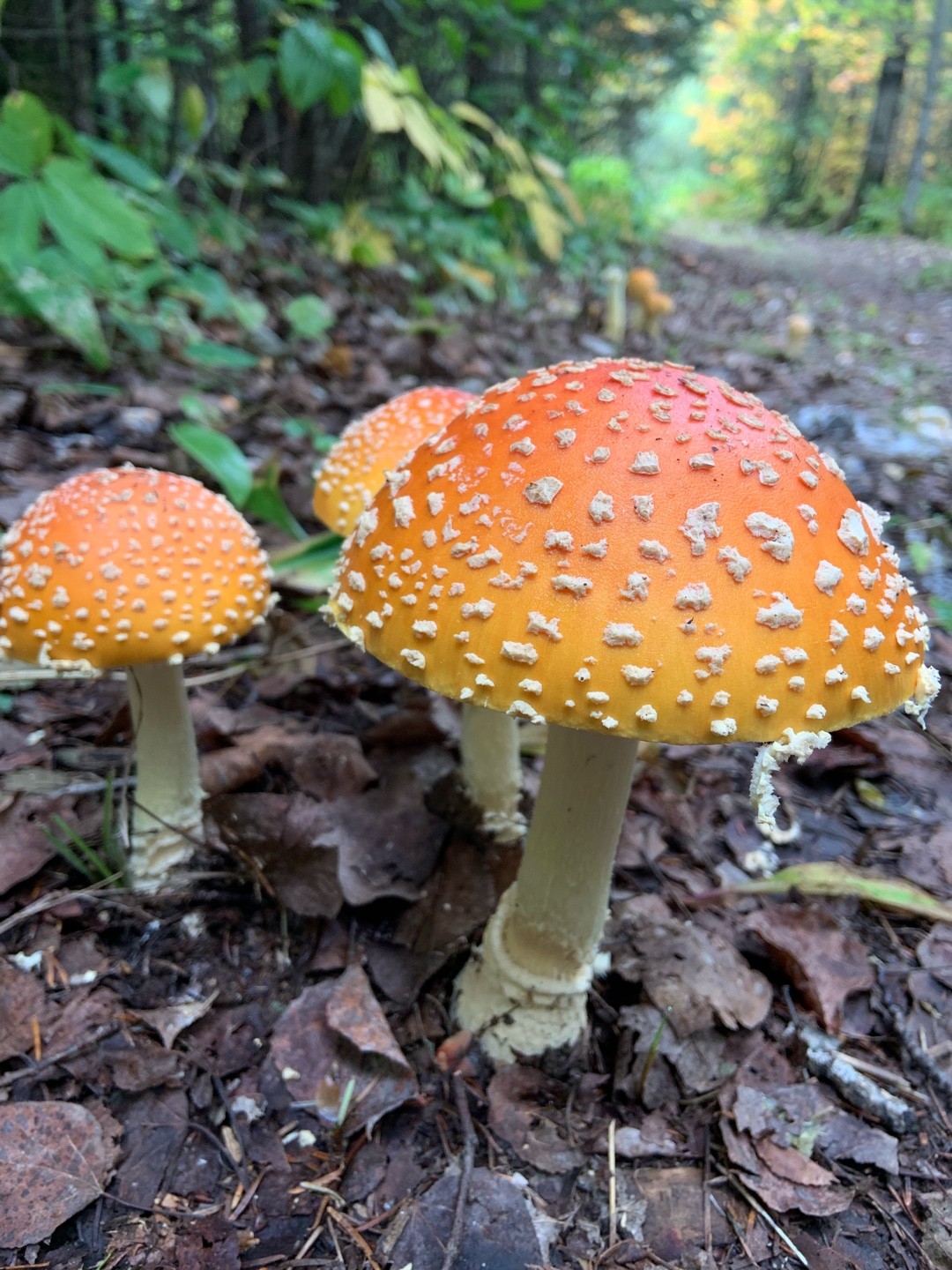
4. Peach-colored fly agaric
If you're looking for peach-colored fly agaric (Amanita persicina), start by hunting around in the leaf litter of hemlock, pine, and oak trees on the eastern coast of North America. Their rotund cap can commonly be overlooked, but well worth seeking out just to view the freckles and color. This species is poisonous, so take nothing but a photograph.
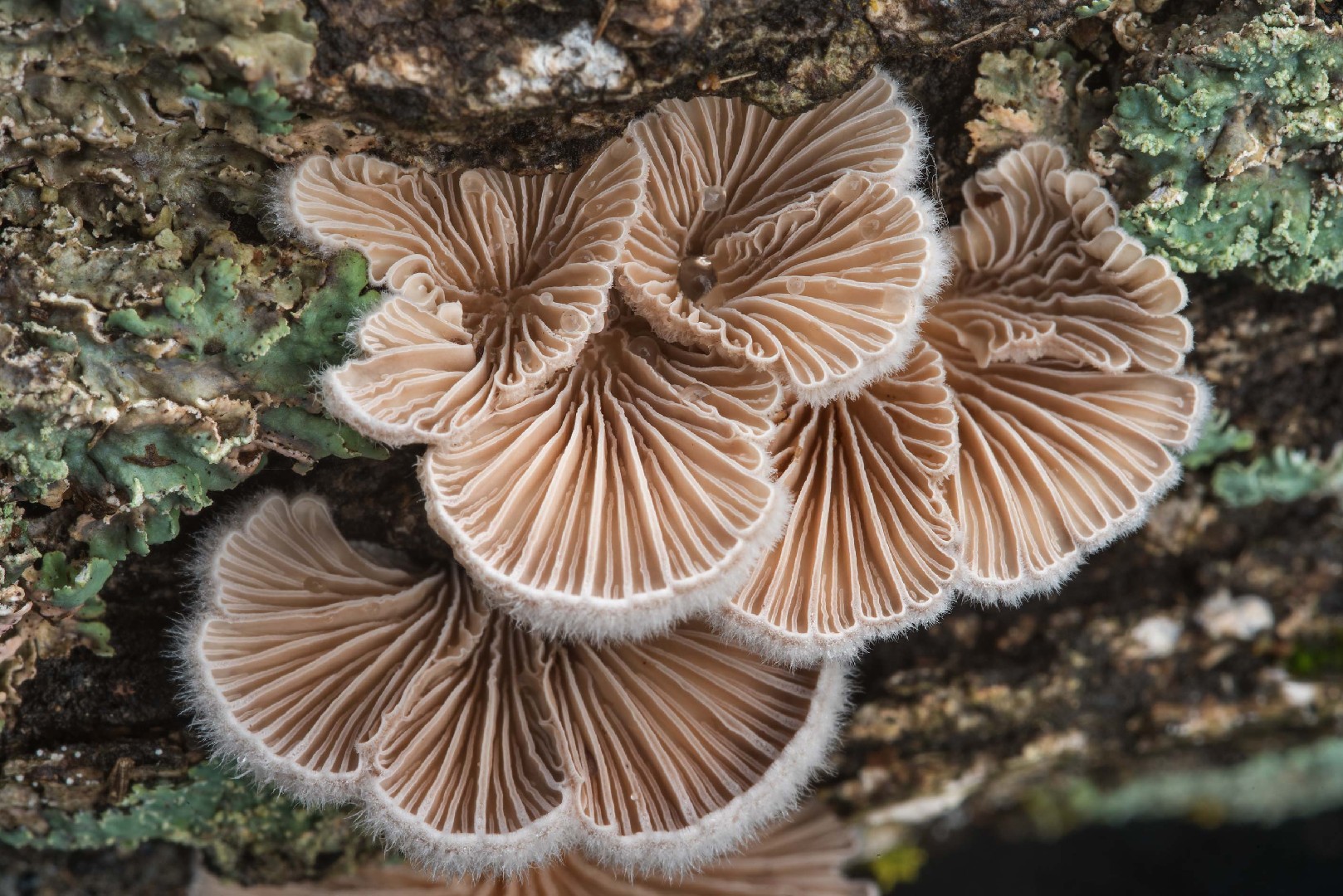
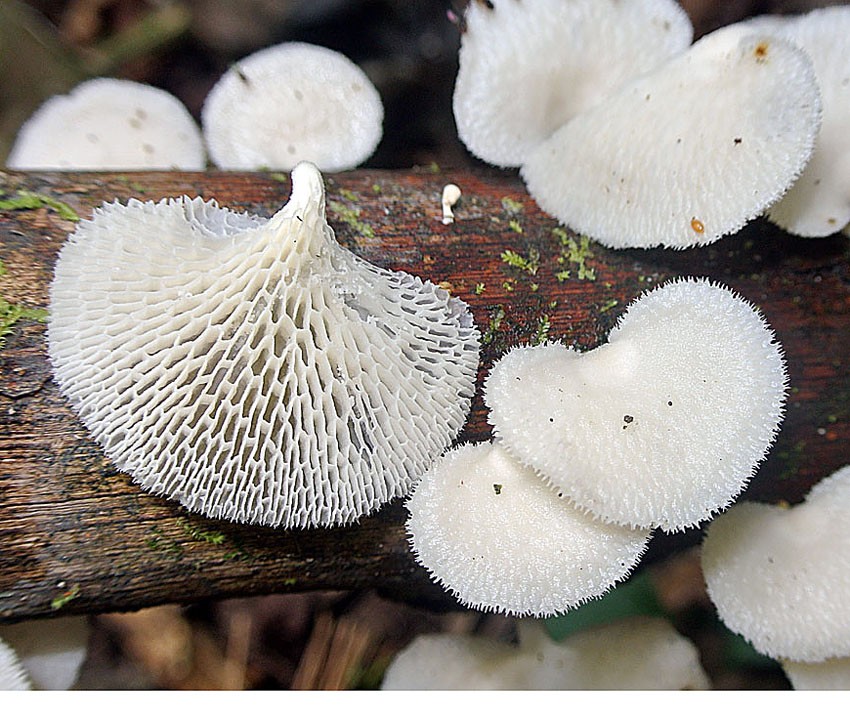
5. Split gill
Split gill(Schizophyllum commune) can be found across the globe. Uniquely, it is the only mushroom species known to display the capability to retract by movement. It is considered inedible, although not necessarily toxic. Furthermore, it is not recommended to smell this species, as the spores are capable of sprouting and growing in nasal passages.
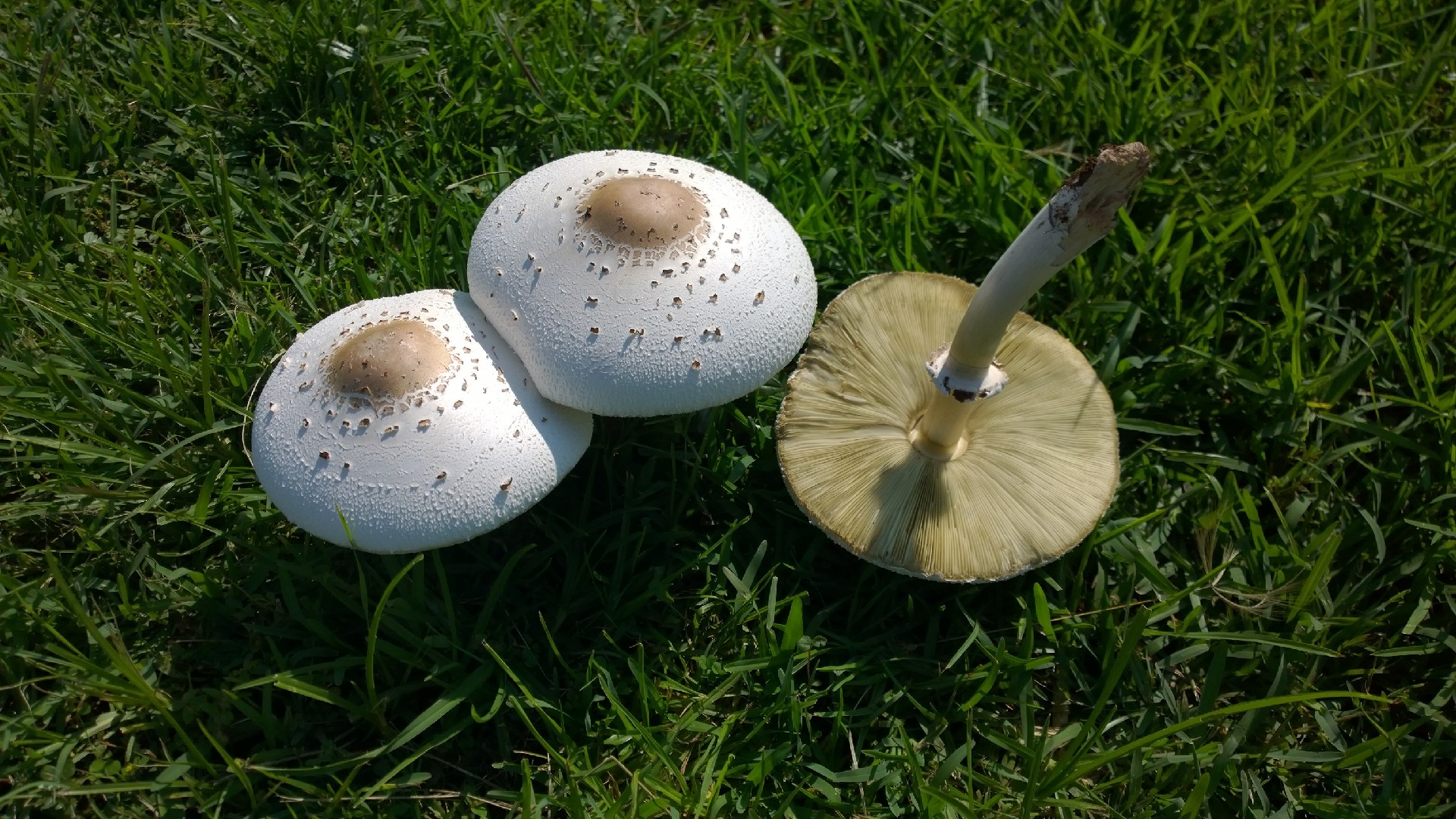
6. False parasol
Though the false parasol appears unassuming, the species is famous—or, infamous—for its toxicity. It looks unfortunately similar to Agericus campestrus, a commonly eaten mushroom, but the false parasol can be distinguished by its highly unusual green spore print. Although they are no good to eat, they can be pretty to look at. The species may grow in ring-shaped groups in meadows and on forest floors in what are sometimes called "fairy circles."
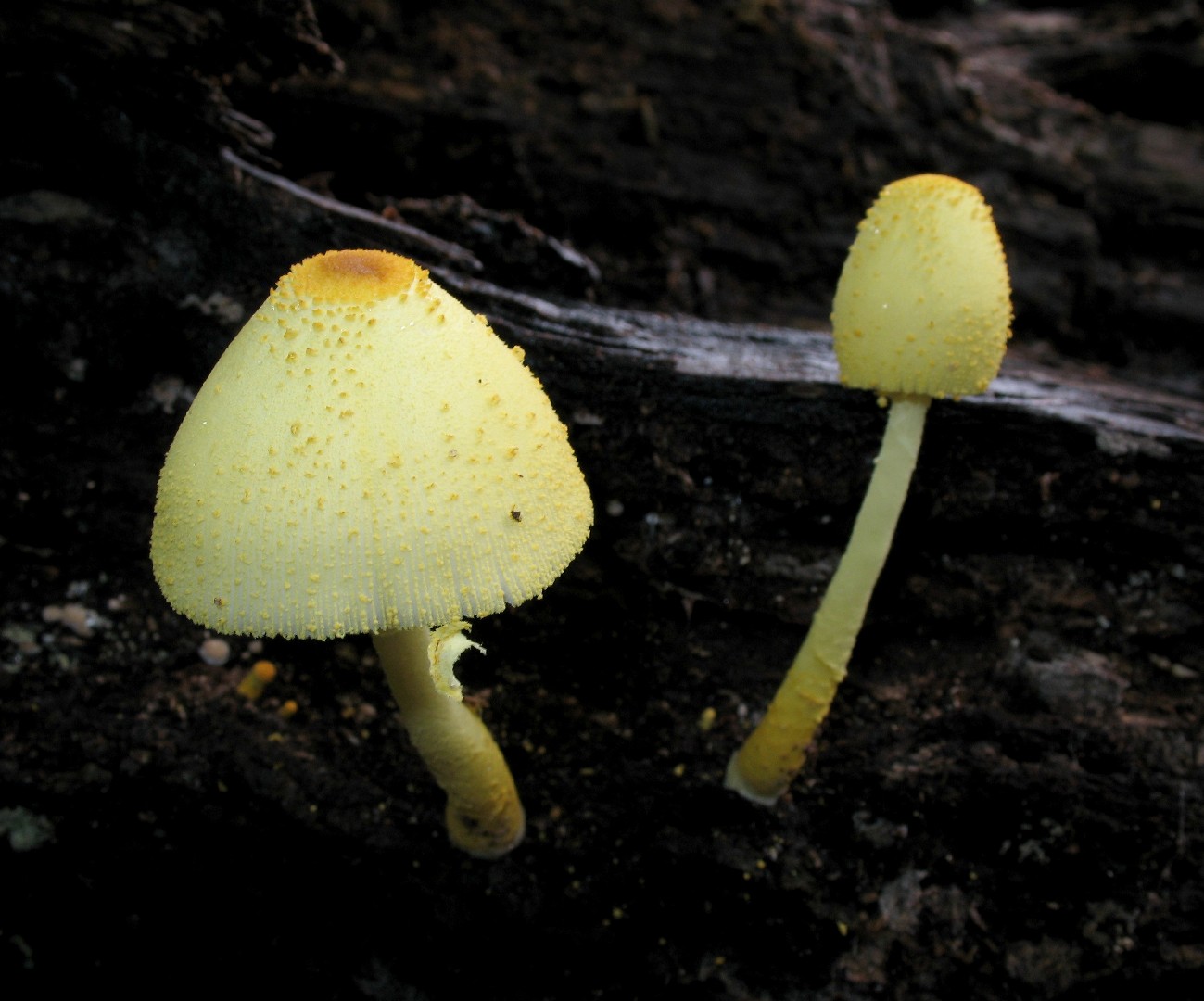
7. Flowerpot parasol
This tropical/subtropical mushroom is known to be toxic. If eaten it causes a very unpleasant stomachache with the risk of fatal complications. In temperate zones, flowerpot parasol is only found in hothouses and greenhouses, so the risk of accidental foraging is low, but it may occur with potted plants and indoor landscaping and pose a risk to curious children.
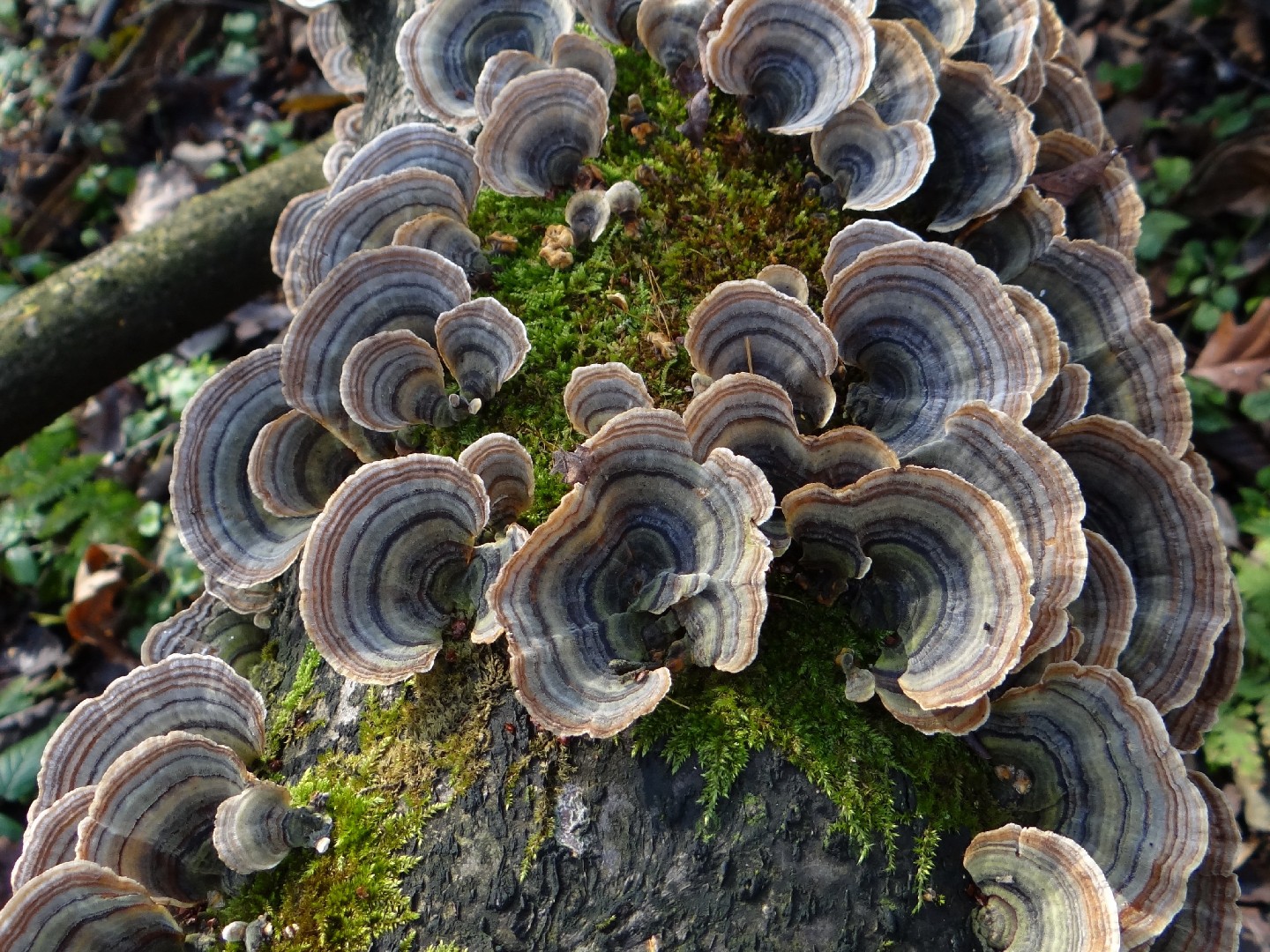
8. Turkey tail
The distinctively-striped turkey tail fungus grows on stumps and logs all over the forests of the northern hemisphere. It is, in fact, probably the most common species you will find. That doesn't mean this mushroom is plain, however; each cap is uniquely patterned. Look for bands of alternating textures as well as color.
9. Crowded parchment
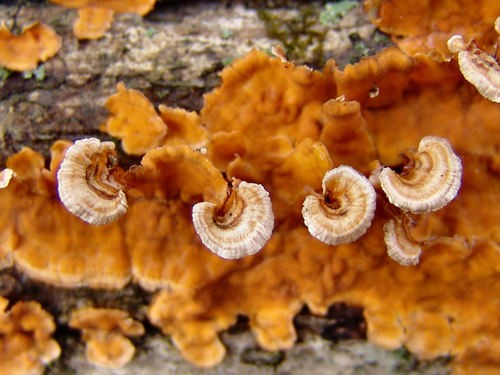
The crowded parchment is a common mushroom that can be found on dead hardwood material. The species is so-named because it grows in very thin, sheet-like shelves, which often become folded when they run up against each other. Crowded parchment is usually found in shades of brown, tan, or orange.
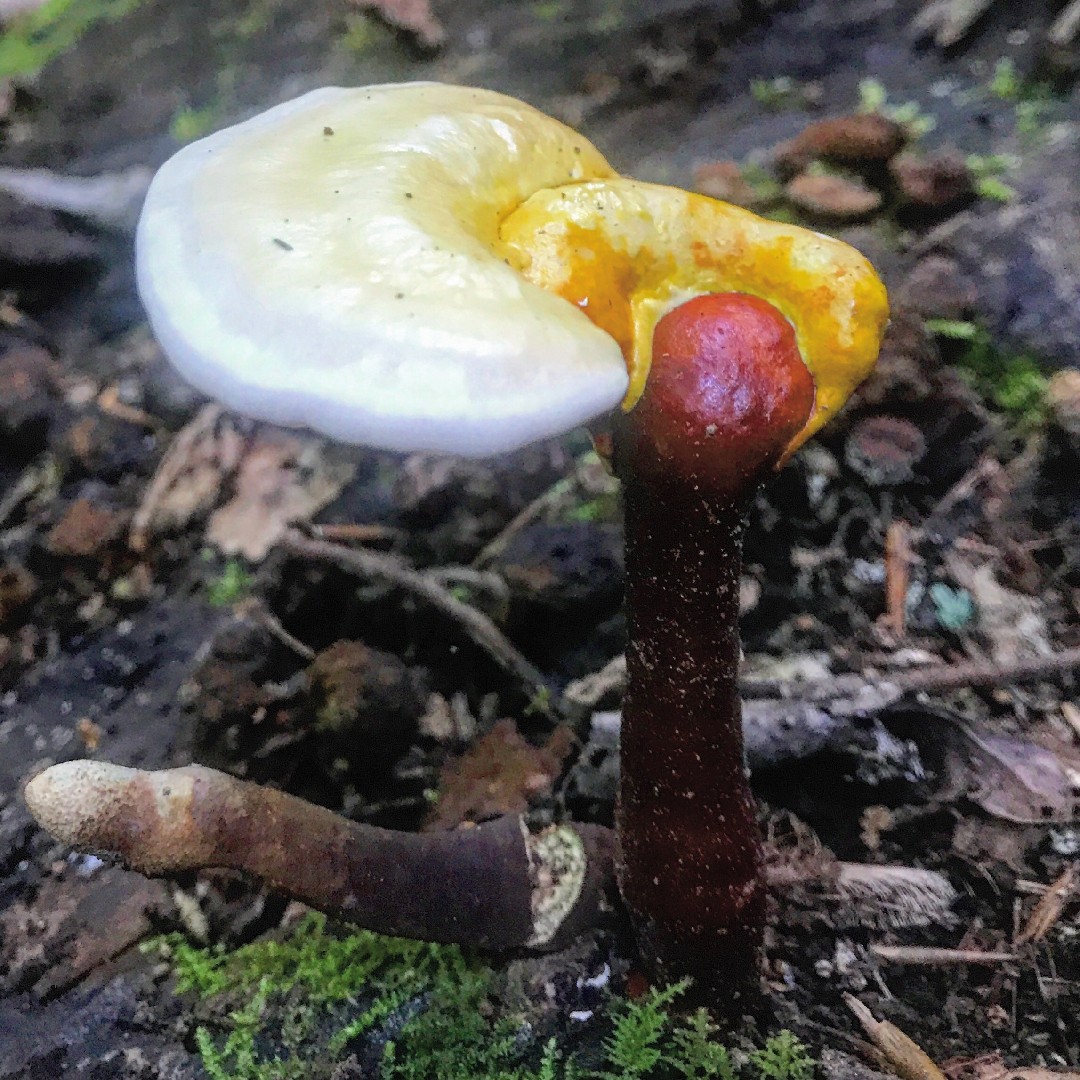
10. Leiotrametes lactinea
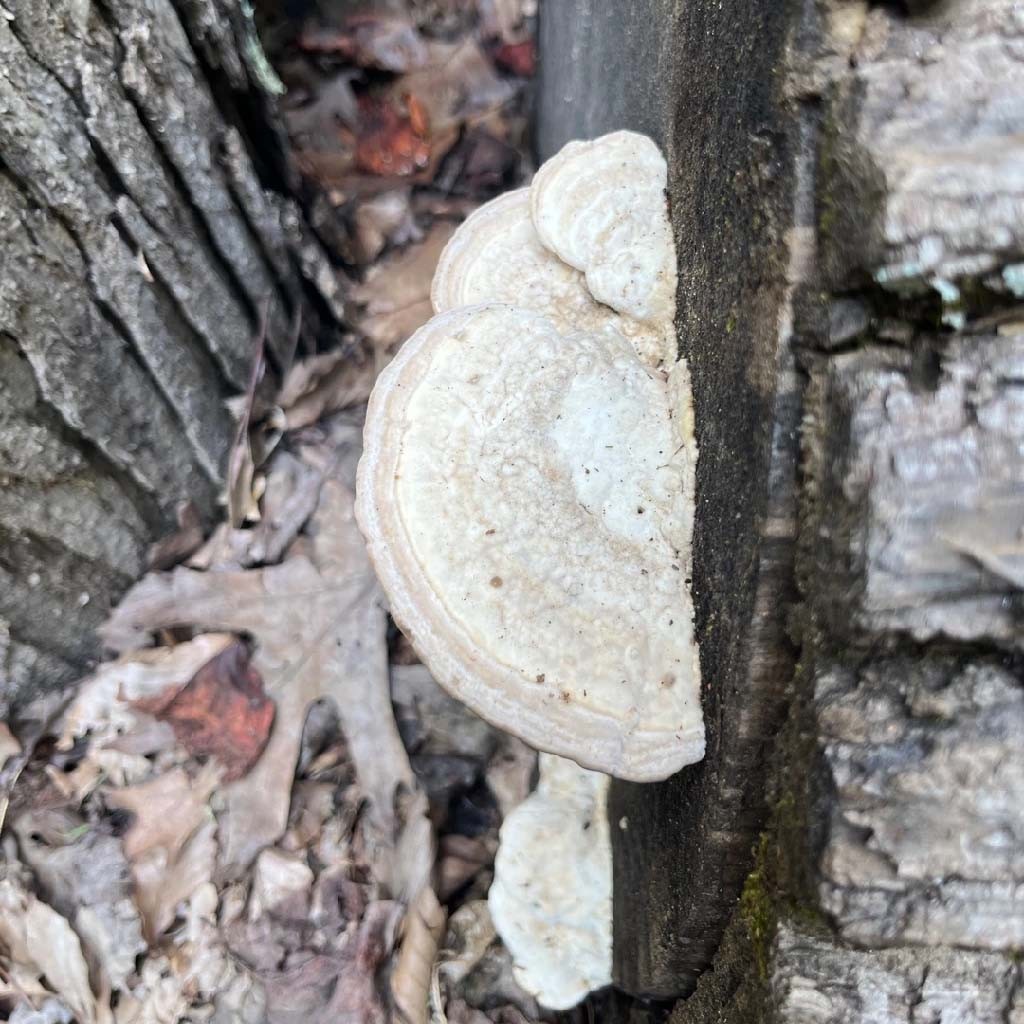
Leiotrametes lactinea thrives in warmer climates growing on decaying and dead trees, stumps, and branches. The white-rot fungus provides an important ecological service by aiding in the decay of dead wood by removing lignin, which is the organic material in the tree’s cell walls that prevent it from decaying.
More







