




Top 20 Most Common Mushrooms in Palm Desert
Welcoming you to the heart of Southern California, Palm Desert: an oasis offering an exceptional diversity of 20 predominant fungi. Boasting a climate that alternates between cool winters and hot summers, Palm Desert fosters an ambiance ideal for extensive mushroom growth. Embrace this undertaking as we explore Palm Desert's notable mushroom species.

Most Common Mushrooms
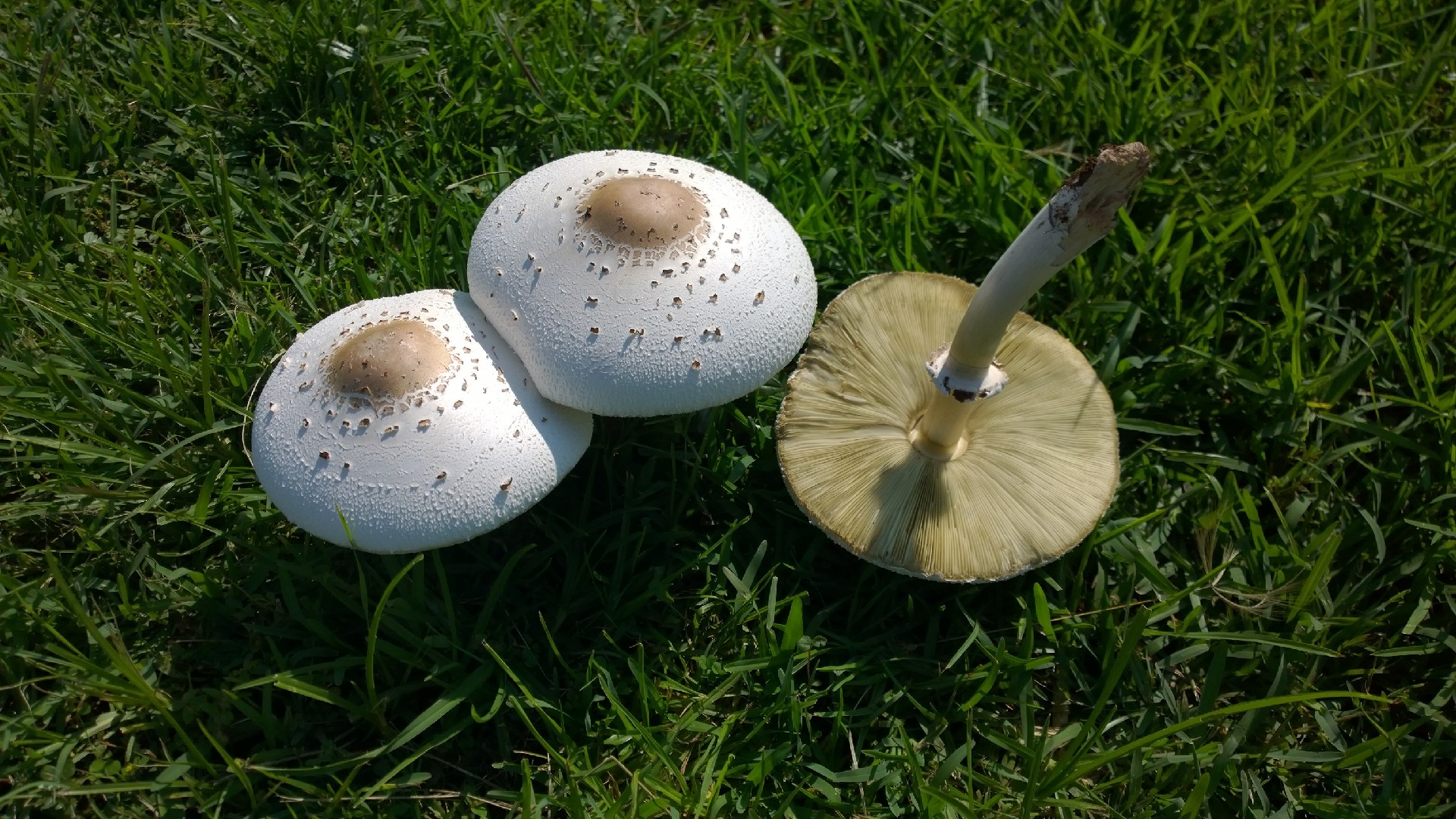
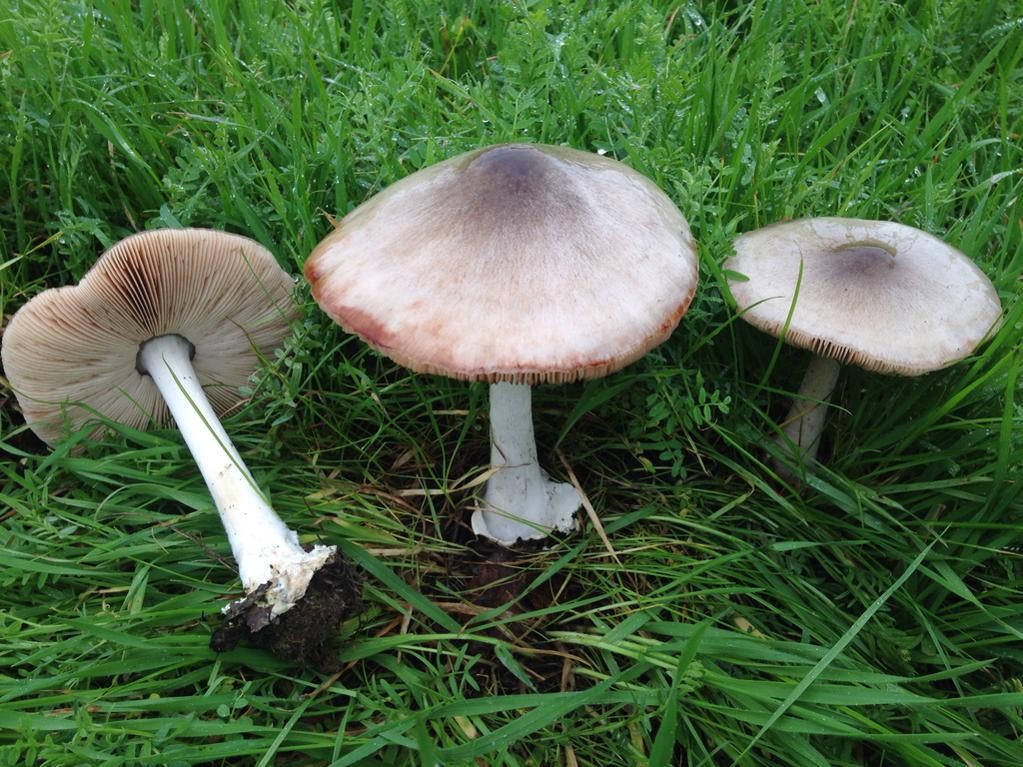
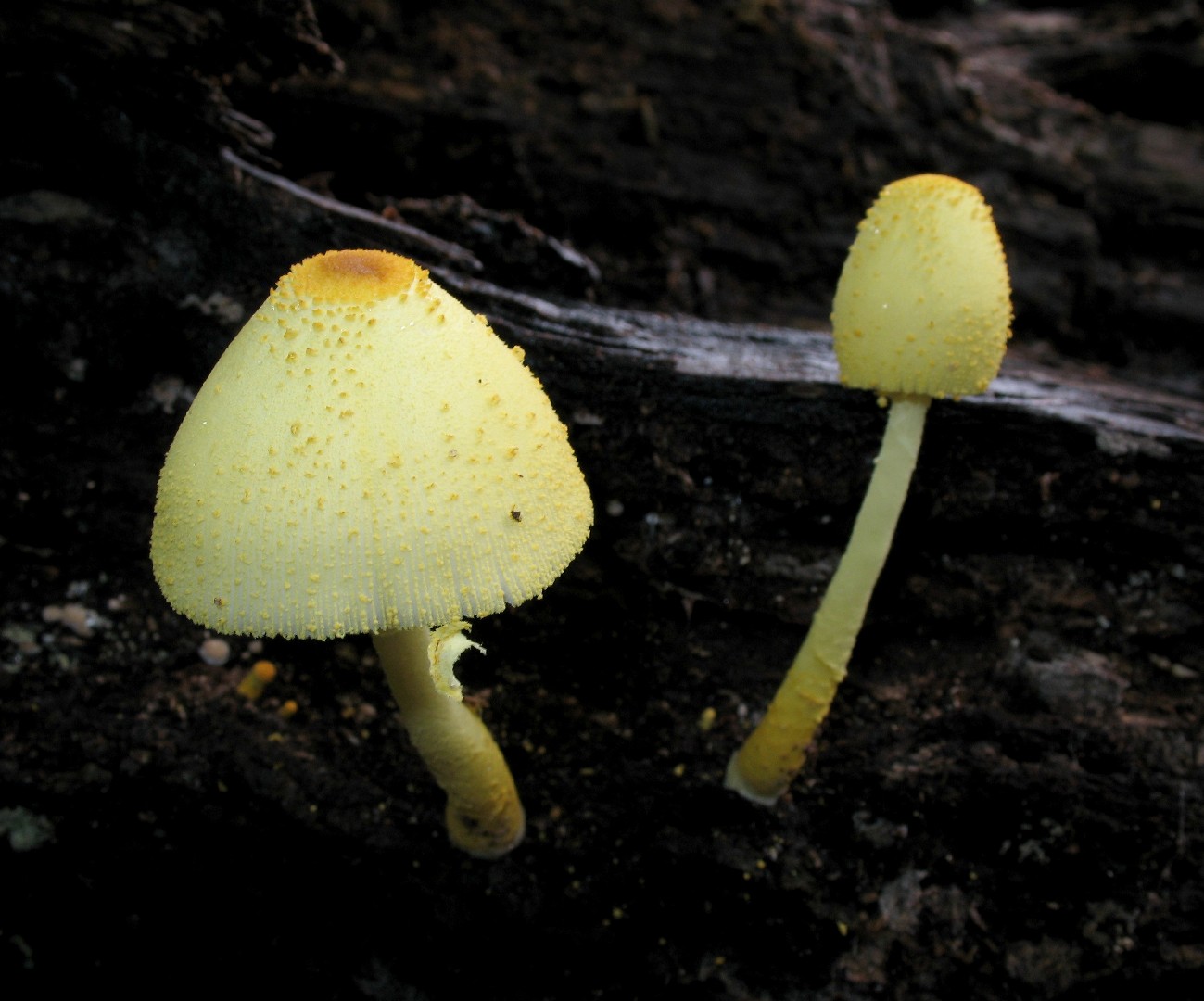
1. False parasol
Though the false parasol appears unassuming, the species is famous—or, infamous—for its toxicity. It looks unfortunately similar to Agericus campestrus, a commonly eaten mushroom, but the false parasol can be distinguished by its highly unusual green spore print. Although they are no good to eat, they can be pretty to look at. The species may grow in ring-shaped groups in meadows and on forest floors in what are sometimes called "fairy circles."
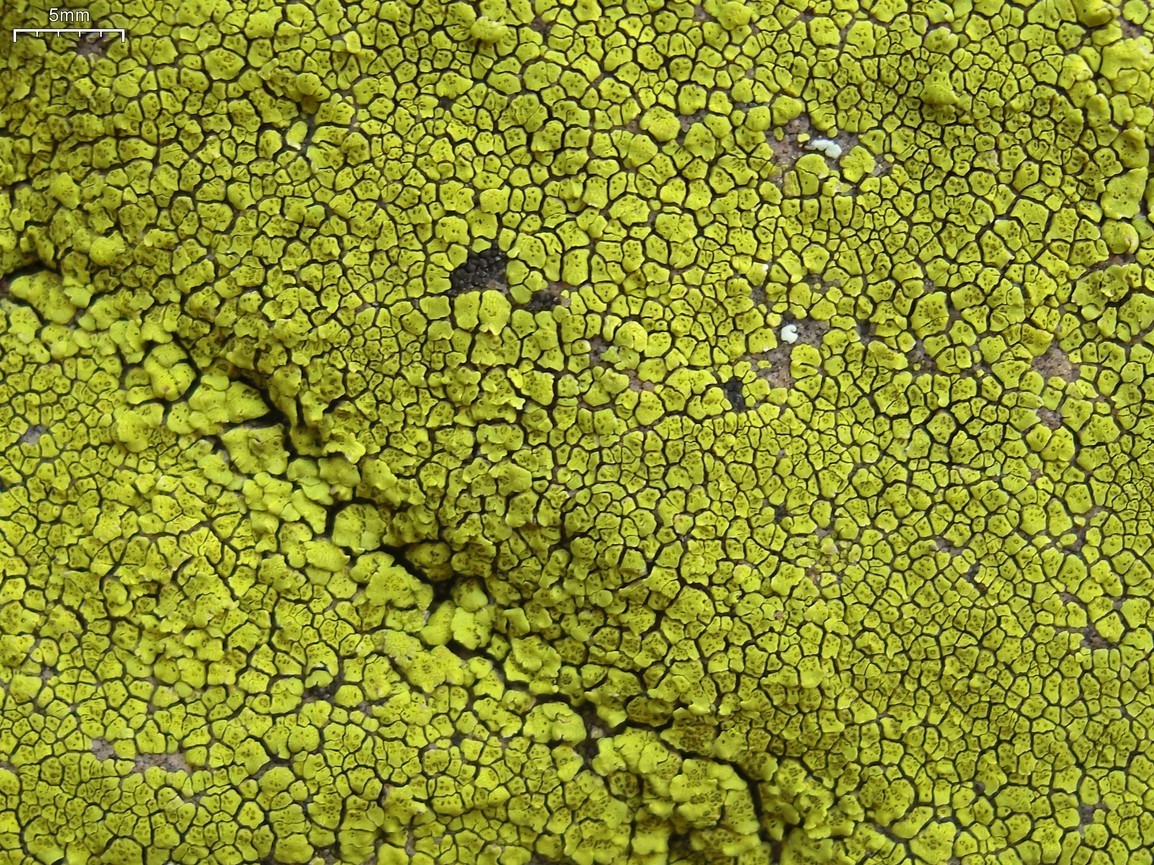
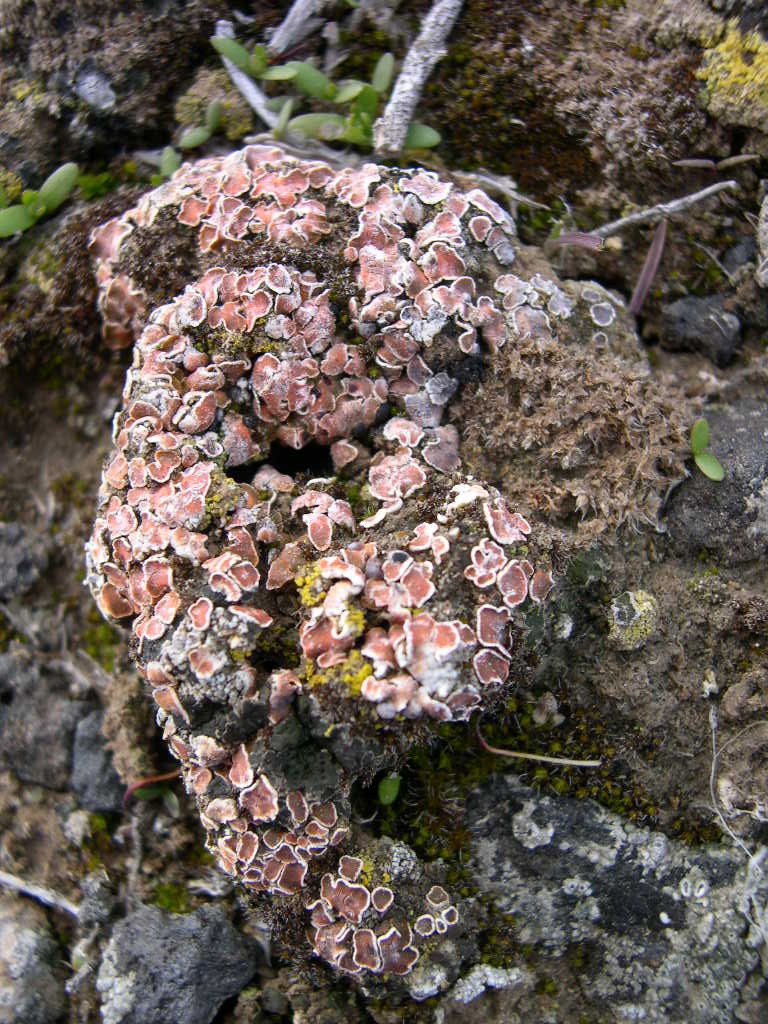
2. Bright cobblestone lichen
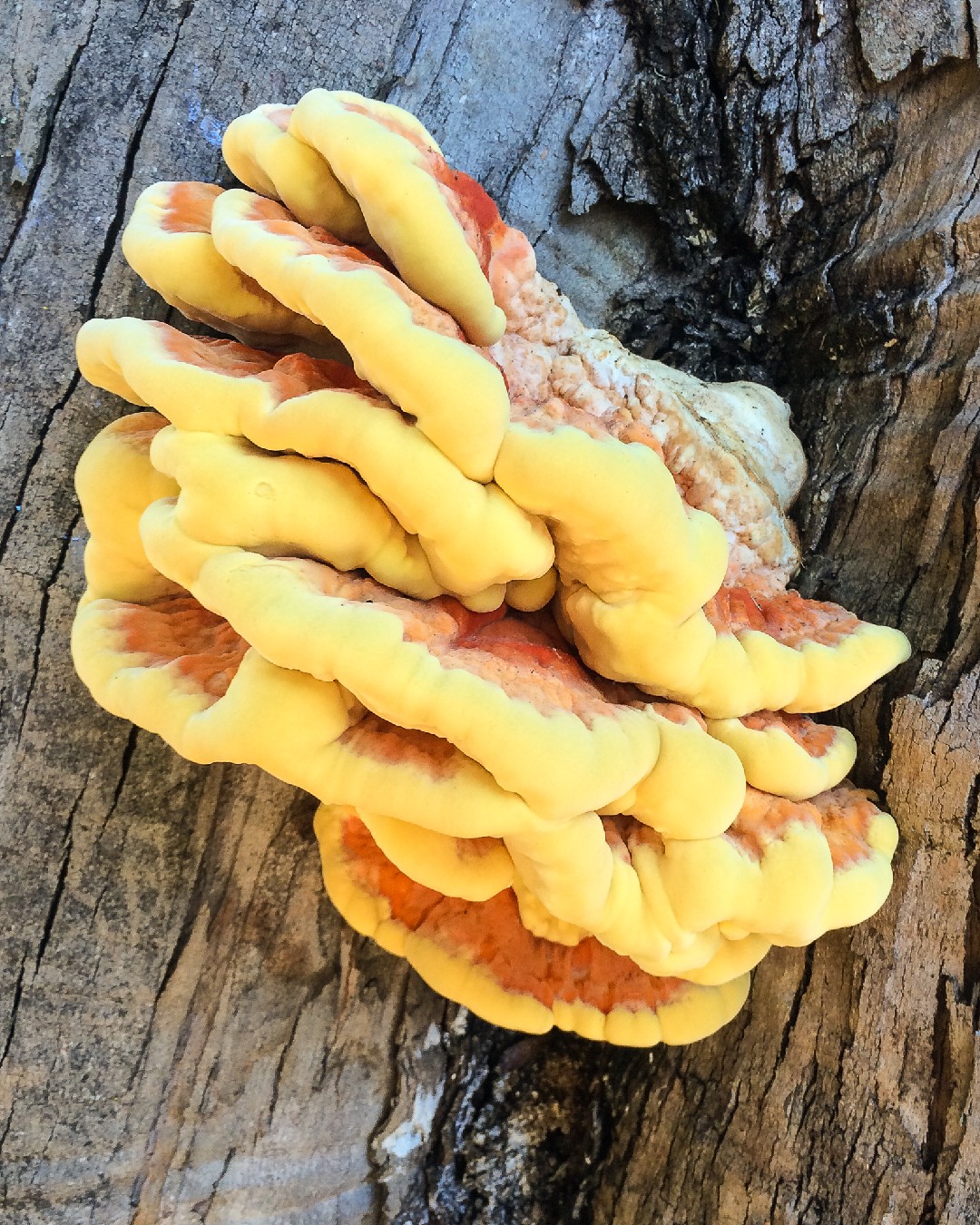
3. Chicken-of-the-woods
Chicken-of-the-woods is a brightly-colored polypore related to the famed Chicken-of-the-Woods (Laetiporus sulphereus). The species are so closely related, that it was not until the 2000s that mycologists considered them to be distinct. Unlike its famed relative, the species is not considered a choice edible - there are conflicting reports as to its edibility, with some probable cases of gastrointestinal distress noted.
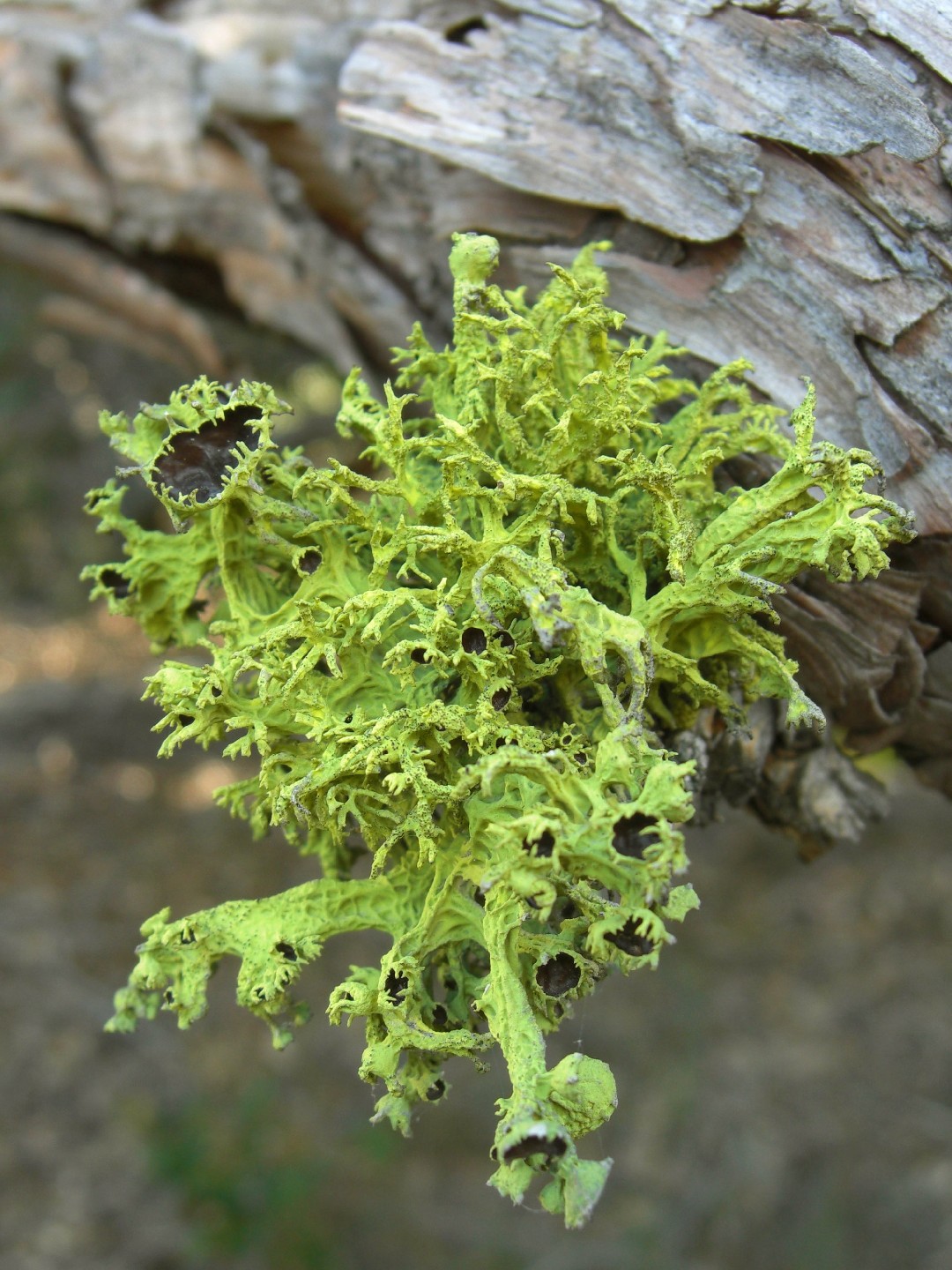
4. Brown-eyed wolf lichen
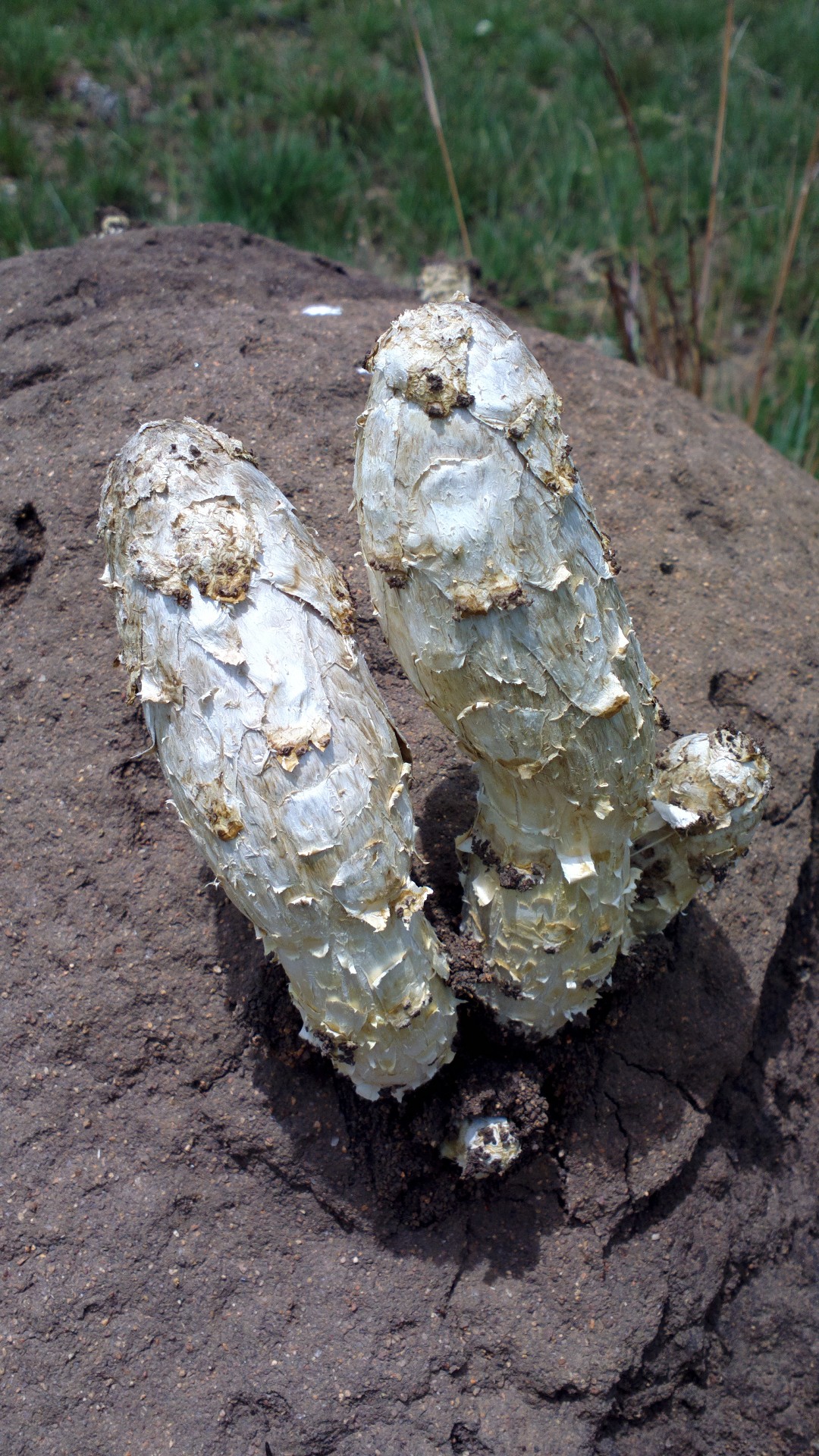
5. Desert shaggy mane
As its name suggests, the desert shaggy mane (Podaxis pistillaris) erupts from seemingly improbably conditions, out of the hot and arid ground in North American deserts. They are commonly found living harmoniously with colonies of termites in termite mounds. The desert shaggy mane is toxic and not safe to consume.
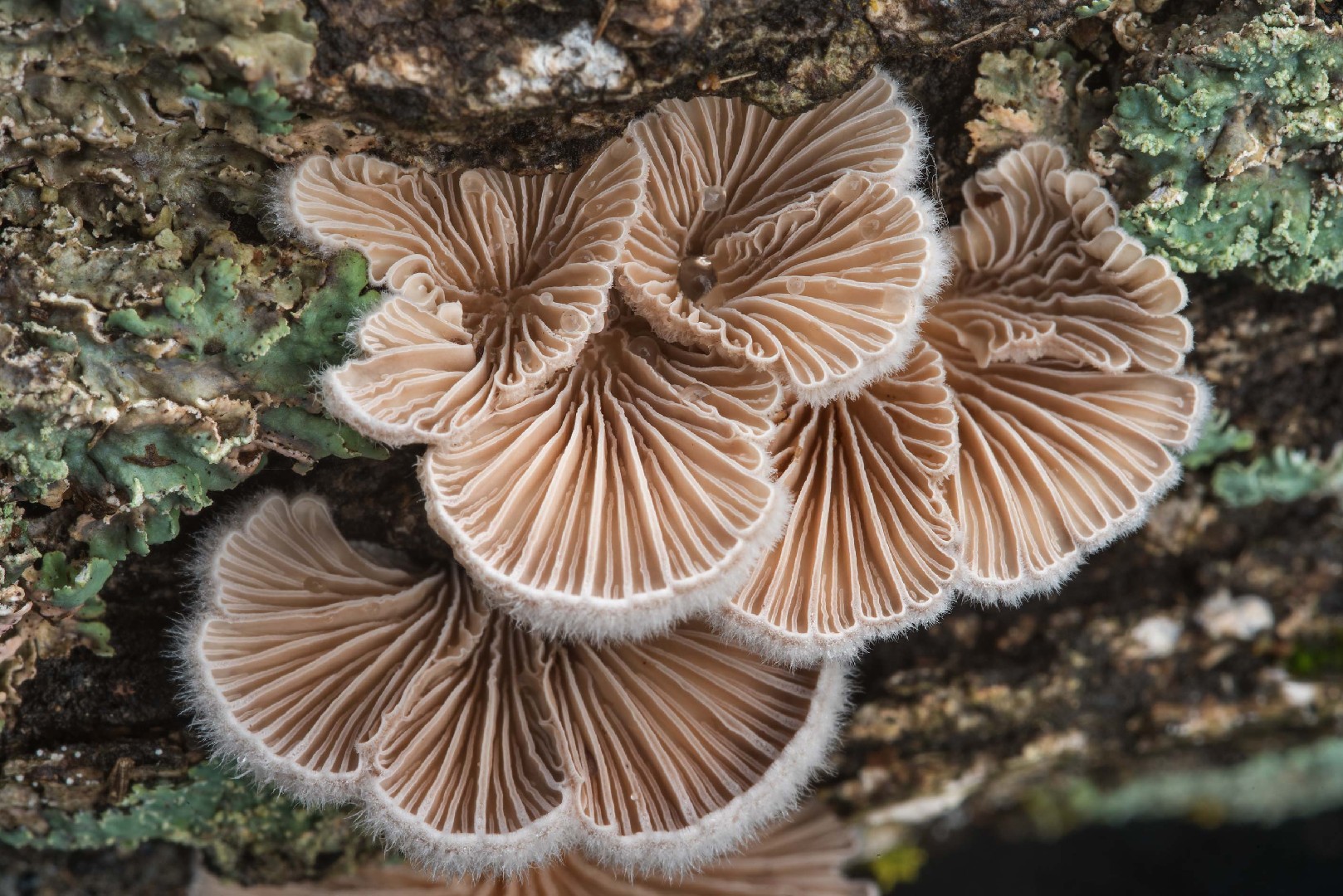
6. Split gill
Split gill(Schizophyllum commune) can be found across the globe. Uniquely, it is the only mushroom species known to display the capability to retract by movement. It is considered inedible, although not necessarily toxic. Furthermore, it is not recommended to smell this species, as the spores are capable of sprouting and growing in nasal passages.
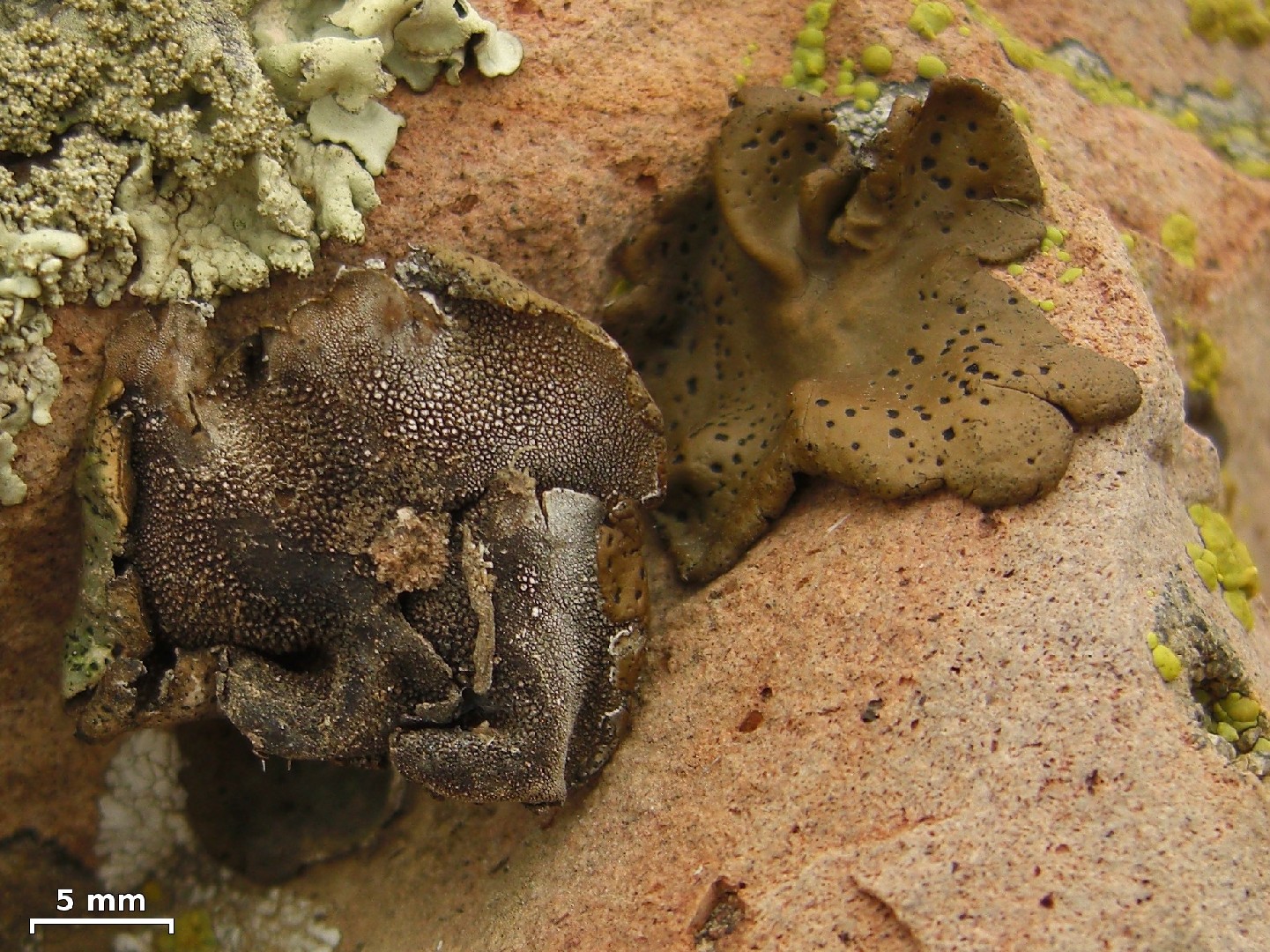
7. Emery rock tripe
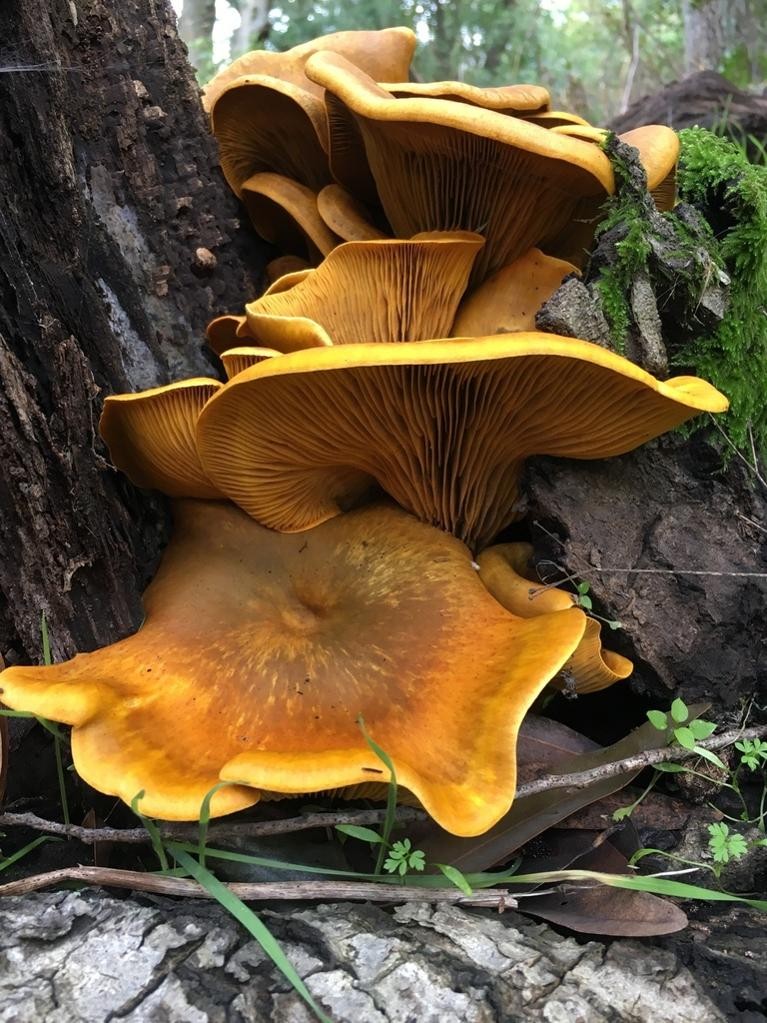
8. Western jack-o'-lantern mushroom
The western jack-o'-lantern mushroom (Omphalotus olivascens) may be the most visually striking mushroom of the forest during day and night. During the day, brilliant large orange flat caps grow from both the ground and decaying stumps. At night, these mushrooms may glow in the dark, depending on location and maturity.
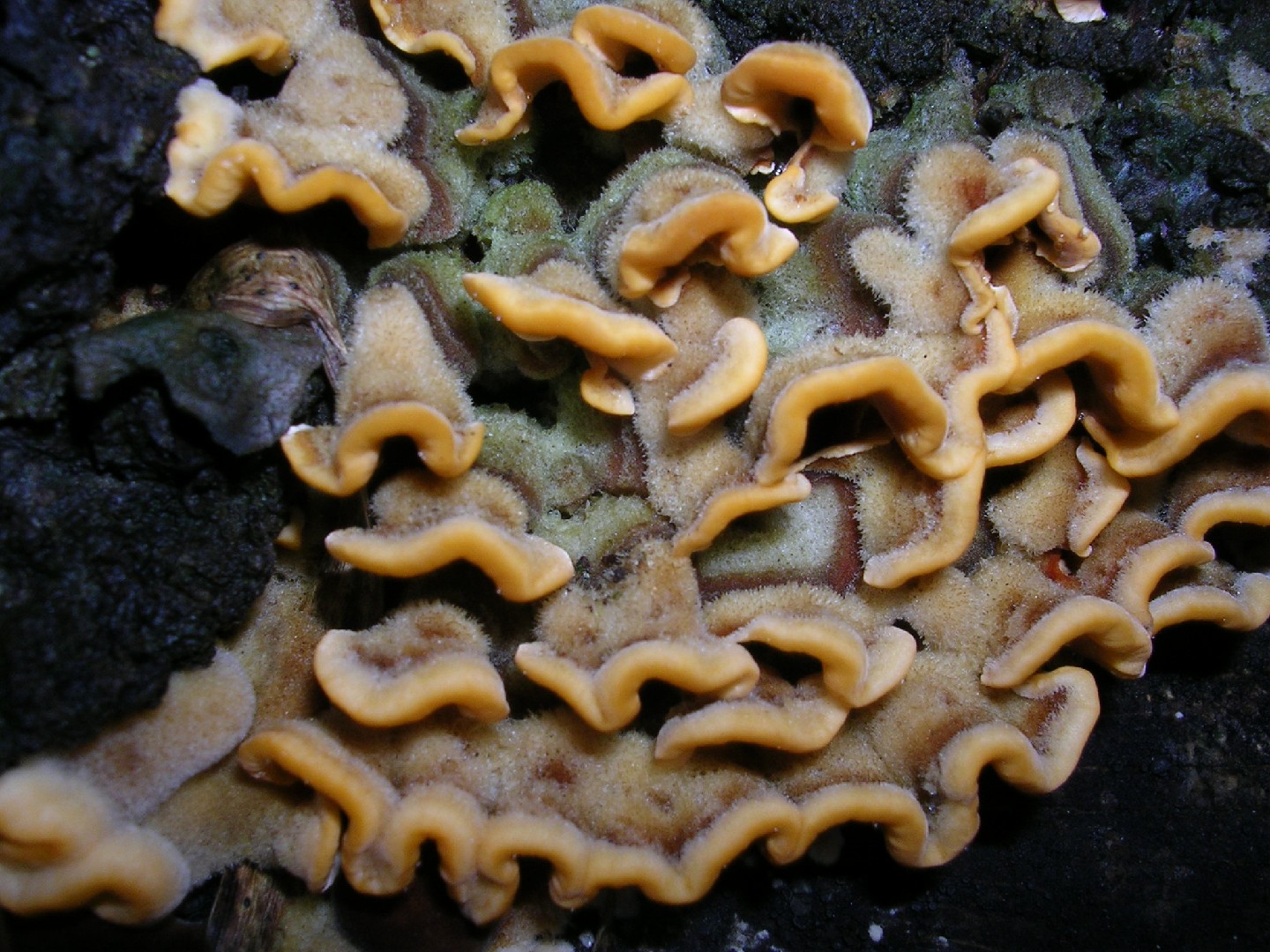
9. Hairy curtain crust
This clustered, overlapping fungus is found all over the world, and is considered native across both the northern and southern hemispheres. Both its common name, hairy curtain crust, and its scientific name, Stereum hirsutum, aptly describe its most obvious features: it is quite tough (stereum) and the younger fruitbodies are notably hairy (hirsutum).

10. Shaggy mane
The shaggy mane mushroom is commonly found in North American and European grasslands. Some peoples foraged for its young egg-shaped caps, but it has more recently been found to be a bioaccumulator of heavy metals, meaning it pulls toxic metals up from the soil where it grows. As a result, shaggy manes should not be eaten. The mushrooms usually appear in clusters or “fairy rings.”
More







