




Top 20 Most Common Mushrooms in Tucson Estates
In Tucson Estates, a botanical paradise thrives beneath towering saguaros, home to an array of diverse fungi. Among the myriad of species growing here, 20 types stand out as the most common. Known as 'the hidden gems' of Tucson Estates, these mushrooms promise intriguing findings for mycologists and nature enthusiasts alike. Let's explore this fungal treasure trove nestled within the desert ecosystem.

Most Common Mushrooms
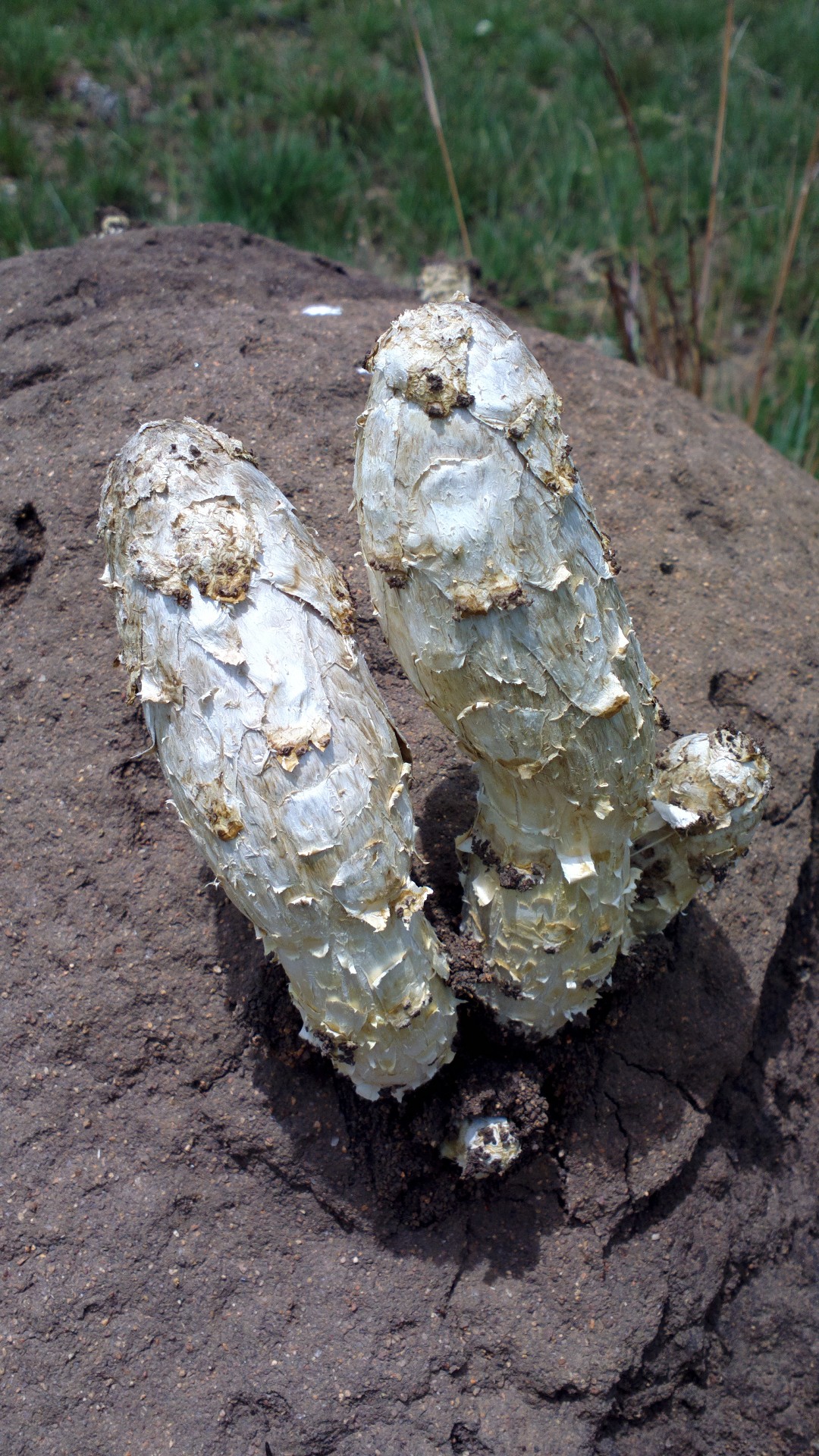
1. Desert shaggy mane
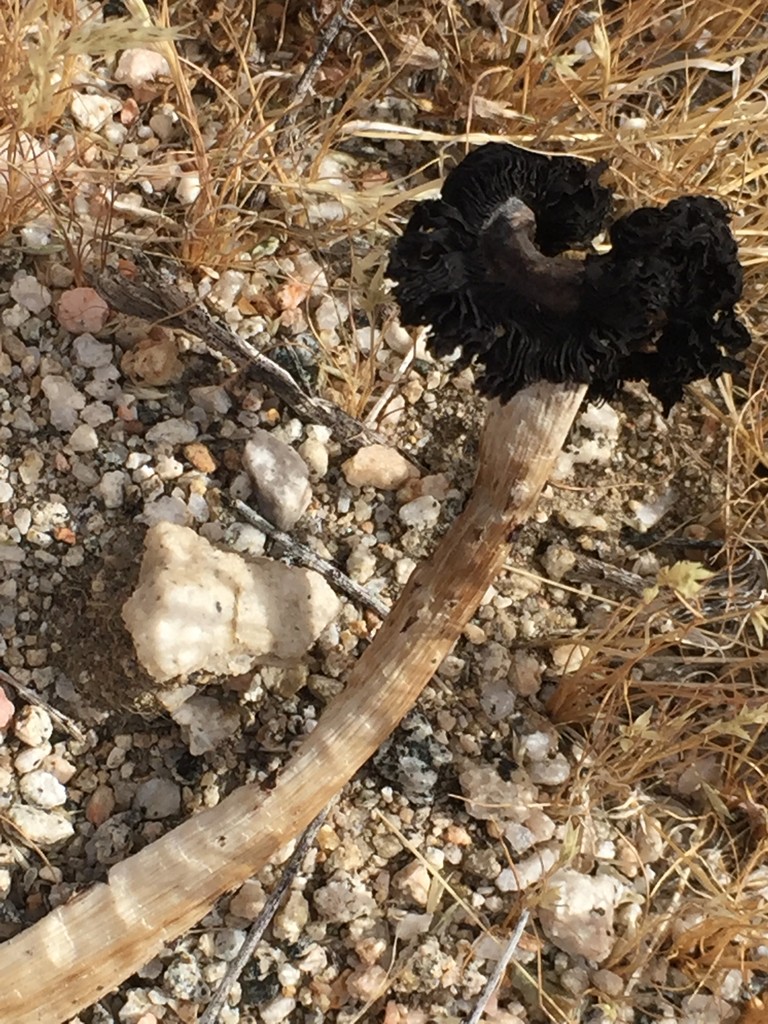
As its name suggests, the desert shaggy mane (Podaxis pistillaris) erupts from seemingly improbably conditions, out of the hot and arid ground in North American deserts. They are commonly found living harmoniously with colonies of termites in termite mounds. The desert shaggy mane is toxic and not safe to consume.
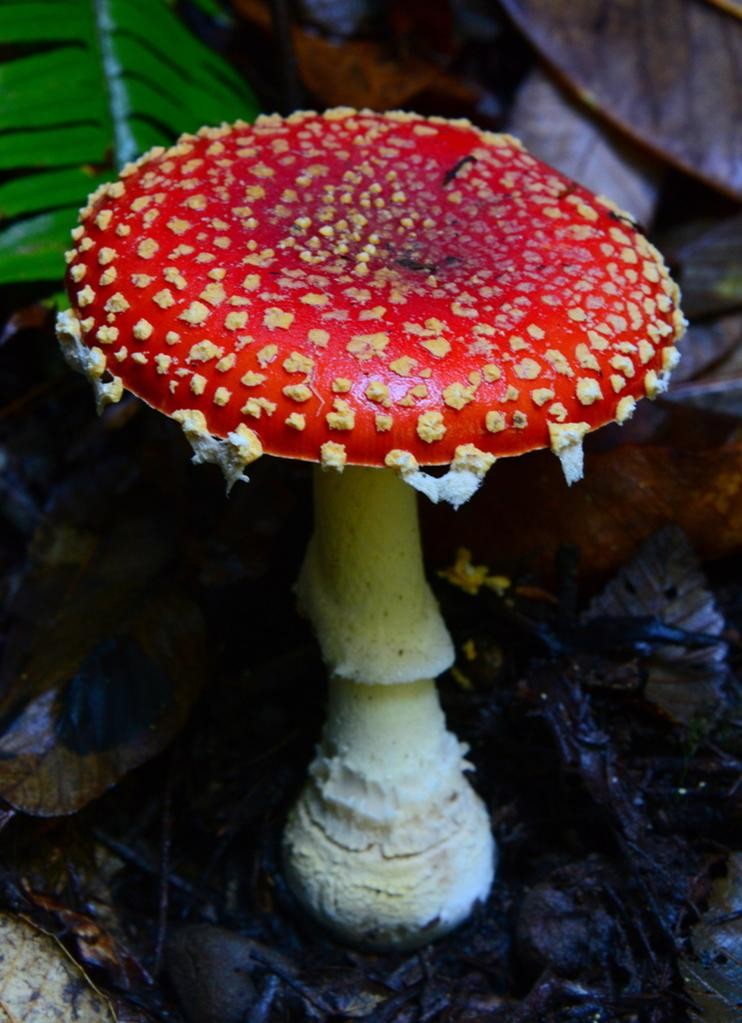
2. Fly agaric
In Northern Asia and Europe, fly agaric grows under trees near the winter solstice and is collected for ritual use tied to the season. Its characteristic shape and coloring are still ubiquitous in many European fairy tale illustrations and Christmas traditions. It is highly toxic.
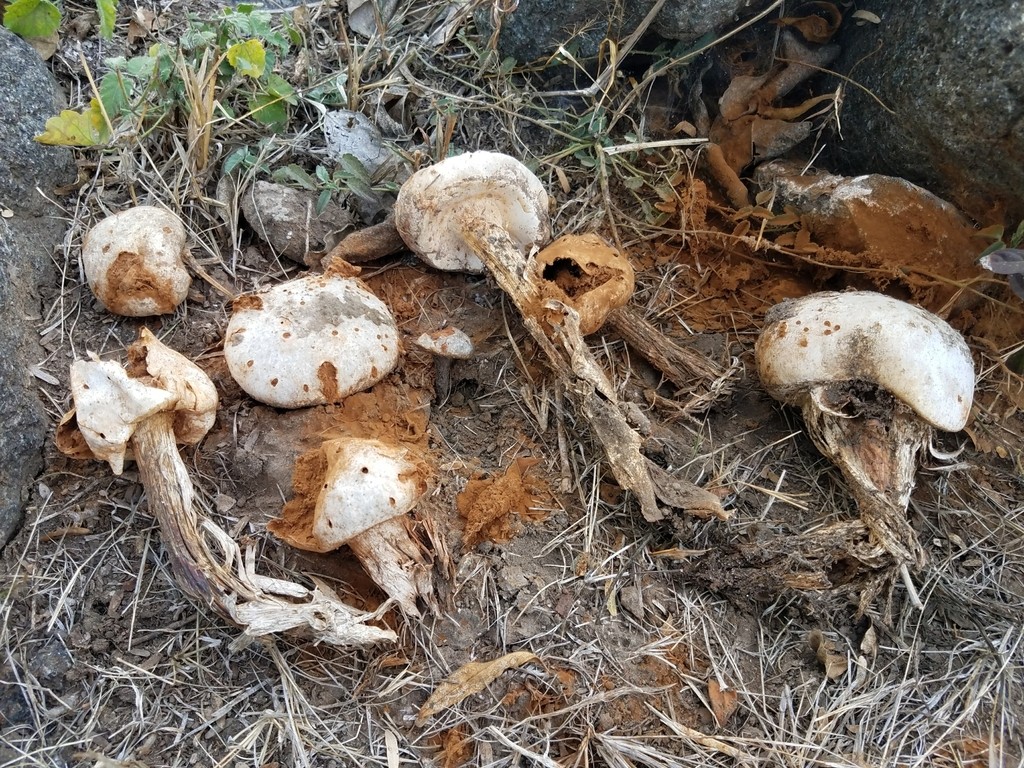
3. Battarreoides diguetii
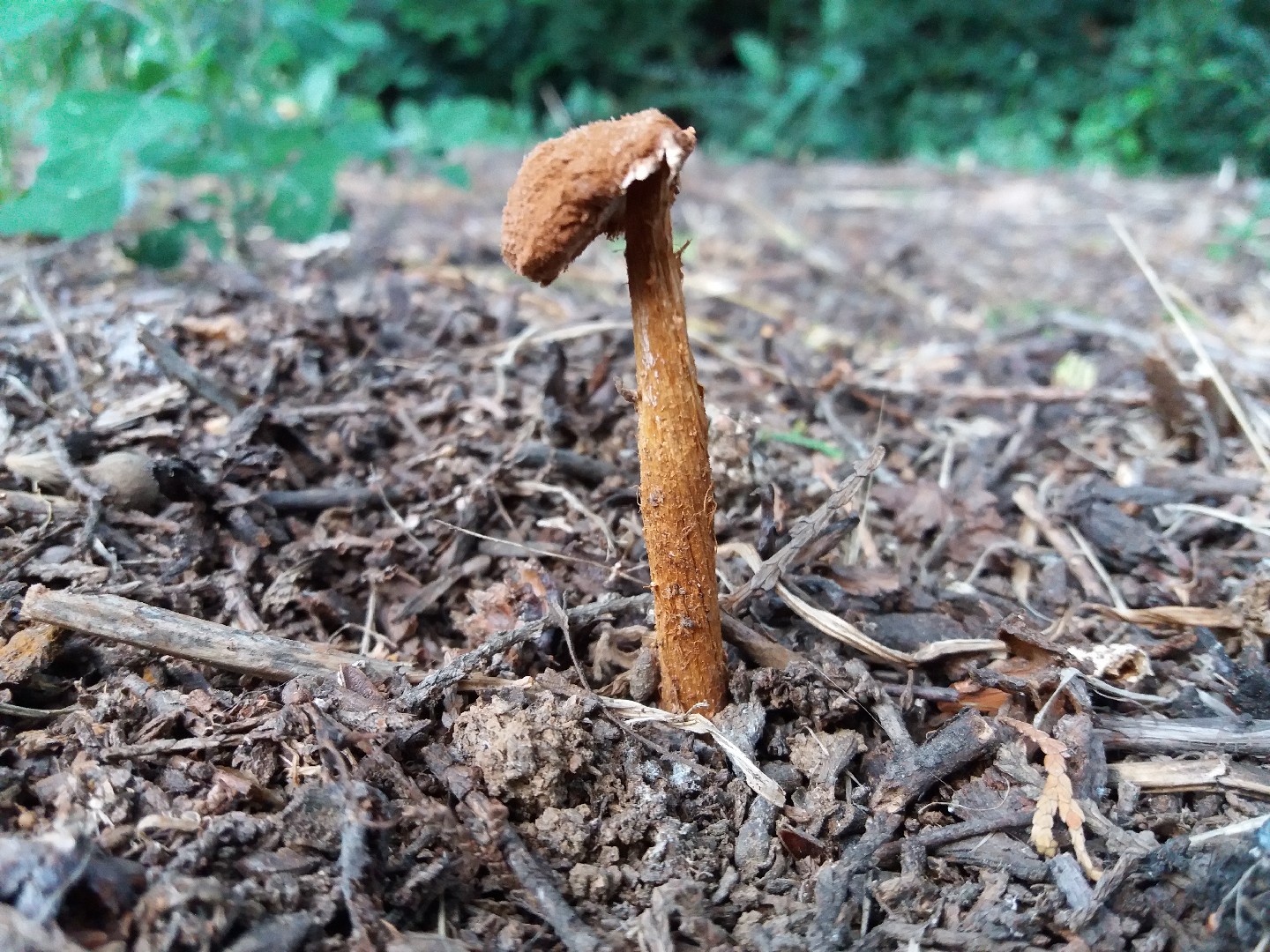
4. Sandy stiltball
Sandy stiltball(Battarrea phalloides) is an unusually tall species of puffball, a family of mushrooms that do not usually have noticeable stalks. Due to declining numbers in the wild, is illegal to pick in certain countries (including Hungary and the United Kingdom). Its edibility remains unstudied, and consumption is not advised.
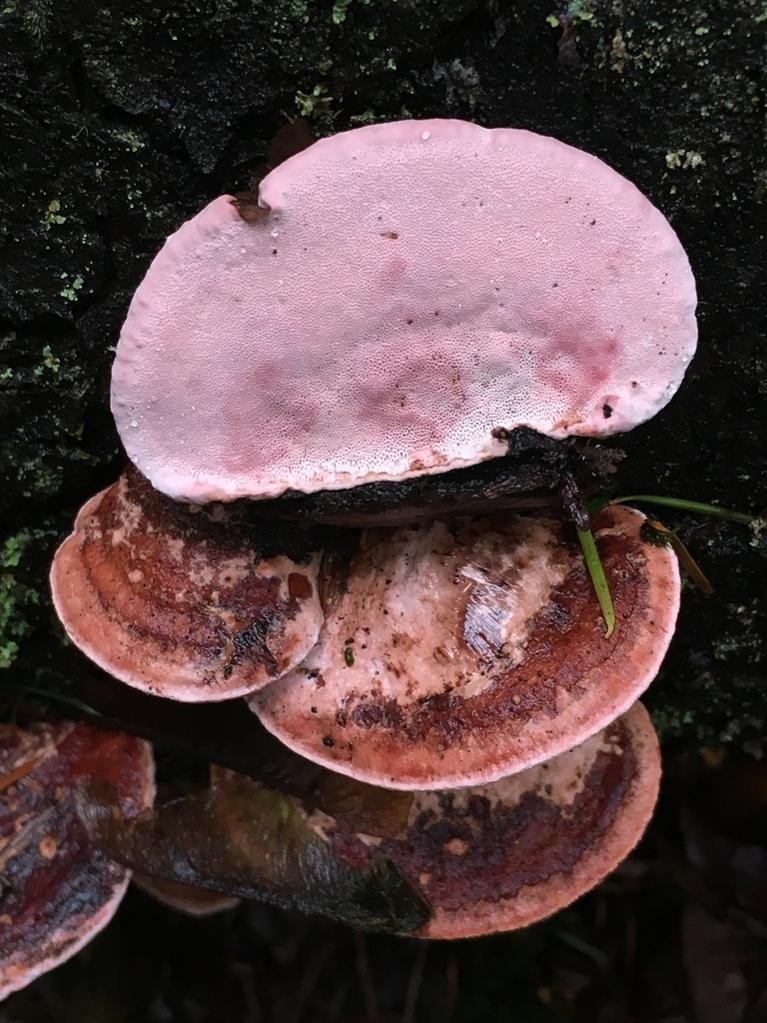
5. Rosy polypore
The leathery surface of the rosy polypore (Rhodofomes cajanderi) can range in color from dusty pink to a dark, camel brown color, which varies as they mature. Rosy's name references the cap's underside, where a cheerfully-colored bottom creates some interest in this otherwise forgettable mushroom. It is not edible and will cause gastric distress if consumed.
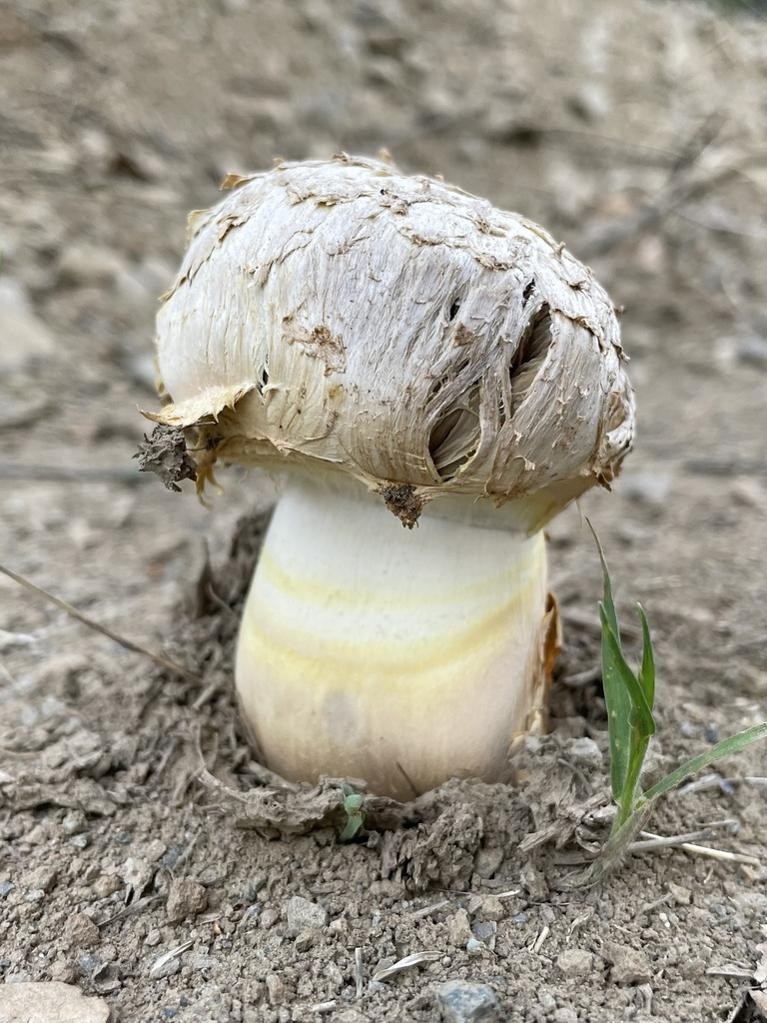
6. Gasteroid agaricus
Gasteroid agaricus has evolved to flourish in arid or semi-arid environments. Noted for its distinctive bulbous cap that does not fully expand, this mushroom was only recently transferred to the Agaricus genus. Gasteroid agaricus can be found singly or on groups and retains a partial veil despite its maturity.
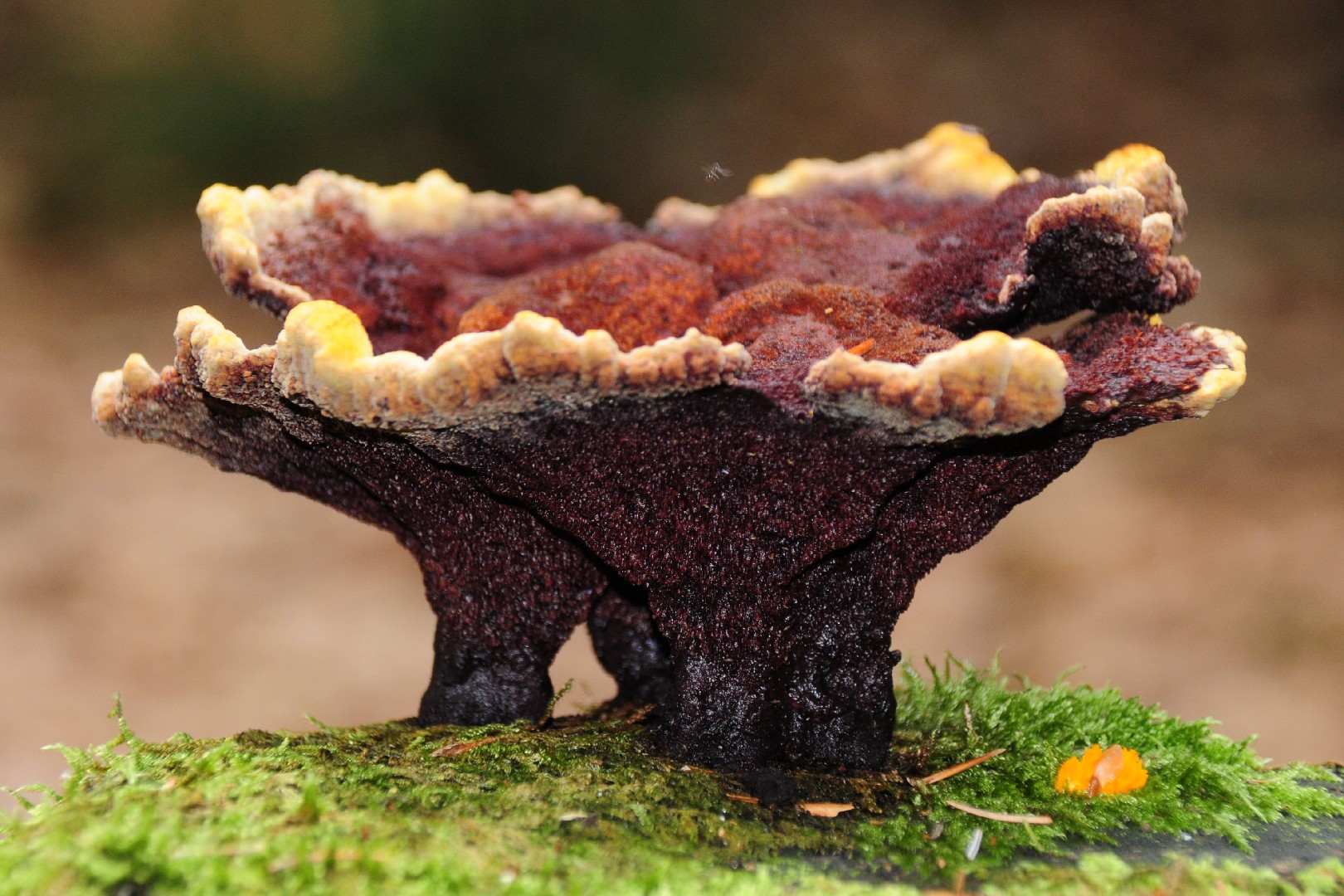
7. Dyer's polypore
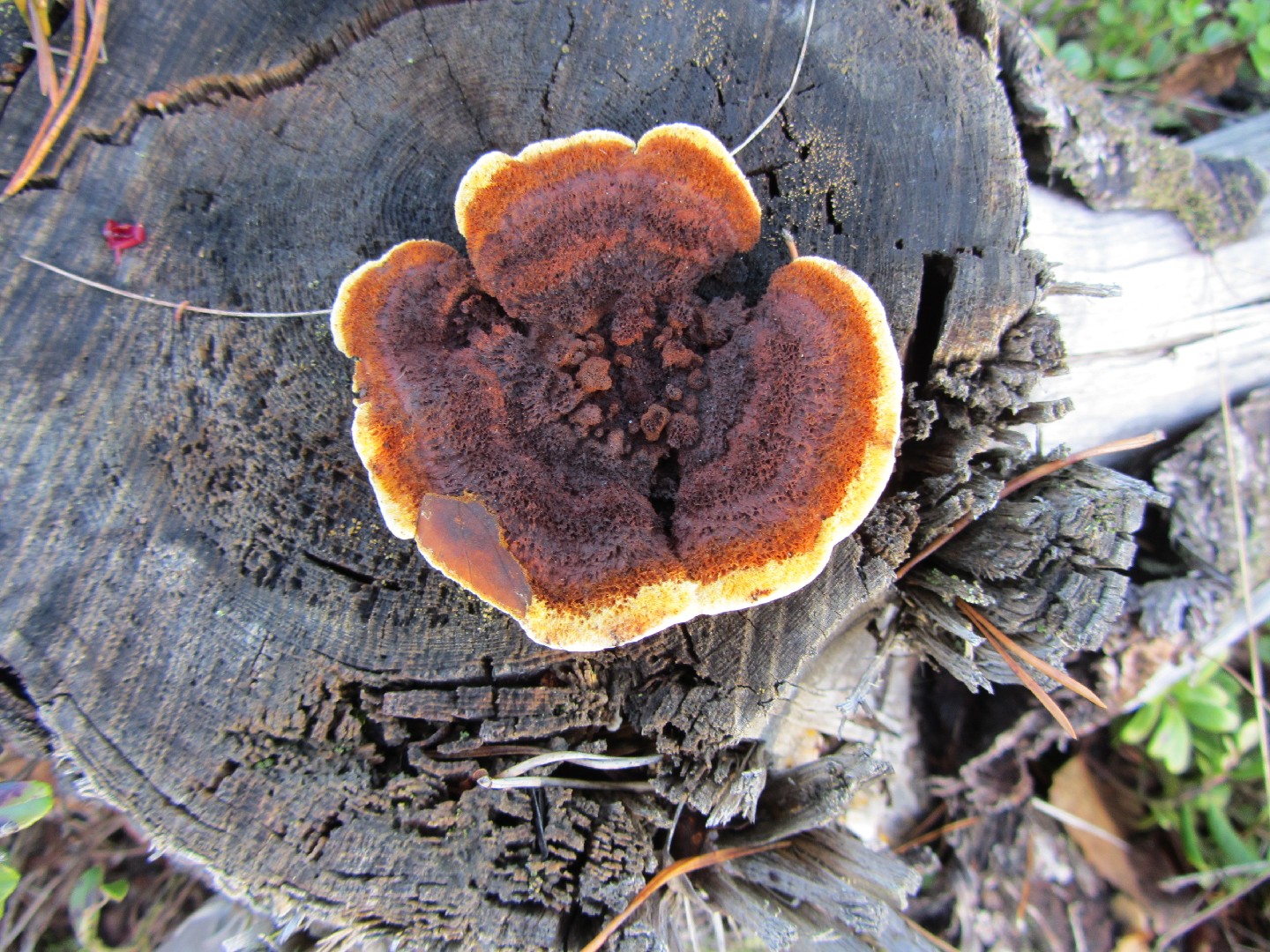
This shelf fungus grows annually on living coniferous trees and may kill its host if left untreated. As the name suggests, dyer's polypore can be used to produce dye for yarn in a variety of shades from yellow to orange to brown, depending on the age of the mushroom used and also the type of metal it’s processed in. It is not considered edible.
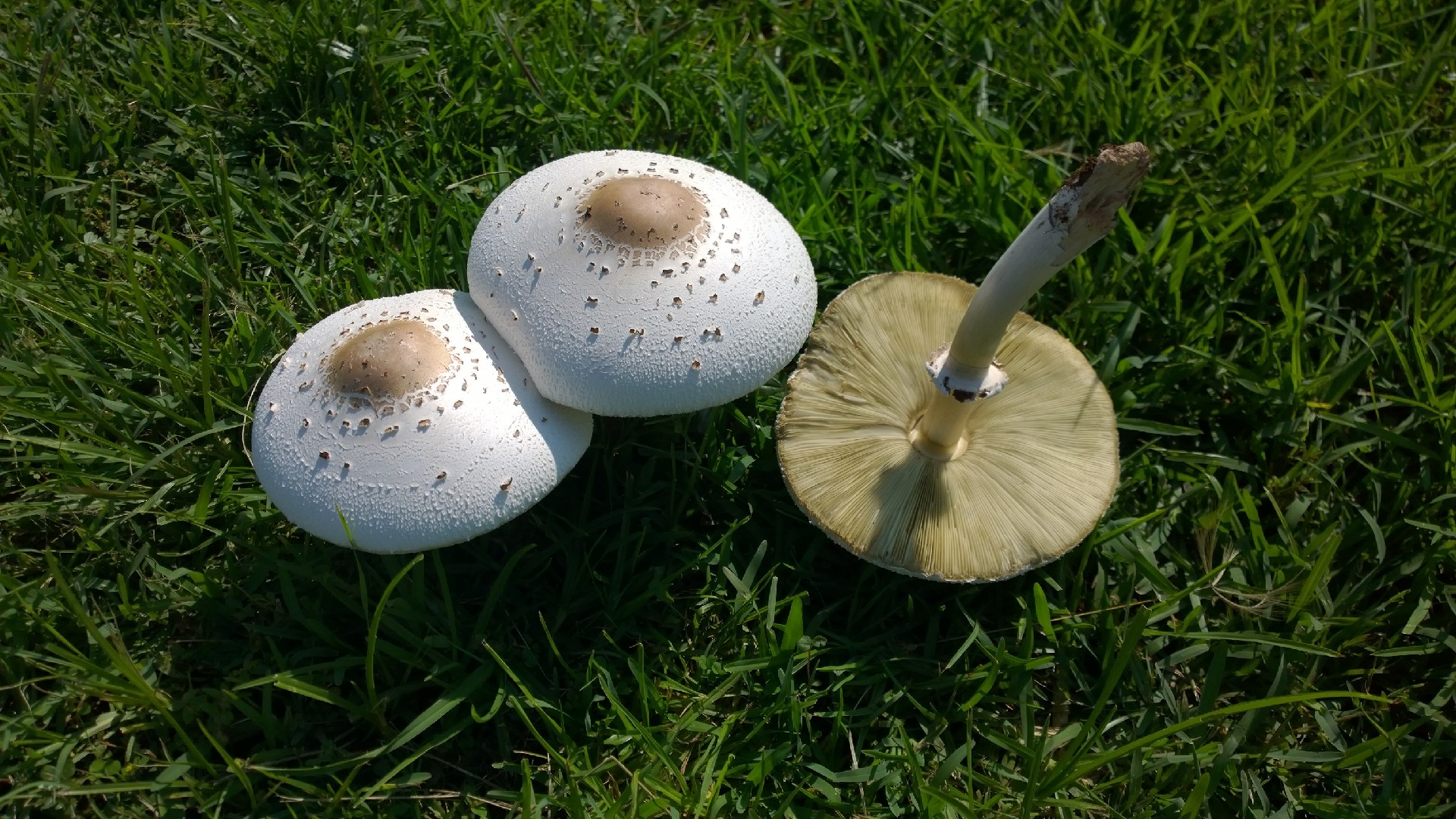
8. False parasol
Though the false parasol appears unassuming, the species is famous—or, infamous—for its toxicity. It looks unfortunately similar to Agericus campestrus, a commonly eaten mushroom, but the false parasol can be distinguished by its highly unusual green spore print. Although they are no good to eat, they can be pretty to look at. The species may grow in ring-shaped groups in meadows and on forest floors in what are sometimes called "fairy circles."
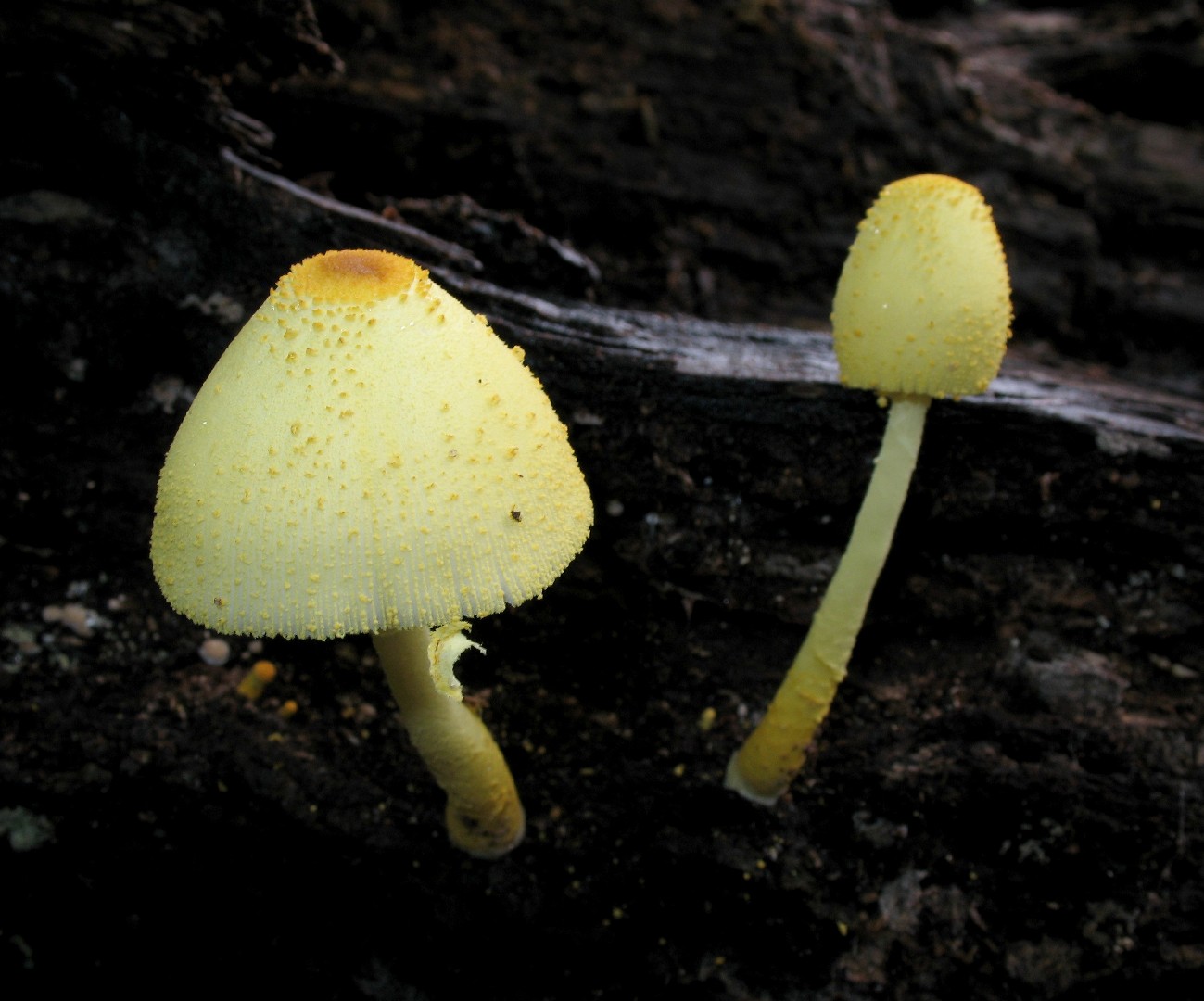
9. Flowerpot parasol
This tropical/subtropical mushroom is known to be toxic. If eaten it causes a very unpleasant stomachache with the risk of fatal complications. In temperate zones, flowerpot parasol is only found in hothouses and greenhouses, so the risk of accidental foraging is low, but it may occur with potted plants and indoor landscaping and pose a risk to curious children.
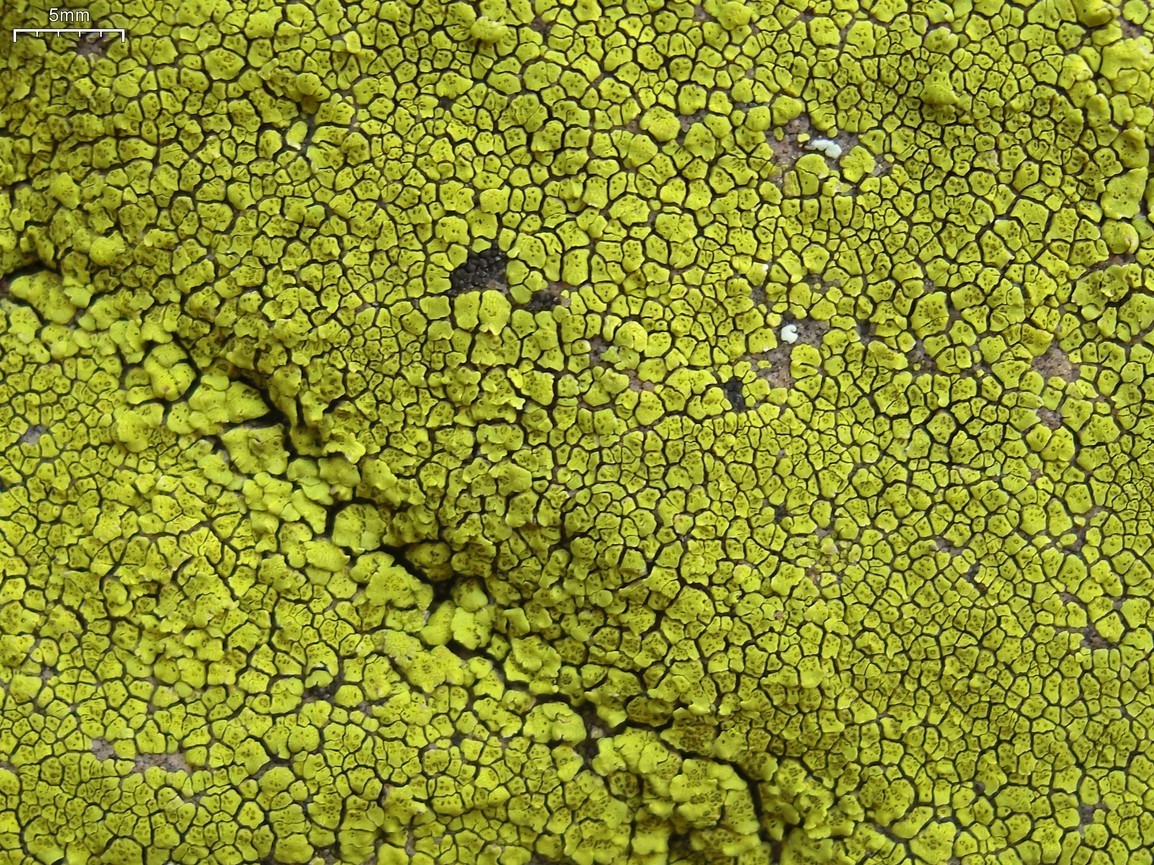
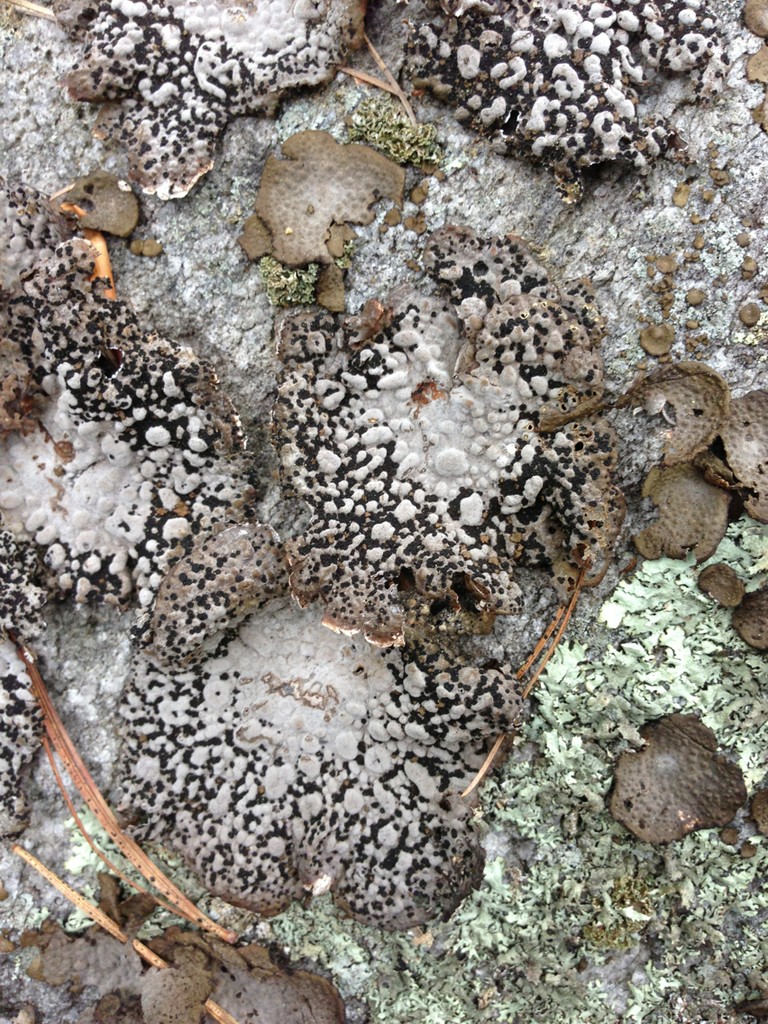
10. Bright cobblestone lichen
More







