




Top 20 Most Common Mushrooms in Ukraine
Dive into the fascinating world of mushrooms prevalent in Ukraine, a region renowned for its diverse array of fungal species. The Ukraine's unique combination of climate, varying soil types, and distinct local flora creates a fertile breeding ground for a perplexing variety of mushrooms. Discover the top 20 most ubiquitous mushrooms in this vibrant habitat. Armed with vast biodiversity, Ukraine houses a treasure trove of mushroom species, a testament to the richness of its ecosystems. Explore the fungal beauty of Ukraine as we delve into the intricate details of these fascinating specimens.

Most Common Mushrooms
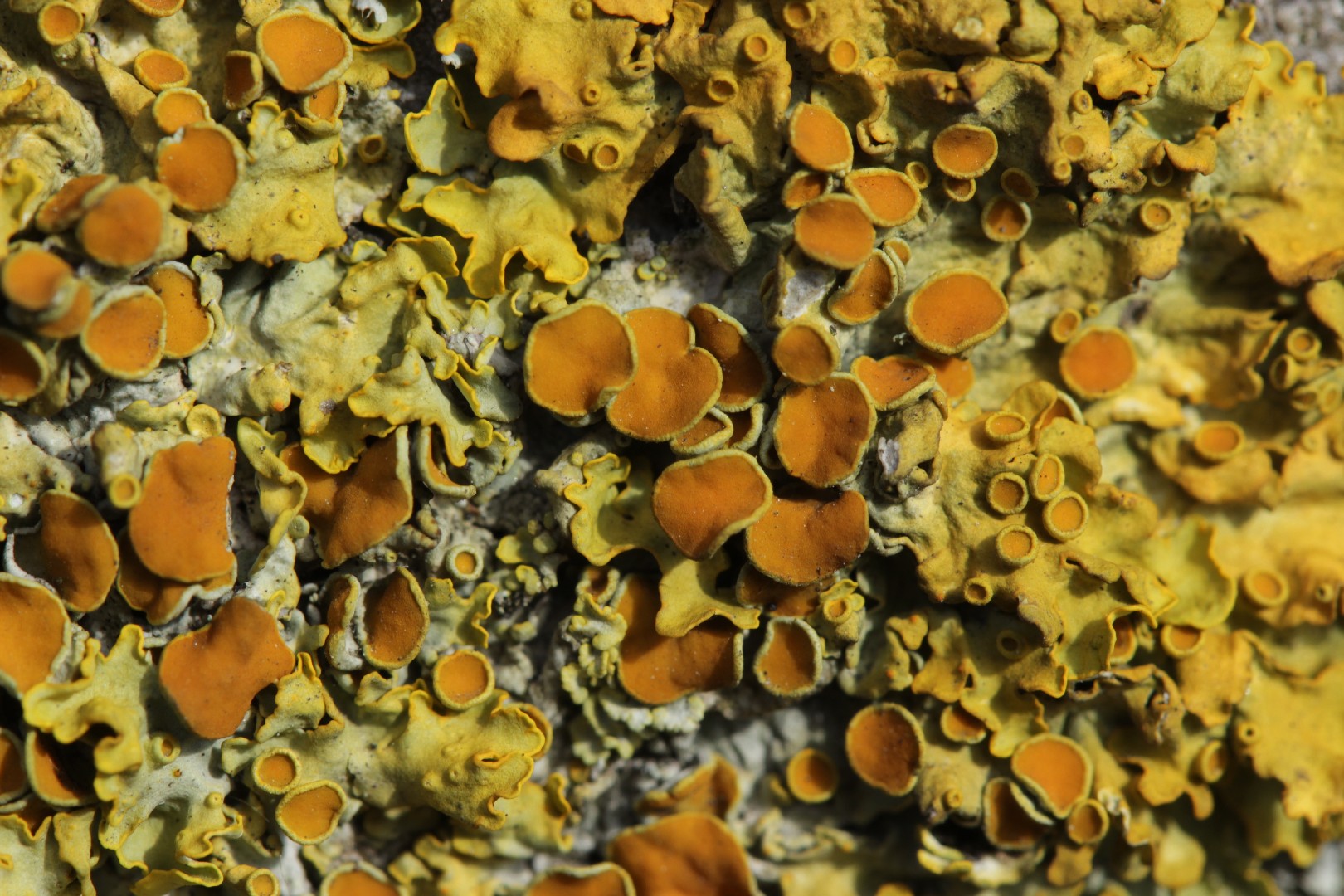
1. Common orange lichen
Common orange lichen was selected in 2006 by the United States Department of Energy as a model for genomic sequencing. Its widespread dispersal and bright yellow-orange color give the lichen its common name. It is primarily found growing on rocks, walls, and tree bark.
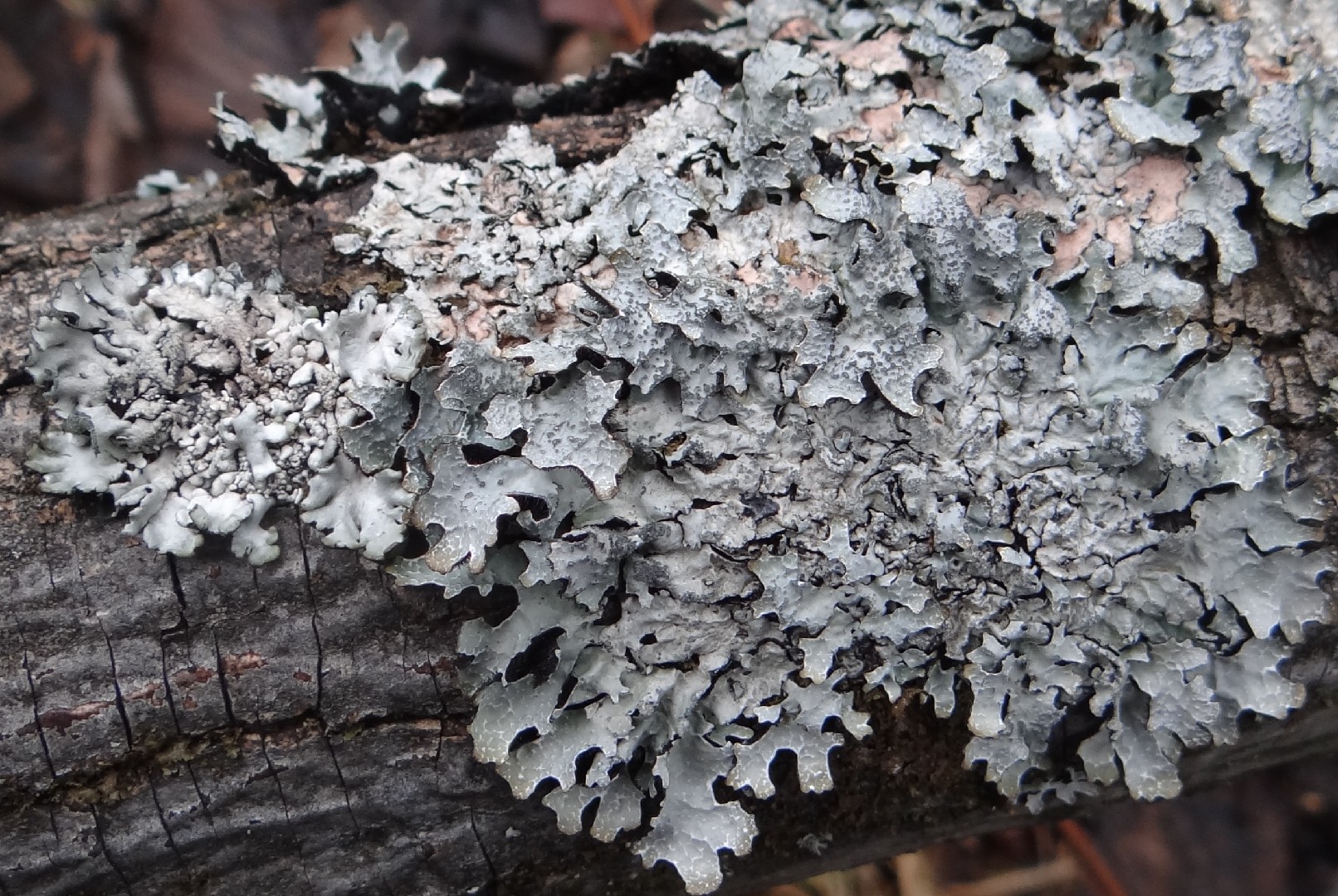
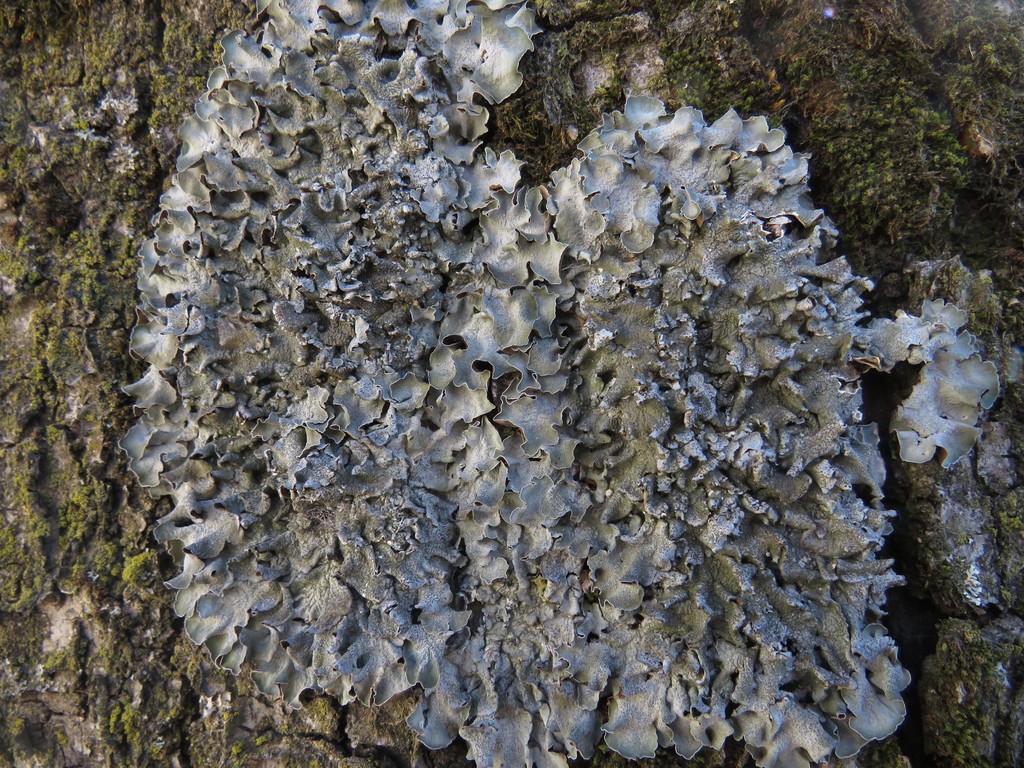
2. Hammered shield lichen
Hammered shield lichen is noted for its pollution tolerance. It is a widespread grey flat lichen that is mostly found upon tree bark and occasionally rocks. Hammered shield lichen is named for the depressions within the lobe which give it a hammered appearance.
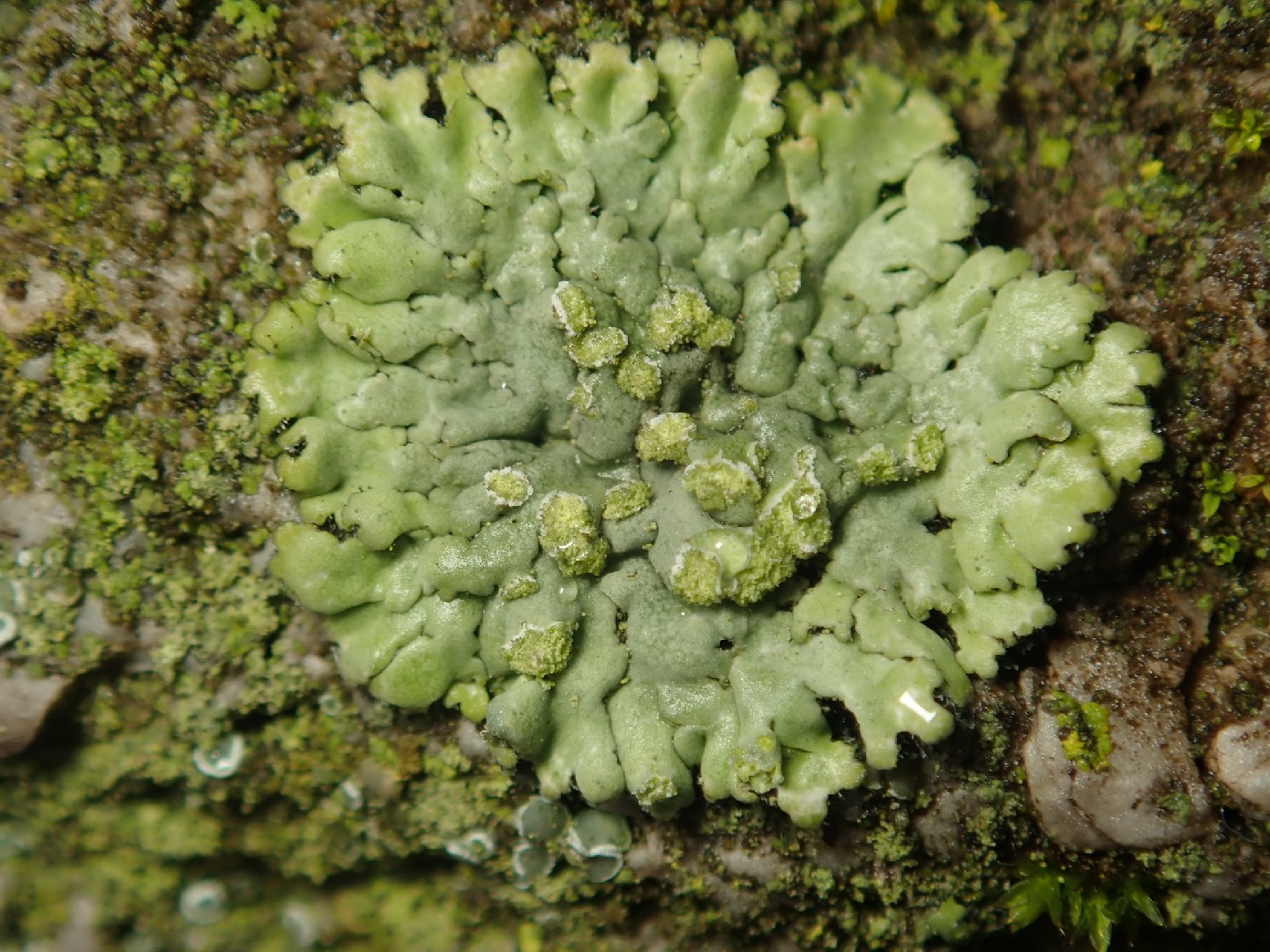
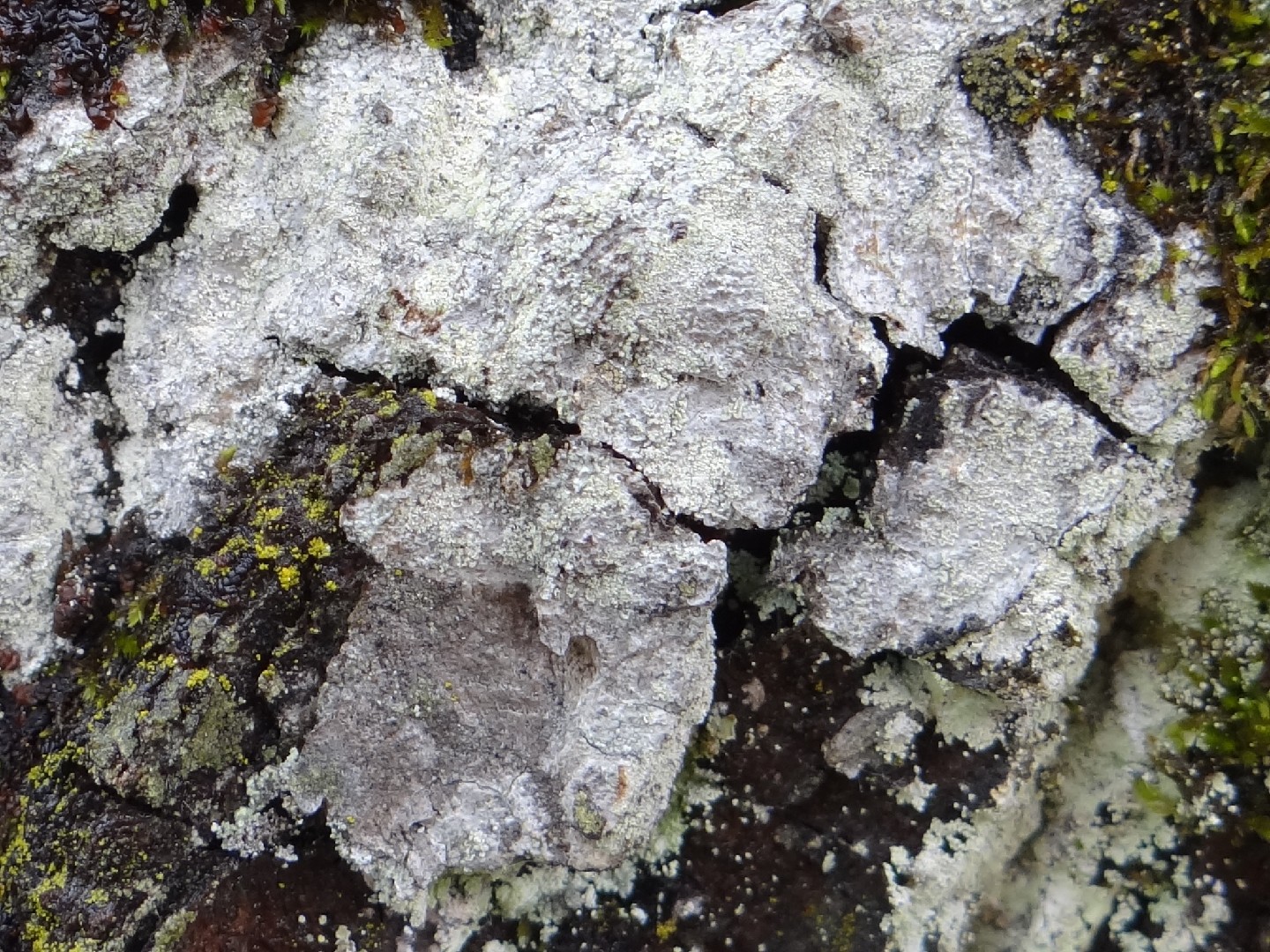
3. Mealy shadow lichen
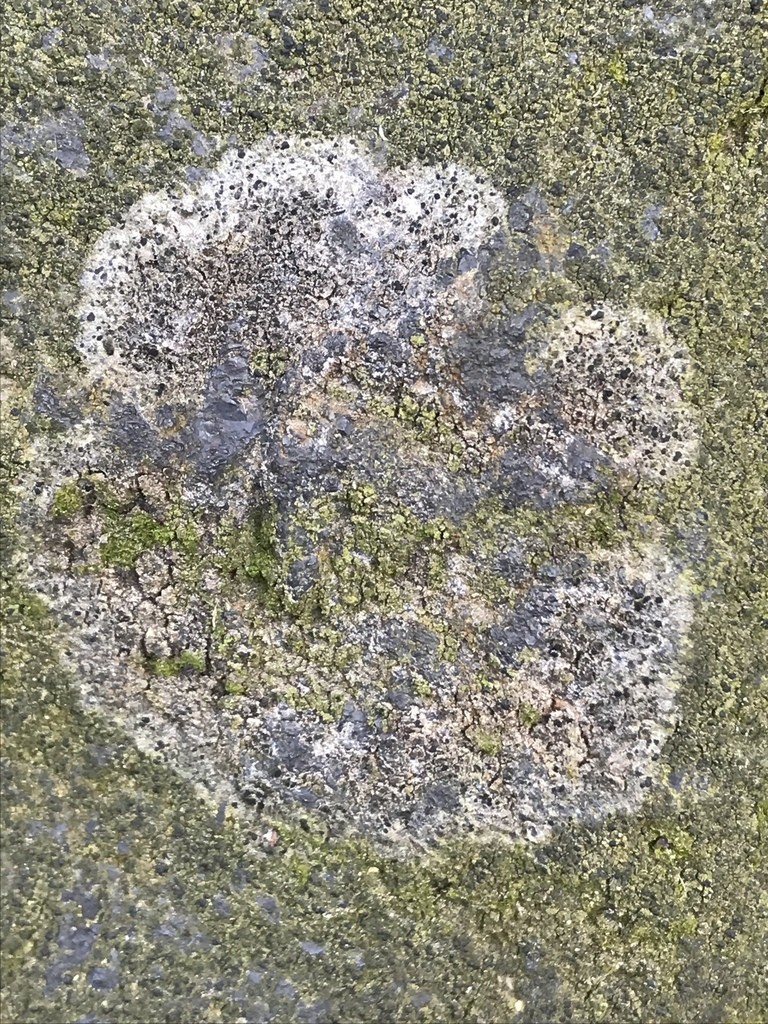
4. Athelia arachnoidea
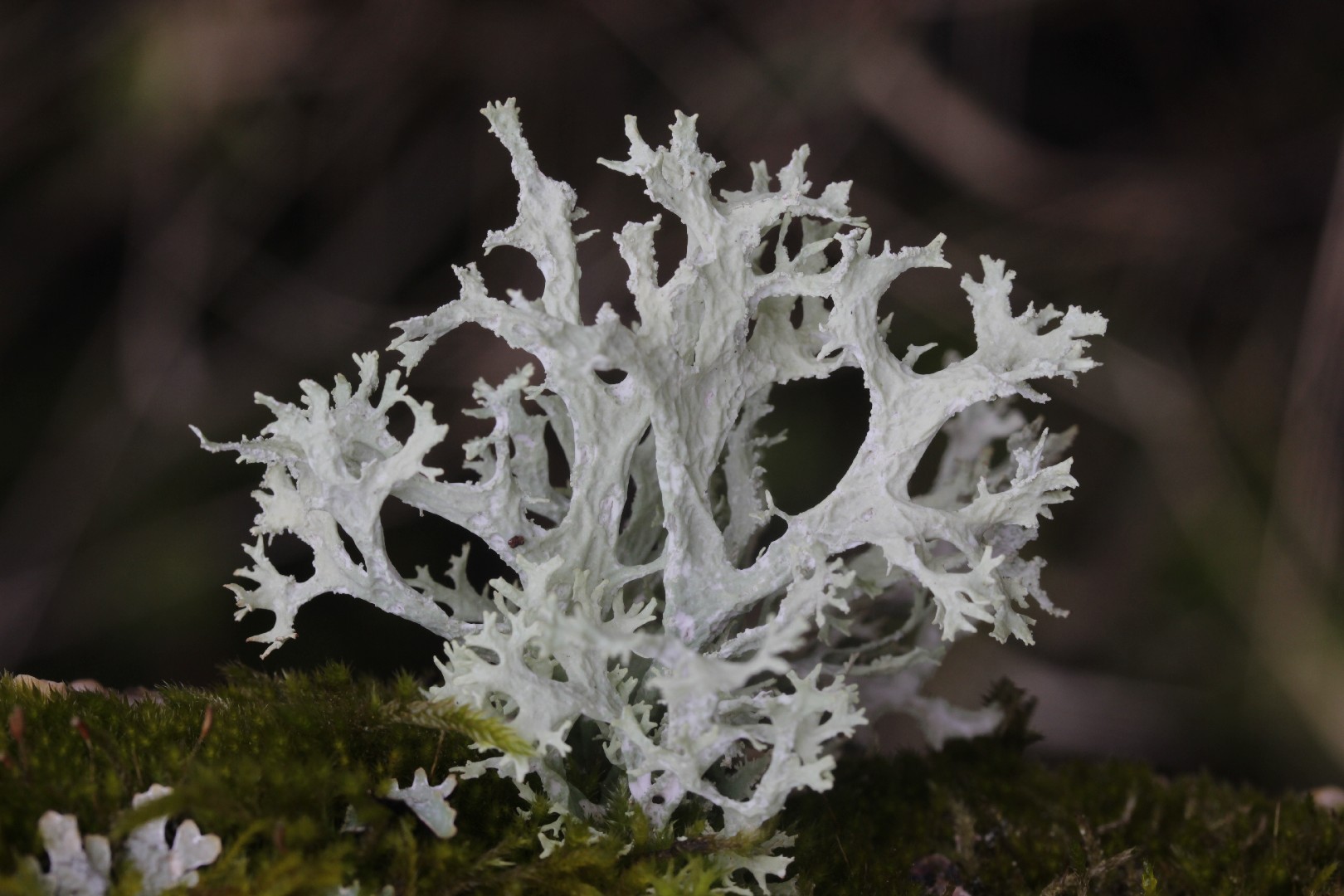
5. Oakmoss
Evernia prunastri grows shrubby on trees. The yellow-green lichen grows up to 10 cm. It consists of up to five millimeters wide shrubby branched bands with a light underside. At the edges of these open dusty (Sorale). Apothecias (with shiny brown disc) are rarely formed.
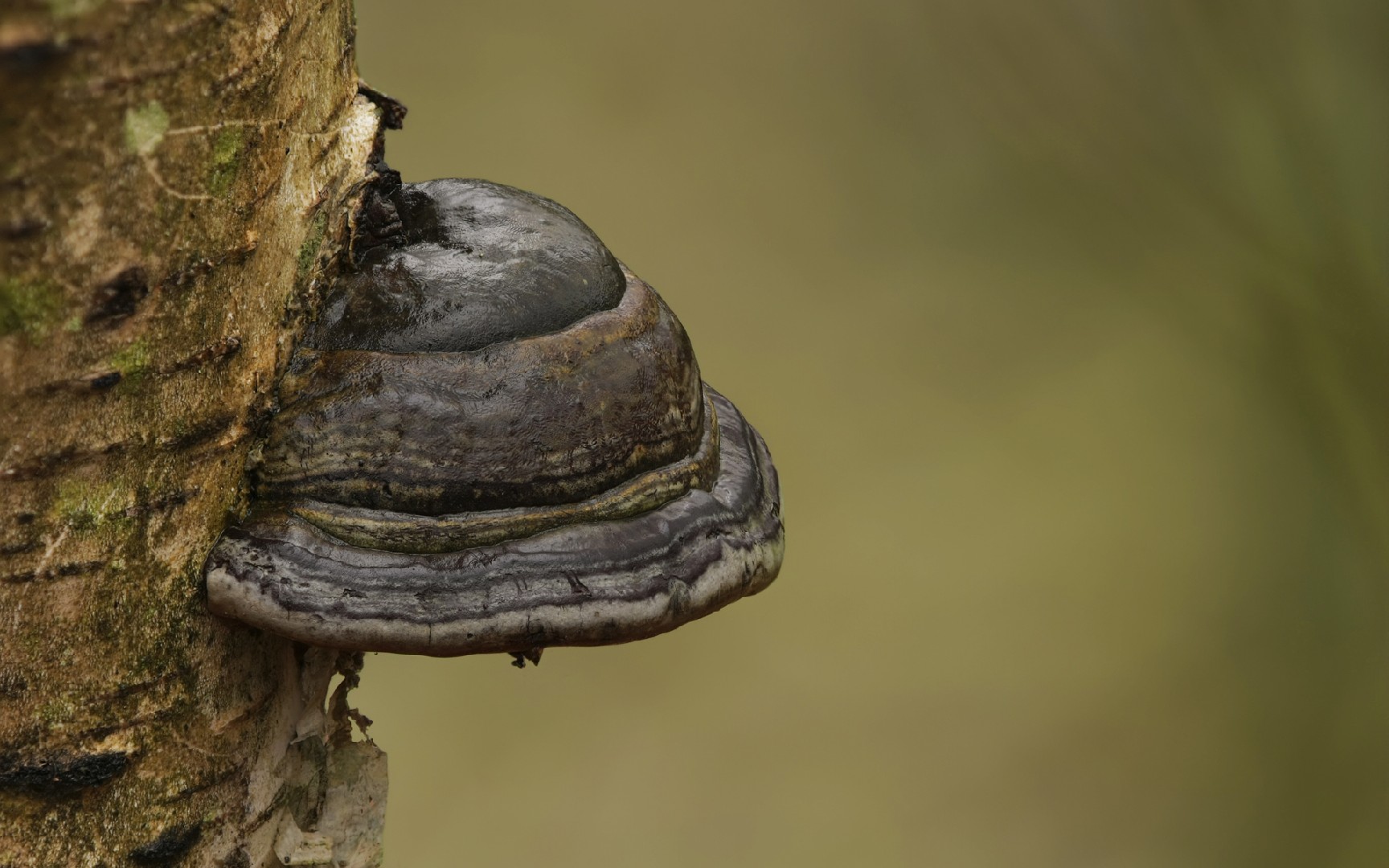
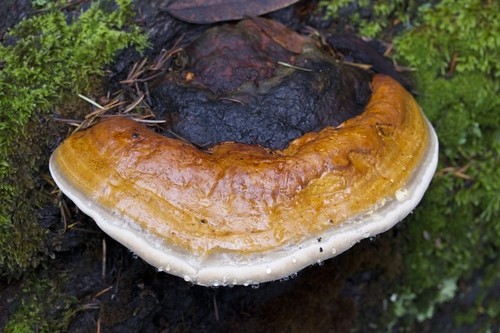
6. Tinder fungus
This large, tough shelf fungus can be found attached to birch, beech, and sycamore trees. It gets its common name, tinder fungus, from the fact that it burns quite slowly and can thus be used effectively for lighting fires. Dried pieces can also be a useful desiccant. A piece of this fungus was found in the possession of Otzi the Iceman, indicating that its usefulness has been known for millenia.
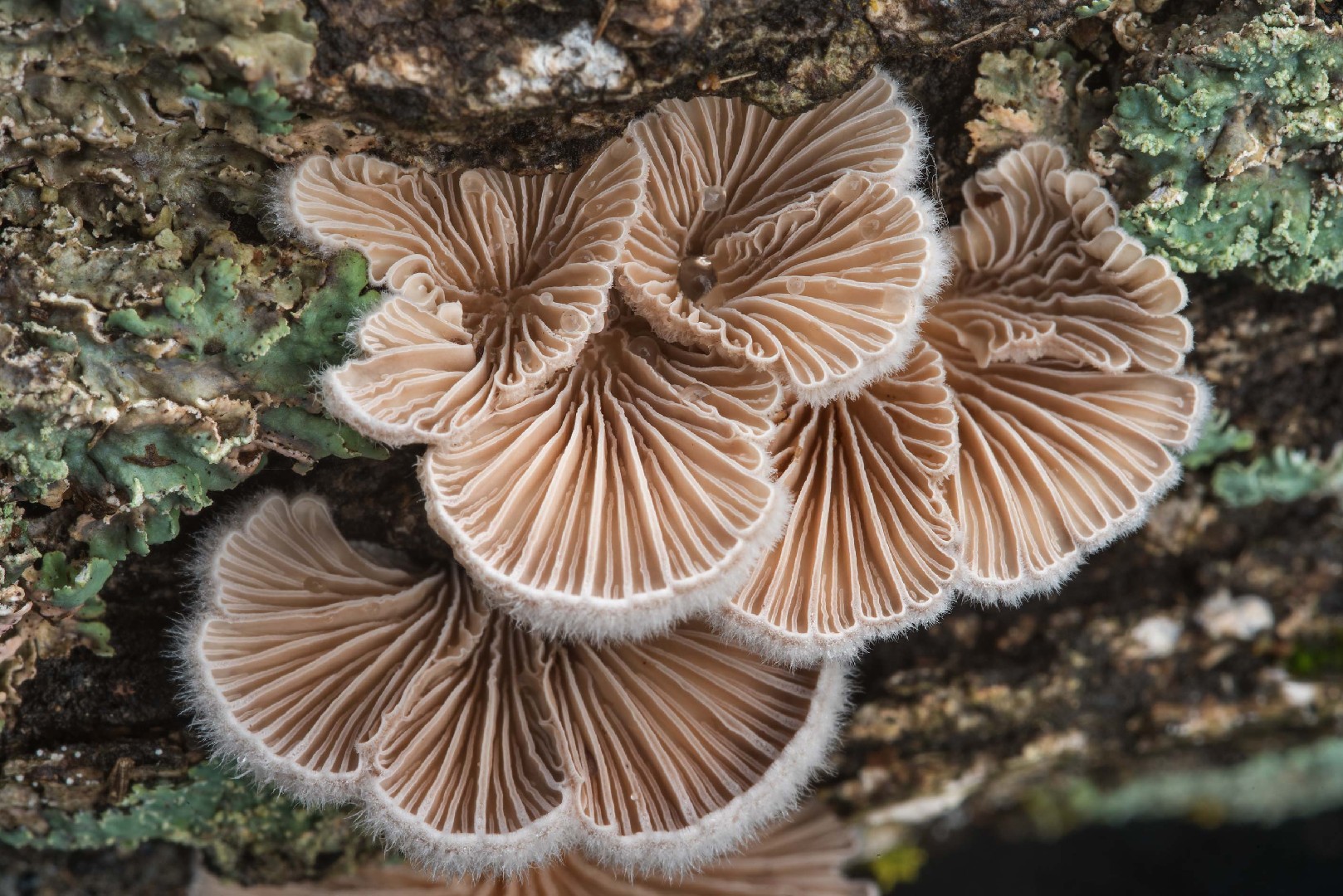
7. Split gill
Split gill(Schizophyllum commune) can be found across the globe. Uniquely, it is the only mushroom species known to display the capability to retract by movement. It is considered inedible, although not necessarily toxic. Furthermore, it is not recommended to smell this species, as the spores are capable of sprouting and growing in nasal passages.
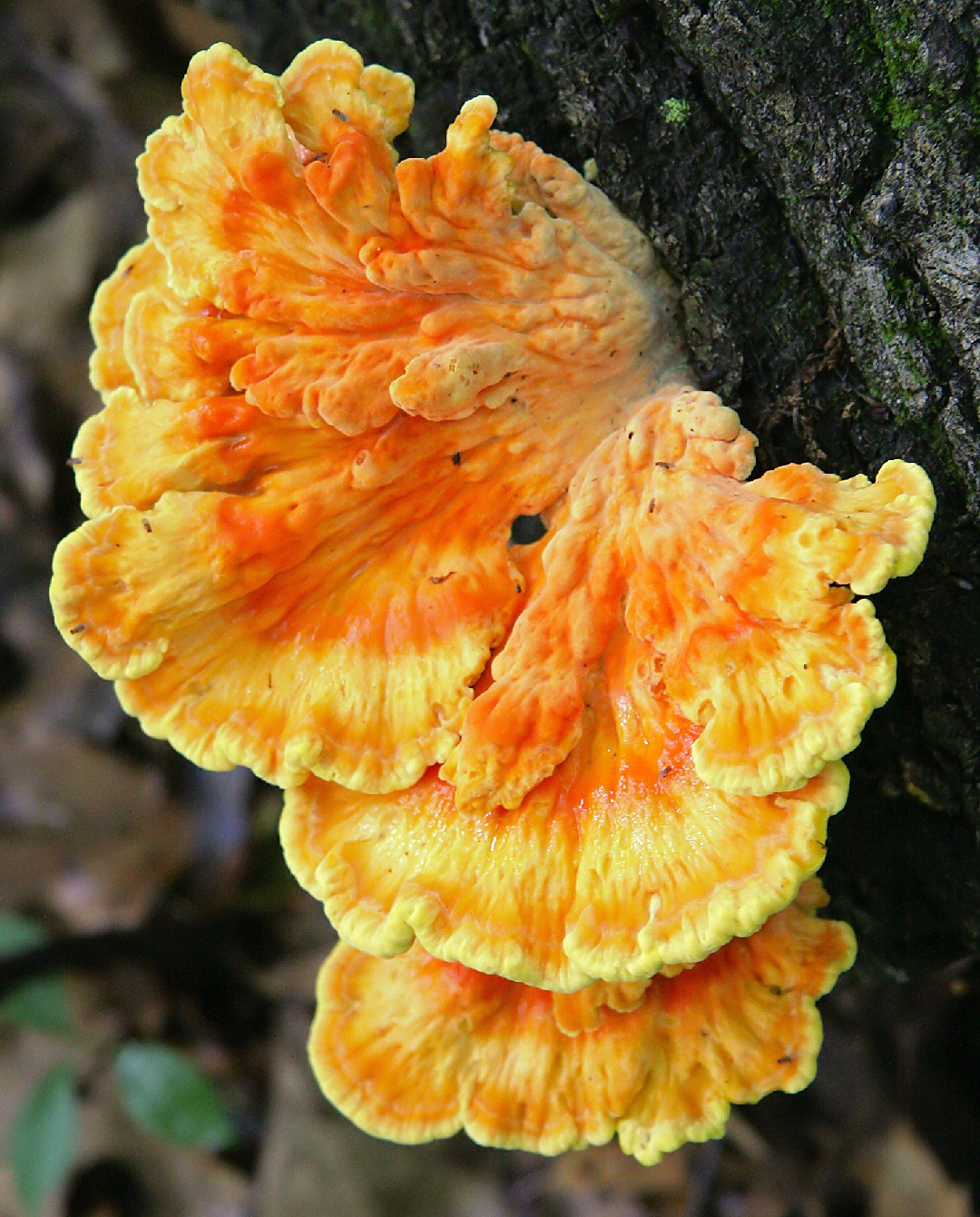
8. Chicken of the woods
Chicken of the woods is very noticeable in hardwood forests, appearing in clusters on standing tree trunks in bright orange and yellow hues that sometimes last through the entire winter. It is a parasite that causes an unfortunate brown heart rot, and is considered a particularly troublesome pest of Yew trees. If the fruitbodies can be seen, the tree is likely already beyond saving.
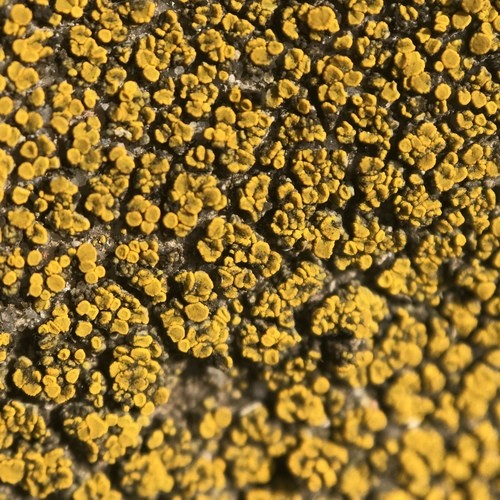
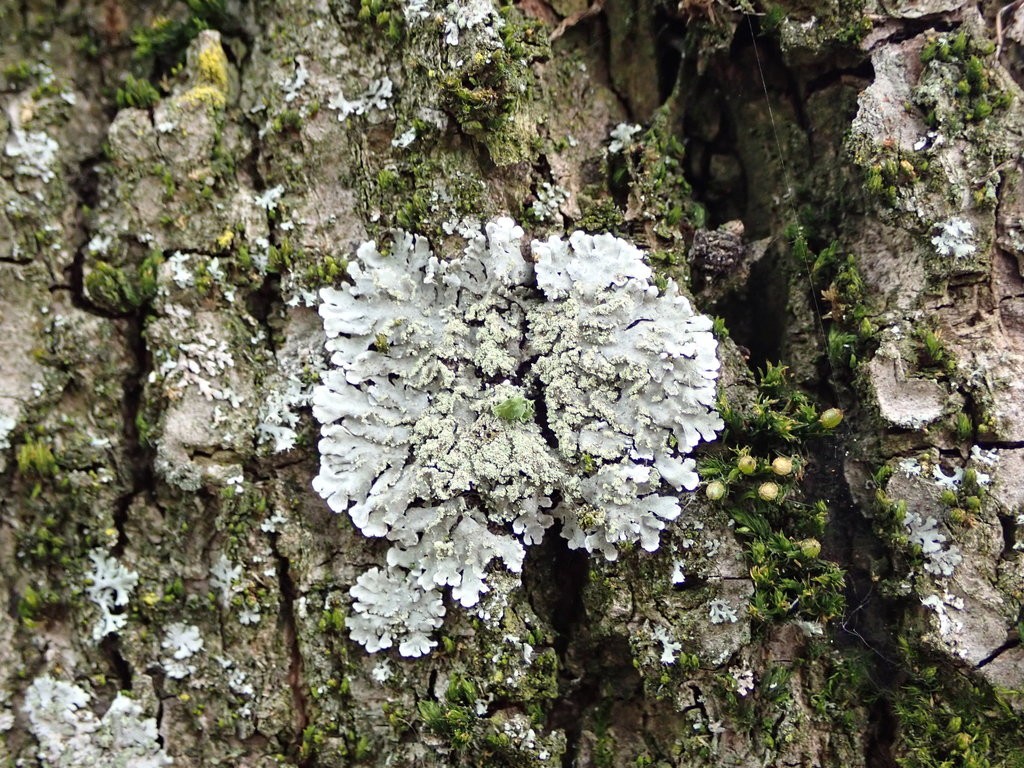
9. Hidden goldspeck lichen
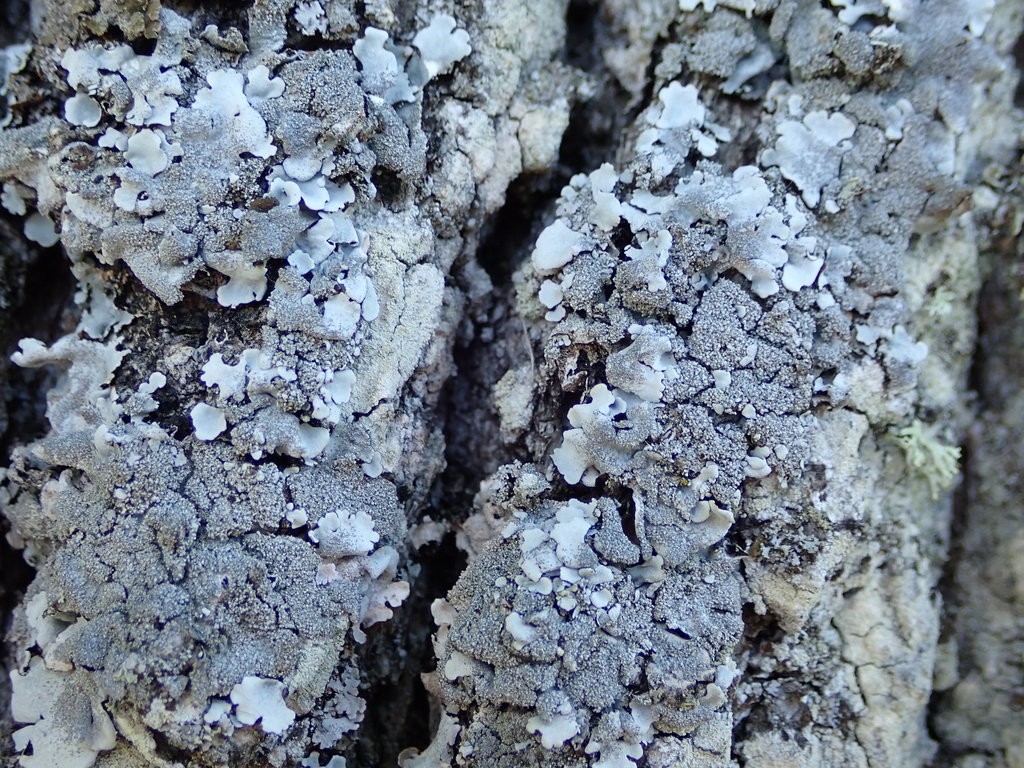
10. Parmelina tiliacea
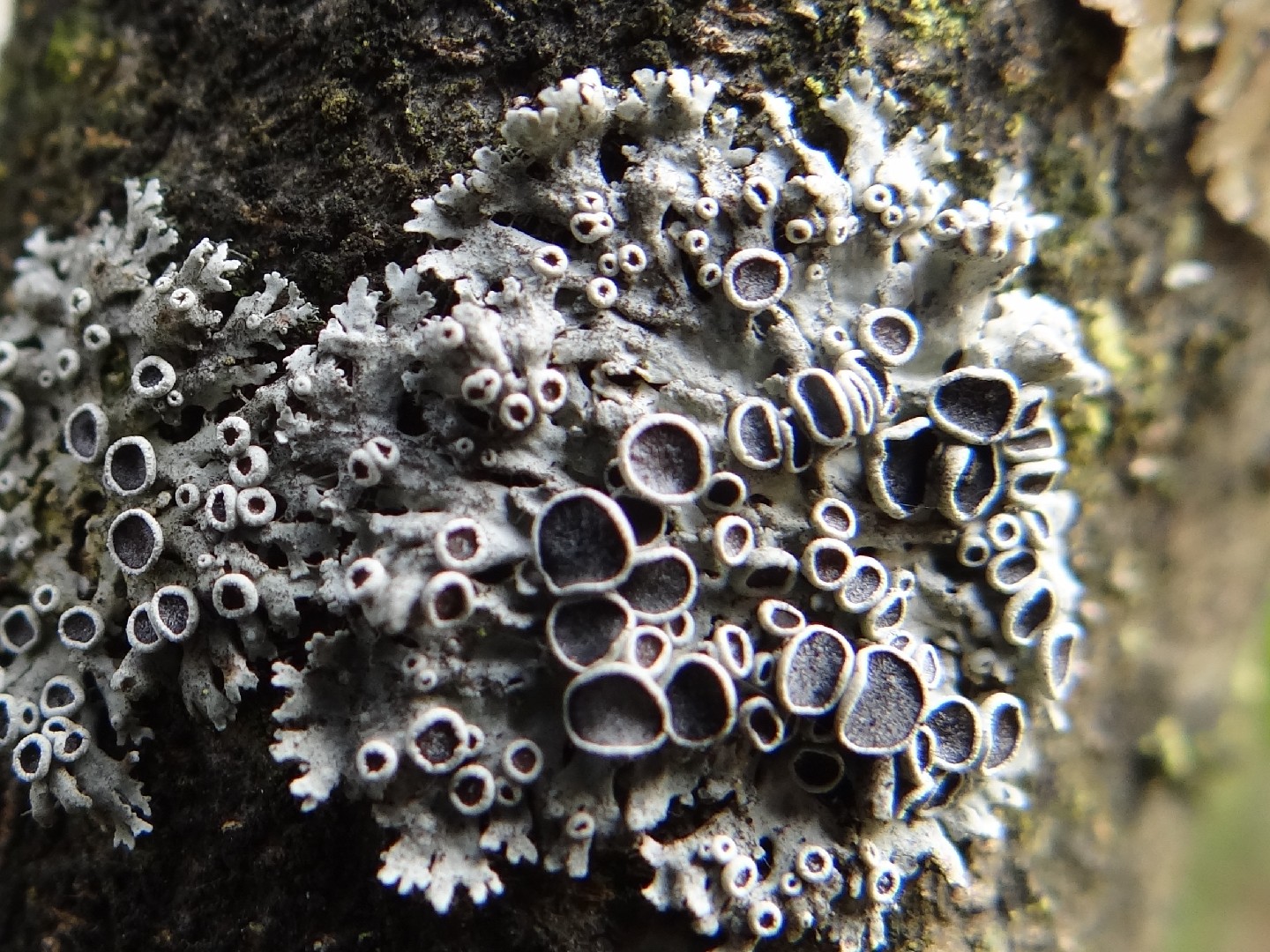
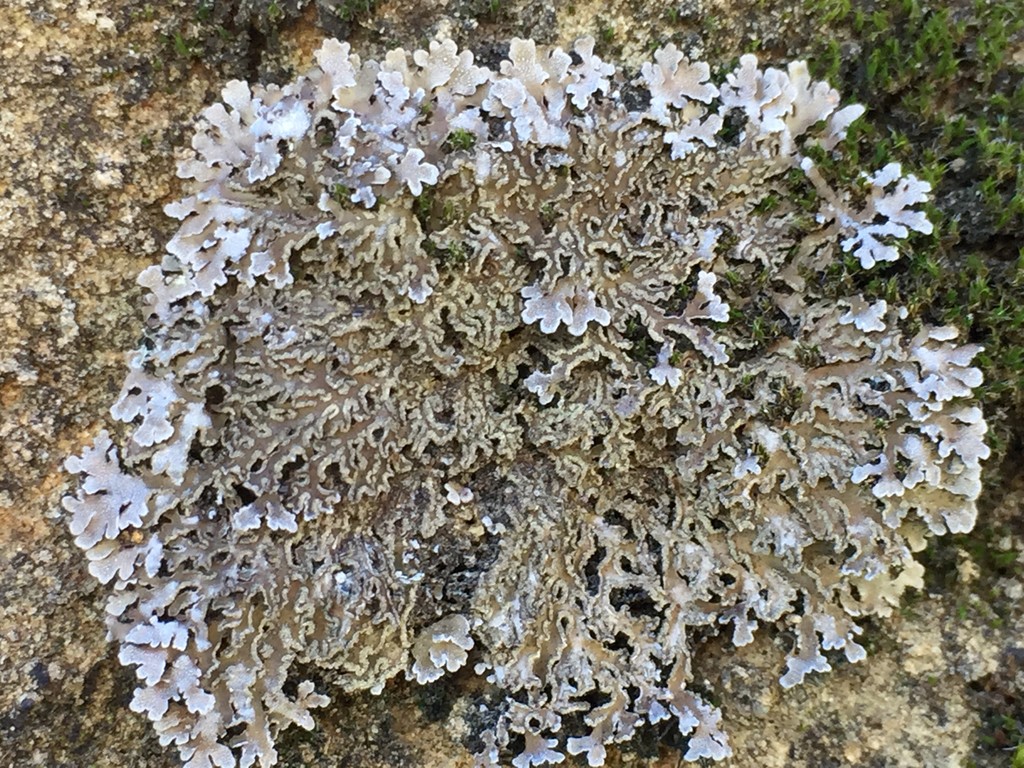
More







