




Top 13 Most Common Mushrooms in Sri Lanka
Diverse in its ecosystems, Sri Lanka provides an ideal habitat for a wide array of fungal species, owing to its tropical climate, unique soil composition, and plentiful flora and fauna. This list explores the top 13 most prevalent mushrooms found within this vibrant country, reflecting Sri Lanka's extraordinary mycological richness. Read on to deepen your understanding of these ubiquitous fungi, each special in its own right, adding another thread to the intricate tapestry of Sri Lanka's biodiversity.

Most Common Mushrooms
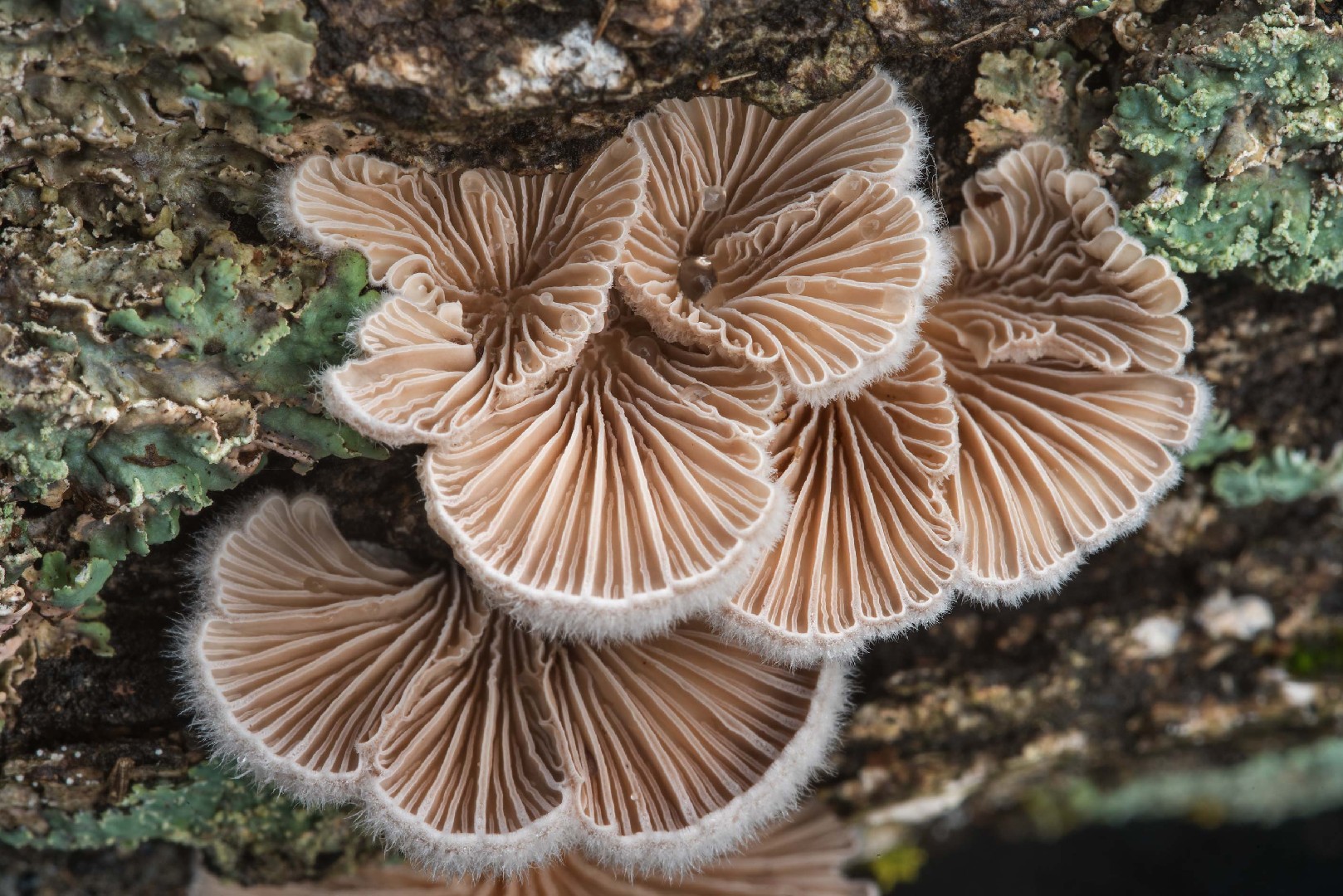
1. Split gill
Split gill(Schizophyllum commune) can be found across the globe. Uniquely, it is the only mushroom species known to display the capability to retract by movement. It is considered inedible, although not necessarily toxic. Furthermore, it is not recommended to smell this species, as the spores are capable of sprouting and growing in nasal passages.
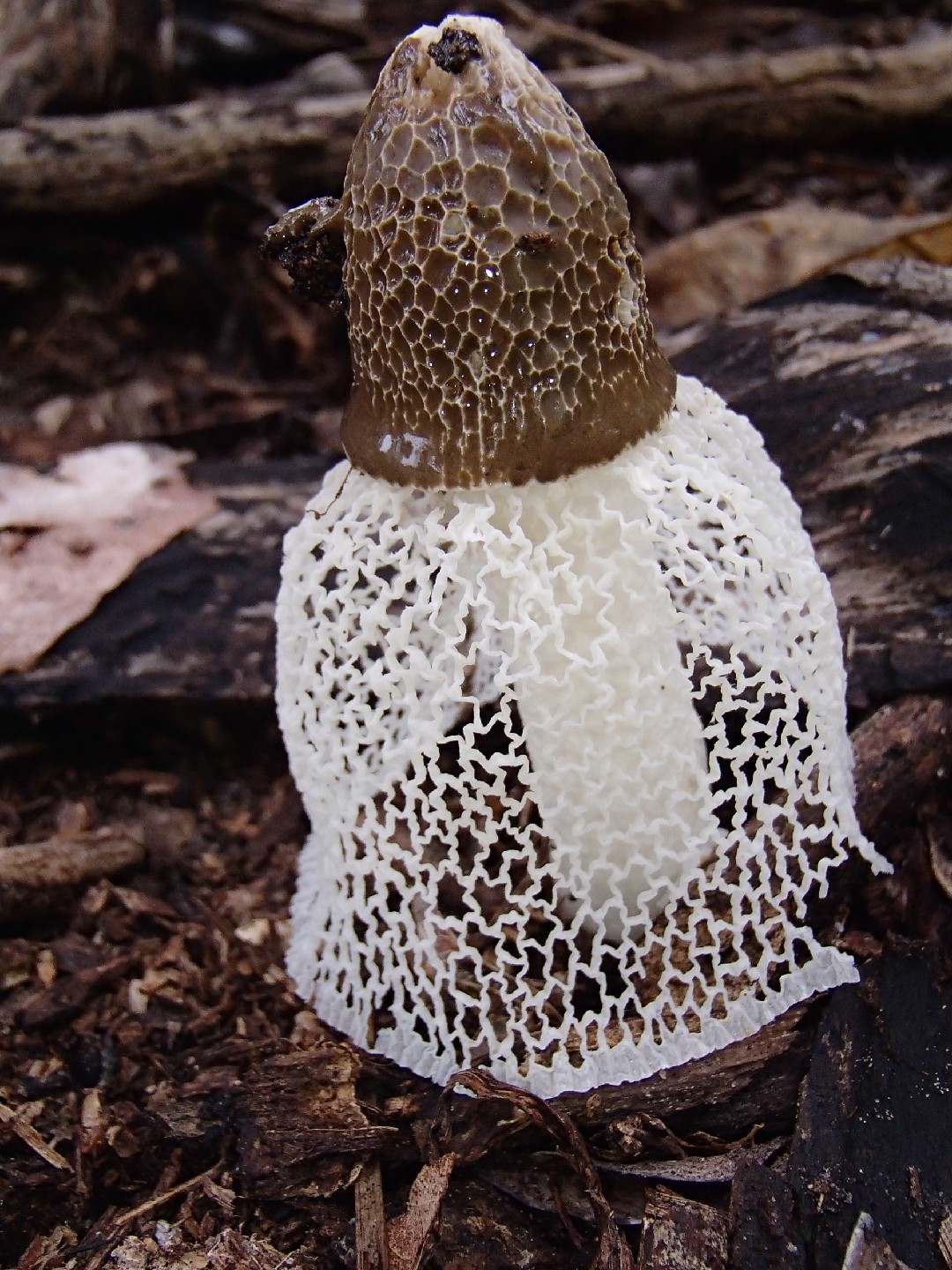
2. Bridal veil stinkhorn
Bridal veil stinkhorn (Phallus indusiatus) can be found rising up from the ground in tropical forests around the world. A distinctive netted fringe “skirt” descends from the cap along the length of the stalk. A type of “stinkhorn,” the fruitbodies of this species produce scents that vary between sickly-sweet to just plain unpleasant. The odor is meant to attract insects that usually lay their eggs in carrion.
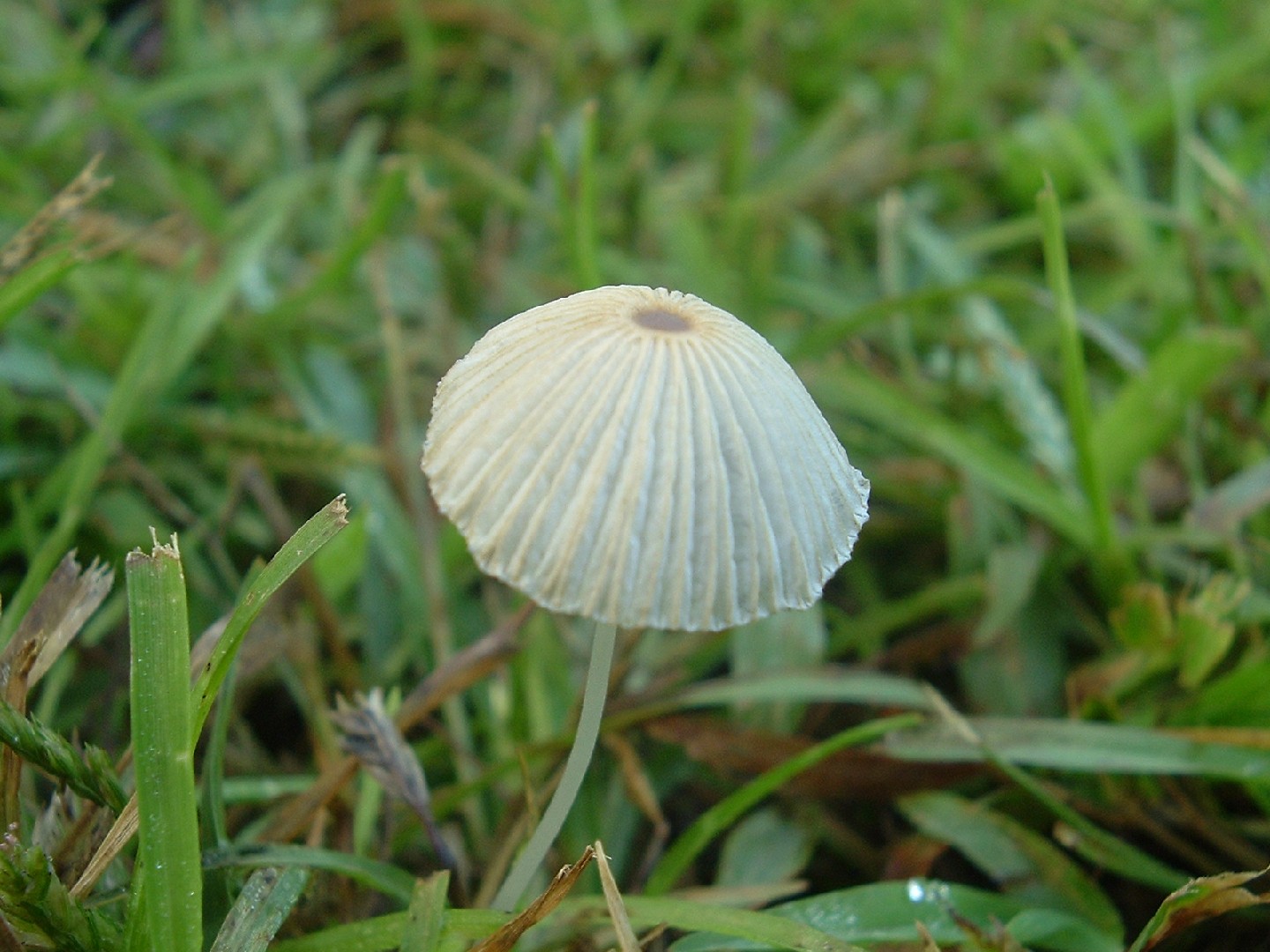
3. Pleated inkcap
This extremely delicate little mushroom appears during the night after rains, in areas of short grass or detritus. The entire pleated inkcap fruitbody rises, expands, sheds its spores, and decays within 24 hours. Its scientific name Parasola plicatilis refers to the pleated umbrella shape of the mushroom cap.
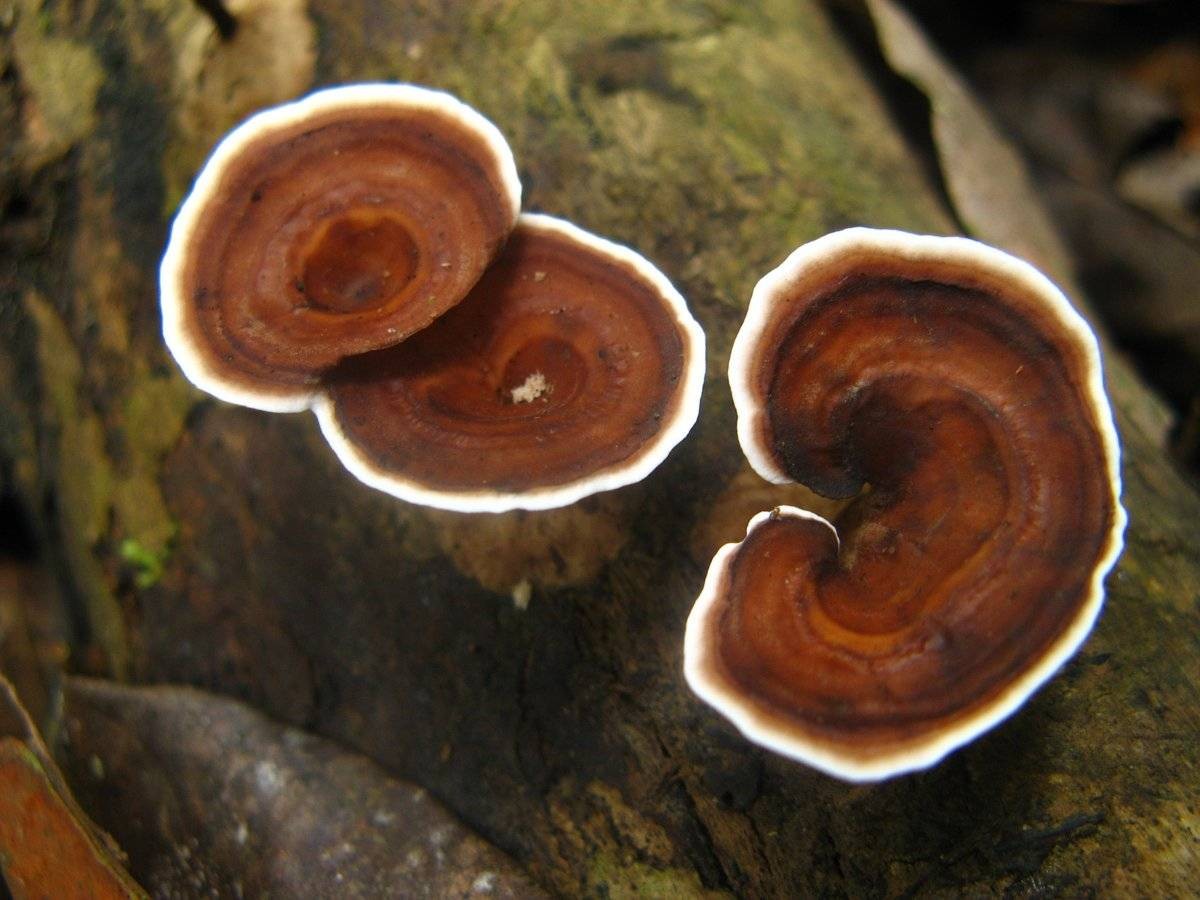
4. Yellow-footed micropore
The scientific name of the yellow-footed micropore (Microporus xanthopus) translates to “tiny-pored yellow foot.” Its short stem is usually yellow, leading up to a concave, funnel-like cap. The species is common in all the tropics of the world outside of the Americas. The striated, multi-hued caps grow largest in wet, darkly-shaded locations.
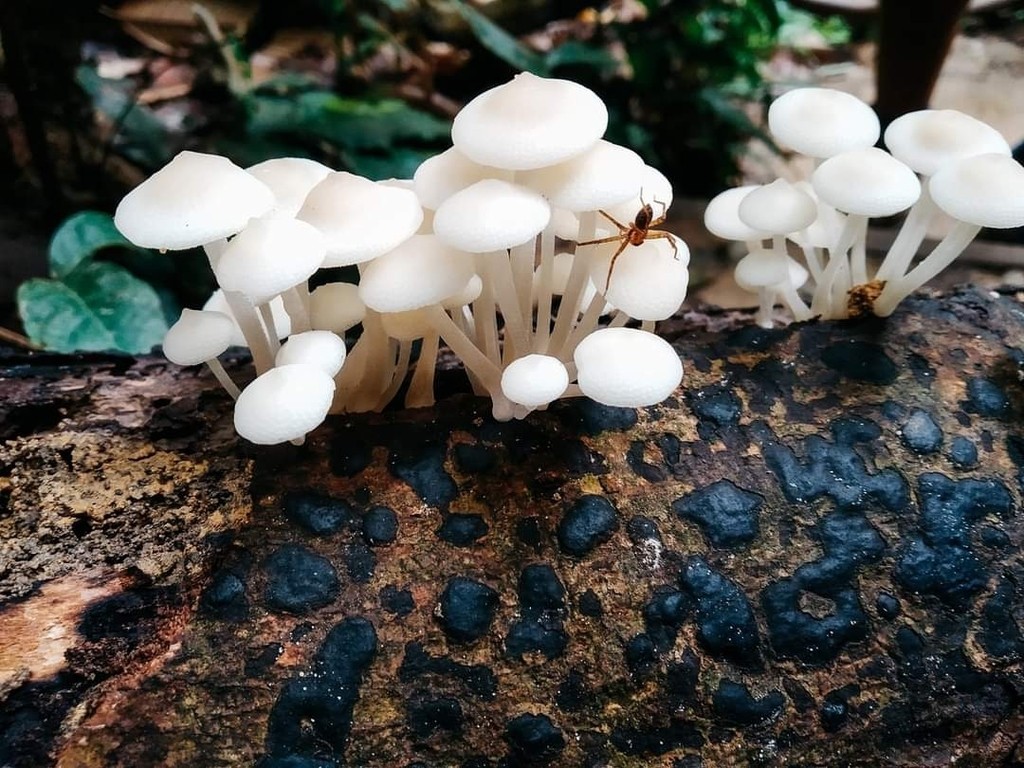
5. Favolaschia manipularis
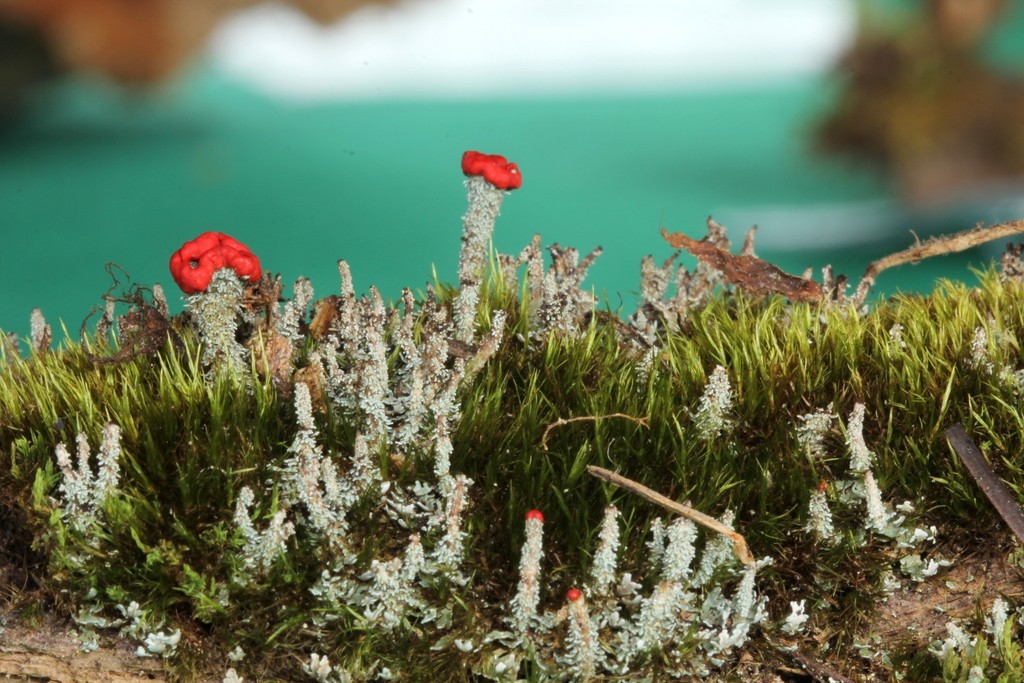
6. Cup lichen
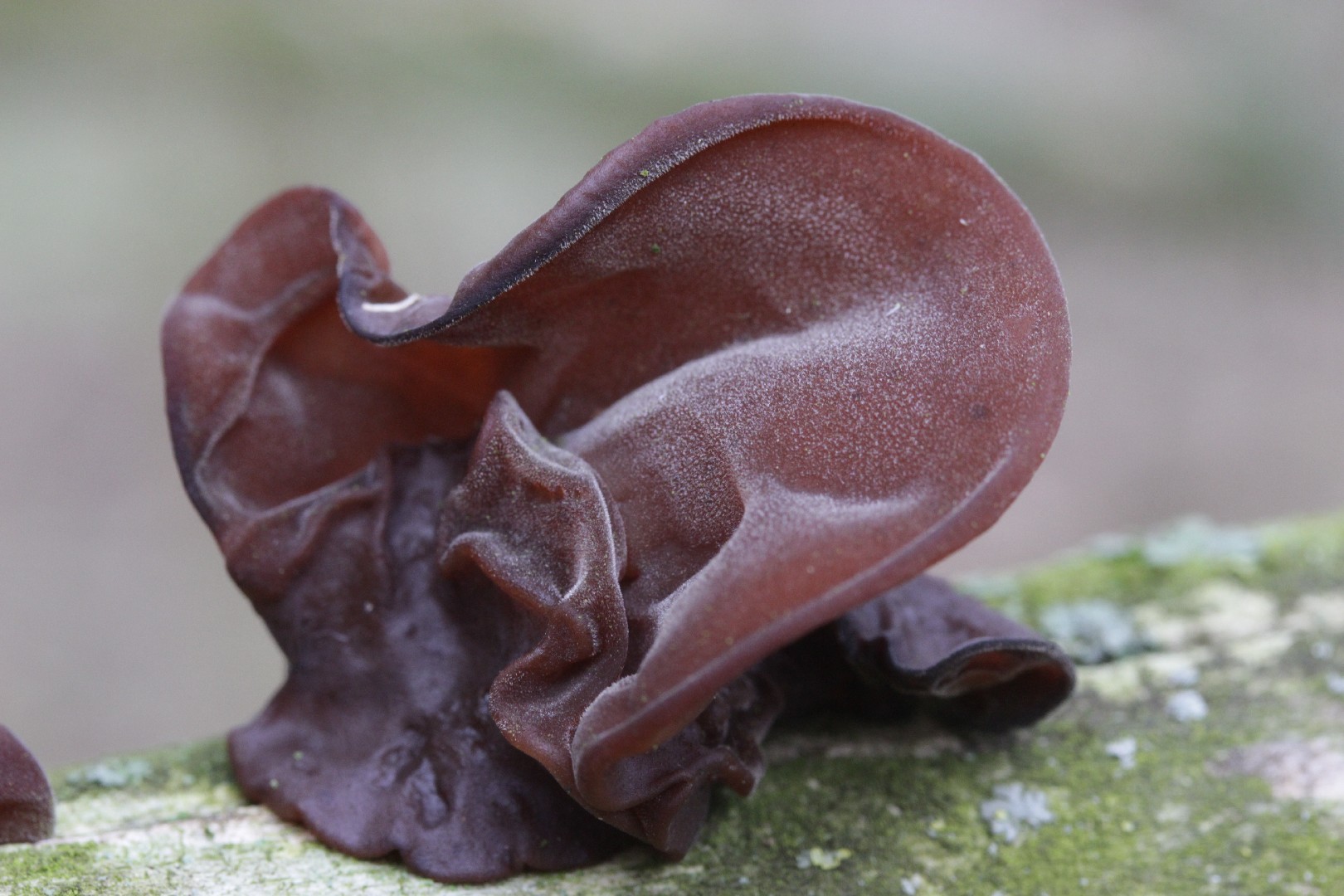
7. Jelly ear
The distinctive jelly ear grows mainly through winter and spring, mostly on the dead trunks and branches of elder trees. It occurs around the world and is often cooked into dishes in Asian countries. This ear-shaped jelly mushroom is often available in stores both fresh and dried.
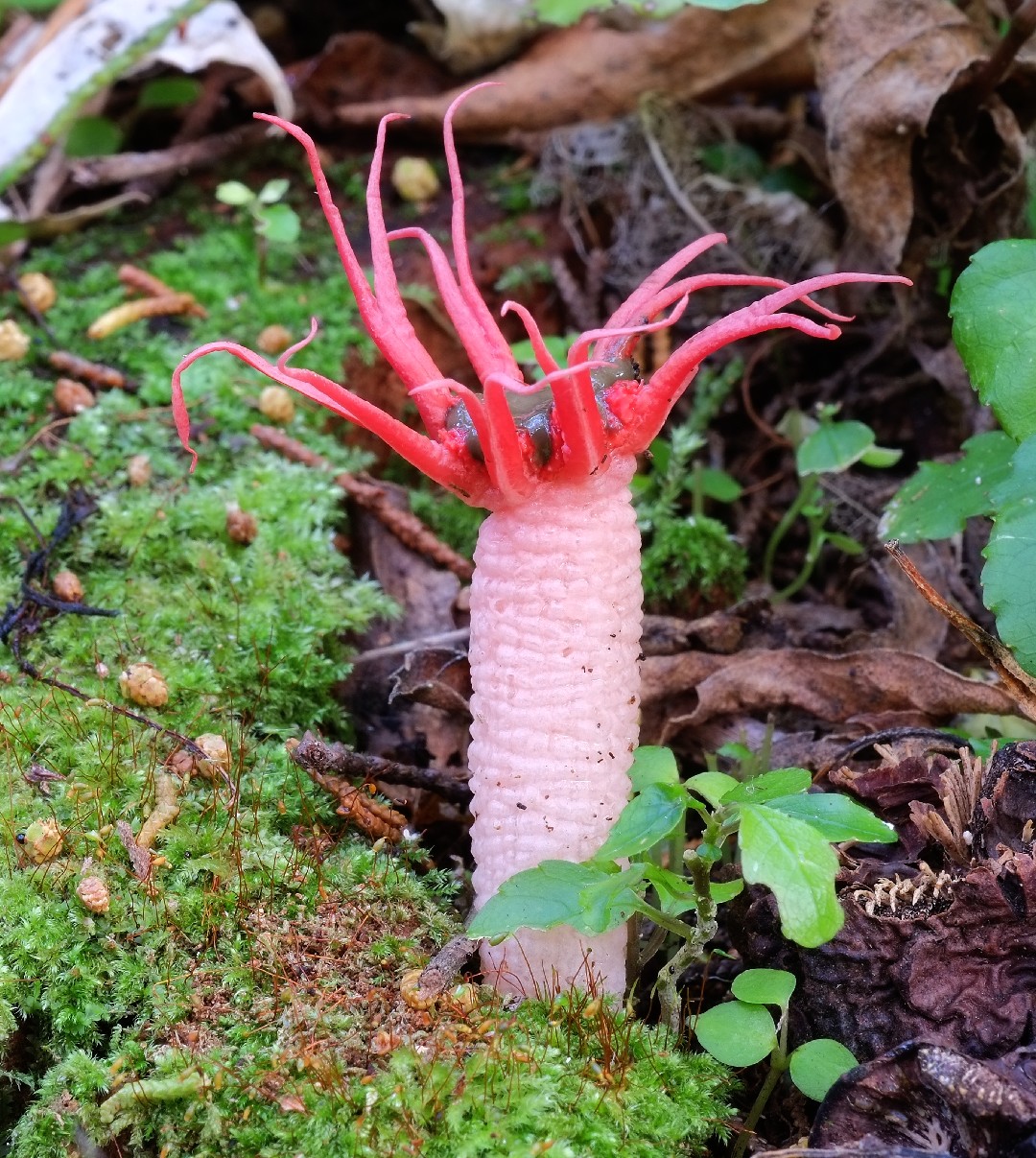
8. Anemone stinkhorn
The anemone stinkhorn (Aseroe rubra) looks like a creature straight from the depths of the ocean…or perhaps a horror movie! This Australian native starts fruiting with a white, egg-like ball that breaks open to reveal bright red tentacle-like fingers that spread toward the sky with radial symmetry and the odor of rotting meat. It has spread to tropical and sub-tropical areas around the world and is potentially poisonous.
9. Tiger sawgill
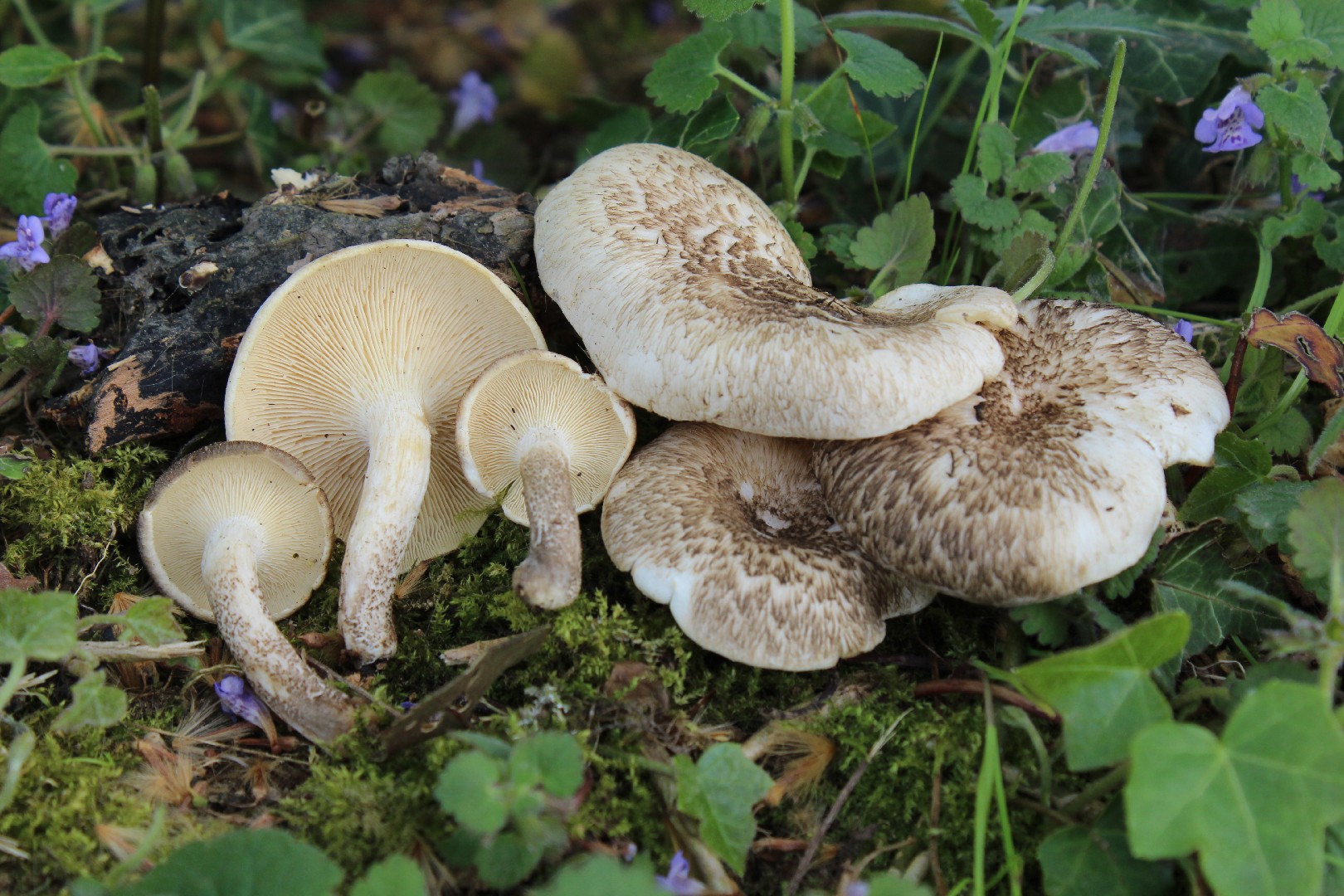
The tiger sawgill (Lentinus tigrinus) is a small mushroom with a name that is not particularly accurate. Sporting neither the color nor the pattern that we commonly associate with the tiger, it has a subdued, pale cap that is usually covered in brown patches. The eighteenth-century European that named the species may have been thinking of a leopard.
10. Witches' butter
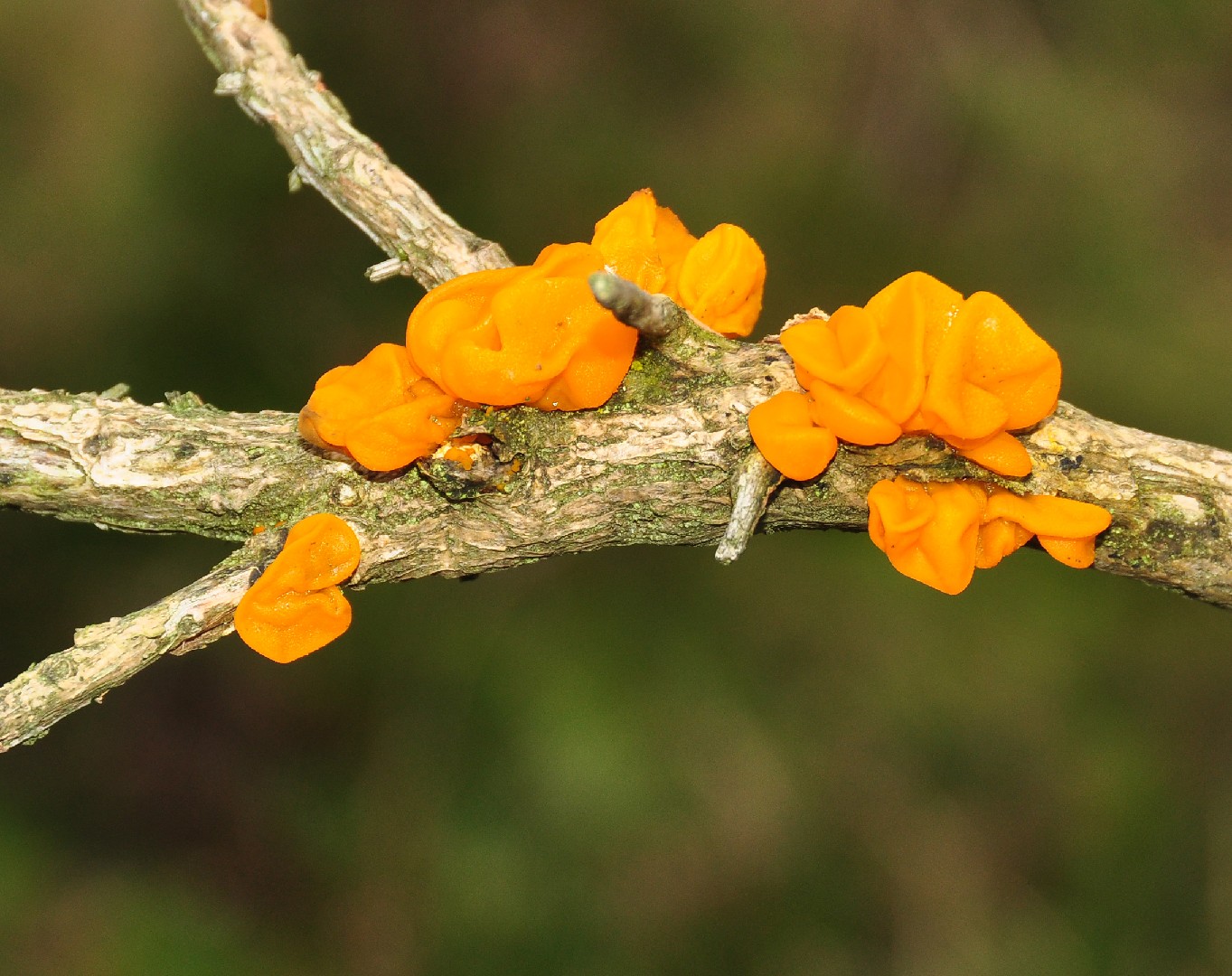
Witches' butter (Tremella mesenterica) has an irregularly-shaped fruitbody that can be found growing on dead hardwood branches. It has a global distribution, being found in both temperate and tropical forests. Usually yellow in color, its hues may range from subdued lemon to bright canary.

More







