




Top 18 Most Common Mushrooms in Valdepenas
In Valdepenas, an enchanting city teeming with unique biodiversity, one can discover an abundance of mushrooms. The city's vast terrains and microclimates foster a diverse range of mushroom species, marking its reputation as a mushroom sanctuary. Here's our break down of the top 18 most common mushrooms you’re likely to encounter in this fungal paradise, showcasing the richness of Valdepenas's mycological reserves.

Most Common Mushrooms
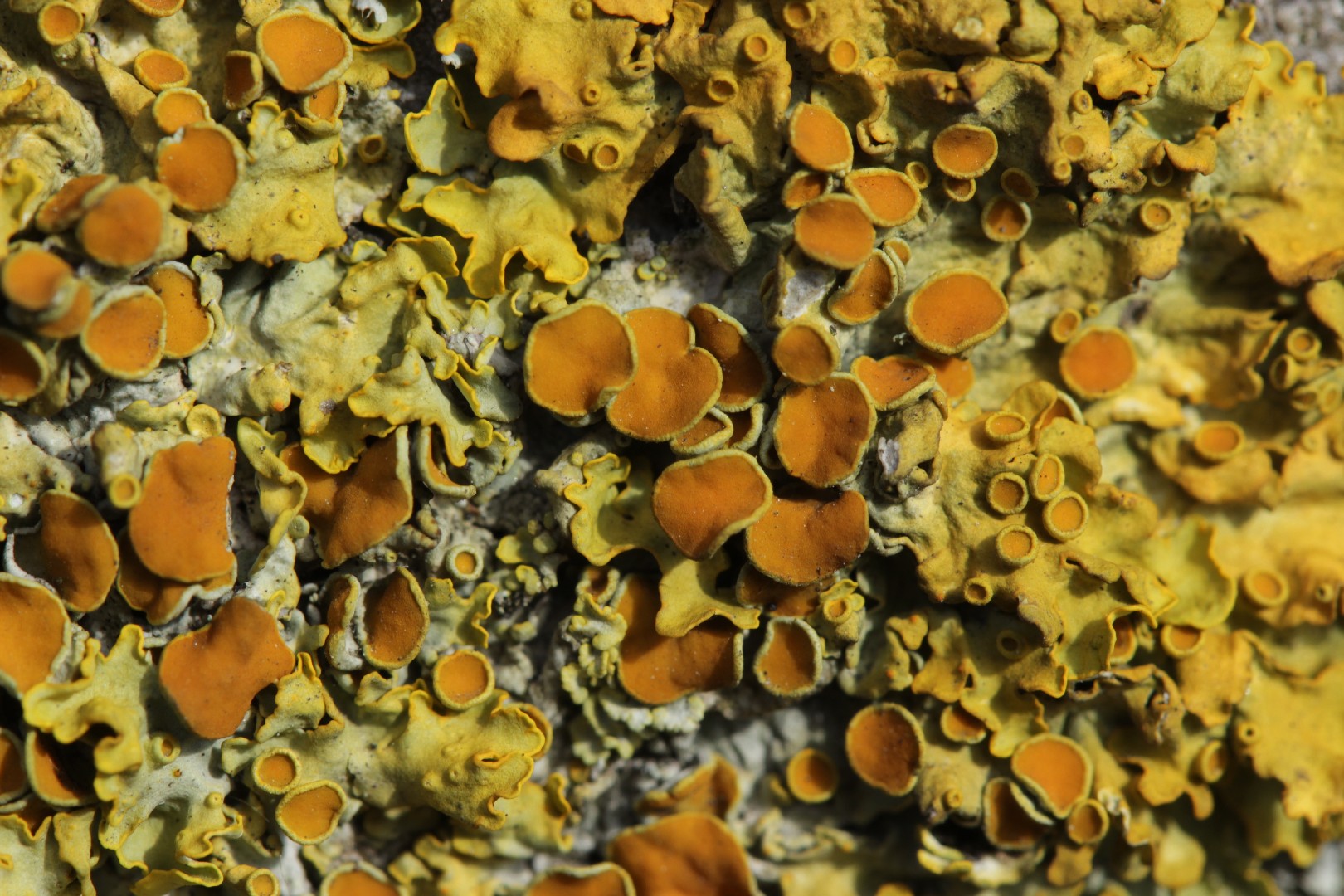
1. Common orange lichen
Common orange lichen was selected in 2006 by the United States Department of Energy as a model for genomic sequencing. Its widespread dispersal and bright yellow-orange color give the lichen its common name. It is primarily found growing on rocks, walls, and tree bark.
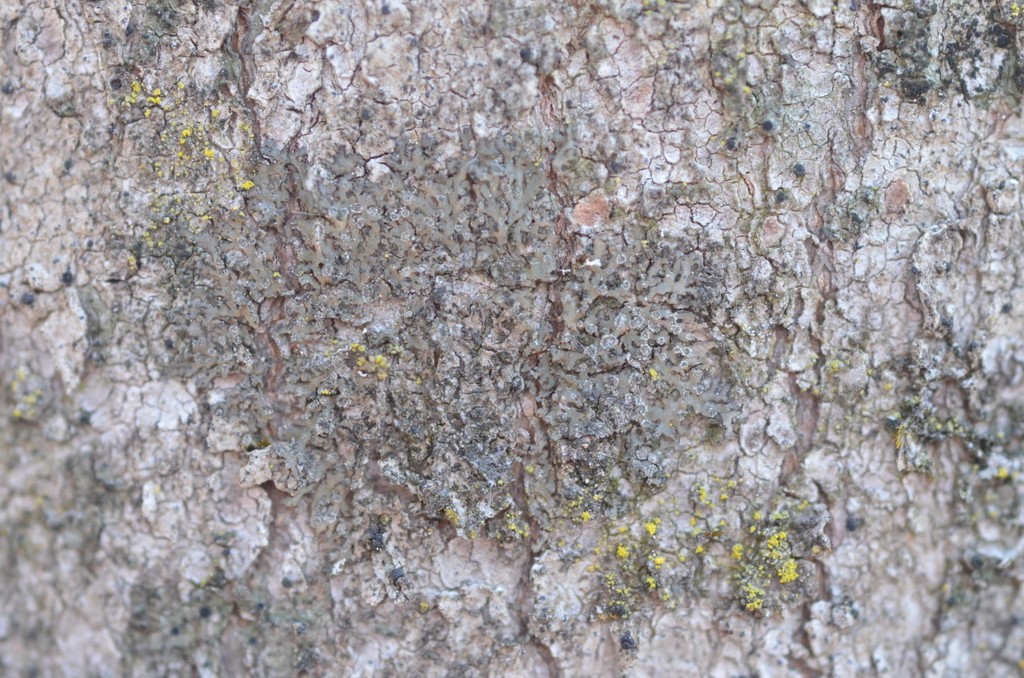
2. Grainy shadow-crust lichen
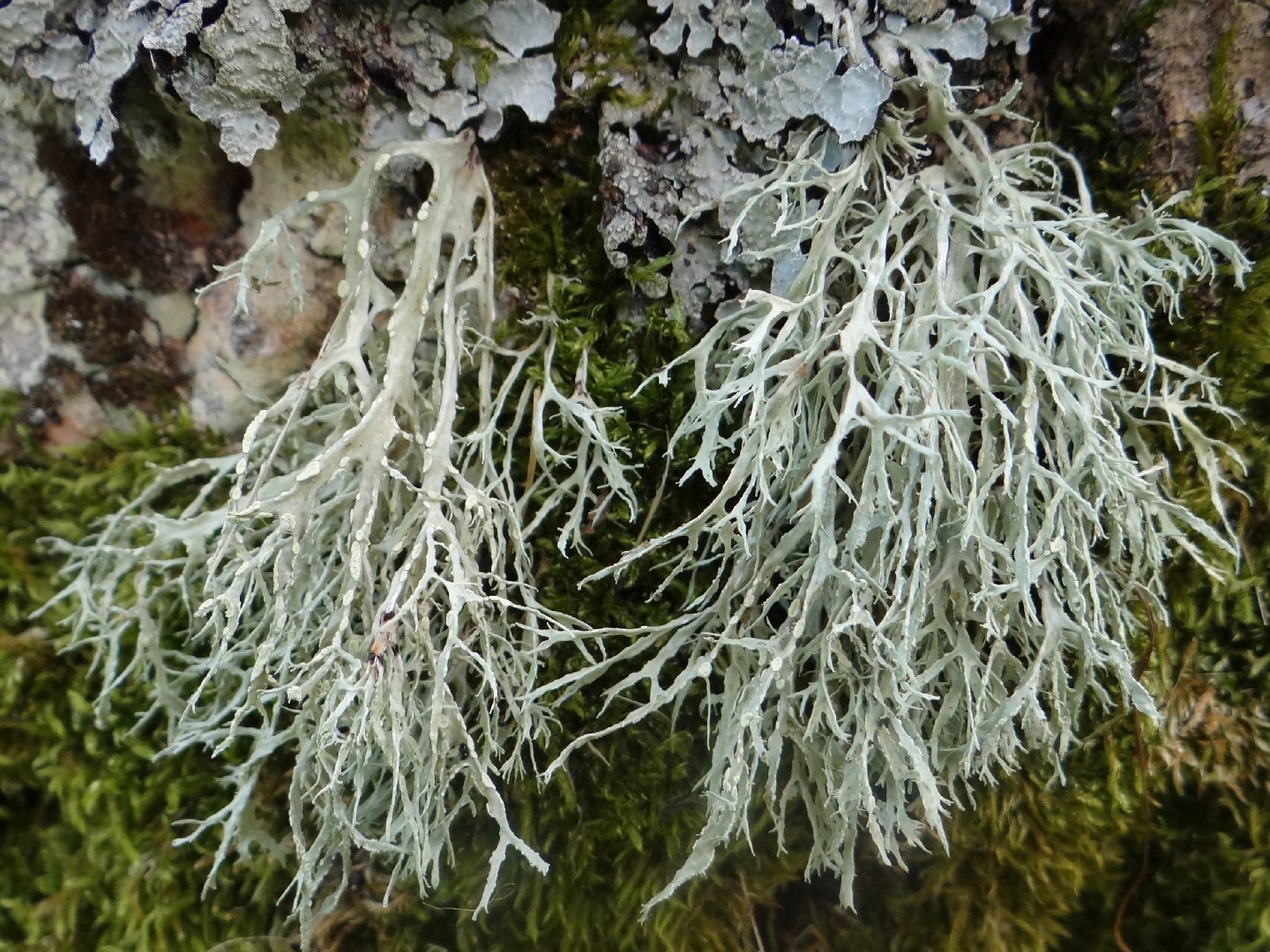
3. Farinose cartilage lichen
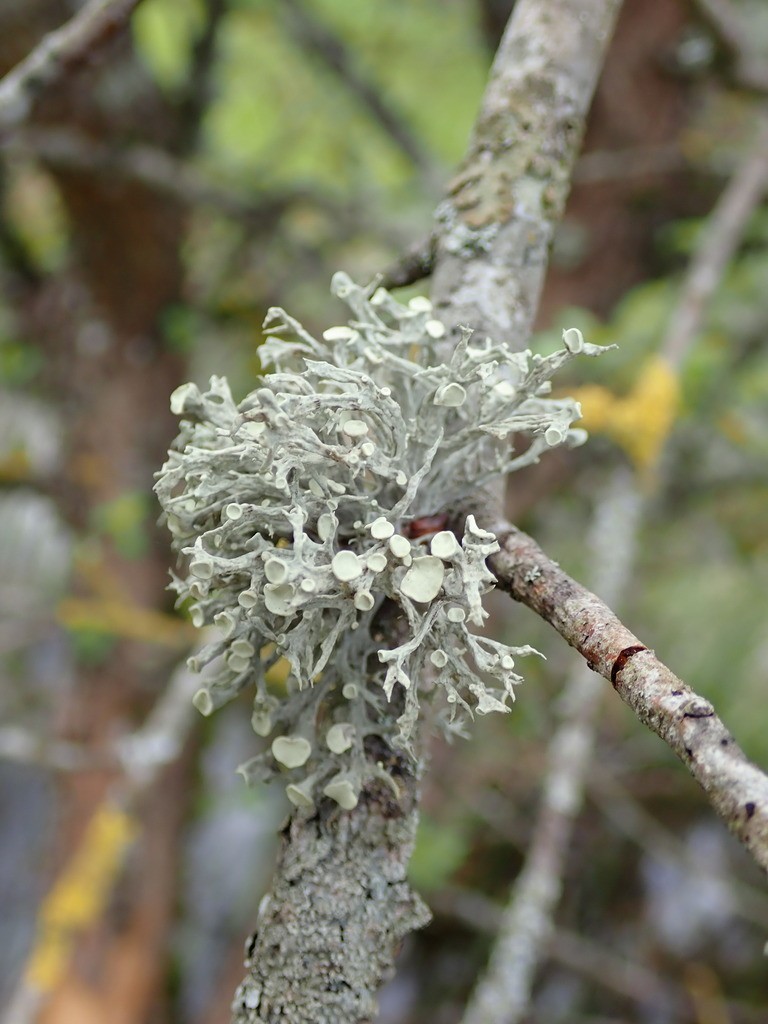
Farinose cartilage lichen has a bushy appearance and is easy to identify by its long, slender branches. The reproductive structures are often scattered on the fungi. The lichen thrives in warm moist, mixed forests, forming on second-growth trees and shrubs.
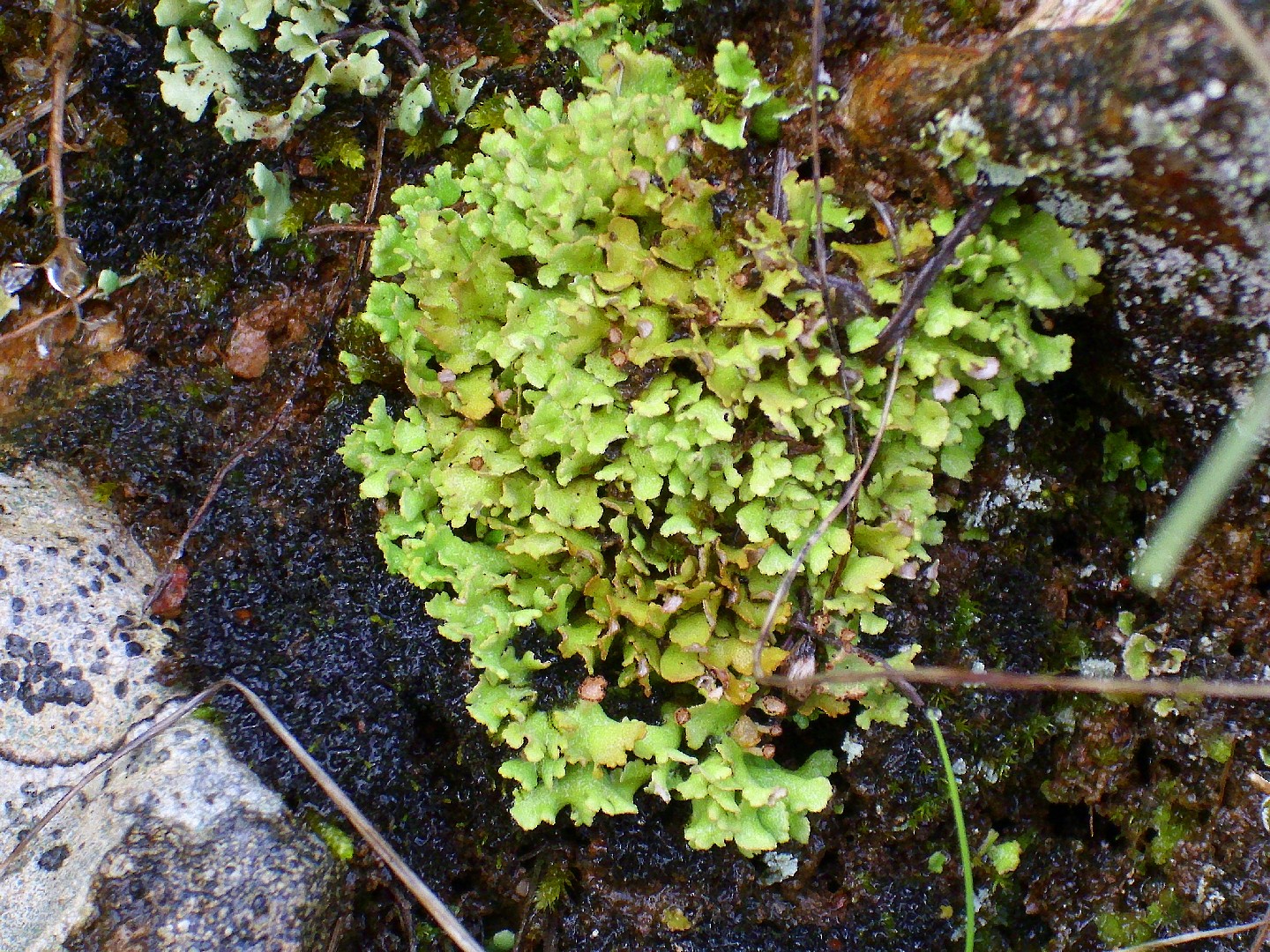
4. Cladonia foliacea
5. Gold-eye lichen
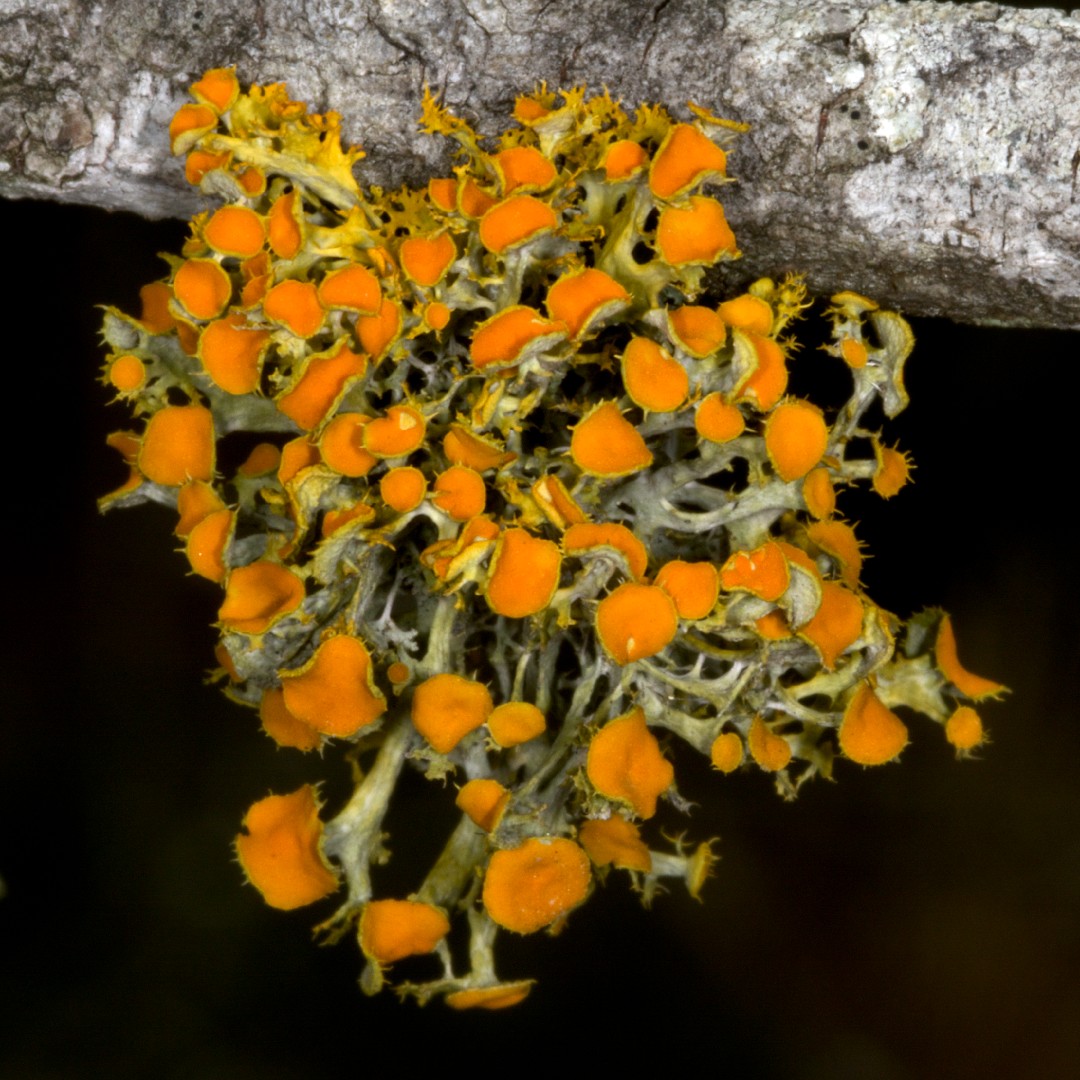
The almost indistinguishable species is a gray-yellow or light to orange-orange, bush-shaped camp with marginal fibrils. However, adhesive fibers are missing. The length of the slightly flattened sections is about 1.5 cm. The frequently formed fruiting bodies (apothecaries) have an orange disc with characteristic eyelashes on the edge and a diameter of 2 to 7 mm. The Photobiont is a member of the green algae genus Trebouxia.
6. Oakmoss
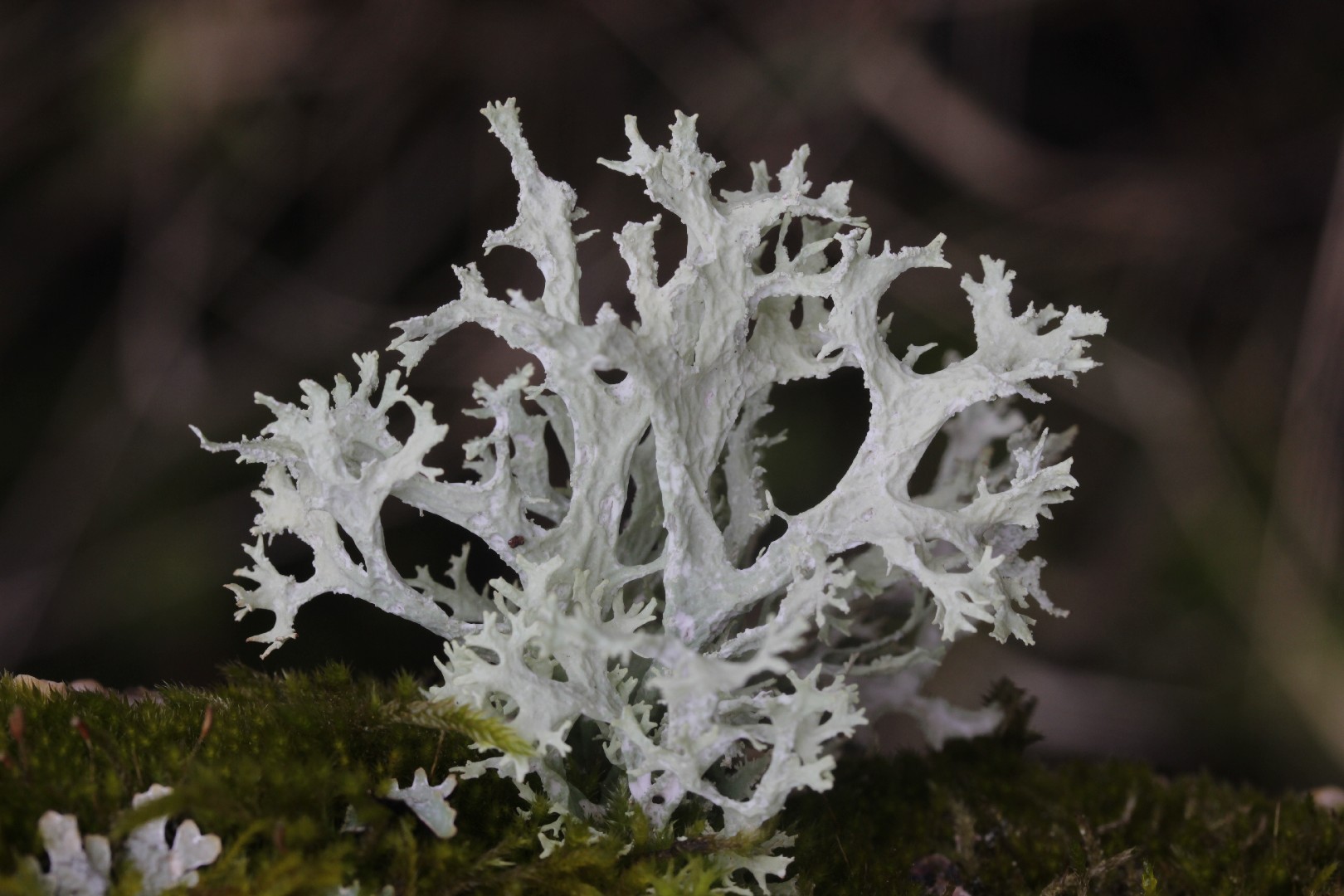
Evernia prunastri grows shrubby on trees. The yellow-green lichen grows up to 10 cm. It consists of up to five millimeters wide shrubby branched bands with a light underside. At the edges of these open dusty (Sorale). Apothecias (with shiny brown disc) are rarely formed.
7. Lecidella lichen
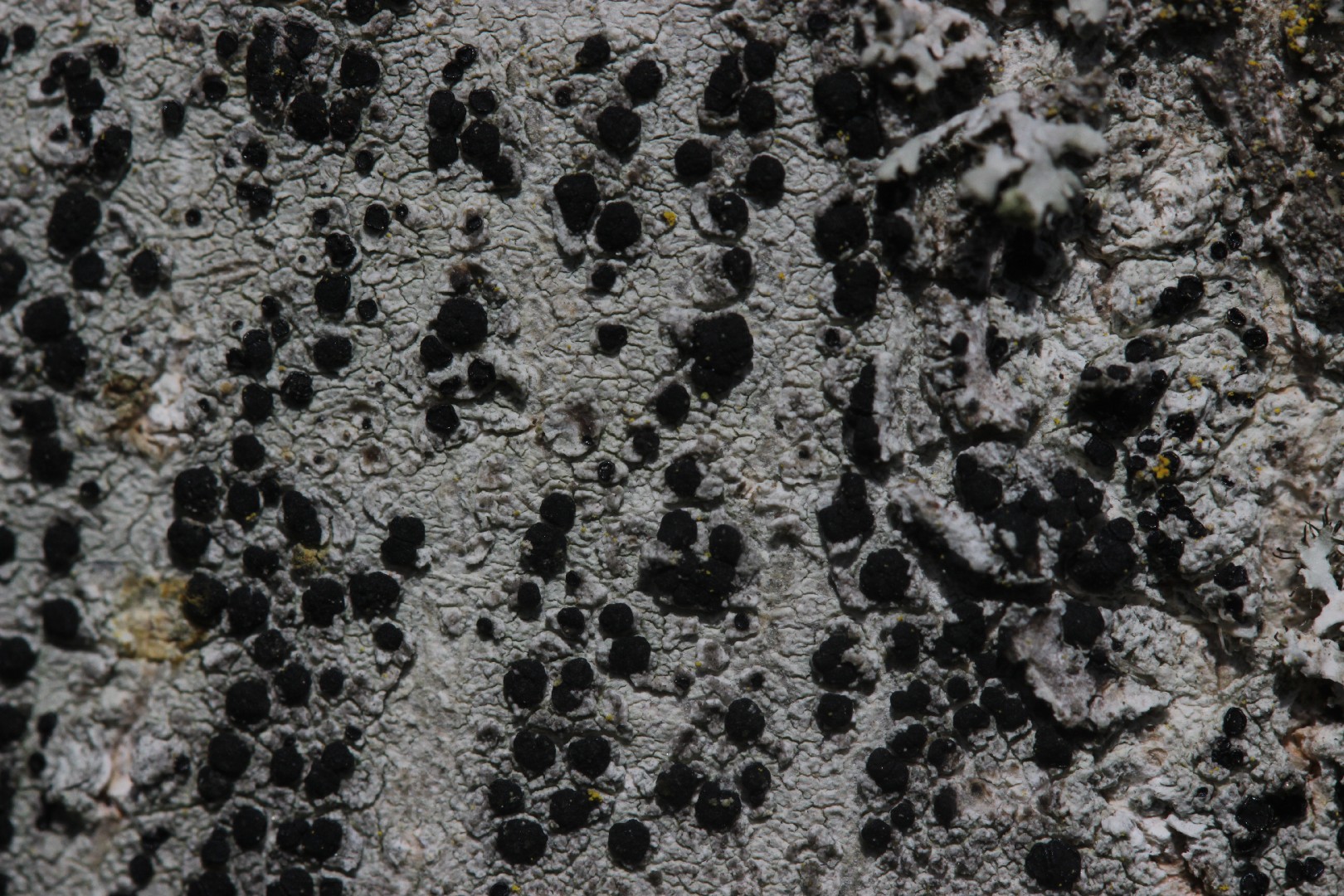
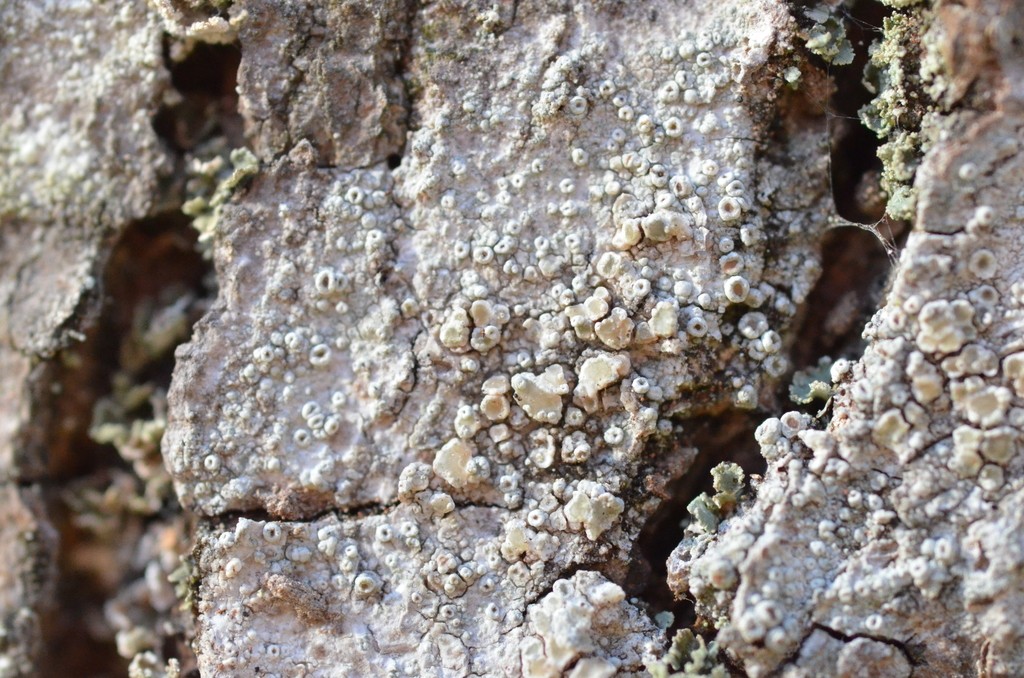
Lecidella elaeochroma is a crust lichen, which means that its stock (Thallus) lies closely on the surface. The camp is whitish, gray, gray-green, olive or yellowish. Often it is also damaged by snail-eating and then greenish. The structure of the camp is smooth to grainy. Often it is weakly glossy or even limited by a black submission. The camp can sometimes be sorediös dissolved. It reaches diameter of 1 to 3 cm. The apothecia reach between 0.4 and 1.0 mm in diameter. Their discs are black to dark reddish brown and very rarely frosted. The Apotheciens are flat to strongly arched and can be deformed. Its edge is black and smooth. Overall, the appearance of this lichens is very rich in form.
8. Hoary rosette lichen
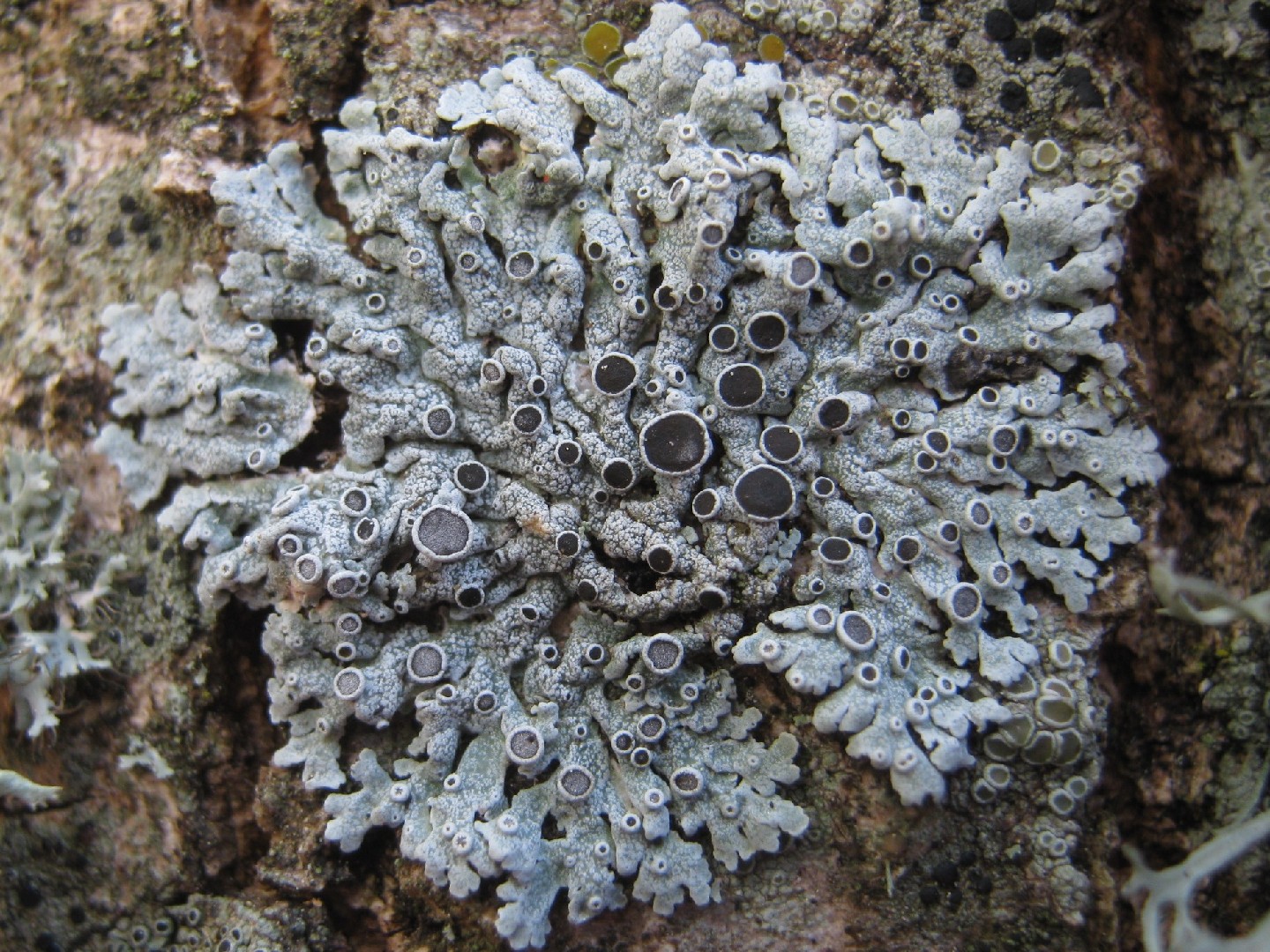
The rosette bearing of Physcia aipolia is whitish to white-gray and reaches a maximum diameter of 6 cm. In contrast to the very similar Physcia stellaris, the camp is dotted white (especially when wet) and the marrow turns yellow with potassium hydroxide. The dark brown to black, mostly frosted Apothecia with thallusfarbenem edge occur frequently.
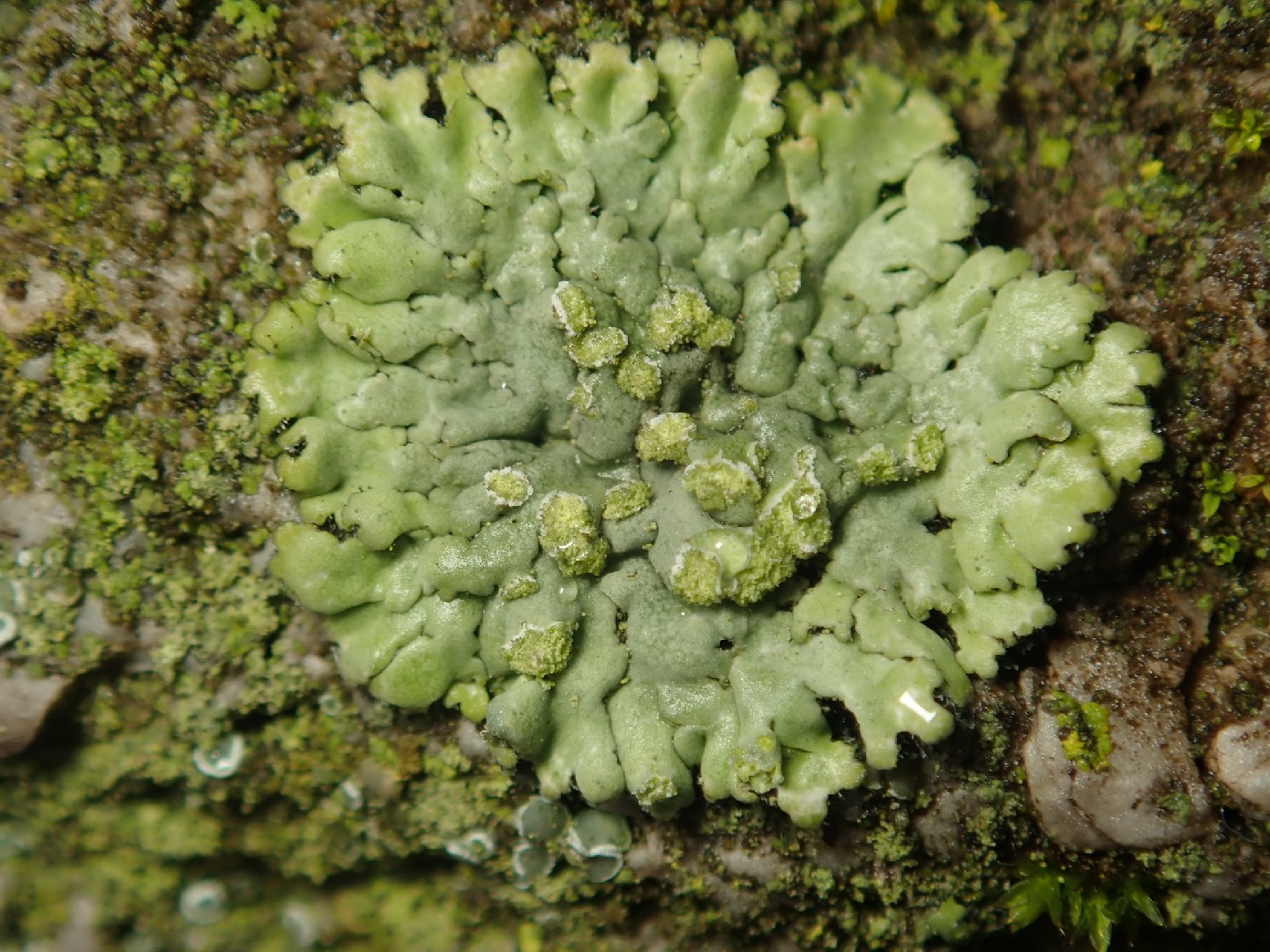
9. Mealy shadow lichen
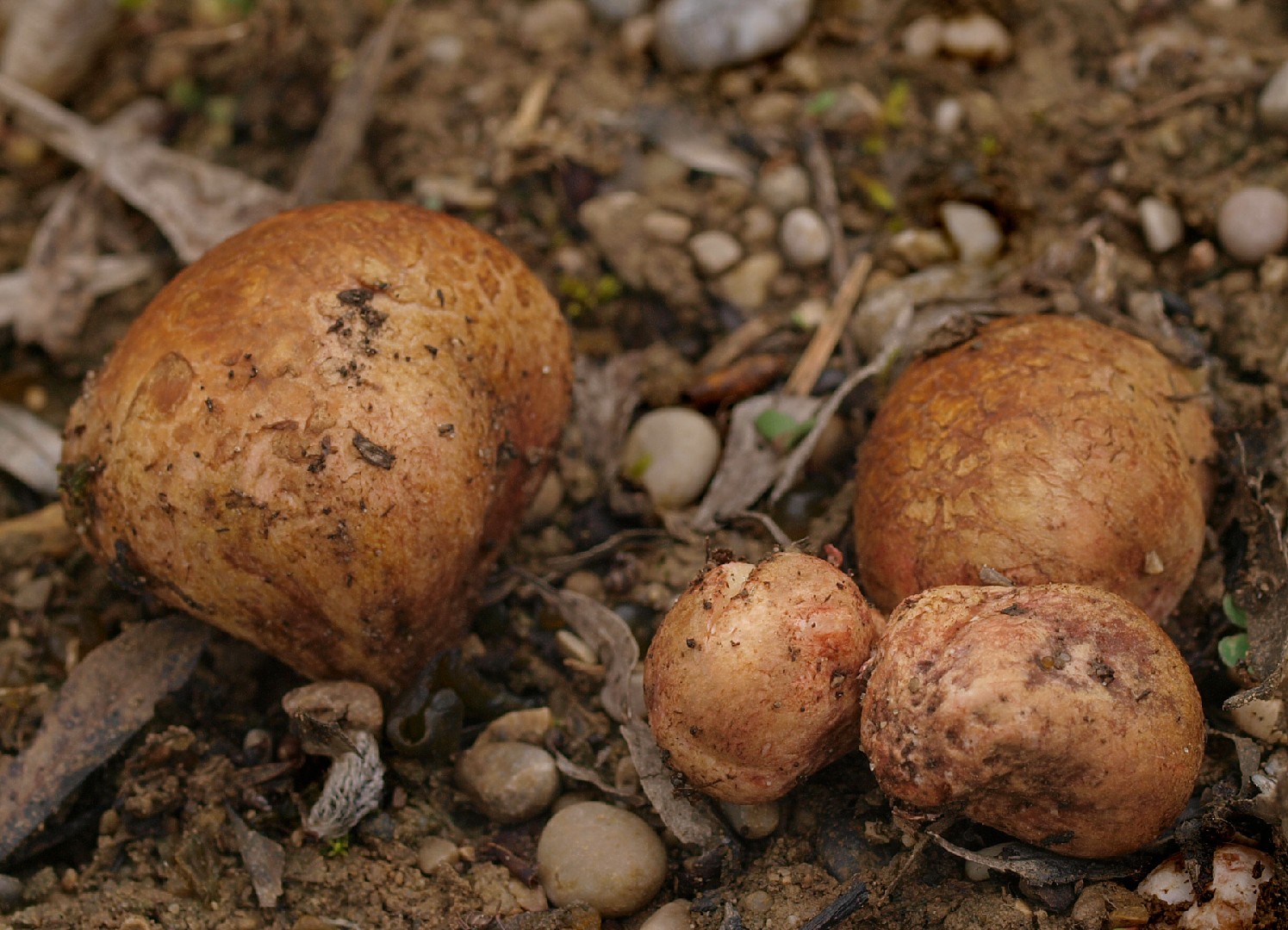
10. Blushing beard truffle
More







