




Top 20 Most Common Mushrooms in Sevilla
An introduction into Sevilla, a city illustrious for its plethora of mushroom species. Known for its temperate climate and fertile grounds; ideal for fungal growth, this location harbors an exceptional diversity of fungi. Here you'll discover the 20 most commonly found mushrooms, each unique in taste, texture, and aesthetic appeal. This enriching exploration of mushrooms in Sevilla will educate and enthrall, based on accurate data, reliable sources, and authentic information.

Most Common Mushrooms
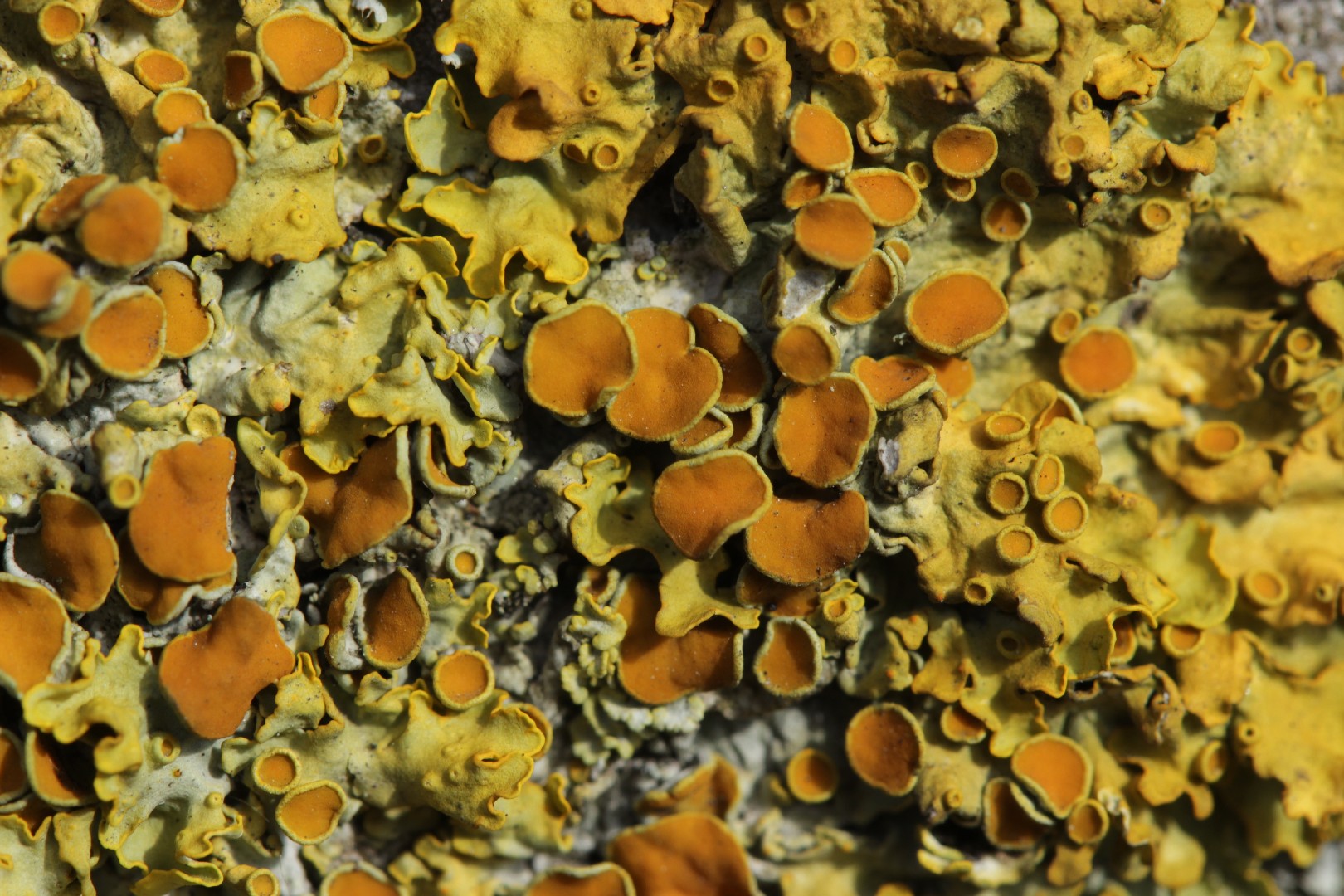
1. Common orange lichen
Common orange lichen was selected in 2006 by the United States Department of Energy as a model for genomic sequencing. Its widespread dispersal and bright yellow-orange color give the lichen its common name. It is primarily found growing on rocks, walls, and tree bark.
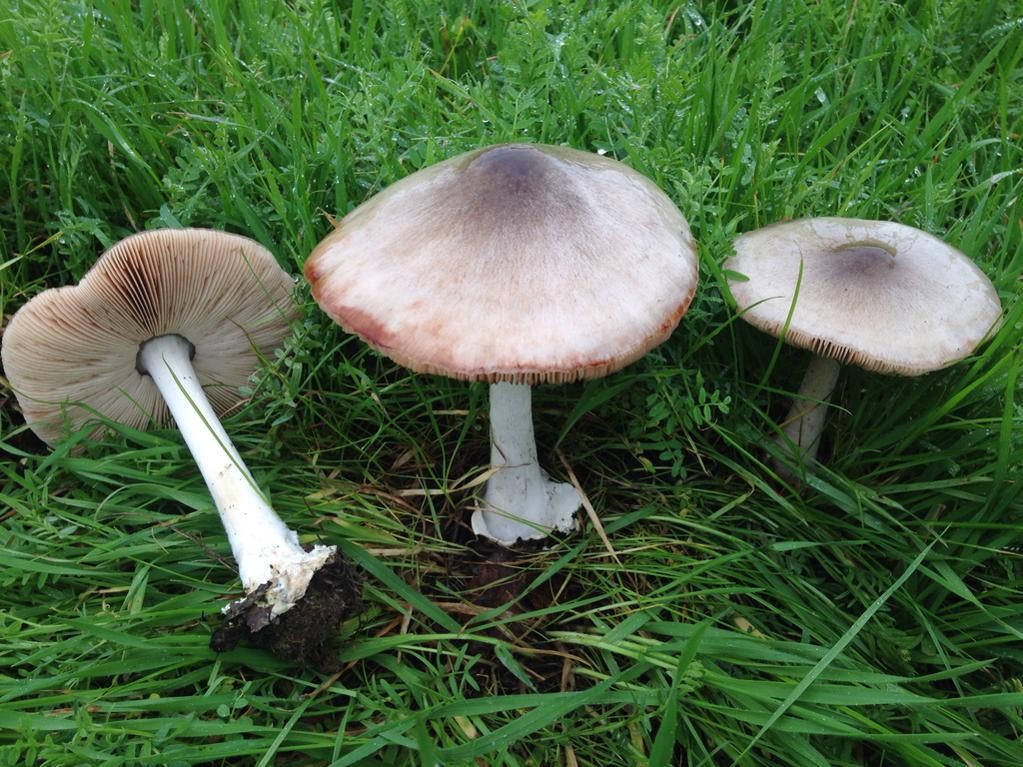
2. Big sheath mushroom
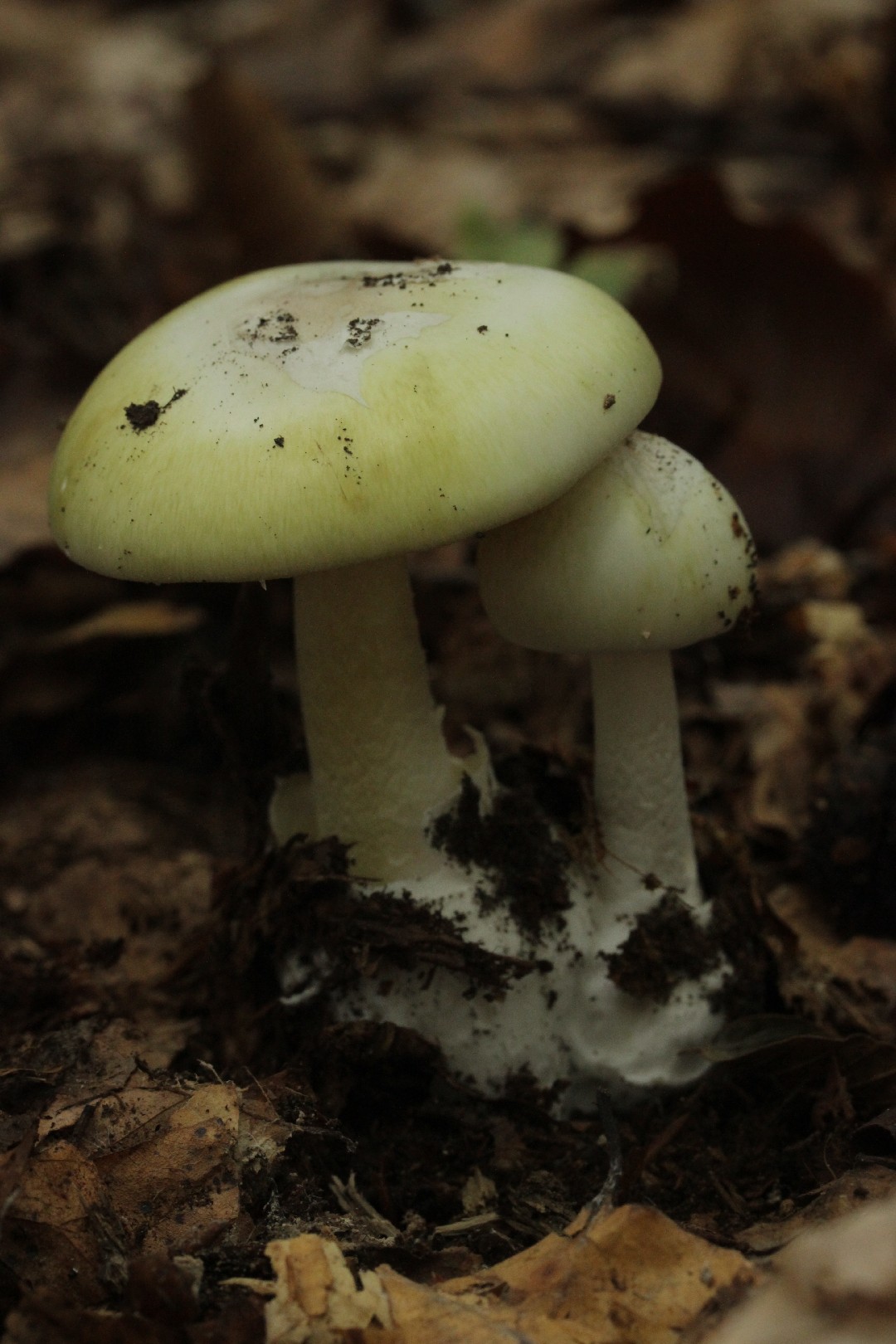
These large white mushrooms bloom all over cleared, harvested fields, as well as pastures and roadsides. The scientific species name comes from Greek words meaning “glue” (glioio) and “head” (cephalus), in reference to the sticky surface of this mushroom’s cap. The big sheath mushroom looks so similar to the poisonous Deathcap and Destroying Angel mushrooms that it should always be left alone.
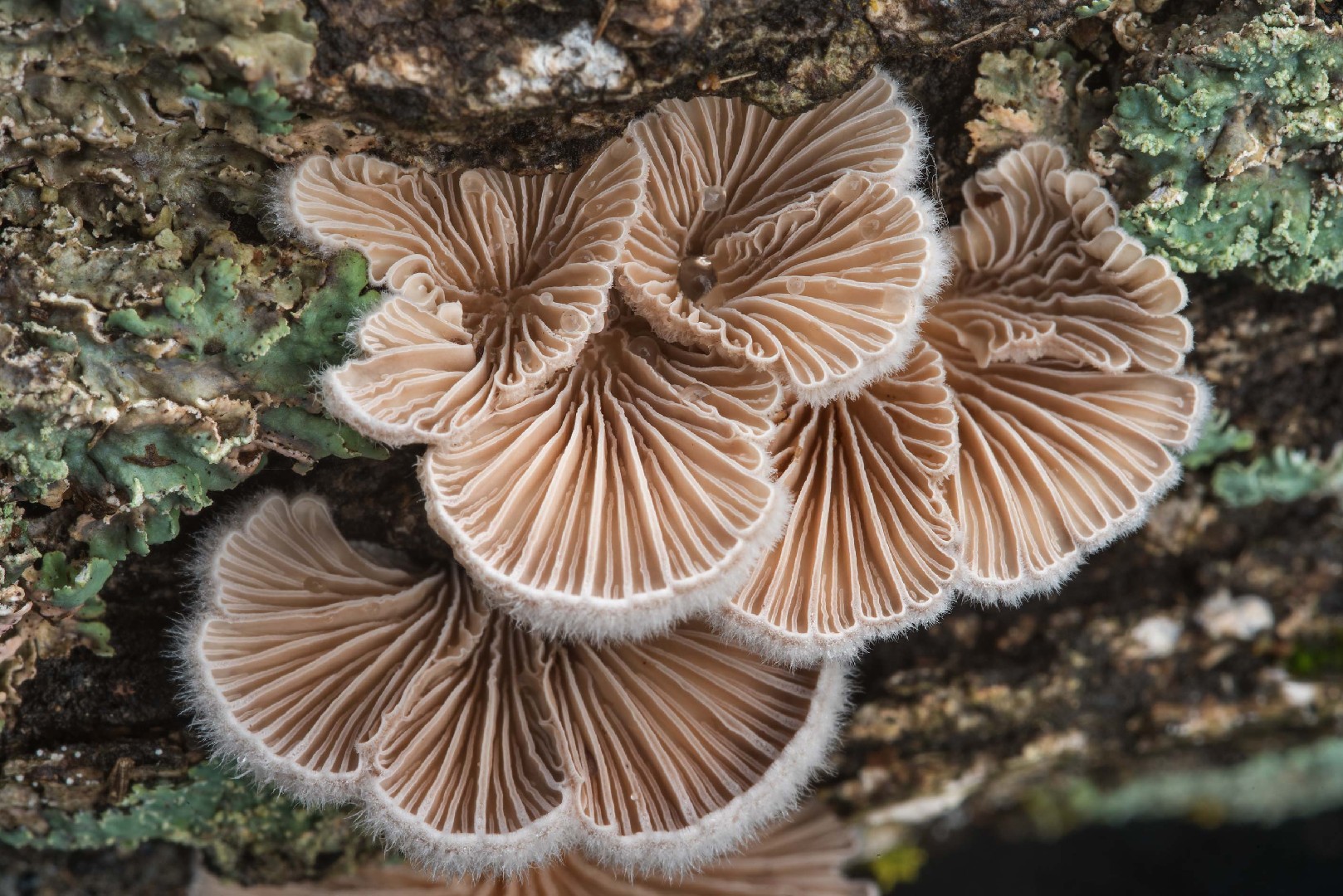
3. Split gill
Split gill(Schizophyllum commune) can be found across the globe. Uniquely, it is the only mushroom species known to display the capability to retract by movement. It is considered inedible, although not necessarily toxic. Furthermore, it is not recommended to smell this species, as the spores are capable of sprouting and growing in nasal passages.
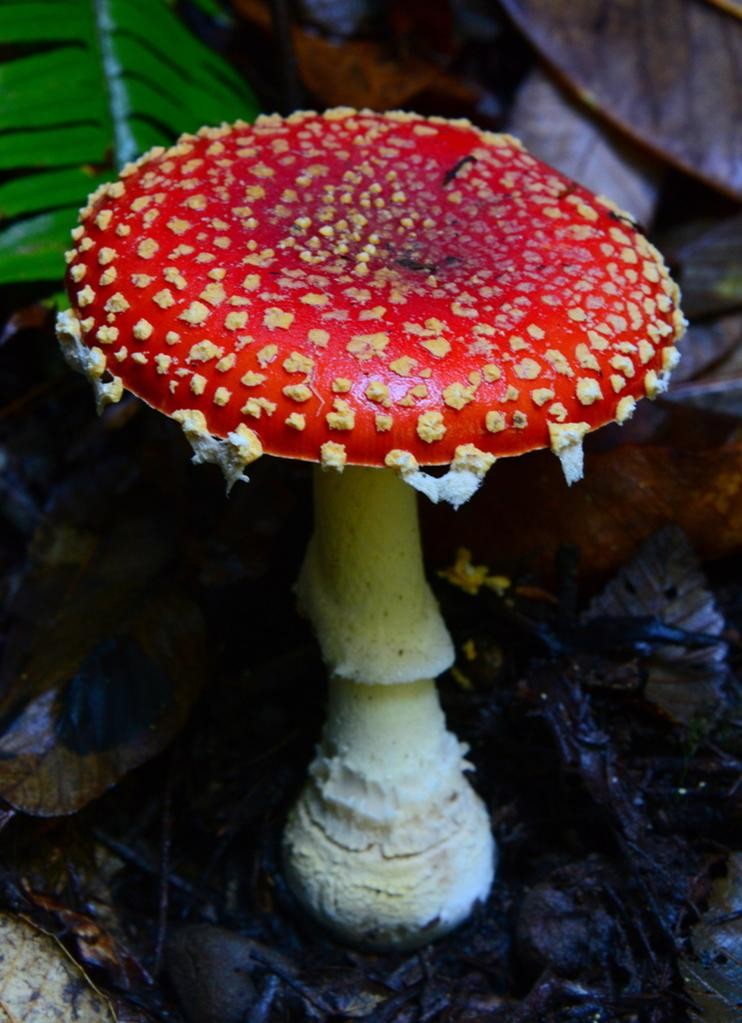
4. Fly agaric
In Northern Asia and Europe, fly agaric grows under trees near the winter solstice and is collected for ritual use tied to the season. Its characteristic shape and coloring are still ubiquitous in many European fairy tale illustrations and Christmas traditions. It is highly toxic.
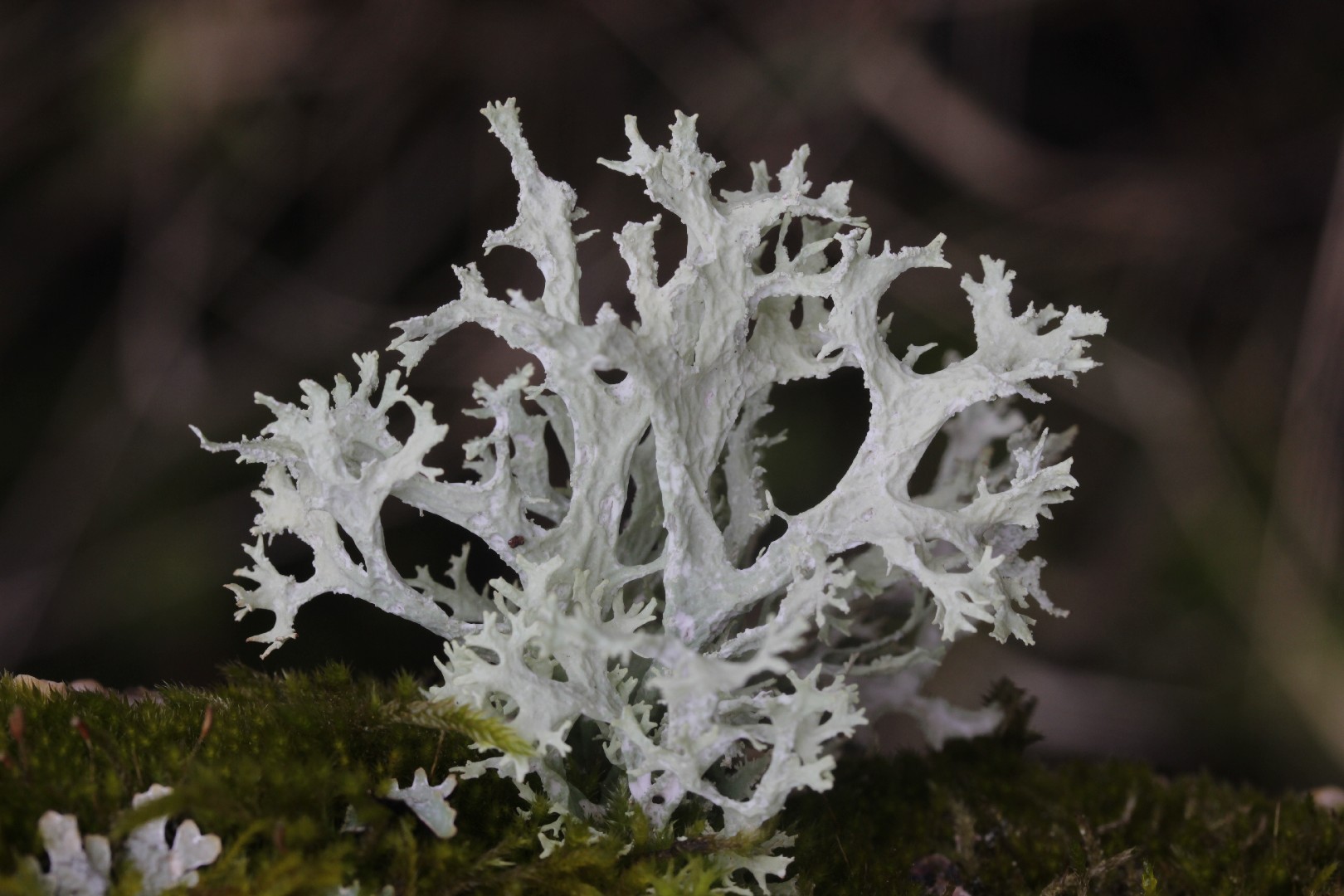
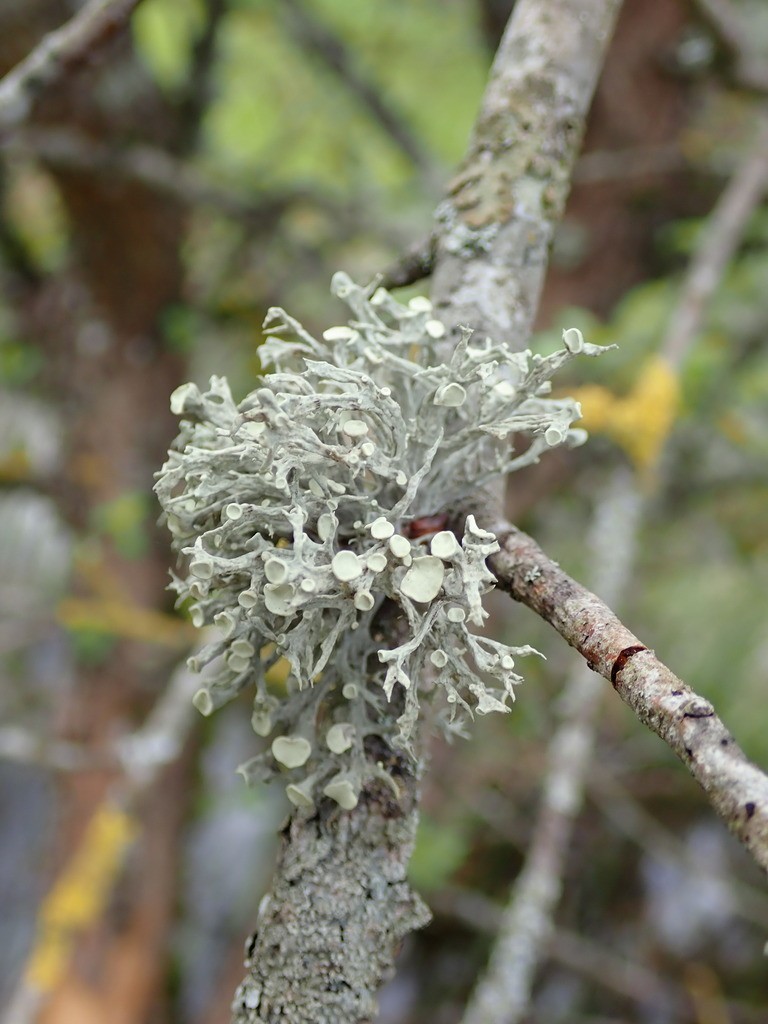
5. Oakmoss
Evernia prunastri grows shrubby on trees. The yellow-green lichen grows up to 10 cm. It consists of up to five millimeters wide shrubby branched bands with a light underside. At the edges of these open dusty (Sorale). Apothecias (with shiny brown disc) are rarely formed.
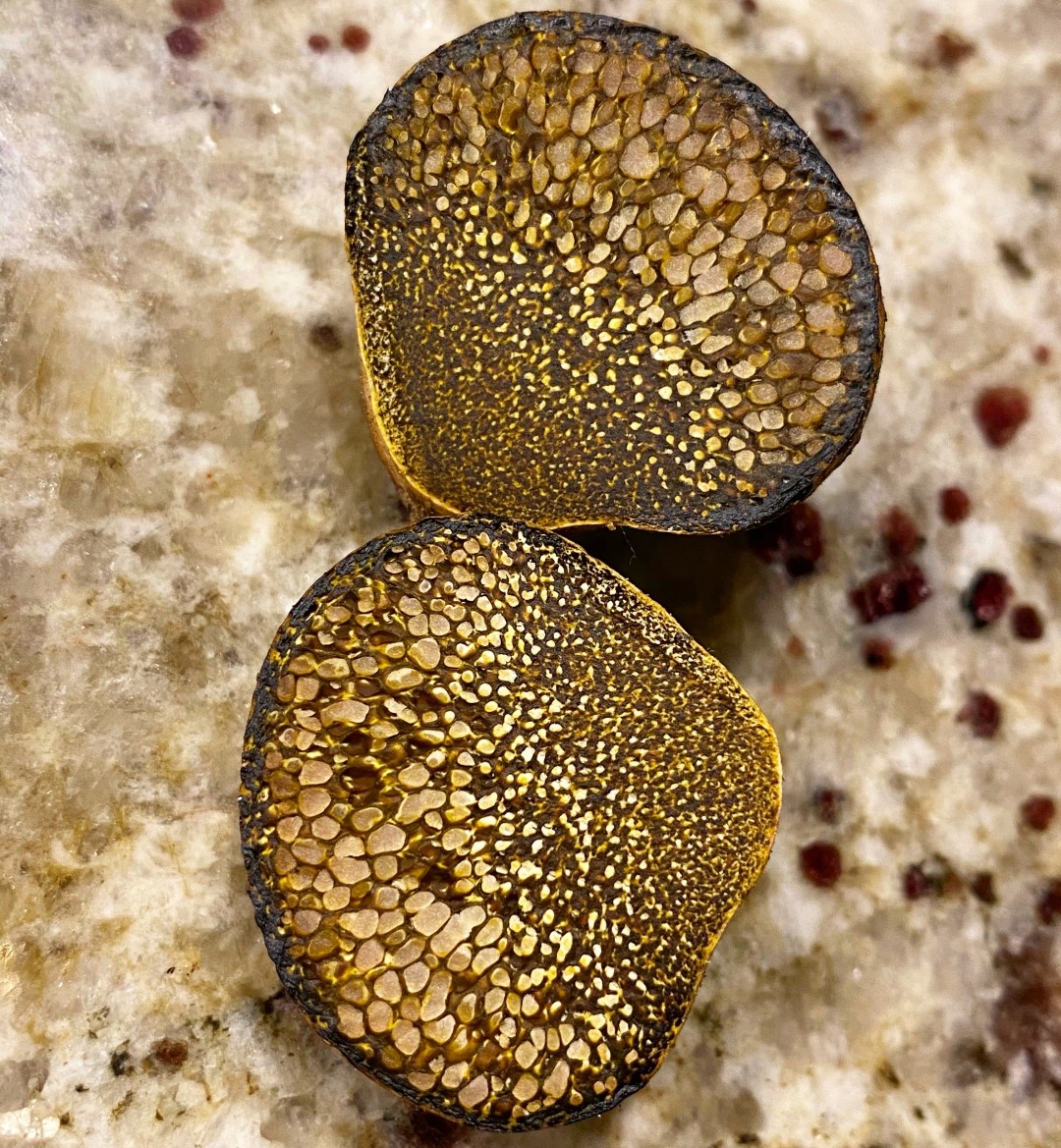
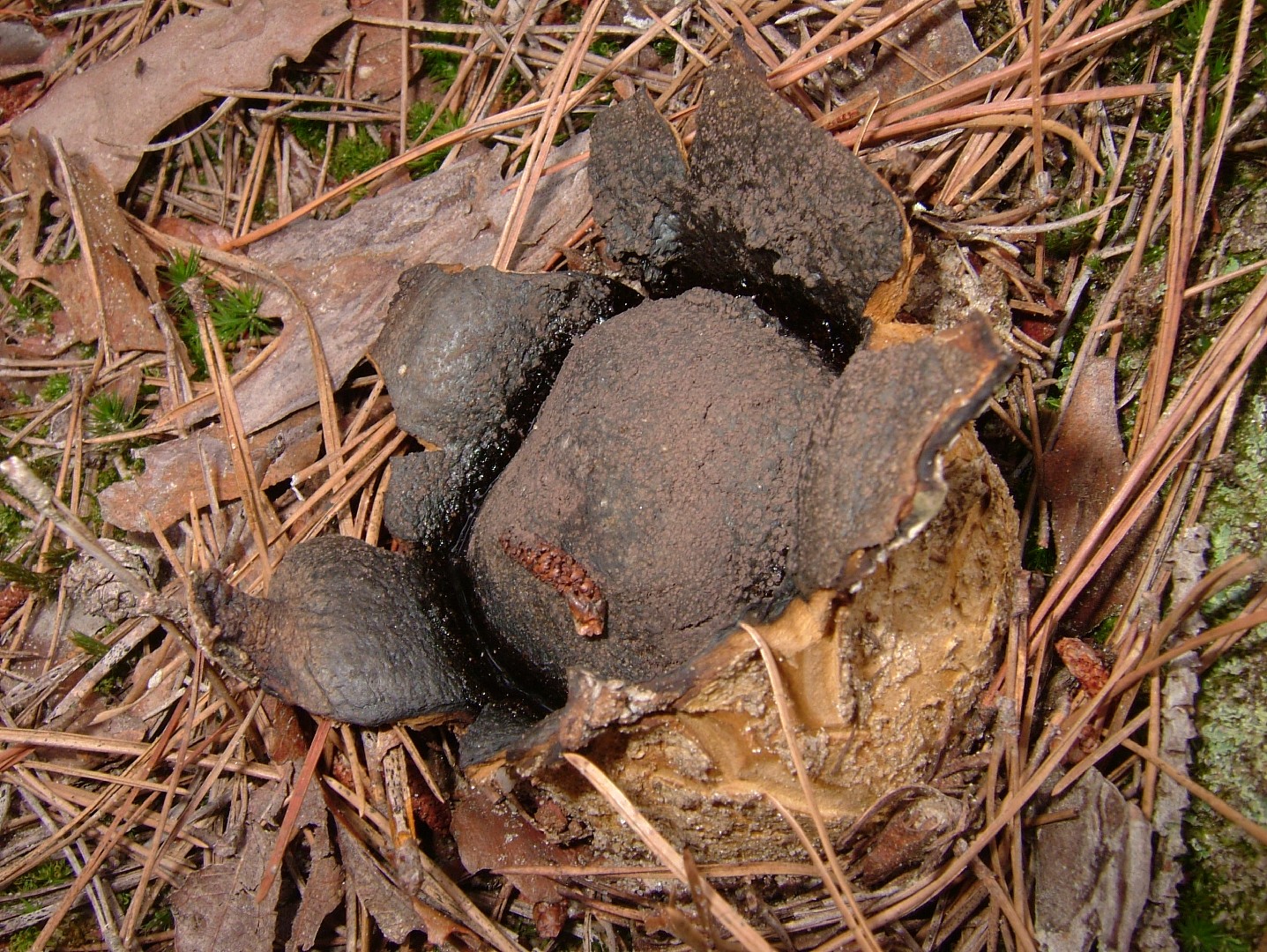
6. Dead man's foot
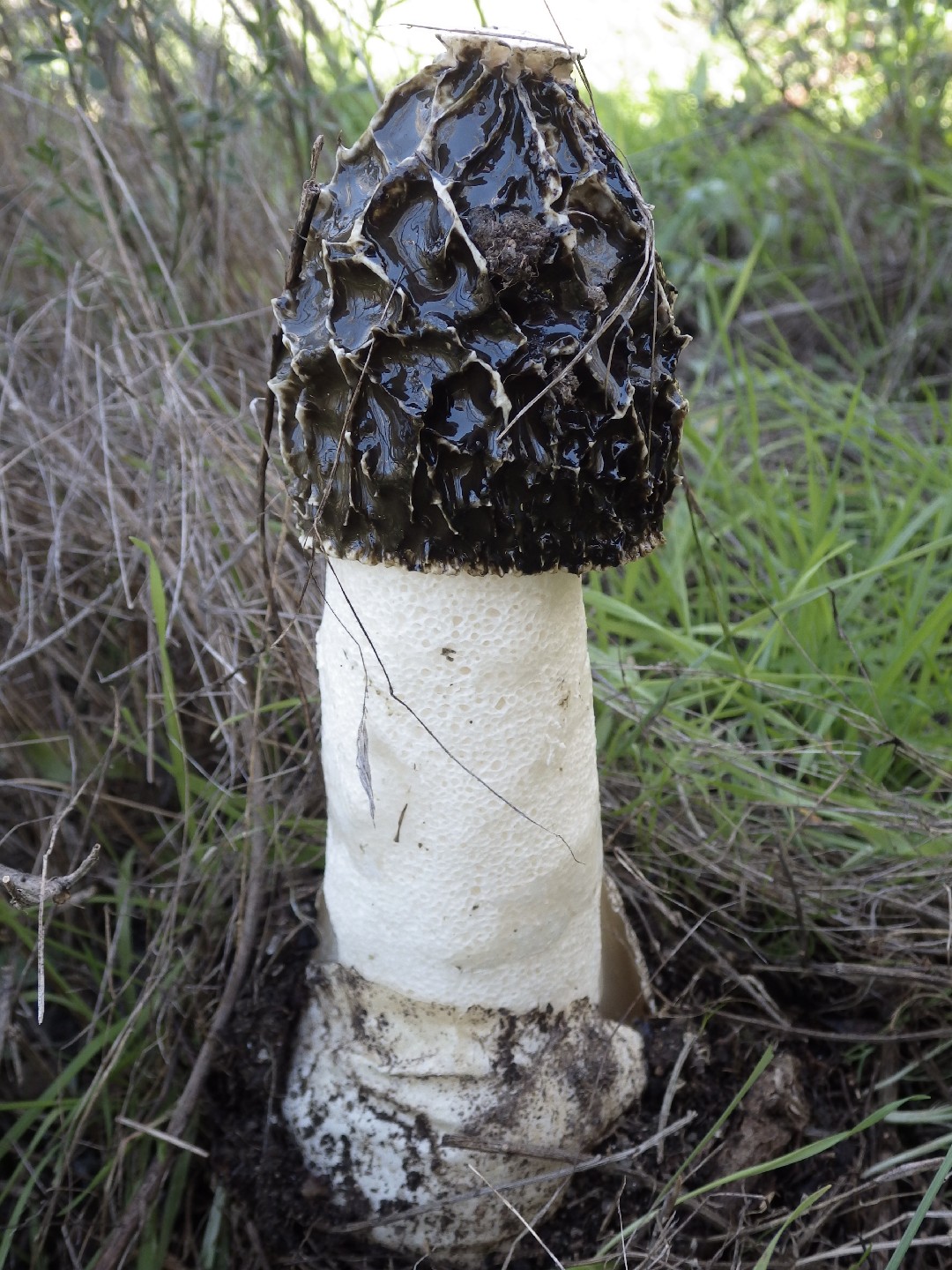
Dead man's foot (Pisolithus arhizus) actually bears a number of colorful names stemming from its unusual appearance, such as the horse dung fungus (Australia). It can be distilled into a viscous black gel, which is then used as a natural dye for clothing. It is considered to be inedible.
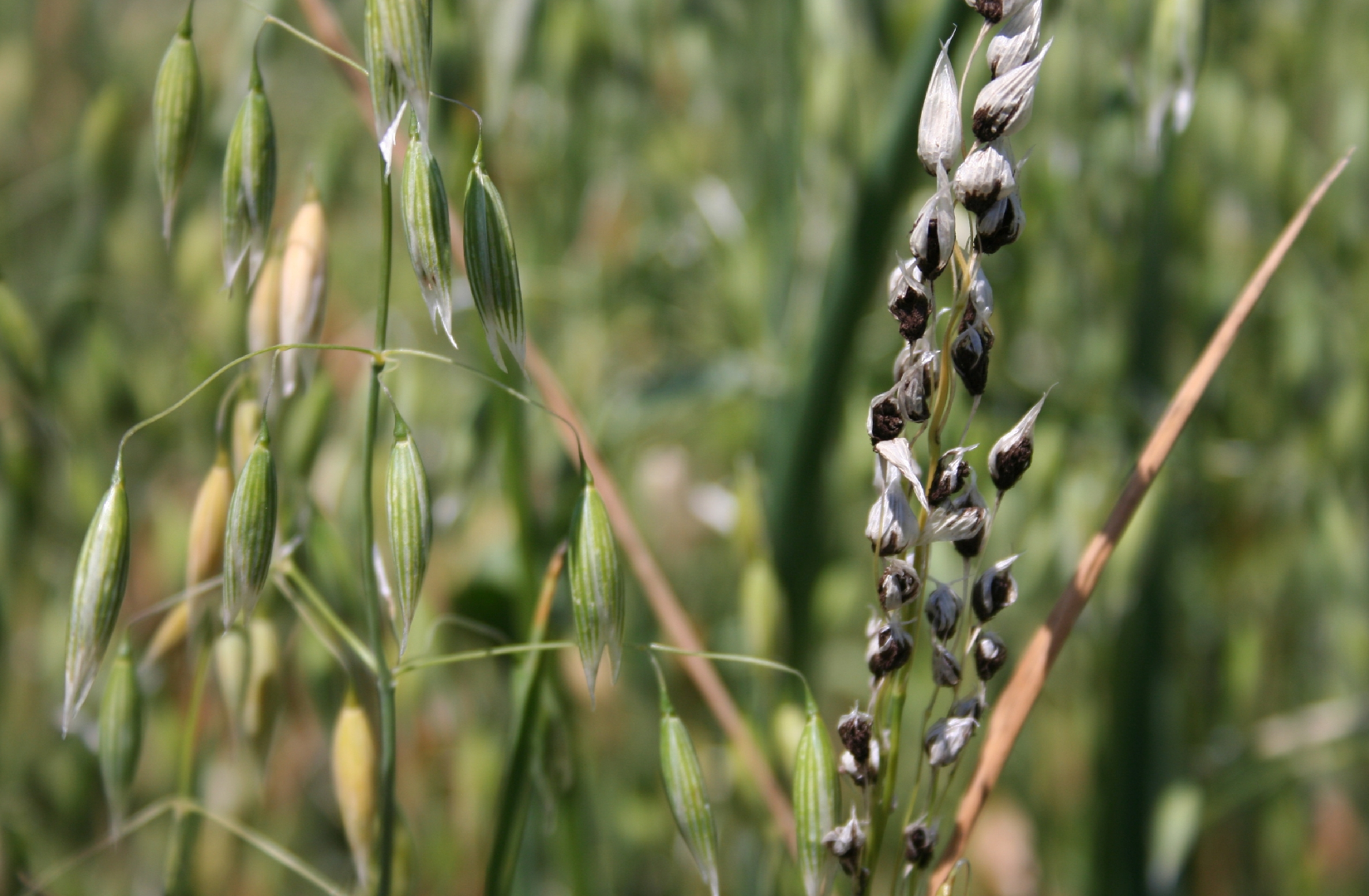
7. Loose smut
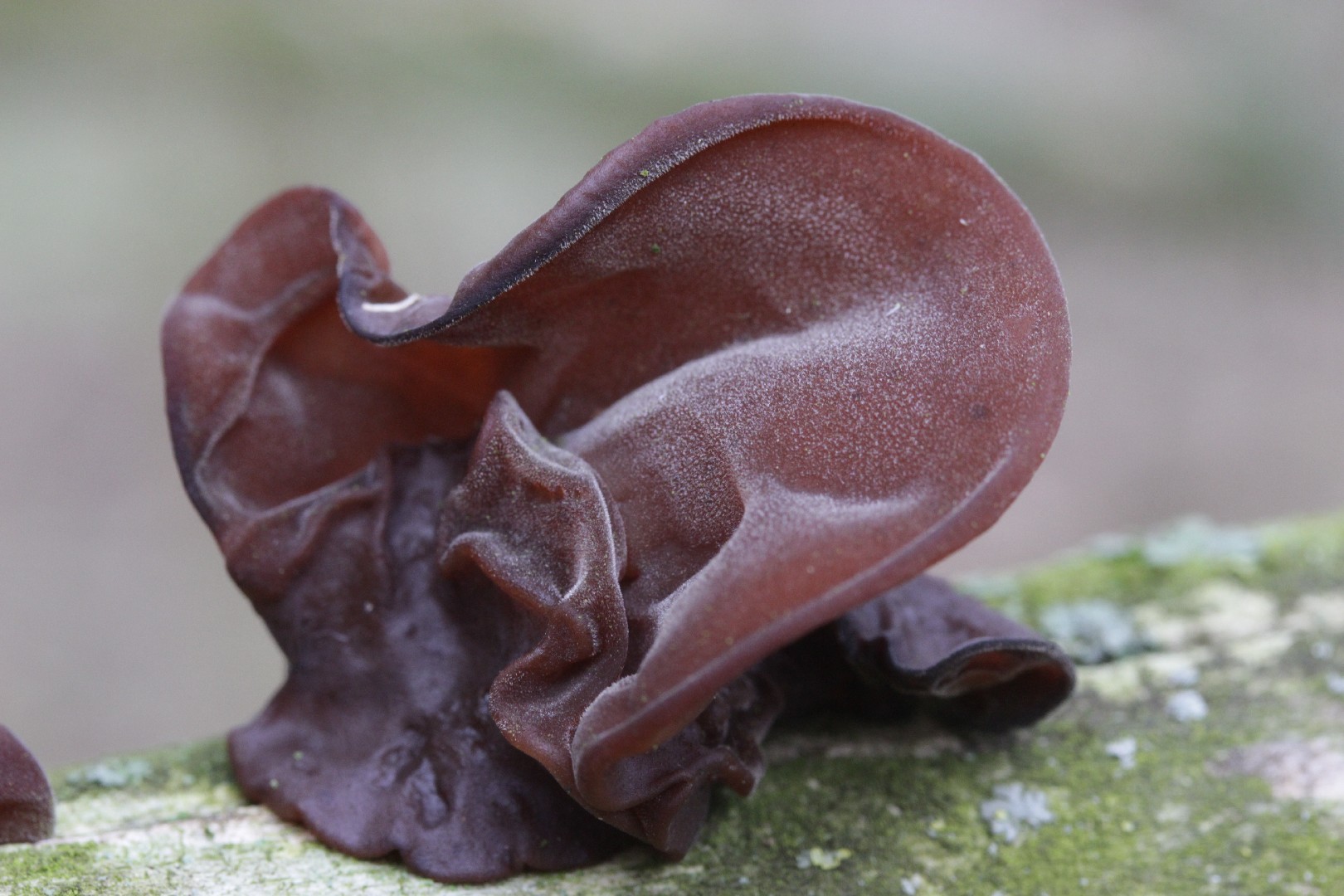
8. Jelly ear
The distinctive jelly ear grows mainly through winter and spring, mostly on the dead trunks and branches of elder trees. It occurs around the world and is often cooked into dishes in Asian countries. This ear-shaped jelly mushroom is often available in stores both fresh and dried.
9. Hollyhock rust
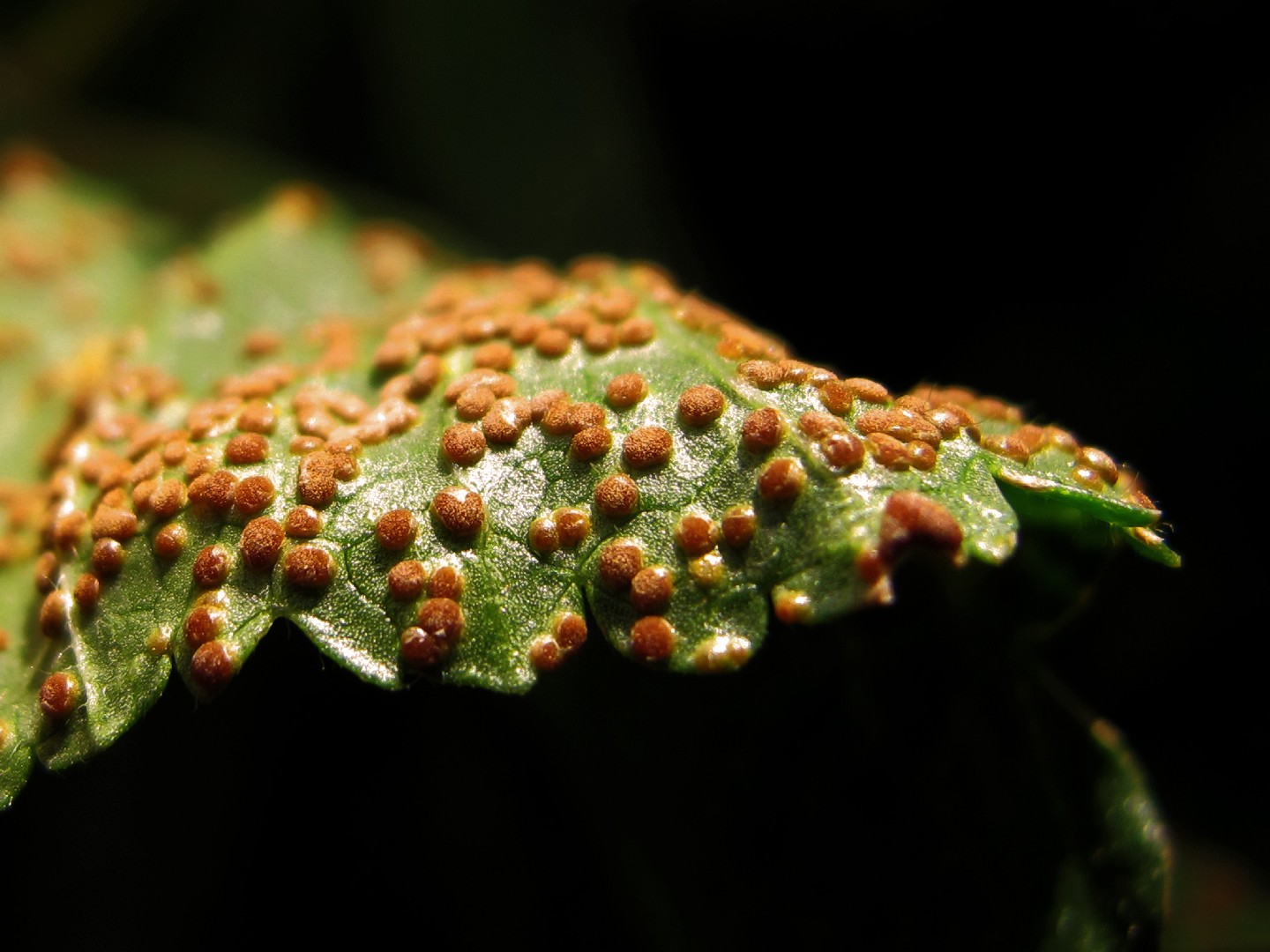
Hollyhock rust (Puccinia malvacearum) is a parasitic fungus that produces a rust disease on the foliage of host plants such as hollyhocks and mallows. Hollyhock rust grows on the leaves, creating small brown spots on the undersides, then bright yellow or orange pustules on the tops. A severe infection can impair photosynthesis in the host plant. Its spores spread on the wind.
10. Netted crust
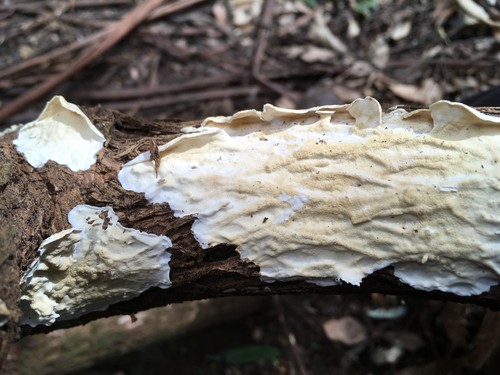
The netted crust is a crust fungus that's very common and widespread throughout the world, particularly in the northern hemisphere. It is very tough when dry, but when wet, it becomes waxy. It occurs on the undersides of dead branches and twigs.

More







