




Top 20 Most Common Mushrooms in Isla-Cristina
Nestled on the sunlit coast of Andalusia, Isla-Cristina is not just known for its fish-rich seas and verdant marshlands, but also as a haven for mushroom enthusiasts. This nature-blessed city, with its diverse terrain, provides the perfect habitat for a remarkable array of mushroom species. Discover the top 20 most prevalent mushrooms in Isla-Cristina, each one unique, with its own characteristics and commune with nature in the most delicious way. With careful information from reliable sources, this guide will lead you to uncover the mycological richness this city boasts.

Most Common Mushrooms
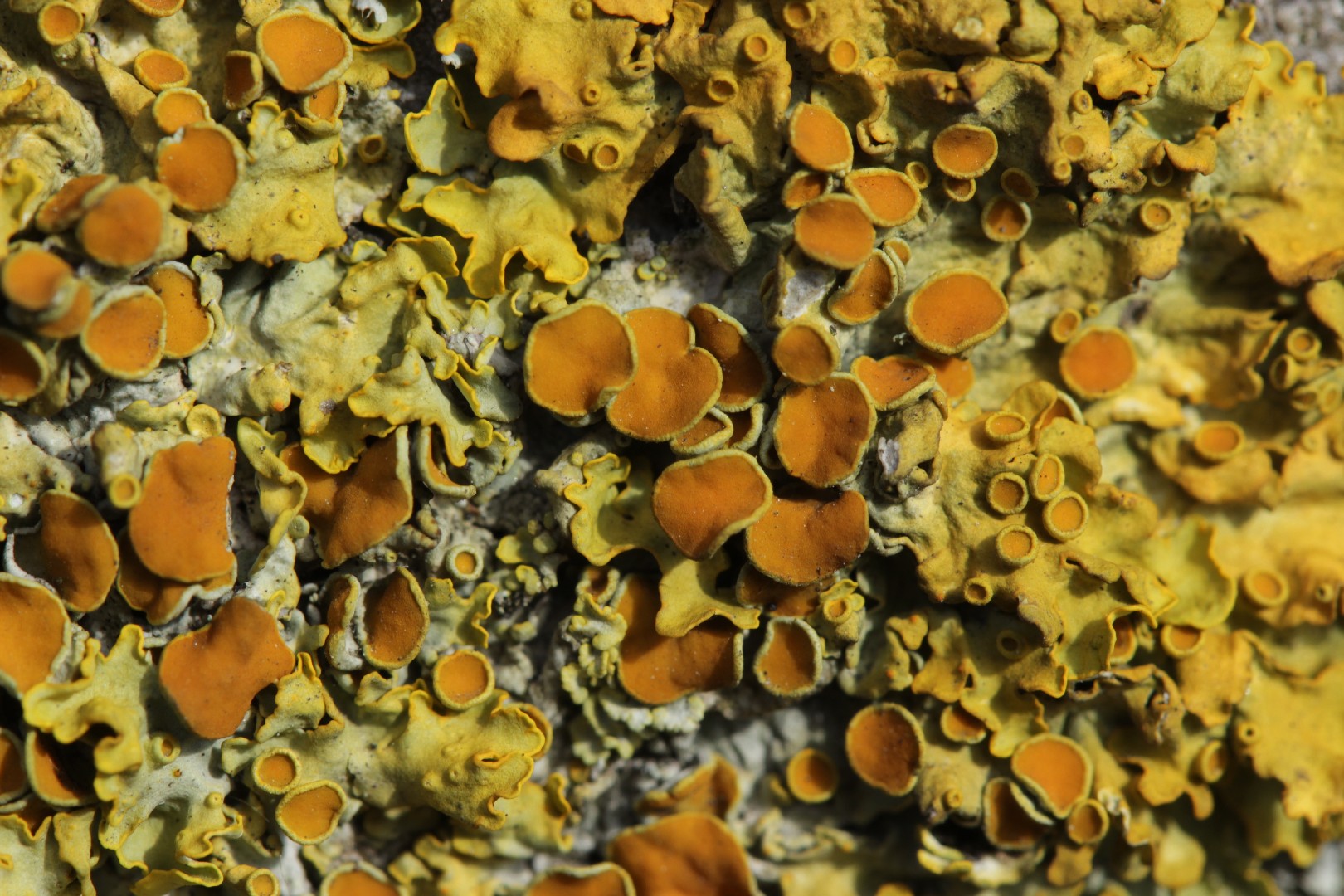
1. Common orange lichen
Common orange lichen was selected in 2006 by the United States Department of Energy as a model for genomic sequencing. Its widespread dispersal and bright yellow-orange color give the lichen its common name. It is primarily found growing on rocks, walls, and tree bark.
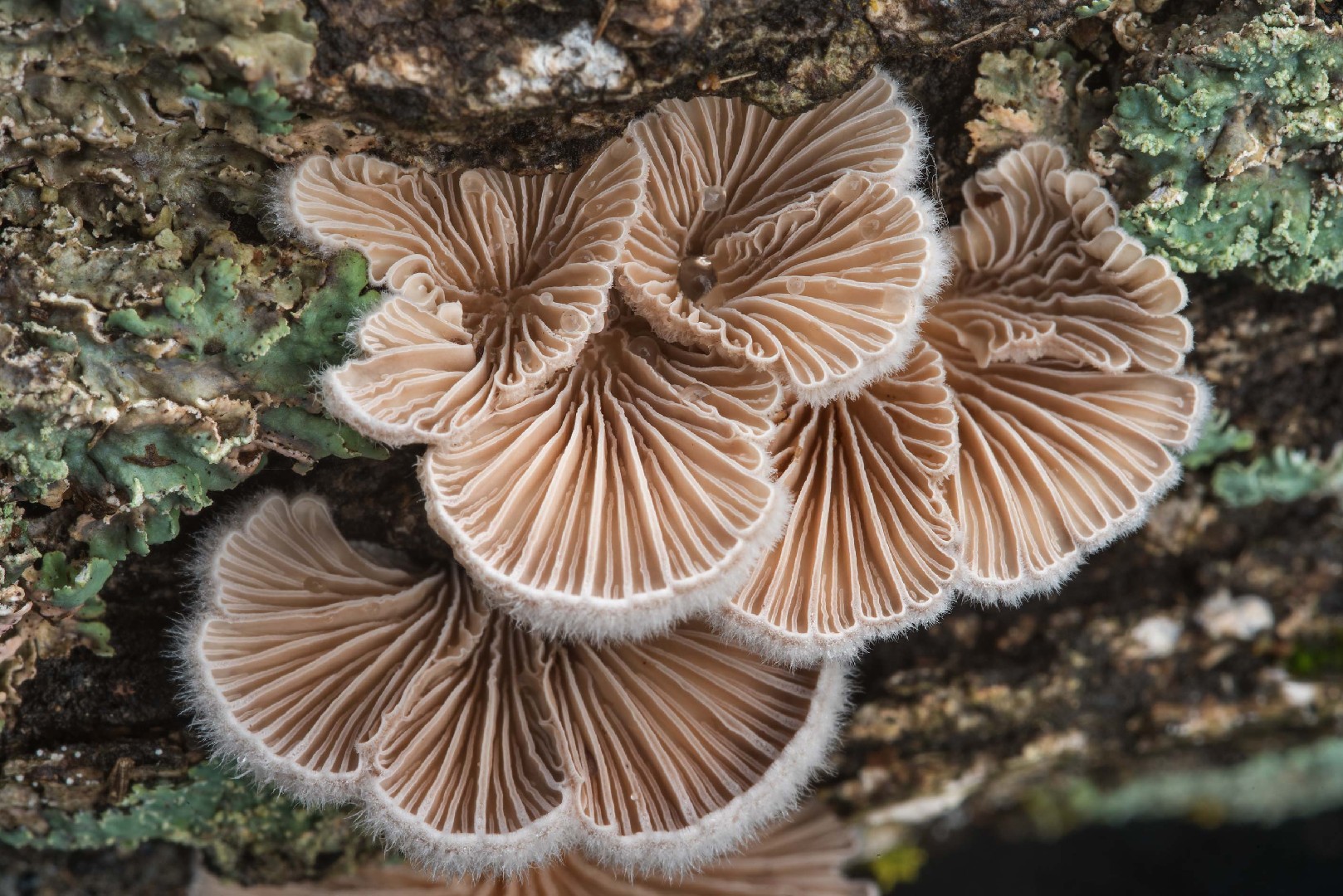
2. Split gill
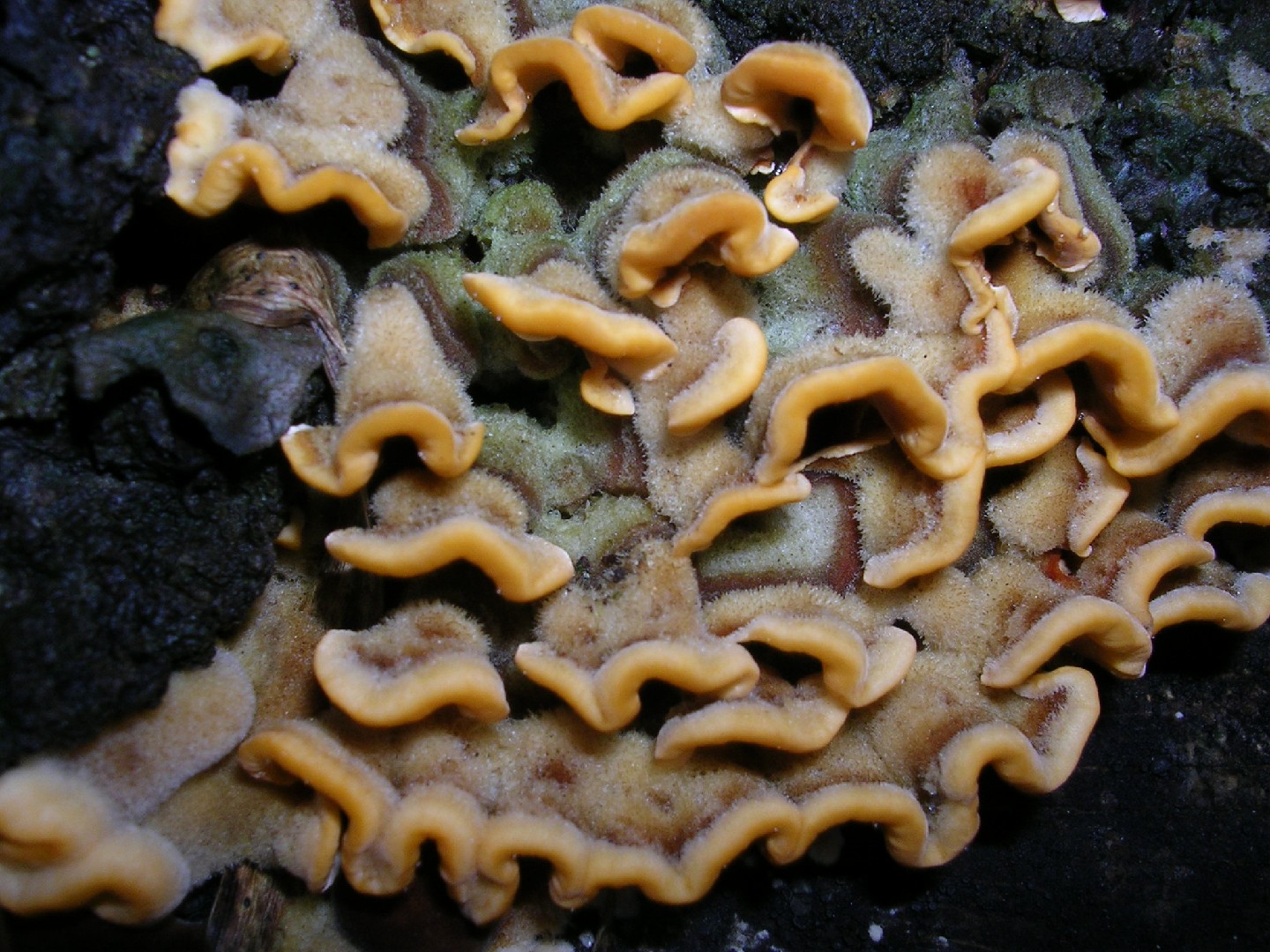
Split gill(Schizophyllum commune) can be found across the globe. Uniquely, it is the only mushroom species known to display the capability to retract by movement. It is considered inedible, although not necessarily toxic. Furthermore, it is not recommended to smell this species, as the spores are capable of sprouting and growing in nasal passages.
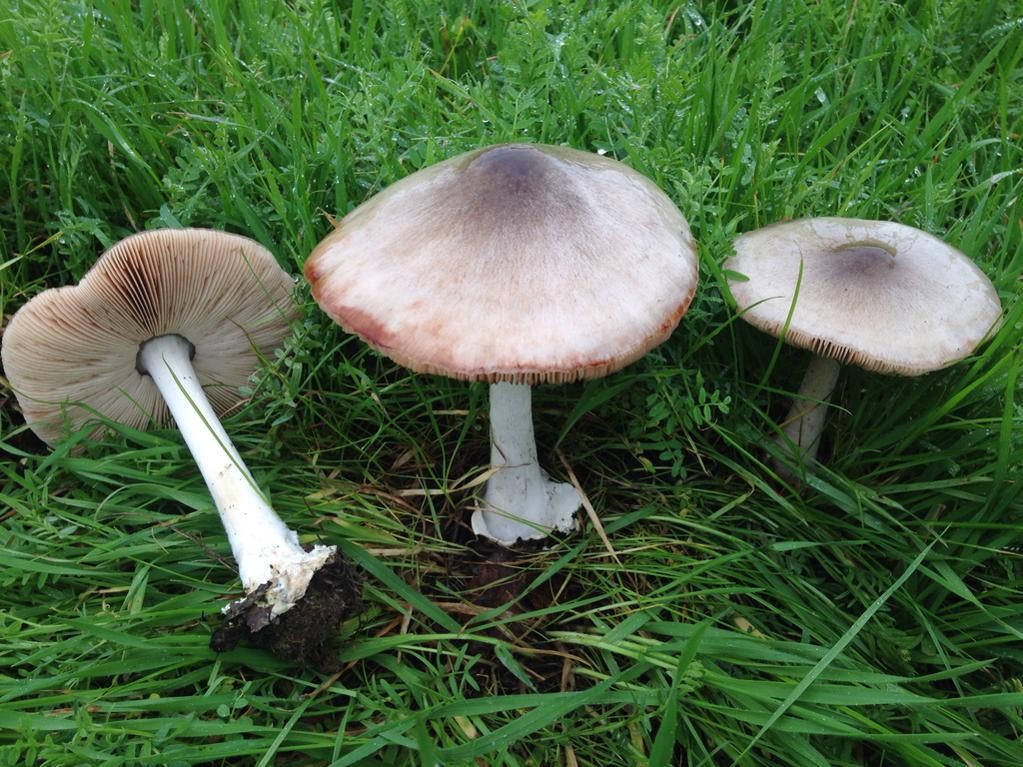
3. Big sheath mushroom
These large white mushrooms bloom all over cleared, harvested fields, as well as pastures and roadsides. The scientific species name comes from Greek words meaning “glue” (glioio) and “head” (cephalus), in reference to the sticky surface of this mushroom’s cap. The big sheath mushroom looks so similar to the poisonous Deathcap and Destroying Angel mushrooms that it should always be left alone.
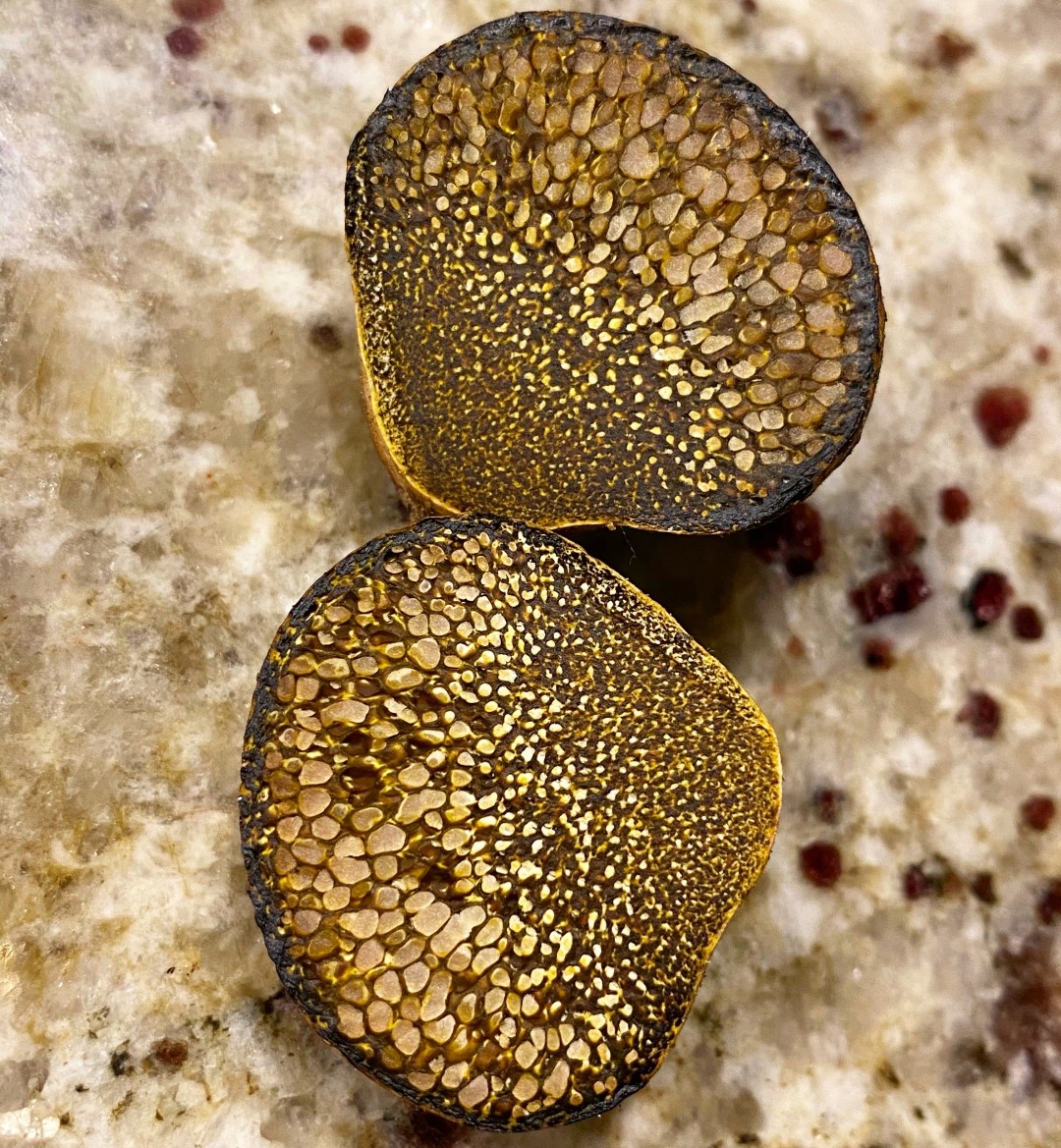
4. Dead man's foot
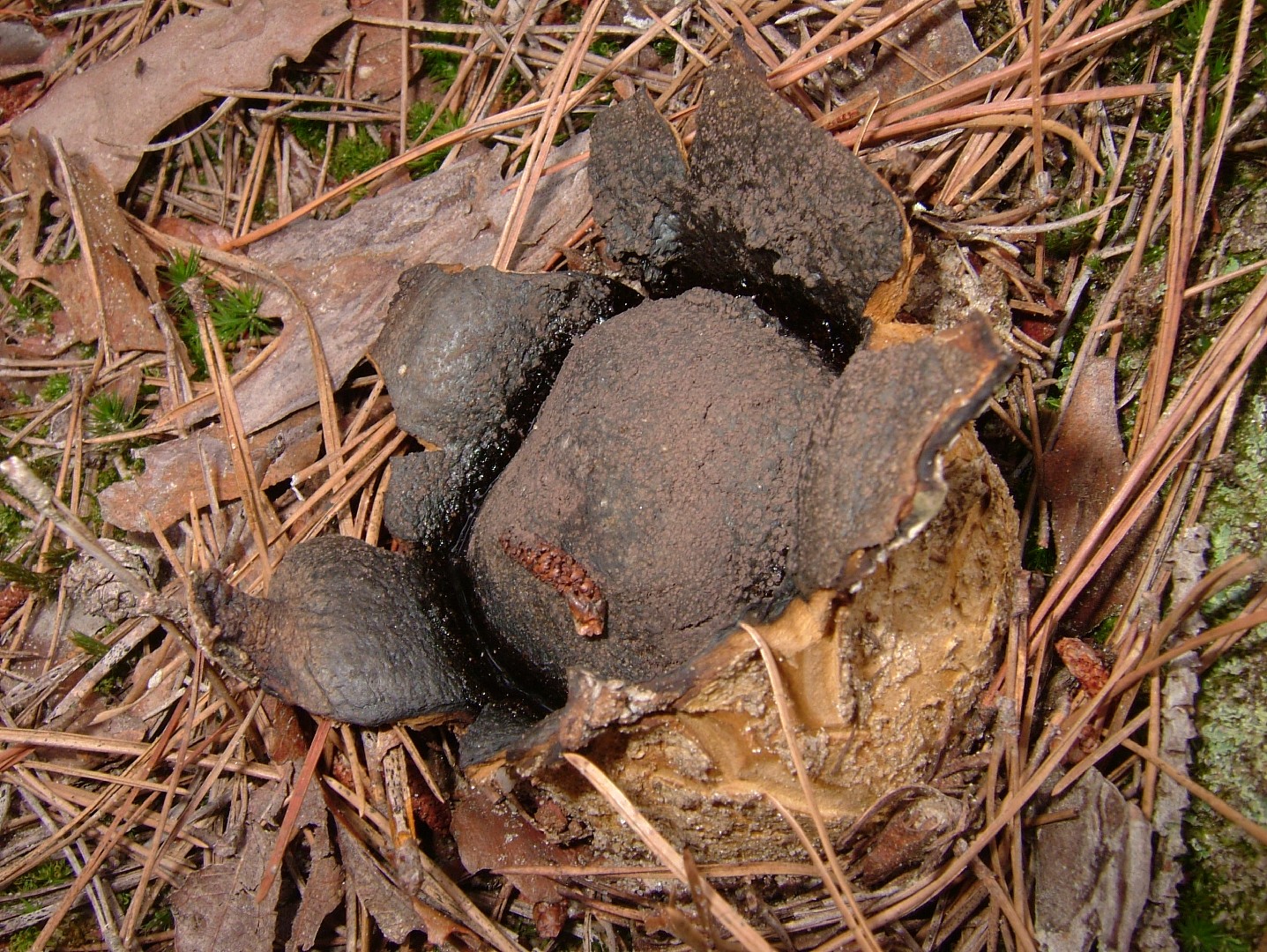
Dead man's foot (Pisolithus arhizus) actually bears a number of colorful names stemming from its unusual appearance, such as the horse dung fungus (Australia). It can be distilled into a viscous black gel, which is then used as a natural dye for clothing. It is considered to be inedible.

5. Shaggy mane
The shaggy mane mushroom is commonly found in North American and European grasslands. Some peoples foraged for its young egg-shaped caps, but it has more recently been found to be a bioaccumulator of heavy metals, meaning it pulls toxic metals up from the soil where it grows. As a result, shaggy manes should not be eaten. The mushrooms usually appear in clusters or “fairy rings.”
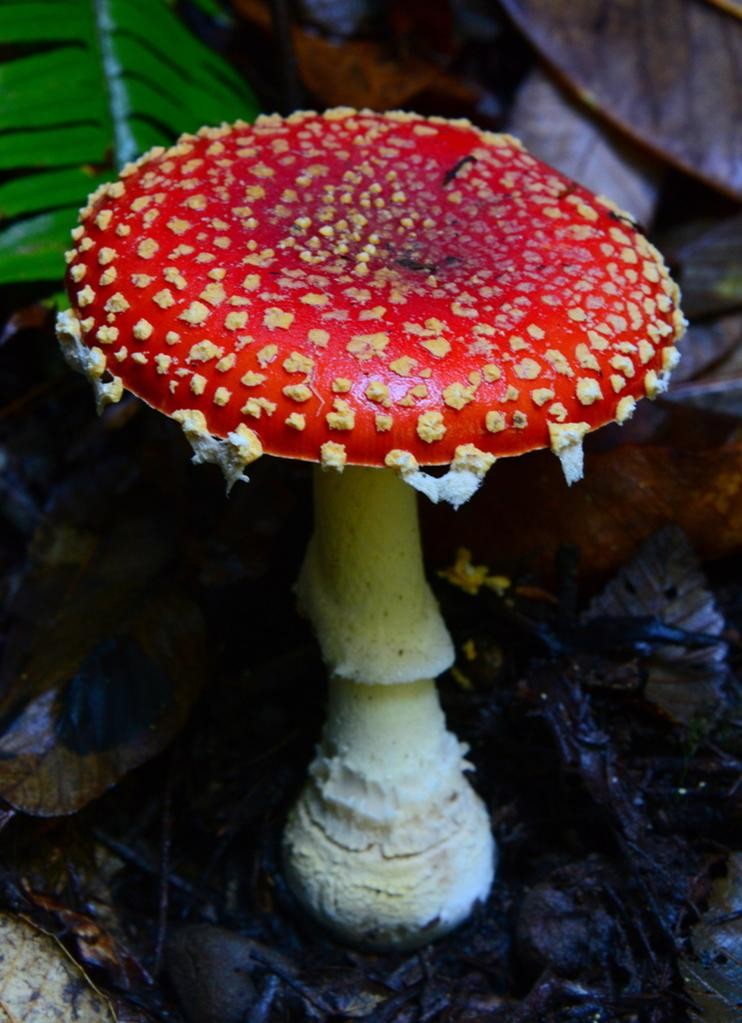
6. Fly agaric
In Northern Asia and Europe, fly agaric grows under trees near the winter solstice and is collected for ritual use tied to the season. Its characteristic shape and coloring are still ubiquitous in many European fairy tale illustrations and Christmas traditions. It is highly toxic.
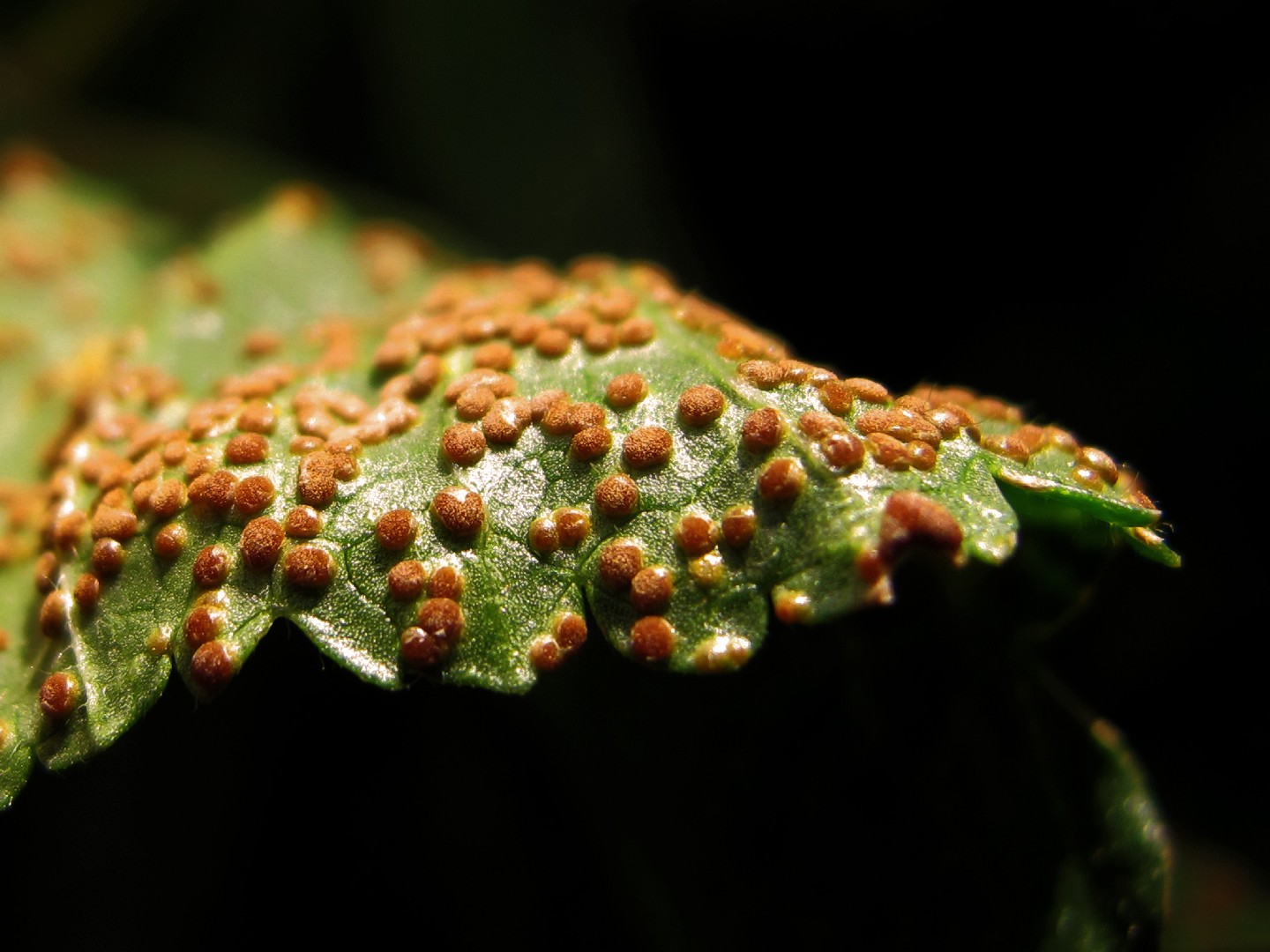
7. Hollyhock rust
Hollyhock rust (Puccinia malvacearum) is a parasitic fungus that produces a rust disease on the foliage of host plants such as hollyhocks and mallows. Hollyhock rust grows on the leaves, creating small brown spots on the undersides, then bright yellow or orange pustules on the tops. A severe infection can impair photosynthesis in the host plant. Its spores spread on the wind.
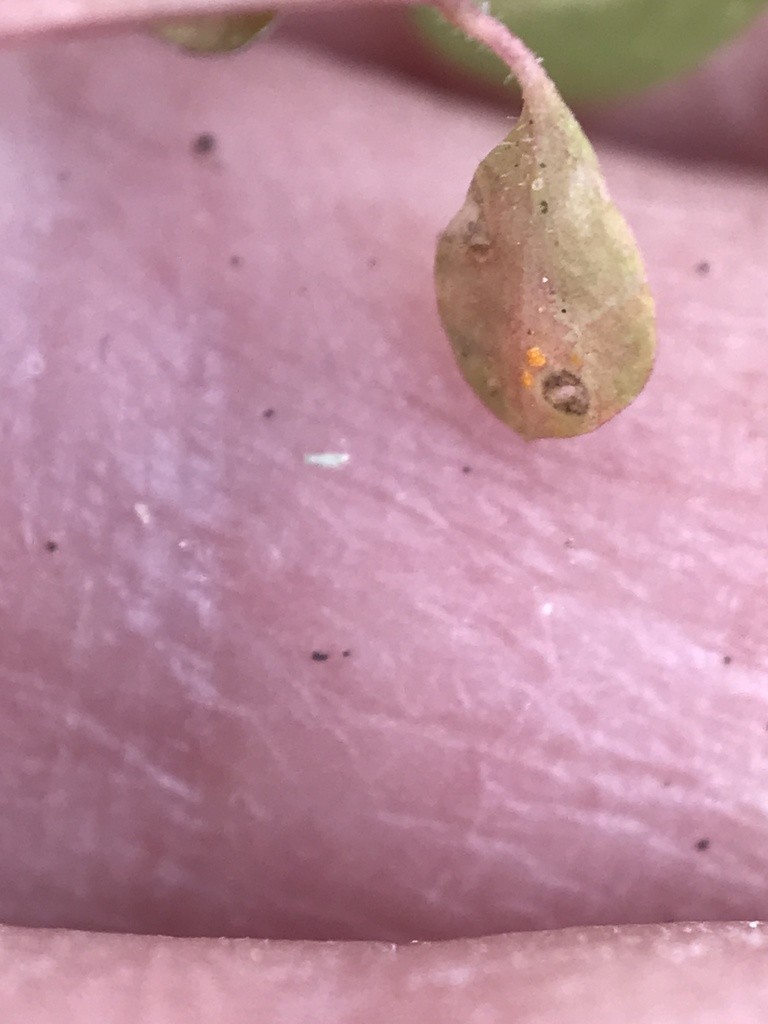
8. Euphorbia rust
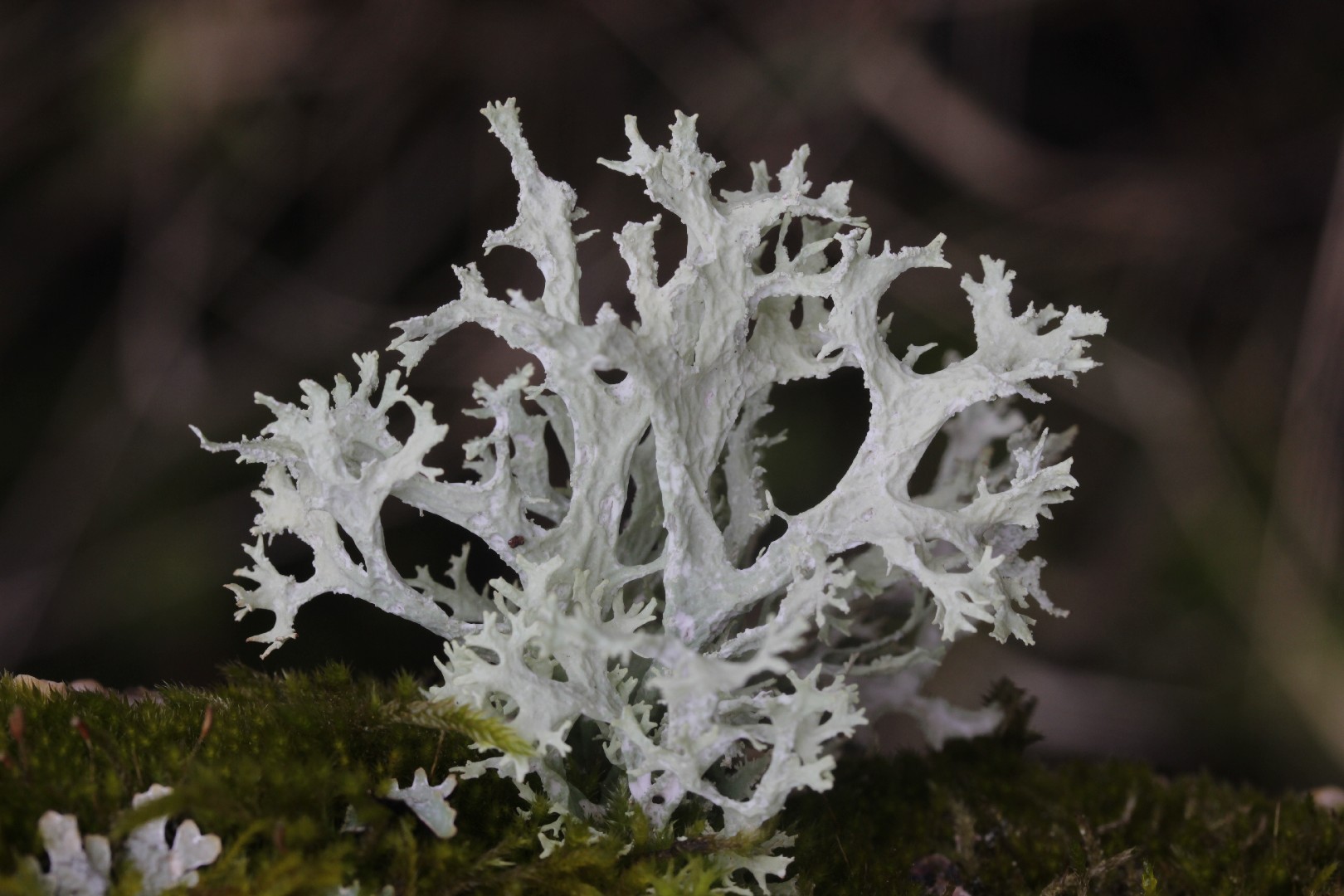
9. Oakmoss
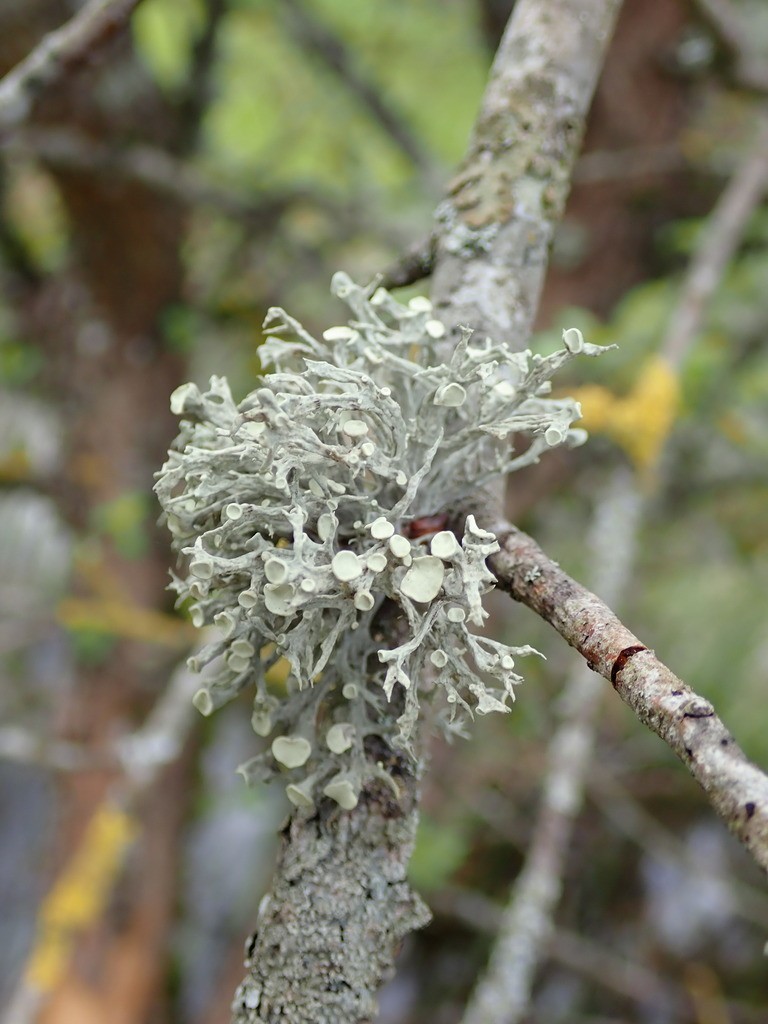
Evernia prunastri grows shrubby on trees. The yellow-green lichen grows up to 10 cm. It consists of up to five millimeters wide shrubby branched bands with a light underside. At the edges of these open dusty (Sorale). Apothecias (with shiny brown disc) are rarely formed.
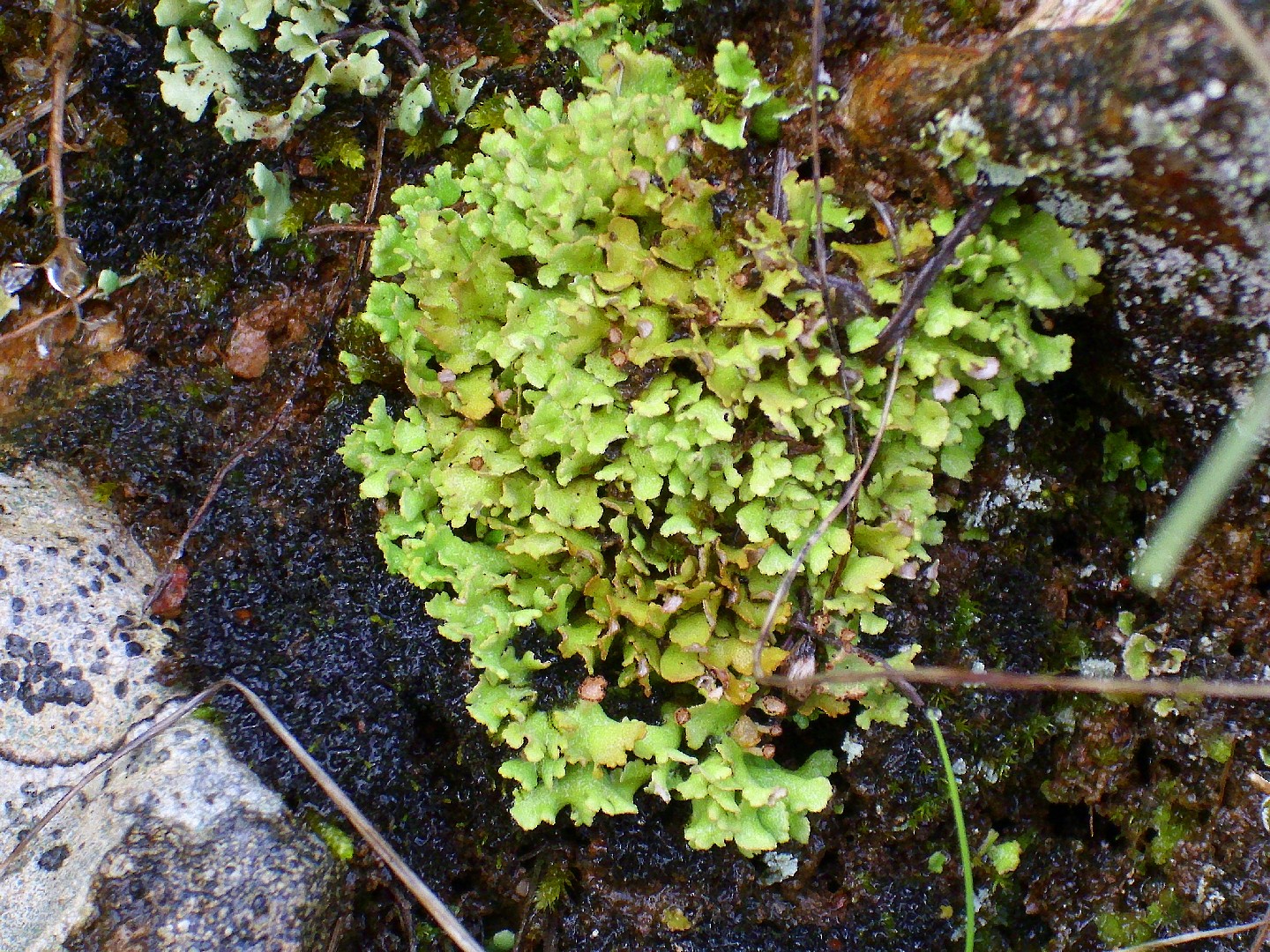
10. Cladonia foliacea
More







