




Top 18 Most Common Mushrooms in Sintra
Delving into the world of mycology, Sintra stands out as a haven for mushrooms, boasting an impressive array of species. The city's damp, temperate climate and lush woodlands provide an ideal habitat for fungal growth, rendering it a paradise for mycology enthusiasts. With a wealth of biodiversity, a visit to Sintra opens doors to uncovering 18 of the most commonly found, captivating mushroom species. Get ready to delve into their kingdom of decomposers, where each species thrives under unique conditions.

Most Common Mushrooms
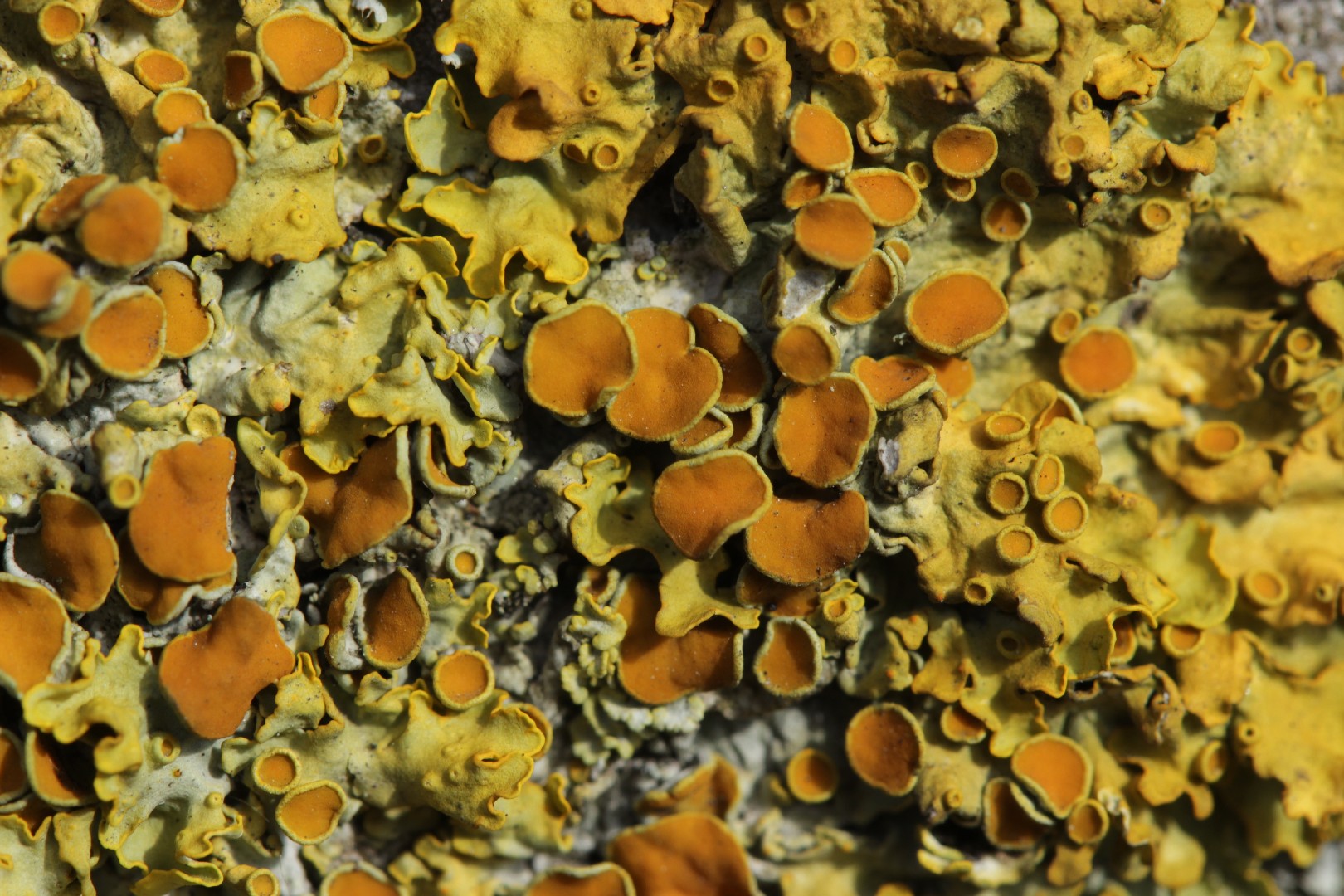
1. Common orange lichen
Common orange lichen was selected in 2006 by the United States Department of Energy as a model for genomic sequencing. Its widespread dispersal and bright yellow-orange color give the lichen its common name. It is primarily found growing on rocks, walls, and tree bark.
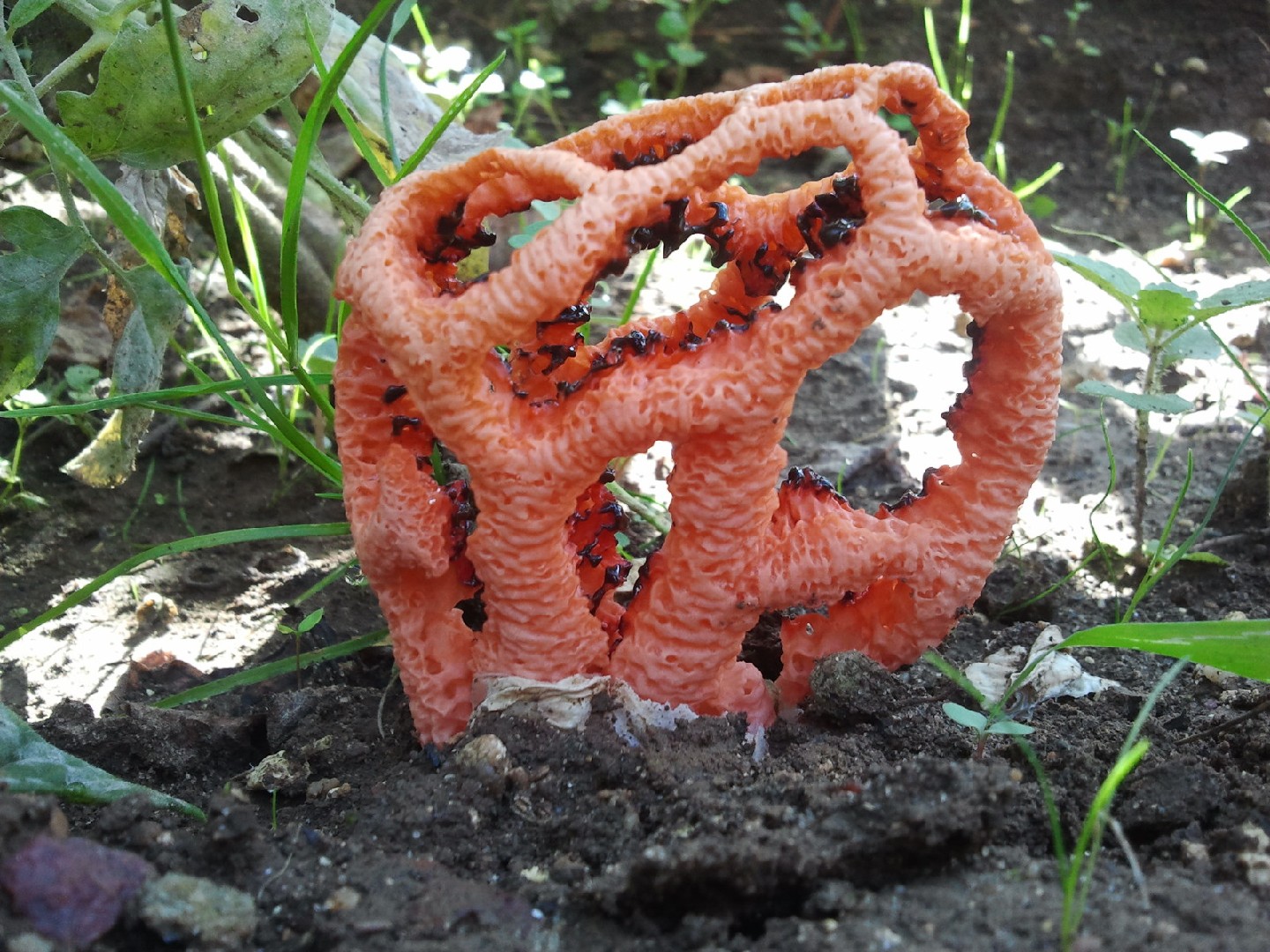
2. Red cage
The red cage is a highly distinctive mushroom with a wild shape, even for a stinkhorn. Its fruitbody grows as a hollow, latticed structure, usually red or pinkish in color, that gives it the appearance of a rubber or plastic children's toy. A true stinkhorn, this species secretes a pungent-smelling slime that attracts flies - but repels humans!
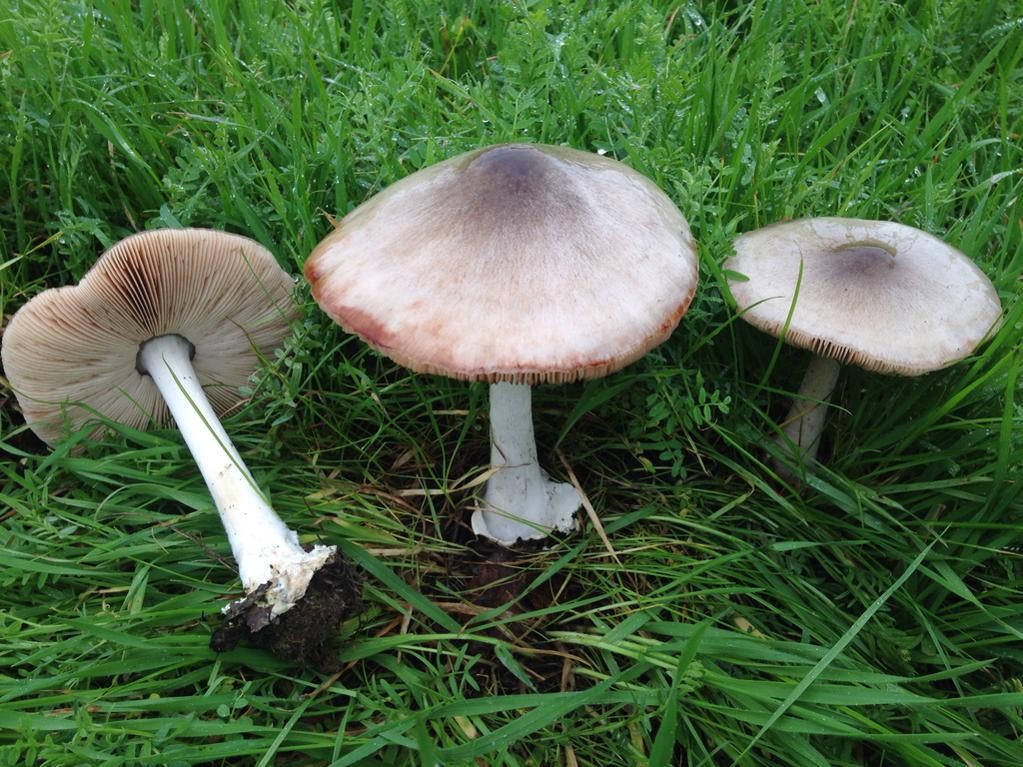
3. Big sheath mushroom
These large white mushrooms bloom all over cleared, harvested fields, as well as pastures and roadsides. The scientific species name comes from Greek words meaning “glue” (glioio) and “head” (cephalus), in reference to the sticky surface of this mushroom’s cap. The big sheath mushroom looks so similar to the poisonous Deathcap and Destroying Angel mushrooms that it should always be left alone.
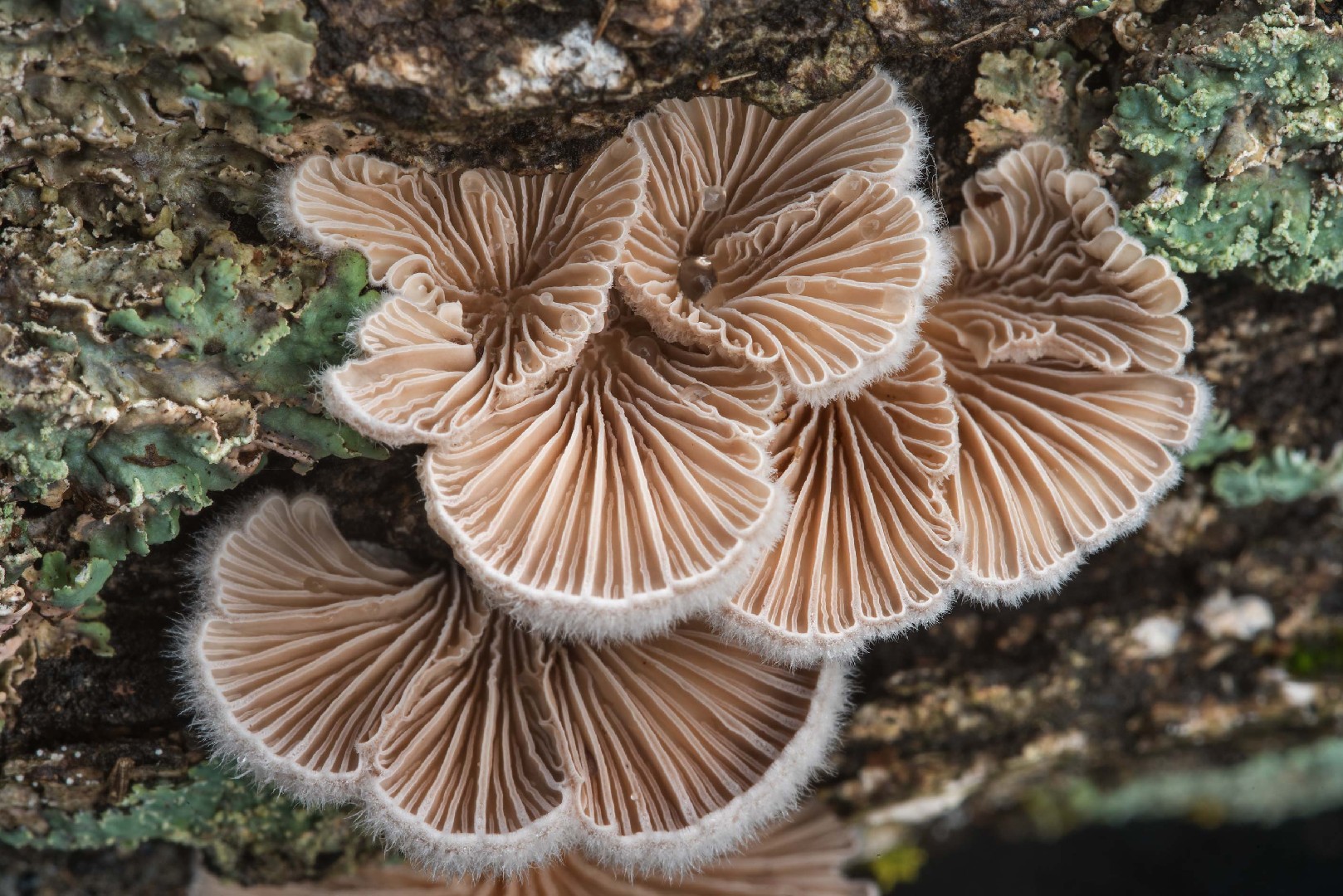
4. Split gill
Split gill(Schizophyllum commune) can be found across the globe. Uniquely, it is the only mushroom species known to display the capability to retract by movement. It is considered inedible, although not necessarily toxic. Furthermore, it is not recommended to smell this species, as the spores are capable of sprouting and growing in nasal passages.
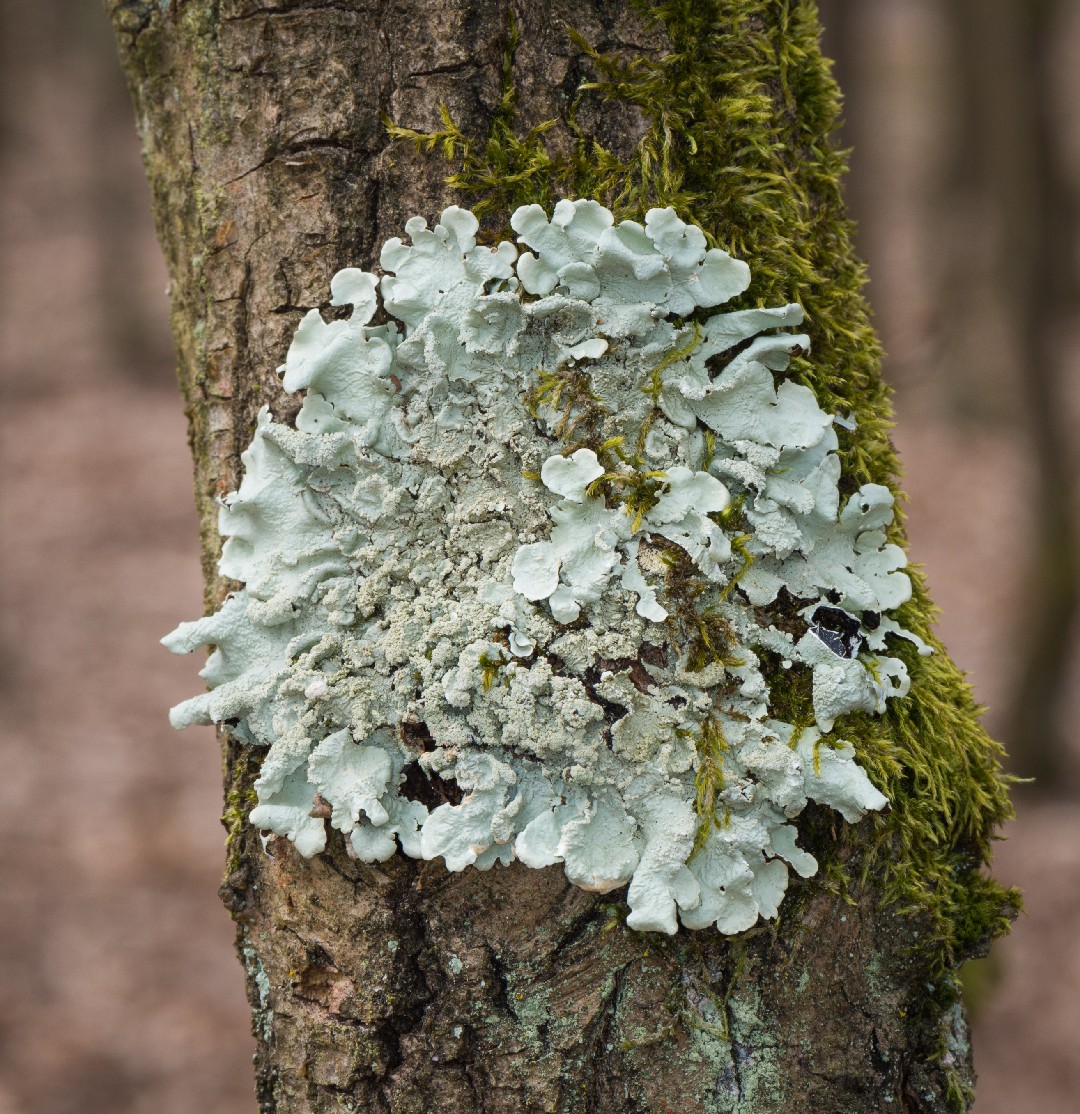
5. Common greenshield lichen
The common greenshield lichen is a familiar species in temperate forests around the world. It can be found growing on rock outcroppings and trees in a wide variety of habitats. Individuals can grow to be quite large and may be gregarious, forming large mats or sheets on suitable surfaces. Like other lichens, the common greenshield lichen will shrivel and harden when moisture is scarce.
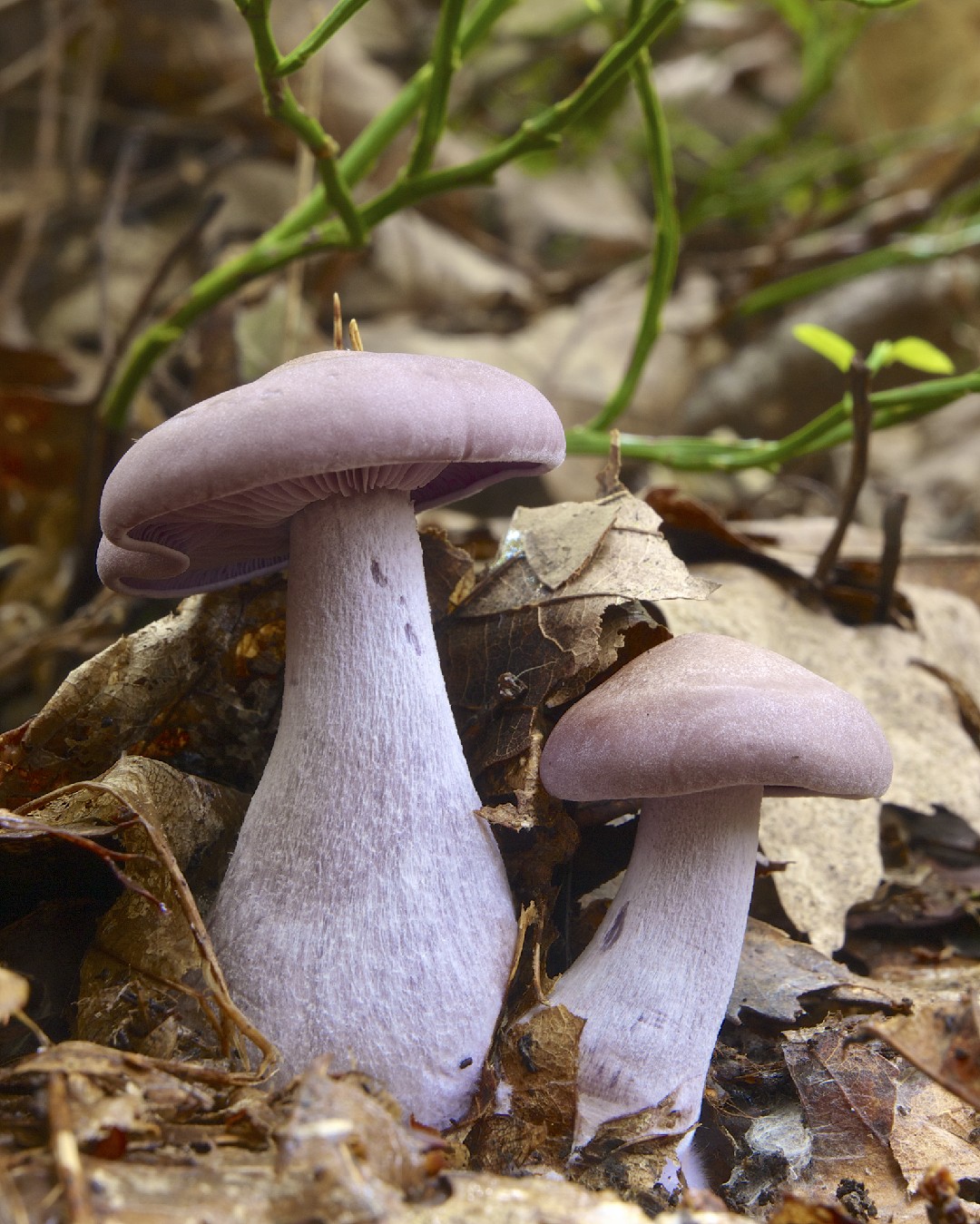
6. Blewit
The blewit mushroom grows in fallen leaves in autumn and winter, sometimes appearing in ‘fairy ring’ circles. It can be used to make a green dye when chopped and boiled in an iron pot. The scientific name, Lepista nuda, derives from Latin words meaning “bare goblet,” a reference to the shape and texture of the mushroom.
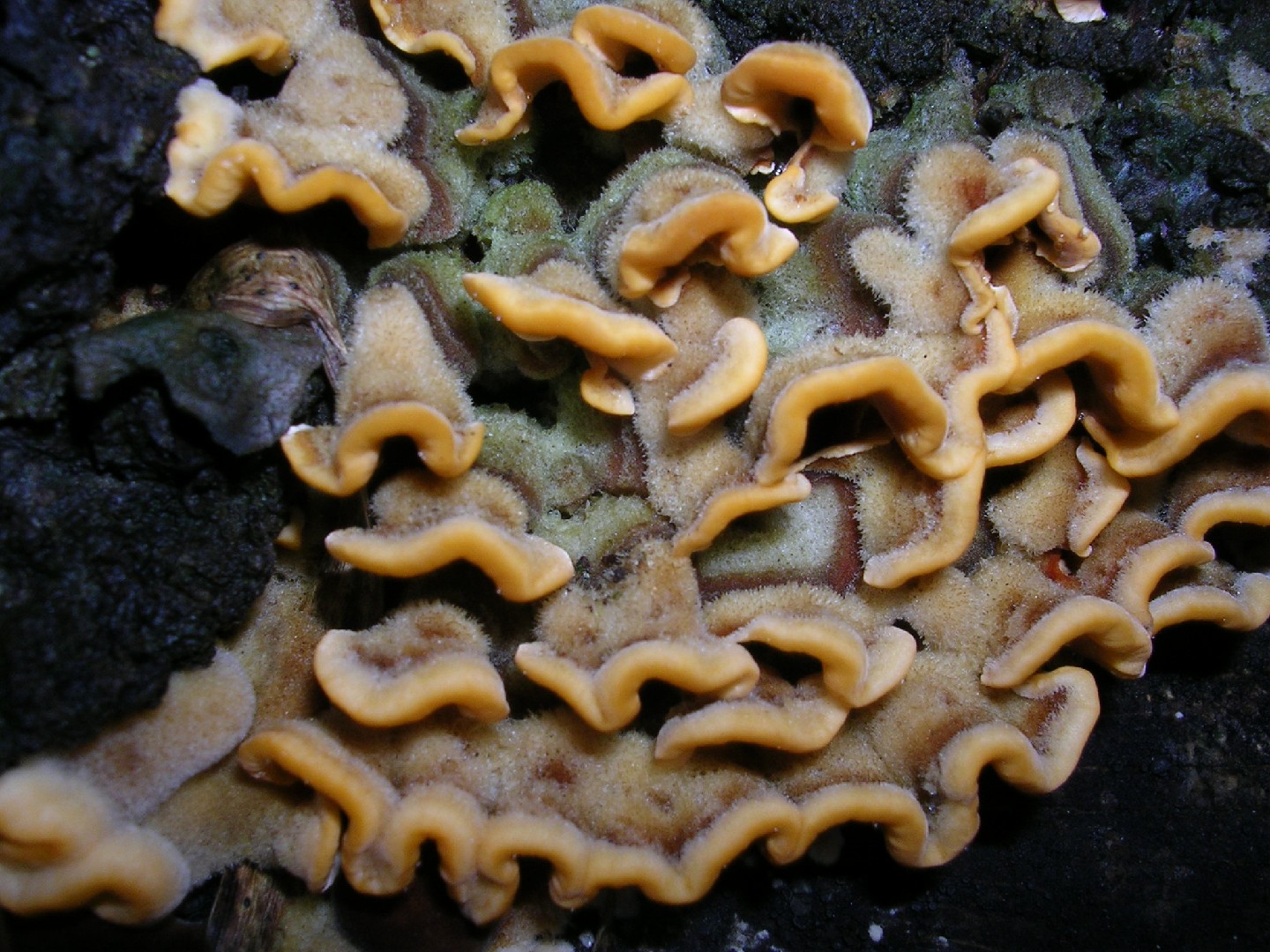
7. Hairy curtain crust
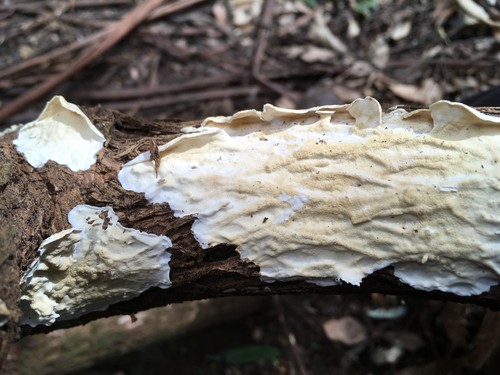
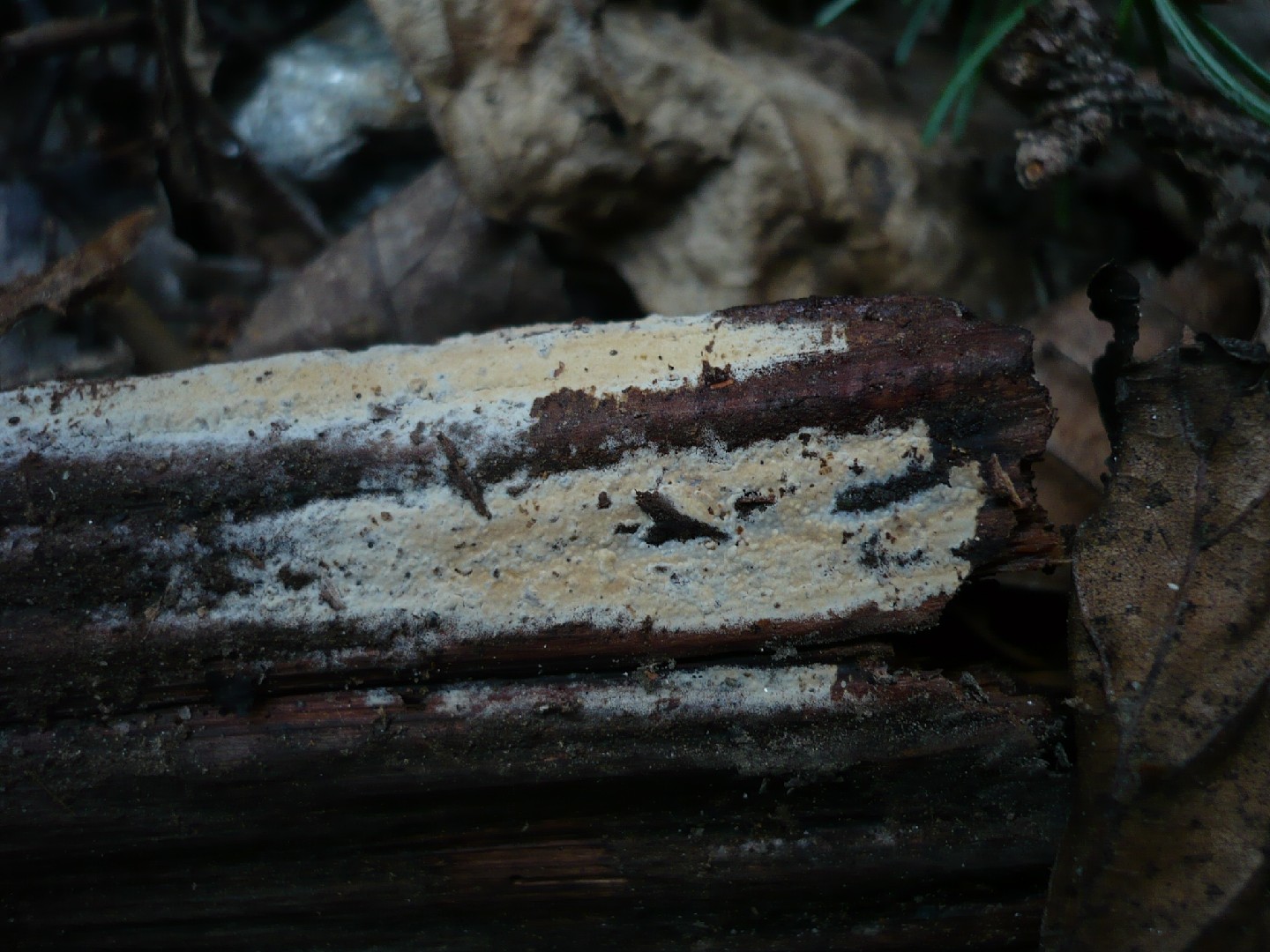
This clustered, overlapping fungus is found all over the world, and is considered native across both the northern and southern hemispheres. Both its common name, hairy curtain crust, and its scientific name, Stereum hirsutum, aptly describe its most obvious features: it is quite tough (stereum) and the younger fruitbodies are notably hairy (hirsutum).
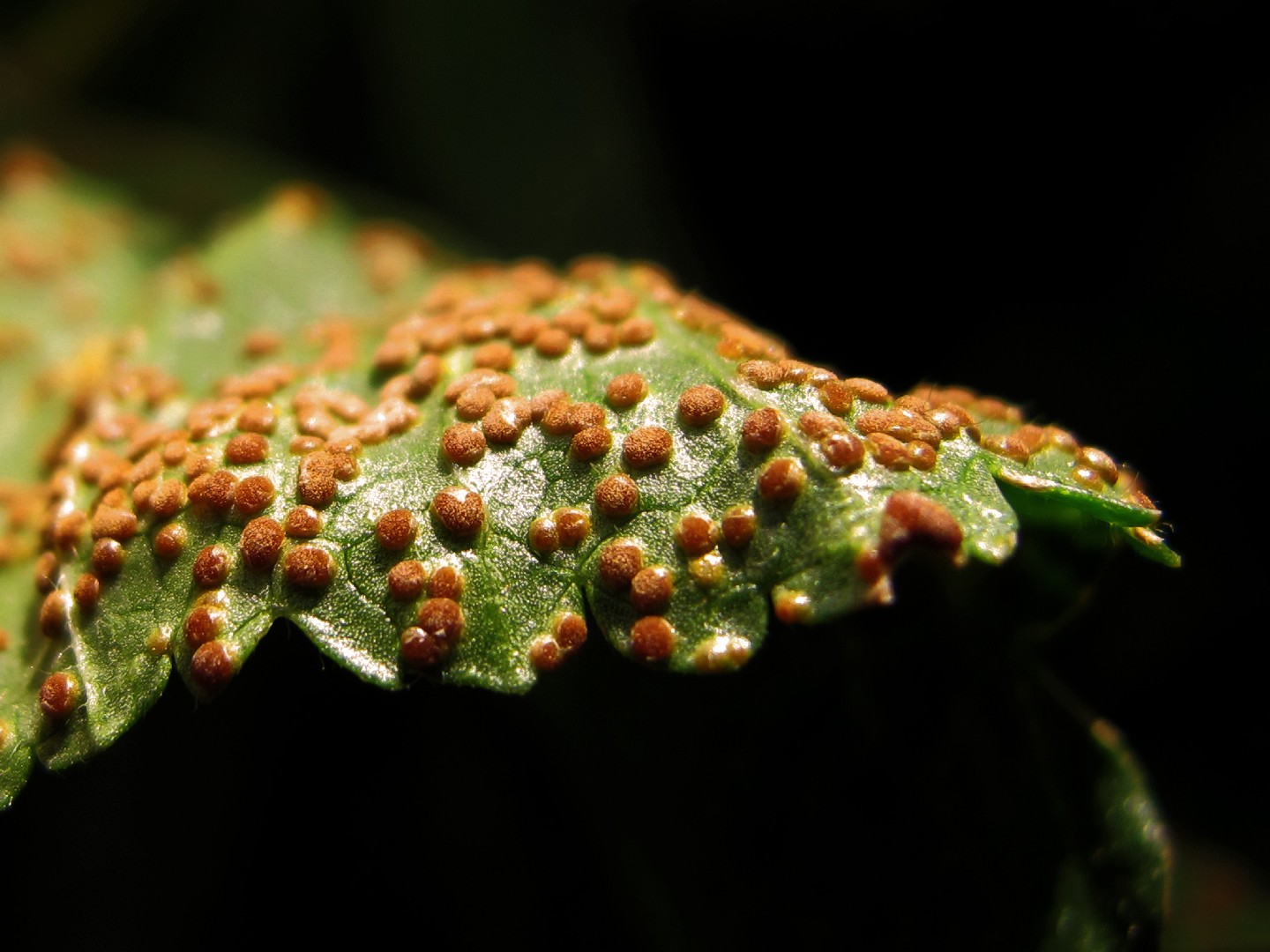
8. Hollyhock rust
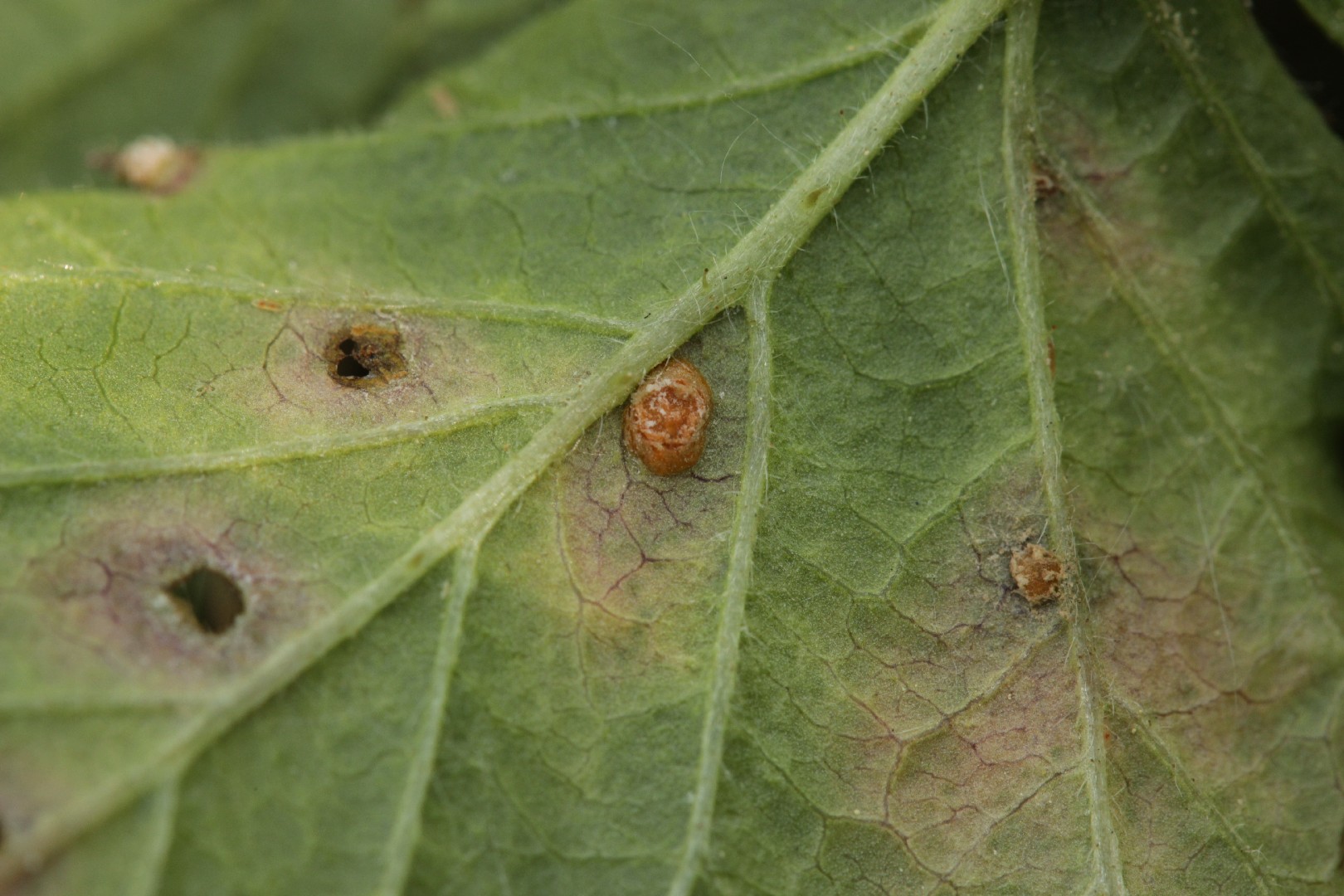
Hollyhock rust (Puccinia malvacearum) is a parasitic fungus that produces a rust disease on the foliage of host plants such as hollyhocks and mallows. Hollyhock rust grows on the leaves, creating small brown spots on the undersides, then bright yellow or orange pustules on the tops. A severe infection can impair photosynthesis in the host plant. Its spores spread on the wind.

9. Shaggy mane
The shaggy mane mushroom is commonly found in North American and European grasslands. Some peoples foraged for its young egg-shaped caps, but it has more recently been found to be a bioaccumulator of heavy metals, meaning it pulls toxic metals up from the soil where it grows. As a result, shaggy manes should not be eaten. The mushrooms usually appear in clusters or “fairy rings.”
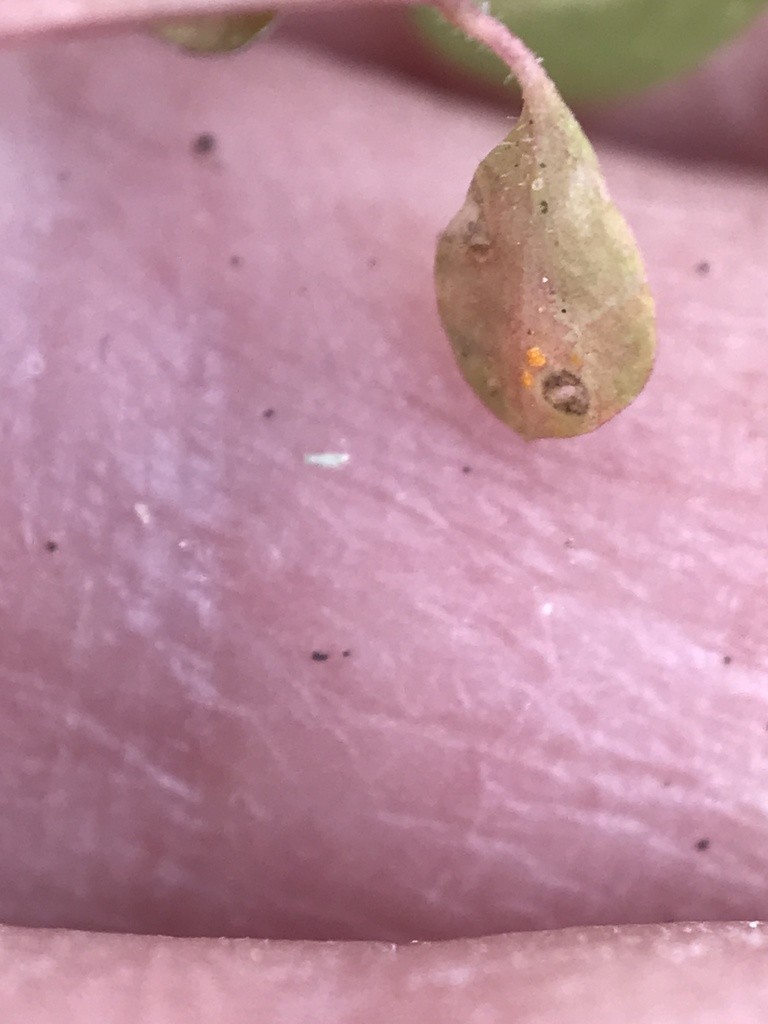
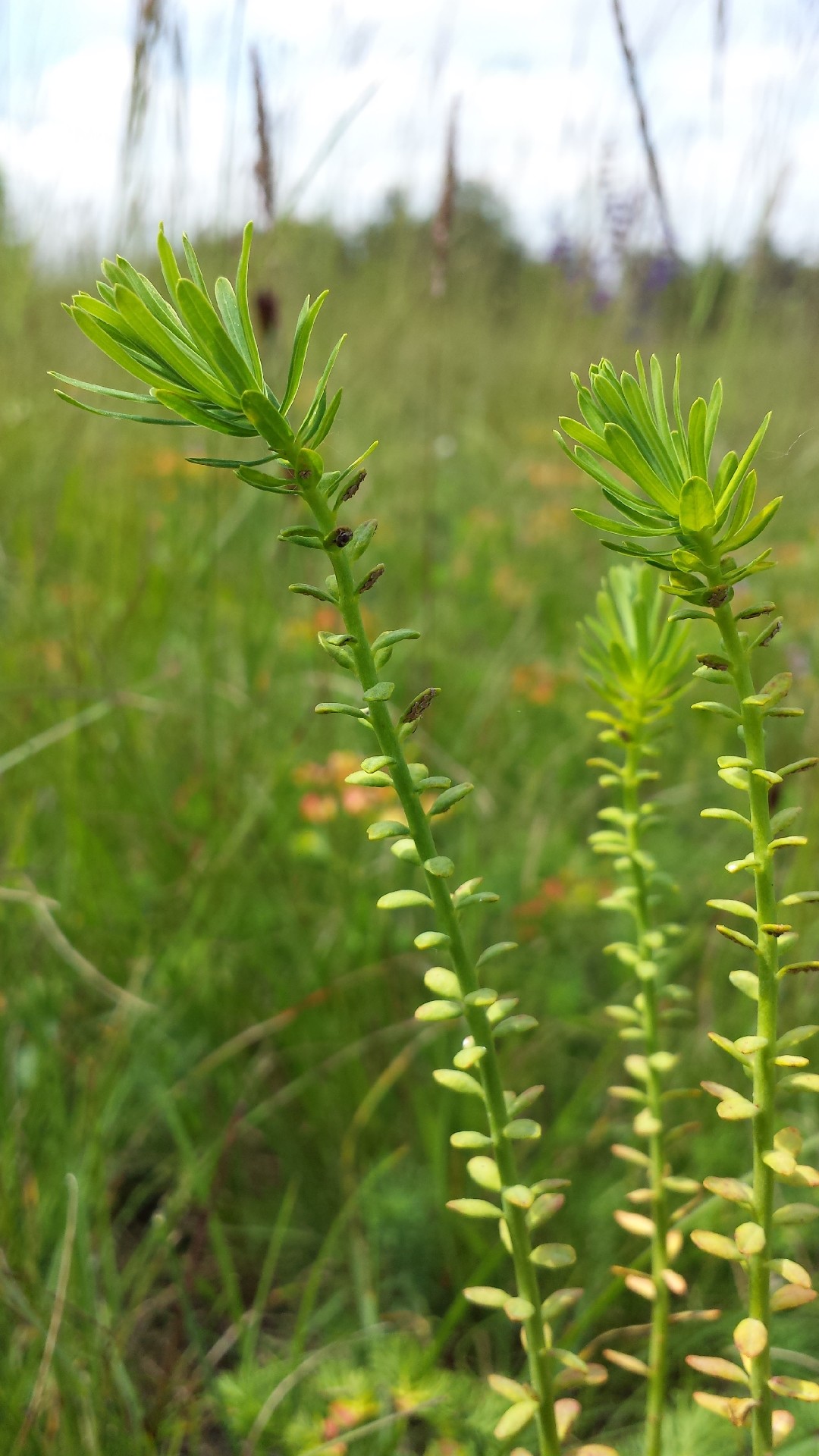
10. Euphorbia rust
More







