




Top 20 Most Common Mushrooms in Drawsko Pomorskie

Most Common Mushrooms
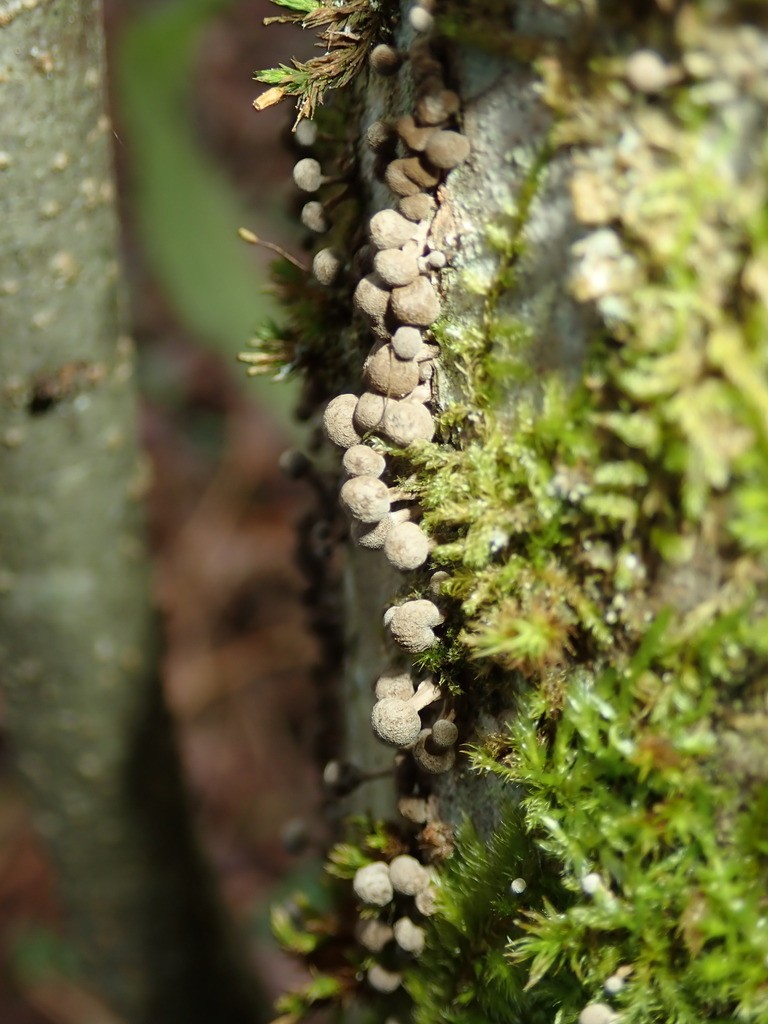
1. Fenugreek stalkball
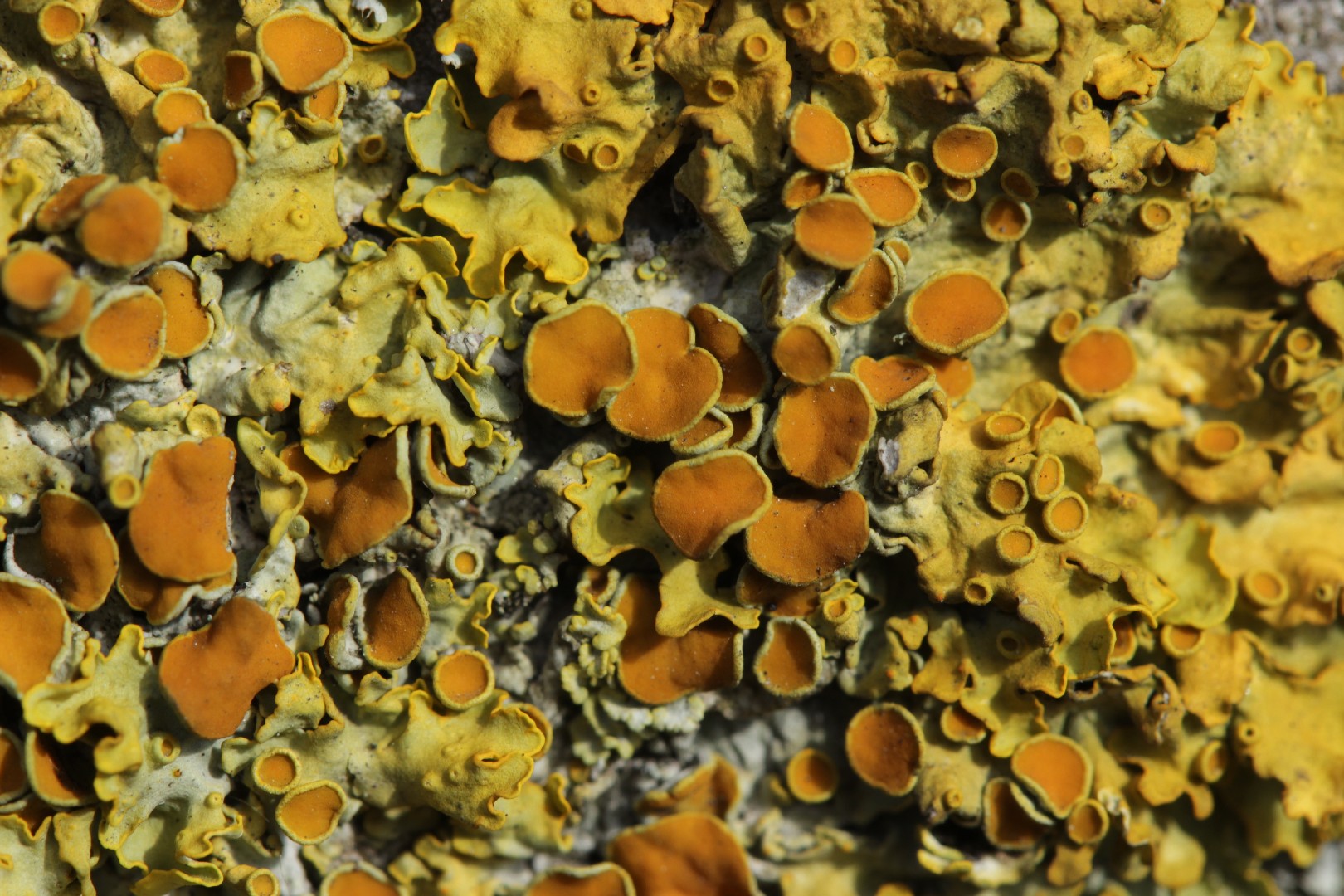
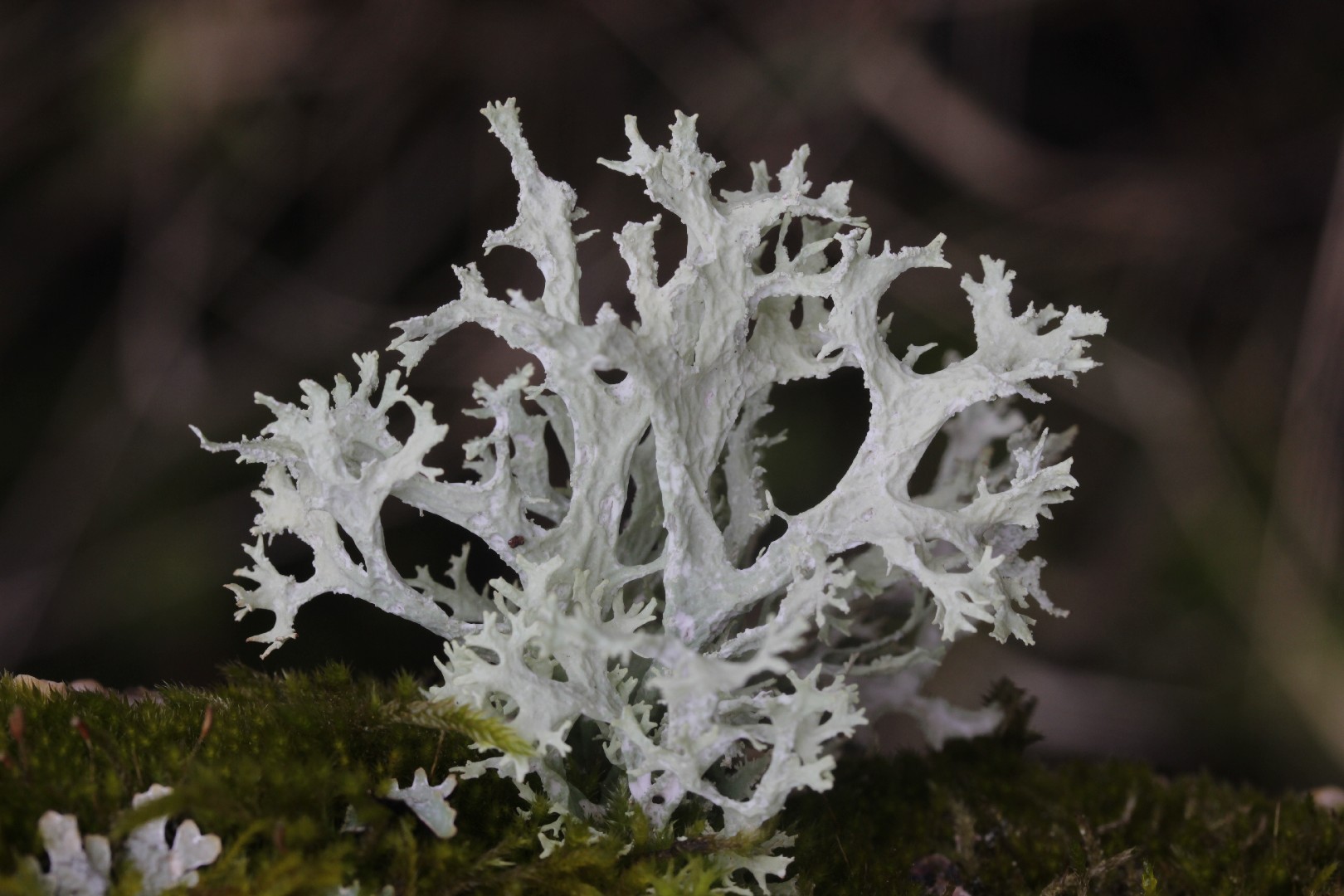
2. Common orange lichen
Common orange lichen was selected in 2006 by the United States Department of Energy as a model for genomic sequencing. Its widespread dispersal and bright yellow-orange color give the lichen its common name. It is primarily found growing on rocks, walls, and tree bark.
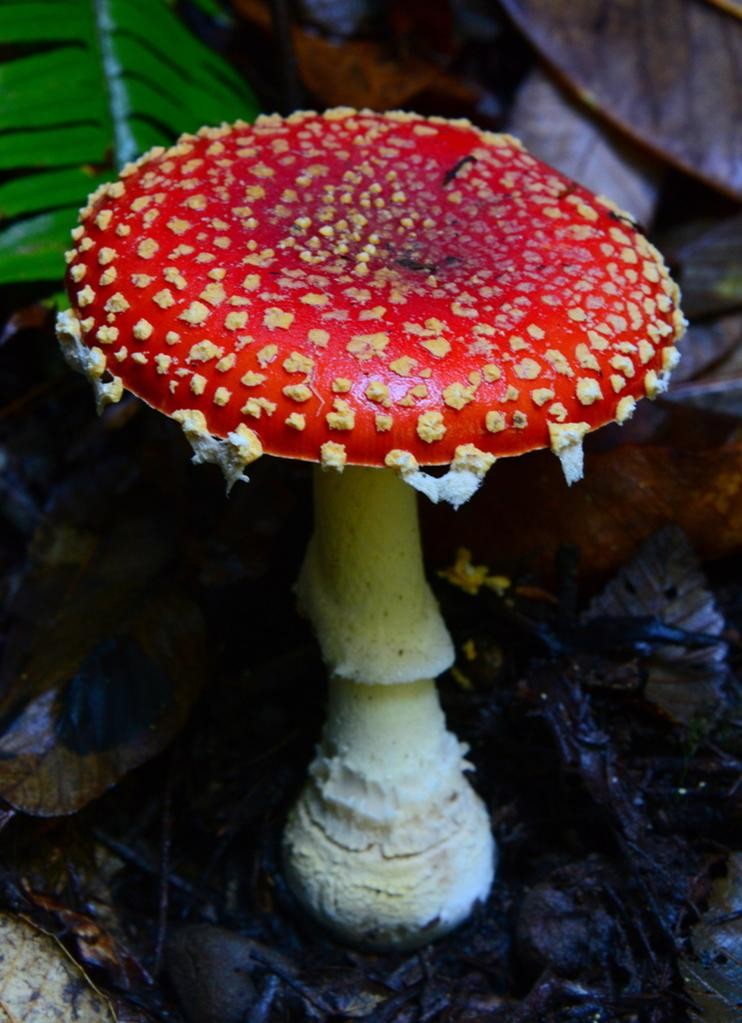
3. Fly agaric
In Northern Asia and Europe, fly agaric grows under trees near the winter solstice and is collected for ritual use tied to the season. Its characteristic shape and coloring are still ubiquitous in many European fairy tale illustrations and Christmas traditions. It is highly toxic.
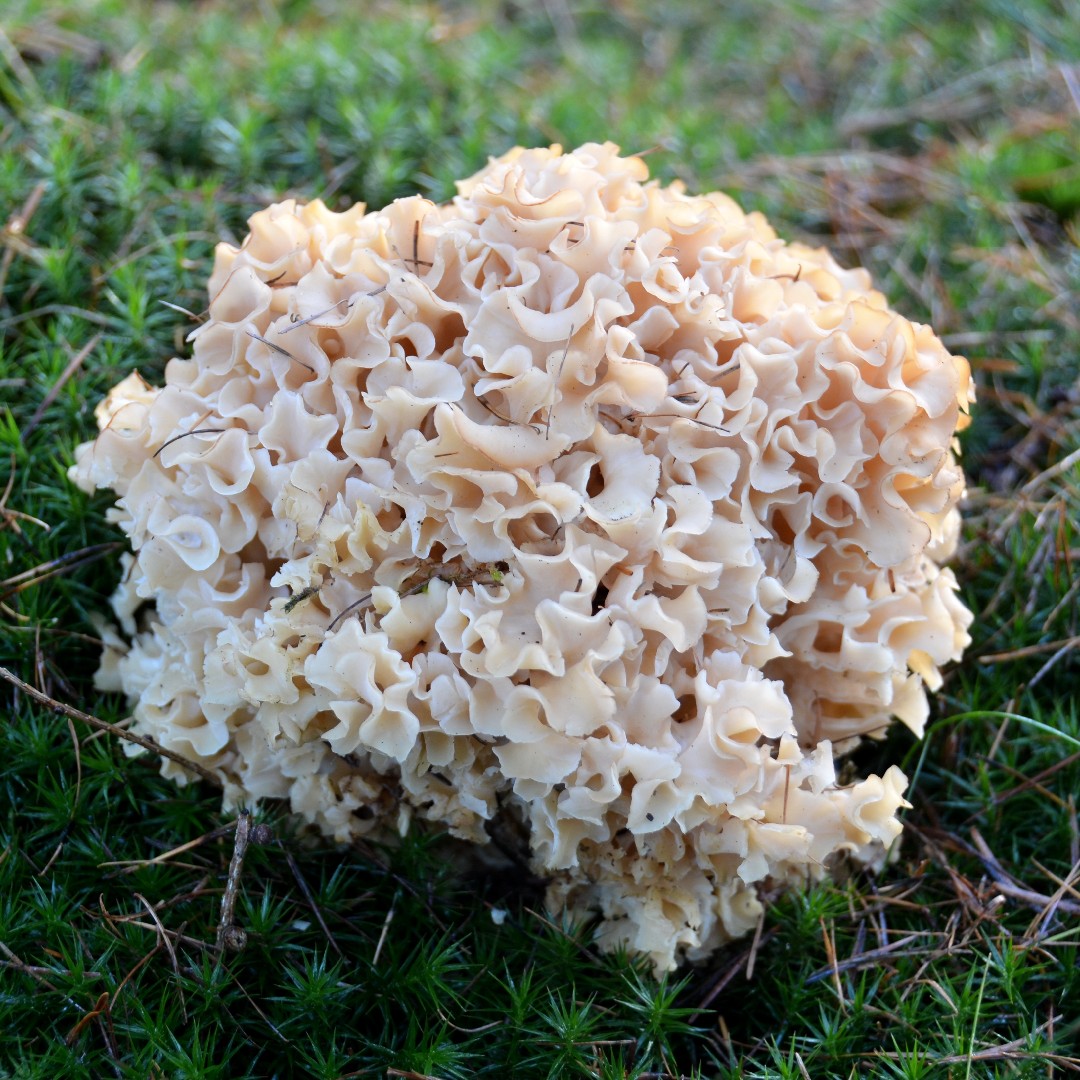
4. Cauliflower mushroom
Instantly recognizable and highly sought-after, cauliflower mushroom (Sparassis crispa) forms a distinct-looking fruitbody that can be found across temperate North America and Europe. The species resembles cauliflower in both color and overall shape, although instead of bearing florets, its appendages look more like wavy, partially-cooked pasta.
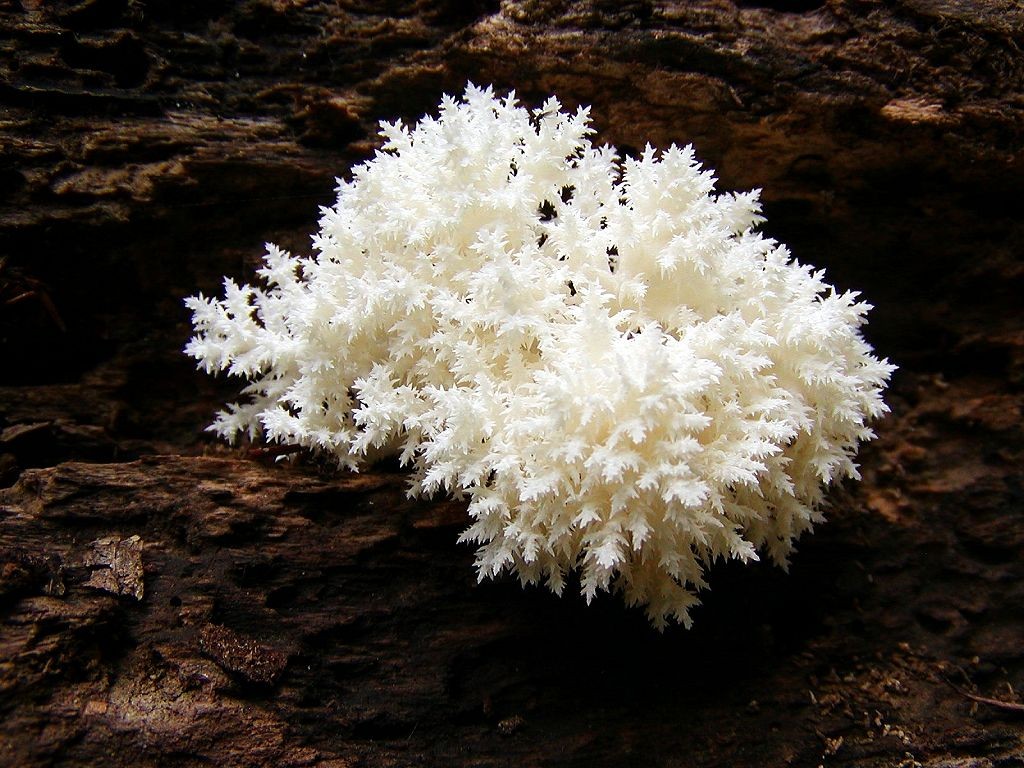
5. Coral tooth fungus
Coral tooth fungus (Hericium coralloides) is a species of coral mushroom most frequently sighted on dead or decaying hardwoods. Generally, younger specimens are white and become increasingly yellowish as they mature. Found around the world, the Māori refer to this species as pekepekekiore.
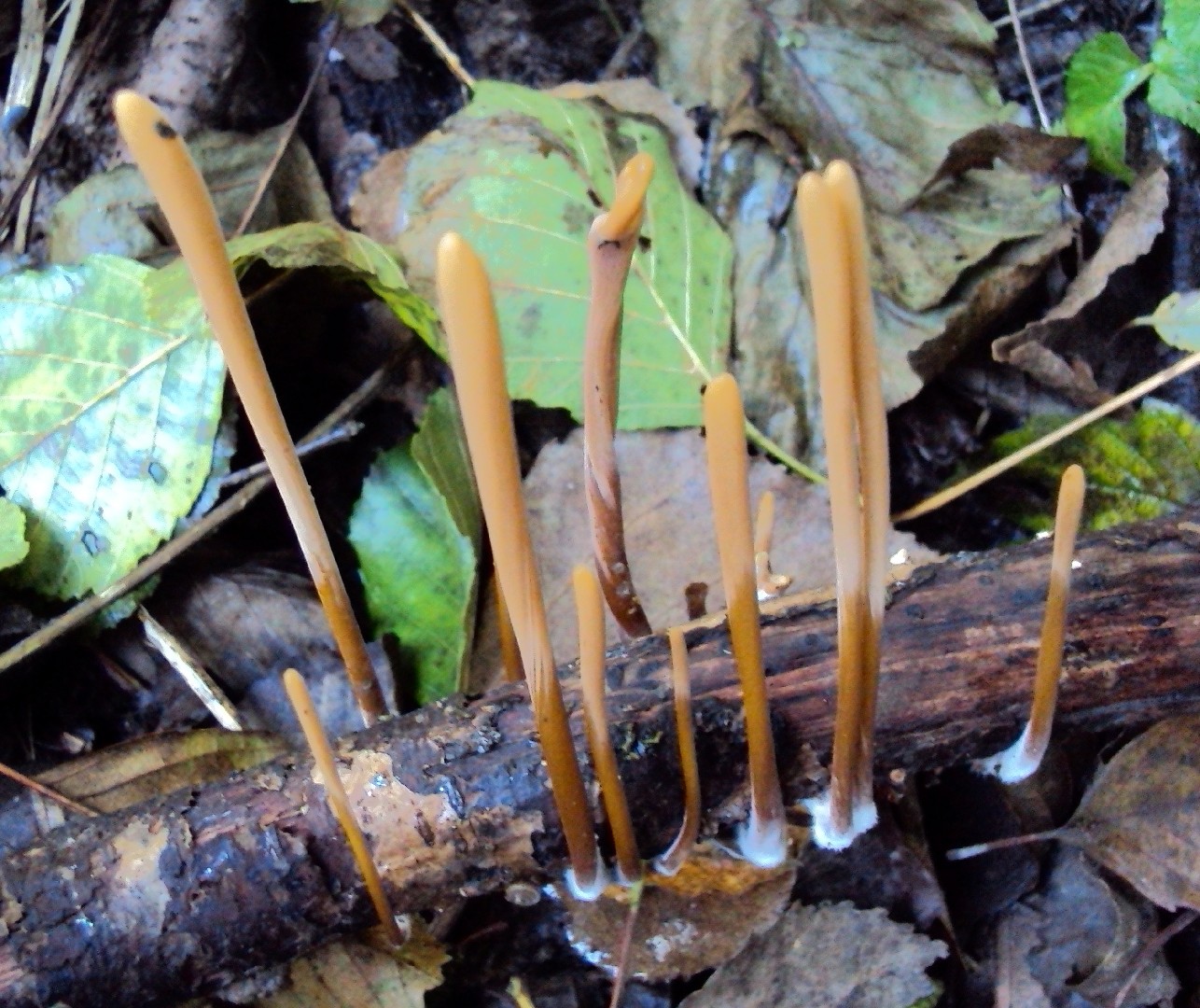
6. Pipe club
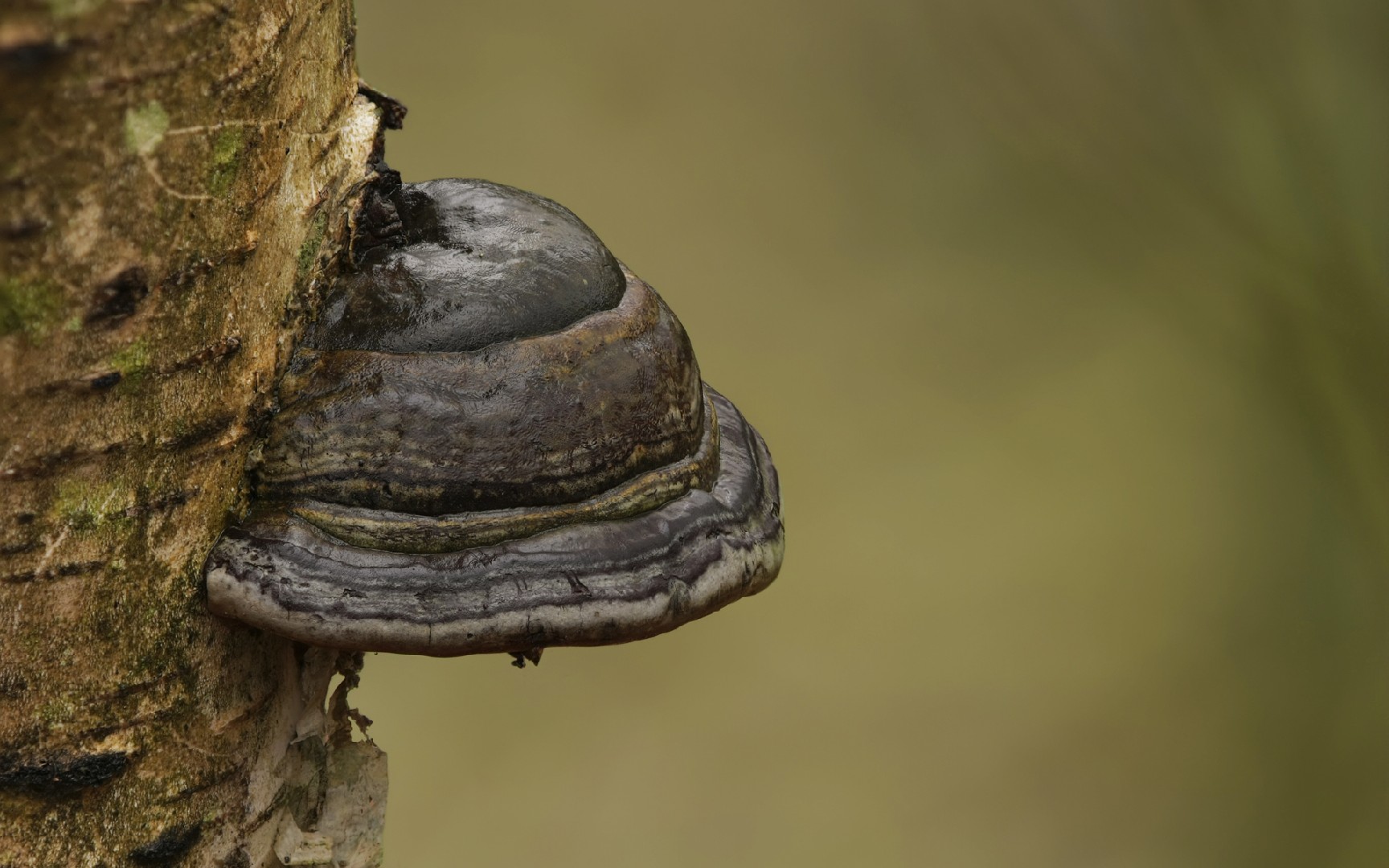
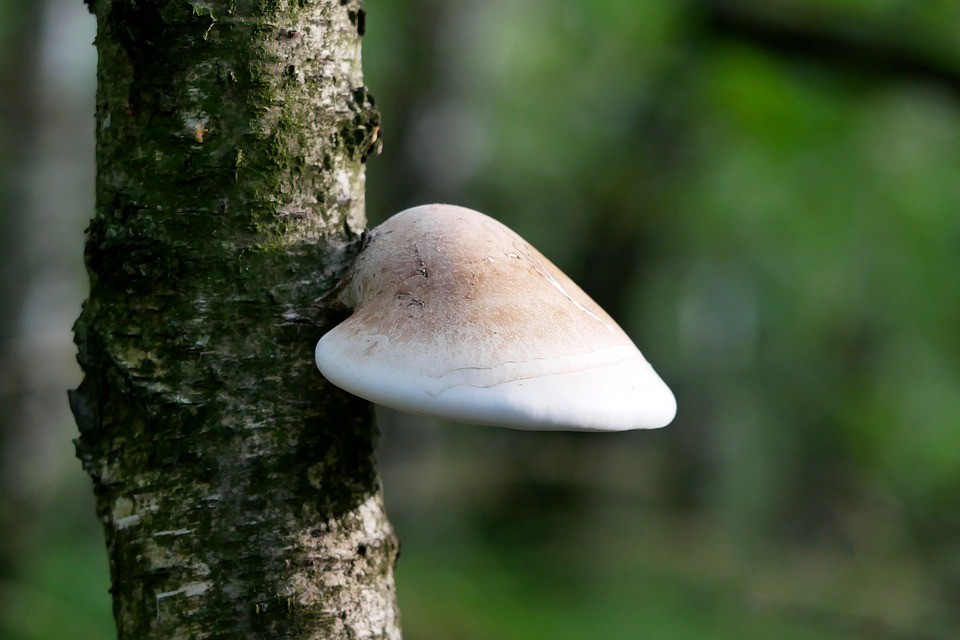
7. Tinder fungus
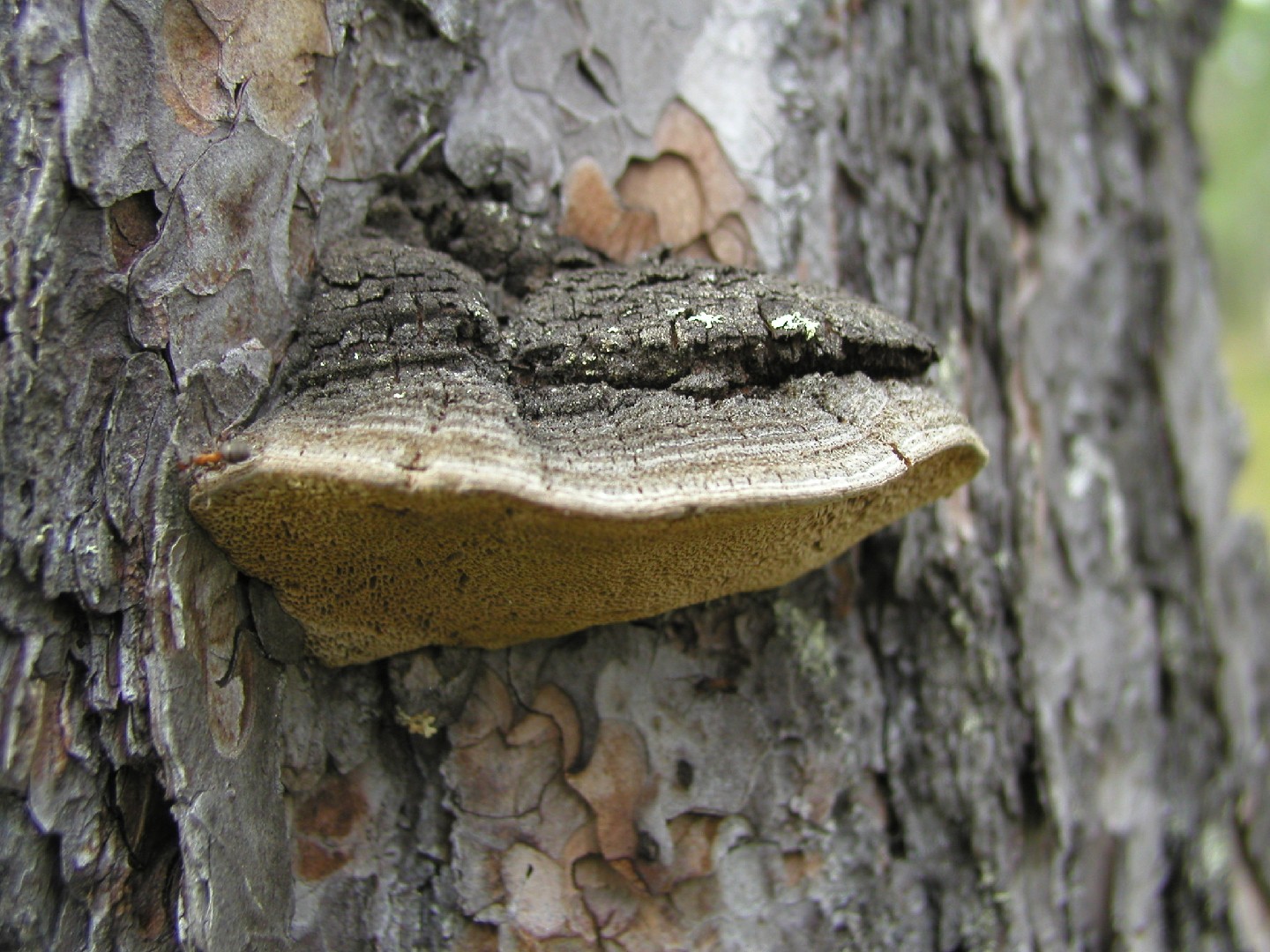
This large, tough shelf fungus can be found attached to birch, beech, and sycamore trees. It gets its common name, tinder fungus, from the fact that it burns quite slowly and can thus be used effectively for lighting fires. Dried pieces can also be a useful desiccant. A piece of this fungus was found in the possession of Otzi the Iceman, indicating that its usefulness has been known for millenia.
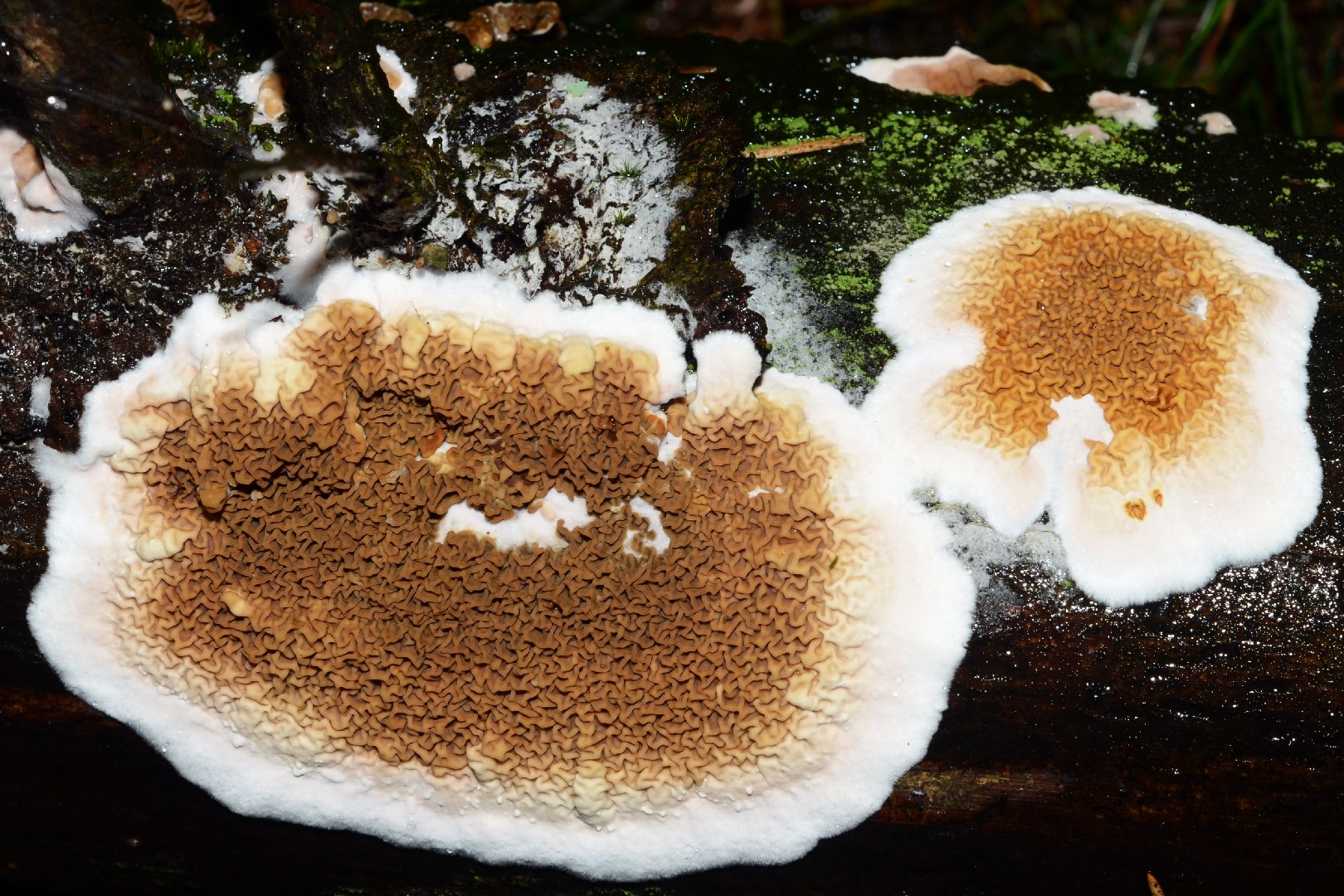
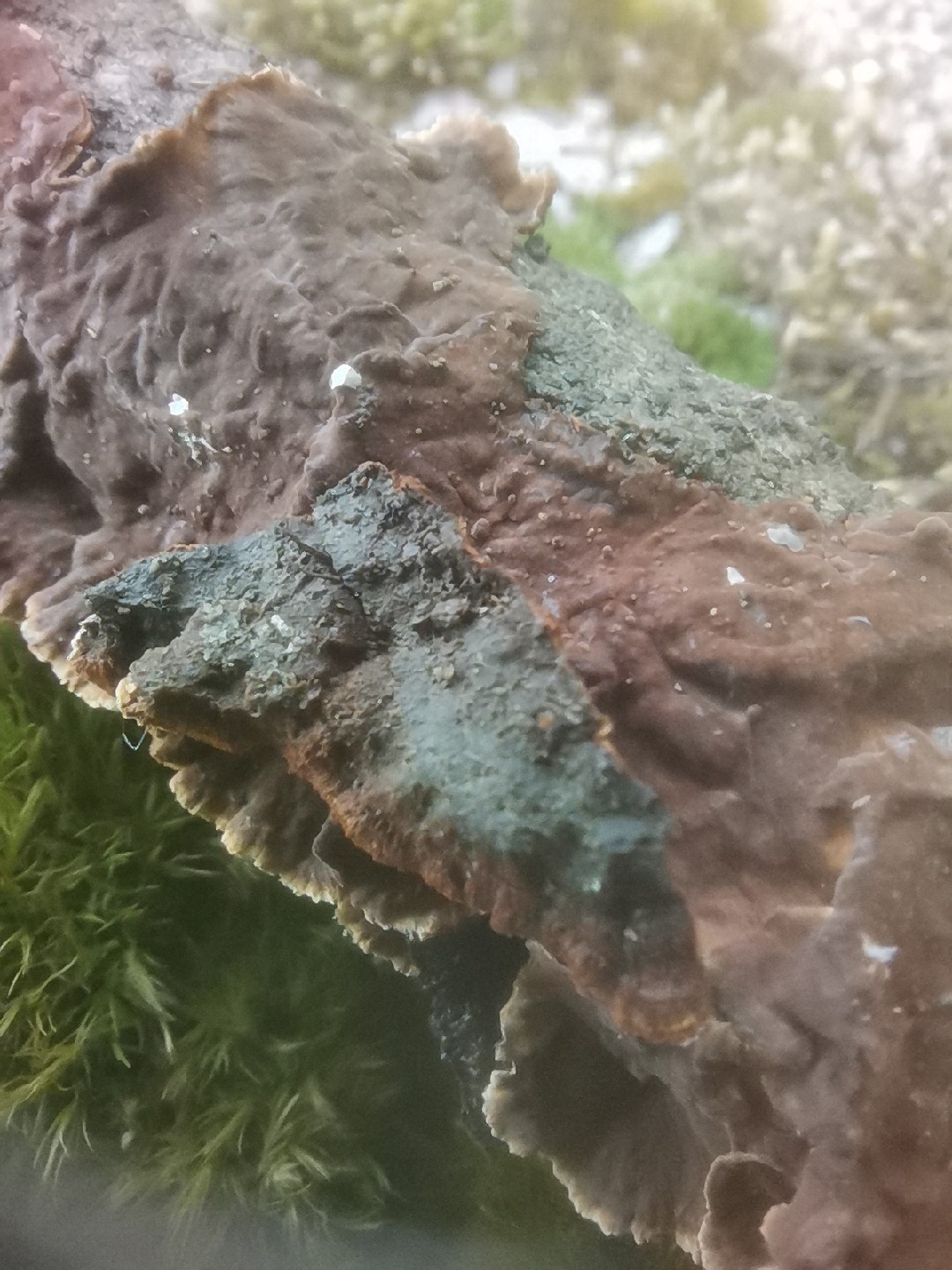
8. Serpula himantioides
The wild dry rot (Serpula himantioides) is a fungus of the genus Hausschwämme (Serpula).
9. Giant polypore
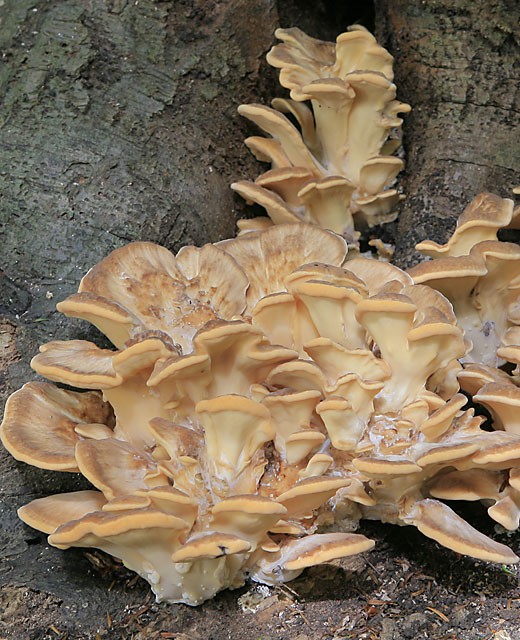
The giant polypore (Meripilus giganteus) is a tough-fleshed shelf or bracket fungus that can be found parasitizing the roots, branches or boles of trees - especially hardwoods - across temperate regions of Europe and Asia (a very closely related species, Meripilus sumstenei, is distributed across North America - some sources list these two species as synonymous).
10. Resinous polypore
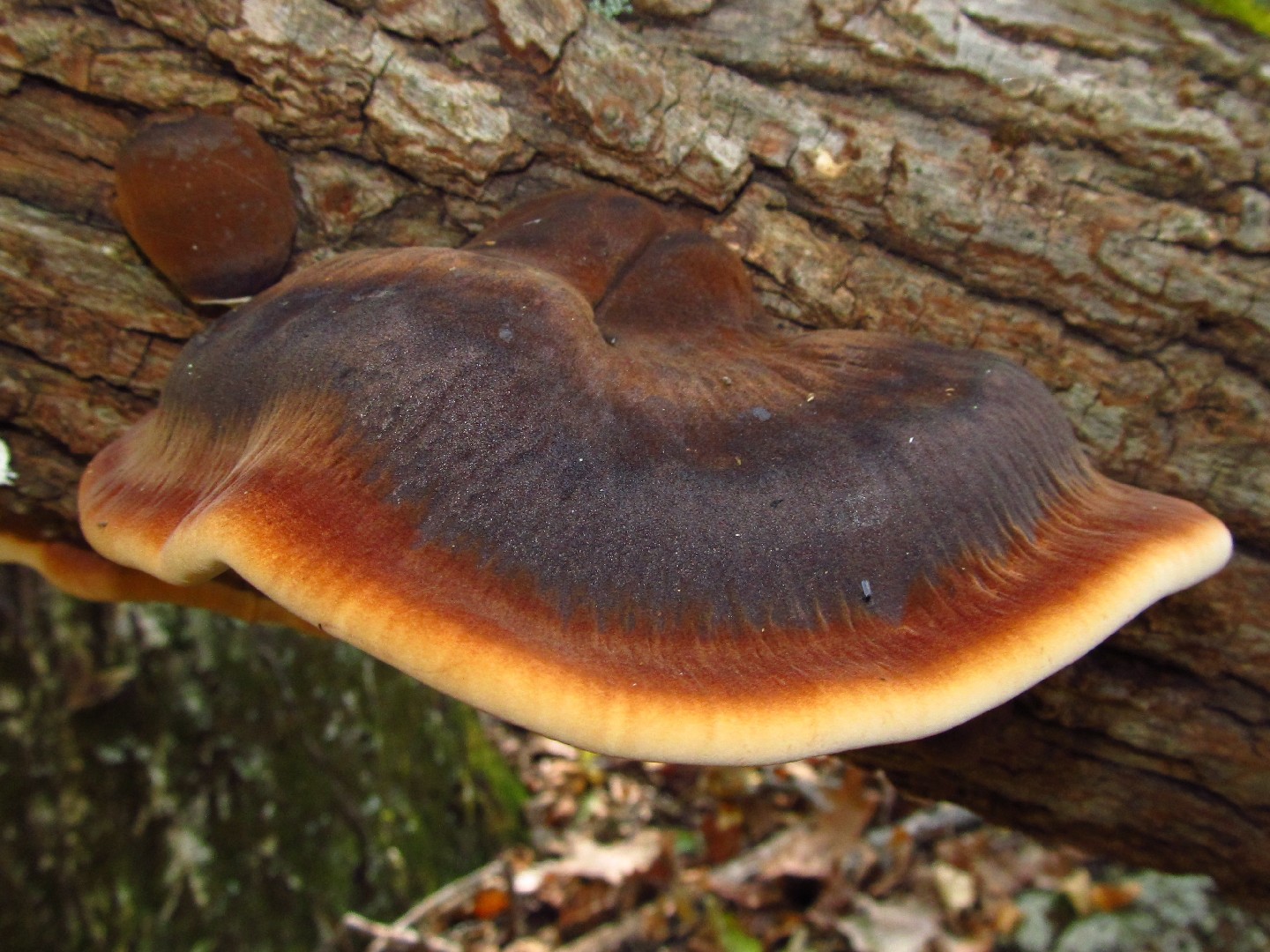
This shelf or bracket mushroom occurs on the wood of conifers and hardwoods around the world, either singly or in groups. Young resinous polypore fruitbodies are moist with a red sap-like substance that may form droplets around the edges; as they mature they dry out into a darker, tougher texture with a resinous exterior.

More







