




Top 4 Most Common Mushrooms in Baguio City

Most Common Mushrooms
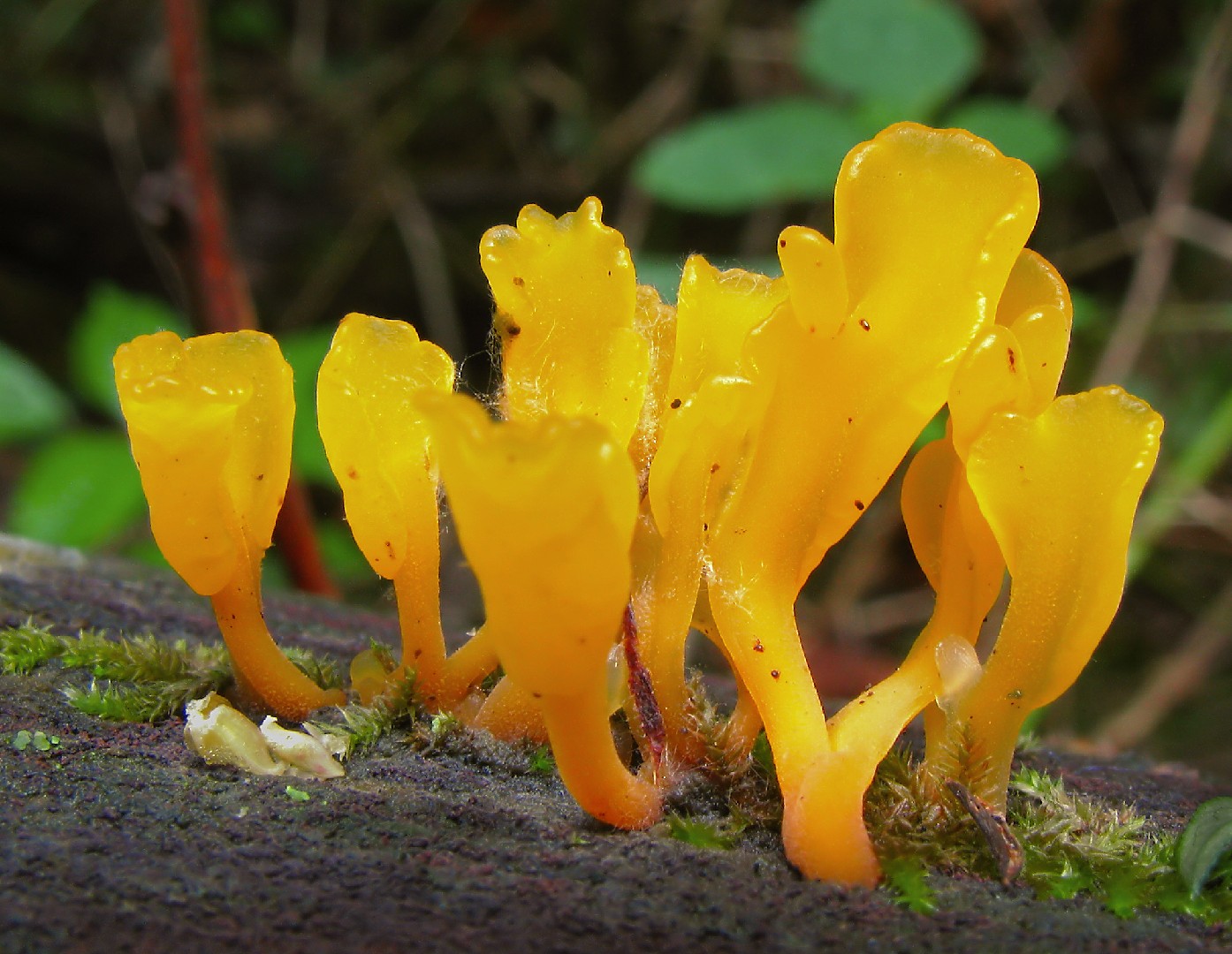
1. Fan-shaped jelly-fungus
Just as its Latin and the common English names suggest, the fan-shaped jelly-fungus (Dacryopinax spathularia) is a fan-shaped or spatula-shaped jelly-like mushroom. It commonly grows in wood cracks and it sometimes even appears in the cracks of the processed wood and lumber. Despite the word "jelly" in its name, the fan-shaped jelly-fungus is not considered edible.
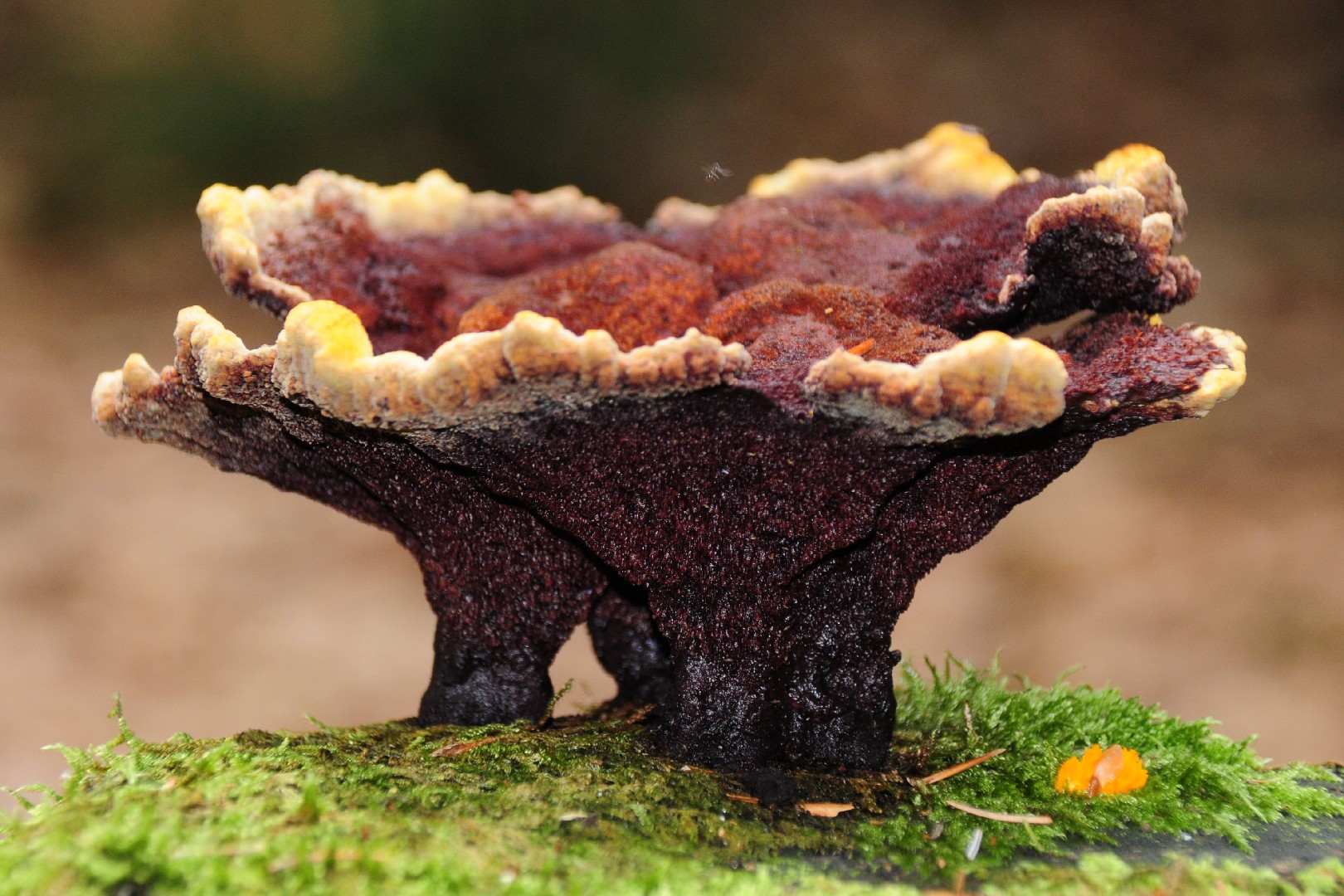
2. Dyer's polypore
This shelf fungus grows annually on living coniferous trees and may kill its host if left untreated. As the name suggests, dyer's polypore can be used to produce dye for yarn in a variety of shades from yellow to orange to brown, depending on the age of the mushroom used and also the type of metal it’s processed in. It is not considered edible.
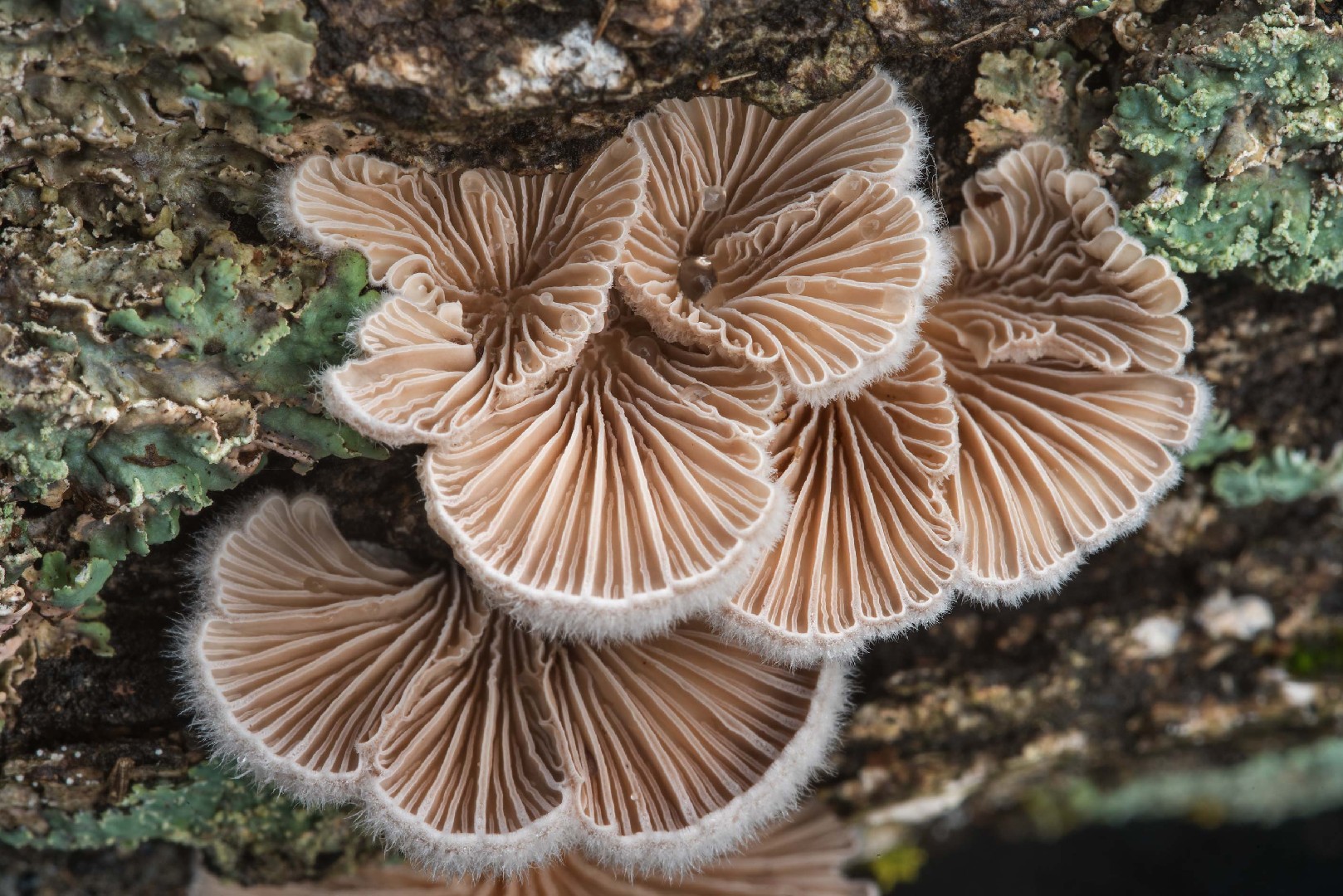
3. Split gill
Split gill(Schizophyllum commune) can be found across the globe. Uniquely, it is the only mushroom species known to display the capability to retract by movement. It is considered inedible, although not necessarily toxic. Furthermore, it is not recommended to smell this species, as the spores are capable of sprouting and growing in nasal passages.
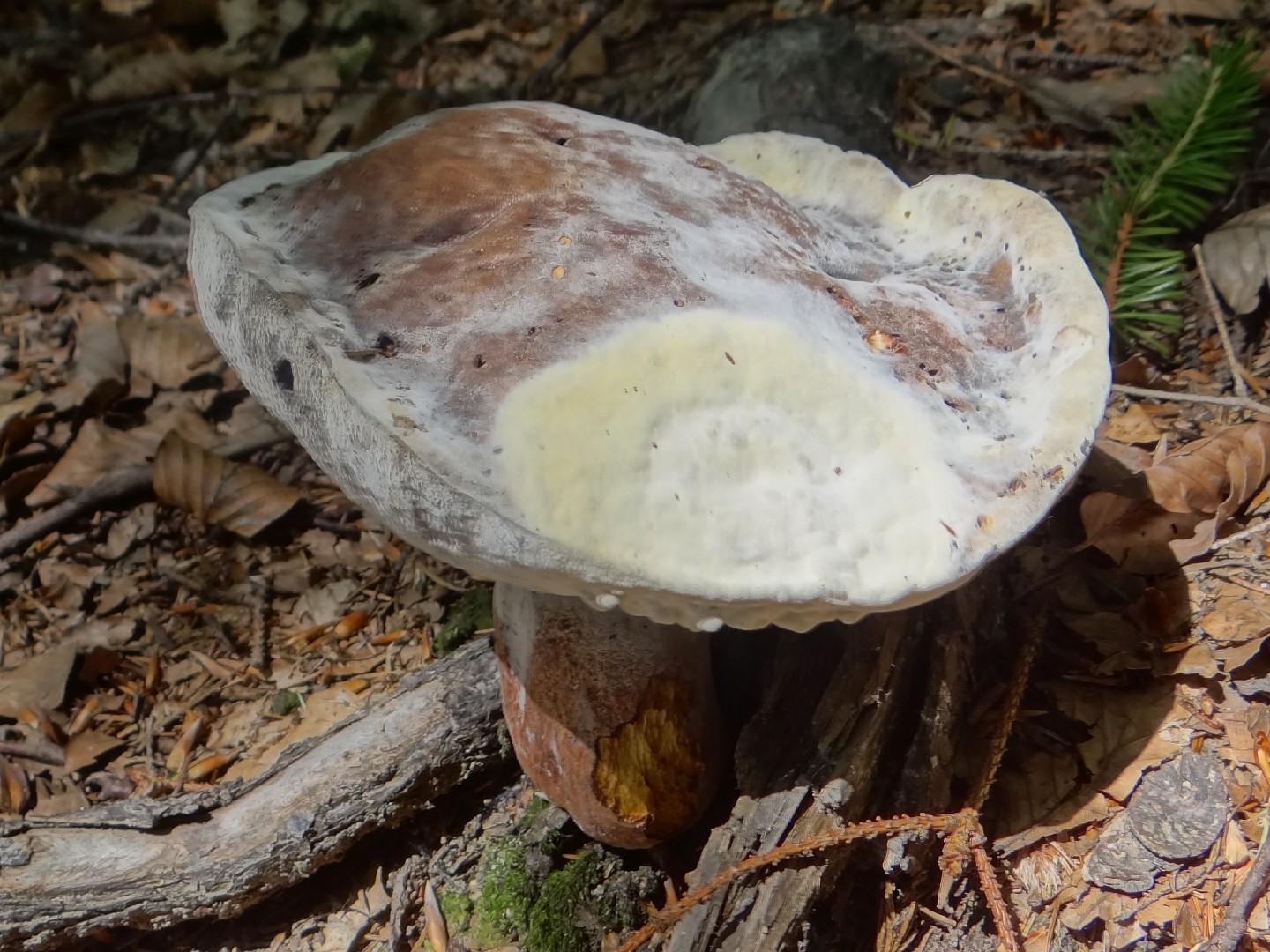
4. Bolete mold
Bolete mold(Hypomyces chrysospermus) is a parasitic fungus that relies on other species of fungus for life, slowly killing its host mushroom and turning the latter a sickly yellow-white color in the process. As indicated by its name, boletes are its preferred host species. It is inedible and potentially toxic.







