




Top 20 Most Common Mushrooms in Tulum

Most Common Mushrooms
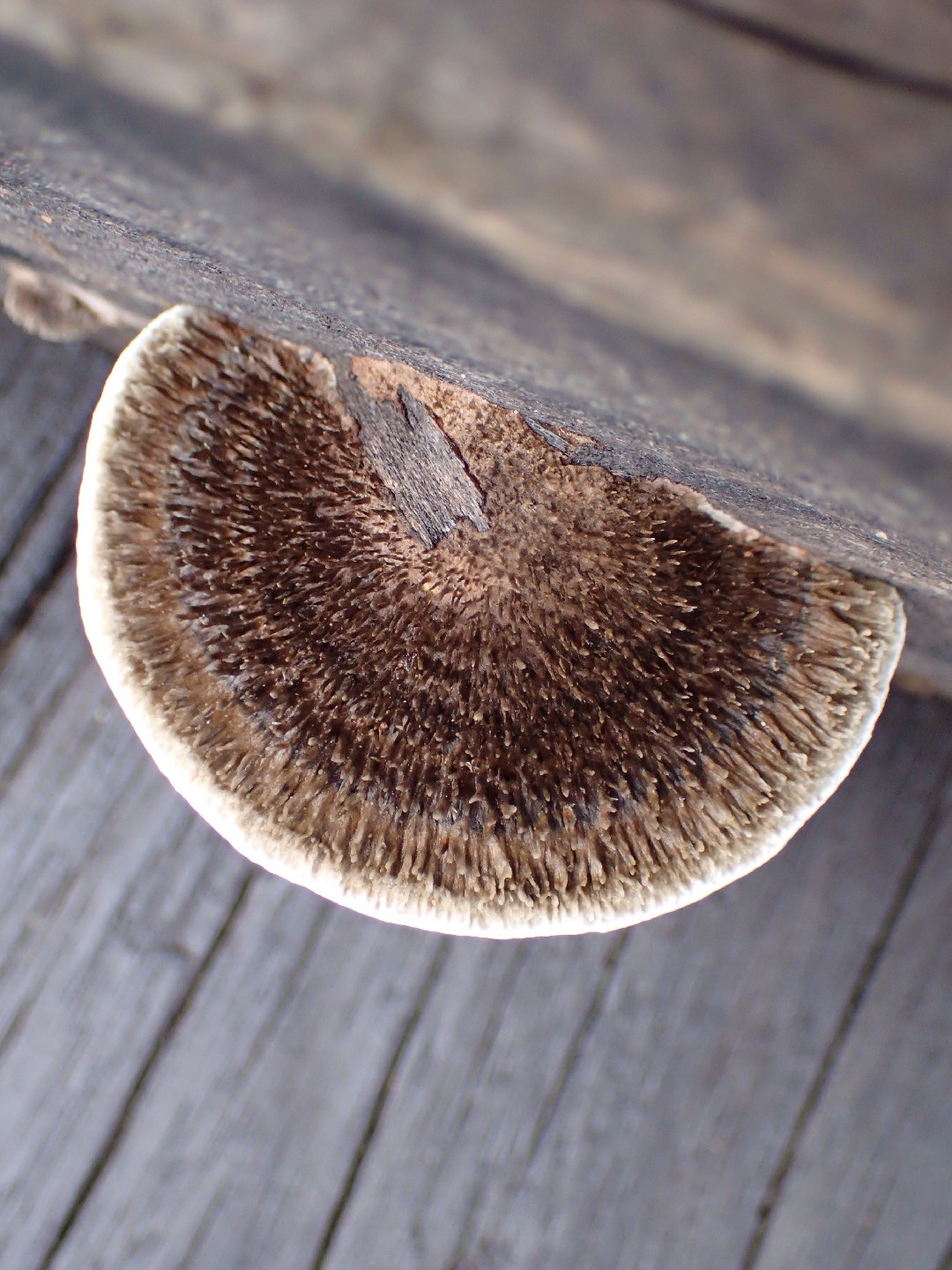
1. Hairy hexagonia
The hairy hexagonia (Hexagonia hydnoides) is not the most common mushroom you'll find, but has very distinctive qualities. Stiff, dark brown, bristle-like hairs emerge from an ochre flat cap and are found growing from a decaying tree stump or wood. The large pores on the cap's underside create an almost sponge-like appearance, and the stem is otherwise not visible.
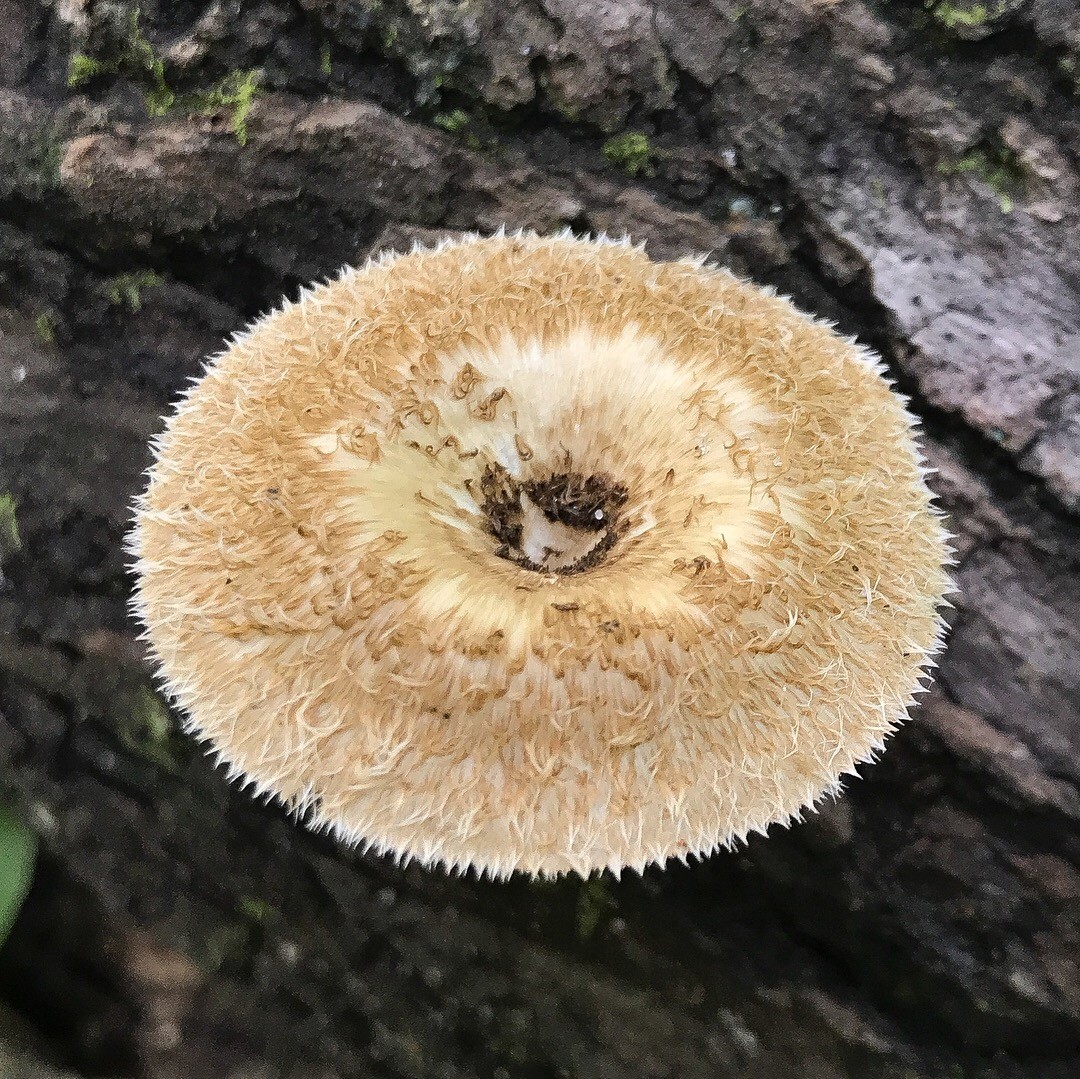
2. Fringed sawgill
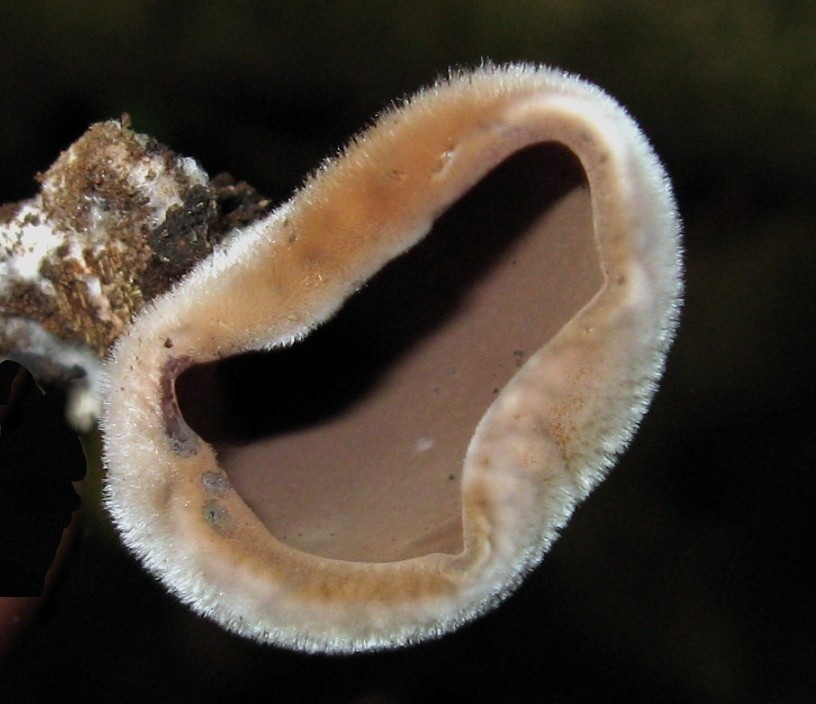
The odd shape cap of the fringed sawgill can be spotted from afar by its fuzzy, almost wig-like appearance. The cap is predominately dark tan towards the concave center but fades to a crisp white along the edges and gills. Size ranges from thumb-sized to dinner plate size.
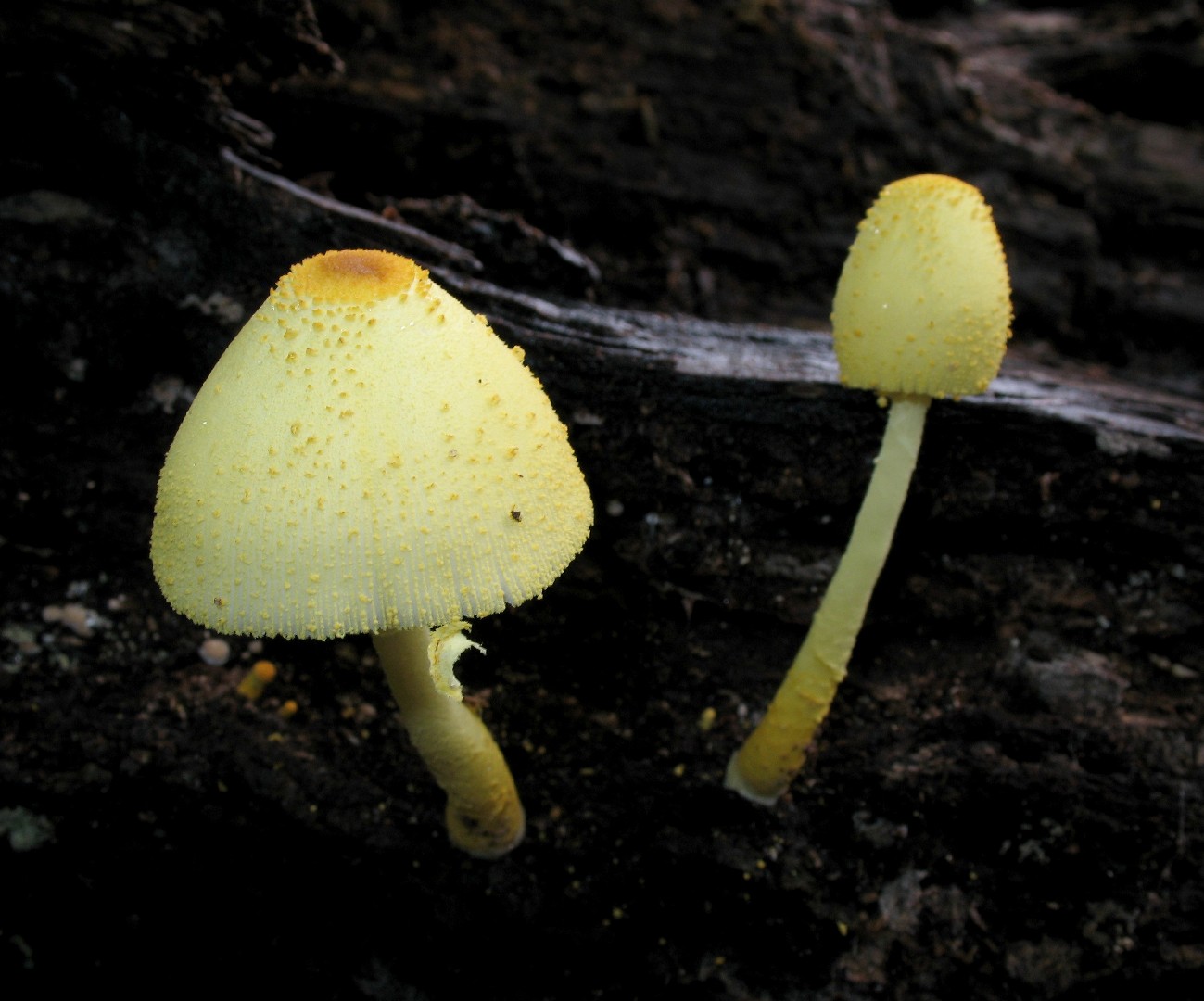
3. Flowerpot parasol
This tropical/subtropical mushroom is known to be toxic. If eaten it causes a very unpleasant stomachache with the risk of fatal complications. In temperate zones, flowerpot parasol is only found in hothouses and greenhouses, so the risk of accidental foraging is low, but it may occur with potted plants and indoor landscaping and pose a risk to curious children.
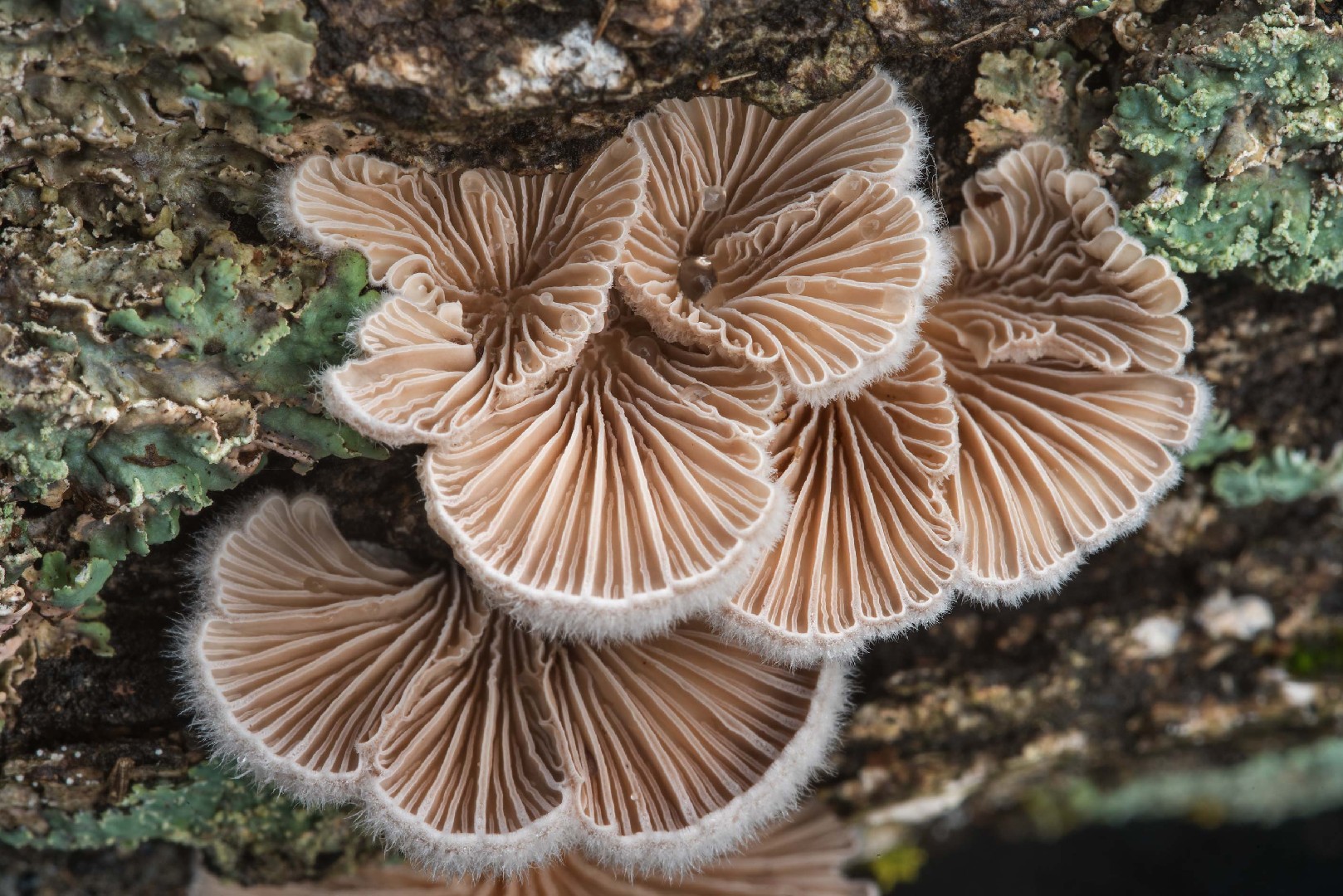
4. Split gill
Split gill(Schizophyllum commune) can be found across the globe. Uniquely, it is the only mushroom species known to display the capability to retract by movement. It is considered inedible, although not necessarily toxic. Furthermore, it is not recommended to smell this species, as the spores are capable of sprouting and growing in nasal passages.
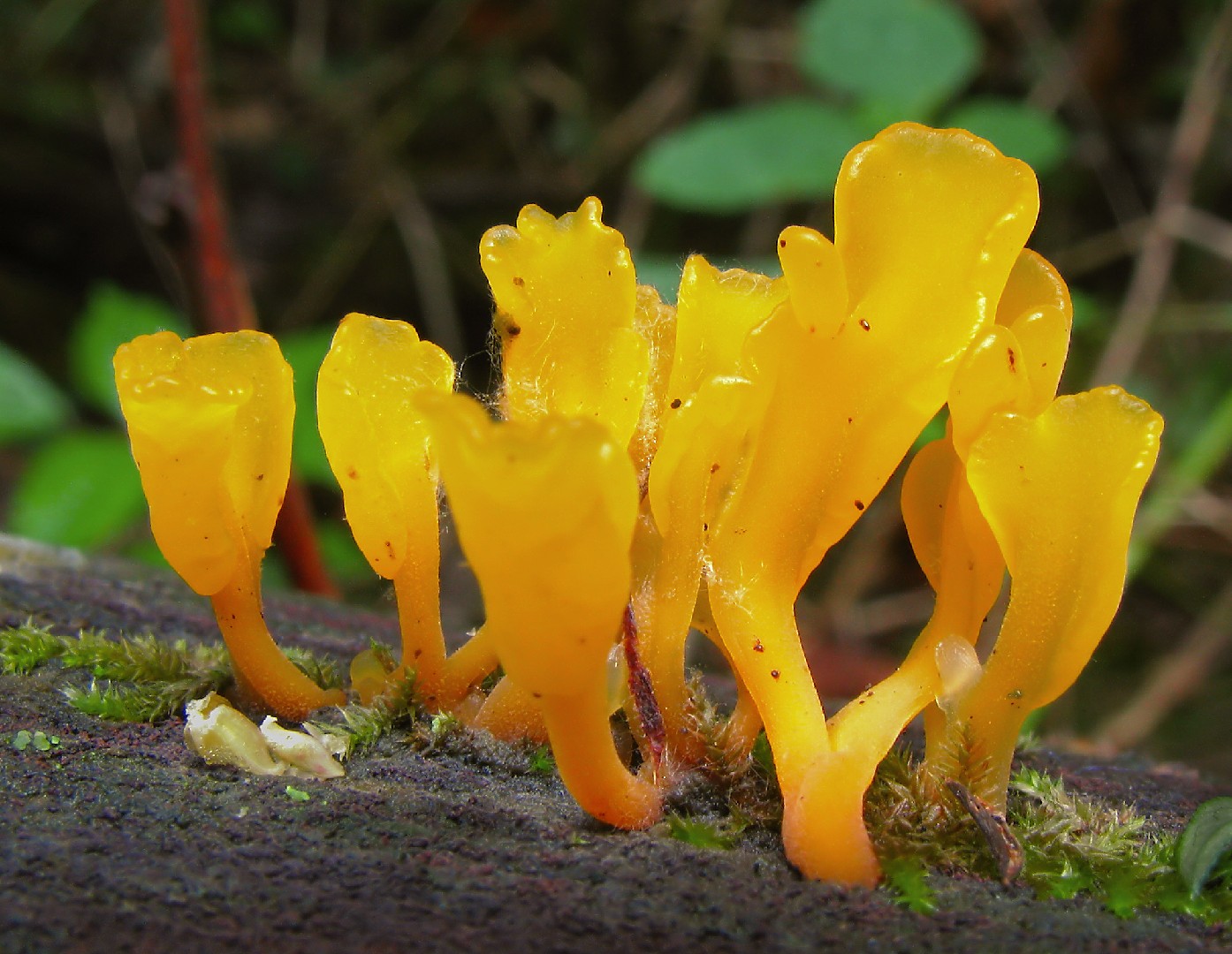
5. Fan-shaped jelly-fungus
Just as its Latin and the common English names suggest, the fan-shaped jelly-fungus (Dacryopinax spathularia) is a fan-shaped or spatula-shaped jelly-like mushroom. It commonly grows in wood cracks and it sometimes even appears in the cracks of the processed wood and lumber. Despite the word "jelly" in its name, the fan-shaped jelly-fungus is not considered edible.
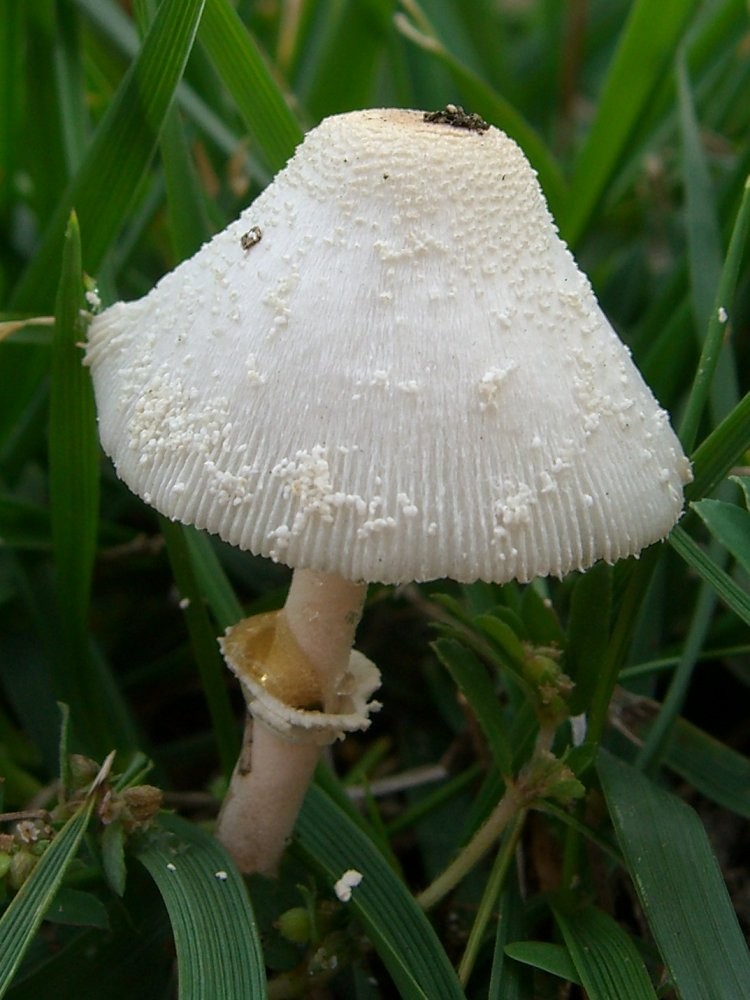
6. Onion-stalk parasol mushroom
This generalist mushroom, found across North America, can be found in all sorts of moist woodland settings. The species appears to be particularly fond of wood chips or mulch, and so it is often found in garden or park settings. The onion-stalk parasol mushroom, despite the word "onion" in its name, is inedible.
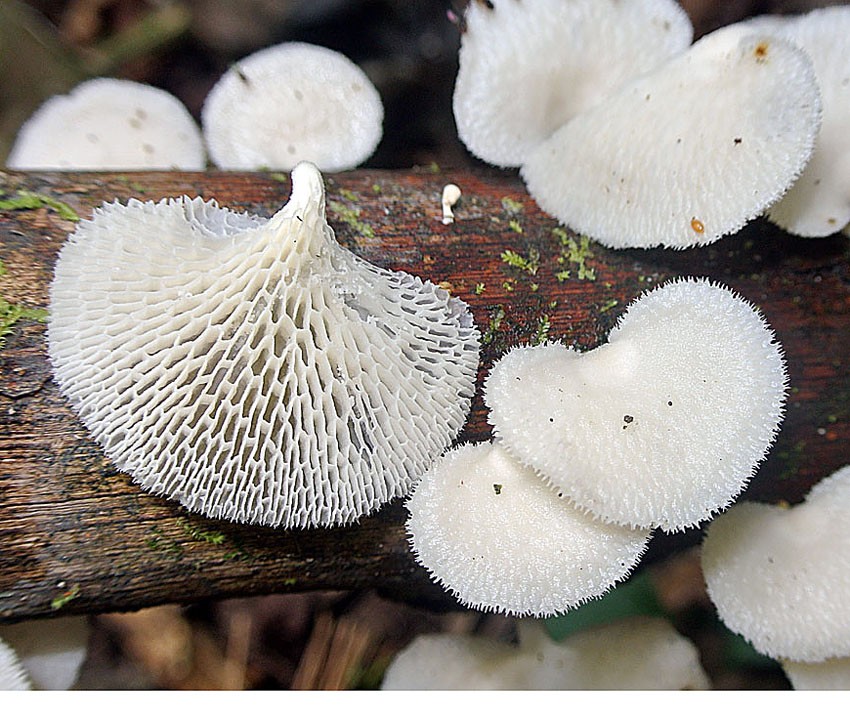
7. Tropical white polypore
Tropical white polypore(Favolus tenuiculus) can be most often found on pieces of decaying wood, particularly in areas replete with moisture. Until recently it was a member of the genus Polyporus, which has since been subdivided. Named for its evocative appearance, the species is a favorite food of local insect species.

8. Mauve parachute
The tiny mauve parachute (Marasmius haematocephalus) is a miniature delight. A broad, delicate, brightly-hued cap sits like an open umbrella atop a slender, delicate, darkly-colored stalk. In dry conditions, the caps shrivel and become near-invisible beneath the detritus of the forest floor, but the next rain will open these hardy little mushrooms right back up again.
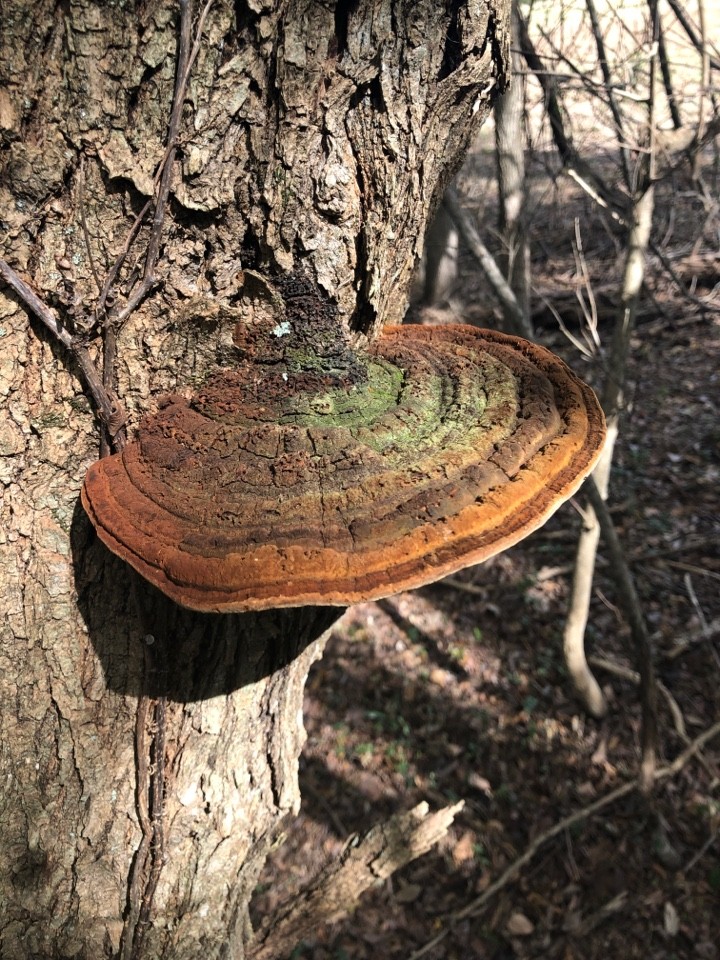
9. Cracked cap polypore
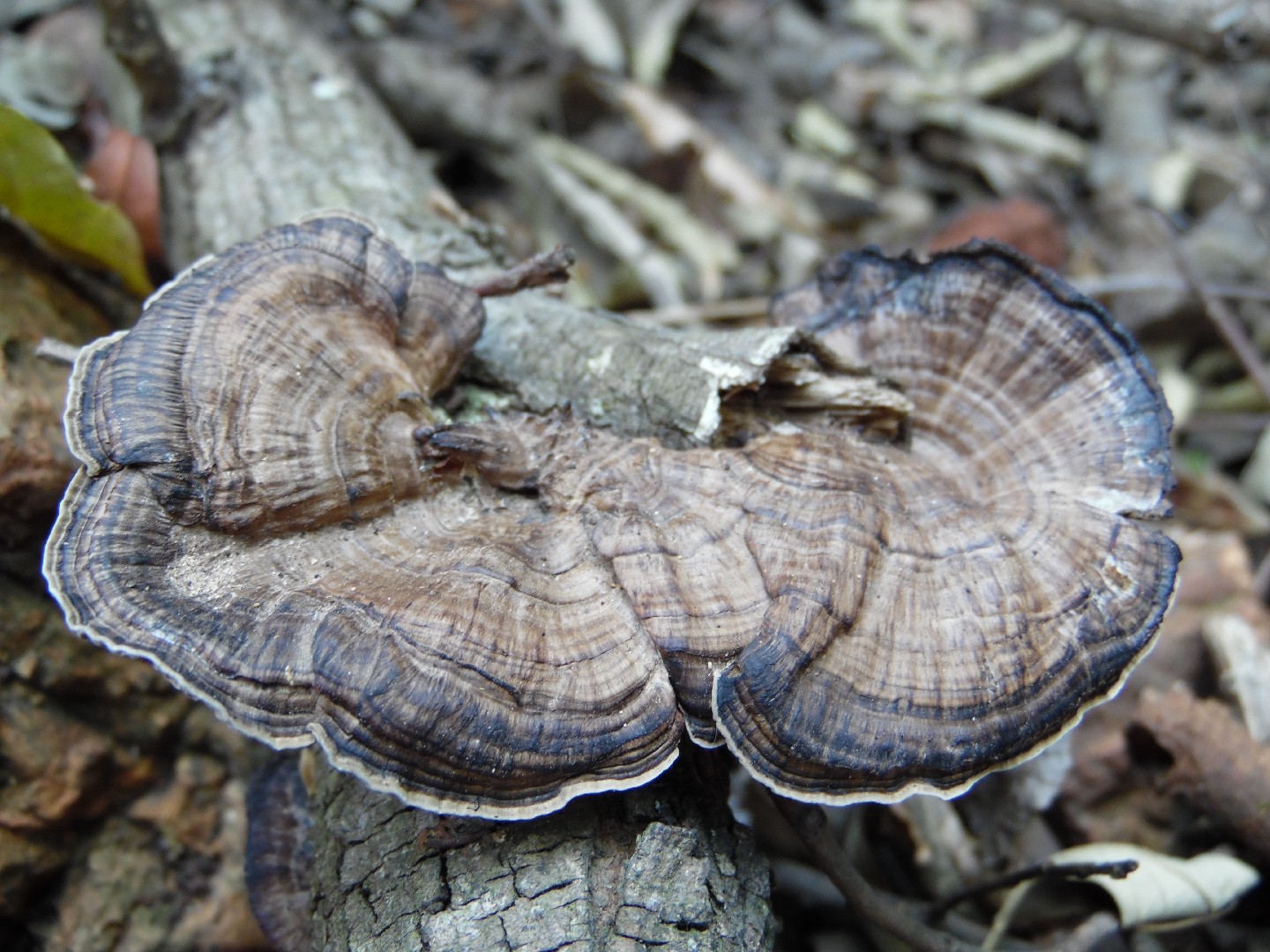
The cracked cap polypore (Phellinus robiniae) grows directly out of the side of black locust trees in a semi-circular shape. The cap appears to be a disc lodged into the tree's trunk, and ranges in color from tan to black in rings. They grow quite large. As the cap matures, the surface becomes ridged and almost bark-like.
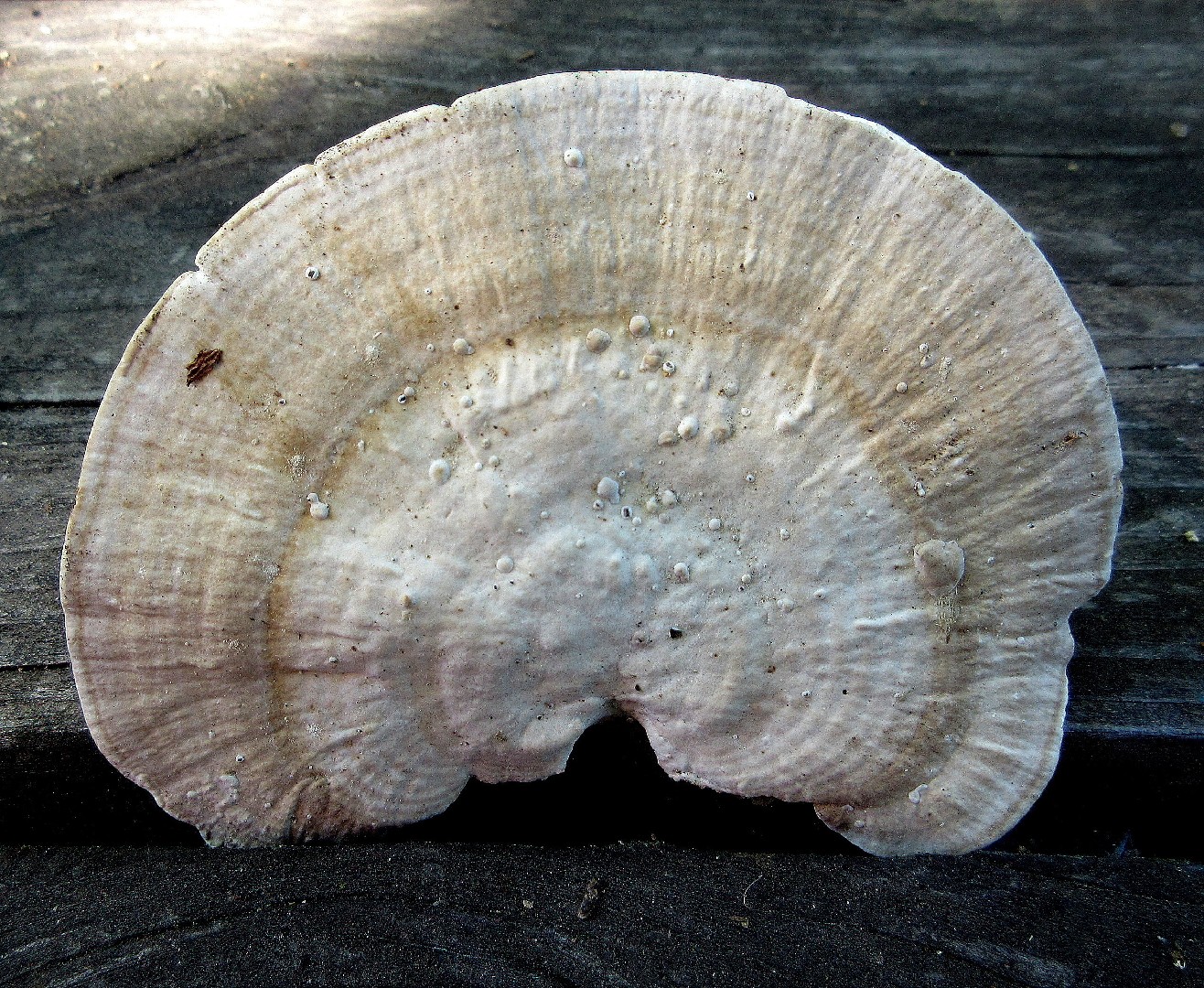
10. Trametes pubescens
Trametes pubescens is an attractive fungus in its youth, boasting white brackets that resemble a velvet gown. Older specimens are identifiable by their brown lines and yellowish color on their undersides. Trametes pubescens thrives on decaying and dead hardwood logs and stumps.




More







