




Top 20 Most Common Mushrooms in Tepic

Most Common Mushrooms
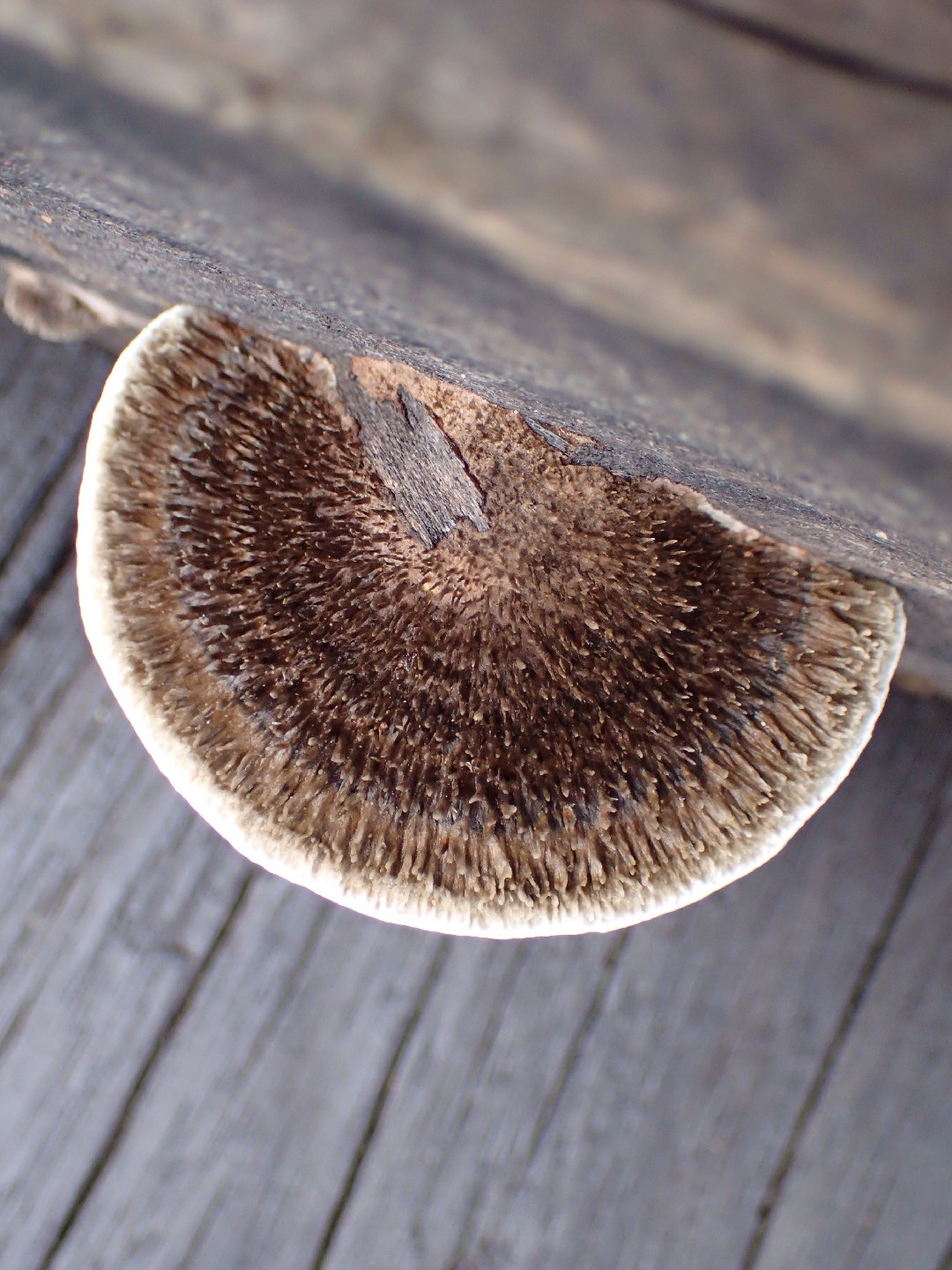
1. Hairy hexagonia
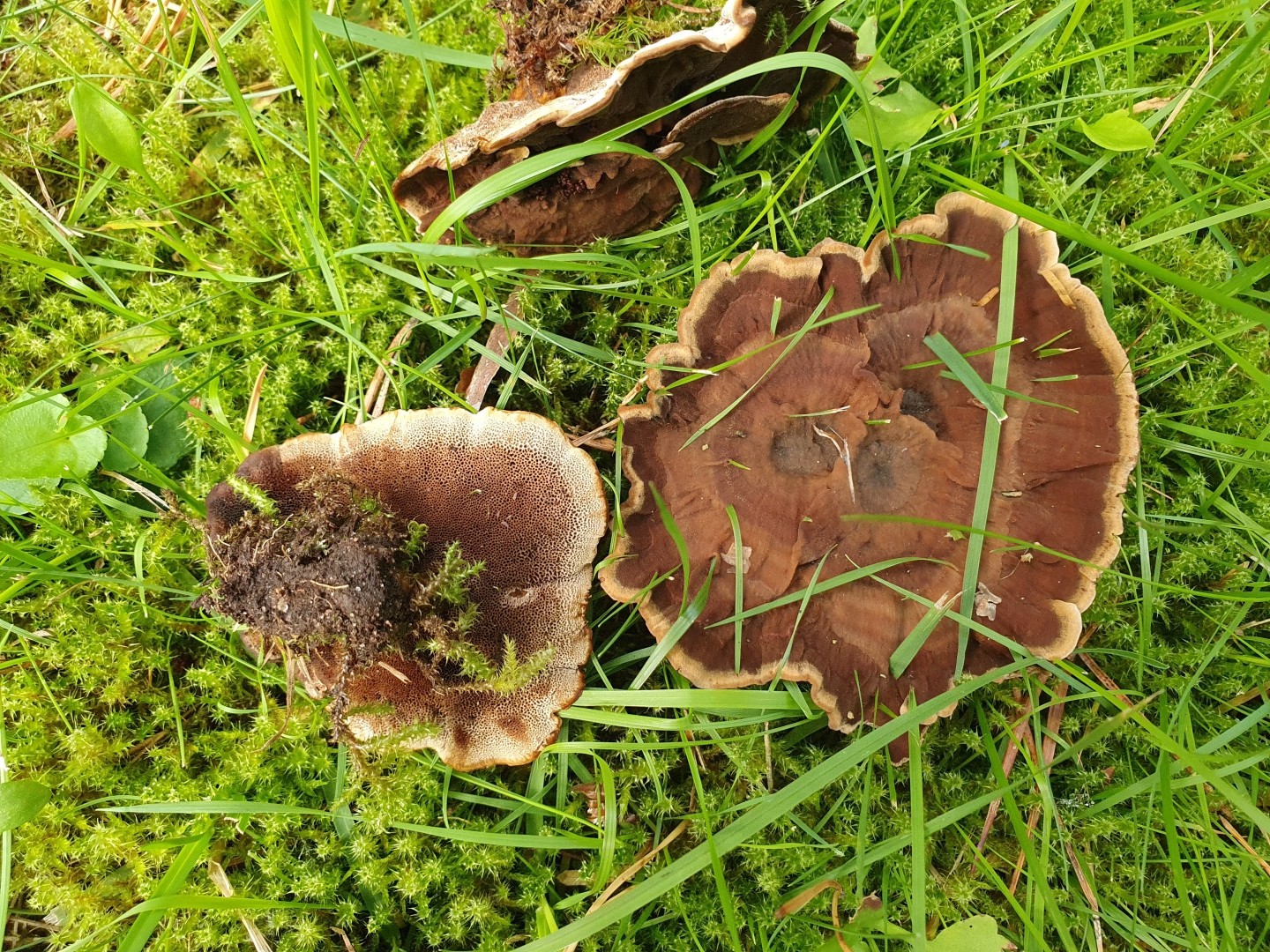
The hairy hexagonia (Hexagonia hydnoides) is not the most common mushroom you'll find, but has very distinctive qualities. Stiff, dark brown, bristle-like hairs emerge from an ochre flat cap and are found growing from a decaying tree stump or wood. The large pores on the cap's underside create an almost sponge-like appearance, and the stem is otherwise not visible.
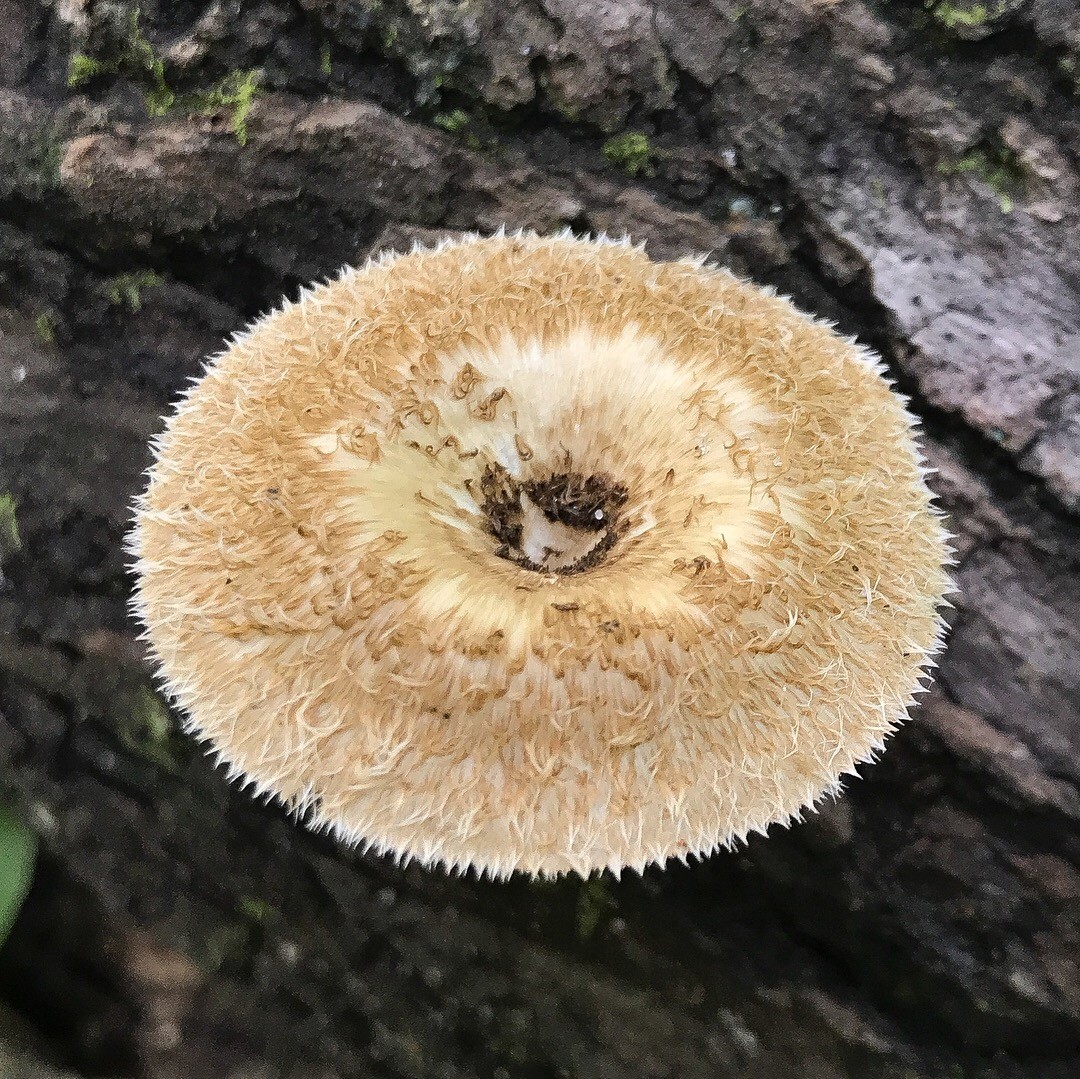
2. Fringed sawgill
The odd shape cap of the fringed sawgill can be spotted from afar by its fuzzy, almost wig-like appearance. The cap is predominately dark tan towards the concave center but fades to a crisp white along the edges and gills. Size ranges from thumb-sized to dinner plate size.
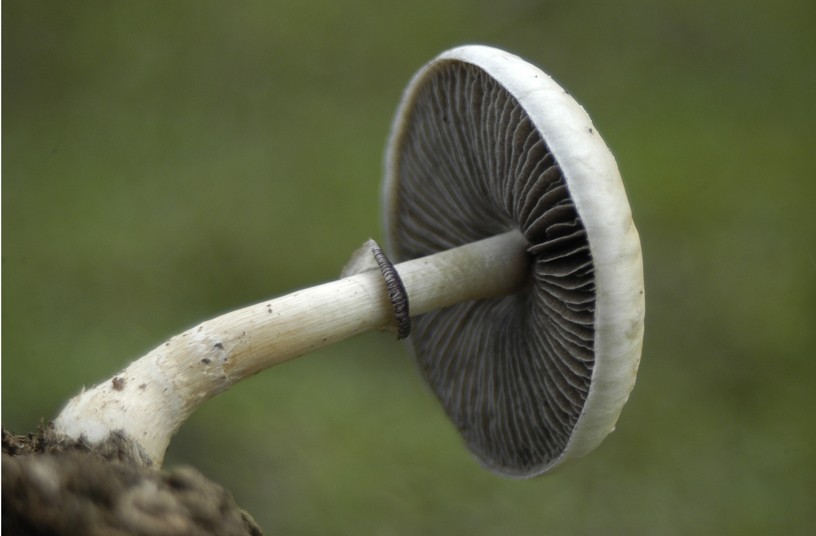
3. Magic mushroom
Psilocybe cubensis, known informally as magic mushroom, are a globally distributed species that can be found growing in tropical or subtropical areas across the Americas, Africa, India, Southeast Asia, and Australia. Particularly fond of growing in cattle dung, the magic mushroom may be found in larger quantities in ranching areas.
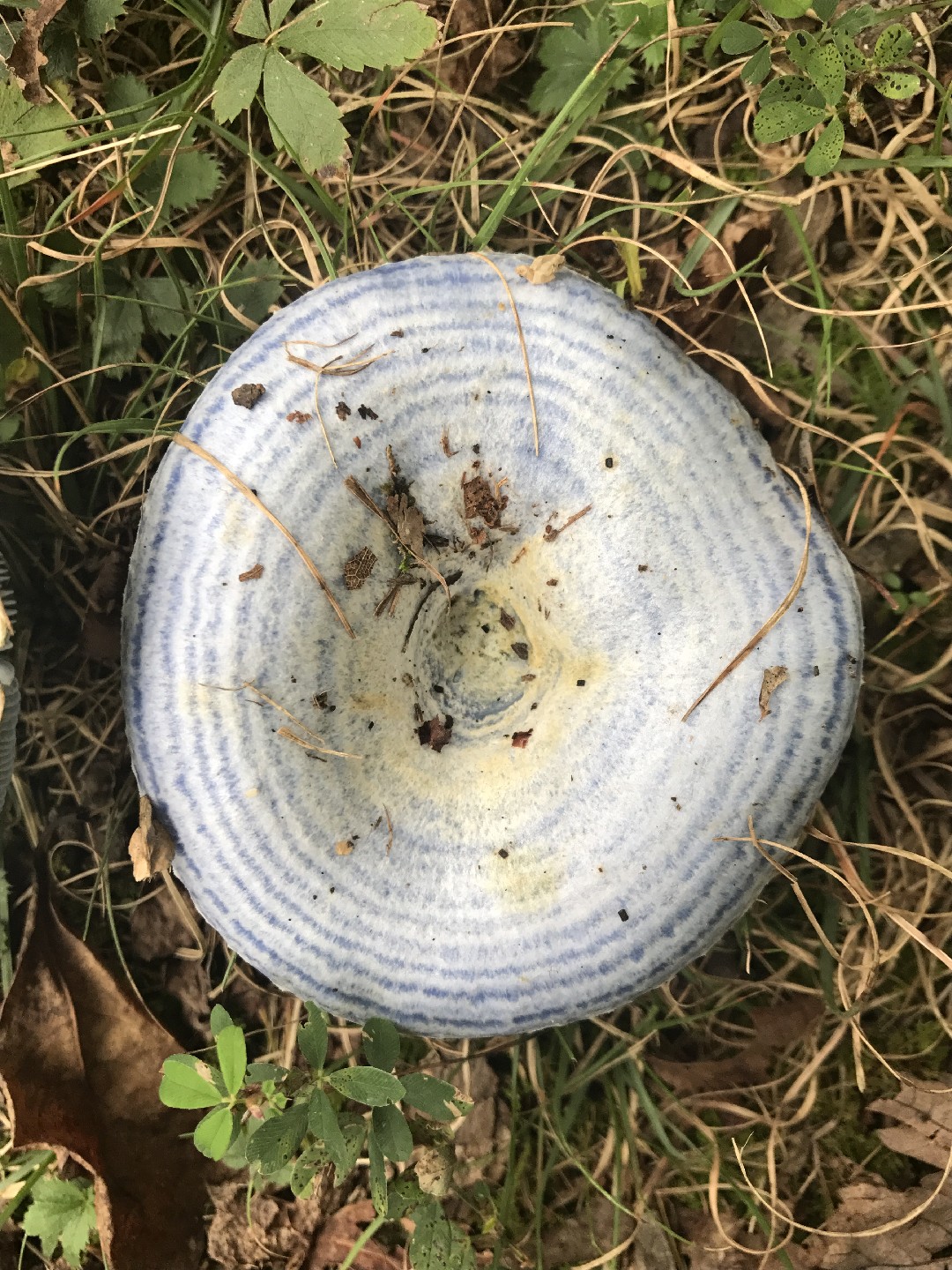
4. Indigo milk cap
This gorgeous species is unlike any other. The indigo milk cap, a member of the often-drab russula family, is deep blue in color. Like other milk caps, it bleeds a latex-like substance when cut or damaged, but instead of the usual white this species bleeds deep blue.
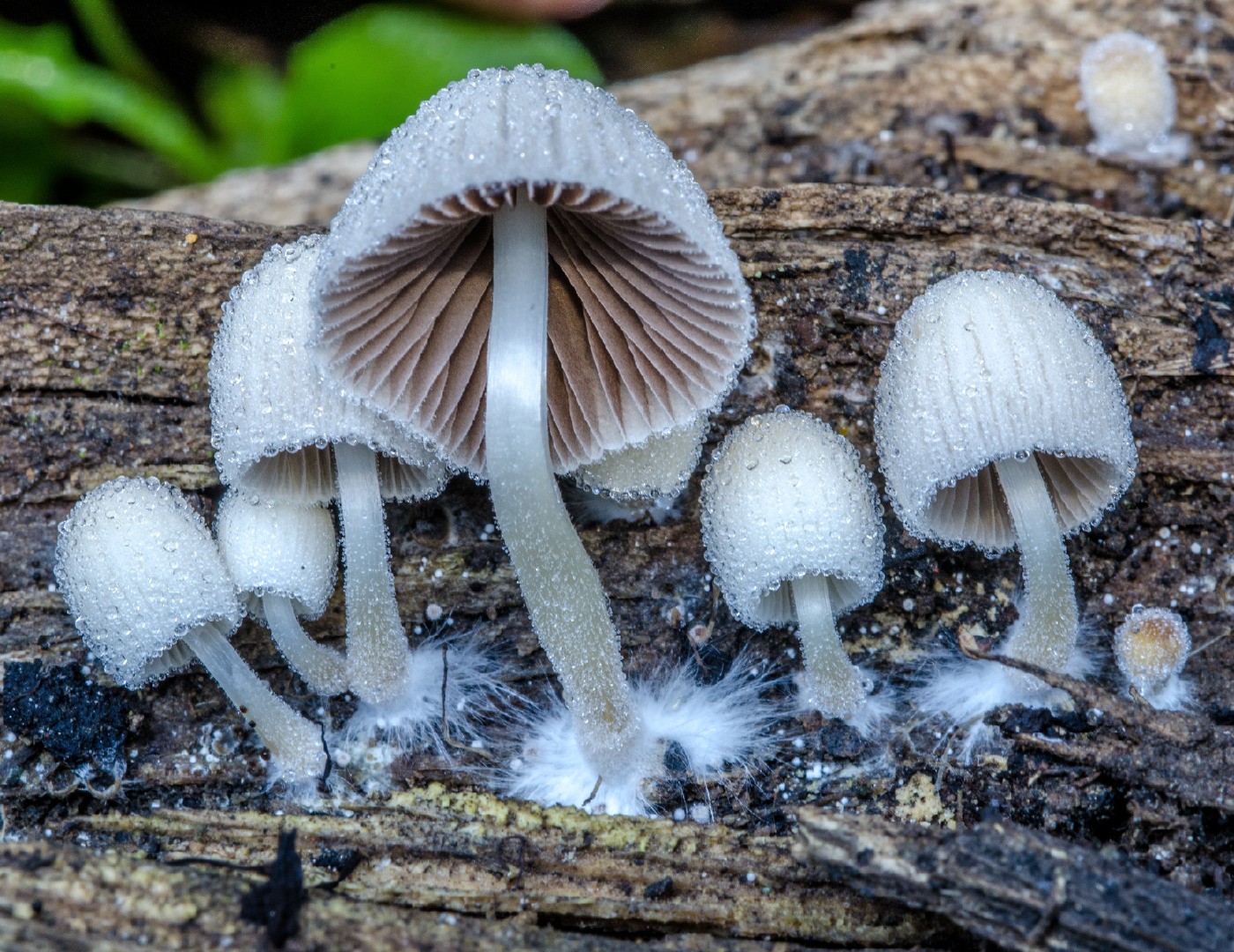
5. Fairy inkcap
The mushrooms of the fairy inkcap species have a tendency to congregate in large masses over dead tree stumps and decaying roots. They appear all around the world from early spring all the way to the first frosts, but each fruit only lasts a few days before turning black and distributing its spores.
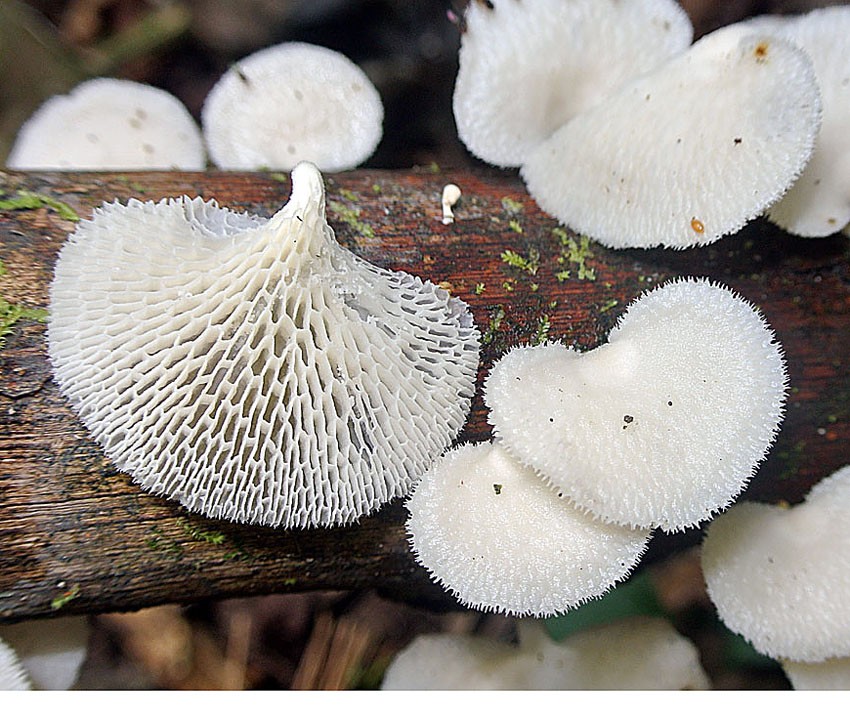
6. Tropical white polypore
Tropical white polypore(Favolus tenuiculus) can be most often found on pieces of decaying wood, particularly in areas replete with moisture. Until recently it was a member of the genus Polyporus, which has since been subdivided. Named for its evocative appearance, the species is a favorite food of local insect species.
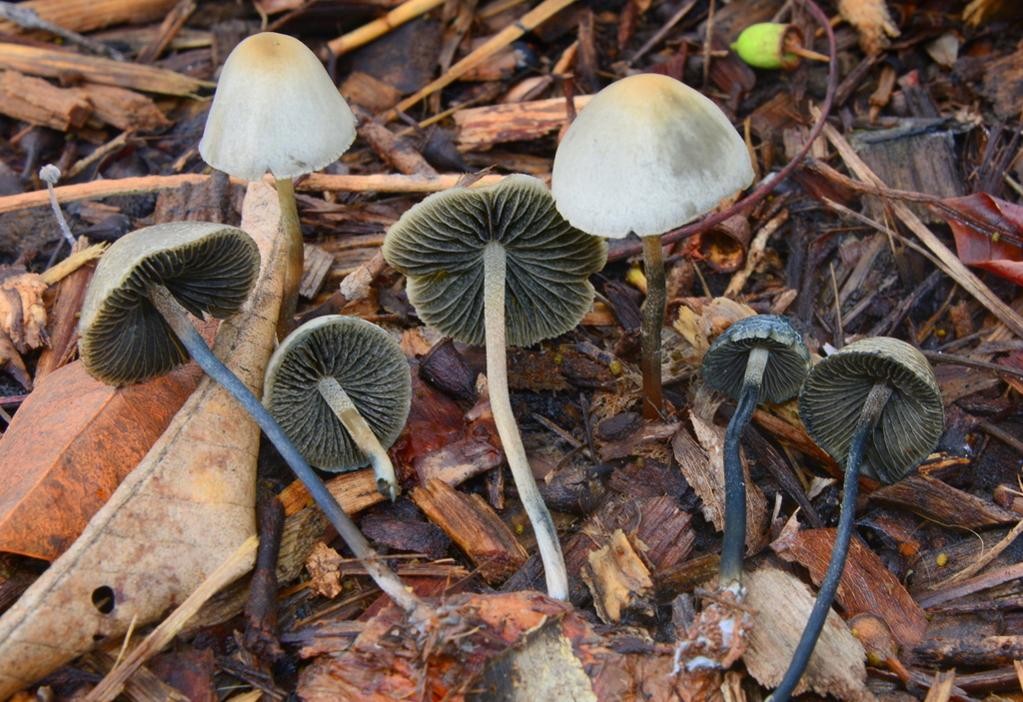
7. Blue meanies
The blue meanies (Panaeolus cyanescens) grows abundantly from composted dung in fields across the globe. They are small in size, with short, bell-shaped caps iridescent pale blue in color. The underside of the cap displays gills that are widely spread apart. This mushroom is a toxic poisoning risk. Consumption is not recommended.
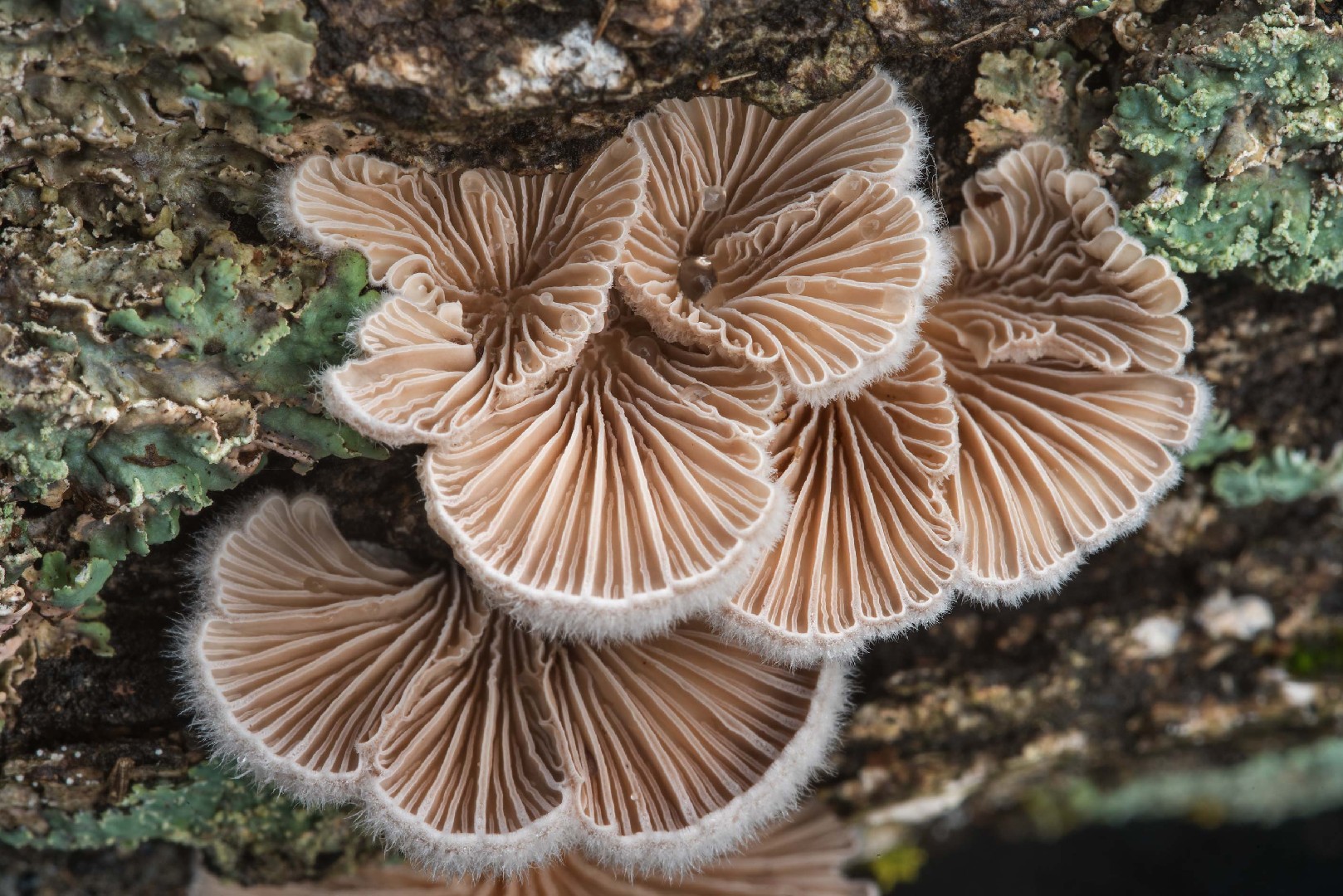
8. Split gill
Split gill(Schizophyllum commune) can be found across the globe. Uniquely, it is the only mushroom species known to display the capability to retract by movement. It is considered inedible, although not necessarily toxic. Furthermore, it is not recommended to smell this species, as the spores are capable of sprouting and growing in nasal passages.
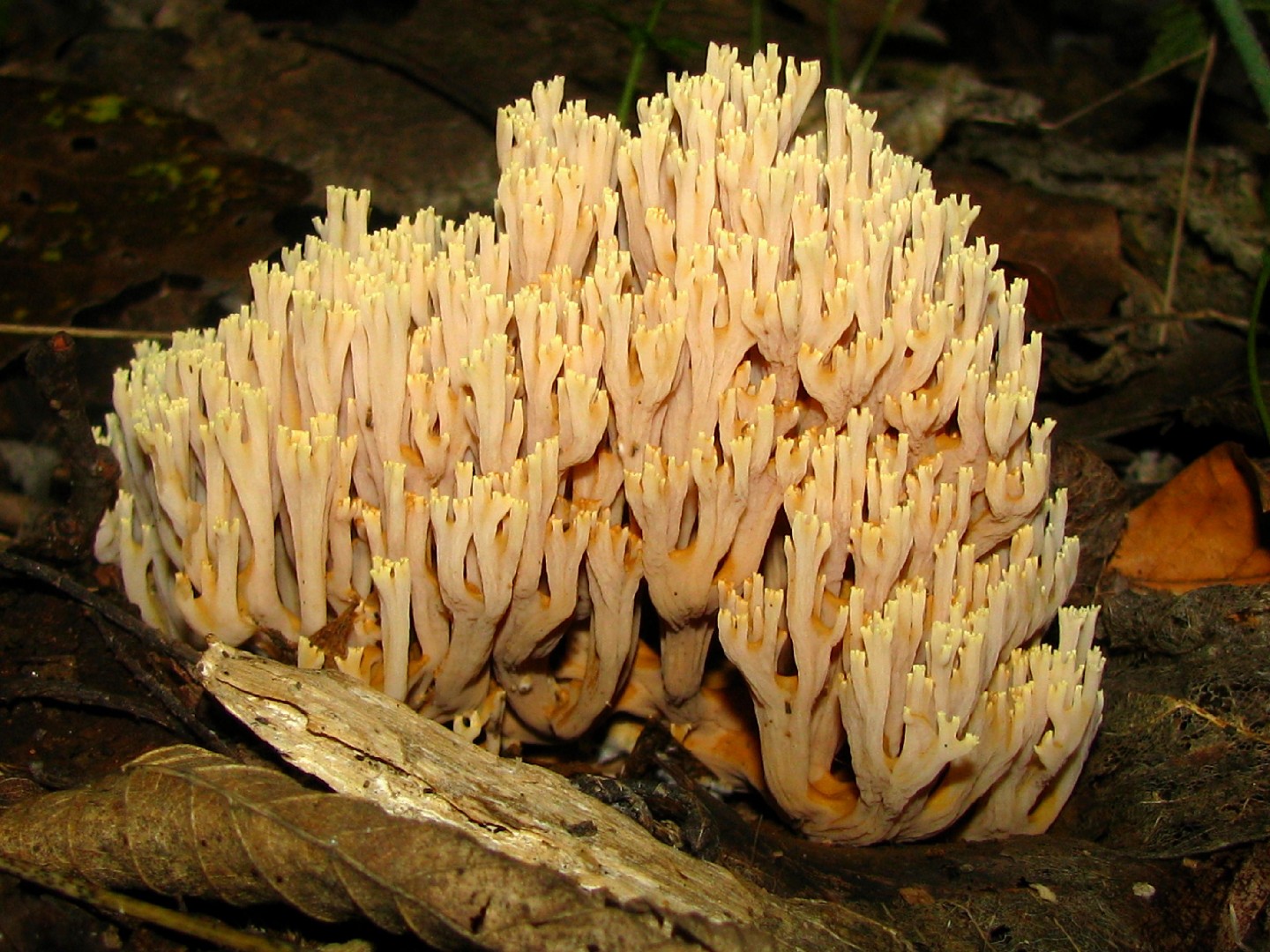
9. Upright coral
This pale-colored coral fungus grows from buried wood, particularly Beech or conifers. Its scientific name, Ramaria stricta, means “possessing many upright branches,” which is indeed a good description of its appearance. Upright coral fungus is inedible, and some of its lookalikes are even poisonous.
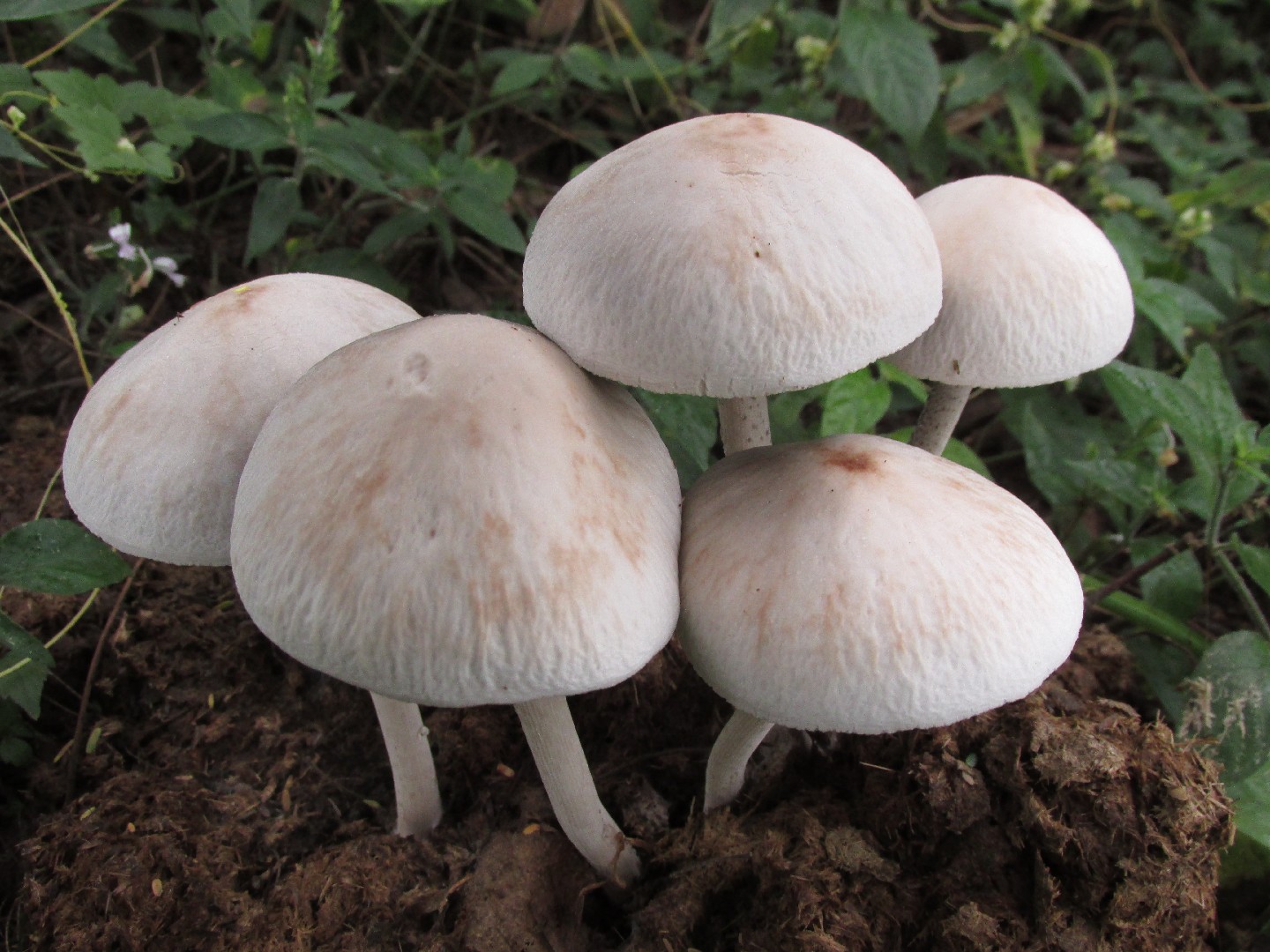
10. Panaeolus antillarum
The panaeolus antillarum is a small, nondescript mushroom that, like other members of the Panaeolus genus, favors fruiting in animal dung, though it may also be found in wet meadows or even lawns. Though its stalk and cap don't offer any quick or easy identifying characteristics, one distinguishing feature of this species is its spore print, which is jet black.

More







