




Top 12 Most Common Mushrooms in Skopje

Most Common Mushrooms

1. Shaggy mane
The shaggy mane mushroom is commonly found in North American and European grasslands. Some peoples foraged for its young egg-shaped caps, but it has more recently been found to be a bioaccumulator of heavy metals, meaning it pulls toxic metals up from the soil where it grows. As a result, shaggy manes should not be eaten. The mushrooms usually appear in clusters or “fairy rings.”
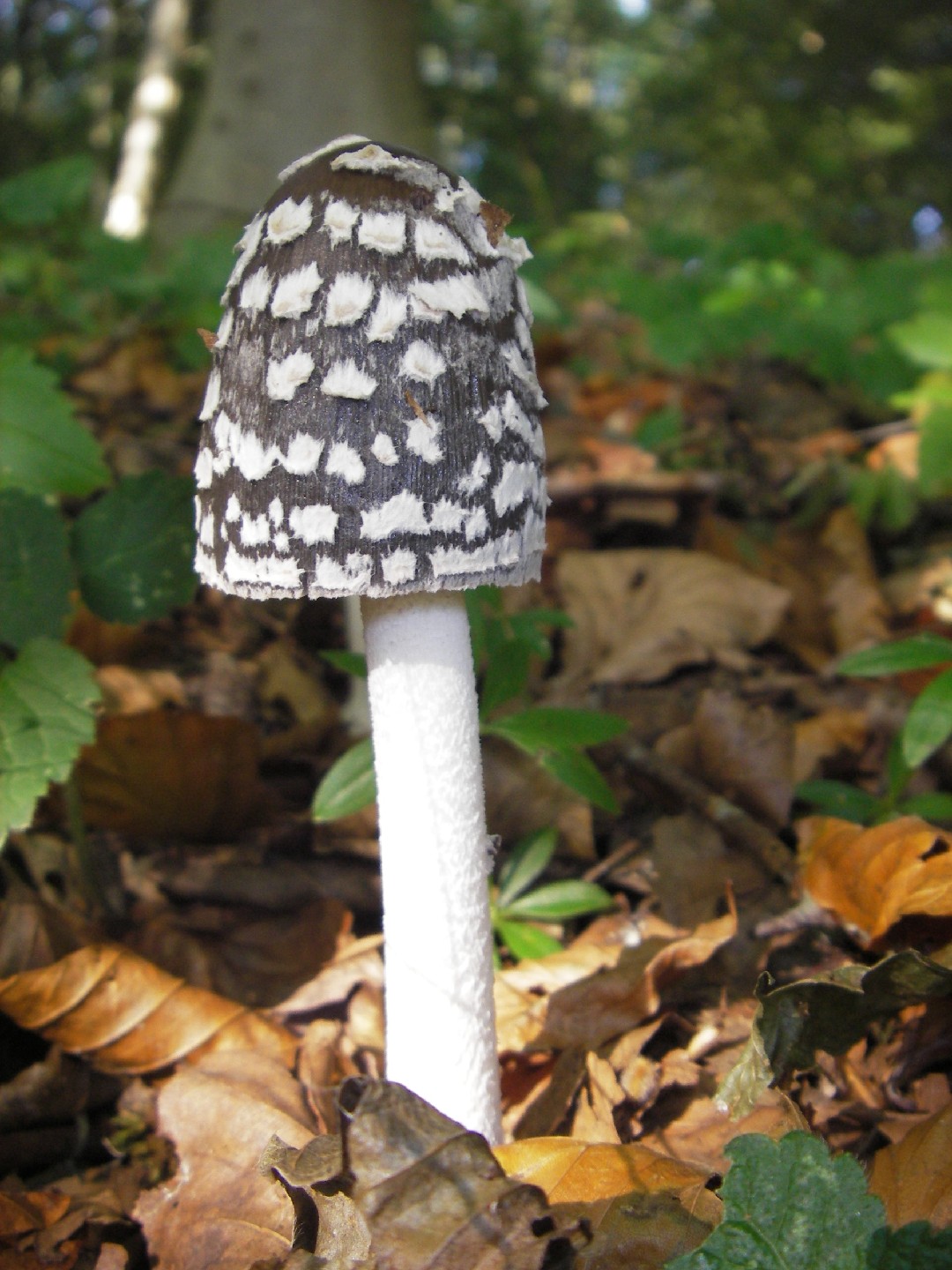
2. Magpie inkcap
The magpie inkcap is a striking and poisonous species of inkcap that can be found in Europe, Australia, and North America. The species has an egg-shaped cap that is typical to inkcaps, but its coloration sets it apart; white spots or splotches adorn a solid, dark brown or black background, reminiscent of the coloration of a magpie.
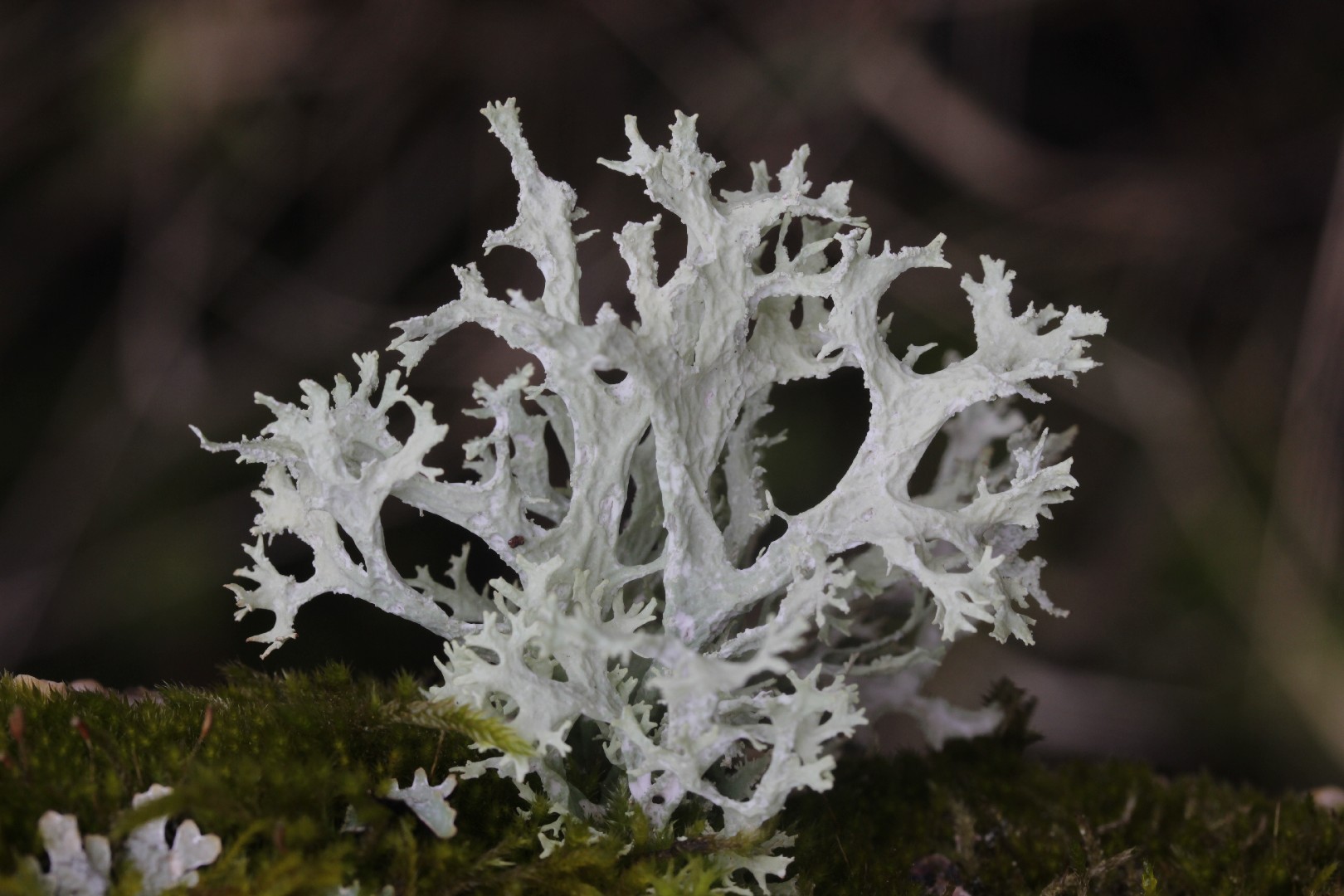
3. Oakmoss
Evernia prunastri grows shrubby on trees. The yellow-green lichen grows up to 10 cm. It consists of up to five millimeters wide shrubby branched bands with a light underside. At the edges of these open dusty (Sorale). Apothecias (with shiny brown disc) are rarely formed.
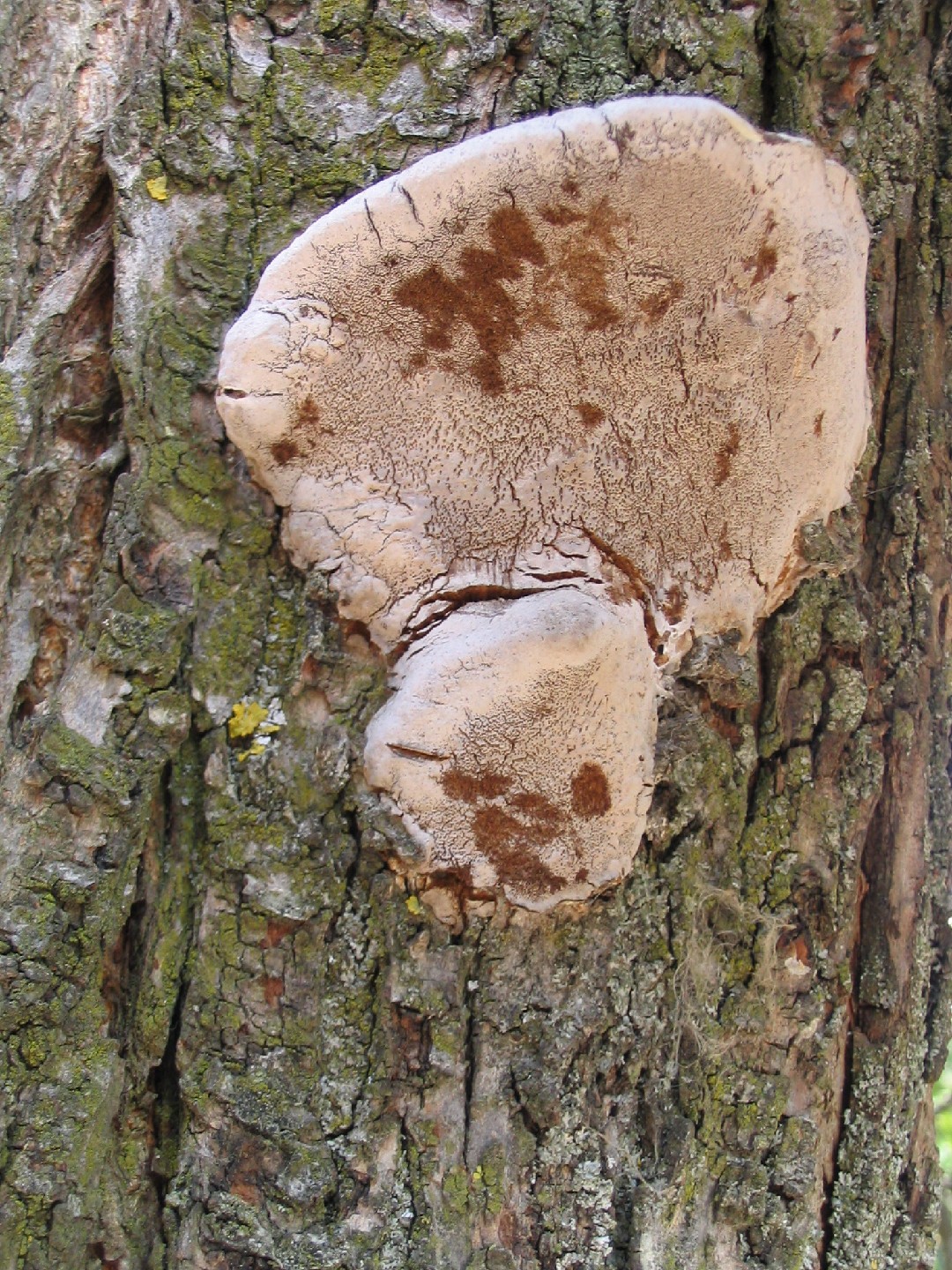
4. Cushion bracket
Cushion bracket is a parasitic fungus and a problem for landscapers and in forests. Spores from the fungus enter trees through pruning wounds and produce large cushion-like brackets. The fungus advances through and gradually decays the heartwood before entering the sapwood causing the limbs and branches to soften.
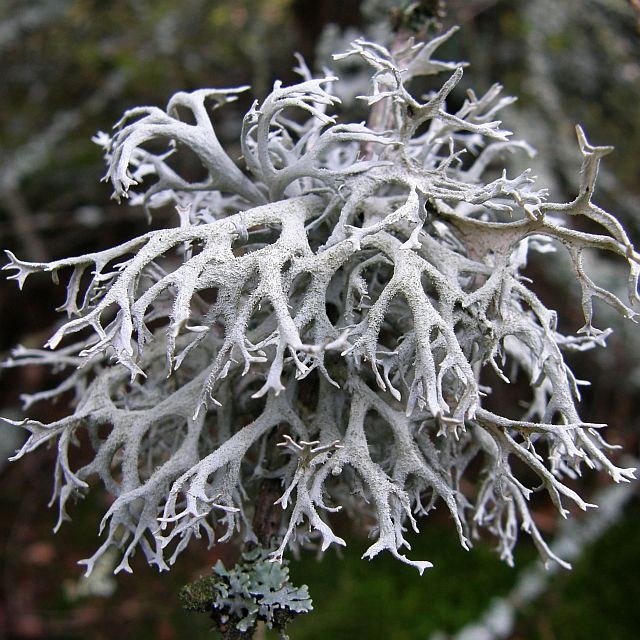
5. Tree moss
Pseudevernia furfuracea is associated with photobionts from the green algae genus Trebouxia. It reproduces asexually by isidia. The ontogeny of isidia development and its role in CO2 gas exchange in P. furfuracea has been investigated. The preferred growing surfaces for P. furfuracea are the so-called "nutrient poor" bark trees, including birch, pine and spruce. The species has two morphologically identical varieties that are distinguished by the secondary metabolites they produce: var. ceratea Zopf. produces olivetoric acid and other physodic acids, while var. furfuracea produces physodic but not olivetoric acid. Some authors (e.g., Hale 1968) have separated the chemotypes at the species level, designating the olivetoric acid-containing specimens as Pseudevernia olivetorina, but more recent literature separates them at the varietal level. 
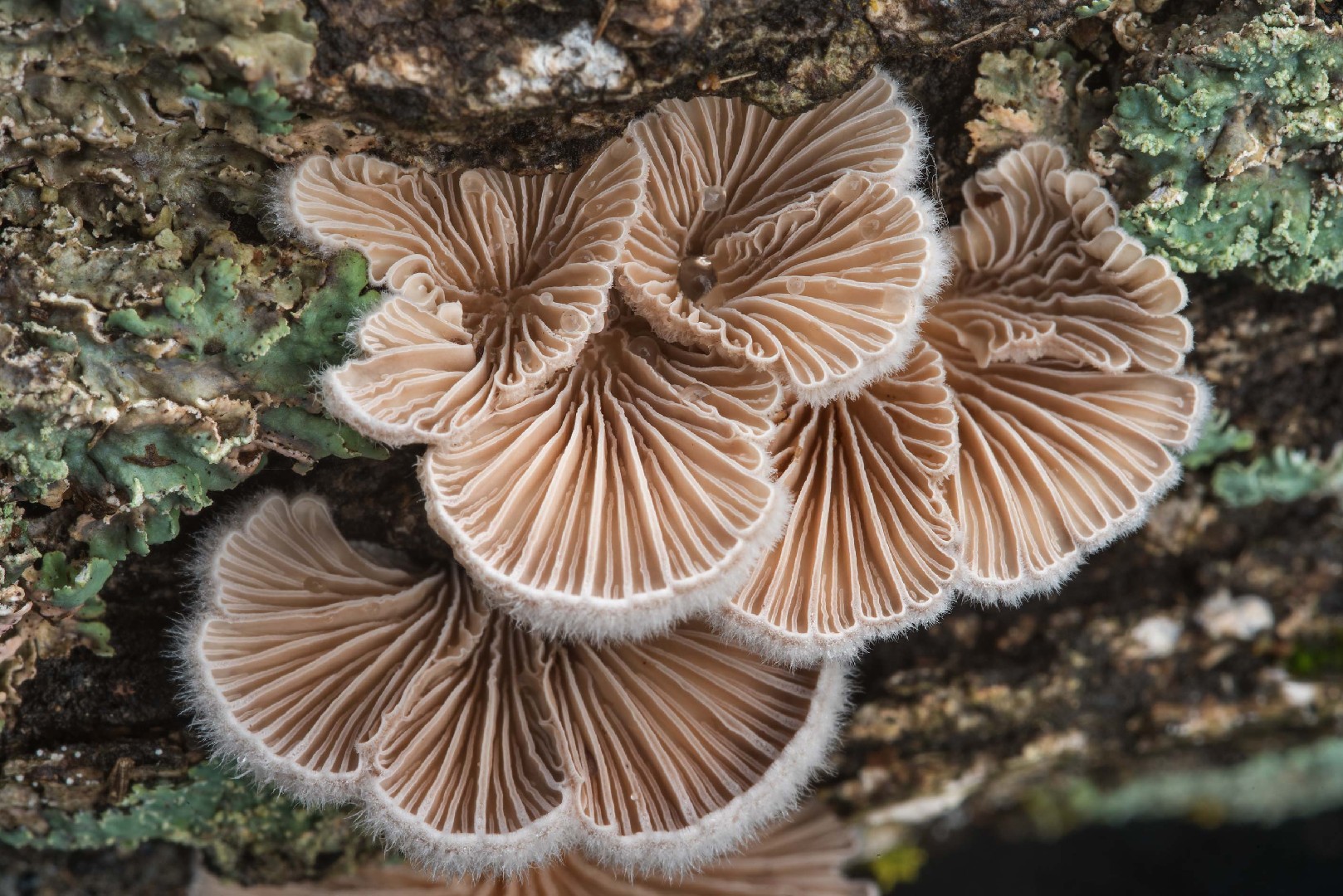
6. Split gill
Split gill(Schizophyllum commune) can be found across the globe. Uniquely, it is the only mushroom species known to display the capability to retract by movement. It is considered inedible, although not necessarily toxic. Furthermore, it is not recommended to smell this species, as the spores are capable of sprouting and growing in nasal passages.
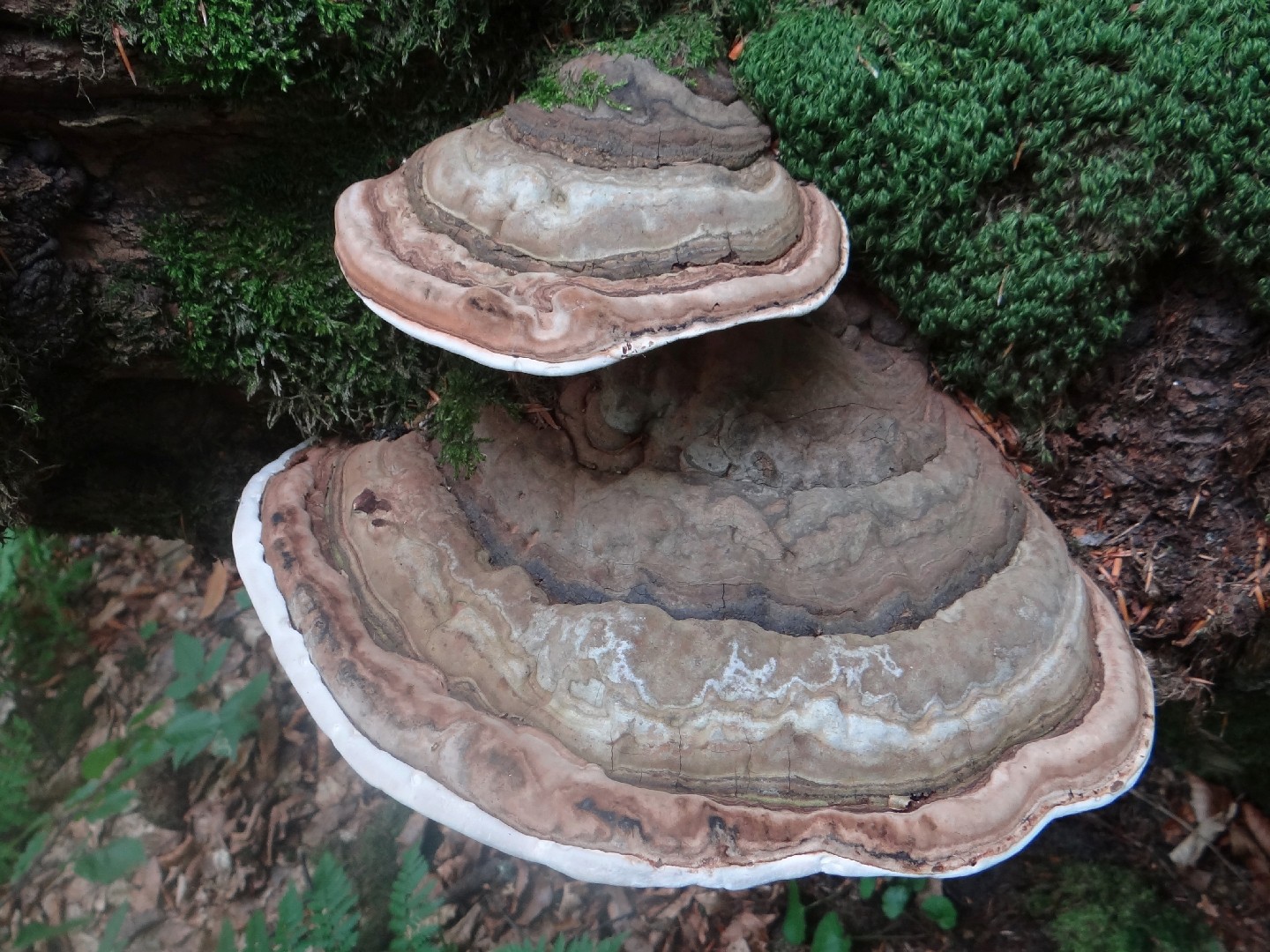
7. Artist's conk
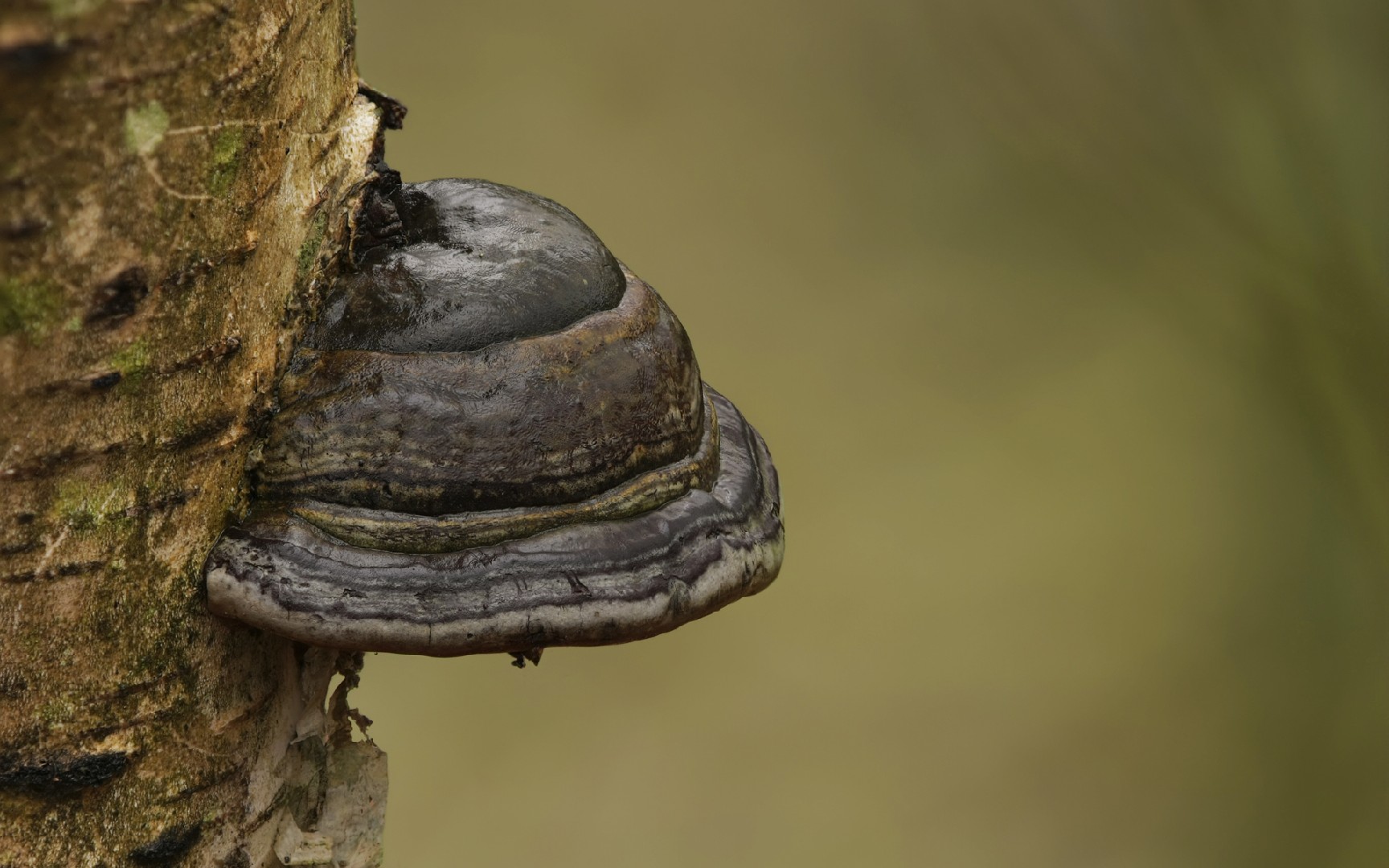
This shelf fungus can live for several consecutive years and can be dated by the growth ridges seen on its dark surface. Artist's conk grows in tiered groups at the bases of oak, beech, and conifers, as well as deadwood. When its spores release, they cover the area with visible brown dust. Scratches in the white undersurface create dark lines.
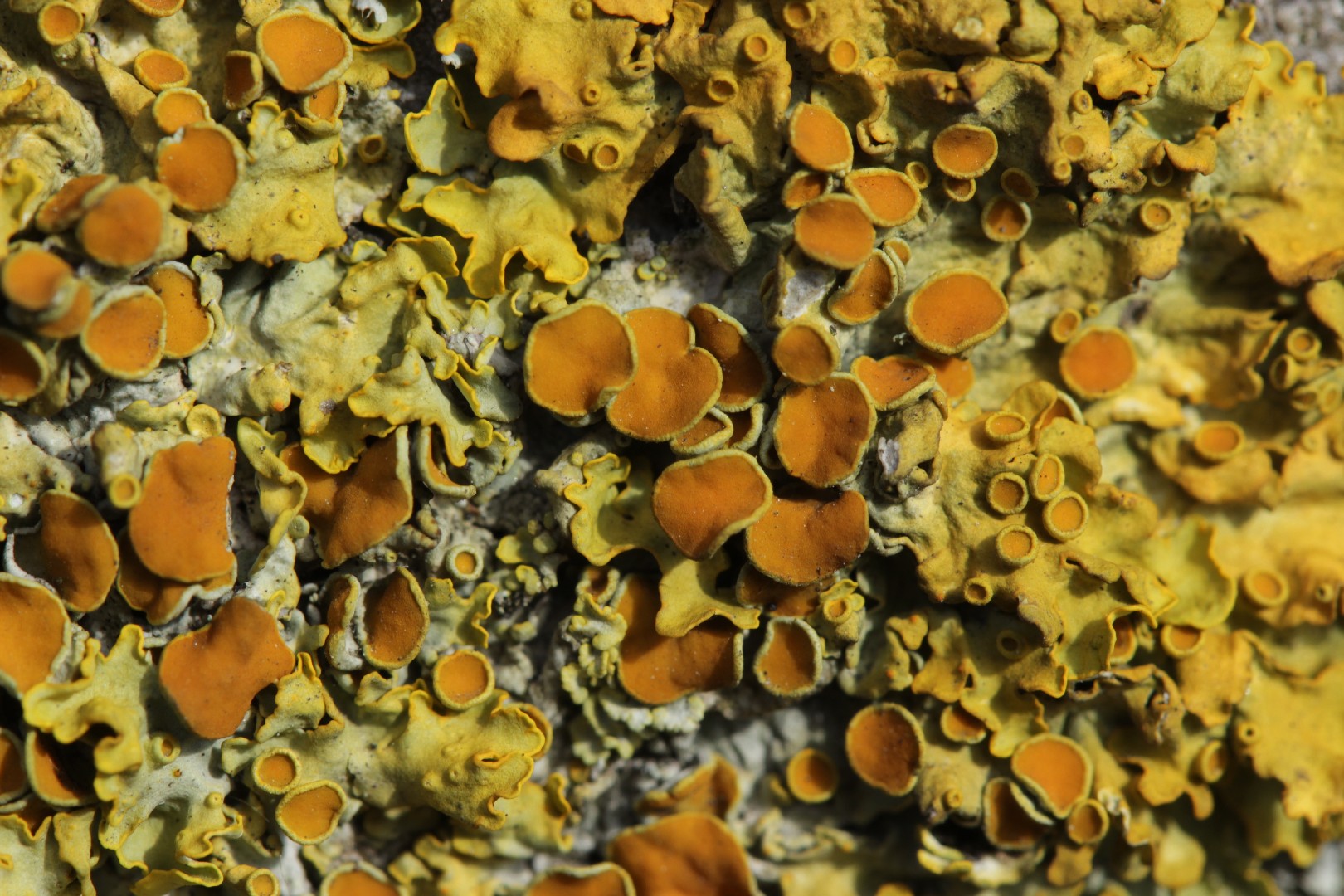
8. Common orange lichen
Common orange lichen was selected in 2006 by the United States Department of Energy as a model for genomic sequencing. Its widespread dispersal and bright yellow-orange color give the lichen its common name. It is primarily found growing on rocks, walls, and tree bark.
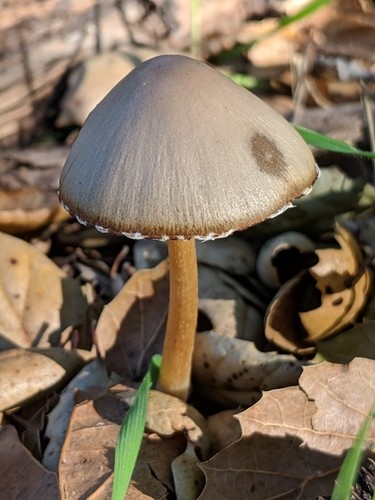
9. Tall psathyrella
The tall psathyrella (Psathyrella longipes) is identified by its almost cartoonish, bell-shaped, elongated cap, which centers upon an abnormally slender stem. The cap morphs as it matures, starting life as a mustard color and evolving into a dull, greyish-brown. Their small bodies pop up from damp leaf litter and are quite fragile to the touch.
10. Fly agaric
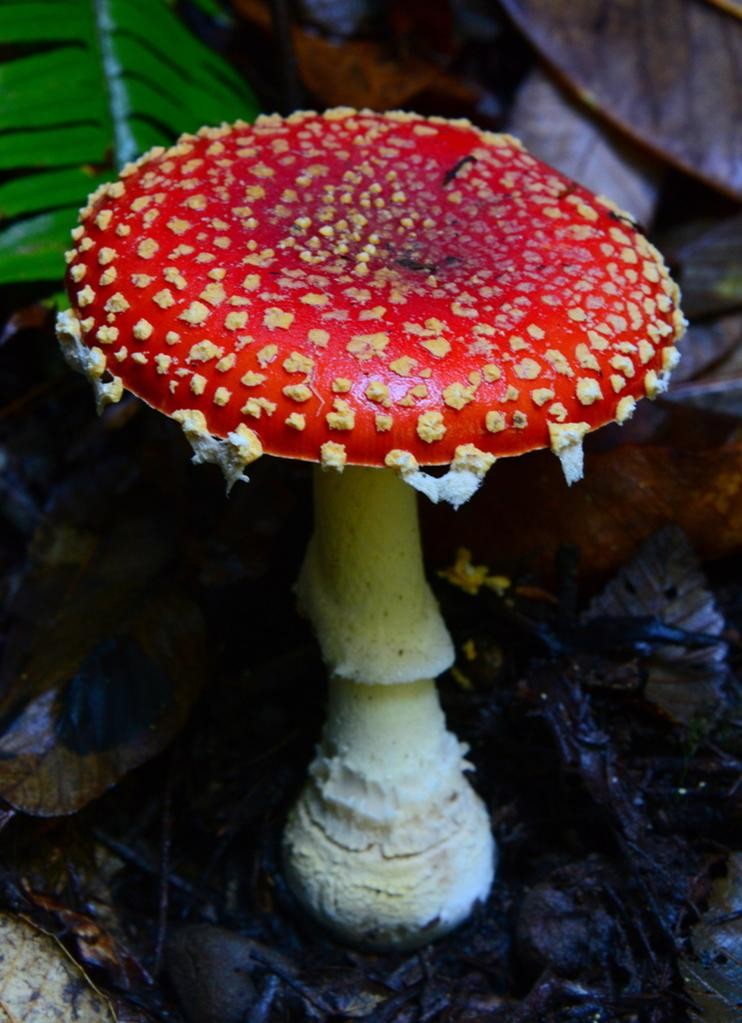
In Northern Asia and Europe, fly agaric grows under trees near the winter solstice and is collected for ritual use tied to the season. Its characteristic shape and coloring are still ubiquitous in many European fairy tale illustrations and Christmas traditions. It is highly toxic.
More







