




Top 14 Most Common Mushrooms in Jordan
In exploring the captivating world of fungi, one cannot overlook the significance of Jordan with its plethora of mushroom species. Its diverse climate, varying soil types, and unique flora and fauna, together create a fertile ground for an extensive variety of mushroom species, making it a haven for mycologists and nature enthusiasts alike. Dive into the fungal biodiversity of Jordan as we spotlight the top 14 most common mushrooms found in this vibrant landscape, each woven intricacly into the ecological tapestry of this nation.

Most Common Mushrooms
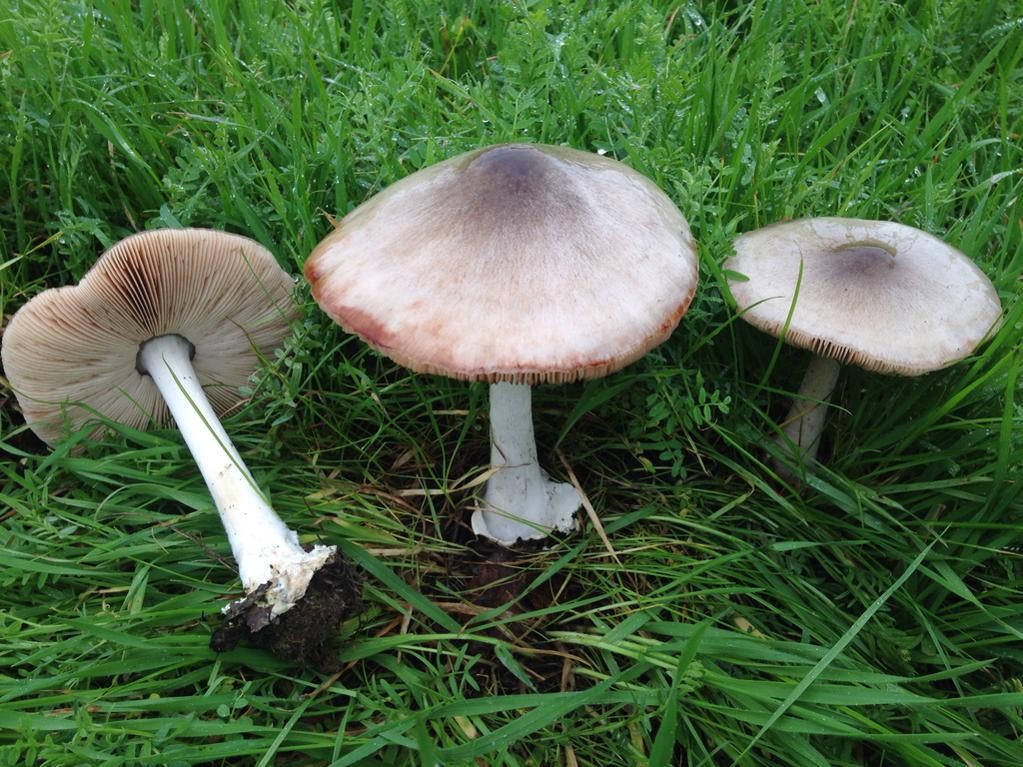
1. Big sheath mushroom
These large white mushrooms bloom all over cleared, harvested fields, as well as pastures and roadsides. The scientific species name comes from Greek words meaning “glue” (glioio) and “head” (cephalus), in reference to the sticky surface of this mushroom’s cap. The big sheath mushroom looks so similar to the poisonous Deathcap and Destroying Angel mushrooms that it should always be left alone.
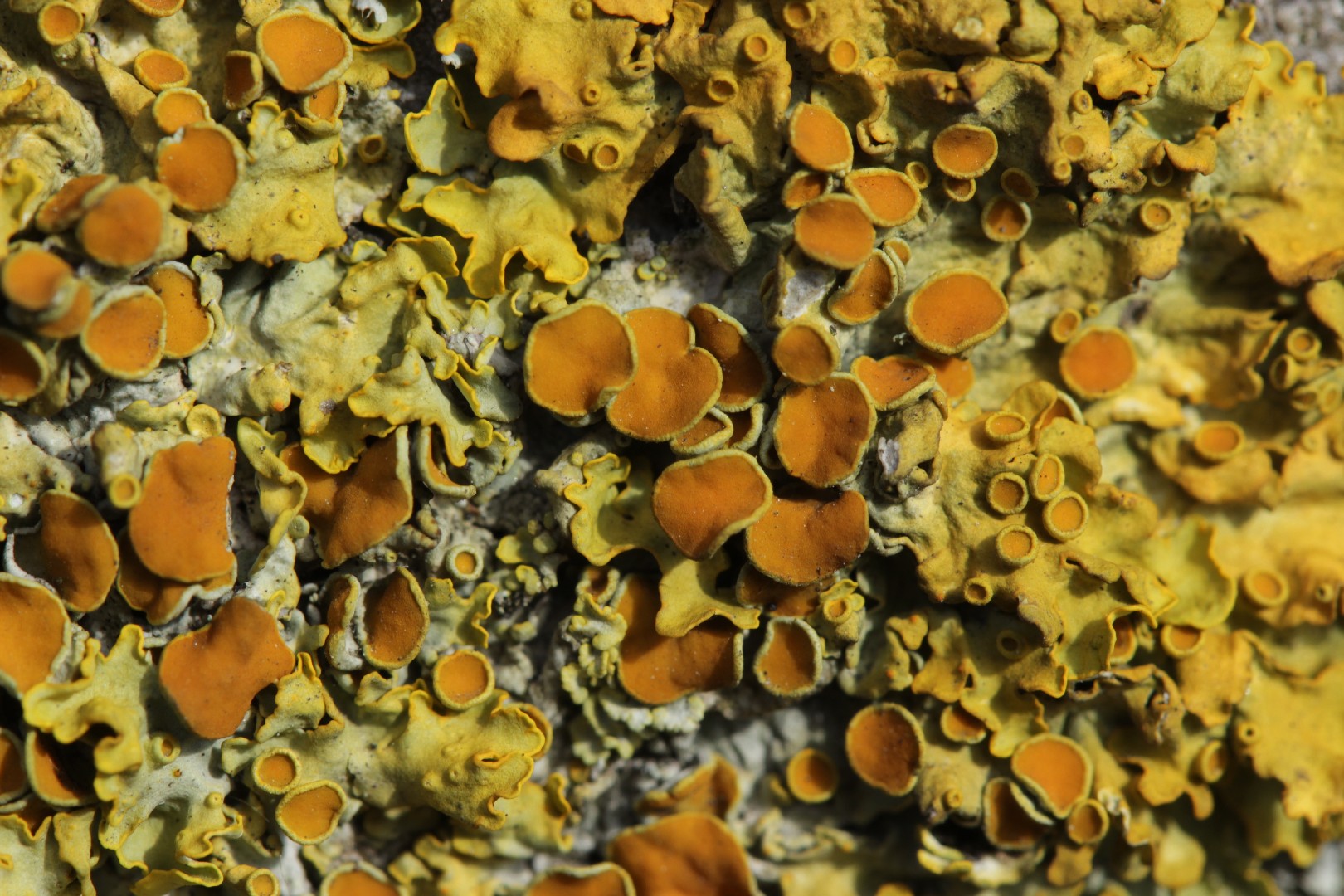
2. Common orange lichen
Common orange lichen was selected in 2006 by the United States Department of Energy as a model for genomic sequencing. Its widespread dispersal and bright yellow-orange color give the lichen its common name. It is primarily found growing on rocks, walls, and tree bark.
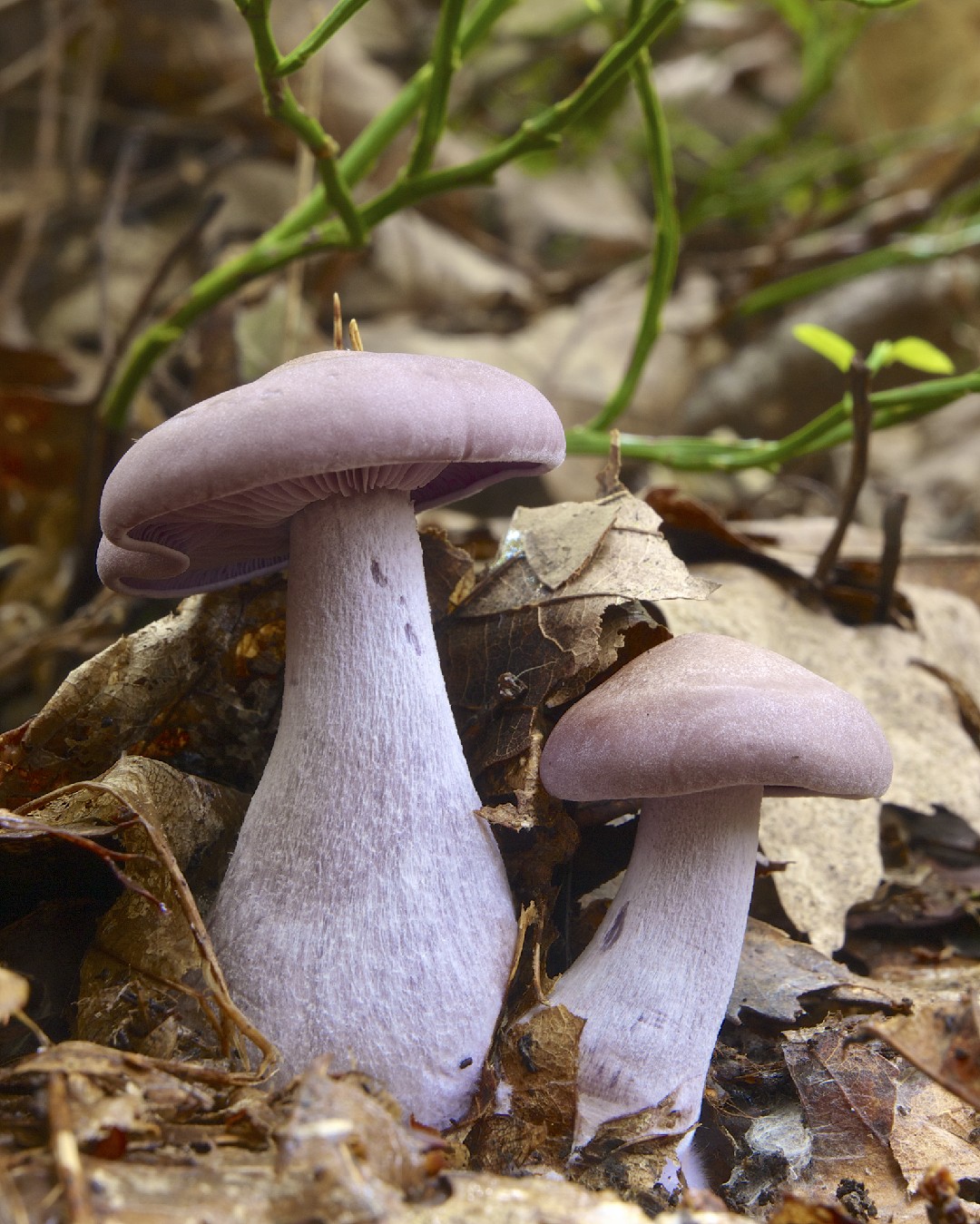
3. Blewit
The blewit mushroom grows in fallen leaves in autumn and winter, sometimes appearing in ‘fairy ring’ circles. It can be used to make a green dye when chopped and boiled in an iron pot. The scientific name, Lepista nuda, derives from Latin words meaning “bare goblet,” a reference to the shape and texture of the mushroom.
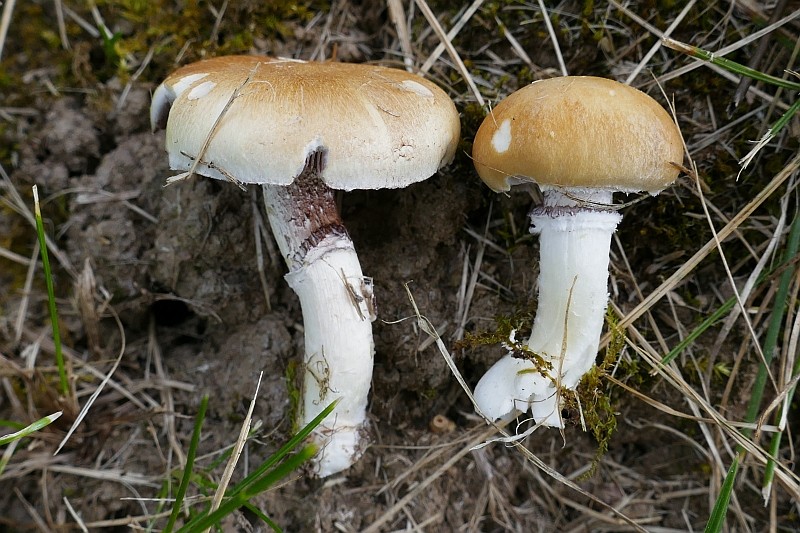
4. Garland roundhead
The rather mundane appearance of the garland roundhead (Psilocybe coronilla) is somewhat deceptive, as this mushroom holds a big secret: it is quite toxic, and along with other members of the Psilocybe family, can cause some rather unpleasant side effects if consumed, especially in those with mushroom sensitivities. They grow with ease out of grassy areas and places with high nutrient content.

5. Sordid blewit
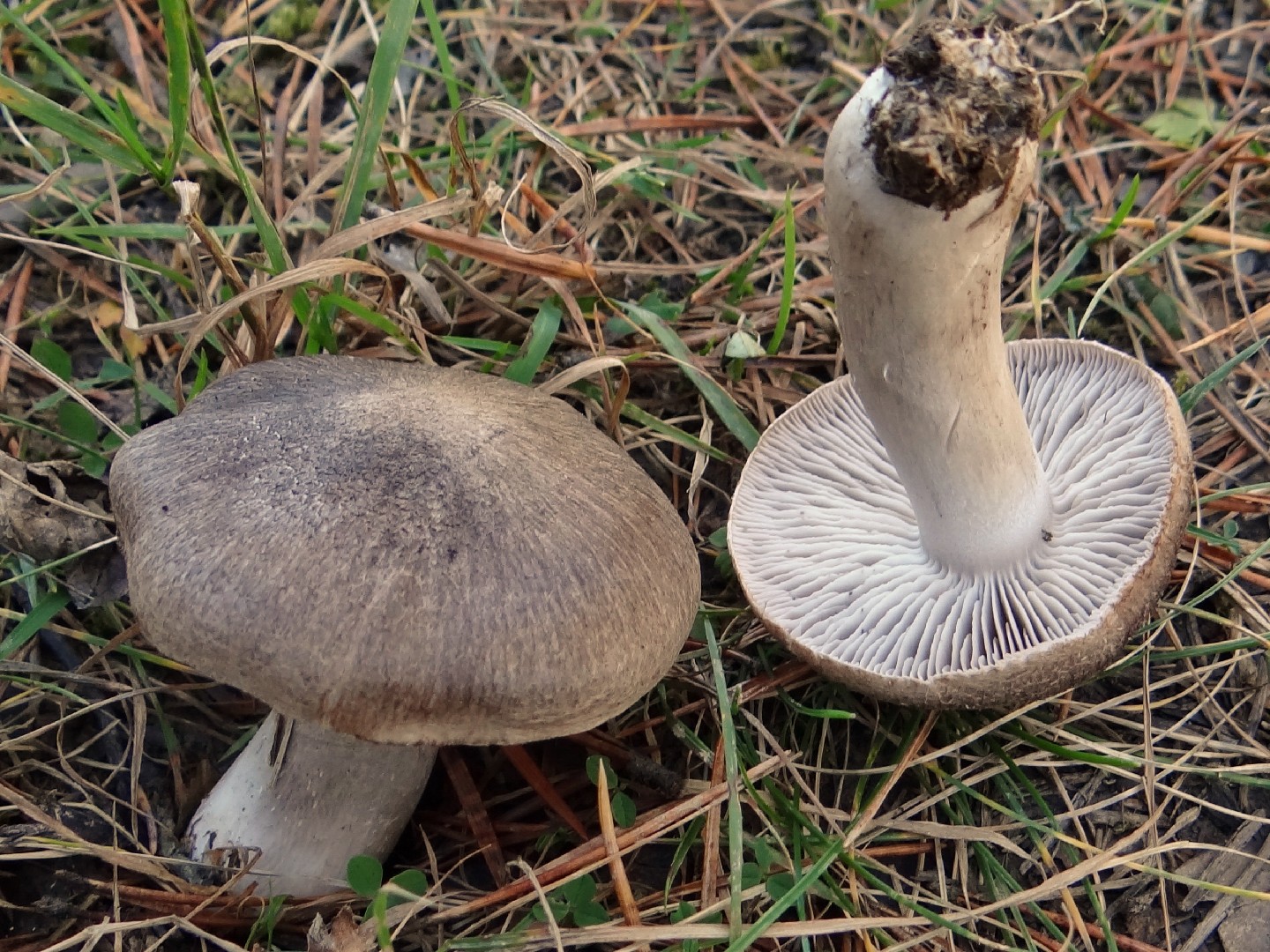
The sordid blewit is a beautiful and attractive mushroom of the northern temperate zones around the world. The flesh is pink or purple when young, and it turns brownish as the mushroom matures. It forms so-called fairy rings. Although the sordid blewit is easily identified, inexperienced mushroom hunters can confuse it for certain Clitocybe species.
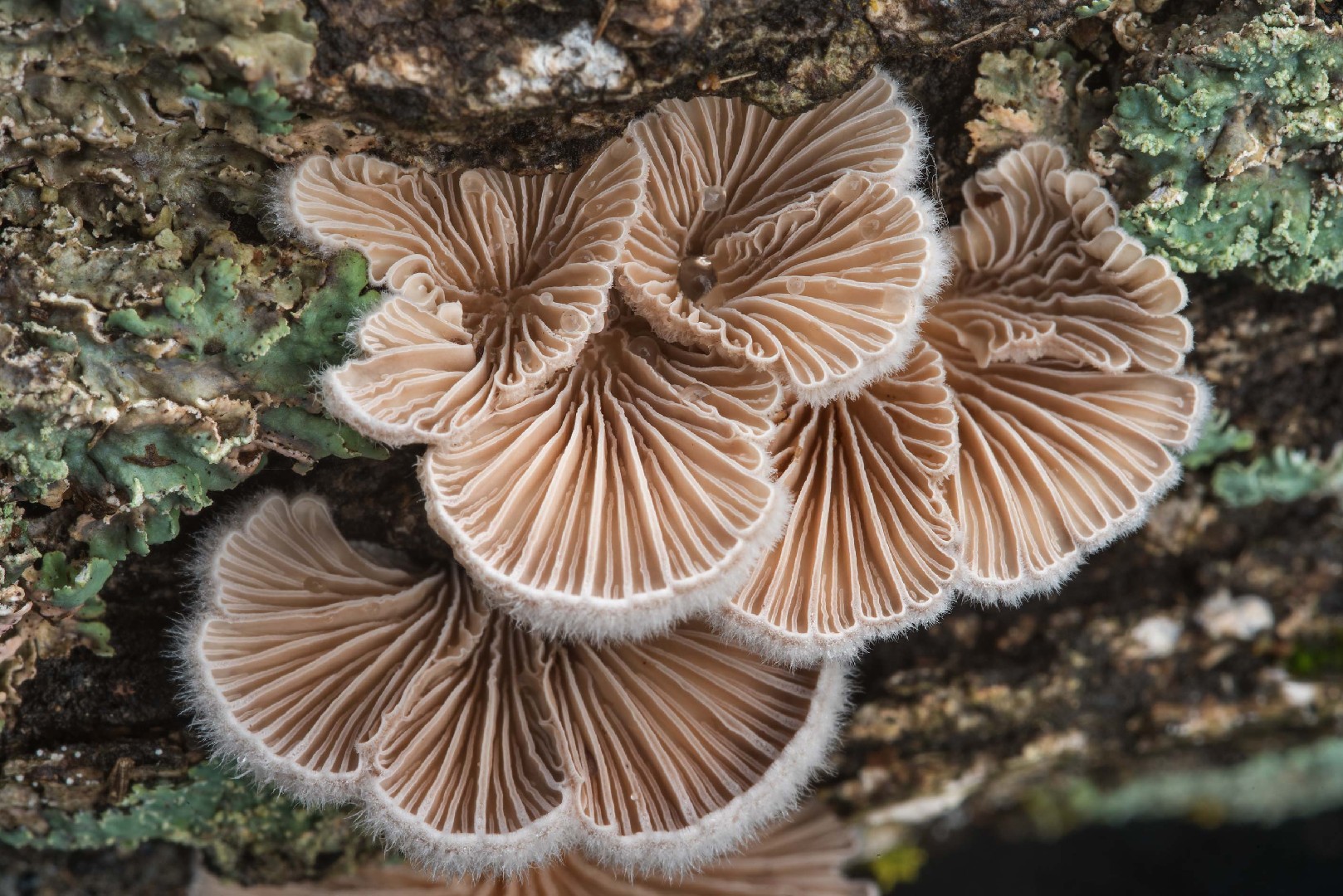
6. Split gill
Split gill(Schizophyllum commune) can be found across the globe. Uniquely, it is the only mushroom species known to display the capability to retract by movement. It is considered inedible, although not necessarily toxic. Furthermore, it is not recommended to smell this species, as the spores are capable of sprouting and growing in nasal passages.
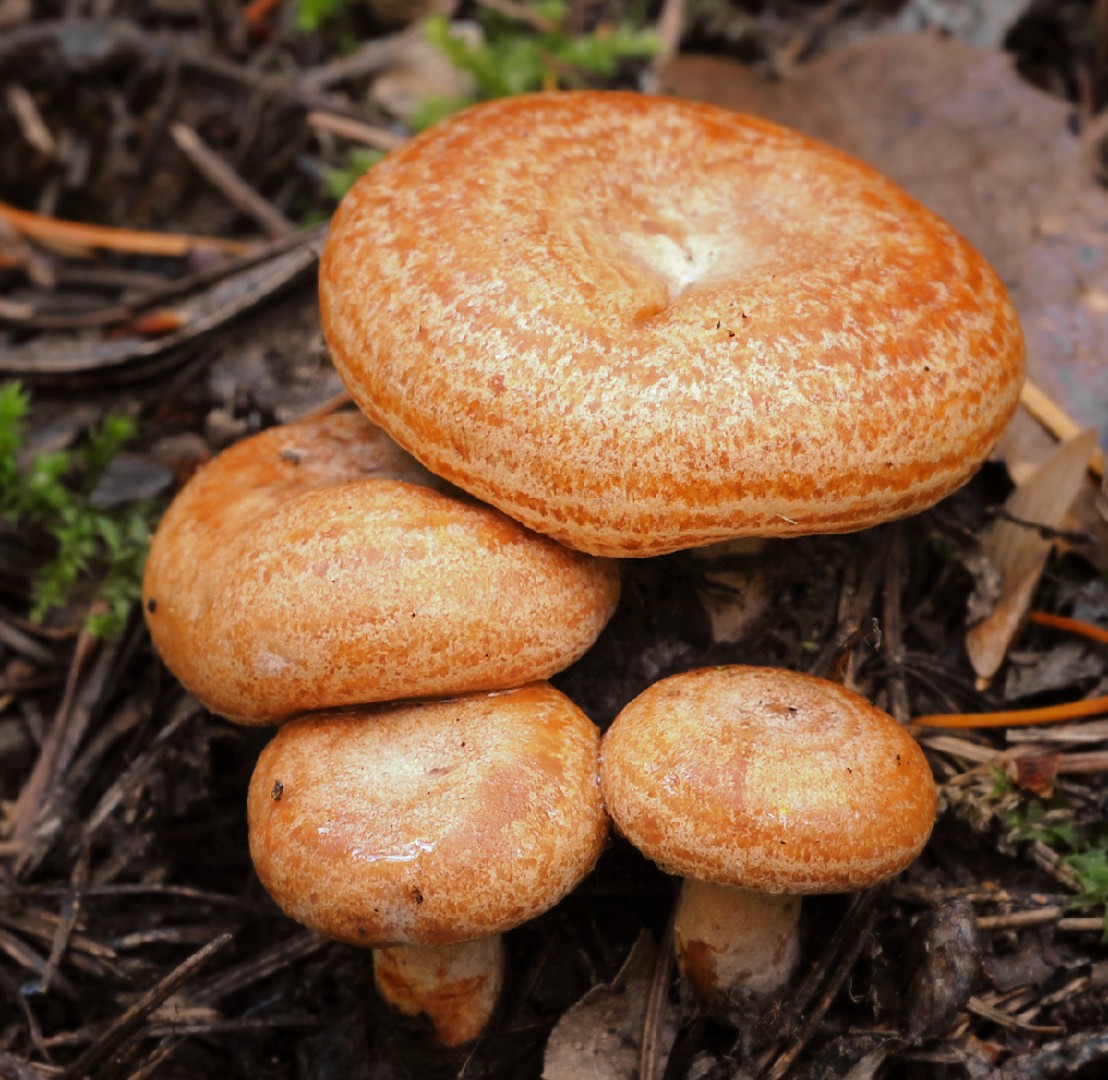
7. Saffron milk cap
Growing wild in the northern hemisphere and introduced to Australia, the saffron milk cap is found in pine forests during autumn. As the name implies, these mushrooms have been harvested for cooking for a long time. They have been known to cause stomach upset in some individuals, however, and carry a risk of being contaminated with heavy metals, so forage with caution.
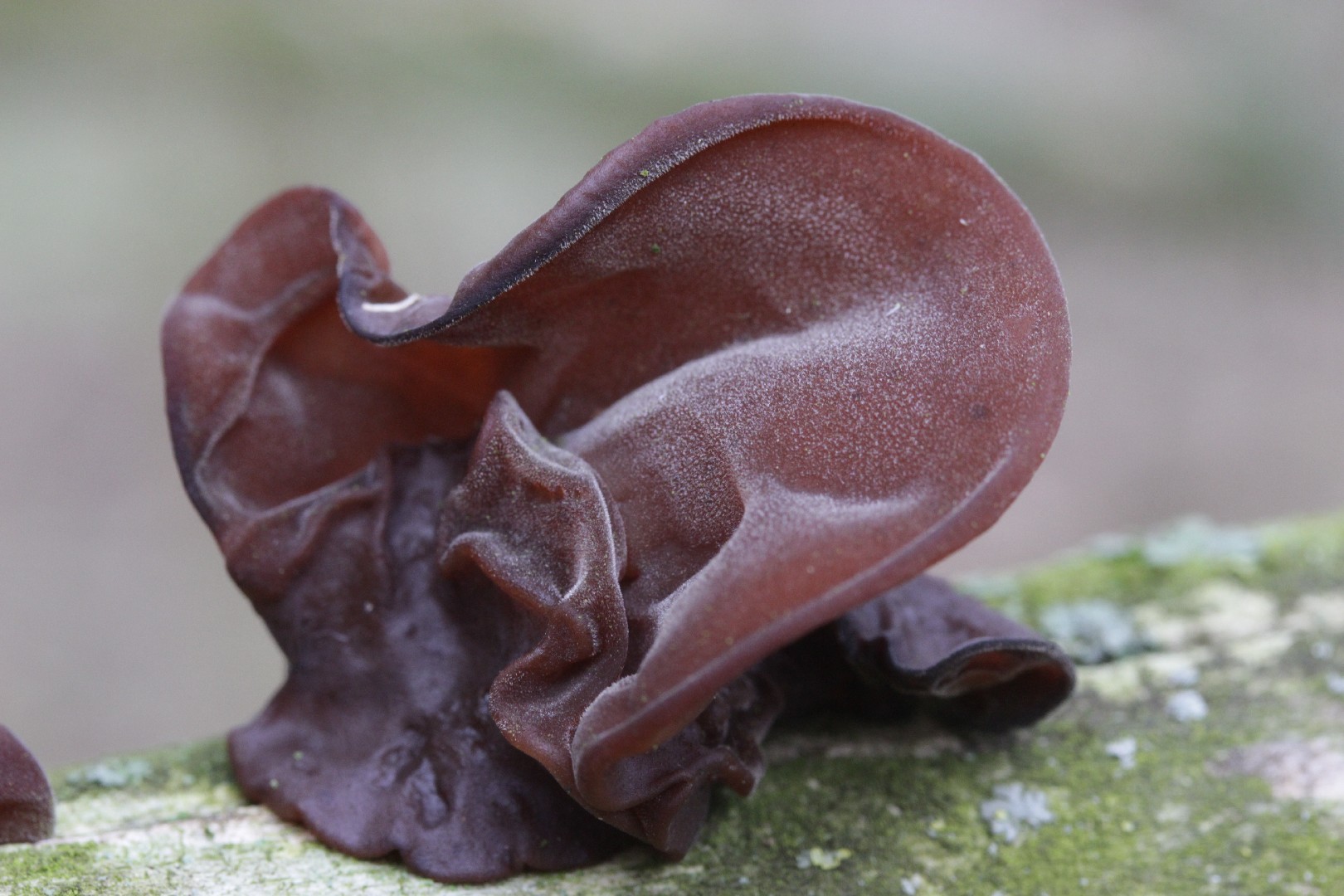
8. Jelly ear
The distinctive jelly ear grows mainly through winter and spring, mostly on the dead trunks and branches of elder trees. It occurs around the world and is often cooked into dishes in Asian countries. This ear-shaped jelly mushroom is often available in stores both fresh and dried.

9. Blushing morel
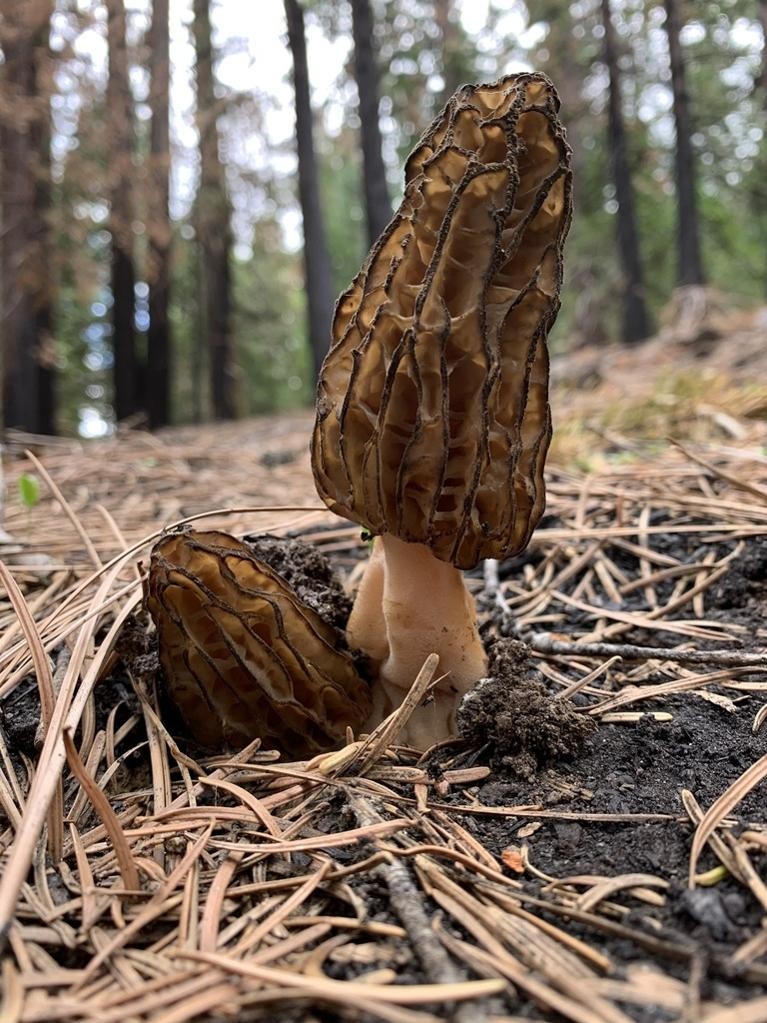
Blushing morel (Morchella rufobrunnea) is most commonly found clustered near piles of woodchips or decaying bark. Because such woodchips are commonly used in landscaping work, this species has also been nicknamed the "Landscaping Morel" for its tendency to sprout in such conditions.
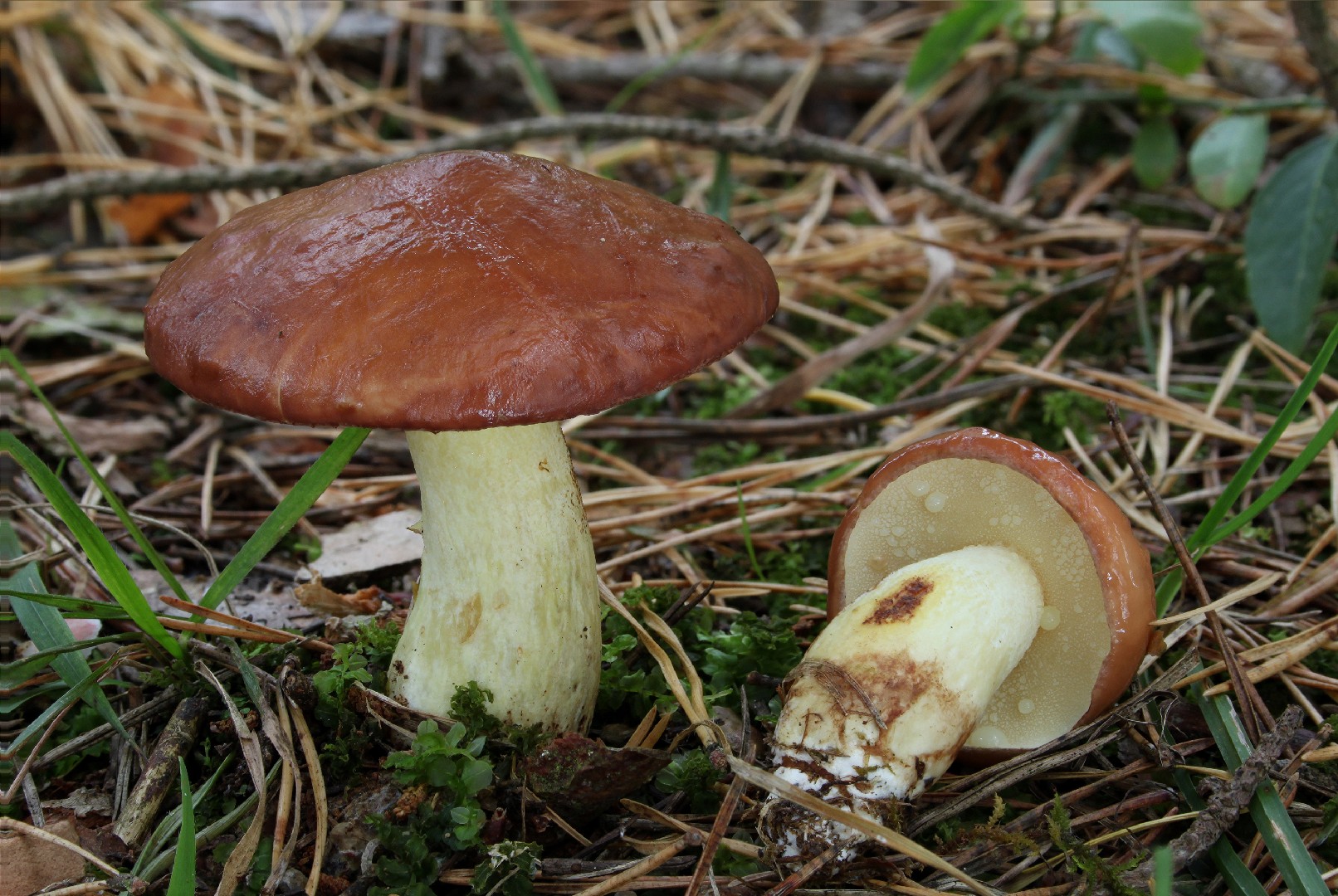
10. Weeping bolete
The weeping bolete features a greasy, sticky cap surface. When young, milky droplets are released through pores on its surface. It appears most commonly beneath Scots pine or other coniferous trees and forms a mutually beneficial relationship with its host.

More







